8 Idaho Ghost Town Legends That Still Get Told Around Campfires Every October
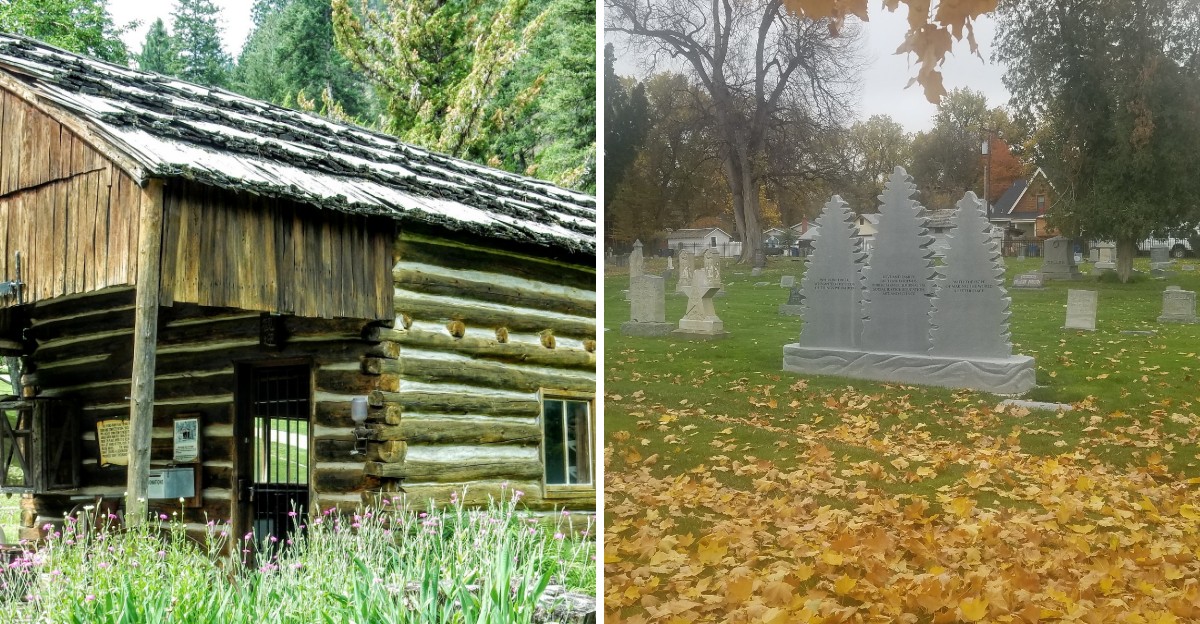
One old hotel in the Owyhee Mountains reportedly has guests who haven’t paid for a room in decades. Staff and visitors describe a large gentleman in formal clothes, the sound of children, and a spirit nicknamed Screaming Alice.
I love that these stories come from real places. Idaho’s backcountry still holds mining towns from the 1860s, with original buildings, plank boardwalks, and hillside cemeteries you can actually visit.
A few are fully empty now. A couple still keep a handful of year-round residents, and many sit at the end of gravel roads that turn rough once the snow arrives.
That makes October the last good window before winter takes over the high country. It’s also when these old tales get dusted off and passed around the fire again.
So which of these eight would keep you awake in your sleeping bag tonight?
1. Silver City
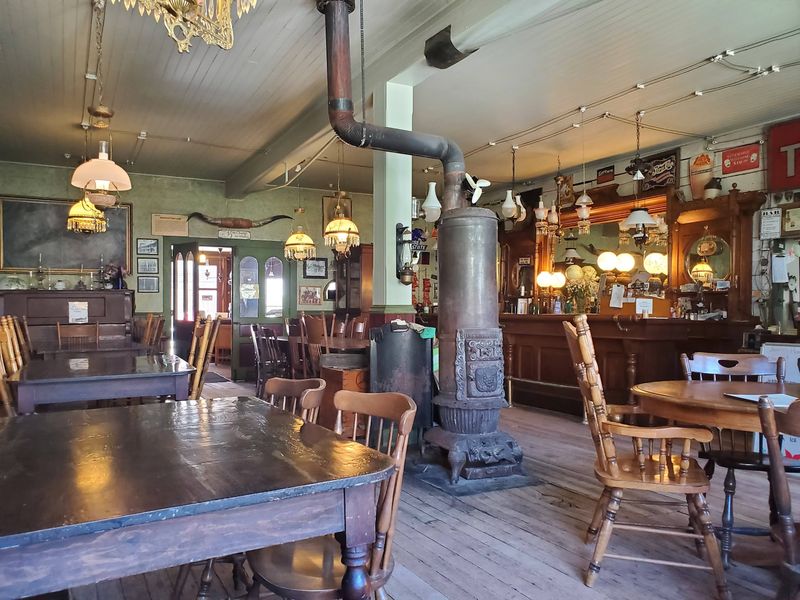
Plenty of hotels advertise long-term guests, but the Idaho Hotel’s longest residents reportedly never check out. Visitors and owners describe a big gentleman in formal attire, the sound of children, and a spirit known as Screaming Alice.
The legend says Alice took a bad fall down the hotel stairs. Other stories point to J.
Marion Moore and Samuel Lockhart, two rivals tied to a famous gunfight on the front steps.
The hotel itself has traveled more than most ghosts. It was built in Ruby City in 1863 and moved to Silver City in 1866, back when silver from War Eagle Mountain had the whole Owyhee range buzzing.
Silver City served as the Owyhee County seat from 1866 to 1934. It also produced Idaho’s first daily newspaper, which means gossip traveled fast even then.
Today, more than 70 original buildings still stand at roughly 6,200 feet. You can wander past the 1892 Standard School, Our Lady of Tears Catholic Church, and the Masonic Hall.
The hotel runs seasonally, roughly Memorial Day into early October, and it hosts the only restaurant in town. The steep gravel roads are no joke, so check conditions before driving.
Address: Silver City, Owyhee County, ID 83650 (near Murphy)
2. Bonanza
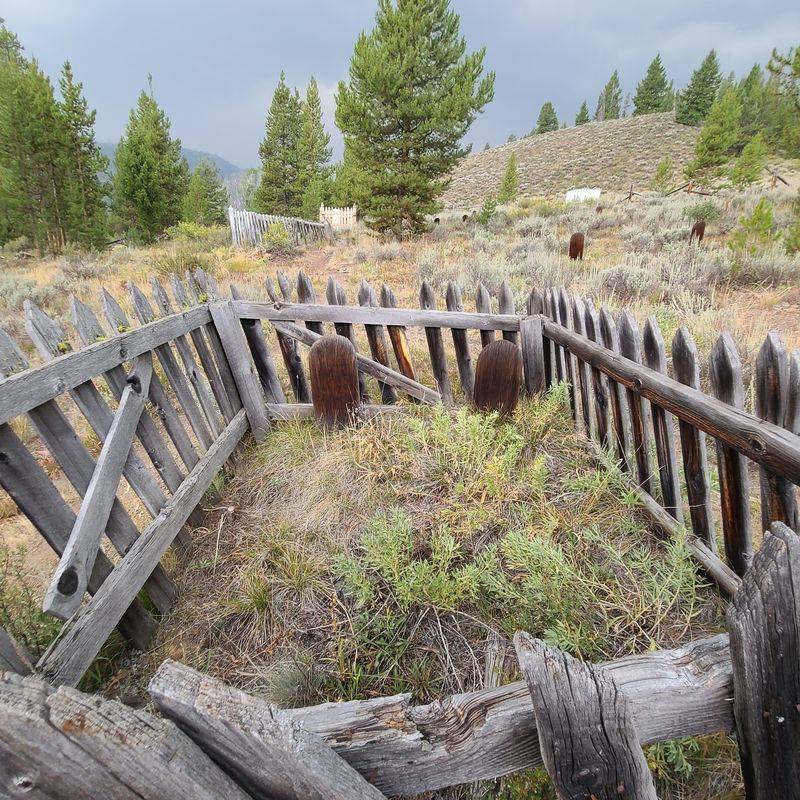
Love triangles usually end with somebody moving out of town. In Bonanza, the story goes that Lizzie and both of her husbands ended up resting in the same little corner of boot hill.
The tale of Lizzie and her two husbands is the kind you tell slowly, with a long pause before the ending. It has turned the overgrown cemetery into one of the most talked-about spots along the Yankee Fork.
Bonanza started in 1878 and grew fast. At its peak, it had a school, a boarding house, and a lineup of shops serving gold miners.
Then grass fires swept through in 1889 and 1897. Combine that with fading gold, and many residents simply packed up for nearby Custer.
What’s left now feels raw in the best way. Bonanza was never restored, so you’ll find rundown cabins and a cemetery slowly sinking back into the forest.
Custer sits just up the road if you want the polished version of the same era. The massive Yankee Fork Gold Dredge is close by too, which makes for a full central Idaho day.
Gravel roads here are usually clear from late May into early October. After that, the snow gets the final word.
Address: Yankee Fork Road, Land of the Yankee Fork State Park, near Challis, ID 83226
3. Bayhorse
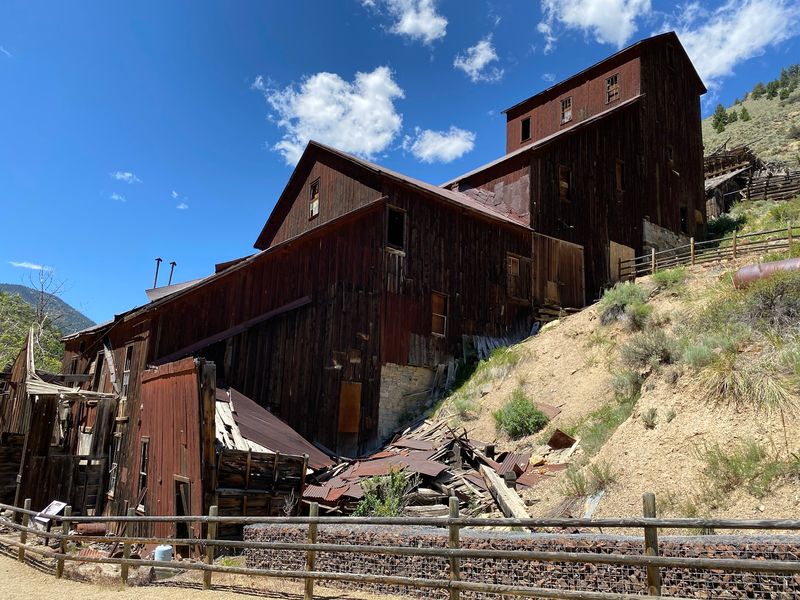
A town named after a pair of horses sounds friendly enough. Bayhorse reportedly got its name from an early prospector whose two bay horses became his calling card while he spread word of rich ore.
The camp took off in 1877 in a deep canyon off Bayhorse Creek. By the 1880s, somewhere between 300 and 500 people lived there, working silver and lead.
Industry moved in quickly. A smelter, an aerial tramway, and the Gilmer and Salisbury Stamp Mill turned the canyon into a noisy little powerhouse.
Then a fire hit in 1889. Falling silver prices and a water shortage finished the job, and the town was practically deserted by 1915.
The legend here is quieter than a screaming ghost. Some visitors describe a heavy sense of the miners’ hopes and struggles, as if the work never quite clocked out.
You can judge that feeling yourself on a loop trail close to a mile long. It passes 14 aging buildings, including the 1882 stamp mill, a stone Wells Fargo building, and beehive charcoal kilns.
Bayhorse is part of Land of the Yankee Fork State Park, managed by Idaho Parks and Recreation. That care keeps the canyon’s story standing for the next campfire crowd.
Address: Bayhorse Creek Road, Challis, ID 83226
4. Florence
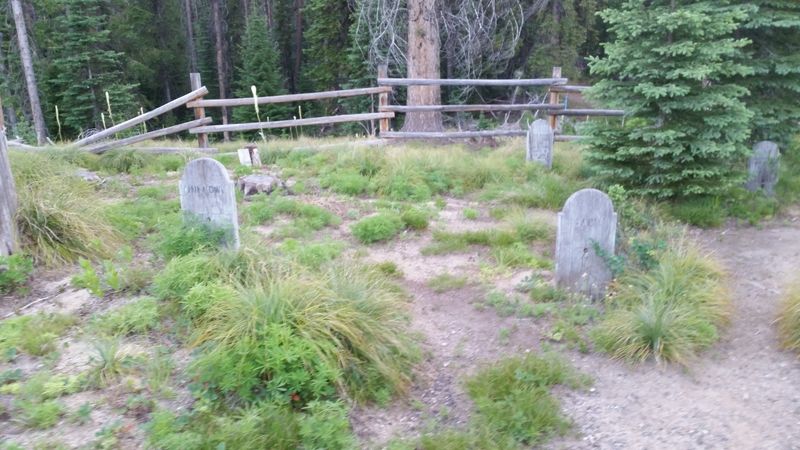
Here’s a campfire story with no ghost required. The winter of 1861 to 1862 in Florence brought 113 straight days of snow, and that’s scary enough on its own.
Gold drew thousands of prospectors to this high basin in August 1861. By November, the camp had its name, and fortunes looked close enough to grab.
Winter had other plans. Snow piled around ten feet deep, mining stopped cold, and food ran so short that miners lived on flour paste and spruce tea.
At least 100 miners were lost to cold, hunger, and snow blindness. Historians believe the real number ran higher because records were spotty.
What makes Florence linger is the human side. Accounts describe miners who shared their last supplies alongside others who hoarded, which turns the tale into a gut check for anyone listening.
Sitting at about 6,080 feet in north central Idaho County, the townsite now holds little more than foundations and a quiet cemetery. It’s a long, remote trip out of the Riggins area, so plan carefully.
Tell this one around the fire and watch people scoot closer to the flames. Suddenly, that extra blanket in your truck looks like the smartest thing you packed.
Address: Florence, Idaho County, ID (near Riggins, ID 83549)
5. Rocky Bar
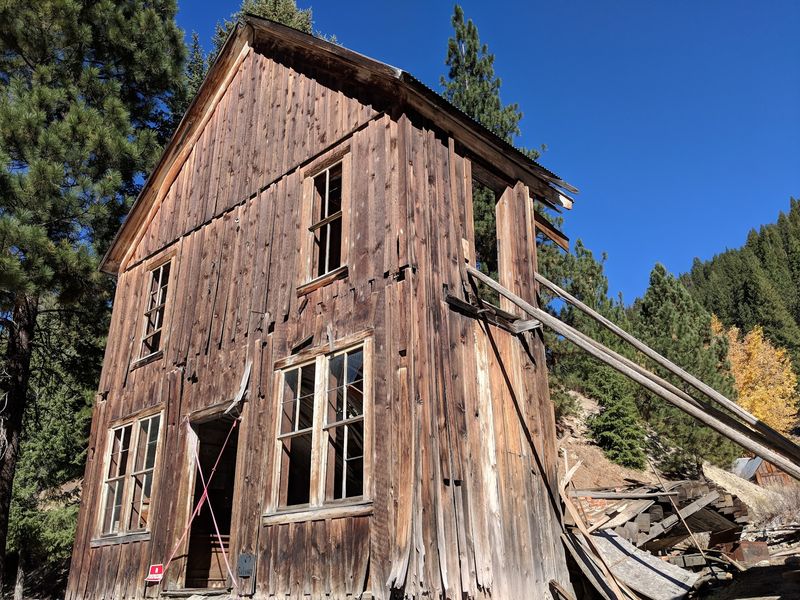
Once upon a time, Rocky Bar rivaled Boise. Gold strikes on the Feather River in December 1863 pulled in more than 2,500 people, and the town served as the first seat of Alturas County.
A fire in 1892 wiped out much of the town. Residents rebuilt, but the boom never fully came back.
The legend everyone remembers belongs to Peg Leg Annie. In the late 1890s, she set out on foot from Atlanta to Rocky Bar with a companion and got caught in a brutal blizzard.
A search party found Annie two days later, barely hanging on. She lost both feet to frostbite, while her companion did not survive.
Annie didn’t let that end her story. She adapted with handmade prosthetics, ran businesses, and became a symbol of frontier grit.
Another tale belongs to Charles Sprittles, known as the last winter resident. He passed away in 1964 while snowshoeing toward town, and a spring search party reportedly ate lunch near his snow-covered spot without knowing.
Rocky Bar sits about 62 miles northeast of Mountain Home by forest road. Abandoned buildings still line the area, so bring a full tank and plenty of curiosity.
Address: Rocky Bar, Elmore County, ID 83647 (northeast of Mountain Home)
6. Warren
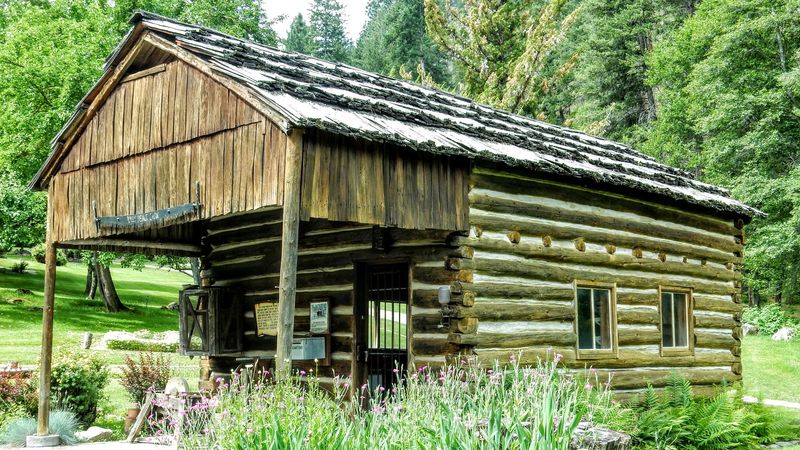
Not every ghost town legend needs chills. Warren’s best story is about a woman who found her footing in one of the toughest corners of Idaho.
Polly Bemis arrived in Warren in 1872 after being brought from China and sold. She was one of only two Chinese women in town at the time.
She eventually married Charles Bemis and built a life along the Salmon River. Her wish to rest where she could hear the river’s roar says a lot about how deeply she loved that country.
Warren itself was unusual. In 1869, local miners voted to let Chinese workers buy and lease claims, a sharp break from most mining camps of the era.
By 1870, Chinese miners outnumbered white residents roughly three to one. Many patiently worked claims that others had walked away from.
Settled in 1862, Warren still counts a small group of year-round residents, with more arriving in summer. That makes it a living ghost town rather than an empty one.
You reach it by driving about 45 miles northeast of McCall on the Warren Wagon Road, with some unpaved stretches. Original buildings still stand, and the quiet streets give the stories plenty of room.
Address: Warren, Idaho County, ID 83671 (northeast of McCall)
7. Placerville
Musicians in a gold camp usually had steady work. In Placerville, the most repeated legend centers on a fiddler and a banjo player whose last night on the road went terribly wrong.
The story points to June 4, 1865, one of the darkest days in town history. Fiddler Frederick Cursons and banjo player Larry Moulton reportedly came across a miner named George Wilson after he had been robbed and shot.
The musicians were then attacked themselves as they tried to get away. Their tale has stuck around for more than a century and a half, and it still gets told whenever the fire burns low.
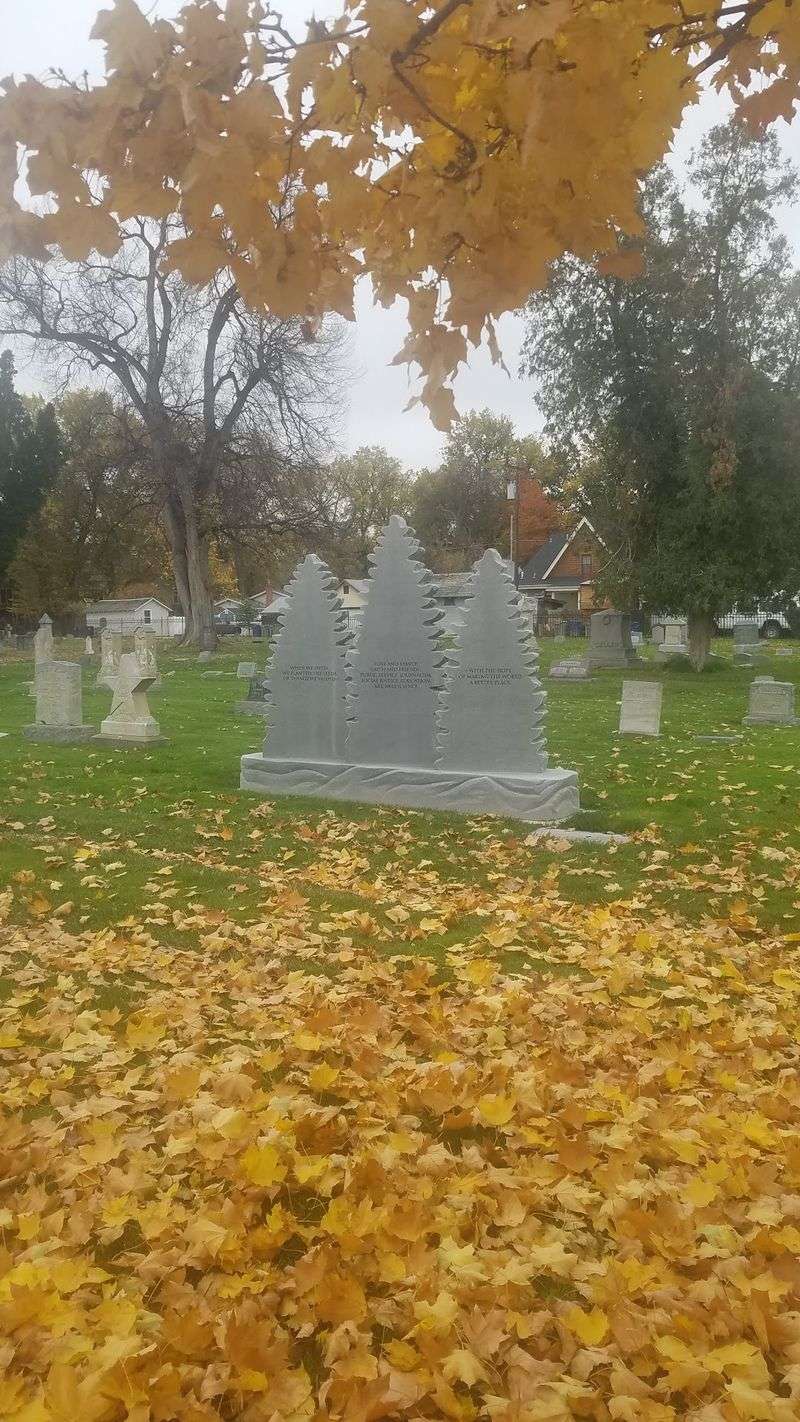
The town cemetery draws ghost hunters for a reason. Placerville wears its past openly, which makes the legend feel uncomfortably close.
Gold turned up in the Boise Basin around 1860, and Placerville boomed alongside Idaho City and Centerville. Unlike many camps, it never fully emptied out.
About 50 people still call it home, and the 1863 town plaza layout survives. The old Magnolia Saloon building now serves as a museum, and the historic district joined the National Register in 1984.
The two city museums open on weekends in summer. Check before driving if you’re planning a visit.
Address: Placerville, Boise County, ID 83666
8. Idaho City
Nicknames don’t come much grander than Queen of the Boise Basin. Idaho City earned it after gold turned up in Grimes Creek in December 1862.
At its height, more than 7,000 people crowded the camp. Bakeries, theaters, and opera houses kept them busy, and the town rebuilt again and again after fires.
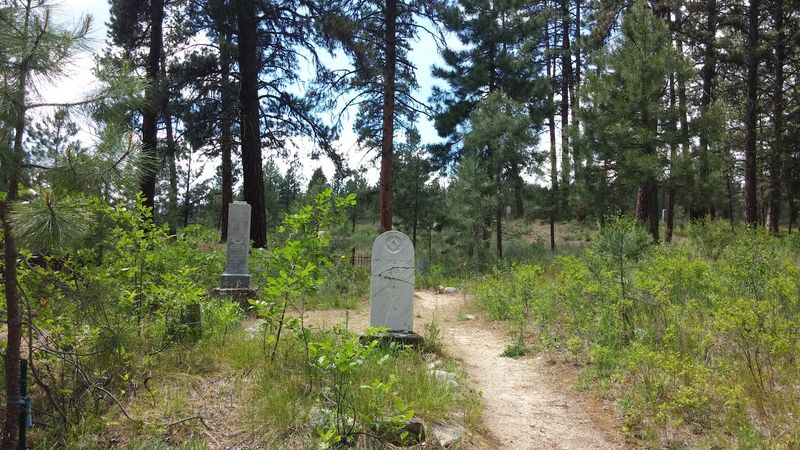
That rowdy history feeds the legends. Stories say the Pioneer Cemetery and Boot Hill grow busy after sunset, with apparitions that float, linger, and saunter between the headstones.
The grave markers themselves tell rough tales. Many point to gunfights and hangings, a reminder that frontier justice moved quickly in the Boise Basin.
Here’s the part that makes Idaho City a perfect October outing. It sits on Highway 21, roughly 45 miles northeast of Boise, so a day trip from the Treasure Valley is easy.
You can stroll the plank boardwalks, browse 19th-century buildings, and stop at the Boise Basin Museum. The visitor center offers self-guided walking tours and cemetery guides for the brave.
It also remains the Boise County seat, so it’s a living town with a very lively past. Grab a cemetery guide, wait for dusk, and decide for yourself which stories feel true.
Address: Idaho City, Boise County, ID 83631 (Highway 21)