Is This Really The Best Hospital In Idaho According To U.S. News
The largest hospital in Idaho has a walking labyrinth outside, built for slow steps and quiet thoughts. That’s a surprising detail for a place that also handles trauma cases around the clock.
This hospital began as a six-bed cottage. Today it holds hundreds of licensed beds and keeps adding more.
U.S. News has named it the top hospital in the state for several years running.
I like how a ranking can make you look twice at a building you drive past every week. Most of us only notice a hospital when we need one.
I believe it’s worth knowing what sits behind that title before the day comes.
So is it really the best in Idaho? And what does best even mean for a place like this?
The Downtown Hospital Wearing Idaho’s Top Ranking
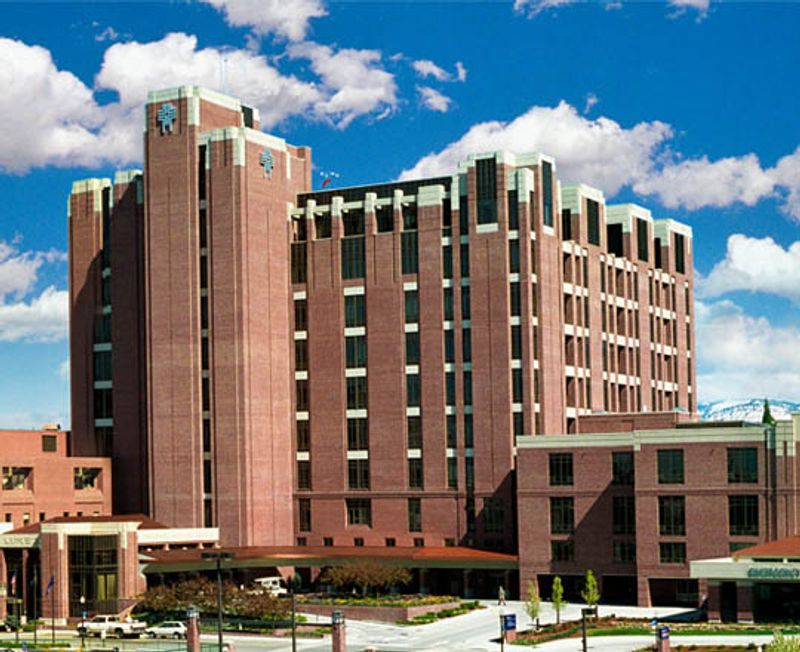
St. Luke’s Boise Medical Center holds the number one spot among Idaho hospitals in U.S. News and World Report rankings.
It earned that title for 2023-24, again for 2024, and once more for 2025.
Three years in a row is not a lucky break. That’s a pattern, and patterns are harder to argue with than one good year.
U.S. News looks at outcomes, safety, and how hospitals perform in specific procedures and conditions.
The Boise campus also earns high marks in several of those individual areas. So the ranking reflects more than a general good feeling about the place.
It’s a full-service medical center operated by St. Luke’s, the health system many Treasure Valley families know well. Doors stay open 24 hours a day, every day of the week.
Nobody gets to schedule an emergency, after all.
Of course, a ranking is just a starting point. It tells you where to look, not everything you’ll find.
The rest of this story covers how a tiny cottage became the state’s biggest hospital. It also covers what that means for anyone in Idaho who might someday need it.
Six Beds, One Bishop, And A Very Long Run
Long before helicopters and robotic surgery, the whole operation fit inside a six-bed cottage. Bishop James Bowen Funsten of the Episcopal Diocese of Idaho founded it to meet the health needs of a growing frontier town.
The first patients came through the doors on December 8, 1902. Idaho had only been a state for about twelve years at that point.
Picture the scale difference for a second, then try to make it make sense. Six beds back then.
Hundreds today.
Growth like that doesn’t happen in one leap. The hospital went through expansion after expansion and remodel after remodel over more than a century.
Each change tried to keep pace with a city that kept getting bigger.
That steady build-up matters for the ranking story. A top hospital isn’t only about shiny equipment bought last year.
It’s also about generations of experience caring for the same Idaho community.
The Episcopal roots also explain the name. St. Luke is traditionally linked with physicians, which feels fitting for a place devoted to healing.
It’s a small piece of history that hides in plain sight on every sign.
A Few Blocks From The Heart Of Boise
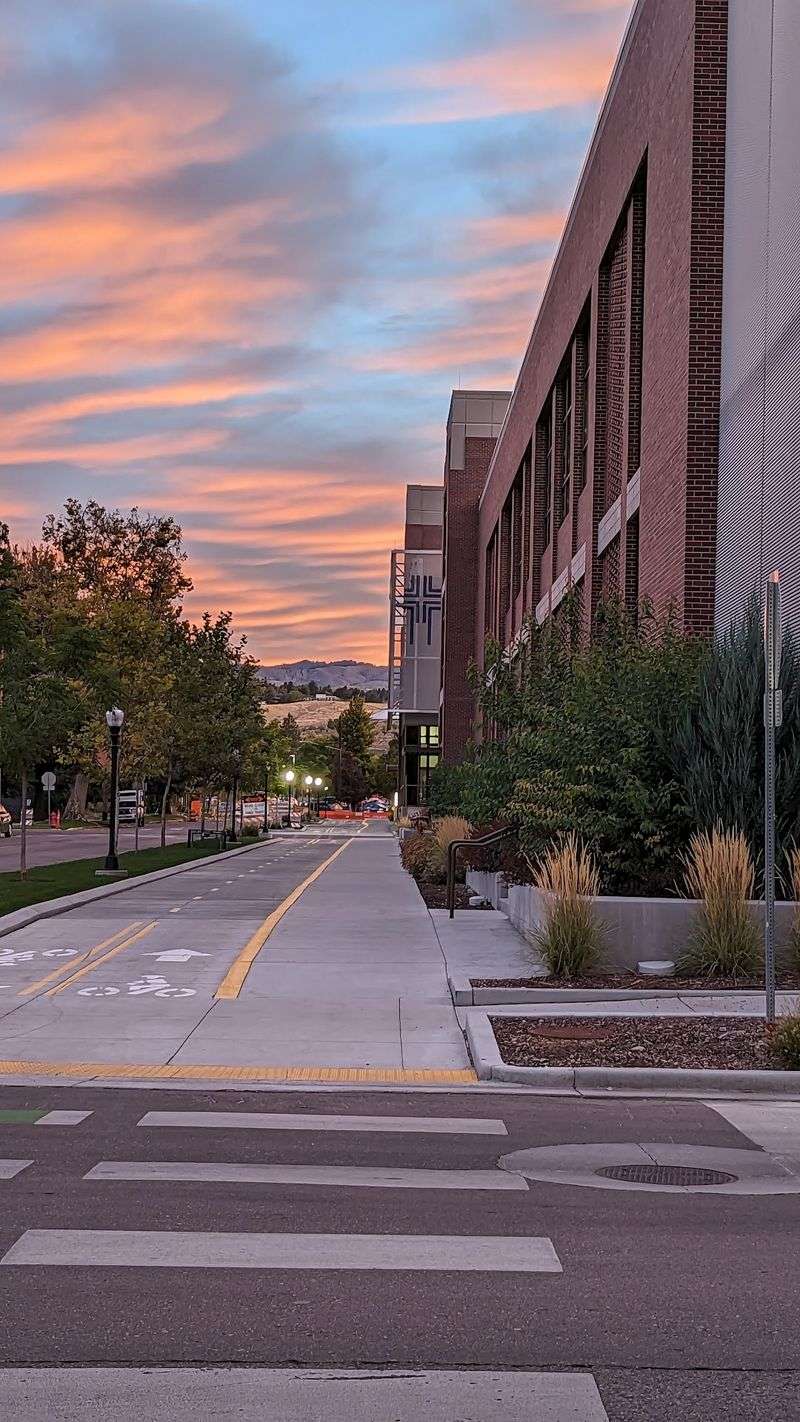
Location is a big part of why this hospital feels woven into Boise life. The campus sits at 190 E Bannock St, Boise, ID 83712, right on the east side of downtown.
That puts it close to the Capitol, the shops, and the everyday traffic of the city. It’s not hidden on the outskirts behind a business park.
Plenty of Idahoans can probably point to it without a map. Maybe you’ve driven Bannock on the way to lunch.
Maybe you were born here yourself.
The central spot helps people reaching it from across the Treasure Valley. Folks from Meridian, Nampa, Eagle, and beyond can find it without much guesswork.
Patients transferred from smaller towns also land in a familiar, easy-to-reach part of the city.
Over the decades, the hospital and downtown grew up side by side. As Boise expanded, so did the medical campus, block by block.
Parking is handled mostly through garages near the buildings. Sizes and clearances vary, so check before driving a tall vehicle.
Giving yourself a few extra minutes downtown is never a bad plan.
Big Numbers Behind Idaho’s Largest Hospital
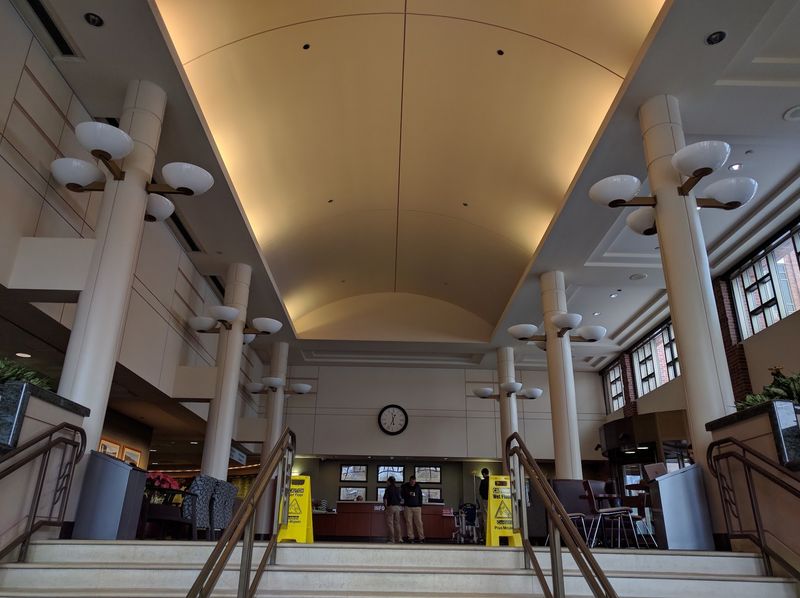
Four hundred thirty. That’s how many licensed beds St. Luke’s Boise Medical Center counted as of 2024.
No other hospital in Idaho is larger.
Size alone doesn’t earn a ranking, but it does tell you something. A hospital this big sees a huge range of patients and conditions every single year.
Volume builds skill. Teams that handle complex cases often get more practice with tricky situations.
That practice can show up in the quality measures U.S. News tracks.
The scale also means specialists tend to work under one roof. Heart care, cancer care, and surgery teams can coordinate without sending a patient across town.
For families juggling a serious diagnosis, fewer handoffs can make a hard time a little easier.
Patients come from well beyond Boise, too. Smaller hospitals around southern Idaho sometimes transfer patients here for more advanced care.
The campus works as a kind of regional hub for the state.
Big can feel intimidating, especially on your first visit. Hallways, towers, and elevators add up quickly.
Staff and signs help point the way, so don’t be shy about asking.
When Every Minute Counts In The Emergency Department
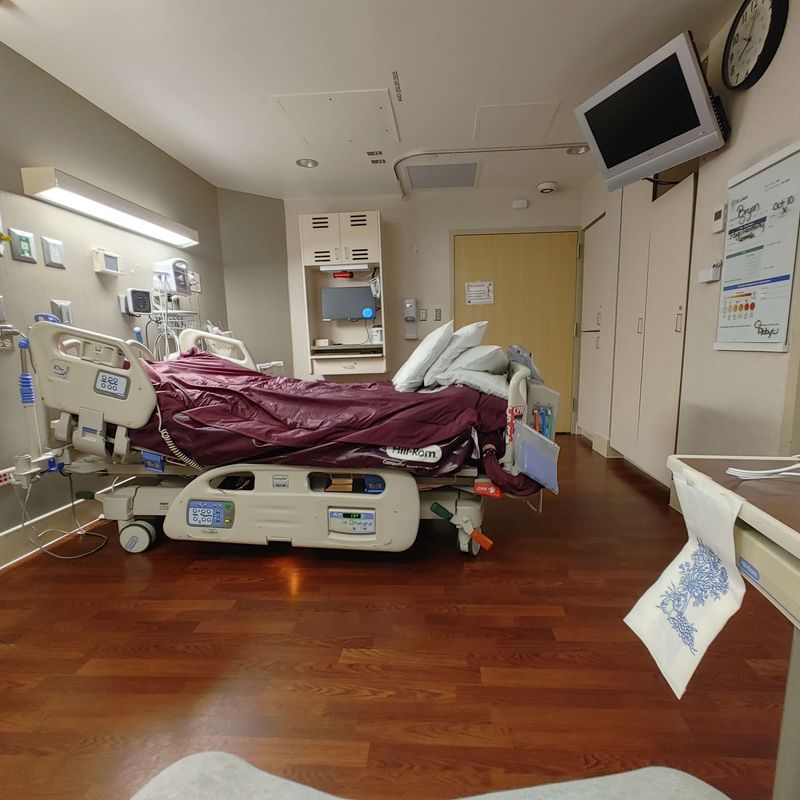
Kids get hurt in all the creative ways kids do. Bikes, trampolines, and tree forts keep emergency teams busy across Idaho.
That’s why one designation here stands out. St. Luke’s Boise Medical Center is a Level II Pediatric Trauma Center.
The hospital is also verified as a Level III Trauma Center for adult patients. Those levels reflect the resources, staffing, and readiness needed to treat serious injuries.
They aren’t handed out casually.
The emergency department runs around the clock. A child with a broken arm at two in the morning gets the same open door as anyone at noon.
For parents, that kind of steady availability is worth a lot of peace of mind.
Pediatric trauma care is its own skill set. Small bodies respond differently to injuries, medicines, and equipment.
Having teams prepared specifically for children makes a real difference when things go sideways.
Nobody plans a trip to the ER, and nobody wants to. Still, it helps to know where the nearest well-equipped one sits.
For much of the Treasure Valley, this campus is that answer.
Robots, Babies, And Everything In Between
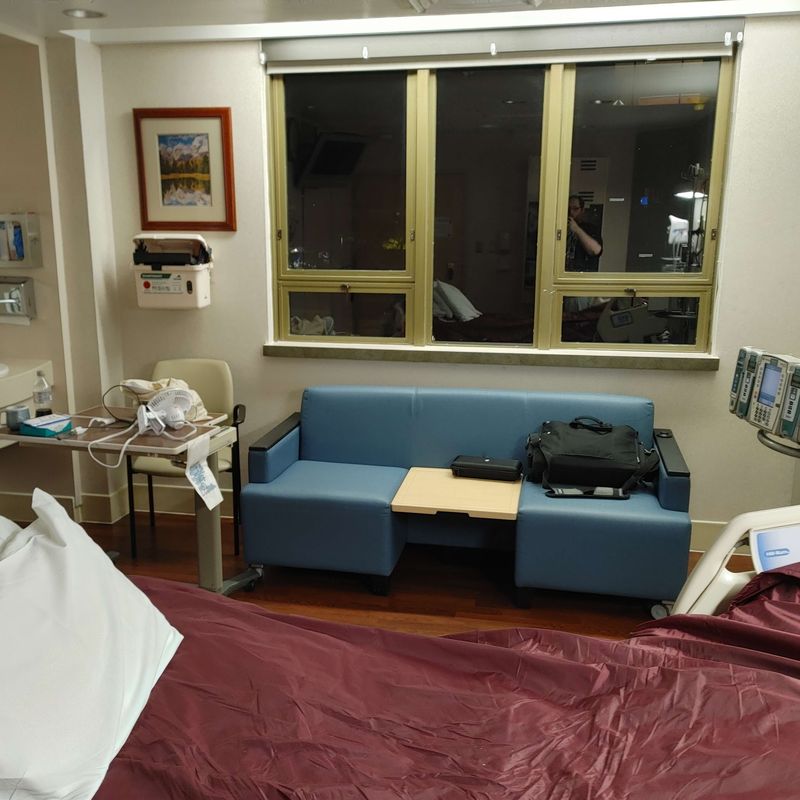
Robotic surgery sounds like science fiction until you learn how ordinary it’s become here. Surgeons at St. Luke’s Boise Medical Center use robotic systems for certain inpatient and outpatient procedures.
The robot doesn’t run the show, though. Skilled surgeons guide every movement, using the tools for extra precision.
The service list keeps going from there. Cardiology, orthopedics, neurosciences, and women’s health all have a home on this campus.
There’s also an expanded rehabilitation unit for patients rebuilding strength after illness or injury.
Cancer care runs through the St. Luke’s Cancer Institute. Diagnostics like MRI and CT scans help teams spot problems and plan treatment.
Having imaging and specialists close together saves patients a lot of running around.
Then there’s the happiest corner of any hospital. Mother-baby services welcome new Idahoans into the world here every day.
Childbirth is one of the most common reasons families end up on this campus.
That mix explains a lot about the ranking. U.S.
News rates hospitals on specific procedures and conditions, not just general reputation. Breadth like this gives a hospital many chances to shine.
A Nursing Badge Most Hospitals Never Earn
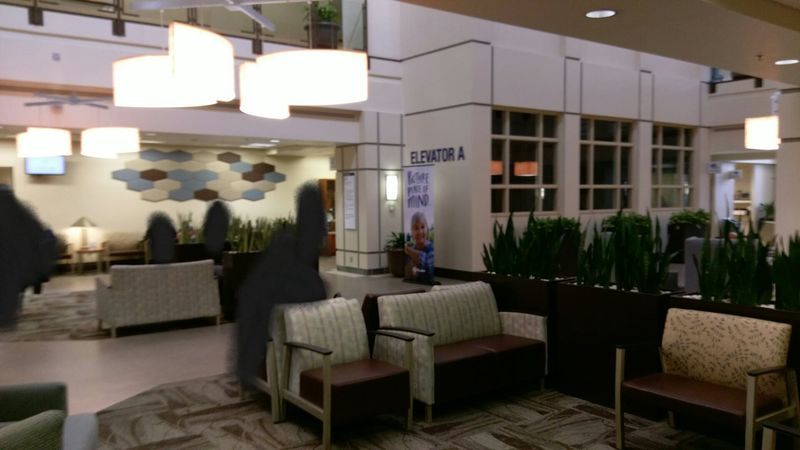
Nurses are the people patients actually spend the most time with. Doctors stop by, but nurses handle the long hours, the questions, and the small comforts.
So it matters that St. Luke’s Boise Medical Center holds Magnet recognition. Many in health care call it the gold standard for nursing excellence.
Magnet status comes from the American Nurses Credentialing Center. Hospitals must show strong nursing leadership, professional growth, and teamwork across departments.
Only a small share of hospitals nationwide earn it.
The process isn’t a weekend project either. Hospitals go through a detailed review and must keep proving themselves to hold on to the title.
It’s less like a trophy and more like a membership that needs constant renewal.
Why should patients care about a nursing credential? Strong nursing cultures are tied to better patient outcomes and safer care.
That connects straight back to the kinds of results U.S. News measures.
It’s an easy detail to overlook when you’re focused on rankings. Yet it might be one of the most meaningful.
Good nurses turn a scary hospital stay into something a person can actually get through.
A Labyrinth, A Chapel, And A Home One Block Away
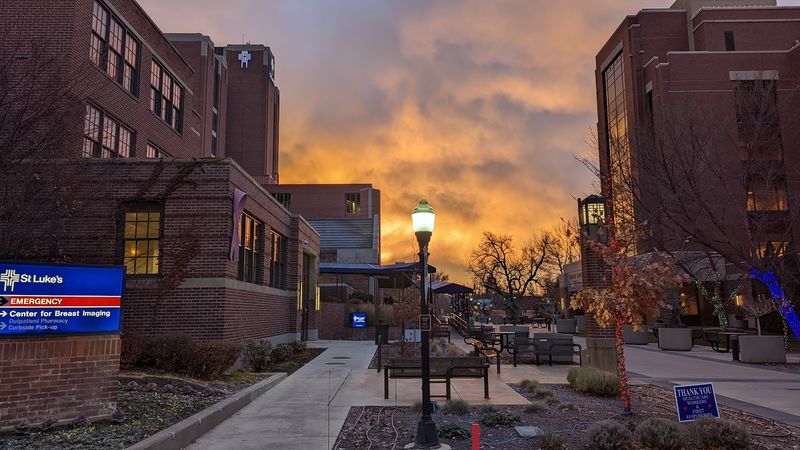
Here’s a feature nobody expects at a major trauma center. Outside, there’s a Healing Labyrinth, a winding path made for quiet walking and reflection.
Long hospital days can wear out patients and families alike. A slow loop outdoors offers a break from beeping monitors and fluorescent lights.
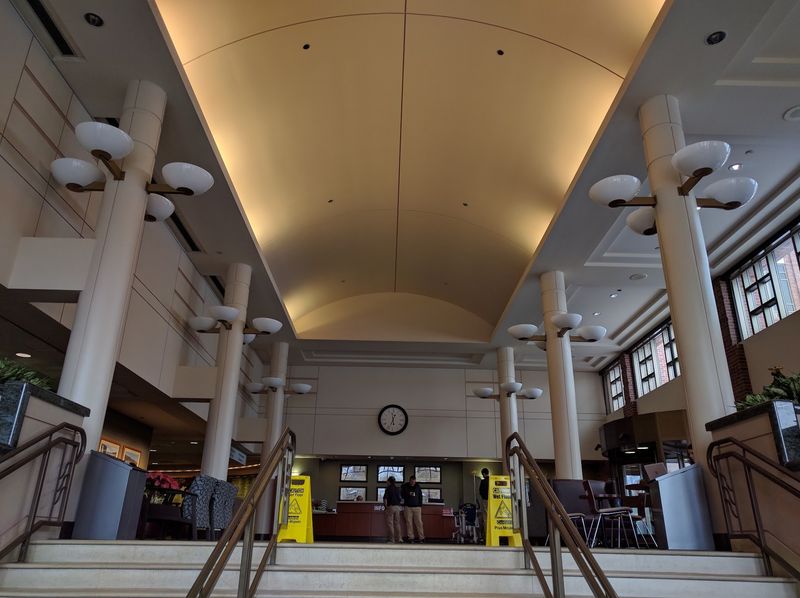
Inside, the comforts continue. The campus has a chapel, a gift shop, a cafeteria, and a coffee spot for that much-needed caffeine.
Chaplains are available for anyone wanting spiritual support.
Communication gets real attention too. Free interpretation and translation services help patients who speak languages other than English.
Hearing and visual assistance is also offered, so more people can understand their own care.
Families of hospitalized children have another resource nearby. The Ronald McDonald House sits just one block from the hospital.
It gives parents a place to rest close to their kids, instead of a long drive home.
None of these amenities show up in a surgery statistic. They still shape how a hospital stay feels.
Small kindnesses add up when you’re having one of the hardest weeks of your life.
Smart Moves Before You Head Downtown
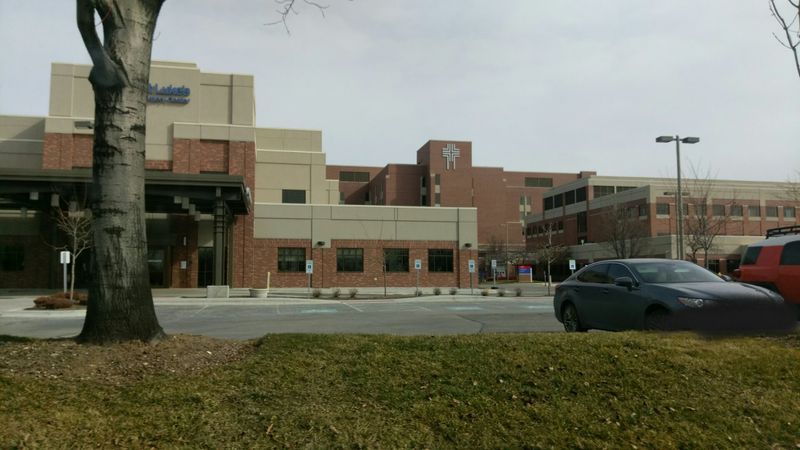
Good news first: the hospital never closes. St. Luke’s Boise Medical Center operates 24 hours a day, seven days a week.
That said, a little planning makes any visit smoother. Specific clinics and outpatient services keep their own schedules, so check before driving in.
Bring a photo ID if you’re visiting someone. Many hospitals, including this one, use visitor check-ins to keep patients safe.
A quick stop at the front desk is part of the routine.
Billing can feel confusing at any large hospital. St. Luke’s has a Patient Relations team for questions or concerns about care or charges.
Reaching out early tends to work better than letting a problem sit.
Downtown traffic and parking deserve a few extra minutes in your plan. Garages near the campus handle most parking.
Tall vehicles should confirm clearance ahead of time.
If you need an interpreter, ask for one. The service is free, and it’s there for a reason.
Understanding your own treatment is part of good care, not an extra favor.
Little steps like these won’t change a diagnosis. They can make the day a lot less stressful, though.
So, Does The Crown Actually Fit?
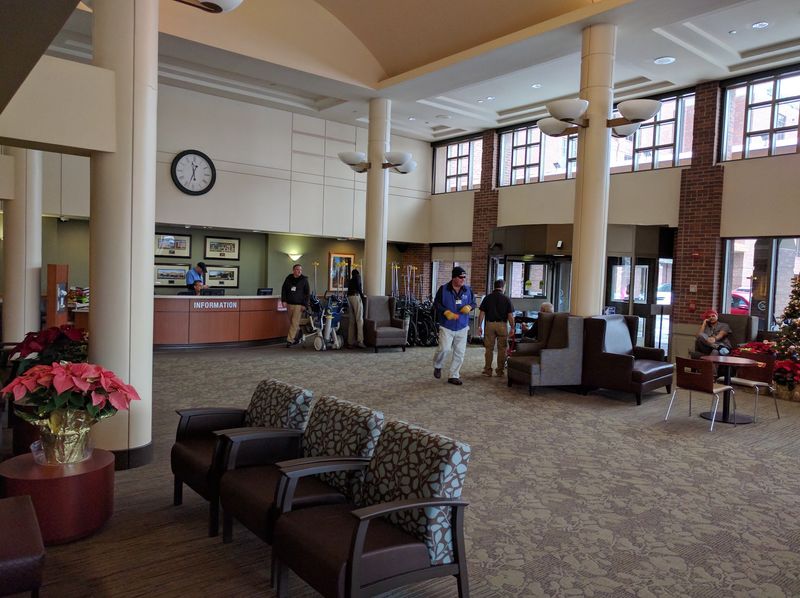
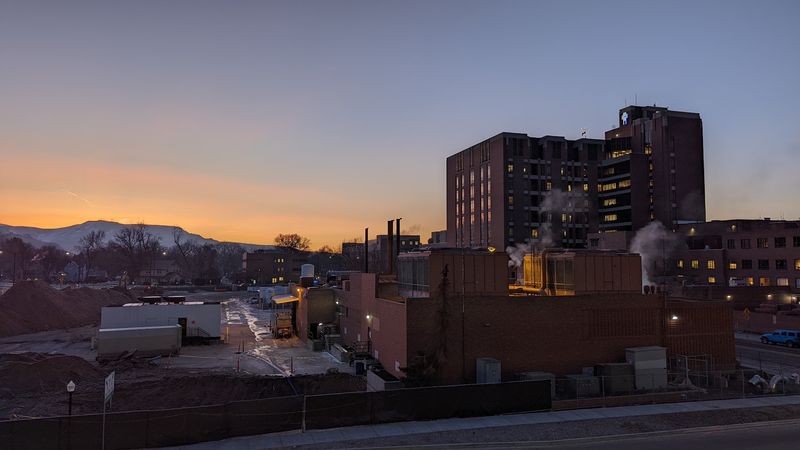
Cranes on the skyline suggest this story isn’t finished. St. Luke’s Boise Medical Center is in the middle of a major expansion that includes a new north tower and a medical office plaza.
The goal is simple: more room and more advanced services for a fast-growing Idaho. Anyone who has watched the Treasure Valley boom knows that demand isn’t slowing down.
So is it really the best hospital in Idaho? By the U.S.
News measure, yes, three years running. The trauma designations, Magnet nursing, and wide range of specialties back that up.
No hospital is perfect, and this one isn’t either. Big systems can feel busy and complicated, especially around billing and scheduling.
Those are fair things to watch for.
Still, the bigger picture holds up well. A cottage with six beds grew into the state’s largest hospital over more than a century.
It kept adding skills, services, and space along the way.
For Idaho families, that’s worth knowing before you ever need it. The next time you pass Bannock Street, you’ll know what’s inside.
Hopefully you’ll only be stopping for coffee.