Welcome To Michigan’s “Little Poland,” Where This Old-School Market Keeps Polish Traditions Alive
A Michigan market ships wood across the Atlantic just to smoke its kielbasa. I had to read that line twice.
That detail stuck with me, so I kept digging.
The pierogi case reportedly holds around 30 to 40 varieties, with classics sharing space with twists like chili cheese coney and jalapeño popper.
The story gets even better from there.
Two Polish immigrants started the market, and their family still runs it today. That kind of continuity caught my attention because the old recipes never seem far from the newer ideas.
The surrounding neighborhood adds another layer with its strong Polish roots.
By that point, I was not just curious about the sausage. I wanted to know how one family turned heritage into something this playful.
A Family Recipe Book Turned Into A Whole Store
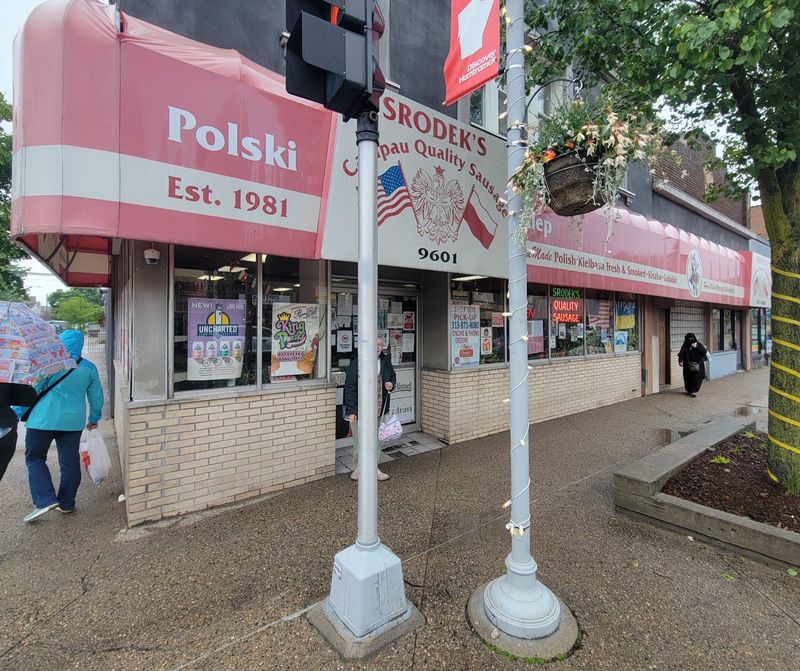
Back in 1980, Walter and Marianna Srodek began building a family delicatessen in Hamtramck.
The Polish immigrants brought familiar recipes and food traditions to a community already closely connected with Polish heritage.
Srodek’s Campau Quality Sausage Co. developed into a specialty market producing its own sausages, pierogi, stuffed cabbage, and other traditional dishes.
The business opened in 1981 and eventually passed into the hands of later generations.
The original store remains on Joseph Campau Avenue, the commercial street at the heart of Hamtramck. Its surroundings explain why the business belongs so naturally here.
The city developed a substantial Polish immigrant population during the twentieth century, and its restaurants, bakeries, churches, and specialty shops helped establish the nickname “Little Poland.”
Today, Hamtramck is home to a much broader mix of communities, but its Polish culinary traditions remain visible.
The family also expanded into Sterling Heights, bringing its handmade specialties to another part of metropolitan Detroit.
That continuity gives the business a distinctive identity. Its shelves offer imported foods from Europe, while the kitchen continues preparing dishes associated with Polish family cooking.
Good Luck Picking Just One Pierogi Flavor
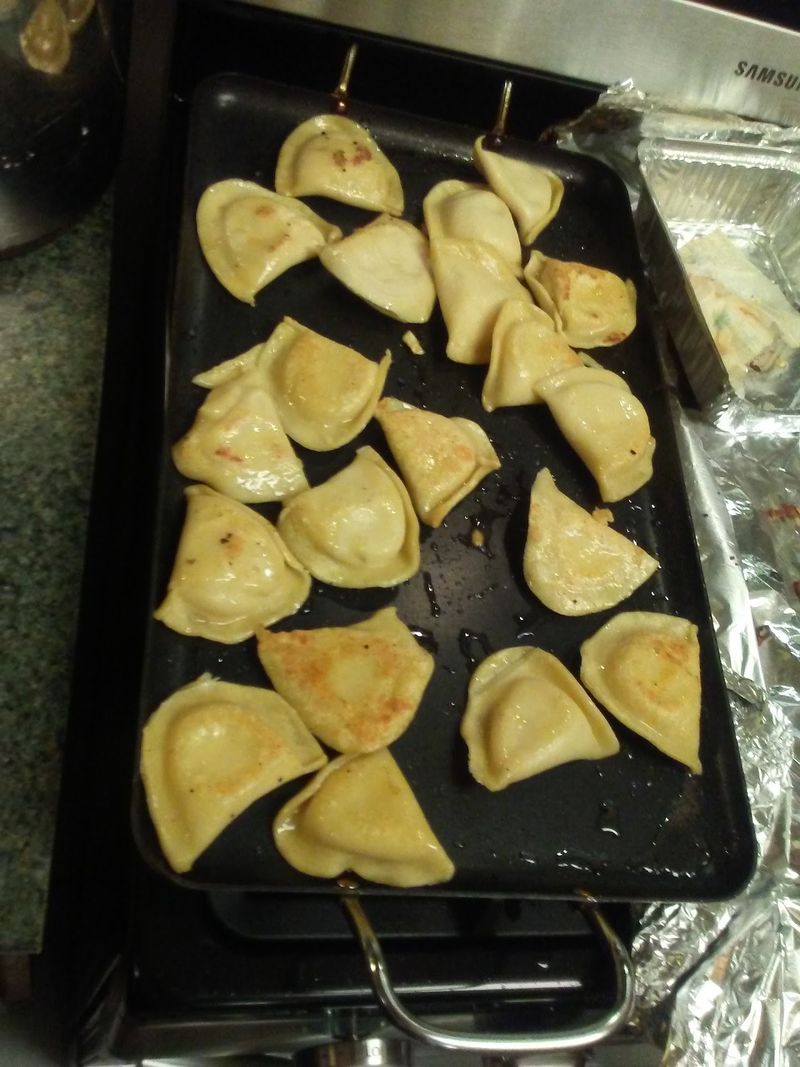
Thirty to forty varieties. That was the pierogi selection associated with Srodek’s for years, and the current catalog remains extensive.
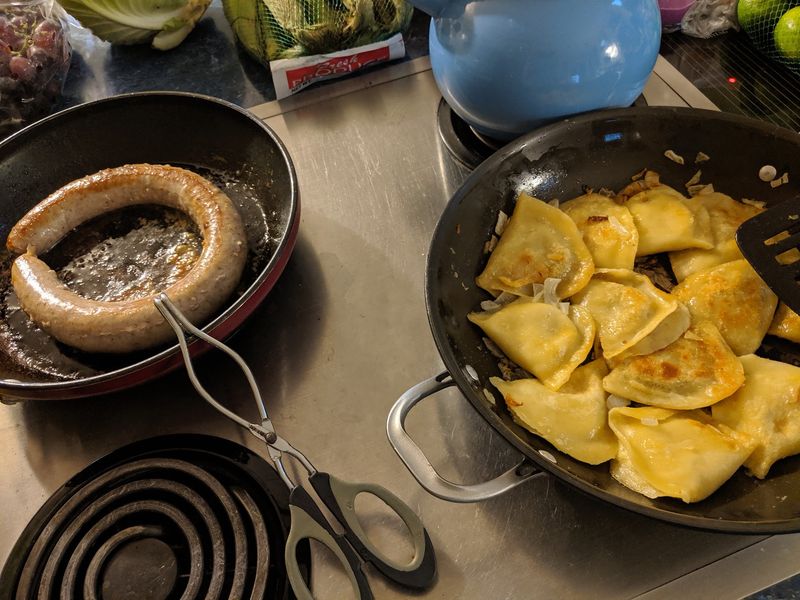
The traditional lineup includes potato cheddar, sauerkraut, farmer’s cheese, and combinations involving mushrooms or cabbage. These fillings reflect the familiar flavors of Polish home cooking.
Then things get playful. Chili cheese coney pierogi borrow inspiration from Detroit’s signature hot dog.
Jalapeño popper versions combine peppers and cheeses, while cheeseburger, buffalo chicken, and breakfast fillings take the dumplings in completely different directions.
There are also sweet farmer’s cheese options and smaller pierogi intended for soups or appetizers.
Gluten-free varieties appear in the selection, including fillings such as potato with dill and sauerkraut with mushrooms.
Srodek’s pierogi are sold fully cooked, making them convenient for meals at home. They can be warmed in a skillet with butter or prepared according to the package instructions.
Trying one traditional filling beside an unconventional variety makes for an interesting comparison. It also shows how Michigan food traditions can influence recipes that originated thousands of miles away.
Kielbasa Smoked With Wood Straight From Poland
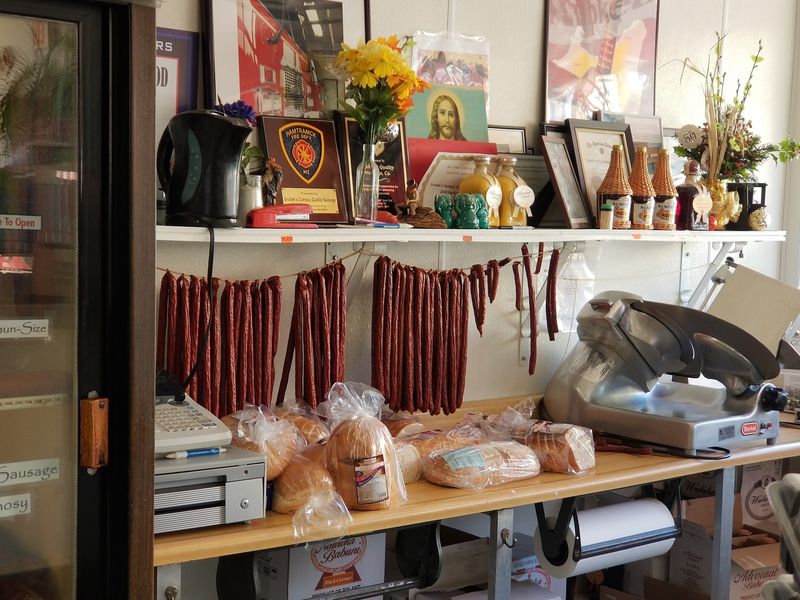
Some shops buy sausage from a supplier and call it a day. Srodek’s makes its own kielbasa and smoked meat specialties, continuing an important part of its family tradition.
The unusual detail is the smoking wood. The business has used wood imported from Poland, bringing a distinctive connection to its ancestral homeland into the preparation process.
Smoking gives sausage its characteristic aroma and contributes to the flavor developed during cooking.
The specific wood blend is part of the family’s approach to preparing its products. The meat selection extends beyond one type of kielbasa.
Fresh sausage, traditional smoked kielbasa, cheese-filled varieties, and Krakowska sausage appear in the assortment. Kabanosy, the slender Polish sausages commonly enjoyed as snacks, offer a different texture from thicker links.
Other products include smoked meats and Polish deli specialties made with different seasoning combinations. The shop prepares its own meat products rather than relying entirely on outside suppliers.
For a longer trip through Michigan, an insulated cooler is useful when purchasing refrigerated meat products. It keeps the shopping practical while allowing time to explore Hamtramck before heading home.
Stuffed Cabbage, Crepes, And Soups Worth Bringing Home
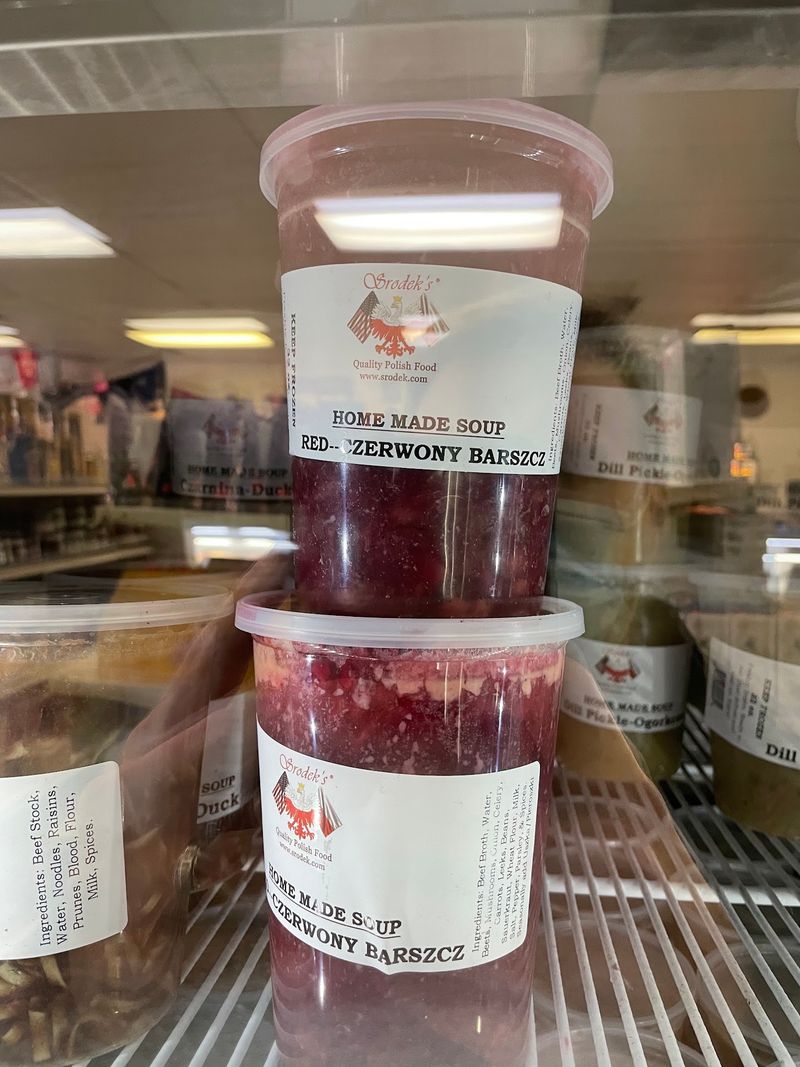
Golabki might be one of the most comforting dishes in Polish cooking.
These stuffed cabbage rolls are among the prepared foods associated with Srodek’s, alongside several other traditional favorites.
The rolls are made by wrapping a savory filling in cabbage leaves and cooking them until tender. Their familiar combination of cabbage, meat, and rice makes them a substantial centerpiece for dinner.
Nalesniki, or Polish crepes, bring another style of comfort food to the selection. Potato dumplings and potato pancakes provide additional choices for anyone assembling a traditional meal. Soup is equally important.
Red borscht, made with beets, offers a distinctive color and flavor. Small mushroom-filled dumplings called uszka can accompany the soup, especially during holiday meals.
Hunter’s stew brings together cabbage and other savory ingredients for a heartier option.
The market also sells prepared Polish meal assortments, allowing shoppers to combine several dishes without making each one from scratch.
A dinner built around stuffed cabbage, potato pierogi, and sauerkraut provides a broad introduction to this style of cooking. Leftovers can also make the next day’s lunch particularly convenient.
The Sauerkraut And Horseradish Aisle Has Attitude
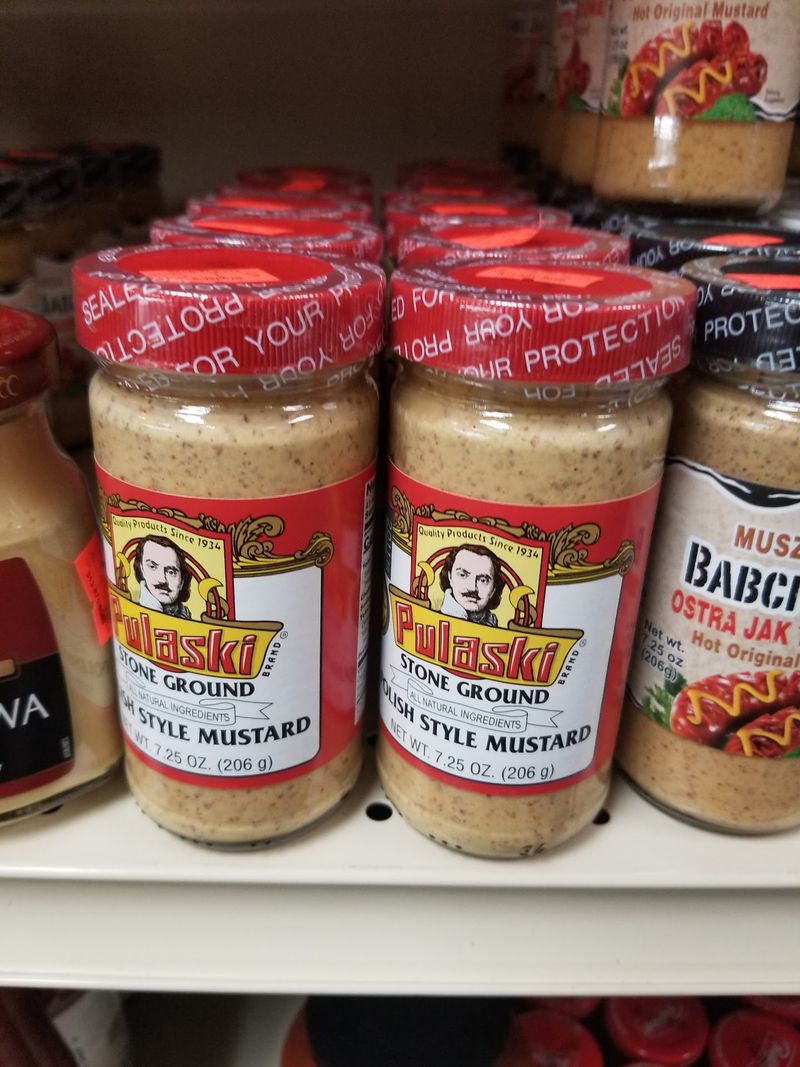
Barrel sauerkraut sounds like something from an old-fashioned pantry. At Srodek’s, it remains an important part of the traditional Polish food selection.
The market produces sauerkraut and offers it in packages suitable for cooking at home. Its tangy flavor works particularly well beside kielbasa, pork dishes, and potatoes.
Sauerkraut also appears inside several pierogi varieties. Combined with mushrooms or sausage, it creates a savory filling with a pleasantly sharp character. Horseradish provides an entirely different kind of flavor.
Srodek’s sells freshly ground horseradish, including an extra-hot version, along with traditional Polish condiments. A small spoonful can add a lively accent to sausage, roasted meats, or sandwiches.
Horseradish has an established place in Polish holiday cooking, particularly at Easter, when it often accompanies eggs and other traditional foods.
Mustards offer another way to finish a meal. Their sharpness balances the richness of smoked meats and cheeses.
These pantry staples may seem modest beside a case filled with colorful pierogi, but they are essential to many familiar Polish combinations.
A jar of horseradish and a package of sauerkraut can completely change an ordinary sausage dinner.
Your Sandwich Game Is About To Level Up
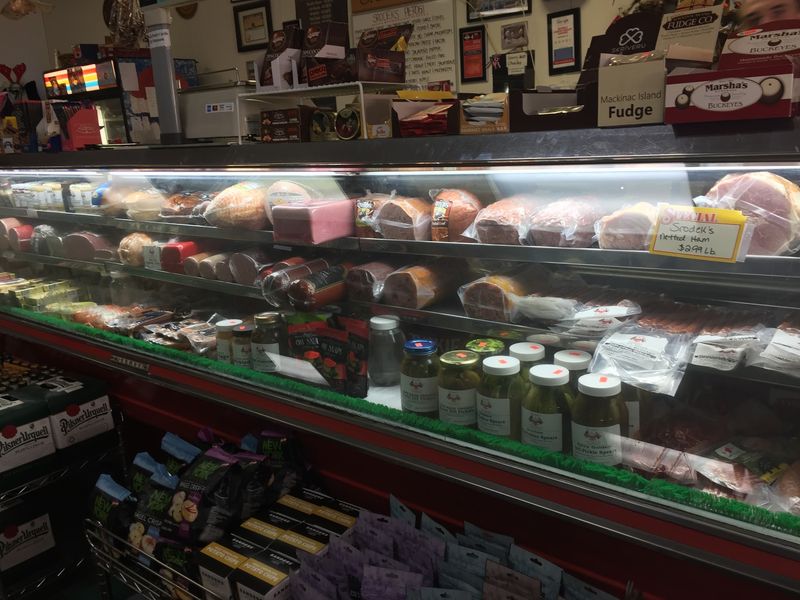
Sandwiches at home rarely feel exciting. A visit to this deli counter provides plenty of ways to give an ordinary lunch more character.
Srodek’s carries domestic and imported meats and cheeses, with selections ranging from familiar sliced deli products to distinctly Polish specialties.
Krakowska sausage, smoked kielbasa, and other prepared meats offer different textures and seasoning profiles. Cheese varieties provide additional combinations for sandwiches, snack plates, or a larger family gathering.
The store also carries locally manufactured deli meats alongside imported European products. That mix makes it possible to combine familiar sandwich ingredients with something less common.
Fresh bread, sliced meat, cheese, mustard, and a little sauerkraut can create a satisfying meal with relatively little preparation.
A platter offers another approach. Several kinds of sausage can be arranged with cheeses, pickles, and condiments for guests to sample.
The deli counter is also useful for anyone curious about the distinctions between Polish sausage styles.
Rather than treating kielbasa as a single product, the assortment shows how different cuts, seasonings, shapes, and preparation methods produce noticeably different results.
Shelves Packed With Treats Straight From Poland
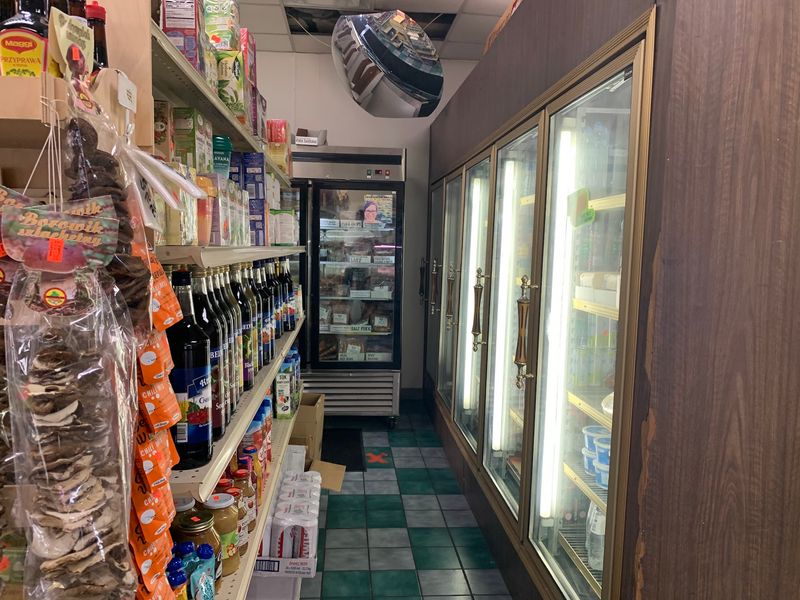
Polish candy and chocolate deserve more attention in American grocery stores. Srodek’s imported-food selection gives shoppers an opportunity to explore sweets that are familiar in Polish households.
The shelves include packaged candies, chocolates, biscuits, and other European treats. Tea and coffee products offer something to enjoy alongside them.
The imported selection reaches beyond snacks.
Preserved vegetables, beet products, noodles, dried ingredients, and other pantry staples help shoppers prepare dishes associated with Polish home cooking.
Dried mushrooms are particularly useful in traditional soups and sauces. Their concentrated flavor appears in several Polish recipes, including fillings for dumplings served during winter holidays.
Seasonal assortments bring another dimension to the shopping experience. Traditional holiday foods, imported sweets, and specialty pantry products can be combined into a gift or a family meal.
For someone unfamiliar with Polish cooking, the grocery shelves provide a starting point for discovering new ingredients.
The combination of handmade specialties and imported goods is what makes Srodek’s more than a sausage counter. There is a broader culinary culture represented throughout the store.
Plan Your Visit, Or Let The Pierogi Come To You
The original Srodek’s remains at 9601 Joseph Campau Avenue in Hamtramck, surrounded by businesses reflecting the neighborhood’s long commercial history.
Its weekday hours run from 8 a.m. until 6 p.m. Saturday shopping is available from 8 a.m. to 5 p.m., while Sunday hours are 10 a.m. to 2 p.m.
The family also operates a second market at 40211 Mound Road in Sterling Heights.
Travelers who prefer to shop from home can order selected products for delivery. The business offers shipping across all fifty states, including packaged assortments of pierogi, sausage, and traditional Polish foods.
Its pierogi can also be found through selected retailers and farmers markets elsewhere in the state. Fresh and smoked meat products are primarily available through the two Srodek’s stores.
The original Hamtramck market has appeared in national food programming, including a 2011 episode of Bizarre Foods, bringing wider attention to its Polish specialties.
For an in-person visit, Joseph Campau Avenue offers an additional reward: nearby bakeries, specialty shops, and places connected to the city’s Polish past.