This Upstate New York Town Has A Healthcare System Recognized Among America’s Best
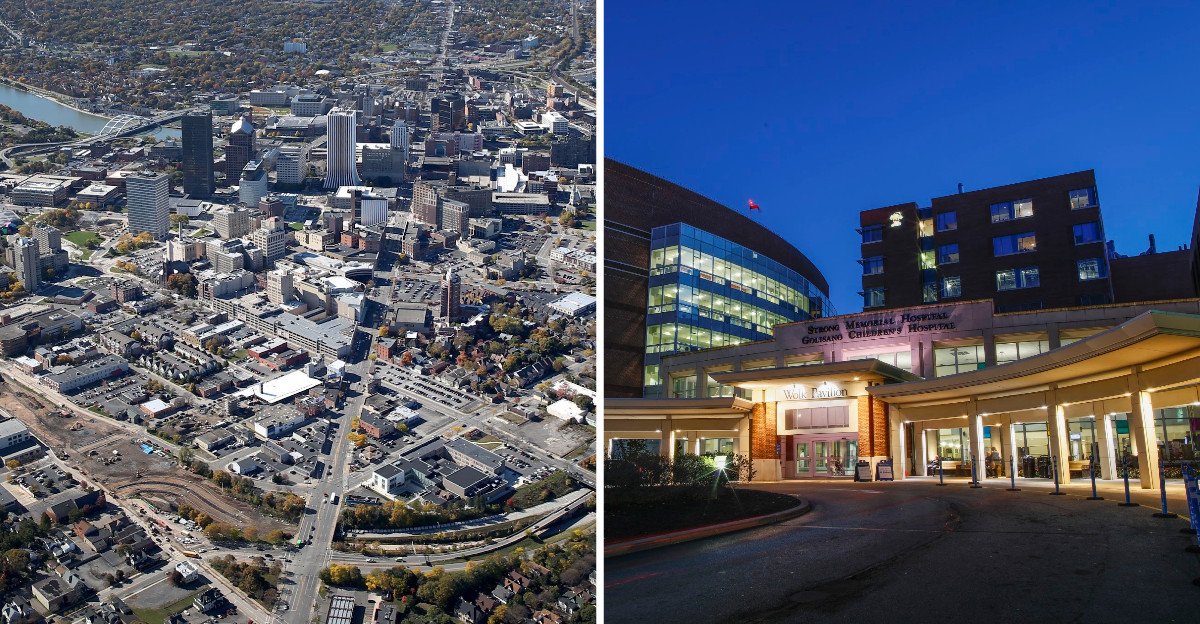
I keep coming back to one fact: fewer than 1 percent of U.S. hospitals have earned five straight Magnet designations for nursing.
One upstate hospital has, and it is turning 100 this year. The story keeps growing from there.
The hospital ranks as the state’s top hospital outside the New York City metro area, runs a Level I trauma center, and has a children’s hospital attached.
I can’t stop thinking about how much medical infrastructure sits in one western New York city.
The research side adds another layer. A cancer institute here ranks in the top 4 percent of cancer centers nationwide, and research teams secured hundreds of millions in outside funding last year.
I’d love to know how one city built this much medical strength over time, and what does that mean for people living nearby?
A Century Of Care Started With 250 Beds

On January 4, 1926, Strong Memorial Hospital opened in Rochester as a teaching hospital associated with the University of Rochester.
By the end of its first full fiscal year, it was operating 250 beds and had cared for thousands of patients.
The medical school and School of Nursing began classes in September 1925, bringing education and patient care together from the outset.
A century of expansion has brought specialized treatment facilities, research buildings, outpatient services, and an adjoining children’s hospital.
The health system’s newer institutional profile lists Strong as an 897-bed hospital, a considerable change from the original operation.
Its January 2026 centennial marked a second century of service to Rochester and communities across the Finger Lakes.
The surrounding campus now brings hospital rooms, research laboratories, and professional classrooms together near the university’s River Campus.
A Top Ranking Beyond The Biggest Metro Area

Rochester has a notable position in the latest hospital rankings.
U.S. News & World Report identifies Strong Memorial as the highest-ranked hospital in the state outside the New York City metropolitan area and the leader in its own Rochester region.
The 2026–2027 assessment also recognized its performance across seven adult specialties and 15 procedures and conditions. Those distinctions span specialty services and common treatments.
The 2026–2027 rankings gave greater weight to patient outcomes than earlier editions. They remain useful context, although they cannot predict an individual patient’s experience or replace a conversation with a clinician.
Hospital choice also depends on particular needs, insurance, and travel. Strong’s academic setting helps explain the breadth of its services.
Teams handle everyday medical needs alongside complex referrals requiring several departments to coordinate. Its position in the rankings reflects the range of services available at a hospital that has grown steadily over many decades.
Five Magnet Designations Put Nursing In The Spotlight

Five consecutive Magnet designations are a distinctive achievement for Strong Memorial Hospital.
The American Nurses Credentialing Center granted the hospital its fifth recognition in 2024, extending a record that began with its first designation in 2004.
Fewer than 1 percent of U.S. hospitals have achieved five Magnet recognitions. The program evaluates nursing leadership, professional practice, innovation, and care quality.
Nurses coordinate much of the daily hospital experience. They administer treatments, monitor changes, explain care plans, and work closely with physicians and other specialists.
Magnet recognition is not a guarantee about any particular hospital stay. It does, however, acknowledge the systems supporting nurses and the standards their organization demonstrates during a detailed evaluation process.
Strong also holds a CMS Birthing-Friendly designation associated with maternity-care quality improvement efforts.
The designation is a specific recognition, not an overall hospital grade. Its nursing program works within a teaching environment, where experienced staff help prepare future professionals.
A Children’s Hospital Connected To The Main Campus
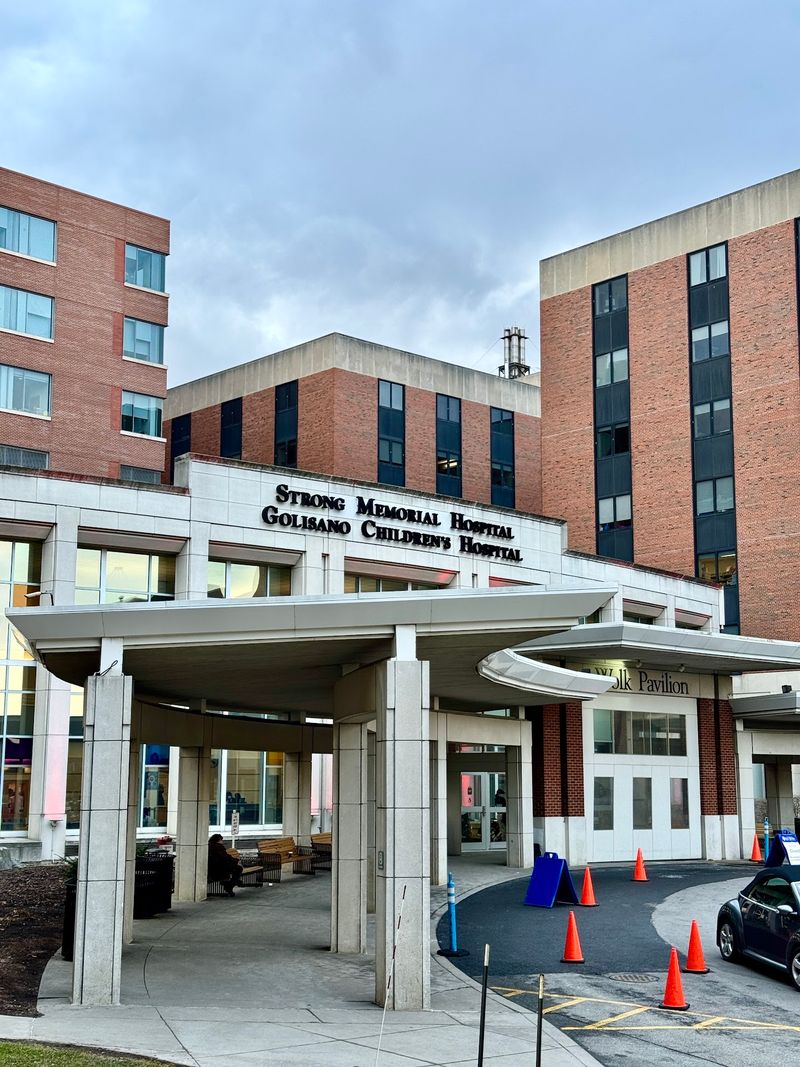
Golisano Children’s Hospital occupies an eight-story building beside Strong Memorial, with a direct connection between the two facilities.
Its modern pediatric tower opened in July 2015, giving younger patients spaces designed specifically around their care.
The hospital’s published facilities information lists 148 beds and a 68-bed Level IV neonatal intensive care unit.
Families can also find pediatric intensive care, children’s heart services, surgery, and specialty clinics. Its rooms and shared spaces include family-friendly features such as an atrium and areas for play.
The hospital serves children across the 17-county Finger Lakes region, while its specialty programs also receive referrals from farther away. More than 85,000 children receive care through its services in a typical year.
The connection to Strong and its maternity services helps pediatric specialists coordinate care.
For families in western New York, this combination provides specialized pediatric resources without automatically requiring a trip to another major city.
A Cancer Institute With National Recognition

Wilmot Cancer Institute reached a major milestone in March 2025 when the National Cancer Institute granted it official Cancer Center designation.
It became the country’s 73rd designated center, joining a group representing roughly 4 percent of cancer centers nationwide.
That designation evaluates more than clinical services. It also considers research, clinical trials, scientific collaboration, training, and efforts to connect communities with advances in care.
Wilmot has an 88-bed flagship facility associated with Strong and additional locations serving western and central parts of the state.
Its network helps connect patients in smaller communities with specialty expertise and research opportunities based in Rochester.
The institute’s work includes clinical investigations and community-focused programs alongside treatments delivered at its hospital and regional offices.
The designation recognizes the scope of those activities, not individual patient outcomes.
The connection between patient services and scientific investigation is central to Wilmot’s identity. Research questions can arise from clinical practice, while discoveries in laboratories can guide future studies and treatment approaches.
Specialized Emergency Resources In Rochester
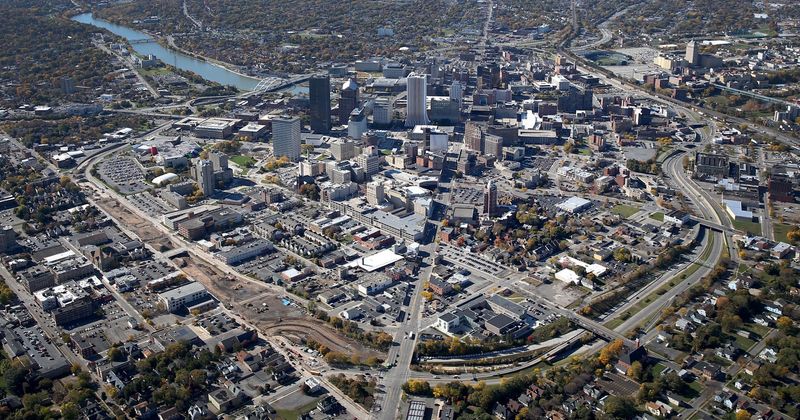
Strong Memorial operates the Rochester region’s Level I trauma center.
That designation recognizes the capacity to provide comprehensive specialized care, including coordinated teams, surgical resources, intensive care, and professional training.
The hospital also hosts a Comprehensive Stroke Center and a dedicated neuromedicine intensive care unit.
These services are supported by specialists in imaging, neurology, neurosurgery, rehabilitation, and other disciplines.
A notable extension of its stroke program is a Mobile Stroke Unit, an ambulance equipped with imaging capabilities that can begin assessment before a patient reaches the hospital.
This approach connects hospital expertise with care delivered beyond the medical campus.
Strong’s main entrance is at 601 Elmwood Avenue in Rochester. Its campus brings multiple departments together, allowing teams to coordinate care within a large academic setting.
Strong functions as both a community hospital and a regional referral center.
The Doctors Also Help Train Future Doctors
A teaching hospital has an extra responsibility beyond treating patients.
Strong Memorial’s physicians work within the University of Rochester School of Medicine and Dentistry, where medical education is part of the institution’s everyday operation.
The hospital states that its medical clinicians hold faculty appointments and participate in educating residents and students.
During rounds, a patient may encounter an attending physician accompanied by doctors in advanced training or medical students.
The attending physician remains responsible for the overall care plan. Patients can ask who is involved in their treatment and can decline having medical students participate in their care.
The educational connection extends to nursing, specialist training, and research. The medical school includes roughly 2,050 faculty members alongside students, residents, fellows, and research trainees.
Rather than separating classrooms from clinical practice, this model brings learning into a setting where teams are making real decisions every day. It has remained a defining part of the hospital’s mission since 1926.
Research Funding Supports A Wide Range Of Discoveries
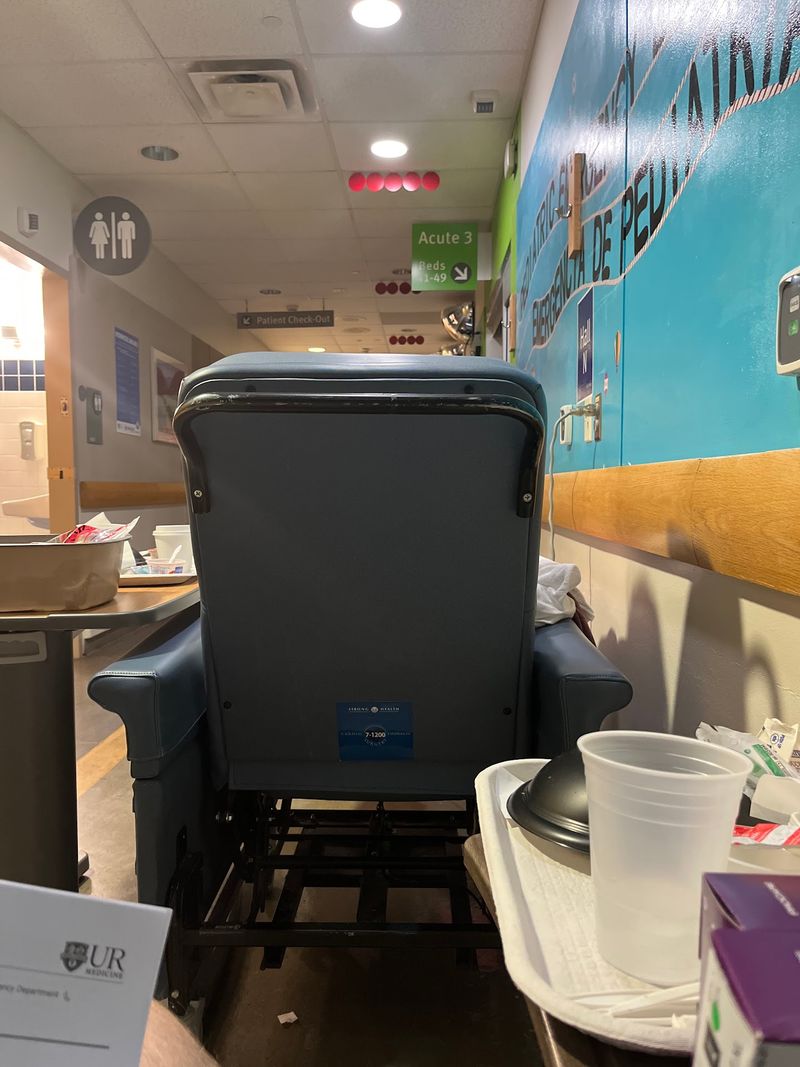
Approximately $286 million in outside research funding came to University of Rochester Medical Center faculty during fiscal year 2025.
The figure reflects the scale of scientific activity taking place alongside clinical care and medical education.
Its research spans subjects such as neuroscience, eye health, vaccines, surgical treatments, and public health.
Teams also study how laboratory findings can be translated into practical methods for diagnosis, prevention, and care.
The medical center was among the first twelve institutions to receive an award through the National Institutes of Health’s Clinical and Translational Science Awards program.
That initiative supports the infrastructure and collaboration needed to move scientific ideas into clinical studies.
Projects connect specialists across departments and institutions, supporting careful scientific testing and refinement.
Across New York, the medical center’s scientific work adds another dimension to its regional role, connecting a century-old teaching institution with emerging areas of medicine.
Eight Hospitals And Everyday Services Under One System
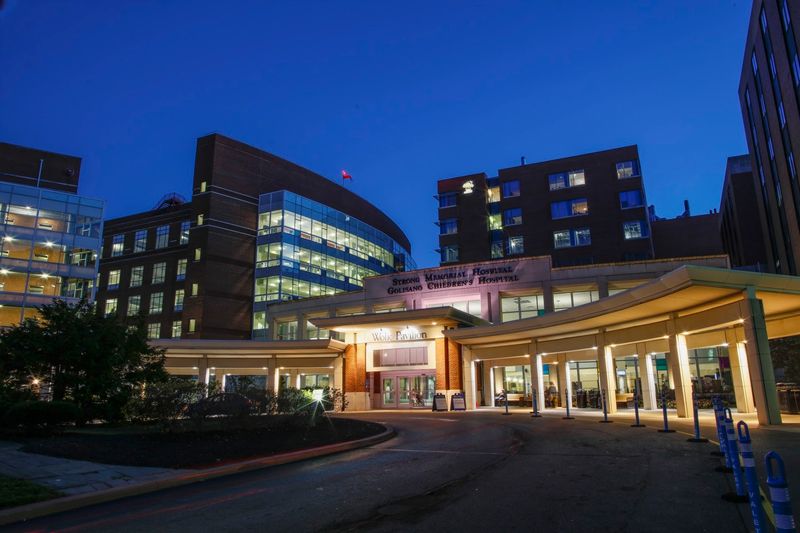
The University of Rochester Medical Center’s health network encompasses eight hospitals, including Strong Memorial, Highland, F.F. Thompson, Noyes Memorial, Jones Memorial, St. James, Geneva General, and Soldiers & Sailors Memorial.
The system also includes physician practices, outpatient facilities, home care, and long-term care services.
Specialist programs add further breadth. Eastman provides dental care and education, the Flaum Eye Institute concentrates on vision, and Wilmot’s network extends cancer services throughout the region.
Small practical details matter on a large campus, too. Strong offers food outlets, a pharmacy, gift shopping, a bank branch, and a post office.
Families using Golisano Children’s Hospital can also access dedicated support spaces and resources designed around longer visits.
From its original 250 beds to today’s extensive network, Rochester’s medical campus illustrates how patient services, education, and research can develop together.
It is a significant part of the healthcare landscape in New York, with roots stretching back an entire century.