This Free Nebraska Park Lets You Hike To Bluffs Where Prehistoric Mammals Were Buried Beneath The Prairie
Spiral burrows twisting straight down into the ground earned a nickname that sounds like a scary movie: Devil’s Corkscrews. Ancient beavers dug them roughly 20 million years ago, long before anyone ranched this corner of Nebraska.
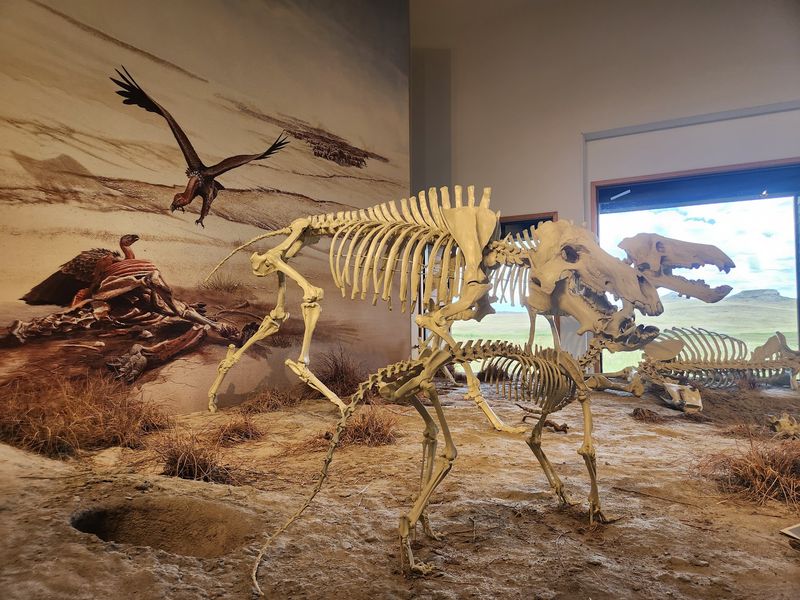
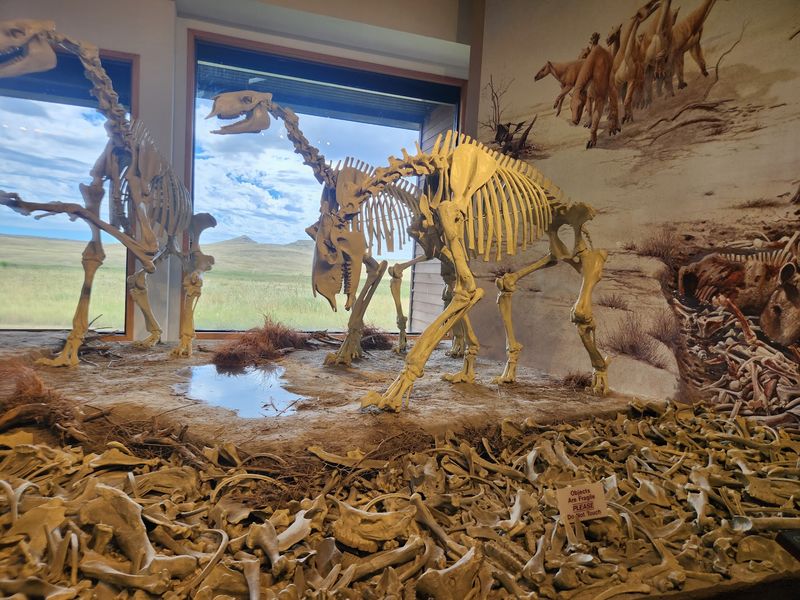
The same quiet hills held something even bigger. In the early 1900s, paleontologists pulled out full skeletons of small rhinos and a massive pig-like beast.
Those finds helped change how scientists understood prehistoric North America.
I love that you can walk right up to the bluffs where it all happened. A paved trail crosses a river, rolls through prairie grass, and leads to the original dig sites.
Admission costs nothing at all.
I can’t imagine a better way to spend a day with curious kids or a history-loving grandparent. So where is this place, and why have so many Nebraskans never heard of it?
A Free National Monument Way Out In The Panhandle
Agate Fossil Beds National Monument sits in the far northwest corner of Nebraska, deep in Sioux County. The National Park Service manages it, and the visitor center is your starting point for everything.
Here’s the part that makes budget planners smile. There’s no entrance fee, no vehicle pass, and no ticket booth waiting to empty your wallet.
What you get instead is a full day of fossils, prairie, and history. The monument protects one of the most important fossil discoveries on the continent, all from the Miocene epoch.
That means bones from roughly 20 to 21 million years ago. Dinosaurs were already long gone by then, so think mammals instead of T. rex.
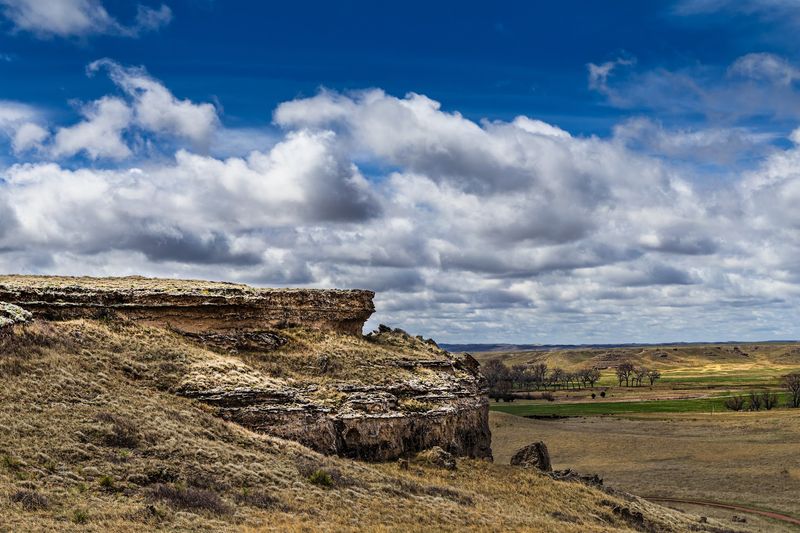
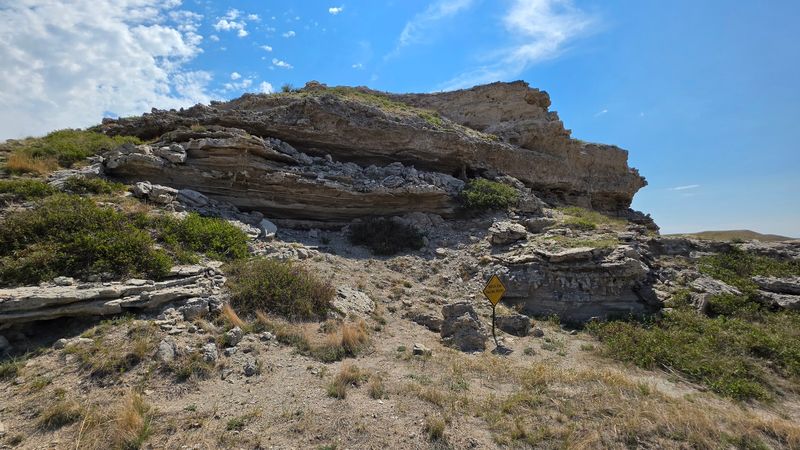
The setting matters just as much as the science. Craggy bluffs rise out of open grassland, and the Niobrara River winds through the valley below.
It feels like the kind of place you stumble upon by accident and then tell everyone about. The monument is open year-round, and the trails stay open from sunrise to sunset.
A national monument that costs nothing and comes with a river view? That’s a pretty great deal for a Saturday drive.
How A Ranch Romance Turned Up A Fossil Jackpot
Love stories usually end with a wedding, not a pile of prehistoric bones. Back in the 1880s, James Cook was exploring his future father-in-law’s land with his fiancee.
Along the way, he spotted fossils weathering out of the hills. Plenty of people would have kicked them aside and kept riding.
Cook did not. After the land came into his family through marriage, he invited a paleontologist friend out to take a closer look.
That visit opened the floodgates. In the early 1900s, scientists began digging up complete skeletons of extinct mammals from the bluffs.
Museums and universities sent crews to this remote ranch country. The finds turned out to be some of the best groupings of extinct fossils ever discovered.
Those bones reshaped how experts pictured life in prehistoric North America. Not bad for a little ranch in the middle of the Nebraska grassland.
The land eventually became a national monument to protect what was found here. Every trail and exhibit you see today traces back to one curious rancher on horseback.
So the next time someone says nothing ever happens out in the Panhandle, you’ve got a story ready.
Tiny Rhinos And A Giant Pig-Like Beast Once Roamed Here
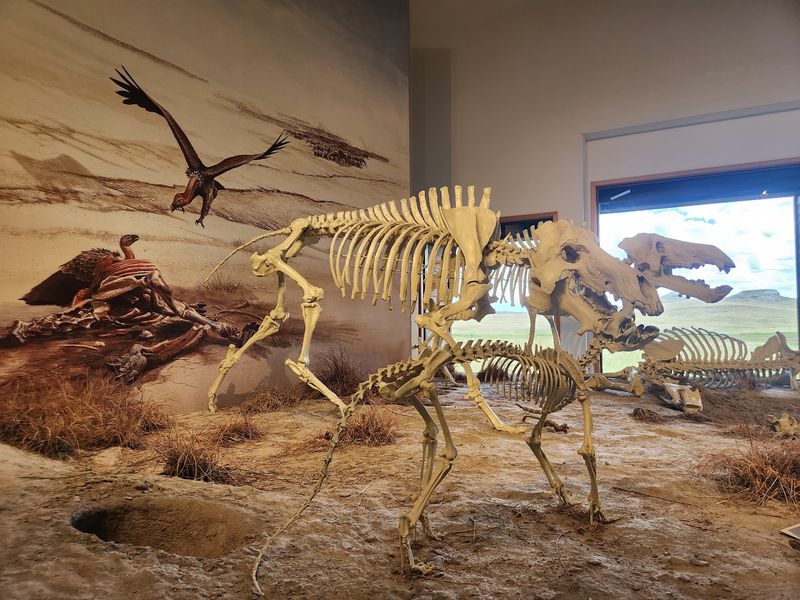
Rhinos in Nebraska sounds like a joke your uncle tells at the county fair. Yet small rhinoceroses called Menoceras once wandered these plains in big numbers.
They weren’t the hulking giants you see in African wildlife shows. These were compact animals, and their bones turned up in remarkable quantities at the Agate dig sites.
Then there’s Dinohyus, the heavyweight of the group. Picture a massive pig-like creature with a big head and serious teeth, and you’re close.
Kids tend to latch onto that one fast. Honestly, adults usually do too, because it looks like something out of a fantasy novel.
All of these animals lived during the Miocene, roughly 20 to 21 million years ago. The climate and landscape were different then, but the bones stayed put in the hills.
What makes Agate Fossil Beds National Monument special is how complete many skeletons are. Full skeletons give scientists far more to work with than scattered teeth.
The visitor center brings these creatures back to life through exhibits and dioramas. You’ll leave with a new respect for the strange animals that once grazed where cattle graze today.
The Spooky Name Behind Those Spiral Burrows
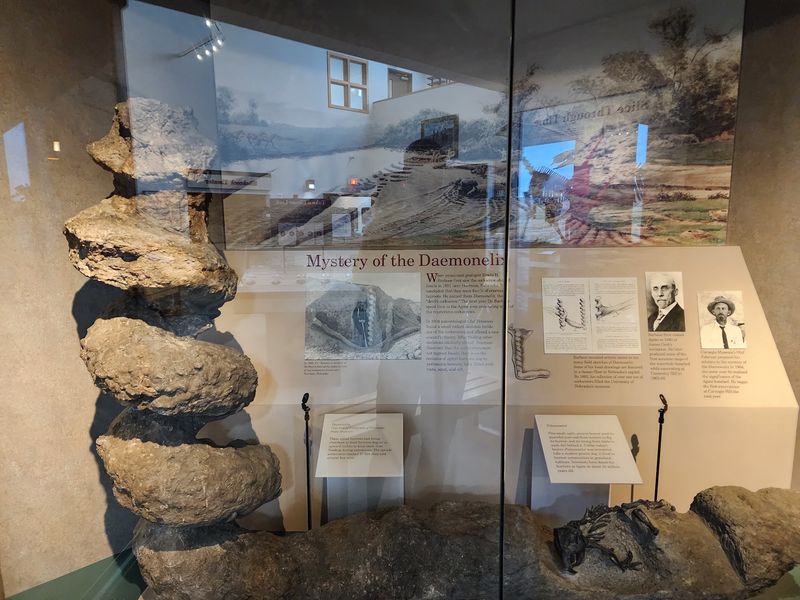
Early settlers didn’t know what to make of the giant stone spirals poking out of the ground. They called them Devil’s Corkscrews, and honestly, the name fits.
The spirals twist downward like a screw driven deep into the earth. For a while, nobody could agree on what had formed them.
The answer turned out to be beavers. Not modern pond builders, but an ancient land-dwelling beaver called Palaeocastor that dug corkscrew burrows into the soil.
Over millions of years, those burrows filled in and hardened. What remains today looks like twisted sculpture rather than a home for a furry digger.
The Daemonelix Trail is named for these formations. It gives you a chance to see where the corkscrews were found and learn how scientists cracked the mystery.
I like how this story flips expectations. Something with such a dramatic name came from a critter most of us would call cute.
It’s a great bit of trivia for the drive home. Ask the backseat crew who dug the Devil’s Corkscrews, and watch them guess everything from snakes to aliens.
The Fossil Hills Trail Leads Straight To The Dig Sites
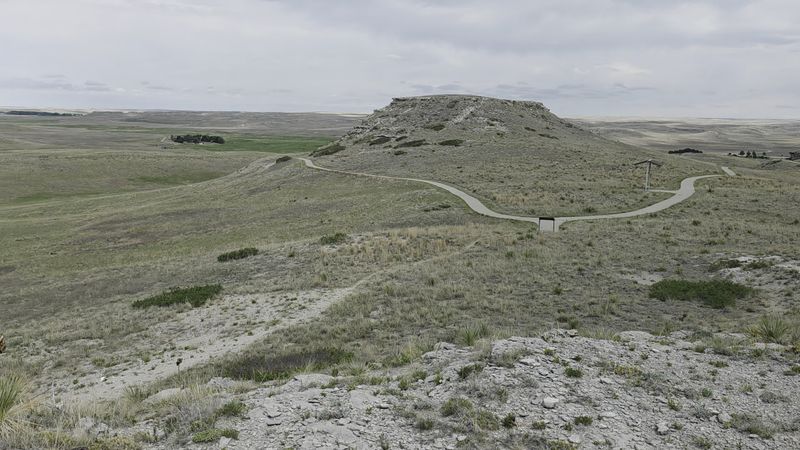
Here’s the walk that gives this place its bragging rights. The Fossil Hills Trail runs about 2.7 miles and heads right to the quarry sites where fossils came out of the ground.
It’s rated easy, and the path is paved the whole way. That makes it friendly for strollers, wheelchairs, and anyone who’d rather not scramble over loose rock.
The trail climbs toward University Hill and Carnegie Hill. Both names point back to the institutions that sent crews here to dig.
From the top, the river valley spreads out below you. The bluffs, the grassland, and the winding Niobrara make a view worth every step.
Shade canopies sit along the route, which you’ll appreciate on bright days. Out in the open, though, the prairie sun doesn’t hold back.
Signs and plaques along the way explain what you’re looking at. Keep your eyes open, since fossil fragments can still show up in the hillsides.
Just remember to look and not pocket anything. Collecting fossils or other specimens is prohibited, so snap a photo and leave the past where you found it.
Crossing The Niobrara On Foot Feels Like A Small Adventure
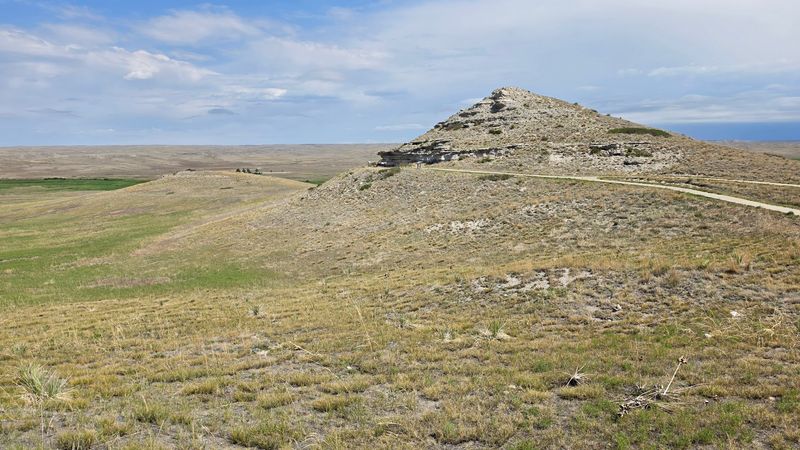
Few hikes in Nebraska let you cross a river within the first stretch. The trail to the fossil hills does exactly that, taking you over the Niobrara River near its upper reaches.
Out here the river looks nothing like the wide canoe water farther east. It winds quietly through the valley, surrounded by wetland grasses.
That contrast is part of the fun. You get green wetlands right next to dry, rugged bluffs, all within a short walk.
The wetlands bring a different look to the open plains. They break up the tans and golds of the prairie with patches of lush color.
Bring binoculars if you have them. Wetlands and grasslands side by side make a good setting for spotting birds and other wildlife.
The river also helps explain why the area looked so different millions of years ago. Water shaped this valley over time and helped expose the bones hiding in the hills.
So when you pause on the crossing, take a minute. You’re standing in the middle of a story that started long before the first ranch fence went up.
Wildflowers And Prickly Pear Steal The Show In Season
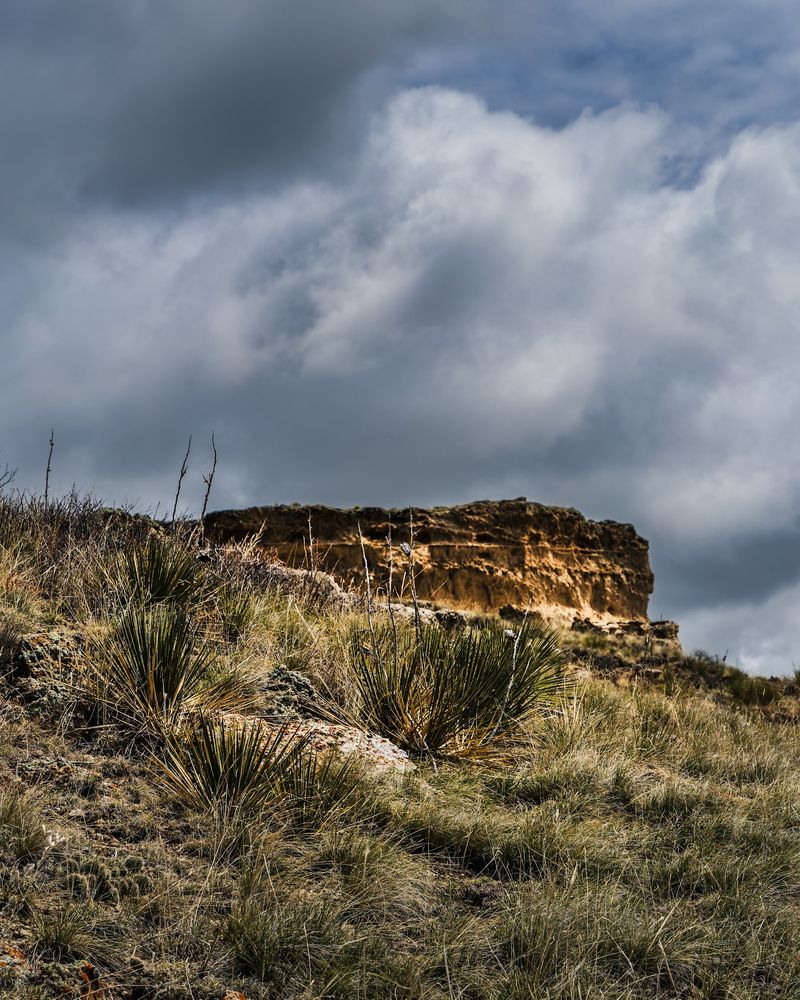
Fossils may get top billing, but the prairie puts on its own performance. Mixed-grass prairie covers the monument, and wildflowers dot the trails during the growing season.
Prickly pear cactus grows here too. Yes, cactus in Nebraska, which surprises plenty of folks who think the state is all corn.
The visitor center even has a section devoted to native flowers. It pairs plants with information, so you can match names to the blooms you spot outside.
That’s a handy trick for families. Turn the hike into a scavenger hunt, and suddenly nobody’s asking how much farther.
Over four miles of trails wind through this grassland. Each bend offers a different mix of grasses, flowers, and big western sky.
The prairie also reminds you how wide open the Panhandle really is. Rolling hills stretch out with barely a building in sight.
Stick to the paved paths, especially around the cactus. Those spines don’t care how careful you think you’re being, and sneakers offer very little defense.
A camera with a good zoom is worth packing. Close-ups of blooms against the bluffs make for frame-worthy shots.
Inside The Visitor Center, The Bonebed Steals Your Attention
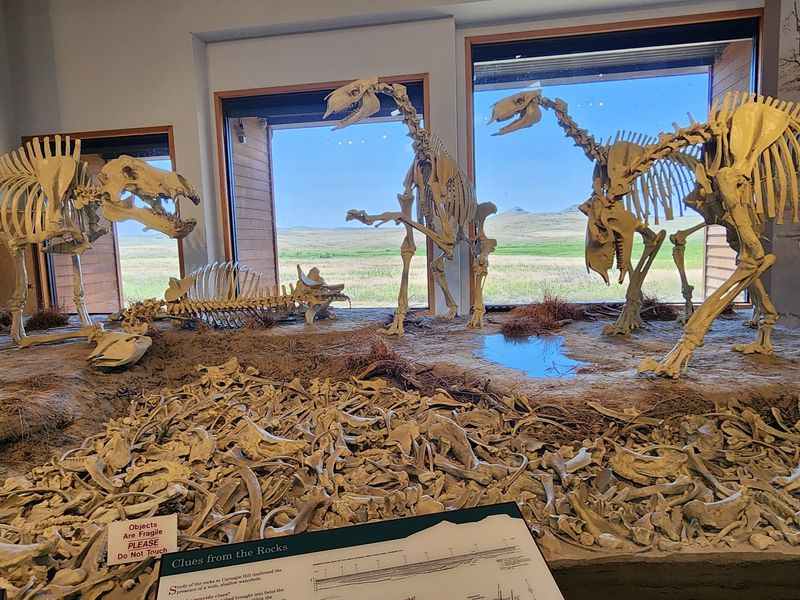
Step through the doors and the exhibits waste no time getting to the good stuff. The bonebed room shows how tightly packed the fossils were when scientists started digging.
Seeing bones jumbled together helps the whole story click. It’s one thing to hear about a fossil jackpot and another to see it laid out.
Dioramas recreate the ancient animals in their old landscape. They help you picture tiny rhinos and big pig-like beasts living where you just parked.
There’s also an educational film about the monument. It gives a quick overview before you head out on the trails.
Park rangers staff the visitor center and can answer questions about the site. Ask them about the dig history, and you’ll likely learn something the signs don’t cover.
The building is modern and comfortable, with ADA-accessible restrooms. Free Wi-Fi is available inside, which helps if you’re mapping the rest of your route.
One note for pet owners: dogs can’t come inside the visitor center. Plan a quick handoff so everyone gets a turn with the exhibits.
A Friendship With Red Cloud Lives On In The Cook Collection
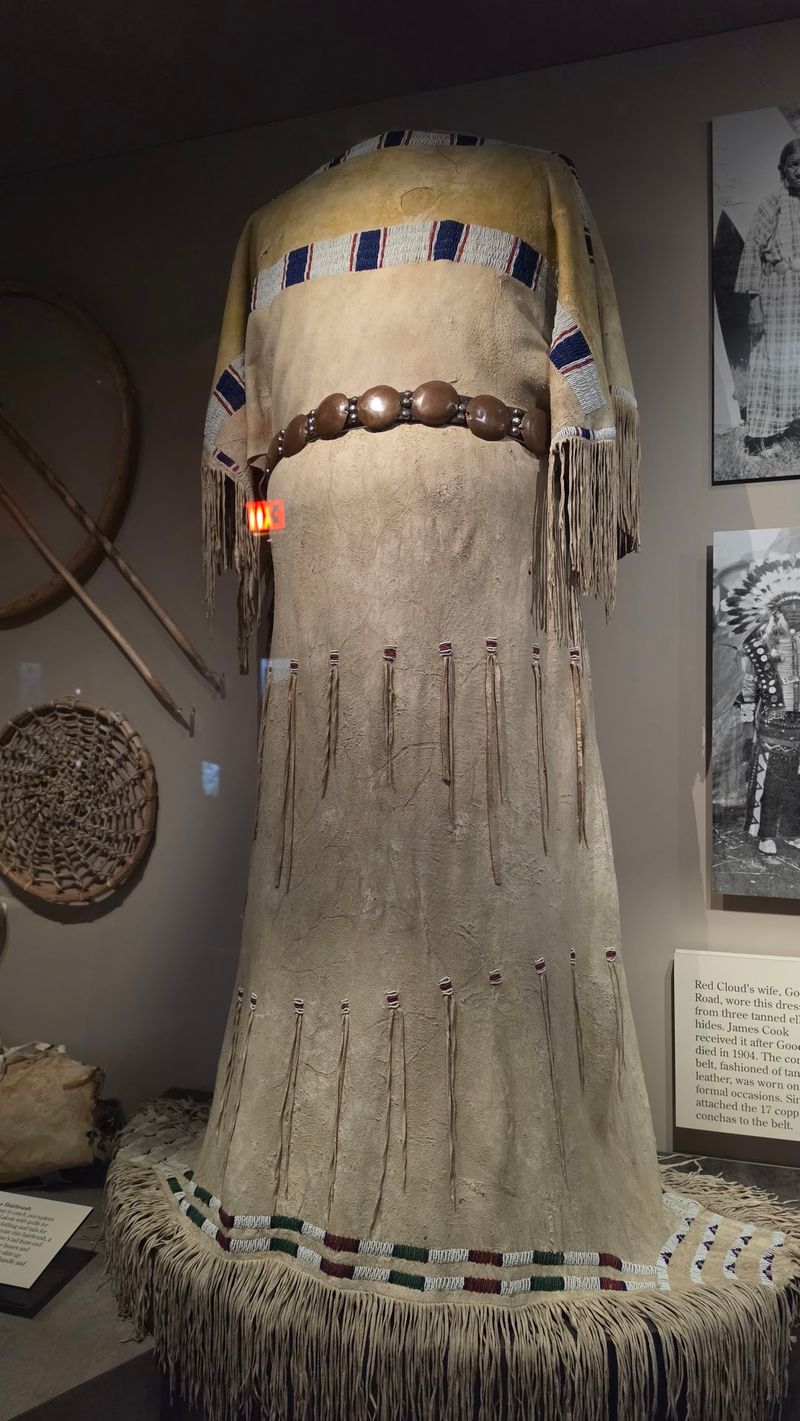
Plenty of visitors come for bones and leave talking about beadwork. The Cook Collection of Lakota artifacts is one of the most meaningful parts of Agate Fossil Beds National Monument.
The collection tells the story of a friendship between rancher James Cook and Chief Red Cloud of the Lakota. Their bond grew around the same time the fossil discoveries began.
Many items were gifts given to Cook by Red Cloud and other Lakota leaders. Each piece carries a piece of that relationship forward.
That’s what gives the display its weight. These aren’t random objects behind glass, but tokens of trust between two very different men.
The exhibit adds a human layer to a place known for prehistoric life. You go from millions of years ago to the late 1800s in one room.
I believe this part deserves just as much time as the fossils. Slow down, read the stories, and look closely at the craftsmanship.
It’s a reminder that Nebraska history includes many voices. Here, a ranch family and Lakota leaders share space in the same remarkable story.
Quiet Roads, Big Sky, And Room To Breathe
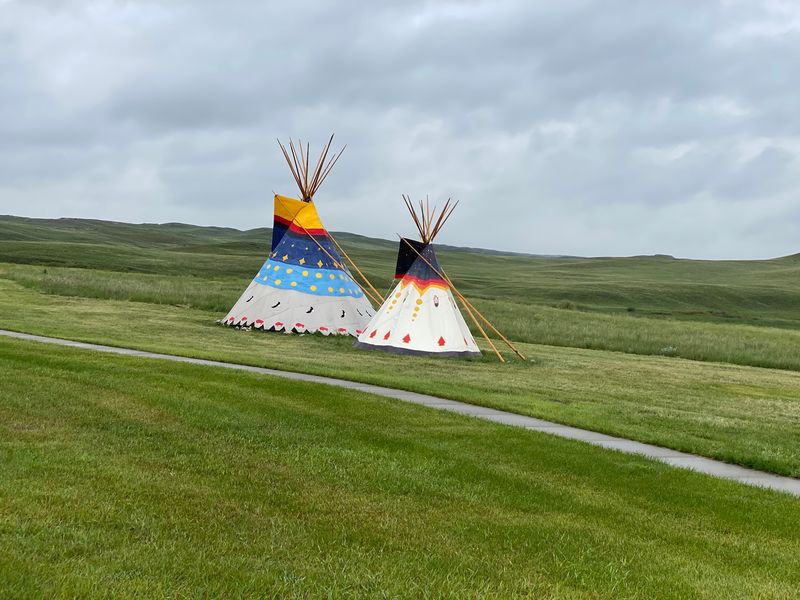
Solitude is part of the package out here. The monument is truly remote, roughly a 45-minute drive from the nearest town.
The roads leading in can feel wonderfully empty. Long stretches of grassland roll by with very little traffic.
For some folks, that’s the whole appeal. No crowds, no noise, just wind through the grass and a horizon that goes on forever.
Families with curious kids will find plenty to explore. Fossil fans, history buffs, and anyone who loves wide-open prairie will feel right at home too.
Leashed pets are welcome on the paved trails and developed areas. So the family dog can tag along for the hike.
Picnic areas give you a spot to rest and refuel. Since there’s no food on-site, a packed cooler turns lunch into part of the adventure.
This is a slower kind of trip. It rewards people who enjoy reading signs, asking questions, and soaking up scenery instead of racing through a checklist.
If you need a break from screens, the open sky makes a pretty convincing argument.
Pack Water, Watch The Sky, And Fill The Tank
Western Nebraska weather doesn’t do anything halfway. Summer days can climb into the high 90s or even hit 100 degrees.
Afternoon thunderstorms roll in often during the warm months. Keep an eye on the clouds, especially out on the exposed hills.
Winter swings hard the other direction. Temperatures can drop to 20 below zero, with snow and wind sweeping across the plains.
Water is your best friend on any visit. Even the easy trail feels longer when the sun beats down and shade is limited.
Bring a refillable bottle, a hat, and good walking shoes. Sunscreen belongs in the bag too, since the prairie offers few hiding spots.
Fuel matters as much as hydration. Fill your gas tank in town before heading out, because services are far apart.
There’s no lodging on-site either. Plan where you’ll stay ahead of time so the drive home doesn’t sneak up on you.
A little prep goes a long way here. Show up ready, and the trip feels easy instead of like a survival show.
Getting There And Timing Your Visit
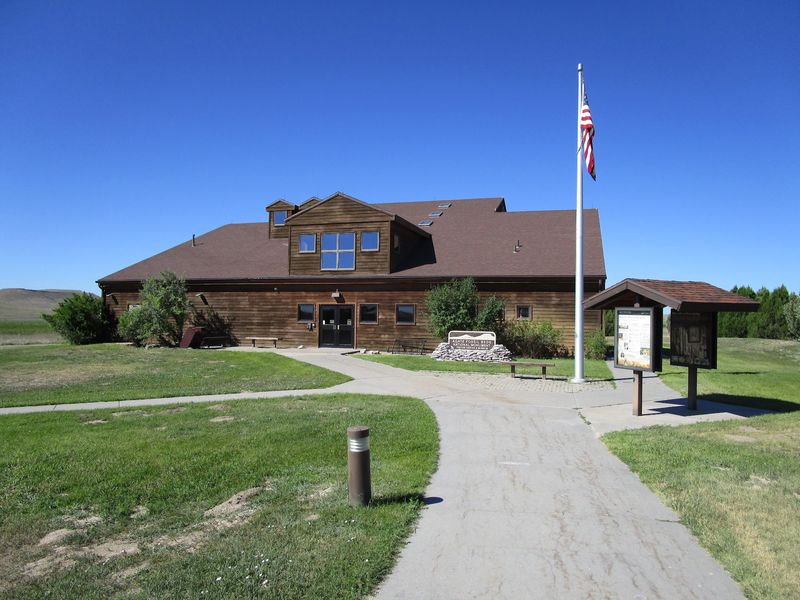
Plug 301 River Road, Harrison, NE 69346 into your map before you lose cell service. That’s the visitor center, and it’s where your visit should begin.
Agate Fossil Beds National Monument is open all year. The visitor center follows seasonal hours, with longer days in summer and shorter ones from fall through spring.
Trails open at sunrise and close at sunset. That gives early birds a chance to hike before the heat builds.
Two trails make up the main options. The Fossil Hills Trail starts near the visitor center, while the Daemonelix Trail sits closer to the entrance road.
Doing both is very doable in a single trip. Together they add up to over four miles through prairie and past key sites.
Arriving while the visitor center is open makes the most sense. The film and exhibits give the hike much more meaning afterward.
And the best news hasn’t changed since the first section. Entry is free, so your only real costs are gas and snacks.
Check the National Park Service before you go for any updates or special events.
Worth The Long Drive For Curious Minds
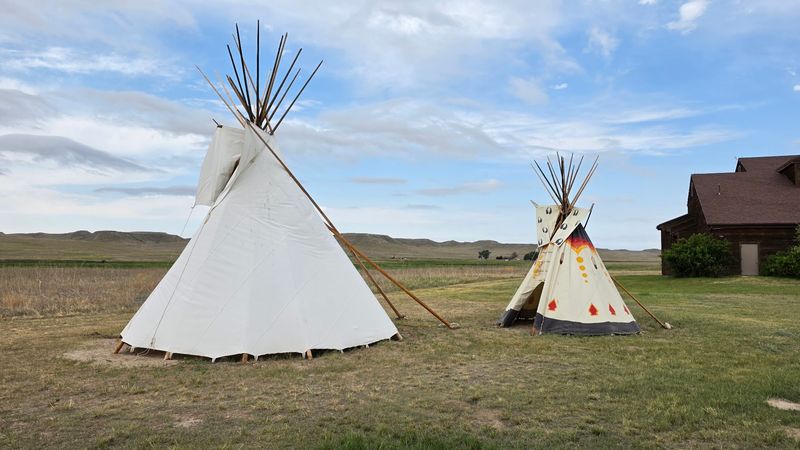
Some road trips need a big payoff to justify the miles. This one delivers bones, burrows, a river crossing, and a friendship story all in one stop.
Agate Fossil Beds National Monument won’t overwhelm you with flashy attractions. Its strength is quieter, built on real discovery sites and the wide Nebraska landscape.
You can also stretch the day into a bigger Panhandle loop. Scotts Bluff National Monument makes an easy pairing.
Toadstool Geologic Park and the Hudson-Meng Bison Site are other options in season. String them together, and you’ve built a weekend of western Nebraska wonders.
I like how this place rewards curiosity. The more questions you bring, the more the hills seem to answer.
Families get a free outing packed with learning. History lovers get the Cook Collection, and hikers get a paved path to fossil bluffs.
Not bad for a spot many folks have never heard of. Once you’ve walked to those hills, you’ll probably find yourself telling friends about the tiny rhinos of Sioux County.