10 Cool New Attraction In New York Is About To Land On Everyone’s Must-Visit List
A life-size Ferrari built from 554,767 LEGO bricks now sits waiting for someone to climb into the driver’s seat.
It took more than 2,300 hours to assemble, and it weighs nearly 4,000 pounds. That kind of news gets me out of bed before the alarm even rings.
Count me in for an early start when New York keeps adding fresh surprises, like a rebuilt fire tower and a brand-new home for a giant textile collection.
A good morning shapes the whole day, and these spots make a strong case for setting the alarm extra early.
So, which one gets your first sunrise?
1. LEGOLAND New York Resort, Goshen
Somebody spent 2,300 hours assembling LEGO bricks so visitors could sit inside a Ferrari. The life-size LEGO Ferrari 12Cilindri Spider contains 554,767 bricks and weighs approximately 4,000 pounds.
Yes, visitors can climb into the driver’s seat. That’s quite a souvenir photograph.
LEGO Ferrari Build & Race opened on March 27, 2026, alongside LEGOLAND New York Resort’s seasonal reopening. The indoor attraction brings four interactive zones together, combining vehicle design, building challenges, and digital racing.
The Garage Zone houses the enormous Ferrari and introduces the carmaker’s racing heritage.
Next comes the Build and Test Zone, where families can construct Ferrari-inspired cars from LEGO bricks. Test ramps allow builders to experiment with their creations, adjust the design, and see how different modifications affect performance.
The Race Track Zone takes the activity further. Completed models can be scanned into a digital system, customized, and raced around a virtual version of Ferrari’s Fiorano circuit.
Younger children have their own DUPLO Zone, with larger bricks designed for smaller hands.
There are no minimum height requirements for the attraction, making it accessible to different age groups.
Families can find the experience at 1 Legoland Blvd in Goshen. Since the activity takes place indoors, it also offers an alternative to outdoor rides during changing weather.
2. Buffalo Museum Of Science
Sports fans can now test their skills inside a science museum, and the experience goes far beyond throwing a ball.
Science Stadium opened to the public on September 26, 2026, at the Buffalo Museum of Science. The permanent exhibition connects athletic performance with physics, engineering, technology, and mathematics.
Developed with the Buffalo Bills, Buffalo Sabres, and Buffalo Bandits, the exhibit brings the region’s professional sports culture into an interactive learning environment.
Seventeen activities encourage visitors to experiment rather than simply observe.
A sports simulator demonstrates how science influences athletic performance. The Stats Center lets participants take a seat behind a broadcasting desk and record their own sports commentary.
Another station measures the sound produced by cheering crowds, while an interactive activity explores the work of sports medical professionals.
Visitors can also design a team mascot and learn about careers that support professional athletics, including engineering and data analysis.
The accompanying Built for Buffalo exhibition explores the construction of the new Highmark Stadium, with building materials and an impressive architectural model.
Science Stadium occupies part of the museum at 1020 Humboldt Pkwy in Buffalo.
The historic building has served generations of visitors, but this addition introduces a distinctly modern approach to understanding the science behind familiar games.
3. Above The Roar, Niagara Falls
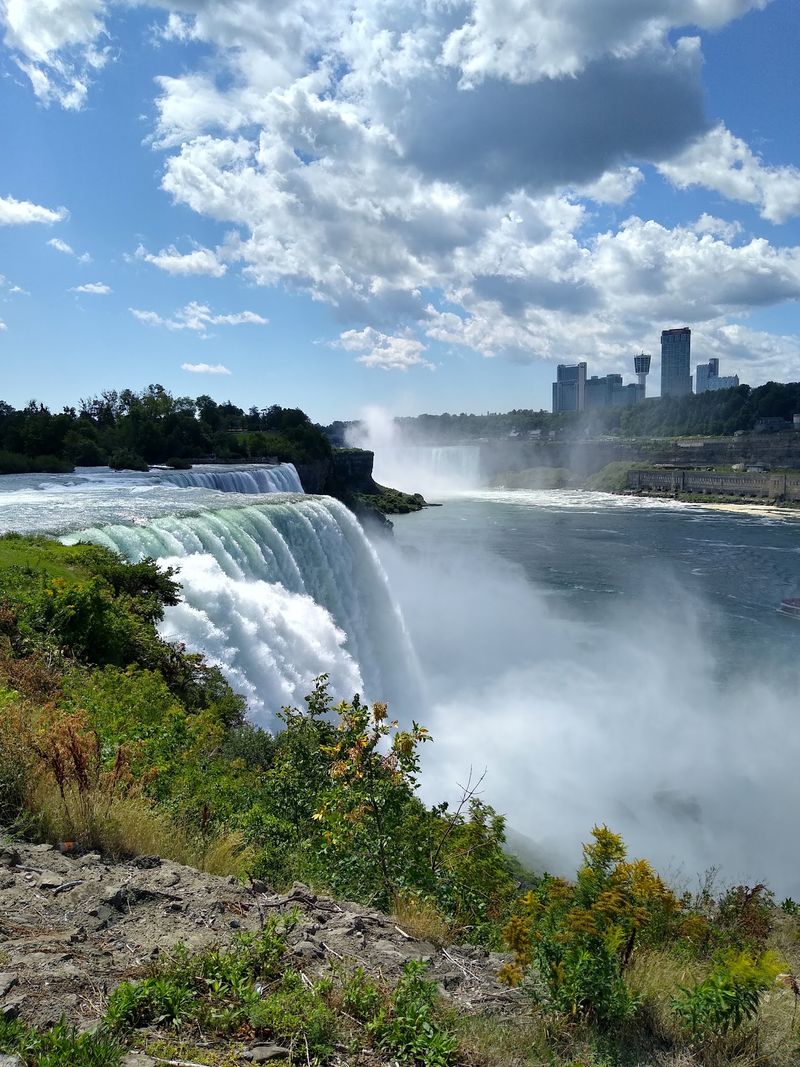
America’s oldest state park comes with its own soundtrack, and it’s very loud. Niagara Falls State Park was established in 1885, long before selfie sticks showed up.
Above the Roar offers an entirely different perspective on the famous waterfalls, using virtual reality to take visitors above the rushing water and beneath its surface.
The attraction operates inside the Ralph Wilson Welcome Center, where motion-enhanced seating, immersive sound, and aerial footage create a journey through the Niagara landscape.
After putting on a headset, participants experience the American Rapids, travel above the American Falls, and move through the Niagara Gorge.
The journey also includes views of Horseshoe Falls and Bridal Veil Falls, allowing participants to experience perspectives that are difficult to appreciate from ordinary observation areas.
The moving seats add a physical element to the experience, responding to the virtual journey.
Outside, the actual waterfalls remain the main attraction. The surrounding state park offers observation areas, landscaped paths, and places to enjoy the scenery.
Terrapin Point and Luna Island provide additional viewing opportunities during a visit.
The virtual reality experience has its own admission arrangements, separate from general park access.
Visitors can begin at 332 Prospect St in Niagara Falls, where the welcome center provides a convenient introduction to the park.
Together, the technology and outdoor scenery offer two approaches to experiencing the same extraordinary landscape.
4. TROLLS: Save The Humans, The Wild Center
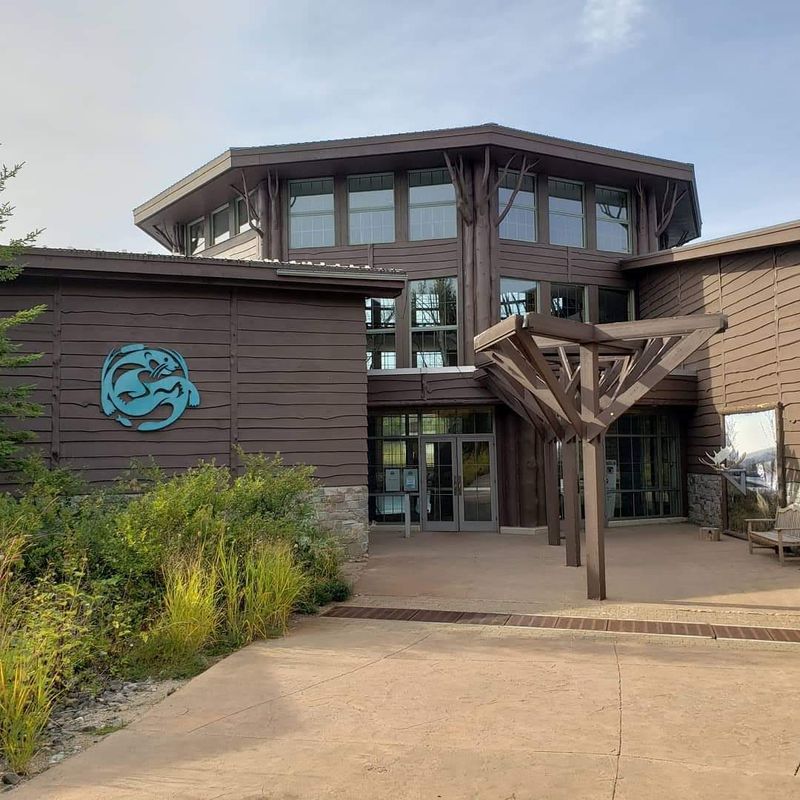
Six enormous trolls made from reclaimed wood are hiding along the forest trails at The Wild Center. Finding them is part of a new outdoor adventure that combines art, storytelling, and environmental education.
TROLLS: Save the Humans opened on June 1, 2026, as part of the Tupper Lake museum’s twentieth-anniversary celebration.
Danish artist Thomas Dambo created the sculptures using discarded materials, giving each character its own personality and message about humanity’s relationship with nature.
Visitors follow outdoor trails to discover the towering figures. Their wooden construction demonstrates how ordinary materials can become impressive works of art through creativity and careful craftsmanship.
The exhibition runs through October 31, 2026, making it a seasonal experience rather than a permanent installation.
The Wild Center also offers an Adirondack Troll Adventure around Tupper Lake. Smaller troll figures appear at participating businesses, encouraging families to explore the surrounding community.
Elsewhere on the museum’s grounds, Wild Walk takes visitors above the forest floor through elevated bridges and platforms.
Indoor exhibits introduce Adirondack wildlife, including river otters and other native species.
The museum occupies a 115-acre property, combining natural habitats, educational exhibits, and outdoor recreation. For this unusual New York adventure, head to 45 Museum Dr in Tupper Lake.
The trolls are included with general museum admission, and their woodland setting makes comfortable walking shoes a sensible choice for exploring the exhibition.
5. Snow On Demand, Lake Placid
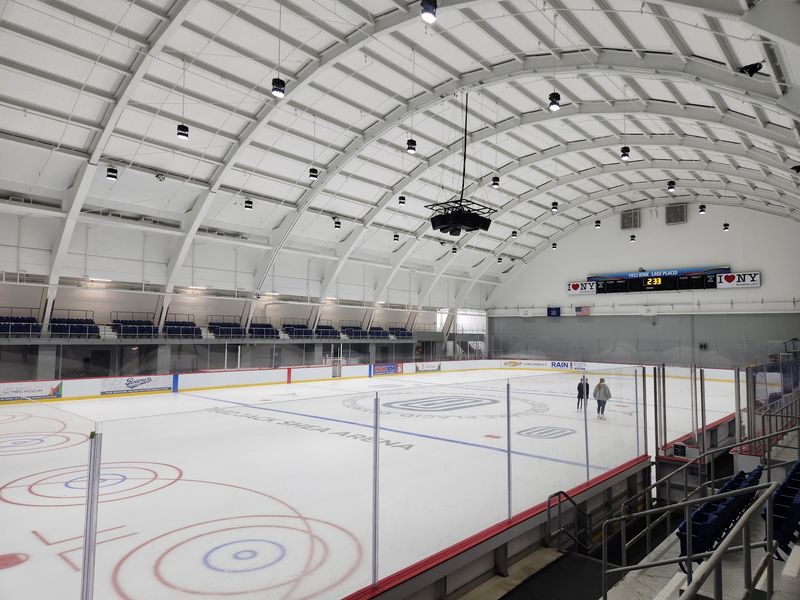
Only a handful of towns can say they hosted the Winter Olympics twice. Lake Placid did it in 1932 and again in 1980.
Snow on Demand brings an entirely new perspective to that sporting history, exploring how winter conditions influence athletic competition and outdoor recreation.
The Lake Placid Olympic Museum introduced the exhibition in 2026, combining historical material with nine interactive experiences.
Visitors can investigate how natural and manufactured snow differ, using microscopes to examine snow crystals and materials inspired by nature.
A ski-jumping activity presents the athlete’s perspective, while an updated virtual bobsled experience allows participants to choose between two tracks.
Another station challenges visitors to match the rhythm of Olympic speed skating.
Two short films explore snowmaking at Whiteface Mountain and the experiences of young athletes competing through changing winter conditions.
The exhibition also considers how temperature patterns influence winter recreation and the technology used to maintain sporting facilities.
These activities connect the region’s Olympic legacy with contemporary science, making the subject accessible to visitors interested in sports, technology, or history.
The museum occupies part of the Olympic Center at 2634 Main St in Lake Placid.
The surrounding downtown provides an easy extension to the visit, with Mirror Lake and other Olympic landmarks nearby.
Snow on Demand adds a fresh scientific perspective to a destination already closely associated with winter sports.
6. Thousand Islands Arts Center’s New Facility
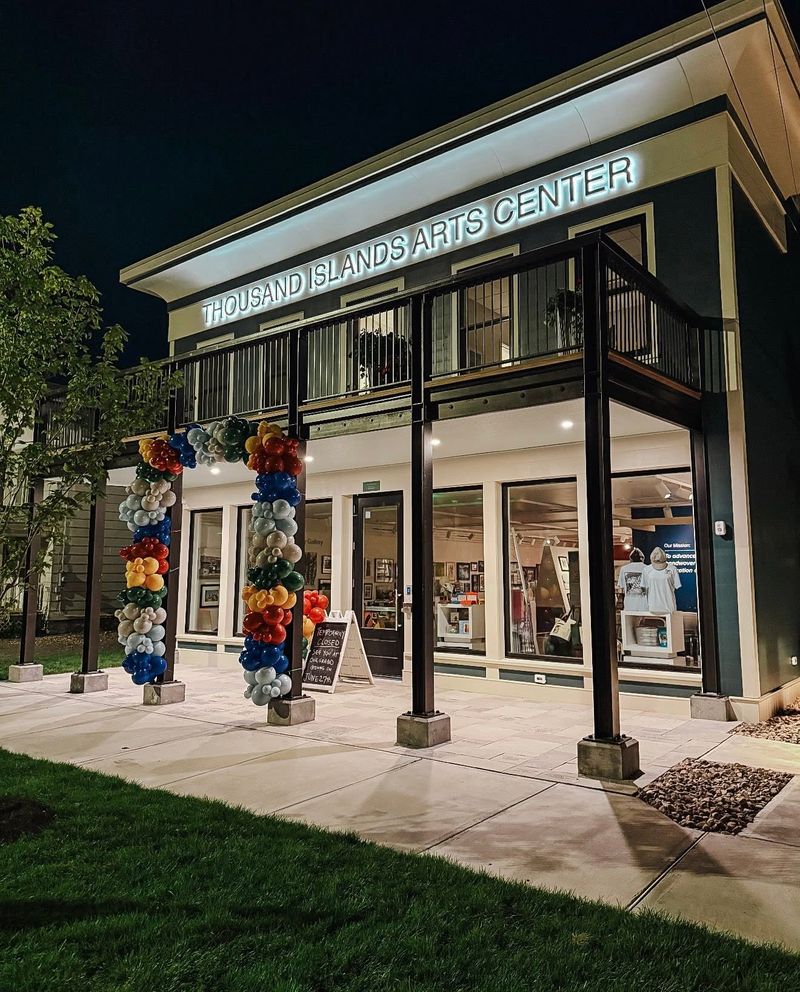
Twenty thousand handwoven textiles finally have a climate-controlled home. That’s an extraordinary amount of weaving history gathered into one collection.
The Thousand Islands Arts Center opened its new facility in Clayton in June 2026, marking a significant expansion for an organization celebrating six decades of creative education.
The building contains approximately 13,000 square feet and more than doubles the center’s gallery space.
Its new classrooms triple the previous teaching capacity, creating opportunities for additional workshops in weaving, pottery, painting, photography, jewelry, and other artistic disciplines.
One classroom is designed specifically for children’s programming. A third-floor weaving and artist studio overlooks the St. Lawrence River, bringing the surrounding landscape into the creative environment.
The Handweaving Museum collection includes historic and modern American textiles, offering insight into the patterns, techniques, and materials used by generations of craftspeople.
Changing exhibitions provide another reason to explore the galleries, while the expanded gift shop features creative items.
The center is also planning an outdoor Art Park on neighboring property, extending its cultural campus beyond the new building.
Visitors will find the expanded facility at 321 James St in Clayton.
This northern New York arts destination now has more room for workshops, exhibitions, and preserving its remarkable textile collection, connecting traditional craftsmanship with contemporary creativity.
7. Pendragon Theatre’s New Performing Arts Center
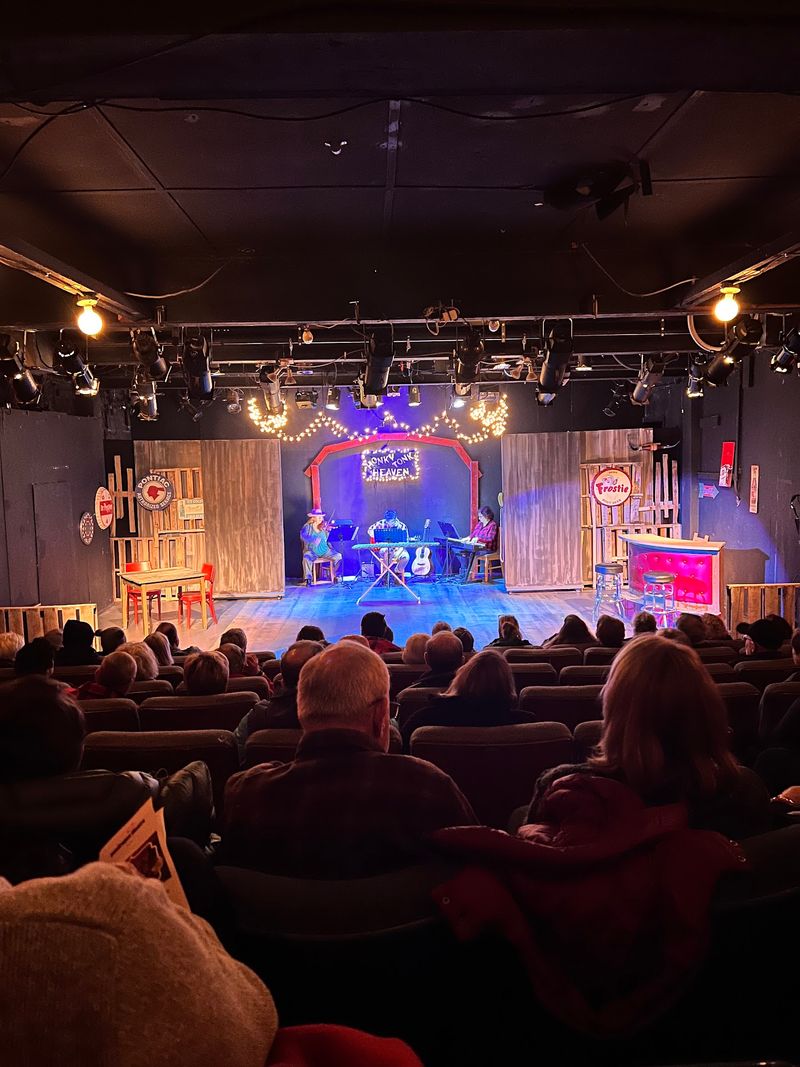
After more than four decades of performances, Pendragon Theatre finally has a new downtown home. The Saranac Lake company’s modern performing arts center officially opened in April 2026.
The building occupies 56 Woodruff St, on a site previously used by a grocery store.
Its central feature is a proscenium theater, designed to support theatrical productions, educational programs, and community performances.
Flexible front-row seating allows certain arrangements to change according to the needs of individual productions.
The new facility also improves accessibility for audiences and performers, with additional backstage and support spaces that help the company develop more ambitious programs.
Designed with environmental efficiency in mind, the building incorporates features associated with LEED Silver standards.
Pendragon’s regular activities include professional theater productions, youth programs, acting classes, and collaborations with artists.
Its 2026 season brought several productions to the new stage, with additional performances and community events continuing throughout the year.
For Saranac Lake, the project adds another cultural venue within walking distance of downtown shops and restaurants.
Parking is available near the theater, including designated accessible spaces and additional public parking within a short walk.
The performance schedule changes throughout the year, so choosing a specific production is the best starting point for planning an evening.
The new building gives this longstanding Adirondack company a permanent downtown stage for its next chapter.
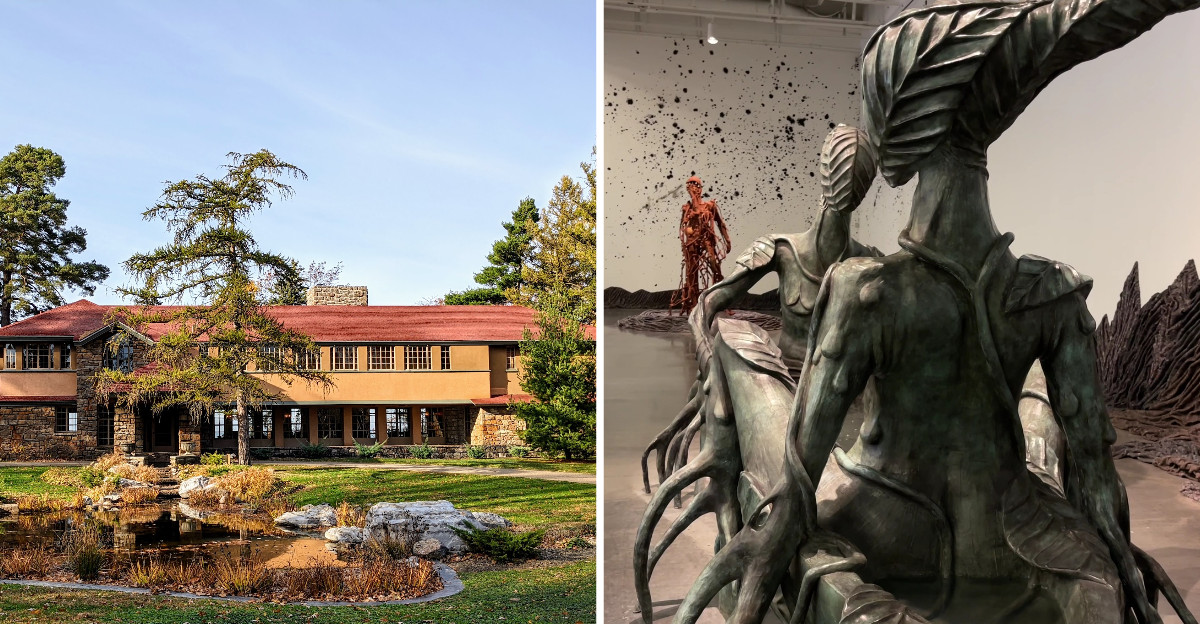
8. Graycliff’s New Visitor Center
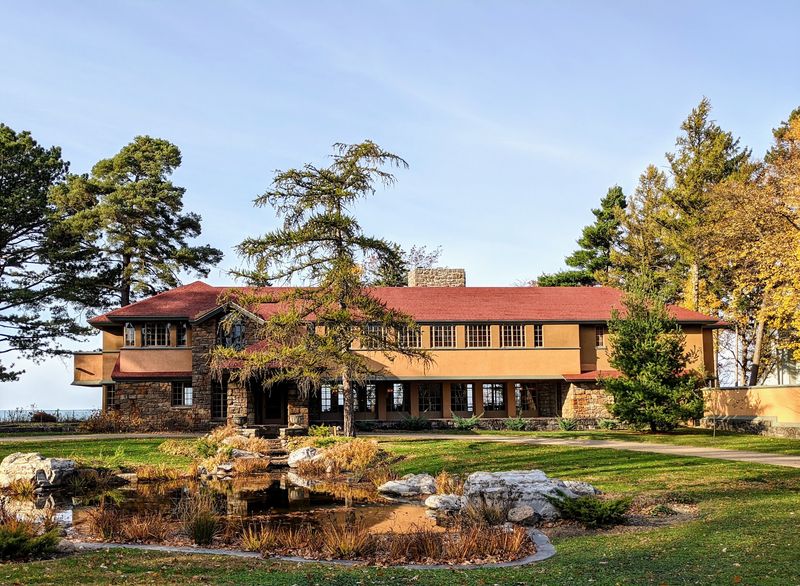
Trees removed during construction are becoming part of a permanent architectural tribute. That’s one of the most distinctive details surrounding Graycliff’s newly completed Visitor Center.
The center officially opened in March 2026, just as the historic estate began celebrating the centennial of Frank Lloyd Wright’s original 1926 design.
Graycliff was created as a summer residence for Isabelle and Darwin Martin, overlooking Lake Erie in Derby.
The property combines Wright’s architecture with landscape elements associated with designer Ellen Biddle Shipman, making the relationship between buildings and gardens especially important.
The new Visitor Center introduces additional space for educational programming, gatherings, visitor amenities, and exhibitions.
A particularly meaningful feature is the Froebel Wooden Block Tribute.
Its wooden recognition blocks are crafted from trees removed during construction, drawing inspiration from the educational building blocks that influenced Wright’s early understanding of geometry and design.
The tribute connects the modern addition with the architectural ideas behind the estate. Graycliff Conservancy has worked to restore and preserve the property since 1997.
Visitors interested in exploring this New York architectural landmark can use 6472 Old Lake Shore Rd in Derby as their destination.
Advance reservations are required for regular estate tours, and seasonal schedules vary. The new center helps introduce visitors to the estate’s history before they explore its celebrated architecture.
9. Bramley Mountain Fire Tower
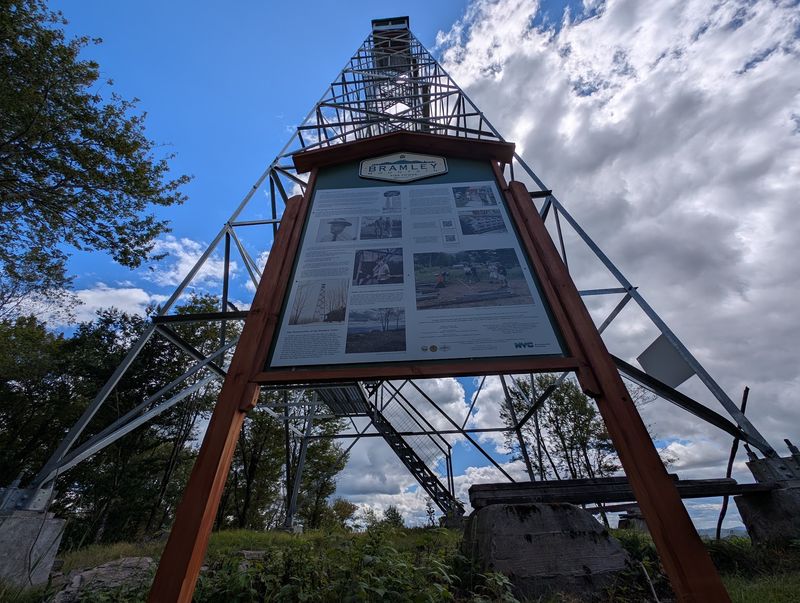
A fire tower disappeared from this Catskills summit in 1975, then returned almost half a century later. Its comeback was the result of years of community fundraising, planning, and volunteer work.
The original Bramley Mountain Fire Tower was decommissioned in 1970 and removed five years afterward.
The Friends of Bramley Mountain Fire Tower eventually organized a restoration project, reconstructing the landmark and completing the work in November 2024.
Its first brief public opening took place on January 4, 2025.
Today, the tower offers an elevated perspective across the surrounding Catskill Mountains from a summit approximately 2,817 feet above sea level.
Reaching it requires following the Bramley Mountain Trail, a loop of roughly four miles through woodland and rocky terrain.
The route passes distinctive geological features, including remnants of a former bluestone quarry.
At the summit, visitors can enjoy the surrounding mountain scenery, although access to the tower itself depends on volunteer staffing and weather conditions.
Stewards generally attend on selected weekends and holidays between late spring and early October, usually during daytime hours.
They also explain the tower’s history and its former role in observing the surrounding landscape. The trailhead is reached from 3276 Glen Burnie Rd in Delhi.
Suitable hiking shoes, drinking water, and enough time for the loop make the experience more comfortable. The restored tower adds a historical highlight to an already scenic mountain outing.
10. New Museum’s Expanded Galleries
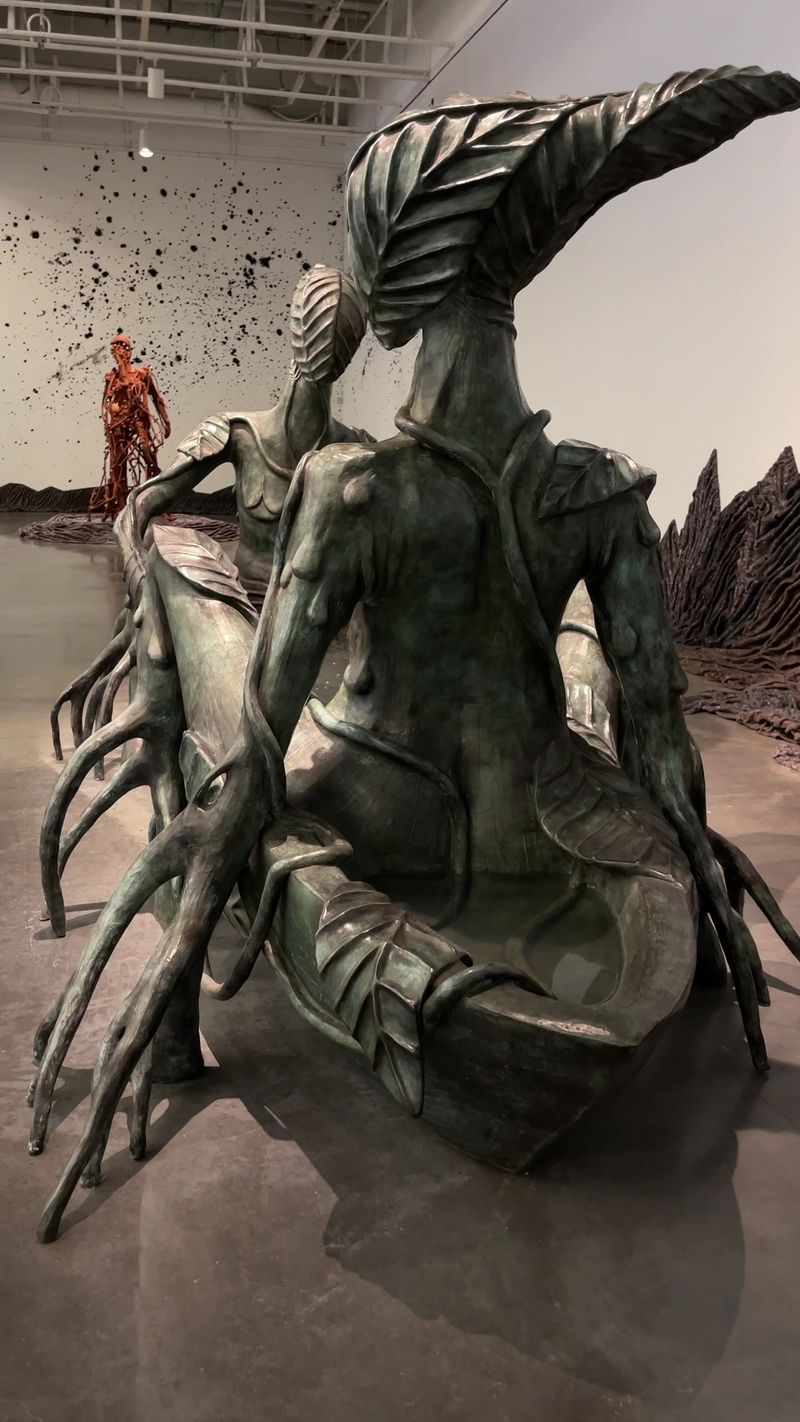
A stack of offset boxes on the Bowery has been one of Manhattan’s most recognizable museum buildings since 2007. Now, it has a striking architectural companion.
The New Museum reopened on March 21, 2026, following a major expansion designed by architecture firm OMA.
The new seven-story building stands beside the original SANAA-designed structure, adding approximately 60,000 square feet and doubling the institution’s gallery space.
Rather than operating as two separate museums, the buildings connect internally to create a larger cultural complex.
Additional galleries allow for more ambitious exhibitions, including large installations and projects requiring substantial floor space.
The expansion also introduces an atrium staircase, a new public entrance plaza, additional gathering areas, and improved spaces for educational programs.
Contemporary art remains the institution’s central focus, with exhibitions exploring emerging ideas, artistic experimentation, and connections between cultures.
The reopening featured New Humans: Memories of the Future, an exhibition examining relationships among technology, imagination, and human experience.
Newly commissioned works also occupy architectural spaces beyond the traditional galleries, including the facade and atrium staircase. Visitors can explore the expanded museum at 235 Bowery in Manhattan.
The surrounding Lower East Side offers additional galleries, shops, and cultural attractions within walking distance.
For anyone following contemporary art in New York, the enlarged museum introduces substantially more space for discovering work by established and emerging artists.