9 Virginia Lakes So Peaceful You’ll Forget About The Ocean
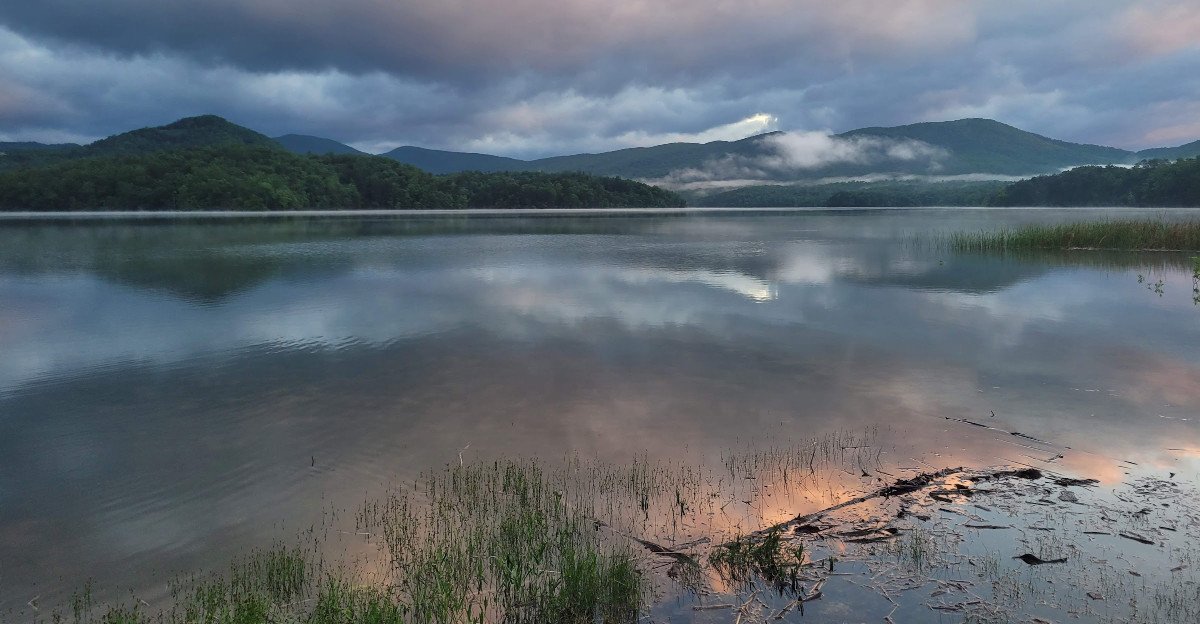
Bass near the top. Trout down in the colder water.
One Virginia lake manages both, which explains why anglers call it a two-story fishery. That detail alone made me curious.
The deeper I looked, the more the mountains started stealing attention from the coast.
One lake comes with park history dating to the 1930s. Another gets its clear water from springs. Sandy beaches show up too, just without the salt.
For me, that is where this list gets tempting.
These places offer fishing, swimming, old trails, and quiet water without needing an ocean backdrop.
Some are better suited to a lazy afternoon. Others could easily take over a whole weekend. Choosing the first one may be the hardest part.
1. Lake Moomaw
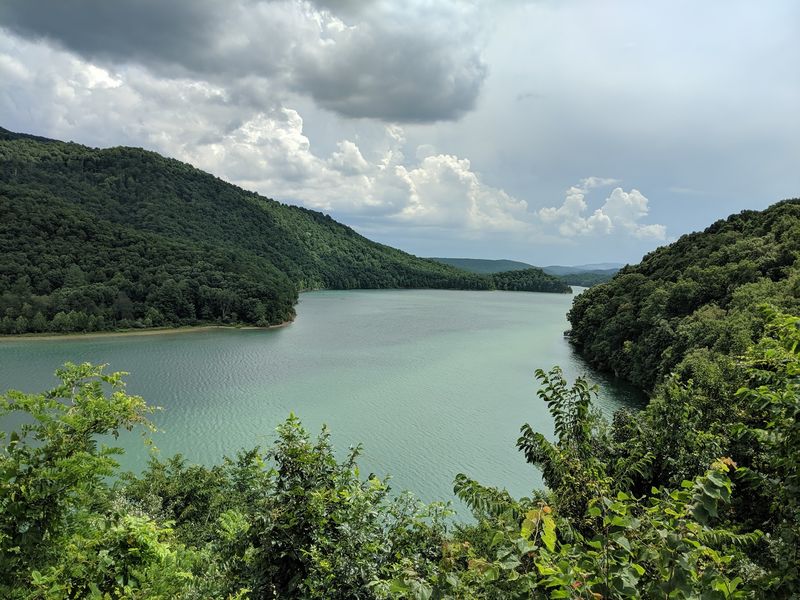
Bass upstairs, trout downstairs. Lake Moomaw is known as a two-story fishery, and its layered waters explain the unusual combination.
Warmer surface areas support bass, sunfish, and other familiar freshwater species.
Deeper, cooler water provides habitat for brown and rainbow trout, although suitable conditions depend on water temperatures and reservoir levels.
The 2,530-acre lake formed behind Gathright Dam on the Jackson River. More than 40 miles of largely wooded shoreline surround the water, creating a striking contrast with heavily developed lakes.
Bolar Mountain Recreation Area occupies the northern shore and provides access to camping, hiking, fishing, and a sandy swimming area.
The nearby marina has a boat launch, making the reservoir accessible to motorized craft as well as paddlers.
Hiking trails climb toward Islands Overlook and Grouse Point, where the wooded hills spread out around the reservoir. Campers seeking a quieter experience can explore separate facilities around the lake.
The Bolar Mountain entrance uses 756 Twin Ridge Dr in Warm Springs. Construction affected some campground amenities and road access during 2026, so confirm the current arrangement before traveling.
Wildlife watching is another reason to linger. Bald eagles and other birds sometimes appear over the shoreline, particularly away from busy boating areas.
The combination of deep water, quiet wooded coves, and mountain scenery gives this unusual fishing destination a particularly distinctive character.
2. Holliday Lake State Park
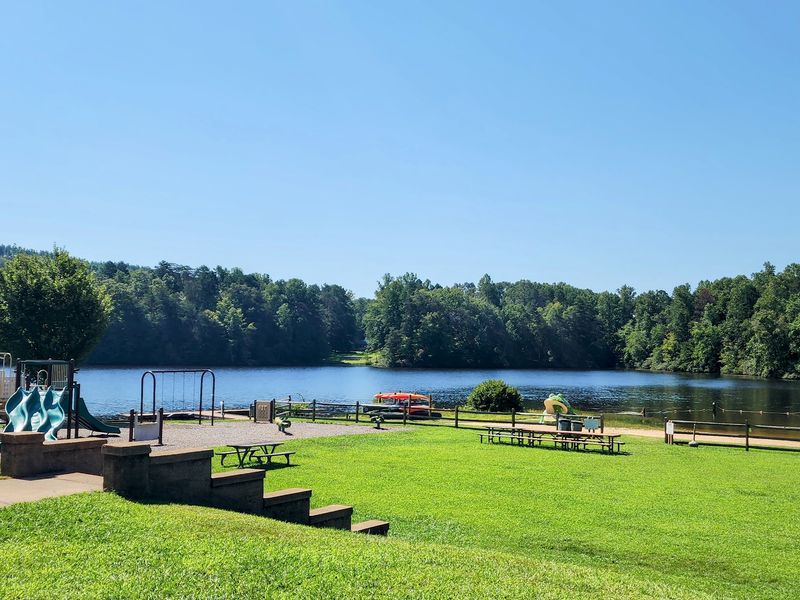
Want a lake where the loudest motor sounds like a polite hum? Holliday Lake permits electric trolling motors but keeps gasoline-powered boats off its water.
Forest surrounds this small state-park lake near Appomattox, and the quiet surface suits kayaks, canoes, and relaxed fishing outings. Largemouth bass, crappie, chain pickerel, and catfish are among the species anglers can pursue.
The designated swimming beach remains available without lifeguards, with a nearby restroom and concession facilities. Swimming is restricted to the buoyed area, so families can choose a spot with clearly marked boundaries.
Seasonal boat rentals include kayaks, canoes, paddleboards, and pedal boats. An accessible fishing pier provides another way to enjoy the shore.
For land-based exploring, the Lakeshore Trail loops around the water, while connections into Appomattox-Buckingham State Forest extend the possibilities for longer walks.
The park’s address is 2759 State Park Rd in Appomattox. Visitors can also use picnic shelters, grills, playgrounds, and overnight camping facilities.
Horseback riding is offered on designated state-forest routes outside the park rather than on the park’s internal trails. Riders use a separate trailhead and follow forest permit rules.
This Virginia getaway rewards a leisurely approach: paddle for a while, pause beside the water, share a picnic beneath the trees, then take the woodland path before heading home. It’s a pleasant place to spend an unhurried afternoon, too.
3. Smith Mountain Lake State Park
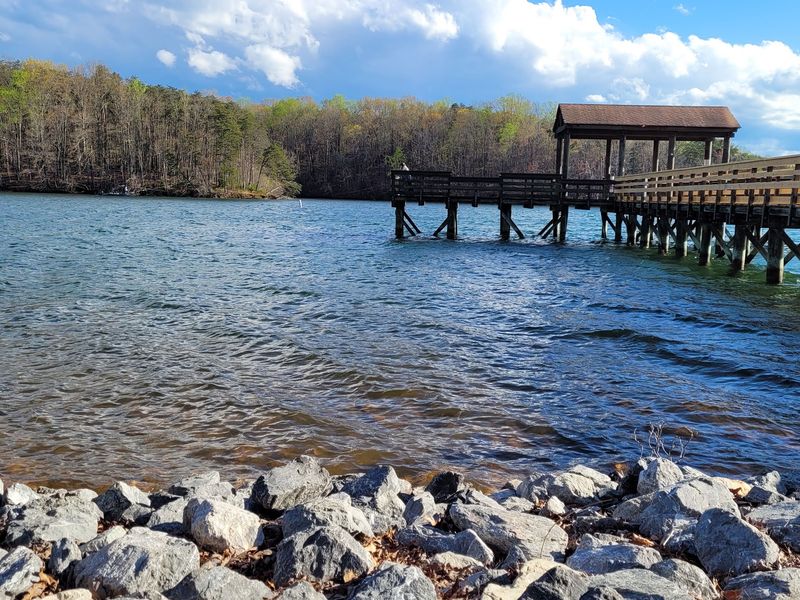
Twenty thousand acres of water and miles of shoreline? Smith Mountain Lake can feel like an inland sea.
The state park occupies its northern shore near Huddleston, balancing an expansive reservoir with wooded trails, cabins, and a sandy swimming beach.
A designated beach opens with seasonal services around the summer holidays.
Lifeguard coverage depends on staffing, while the park’s boat launch and fishing areas allow visitors to experience the lake beyond the swimming area.
Fishing opportunities include striped bass, largemouth bass, smallmouth bass, and catfish. Kayak and paddleboard rentals offer slower outings, while private operators provide motorized boats during the main recreation season.
The waterfront offers broad views, but the park’s hiking trails wind through quieter woodland. Its Discovery Center and ranger programs add educational activities for families.
Visitors reach the entrance at 1235 State Park Rd in Huddleston. Twenty cabins can be reserved for overnight stays, and the campground contains 50 wooded sites with different equipment options.
The cabins are available year-round; the campground follows a longer spring-to-fall season. Camping sites are not directly on the water, so shoreline access usually involves a short trip within the park.
The lake itself was formed after Smith Mountain Dam began operating in the 1960s. Today the state park provides a convenient starting point for exploring its considerable shoreline.
Beach time and a forest walk pair especially well.
4. Philpott Lake
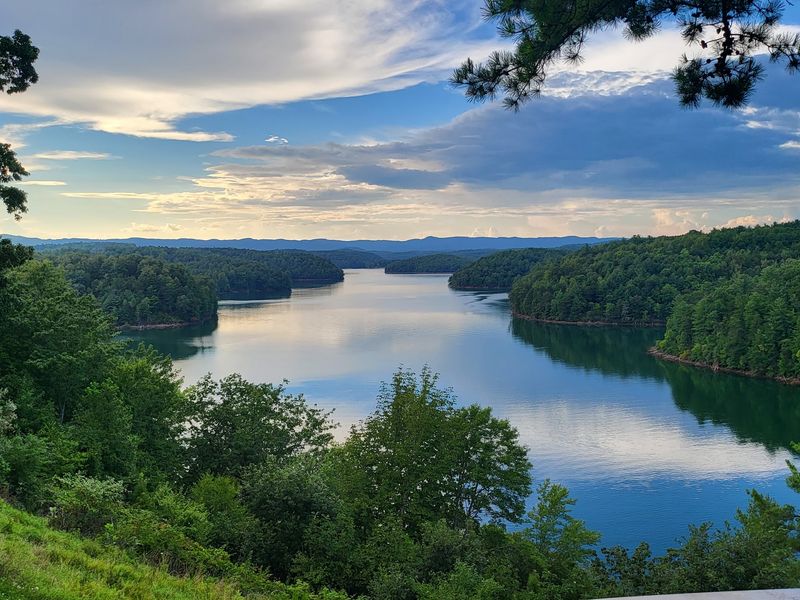
About 100 miles of shoreline and long stretches of undeveloped forest. Philpott Lake offers an appealing mix of clear water, wooded hills, and quiet coves.
The reservoir occupies roughly 3,000 acres in the Blue Ridge foothills, where the U.S. Army Corps of Engineers manages recreation and the dam.
Swimming is available at six designated beach areas, with seasonal access and facilities varying by location.
Ten public boat ramps provide routes onto the water, and kayaks can explore inlets away from busier open sections.
Anglers pursue walleye, bass, crappie, and other freshwater species. The winding shoreline creates plenty of opportunities for shore fishing and paddling trips.
Camping choices range from developed shoreline campgrounds to primitive sites on Deer Island, which can only be reached by boat. The island experience requires advance planning and supplies.
The Philpott Dam visitor area can be found at 1058 Philpott Dam Rd in Bassett. It offers a look toward the reservoir and a convenient point for exploring the dam’s history.
Fairy Stone State Park nearby has its own lake, cabins, and additional recreation, rather than being part of Philpott’s swimming beaches.
The reservoir opened to the public in 1953. Its combination of wooded shoreline, boat access, and designated swimming areas makes it suitable for both short outings and longer stays.
Bring enough time to explore beyond the first cove.
5. Lake Anna State Park
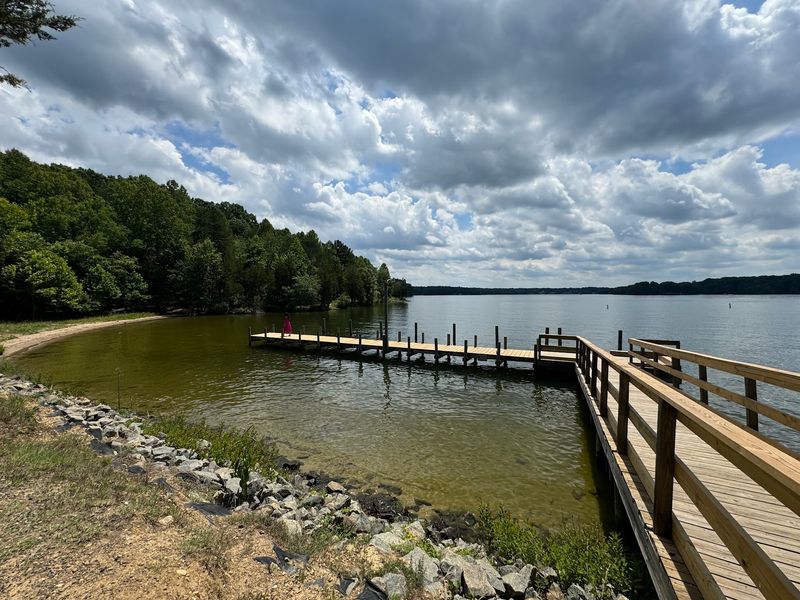
Gold, kayaks, and a sandy beach? Virginia’s Lake Anna combines all three.
The park occupies wooded land on the shore of a reservoir created in the early 1970s. Its designated swimming beach, bathhouse, and picnic areas provide a comfortable base for summer days.
Swimming is unguarded and limited to the appropriate beach area. Kayak rentals are available through self-service equipment, while a convenient public boat launch allows visitors to bring their own approved watercraft.
Anglers can pursue bass, crappie, and bream in the main lake. Near the visitor center, a separate two-acre fishing pond is intended for children and visitors with disabilities.
The historical attraction is the Goodwin Gold Mine. Exhibits and seasonal interpretive programs explore mining in this area, where gold activity began in the nineteenth century.
Guided tours and gold-panning activities may be offered according to the park’s program schedule.
The entrance is reached via 6800 Lawyers Rd in Spotsylvania Courthouse, with cabins, yurts, campsites, and larger lodges available for overnight visits.
More than 15 miles of trails cross mixed woodland, offering routes for hiking, cycling, and horseback riding on designated paths.
Some overnight accommodations overlook the water, though views and facilities depend on the booking category.
Busy summer weekends can fill beach parking areas, making an earlier arrival useful. Swimming, boating, and local gold-mining history set this attractive lake apart.
6. Lake Laura
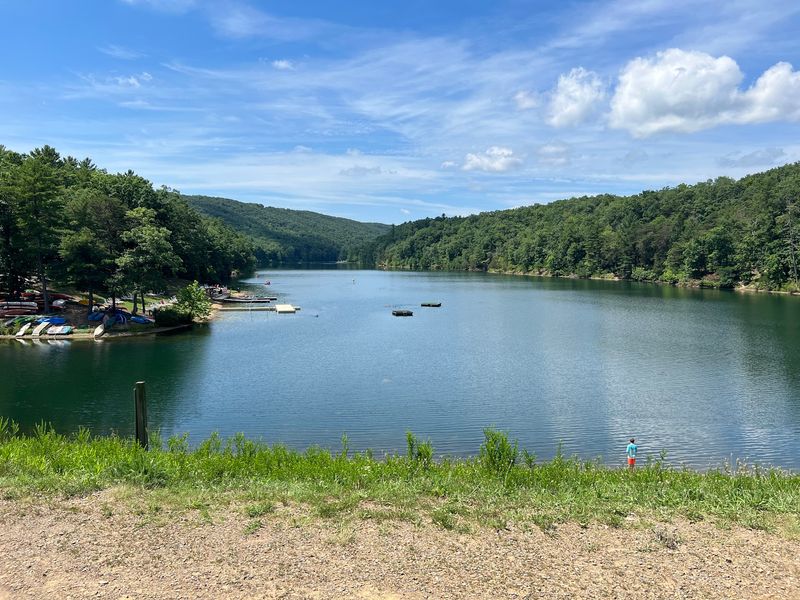
Small lake, big calm. Lake Laura rests beneath wooded slopes near Bryce Resort in Basye.
The beach area includes grassy space for lounging, a swimming zone, and a convenient place to start a slow afternoon by the shore. There are no lifeguards, so children need adult supervision and swimming calls for appropriate care.
Paddleboats, kayaks, canoes, and paddleboards are among the rental options during operating season. A beach shack provides equipment and simple refreshments.
The Lake Laura Trail circles the water, offering an easy-to-moderate walk that commonly takes around two hours.
This trail remains open throughout the year, allowing visitors to enjoy the shoreline even when swimming services have ended for the season.
Lake Laura is reached in Basye rather than by a conventional downtown street address. The resort provides directions to the beach and separate parking areas around the lake.
Private boats may be used under local regulations, with electric motors allowed and permits required for certain arrangements. The water remains a quiet place for paddling rather than a setting for fast motorboats.
Swimming and beach services are seasonal, and the resort marks them closed for winter outside operating dates.
That distinction makes planning simple: warmer months favor time on the water, while cooler days are suited to a lakeside walk. A compact mountain lake can provide all the scenery an afternoon needs.
7. Hungry Mother State Park
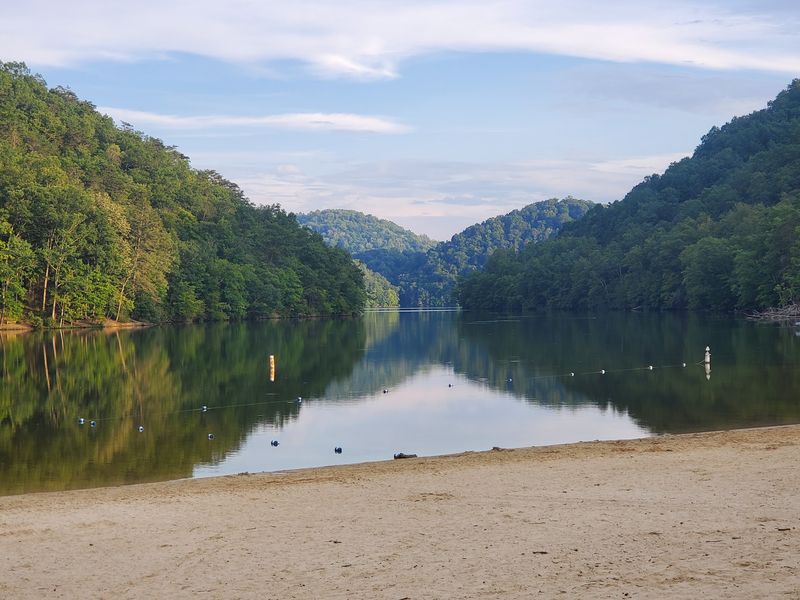
A park with a name like Hungry Mother is bound to spark questions. The name comes from local folklore, while the park itself belongs to the original group of state parks established in the 1930s.
Its 108-acre lake sits among wooded mountains near Marion.
A sandy beach and seasonal concession area make the waterfront appealing during summer, while fishing and walking continue to attract visitors beyond peak swimming season.
The designated swimming area offers guarded hours when staffing permits and unguarded access at other posted times. Boats with gasoline motors are not allowed, helping keep the lake suitable for slower recreation.
Seasonal rentals can include kayaks, canoes, paddleboats, and other small craft. Anglers use a public launch and accessible fishing pier, with bass, catfish, crappie, and other species found in the lake.
Hungry Mother State Park is reached at 2854 Park Blvd in Marion. Campsites, cabins, yurts, and a larger lodge provide different ways to stay overnight.
More than 17 miles of trails offer walks through woodland and around the water. The Discovery Center adds exhibits and activity programs that introduce local plants and wildlife.
Park hours generally extend from morning until 10 p.m., although concessions and rentals follow shorter seasonal schedules.
Its Civilian Conservation Corps heritage and mountain scenery offer two good reasons to make the lake part of a longer visit.
8. Douthat State Park
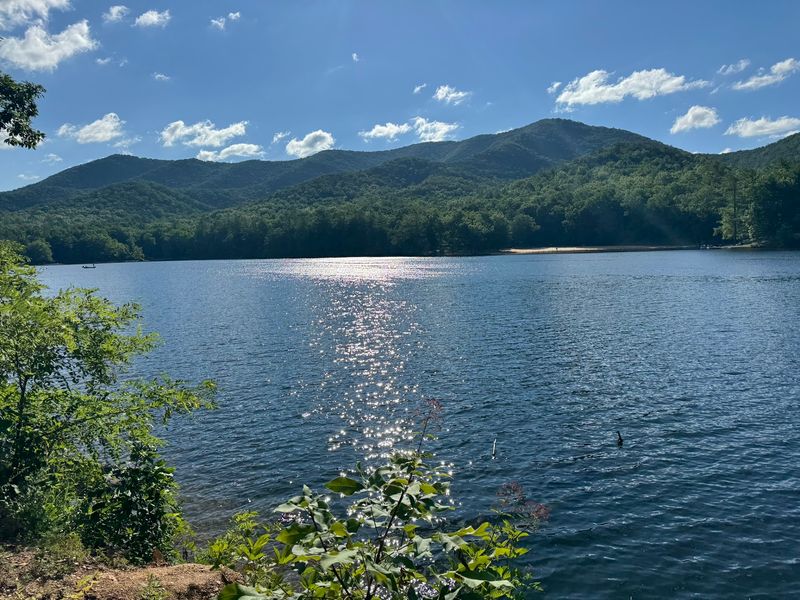
Spotty cell service might be the best feature here. Douthat State Park rests among the Allegheny Mountains, where a wooded valley frames a 50-acre lake.
The park is one of the original state parks opened in 1936. Civilian Conservation Corps crews developed many of its trails, buildings, and recreational facilities, helping earn the landscape a place on the National Register of Historic Places.
A sandy swimming beach is available during the warmer season. Paddlers can use non-gasoline-powered boats, with canoe, kayak, and paddleboat rentals generally offered when seasonal facilities operate.
Fishing is a major attraction. The lake is stocked with trout, and nearby streams provide additional opportunities for anglers with the required licenses.
More than 43 miles of trails wind through the park, including routes for hiking, mountain biking, and horseback riding. Several paths climb away from the lake toward mountain viewpoints.
The park can be reached via 14239 Douthat State Park Rd in Millboro. Overnight choices include historic cabins, family lodges, and multiple campgrounds.
For meals or supplies, the Lakeview Camp Store and Grill operates near the waterfront, with service hours that vary by season. Picnic areas provide another convenient option.
The park opens daily from early morning until evening, making it practical for both a full-day trip and a longer mountain break.
History, forest scenery, and the compact lake combine into a particularly restful setting.
9. Carvins Cove Natural Reserve
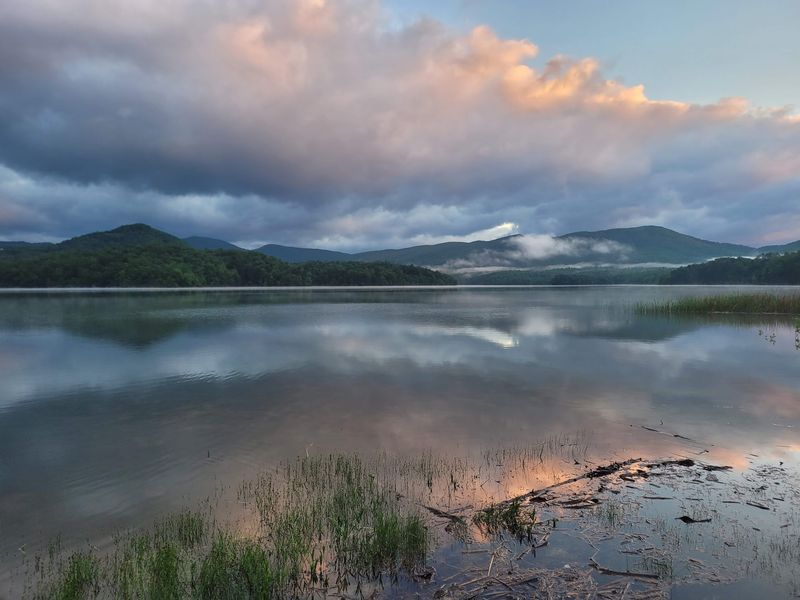
Flat water, forest trails, and a city just down the road. Carvins Cove gives Roanoke a quiet escape that feels much farther from town than it is.
The reserve covers approximately 12,700 acres around a reservoir that supplies drinking water to the Roanoke Valley. Protected woodland and mountain ridges dominate the landscape.
Swimming is not permitted, but paddling and fishing provide plenty of opportunities to enjoy the water.
Visitors may rent kayaks or rowboats, or launch approved personal craft after following the reservoir’s inspection rules.
Motorized boating is limited, and special regulations help protect water quality. Anglers can fish from approved shore areas, piers, or boats, but fishing from rental kayaks is not allowed.
On land, more than 60 miles of trails and service roads are available for hiking, mountain biking, and horseback riding. Routes range from gentle approaches near the reservoir to demanding climbs toward the ridgeline.
The Boat Landing entrance is at 9644 Reservoir Rd in Roanoke, Virginia. Other trail entrances give access to different sections of the reserve, so selecting the correct parking area matters.
From October through March, the reservoir landing normally opens at 8:30 a.m. and closes at 6:30 p.m.; summer hours are longer. Picnic shelters and scenic water views make this an easy day outing.
It’s a fitting final stop for a lake list that celebrates outdoor time without needing an ocean backdrop.