A Wealthy Virginia Philanthropist Donated 1,100 Acres Of Farmland And Turned It Into A Scenic Public Escape
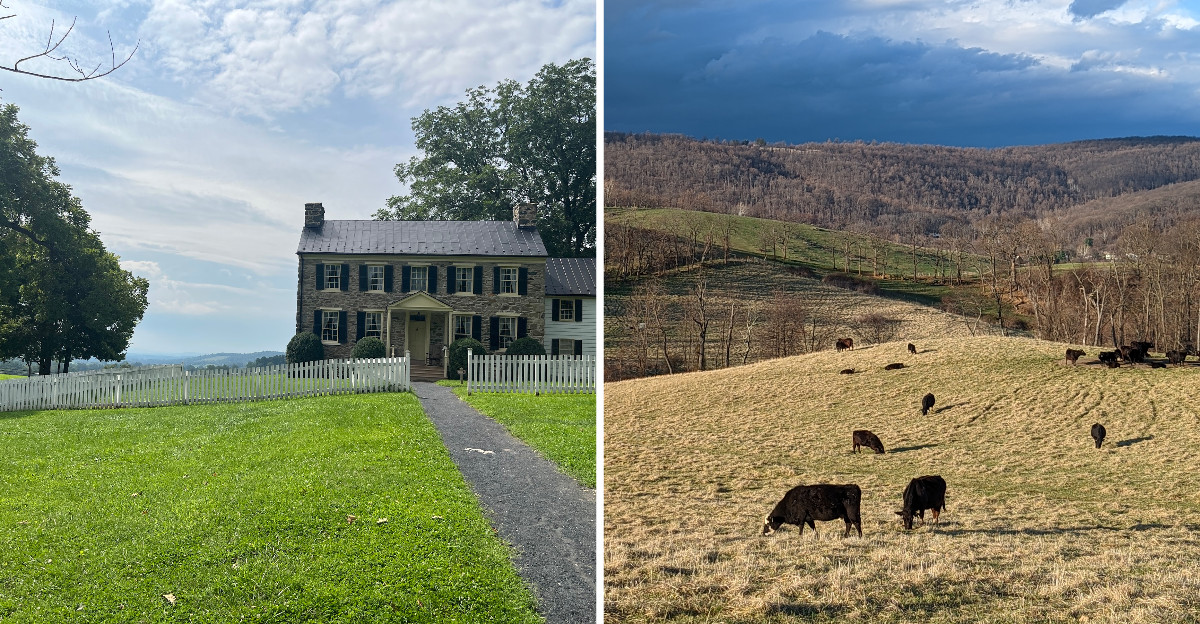
A developer once planned to carve these rolling pastures into housing lots.
Then one generous neighbor stepped in, bought the land, and handed more than 1,100 acres to the public. This is a story worth passing along.
The gift came in 1975, and the man behind it kept giving. More acres followed in 1988 and again in 1991.
Today the land holds a working farm with roots in the mid-1800s, a cottage from around 1780, and cows grazing beside the trails.
The night sky got a gift too. This corner of Virginia earned an official dark sky title in 2021. Stargazers can stay until 2 a.m. on clear nights.
So how does a farm become a place for planets?
One Man’s Gift Kept Bulldozers Off These Hills
Paul Mellon lived nearby in Upperville. In 1975, he purchased and donated 1,132 acres that would become Sky Meadows State Park.
A residential development had been proposed for the land, with the property divided into potential home sites.
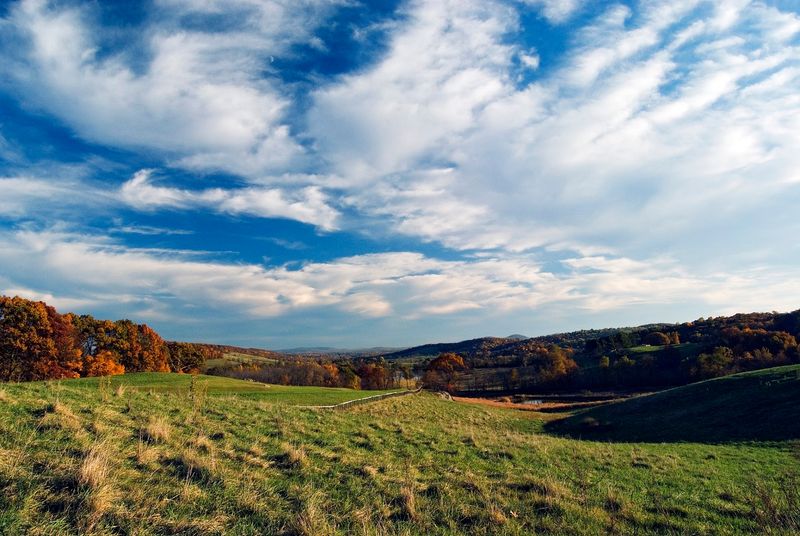
The donation preserved sweeping meadows, wooded hills, and an important stretch of the Crooked Run Valley for public enjoyment.
More land was added in later years. A tract acquired in 1987 provided a corridor connecting the park with the Appalachian Trail, while additional land around Lost Mountain expanded opportunities for horseback riding and exploration.
The park opened in 1983 and now encompasses approximately 1,860 acres along the eastern slopes of the Blue Ridge Mountains.
Its landscape is a mix of farmland, forest, and elevated meadows, with views that change dramatically as visitors climb toward the ridge.
Today, visitors can walk through the pastures, explore historic buildings, and enjoy trails across the hillsides.
For a Virginia day trip, the story behind the protected landscape is almost as impressive as the view.
The Name Traces Back To A Scottish Island
A British diplomat started the naming chain. Sir Robert Hadow purchased the farm in 1941 and called it Skye Farm, drawing inspiration from Scotland’s Isle of Skye.
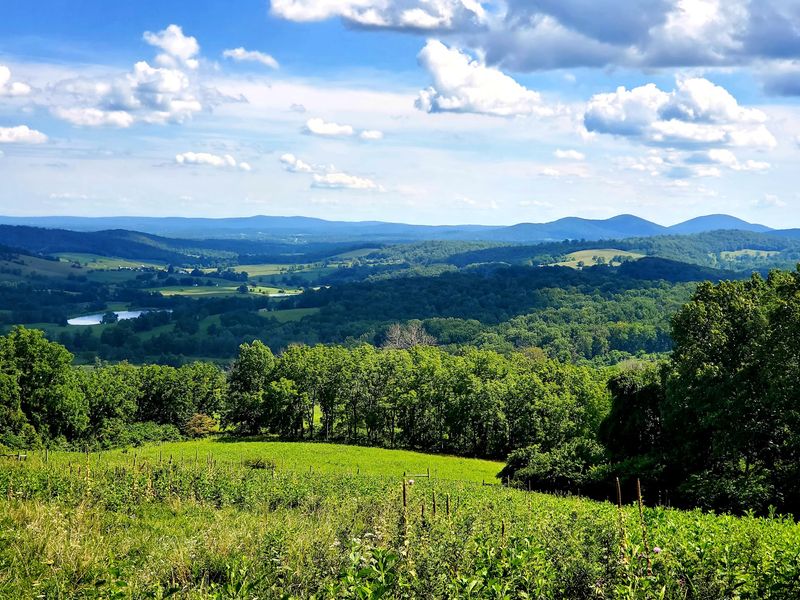
Later, the Scott family adopted the name Sky Meadows. It suited the elevated fields and broad open skies stretching toward the Blue Ridge.
The property had already been farmed for generations by the time either name appeared.
The Hadow Trail preserves one chapter of that story. It connects the historic area with the primitive campground and follows a route used by visitors carrying their camping gear.
The park also crosses Fauquier and Clarke counties, offering an interesting bit of geographical trivia for a single outing.
Walking through the landscape can reveal how a working property gradually became a place for public recreation.
The Scottish connection may explain the name, but the wide views explain why it has endured. From the open meadows, the hills seem to roll into the distance.
Cows Still Clock In At This Working Farm
Mount Bleak-Skye Farm sits at the heart of the park, where agricultural traditions continue alongside modern recreation.
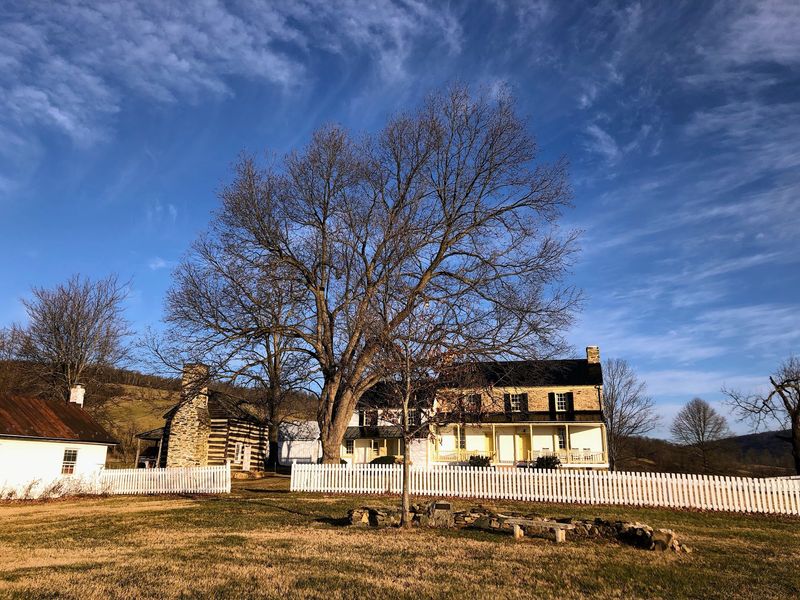
The historic district was added to the National Register of Historic Places in 2004. Its buildings reflect more than two centuries of life in the Virginia Piedmont.
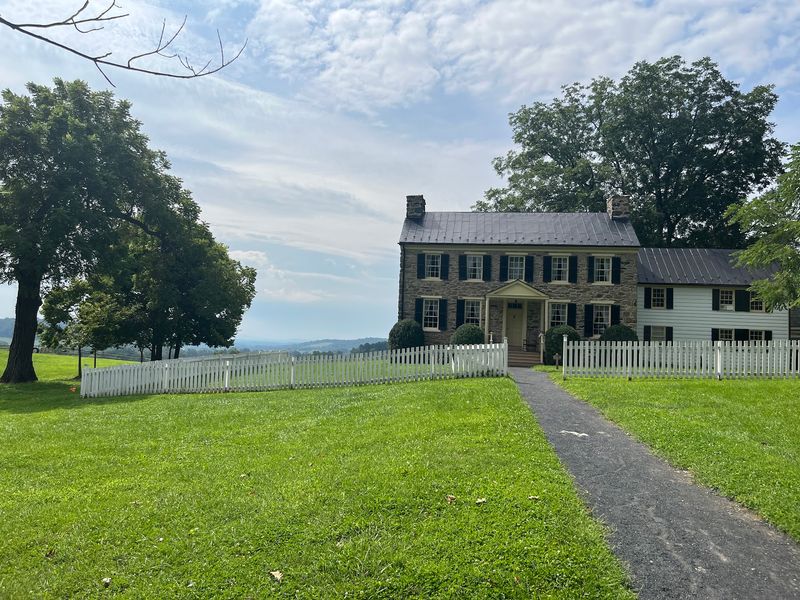
The Wayside Cottage, near the park entrance, dates to around 1780. The Federal-style Mount Bleak House was built in the 1840s and anchors the historic grounds.
Mount Bleak is open for guided tours at scheduled times, while a separate visitor center and gift shop provide exhibits, information, and educational materials.
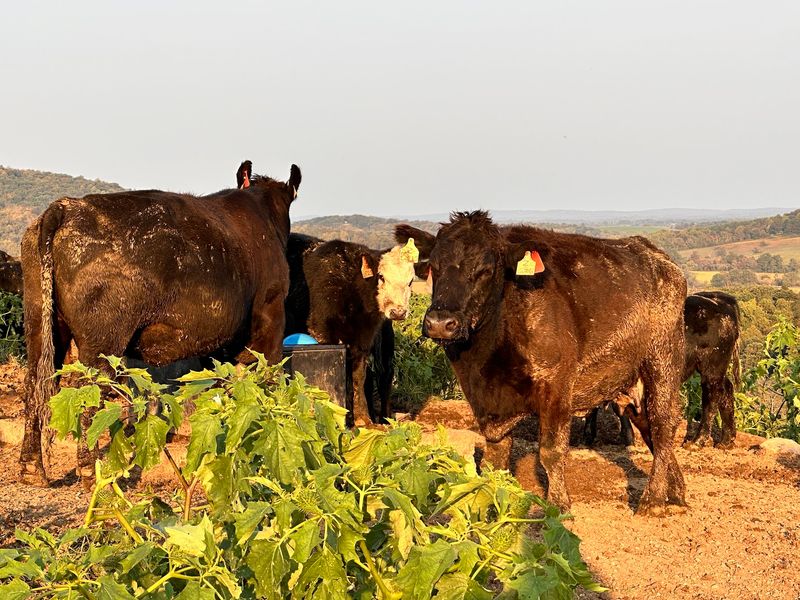
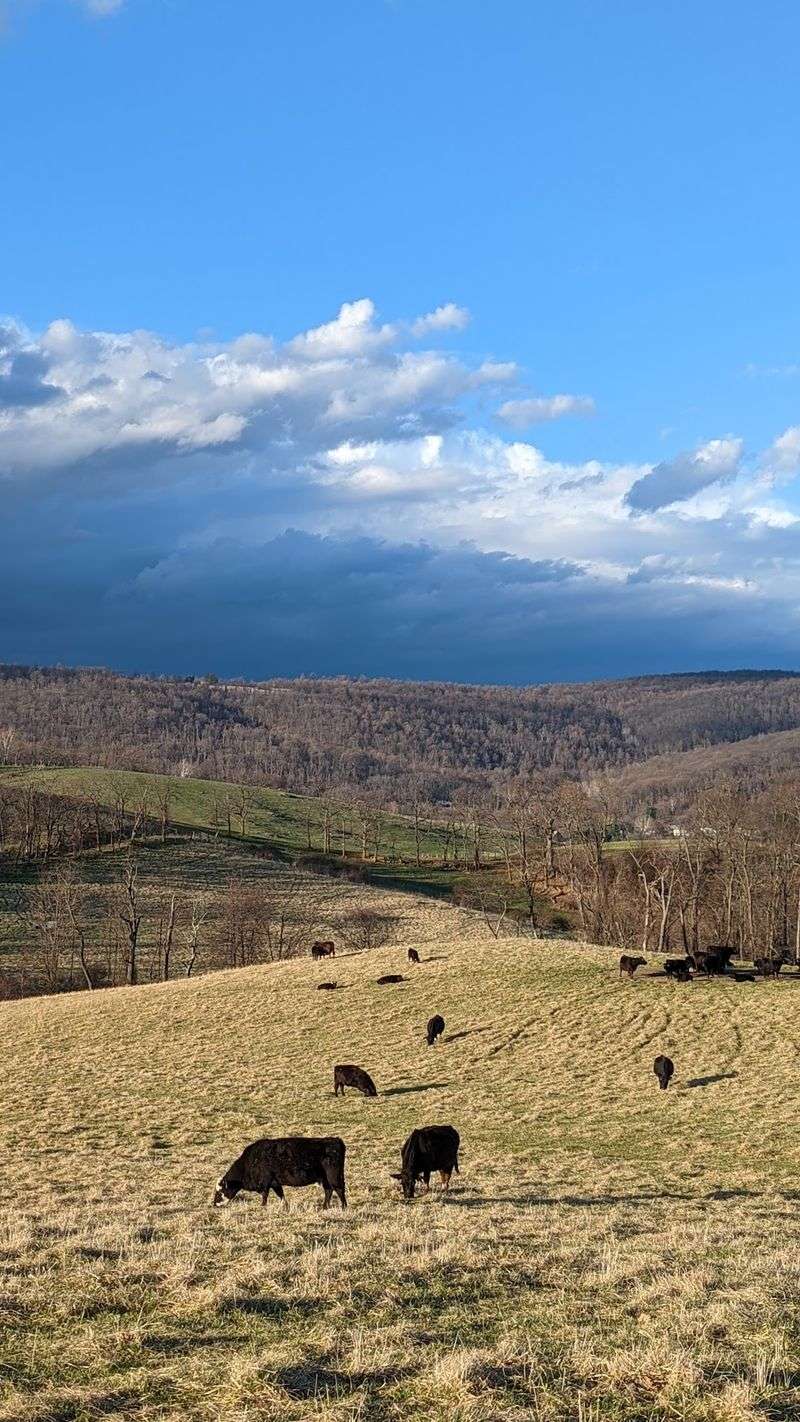
The farm landscape includes barns, outbuildings, gardens, and fields where cattle still graze. The animals are part of an active agricultural setting rather than a petting zoo, so they are best enjoyed from a respectful distance.
History programs bring additional details to life. Depending on the calendar, visitors may encounter demonstrations of hearth cooking, traditional farm work, and other practices associated with the property.
A self-guided walking tour also helps explain the historic structures and the people who shaped the land.
Your Legs Have 22 Miles Of Options Here
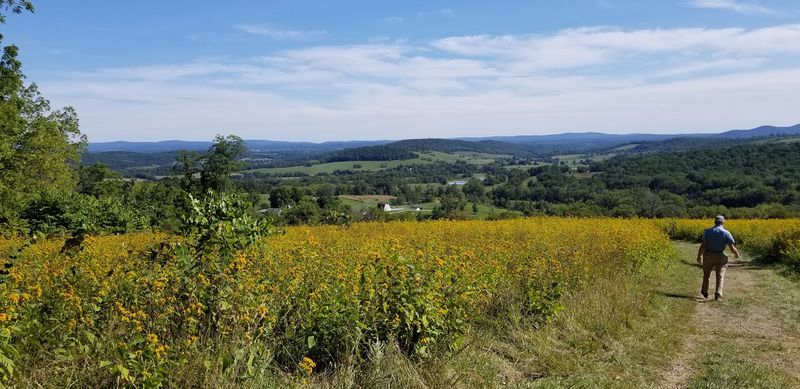
Trail lovers, get comfortable with choices. Sky Meadows has 22 miles of hiking routes, along with 10.5 miles of bridle trails and nine miles designated for cycling.
Routes range from gentle walks near the historic area to longer climbs through forest toward open ridges. The Piedmont Overlook rewards the effort with a broad view across the valley.
The park also connects to the Appalachian Trail, which passes along the mountain ridge. Reaching it from the main parking area requires an uphill hike of roughly two miles.
For something more relaxed, the Snowden Trail offers an opportunity to identify native trees with the help of a self-guided field guide. Numbered markers connect real leaves, bark, and branches with the illustrations.
The main grounds open at 8 a.m., and normal access ends at dusk. It’s worth allowing time for the return walk before gates close.
Carry water, use the trail map, and leave a little time at the overlooks. Virginia’s foothills deserve more than a rushed look from the parking area.
After Dark, The Real Show Begins Overhead
Darkness is a feature here, not a problem. In 2021, DarkSky International designated Sky Meadows an International Dark Sky Park.
Monthly Astronomy for Everyone programs bring volunteer astronomers and telescopes to the park.
These gatherings introduce planets, stars, and other celestial sights while explaining the value of reducing unnecessary outdoor light.
For independent viewing, Turner Pond is the designated Dark Sky Observation Area. Visitors can use the observation field after the usual park closing time, provided they leave by 2 a.m.
Stargazers must park in designated spaces, display the required parking permit, and walk to the viewing field. Overnight camping is not permitted in this area.
A red flashlight is helpful for moving around while allowing eyes to adjust to the night sky. Clear conditions and a darker phase of the moon can improve visibility.
Check the astronomy calendar for special evening programs, because activities and access arrangements may differ from ordinary daytime visits.
The same pastures that look peaceful in the afternoon become a place for looking far beyond the Blue Ridge after sunset.
Little Explorers Get Their Own Corner
Kids need room to discover things, and the Children’s Discovery Area turns the park’s farming and nature themes into outdoor play.
The area includes a Nature Explore Certified Outdoor Classroom with six themed stations. Children can make music, create art, dig, build, and experiment while learning about the surrounding landscape.
A nearby TRACK Trail adds an introduction to hiking for families. Younger visitors can also complete activities from the Junior Ranger booklet, designed for ages five through twelve.
The Sensory Explorers’ Trail offers another experience. This 0.3-mile route includes tactile elements and an audio tour, with features designed to assist people who are blind or have low vision.
The path connects close observation with gentle outdoor movement.
Scheduled family programs sometimes introduce children to the farm’s chickens and goats through supervised activities. Other park events feature educational animal ambassadors and demonstrations of traditional farm life.
The learning here happens through movement and curiosity, with plenty of chances for younger visitors to explore at their own pace.
Pack A Lunch And Bring A Fishing Pole
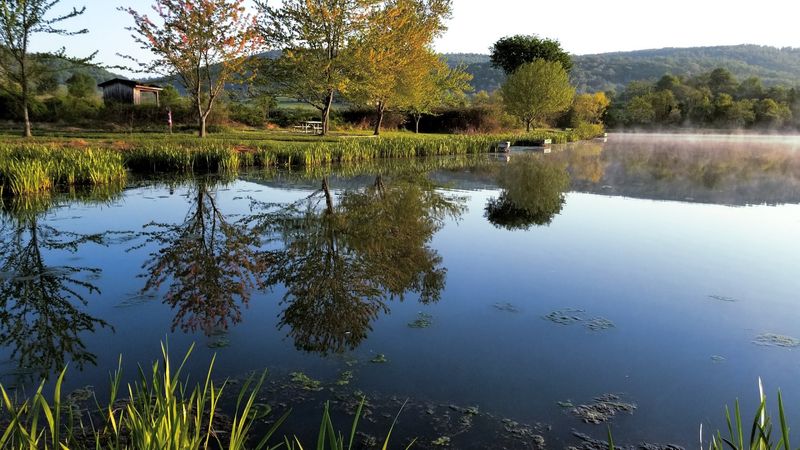
Turner Pond covers about 3.5 acres, providing a peaceful spot for fishing or a picnic beneath the surrounding hills.
Its waters contain largemouth bass, catfish, crappie, sunfish, and bluegill. Fishing piers and nearby tables make it easy to enjoy the view without setting out on a long hike.
Anglers need the appropriate state fishing license, with exemptions applying to younger residents under state rules. Boats are not permitted on the pond, so fishing takes place from its banks and piers.
Elsewhere in the park, the picnic grounds offer tables, grills, accessible facilities, and space for a relaxed outdoor meal. Shelters can accommodate gatherings, subject to their availability and booking rules.
There’s a small gift shop, but no full-service restaurant within the park, so bring food and drinking water for a longer visit.
The park’s main entrance is at 11012 Edmonds Lane in Delaplane. Planning the route in advance makes finding the correct entrance easier, especially for first-time visitors.
Sleeping Out Here Takes A Little Effort
Camping at Sky Meadows State Park is the old-school kind. The park has primitive hike-in tent sites available throughout the year.
The campground sits about a mile from the overnight parking area, reached by the Hadow Trail. Campers must carry their equipment to the designated sites; there are no cabins or drive-up campsites.
Facilities are intentionally basic, with tent pads, picnic tables, fire rings, storage lockers, pit toilets, and a source of non-potable water. Drinking water should be brought in or treated appropriately.
Fifteen individual sites are available, along with buddy and group camping areas. Group reservations are required, and advance reservations are recommended for individual sites.
The hike is manageable for many beginners, although carrying a tent, sleeping gear, and food makes packing thoughtfully especially important.
The reward is a night near the Blue Ridge, with the sounds of the countryside replacing the usual evening routine. The dark-sky designation adds extra appeal for people who enjoy observing the stars.
For a longer Virginia getaway, the primitive campsites create a natural extension of a day spent exploring the farm, trails, and overlooks.