These Kentucky Cat Heroes Have Given Thousands Of Strays A Second Chance At A Better Life
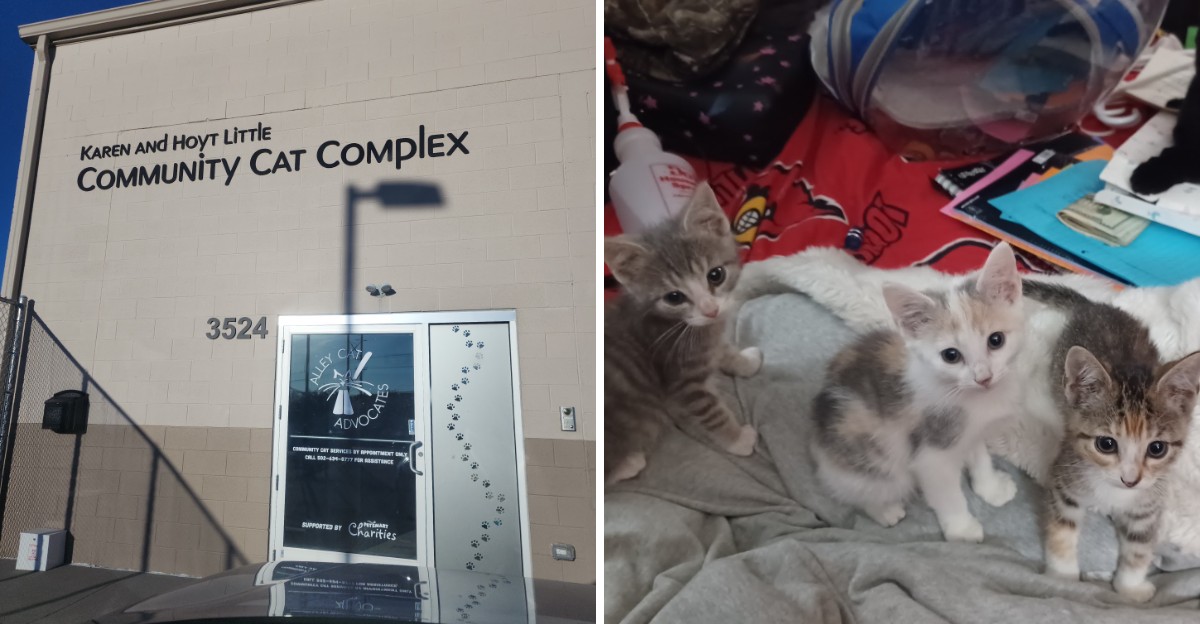
More than 200 cat surgeries get scheduled every single week at one clinic in Kentucky. That’s not a typo.
It’s a nonstop effort to help cats who live outdoors with no owner at all.
The group behind it has spayed or neutered over 86,000 cats since its first surgeries in October 2000. Each cat also gets vaccines, flea treatment, and pain medicine before heading home.
And home means the alley, porch, or backyard where the cat already lived. I like how simple and kind that idea is.
Nobody tries to force a wild cat into a living room.
I believe most of us have spotted a scruffy stray and wondered who looks out for it. In one big Kentucky city, the answer is a crew of very determined cat people.
So who are they, and how did they pull this off?
A Tiny Notch In One Ear Tells A Big Story
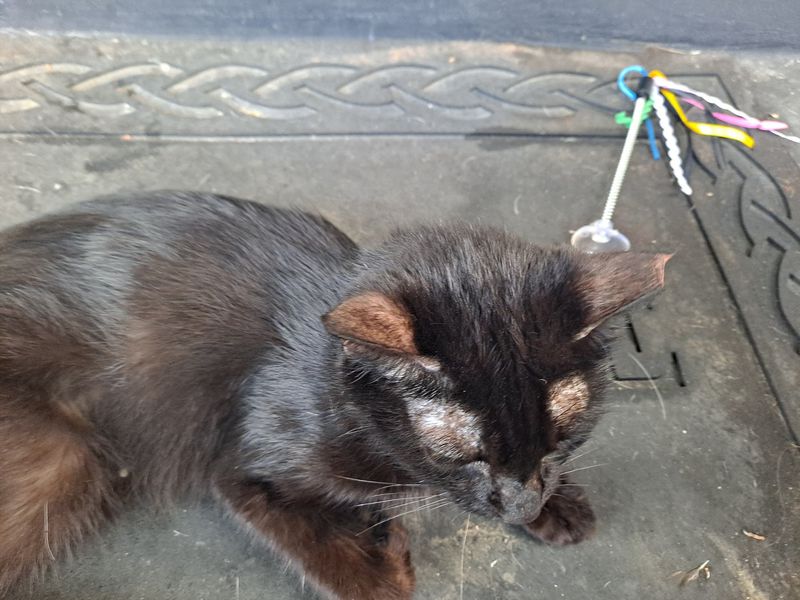
Spot a cat with the tip of its left ear neatly clipped, and you’ve spotted a success story. That little notch comes from Alley Cat Advocates, a Louisville group that helps outdoor cats with no owners.
The ear tip is done during surgery while the cat is asleep. It works like a badge that says this cat has already been fixed and vaccinated.
Why does that matter? Community cats can be hard to catch twice.
The ear tip saves caretakers from trapping the same cat again for no reason.
Alley Cat Advocates started in 1999 as a non-profit with one clear goal. The team wants Louisville to be the safest city in the country for community cats.
Their main tool is called Trap-Neuter-Return, or TNR. Cats are humanely trapped, given surgery and care, then returned to their outdoor homes.
That approach might sound backward at first. Yet it stops new litters from being born, which slowly shrinks colonies over time.
Fewer kittens on the street means fewer hungry, struggling cats. It also means less yowling and fighting outside your bedroom window at 2 a.m.
So next time you see that clipped ear, give a small nod. Somebody in Kentucky cared enough to help.
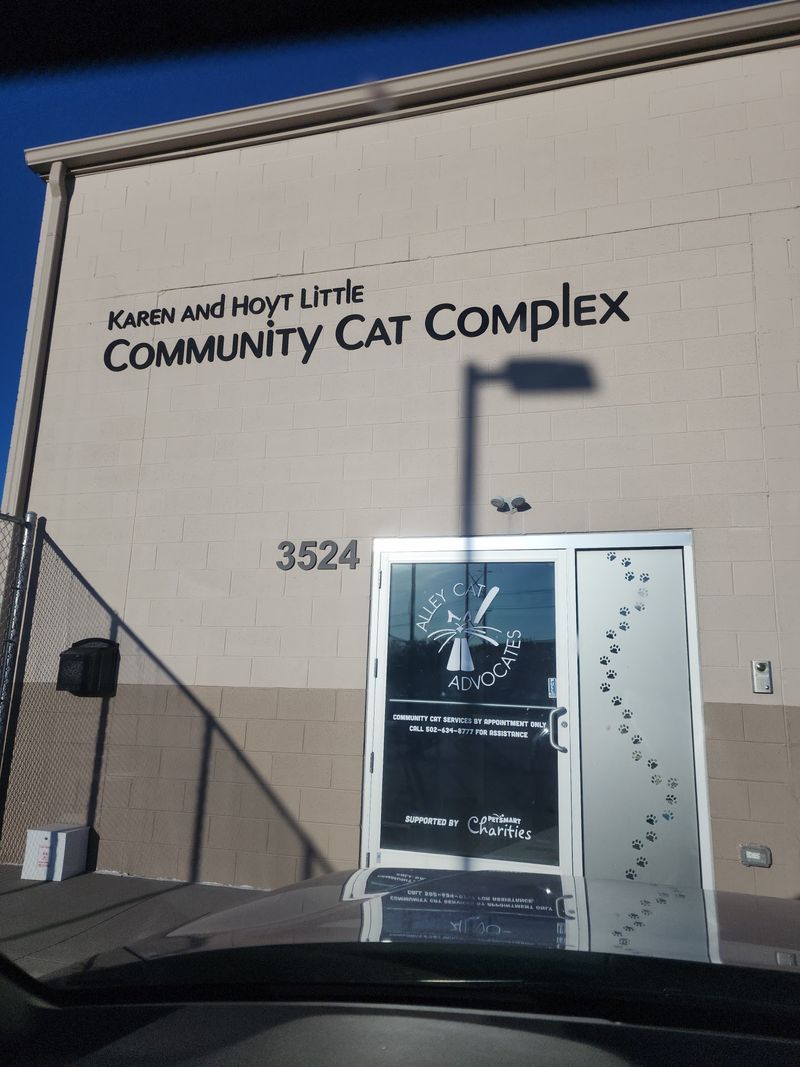
The address is 3524 Newburg Rd., Louisville, Kentucky.
One Visit Packs In A Surprising Amount Of Care
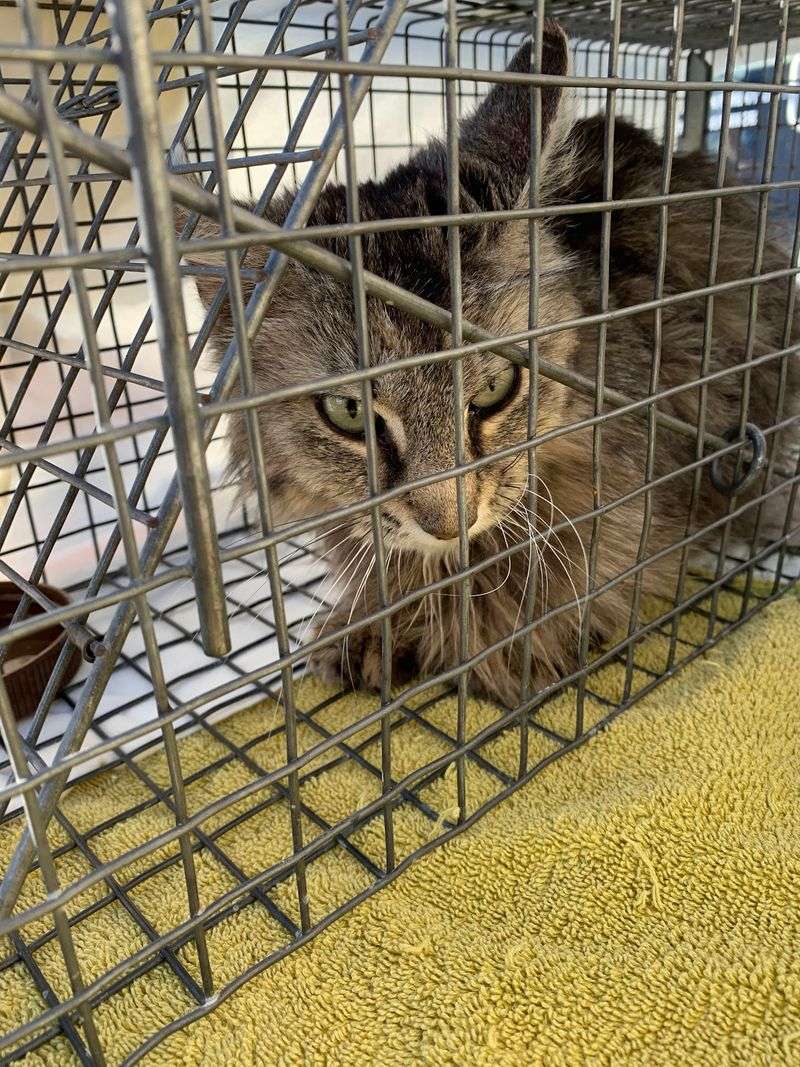
Surgery is only the start. Each cat that comes through the TNR program gets a whole bundle of care in one trip.
The list is long and practical. Cats receive spay or neuter surgery, plus rabies and FVRCP vaccines to fight common illnesses.
They also get treated for fleas and ear mites. Deworming is included, along with pain medicine to keep them comfortable afterward.
Some cats get fluids under the skin to help with recovery. Staff also scan each cat for a microchip, which can reunite a lost pet with its family.
That last part is a smart touch. Not every cat outside is a stray, and a quick scan can solve a mystery fast.
The whole process usually takes one to three days. That’s a short stay for a big health upgrade.
For a cat living behind a store or under a deck, this care can change everything. Healthier cats are calmer neighbors and less likely to spread sickness.
Honestly, it’s a better checkup than some of us get in a year. Those outdoor cats are coming out ahead.
You Will Not Believe What It Costs In Jefferson County
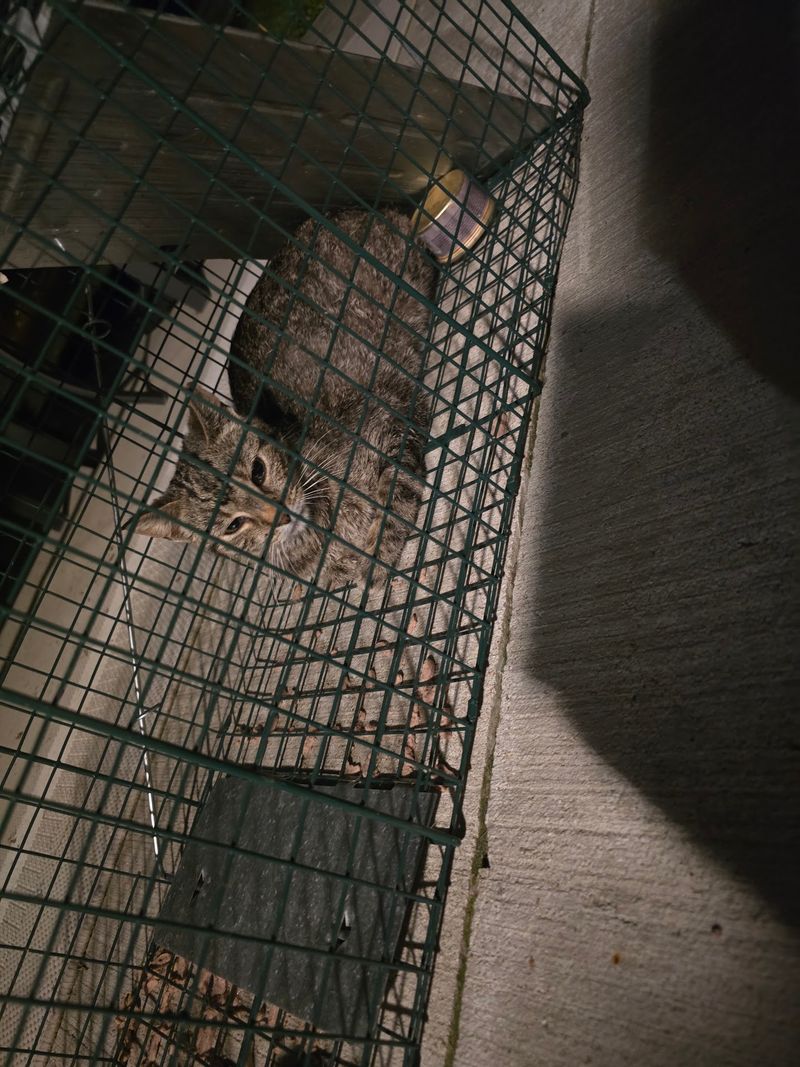
Free. That’s the cost of the full TNR package for community cats living in Jefferson County.
Every piece is included, from surgery and vaccines to flea treatment and pain medicine. For a neighbor feeding a few strays, that’s a huge relief.
Live outside Jefferson County? There is a fee, but vouchers and grant support can often bring it down.
Kittens get extra help too. The Community Kitten Package covers kittens under two pounds along with their mom, at no cost.
That kitten deal is clever thinking. Fixing mom and babies together stops the cycle before the next litter even starts.
Here’s a practical tip if you’re feeding cats in your yard. Reach out early, because the group gets about 145 calls a week from people needing help.
That number shows how many folks in Kentucky care about outdoor cats. It also shows how busy this team stays every day.
Money should never be the reason a stray goes without help. In Louisville, it mostly isn’t, and that’s a pretty wonderful thing for cats and kind-hearted neighbors alike.
Their Weekly Quick Fix Keeps The Surgeries Rolling
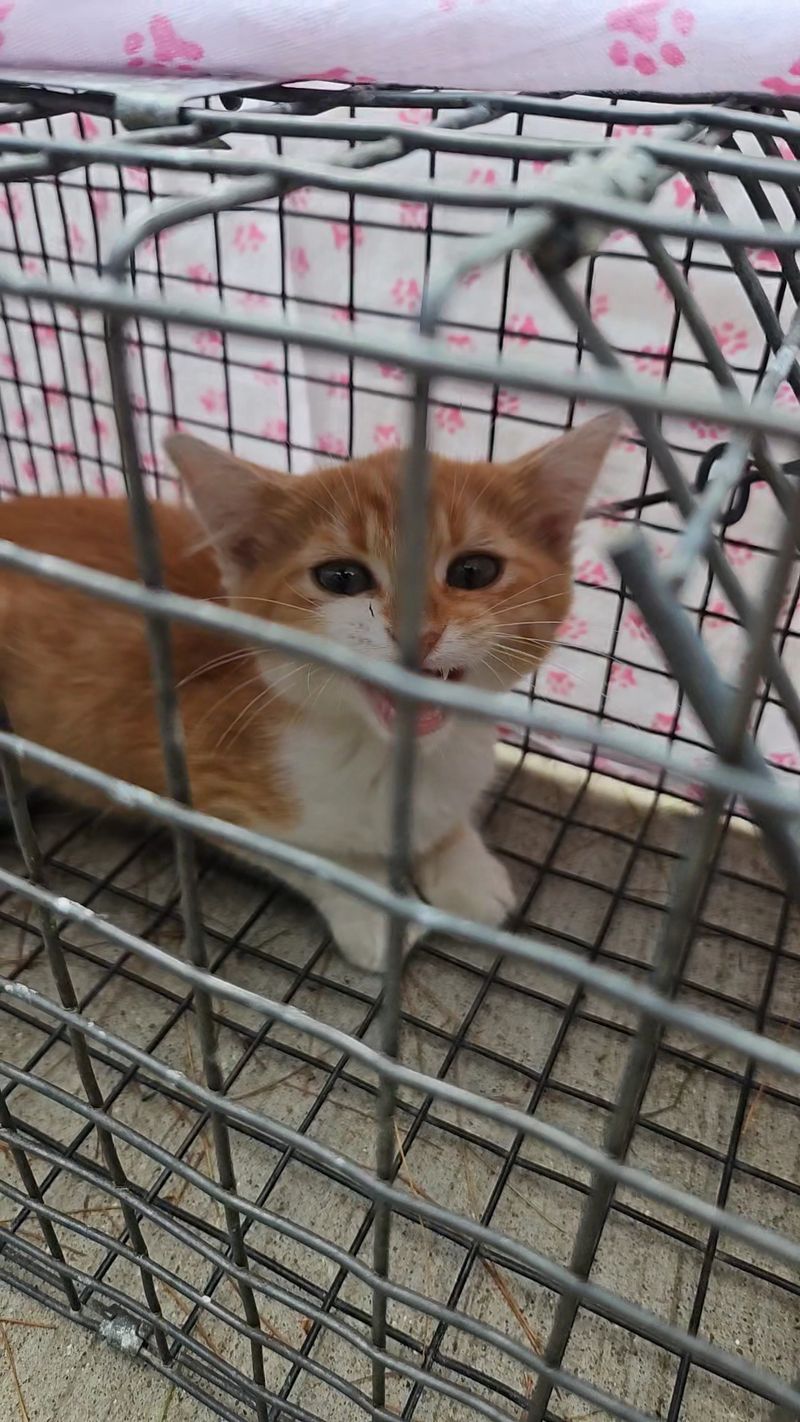
Two hundred surgeries a week takes serious teamwork. Alley Cat Advocates handles that load through its ongoing program called Quick Fix.
The name says it all. Surgeries are usually scheduled soon after a caretaker calls, so cats don’t wait months for help.
Speed matters with cats more than people realize. A female cat can have several litters, so a few weeks of delay can mean a new batch of kittens.
The process is pretty friendly for regular folks. Caretakers trap the cat, bring it in, and pick it up after recovery.
Then the cat goes right back to its familiar spot. It knows the area, the food source, and the best sunny window ledge.
Quick Fix replaced an older style of big monthly events. Now the work happens week after week, steady as a ticking clock.
If you’ve got a colony on your block, this is your starting point. The team can guide you through trapping and drop-off so you’re not guessing.
Think of it as a well-run machine with a soft spot for whiskers. Efficient, but never cold.
The Big Fix Was A Volunteer Marathon For The Ages
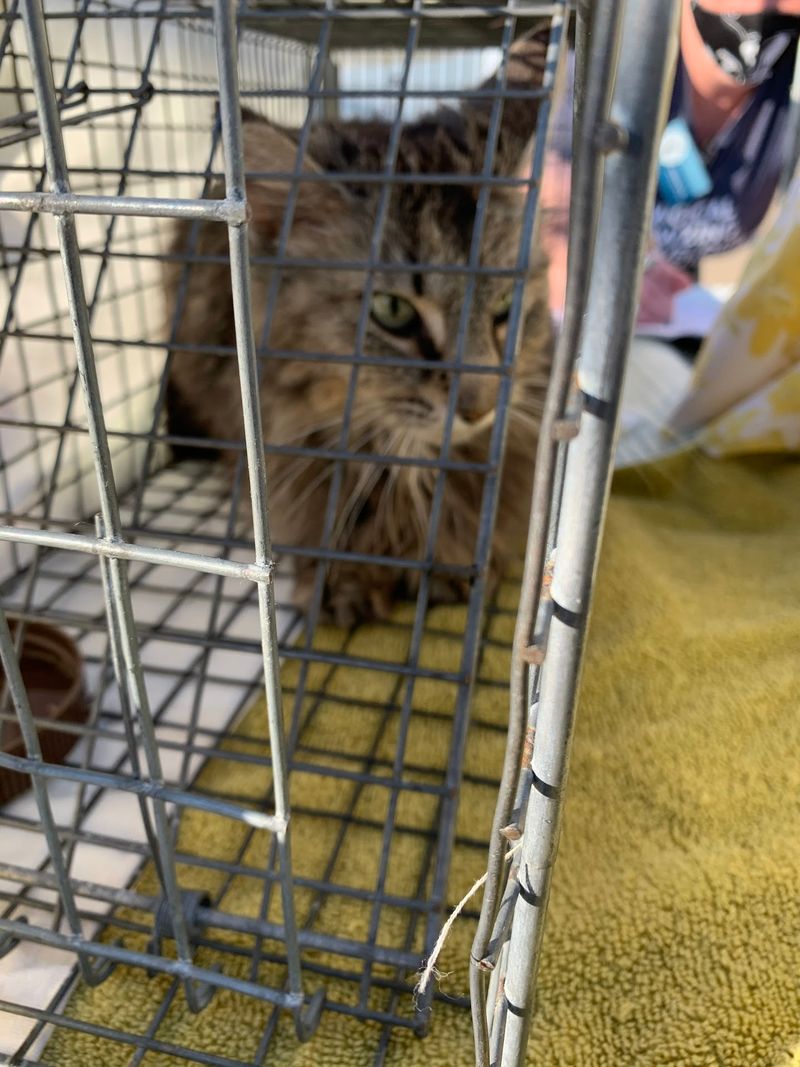
Back in 2001, a bold idea took shape. Volunteers would host huge spay and neuter clinics, and they kept it going until 2016.
That effort was called The Big Fix. It usually ran monthly and served about 150 community cats each time.
Let that number sink in for a second. One hundred fifty cats in a single day, mostly handled by volunteers who simply wanted to help.
By the end, The Big Fix had altered more than 24,000 cats. That’s a mountain of prevented litters and a lot of calmer neighborhoods.
I can’t imagine the coffee needed to power those days. Or the patience it took to calm that many nervous cats.
The Big Fix also proved something important. Regular people, working together, could make a real dent in Louisville’s stray cat problem.
Today the weekly Quick Fix program carries that spirit forward. The format changed, but the heart behind it stayed the same.
It’s a good reminder that big change often starts with a few determined people. Add enough willing hands, and even a city full of strays starts to look manageable.
A Screened Catio Gives Special Cats A Cozy Place To Be
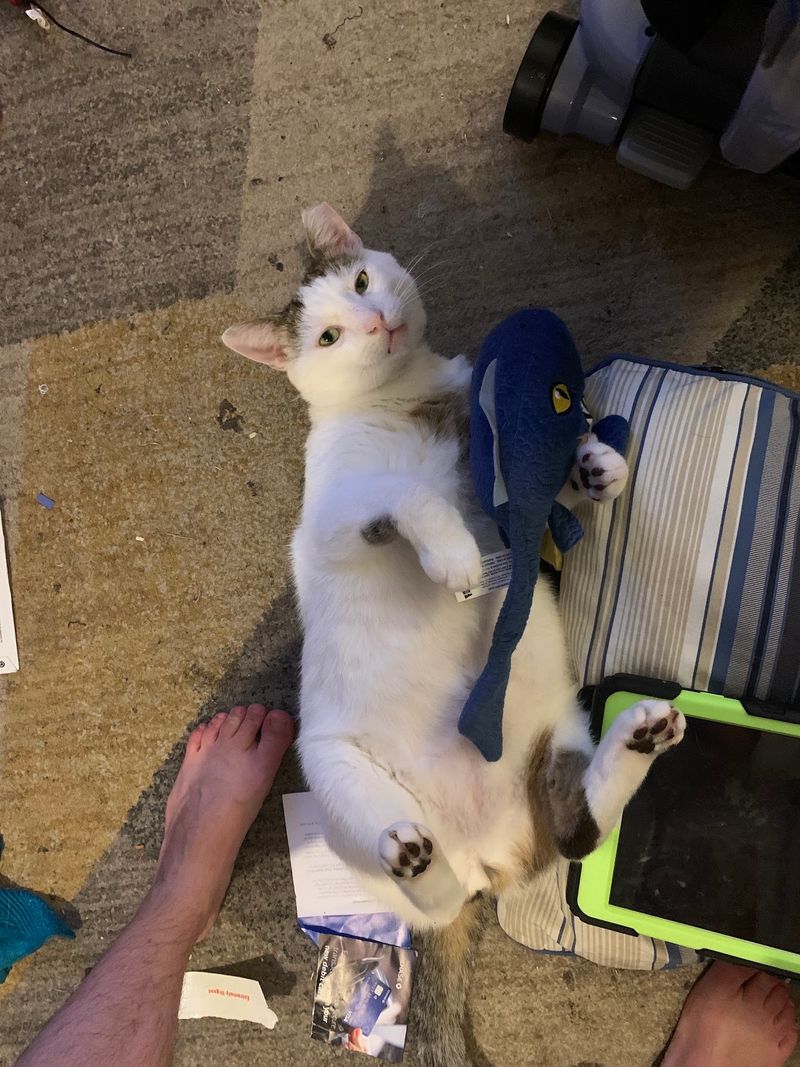
Some cats can’t go back outside. Maybe they’re sick, older, or just not built for street life anymore.
For them, Alley Cat Advocates opened its Community Cat Complex around mid-summer 2019. It’s where much of the hands-on magic happens.
The complex includes a spay and neuter clinic. It also has a medical rehab space for cats needing extra care before heading home.
Then there’s the special needs and hospice foster room. That room connects to a large screened porch, also known as a catio.
A catio is basically a cat’s dream patio. Fresh air, sunshine, and bird-watching, all without traffic or danger.
Only a small number of cats end up living this way. Still, it shows how far the group goes for animals others might overlook.
Weekday hours run from morning into early evening, with shorter Saturday hours and Sundays closed.
Donations of cat litter, food, sheets, and towels are accepted there too. Dropping off a bag of litter is an easy way to help these Kentucky cats feel right at home.
Treatable Never Means Hopeless Under Their Gold Standard
A limp, a nasty cut, or a stubborn infection won’t end a cat’s story here. Alley Cat Advocates follows what it calls a Gold Standard of Care.
Under that promise, cats with treatable illnesses or injuries get treated. They are not put down just because they need extra time or money.
That’s a strong stance for a busy clinic. It takes resources, patience, and a lot of belief in each little life.
Some cats recover and return to their outdoor colonies. Others can’t safely go back, so the team works with adoption partners to find them homes.
So a scrappy stray might end up napping on someone’s couch. Not a bad plot twist for a cat that once lived behind a dumpster.
This care also helps people trust the program. Caretakers know their colony cats will be treated with respect from start to finish.
If you’re thinking about adopting, keep these partner groups in mind. A former community cat can make a loyal, funny, slightly dramatic roommate.
Every cat deserves a fair shot. In Louisville, this crew makes sure they get one.
Shelter Numbers Changed Because Of Smart Teamwork
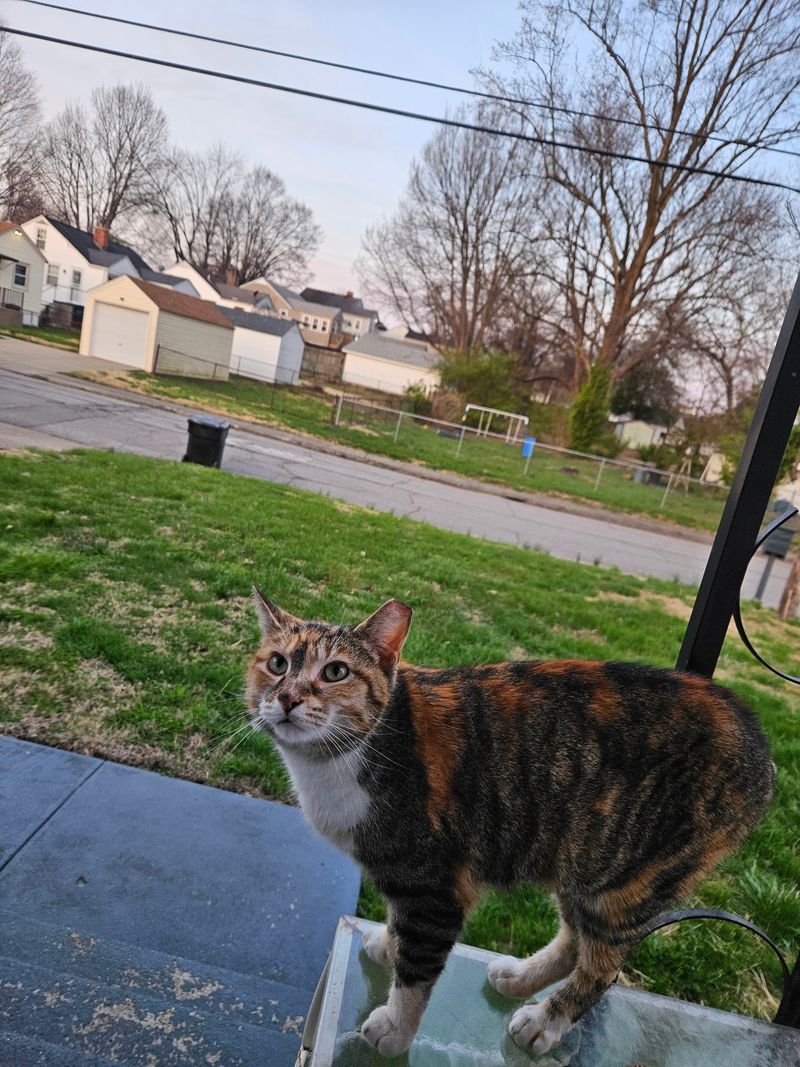
Over 95 percent. That’s the cat save rate in Louisville since 2017, and Alley Cat Advocates helped make it happen.
The turning point came with a 2012 ordinance change. It opened the door to an effective Return-to-Field program for healthy outdoor cats.
Instead of crowding shelters, many of those cats could be fixed and sent back where they came from. Shelters then had more room for animals who truly needed it.
The group works closely with Louisville Metro Animal Services and the Kentucky Humane Society. All three share the goal of fewer animals coming in and more leaving alive.
From 2012 to 2017, Louisville also joined the ASPCA Community Partner program. That teamwork included all three local groups.
Together, they helped the city reach no-kill status for time and space. That’s a big deal for any shelter system.
The organization is also a partner of Best Friends Animal Society. Support has come from Petco Love and PetSmart Charities as well.
Many other cities now look to this Kentucky group as a national model. Turns out good ideas travel fast, kind of like a cat hearing a can opener.
Your Free Afternoon Could Make A Cat’s Whole Week
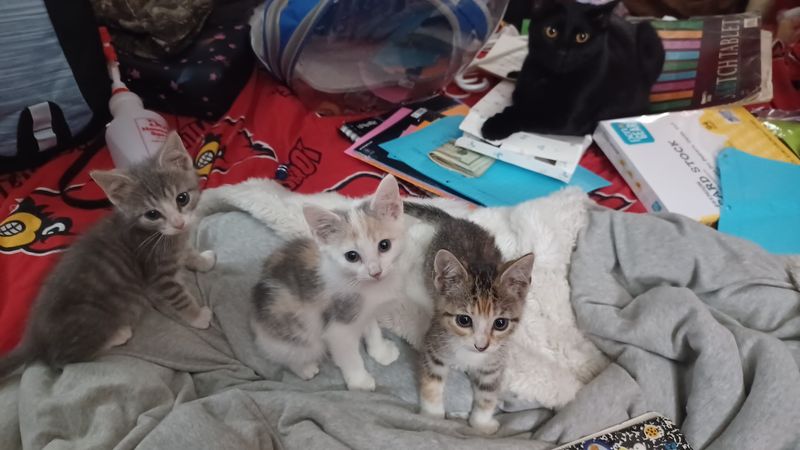
Cats don’t send thank-you notes. Still, volunteers at Alley Cat Advocates get plenty of purrs, head bumps, and the occasional dramatic glare.
The group relies on helpers for all kinds of jobs. Volunteers feed cats, assist with discharge, and support cats recovering from surgery.
You don’t need to be a vet to pitch in. A steady hand, a kind heart, and a little patience go a long way.
Leadership has changed recently too. Co-founders Karen and Hoyt Little started the group in 1999, and Karen has since retired.
Mackenzee McKittrick became the new Executive Director on February 16, 2026. It’s a fresh chapter for an organization with deep roots.
Can’t volunteer? Donations of litter, cat food, sheets, and towels help keep things running smoothly.
Even spreading the word counts. Tell a neighbor with a backyard colony that free help exists in Jefferson County.
Every fixed cat means fewer kittens born into hard lives. That ripple effect is how 86,000 surgeries happened in the first place.
So grab a towel or a bag of kibble. Louisville’s community cats could use another friend like you.