This Pennsylvania State Park Trail Passes 21 Named Waterfalls In About 7 Miles
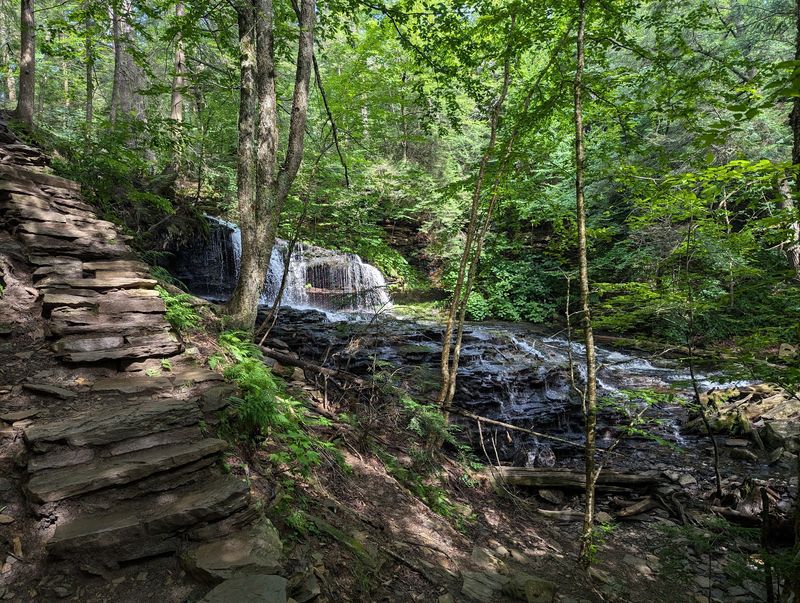
Twenty-one waterfalls, every one with its own name, line a single loop trail of about seven miles. The tallest drops 94 feet.
The smallest still has an official name, which feels like a nice touch.
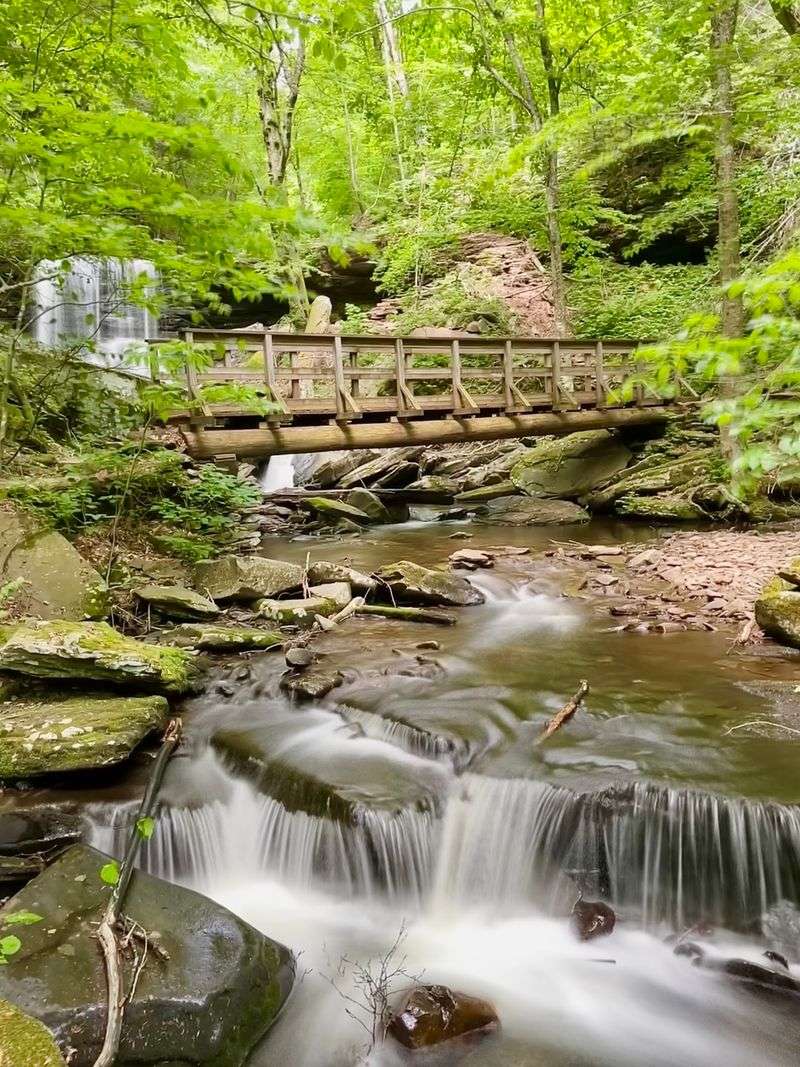
The trail follows two branches of the same creek through deep glens. Stone steps climb right beside the falling water.
Some of the trees along the way are more than 300 years old.
I like how this Pennsylvania hike never makes you wait long for the next payoff. One cascade fades behind you, and another starts roaring ahead.
It feels less like a walk and more like a parade.
I can’t imagine counting them all without grinning at least once. The steps are steep, the rocks get slick, and your legs will remember the day.
So which falls would win your vote?
A 13,000-Acre Park Built Around Falling Water
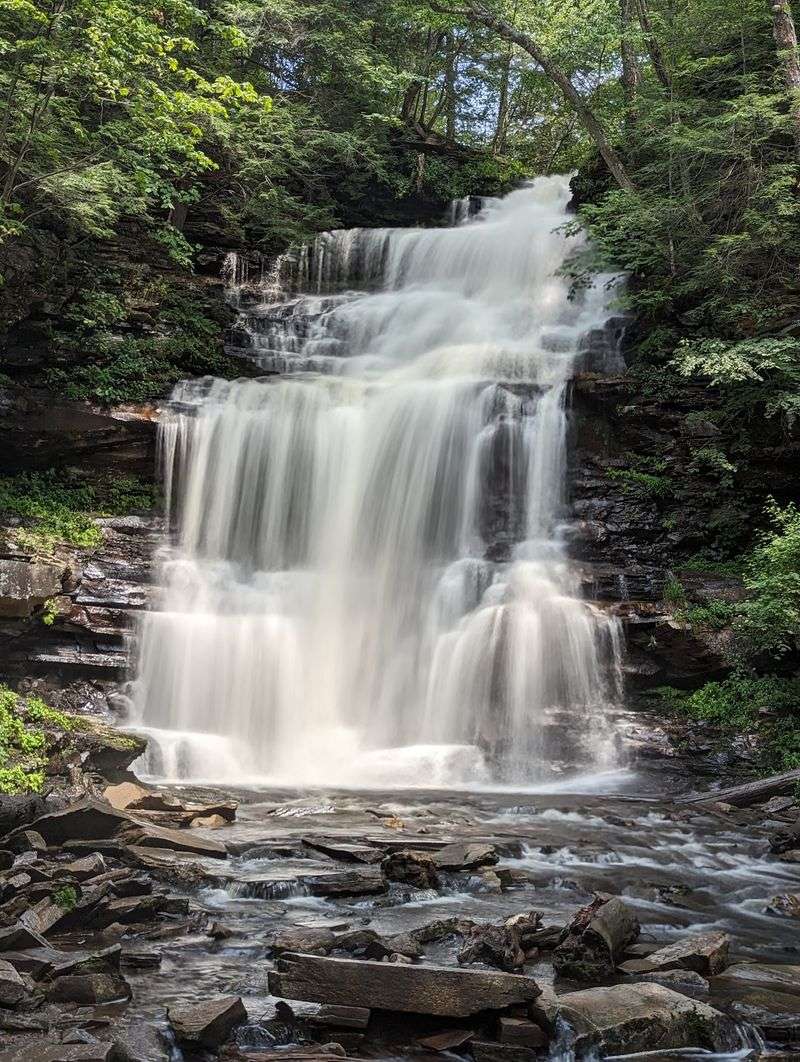
Ricketts Glen State Park covers roughly 13,050 acres of forest in northeast Pennsylvania. It stretches across parts of Columbia, Luzerne, and Sullivan counties.
That is a lot of ground, yet one narrow corridor steals almost all the attention. Kitchen Creek cuts through two deep glens, and the water keeps tumbling over ledge after ledge.
The result is the Falls Trail, the route that put this park on so many weekend plans. It passes 21 named waterfalls, ranging from about 11 feet tall to 94 feet.
Every single one carries a name, so you are never just staring at an anonymous splash.
The park sits near the small community of Benton. Even so, it draws hikers from all over Pennsylvania and neighboring states.
Plenty happens beyond the waterfalls, too. Ricketts Glen offers a lake with a swimming beach, more than 26 miles of trails, a campground, and cabins.
Still, the falls are the headliner, and it is easy to see why. Few places in the eastern United States pack this much moving water into such a compact hike.
Think of the rest of the park as a very generous opening act. The glens are where the real show begins.
How A Civil War Colonel Opened The Glens To Everyone
Colonel R. Bruce Ricketts served as a Civil War officer before turning his attention to the forests of northeast Pennsylvania.
Starting in 1868, he acquired huge tracts of land in the area.
Plenty of landowners back then saw timber and nothing else. Ricketts saw the waterfalls and decided other people should see them too.
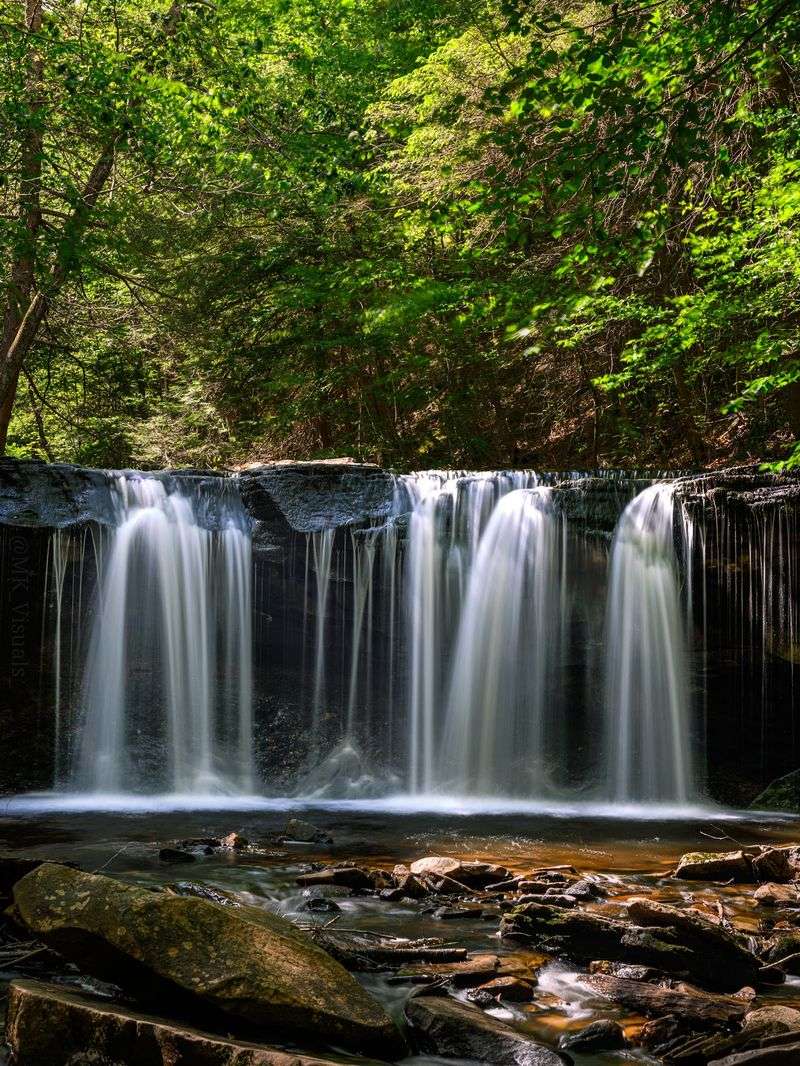
He built the original trails through the glens, giving hikers a way to reach the cascades. Many of the falls were named after American Indian tribes, along with friends and family members.
He also protected roughly 2,000 acres of old-growth forest inside the glens. That choice still pays off every time someone stops to look up at the giant trees.
The Commonwealth bought the core falls and glens area in 1942. The state park opened to visitors in 1944, and the Glens Natural Area became a National Natural Landmark in 1969.
So the next time you climb a stone step beside a roaring cascade, there is a backstory under your boots. One person’s stubborn appreciation for a creek turned into a public treasure.
Not a bad legacy for a fellow who could have simply sold the lumber.
Your Legs Will Have Opinions About The Falls Trail
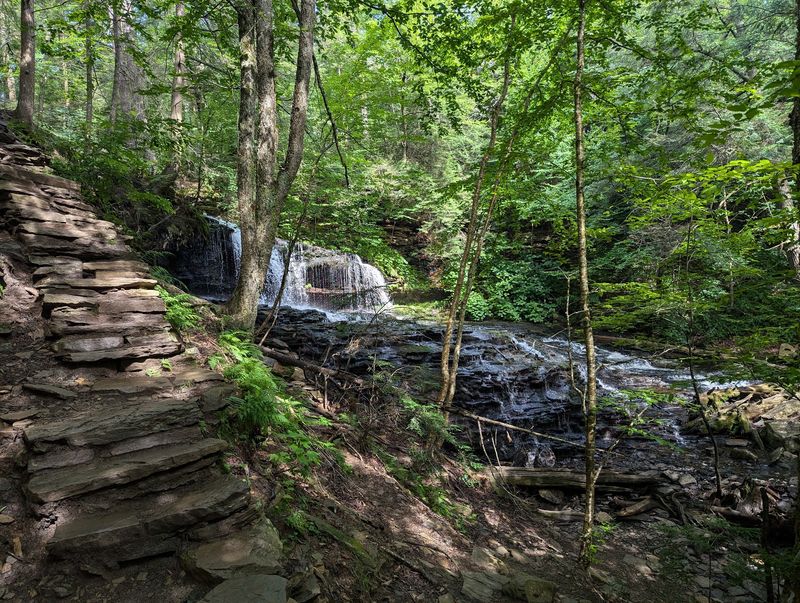
Stone steps. Hundreds of them, by many accounts, and most sit right beside rushing water.
The full Falls Trail loop runs about 7.2 miles through Ganoga Glen and Glen Leigh. The park rates it most difficult, and that label is earned honestly.
Expect rocky, steep, and often slippery footing. Some sections follow narrow ledges, and the stone steps get slick when wet.
Sturdy boots with good traction matter here more than almost anywhere. Trekking poles can help too, especially on the long climbs near the end.
The two branches of Kitchen Creek join at a spot called Waters Meet. From there, the trail continues downstream past more falls through a gentler stretch of forest.
A shorter loop of roughly 3.2 miles covers the upper glens and still passes many of the waterfalls. It is a smart option for hikers who want the scenery without the full mileage.
Where you park changes the math, so study the trail map before you start. Cell service can be spotty, so a downloaded map is your friend.
Pack more water than seems reasonable. The creek is lovely, but it is not your canteen.
Ganoga Falls And The Rest Of The All-Star Lineup
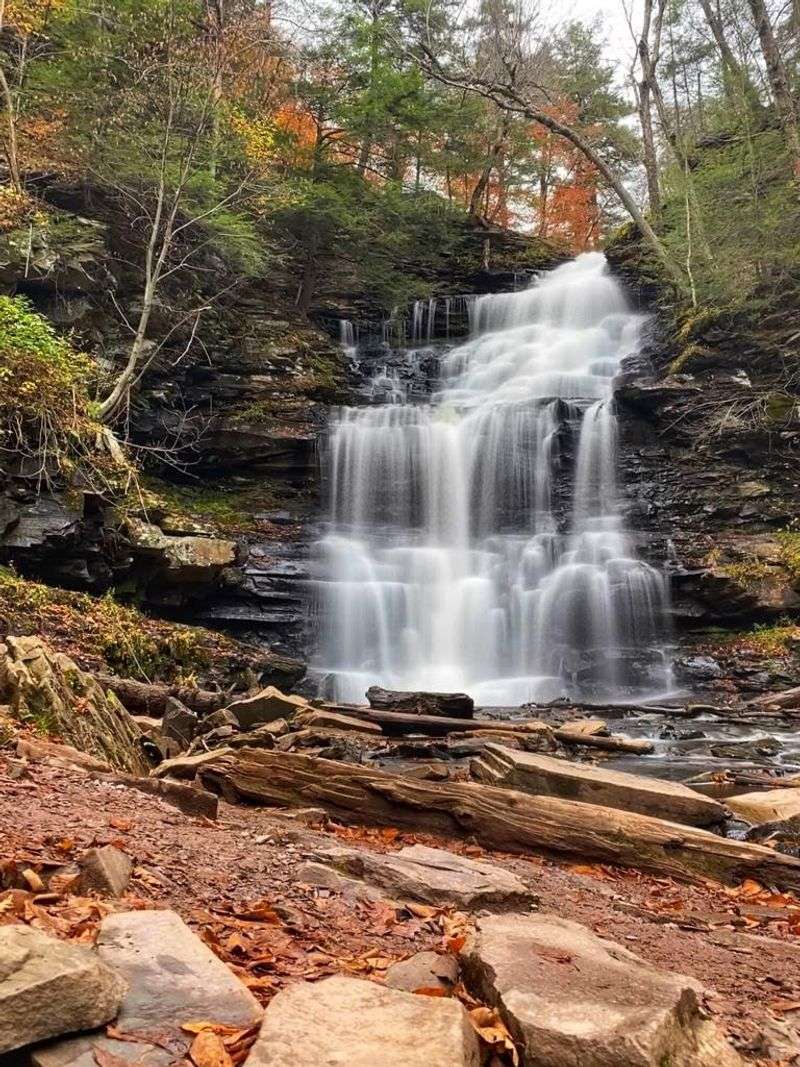
Ninety-four feet of tumbling water makes Ganoga Falls the tallest in the park. It is the one people often save their best camera angles for.
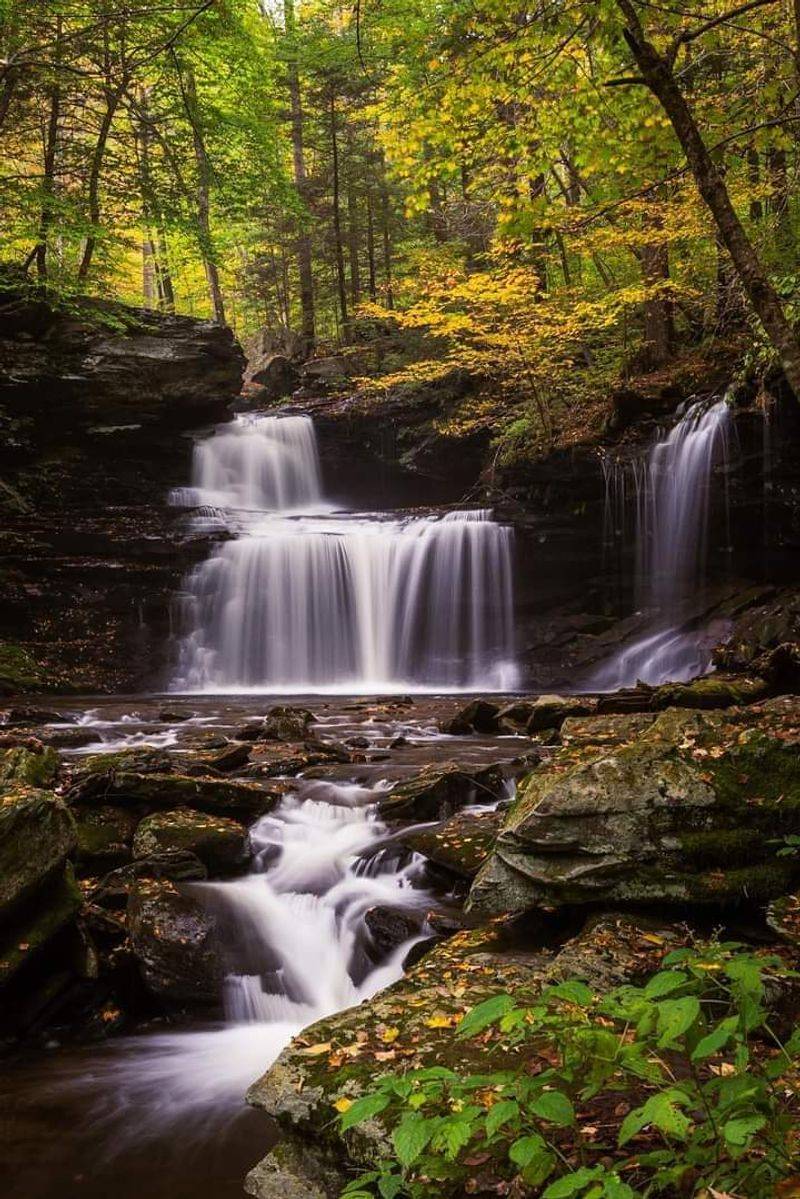
Yet the charm of Ricketts Glen comes from the variety. Some falls drop in a single clean ribbon, while others spill down rock layers like a staircase.
The smallest named falls stand around 11 feet tall. They may not win the height contest, but each one has its own shape and personality.
A fun moment arrives when you realize the falls never start to blur together. Different rock ledges, pools, and angles keep each stop feeling fresh.
Water levels shift with the weather, which changes the look of the whole trail. After rain, the falls tend to run fuller, though the footing also gets trickier.
Photographers tend to slow down on this route, and for good reason. Nearly every bend offers another frame worth pausing for.
If you only have time for a sample, the Ganoga View Trail heads toward Ganoga Falls without the full loop. It gives you a taste of the headliner.
Consider it the preview before the full feature film.
Trees That Were Already Old When Pennsylvania Was Young
Some trees in the Glens Natural Area are more than 300 years old. A few reach around 100 feet tall, with trunks nearly four feet across.
Walking among them offers a rare look at what Pennsylvania forests looked like before widespread settlement. Most woods in the state were cut long ago, which makes these survivors special.
The glens also sit where northern and southern hardwood species overlap. That mix gives the forest more variety than you might expect in one place.
Craning your neck becomes a regular habit between waterfalls. The falls pull your eyes down, and the trees pull them right back up.
Want the giants without the steep climbs? The Evergreen Trail is an easy loop of about one mile through old-growth forest.
It works well for anyone who prefers level ground over stone staircases. It also makes a peaceful warm-up before tackling the bigger trail.
Colonel Ricketts deserves a quiet thank-you for protecting these woods. Without his choice, this part of the hike would look very different today.
Bring a little patience here. Old trees do not rush, and neither should you.
Lake Jean Makes A Fine Reward After The Climb
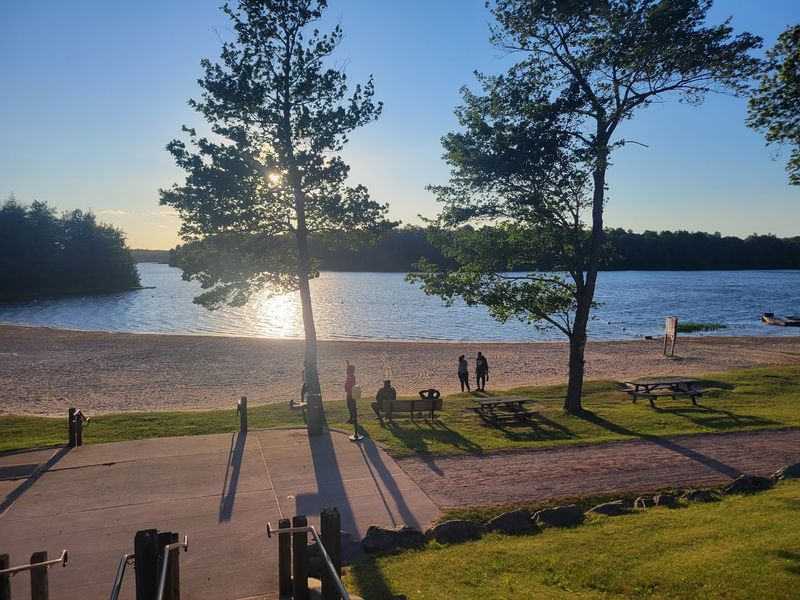
After a day of stone steps, a sandy beach sounds pretty great. Lake Jean covers about 245 acres and gives the park a much gentler side.
Its swimming beach stretches around 600 feet. Swimming is allowed in the designated area during the warmer season.
Paddlers can bring kayaks, canoes, or paddleboards. Only electric motors are permitted, which keeps the lake calm and quiet.
Boat rentals are offered seasonally for anyone arriving without gear. Fishing is popular through much of the year as well.
Picnic areas and pavilions dot the park, so packing lunch is an easy win. A seasonal concession stand typically operates near the lake during busier months.
The park also tends to feel cooler than nearby lowlands in summer. That makes the beach an especially welcome stop on a hot afternoon.
One note for dog owners: pets are not allowed on the beach. Plan accordingly if your four-legged hiking buddy came along.
Families can easily split a weekend here. One day for waterfalls, one day for sand and paddling sounds like a fair trade for tired legs.
Cabins, Campsites, And Quiet Nights Under The Hemlocks
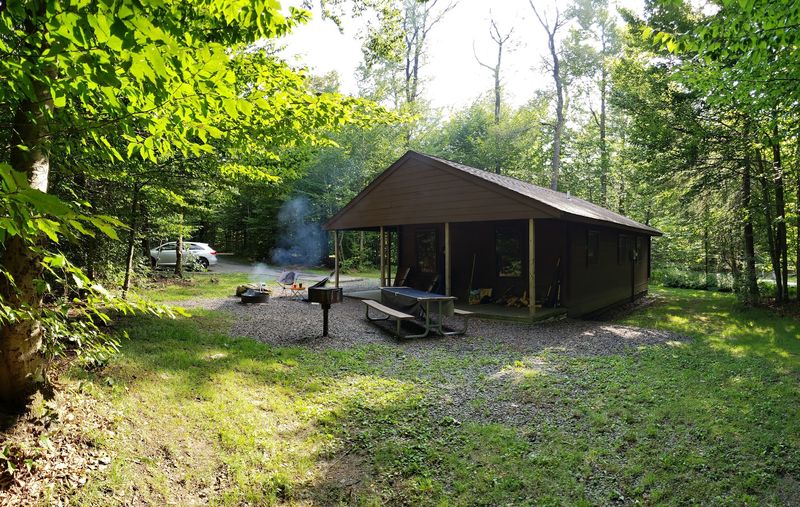
Plenty of visitors turn this into an overnight trip, and the options are wide. Tent sites and RV campsites fill the campground for traditional campers.
Modern cabins and deluxe cottages offer more comfort. Some lodging choices are pet-friendly, so check that detail when booking.
Campsites sit in wooded settings, which helps each spot feel a bit more private. Shower and restroom facilities serve the campground areas.
Staying close means you can reach the trail early. That matters, because parking near the trailheads can fill up on busy days.
Leashed dogs are allowed on the Falls Trail, though there are no railings on the steps. A calm, well-trained dog will have a much better time than an eager puller.
Beyond the main loop, the park has more than 26 miles of trails. Cherry Run Trail even passes remnants of old logging railroads.
That variety gives overnight guests something new each morning. You can tackle the waterfalls once and still find fresh ground the next day.
Fall can bring colorful foliage, and winter offers cross-country skiing and snowshoeing. Some activities shift by season, so plan around the calendar.
Know Before You Go, Then Go Anyway
Ricketts Glen State Park sits at 695 PA-487, Benton, PA 17814. The roads leading in climb through forested country in northeast Pennsylvania.
Several parking areas serve the Falls Trail, including Lake Rose and the lower lot off Route 118. Your choice changes both the distance and the order of climbs.
Start early if you can. Arriving before the busier hours makes parking and trail traffic easier to handle.
Winter brings important changes. Most of the Falls Trail closes to general hikers during icy conditions, with access limited to properly equipped climbers.
Hours, rentals, and seasonal services can shift during the year. It is smart to check ahead before making the drive.
So, is the effort worth it? For anyone who can handle steep steps and a long day on foot, the answer looks like a confident yes.
Twenty-one named waterfalls in one loop is a rare kind of abundance. Add ancient trees, a beach, and a creek history worth knowing, and you have a full day out.
Pack water, wear real boots, and take your time. The falls are not going anywhere, but your knees will appreciate the slower pace.