This Georgia Ethiopian Restaurant Serves Spicy Chicken Stew, Fresh Injera, And Traditional African Dishes
Your dinner plate here is made of bread, and you eat it too. The spongy flatbread called injera holds every stew, and you tear off pieces to scoop up each bite.
The star of the show is a spicy chicken stew with deep Ethiopian roots. Around it sits a lineup of tender beef tibs, creamy chickpea shiro, red lentils, and even whole fried fish.
I like how this Georgia spot makes a big, unfamiliar menu feel easy to approach. Shared platters let you sample a little of everything without guessing.
Vegetarians get a full spread, not a sad side salad.
Shoa Restaurant offers both daytime and evening dining, making it a convenient option for Ethiopian food. That means a late craving for berbere spice has an answer.
So which combo would you tear into first?
The Spicy Chicken Stew Deserves Your Very First Order
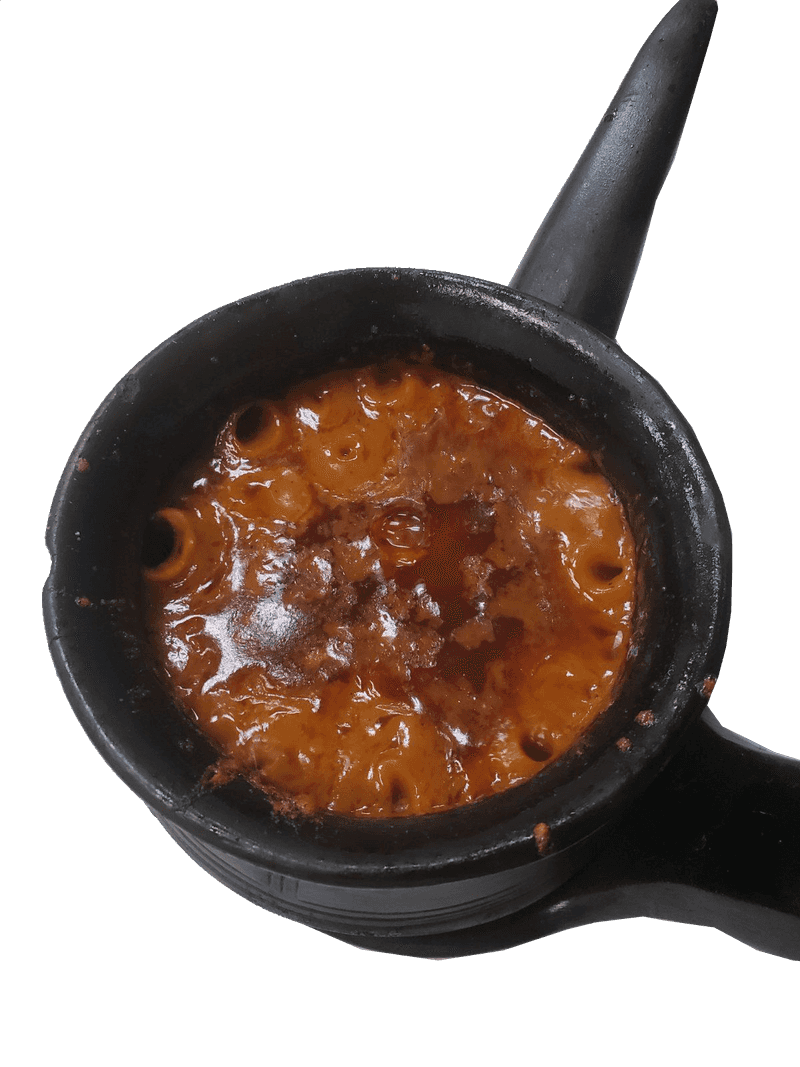
Shoa Restaurant puts Doro Wat front and center, and it earns that spot. This traditional Ethiopian chicken stew is known for its spicy kick and rich, slow-cooked character.
In Ethiopia, Doro Wat is often linked with holidays and special family meals. That gives this dish a feeling of celebration, even on an ordinary weeknight.
The stew arrives with injera, so there is no fork drama here. You simply tear a piece of bread and scoop up the chicken and sauce together.
Spice lovers will feel right at home with this one. If heat makes you nervous, pair it with milder sides to balance each bite.
I believe Doro Wat is the best first step for anyone new to Ethiopian food. It tastes bold, but chicken stew is a comfort that almost everyone understands.
Think of it as a friendly handshake from a whole new cuisine. Once you finish it, the rest of the menu suddenly looks a lot less mysterious.
Here’s a smart move for groups. Order Doro Wat for the table, then add a meat or veggie dish so everyone can compare flavors side by side.
You’ll find it at 3680 Clairmont Rd, Atlanta, GA 30341. The spot sits close to Buford Highway, a corridor famous across Georgia for international food.
Your Plate, Fork, And Spoon Are All The Same Spongy Bread
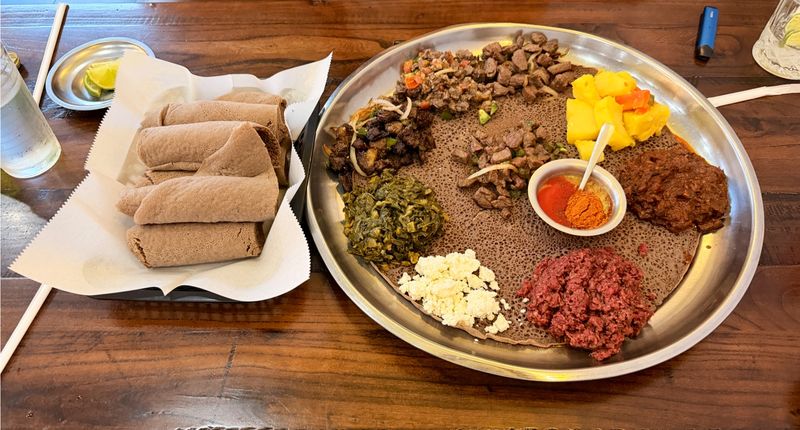
Silverware is optional at this Georgia table. Injera, the spongy Ethiopian flatbread, works as both your plate and your utensil.
Dishes are spread right on top of a wide round of injera. Extra rolls come on the side so you can tear, pinch, and scoop as you go.
The bread has a tangy flavor that plays nicely with spicy stews. Its bubbly surface soaks up sauce like a sponge built for dinner.
That bottom layer is the secret prize, by the way. After the stews sit on it for a while, it holds all the flavors from the meal.
Eating with your hands might feel strange at first. Then it starts to feel fun, relaxed, and a little bit like a family picnic.
A quick tip helps beginners a lot. Use your right hand, tear a small piece, and pinch the food instead of trying to shovel it.
At Shoa Restaurant, injera is not just a side. It’s the whole stage where every other dish performs, so treat it with the respect it deserves.
Beef Lovers Get A Sizzling Lineup Of Tibs And More
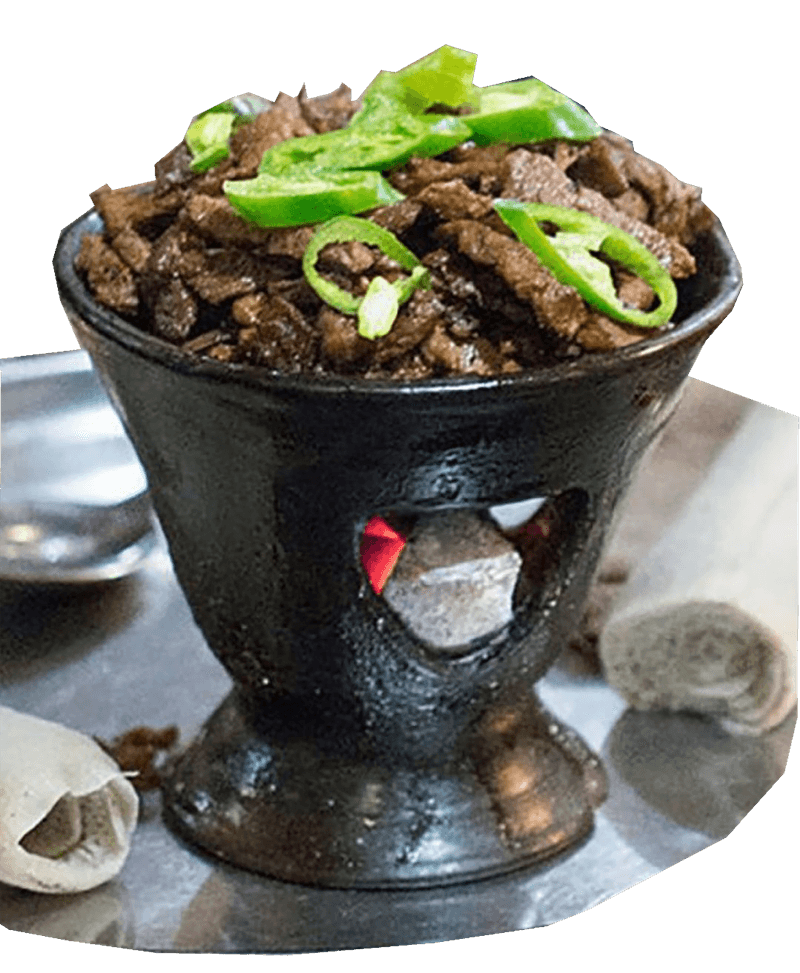
Beef shows up in several delicious forms on the Shoa Restaurant menu. Each version brings its own mix of herbs, butter, and spice.
Lega Tibs features tender chopped beef sauteed with yellow onion, tomato, and green pepper. Garlic powder, rosemary, and butter round out the flavor.
Geba Wota takes a slightly different road. Medium-cut beef cooks with garlic, rosemary, oil, and butter for a hearty, savory plate.
Rosemary might surprise you in Ethiopian cooking. It shows up often, and it gives these beef dishes a fresh, earthy smell.
Awaze is another name to remember while you scan the menu. This spicy Ethiopian pepper paste brings a bold, warm edge to beef dishes.
Not sure which to pick? A meat combo platter lets you sample several dishes at once instead of betting everything on one.
I can’t imagine a better plan for a first visit with friends. Everyone grabs a different corner of the platter, and nobody leaves with order regret.
Adventurous Eaters, Kitfo And Dullet Are Calling Your Name
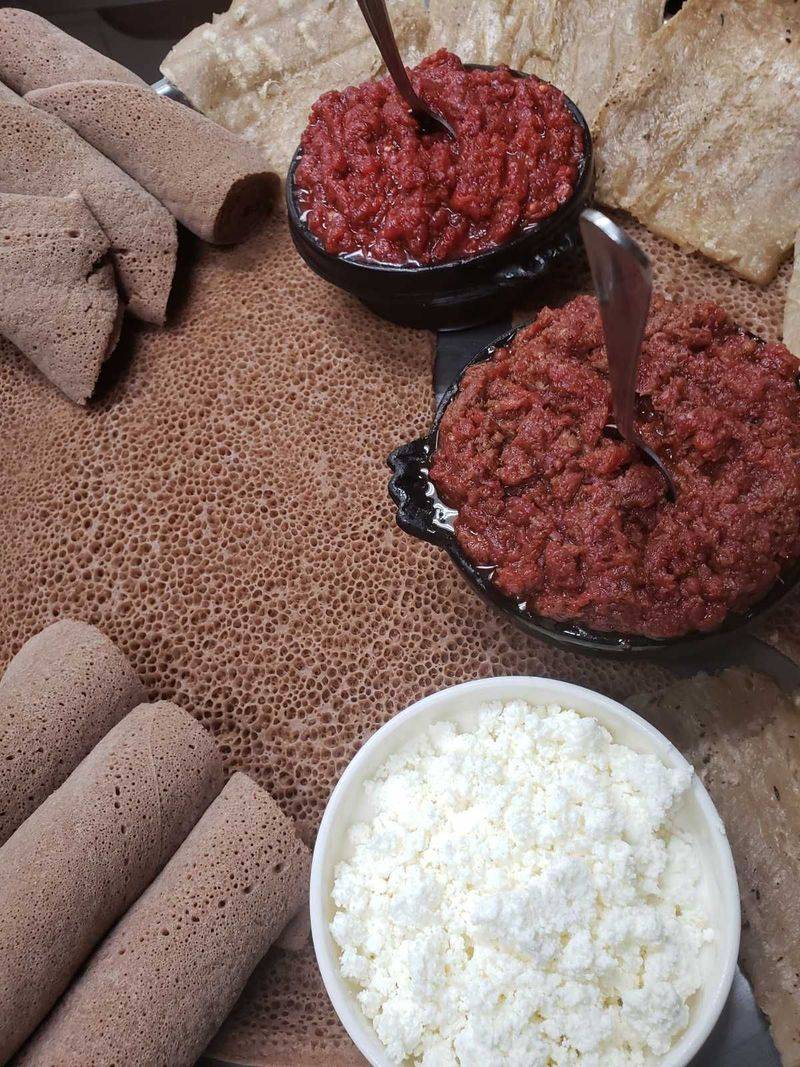
Raw, medium, or well-done? At Shoa Restaurant, that question applies to some of the most traditional dishes on the menu.
Kitfo Dulet blends ground beef with cardamom, salt, and mitmita, an Ethiopian cayenne pepper. Red onion, green pepper, and Ethiopian butter finish the mix.
Dullet goes even deeper into tradition. It combines finely chopped lamb stomach, liver, and ribeye, seasoned with cardamom, garlic, mitmita, and butter.
Both dishes come in your choice of raw, medium, or well-done. That flexibility makes them easier for cautious eaters to try.
Cardamom is the quiet hero here. It adds a warm, almost sweet note that you might not expect next to fiery mitmita.
The menu also lists Kurt, a traditional Ethiopian raw beef dish served with a spicy dipping sauce. It’s a classic for fans of beef tartare.
Feeling brave but not that brave? Order the well-done version first, then work your way toward raw on your next visit.
Nobody’s grading you.
Vegetarians Finally Get The Whole Colorful Platter
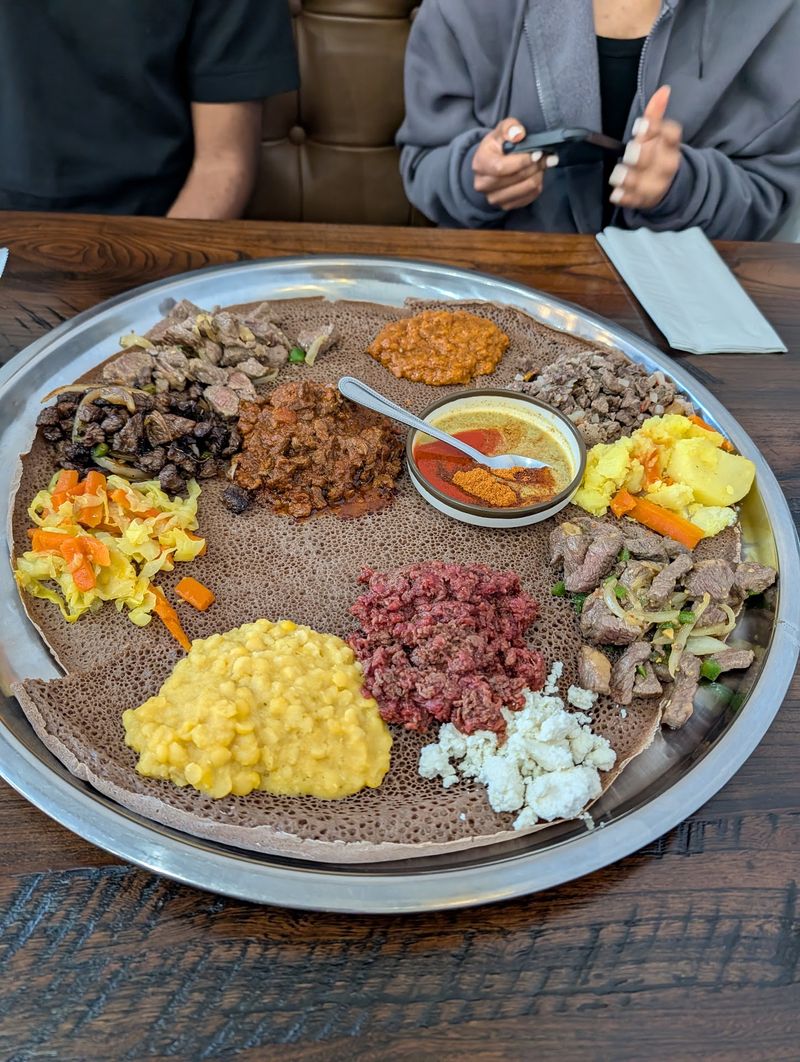
Meat-free diners often get a single sad option. Here, the Vegetarian Combo looks more like a painter’s palette.
Kik alicha brings mild yellow split peas to the plate. Misir wot adds spicy red lentils for anyone who likes a little heat.
Shiro is a creamy stew made from chickpea flour. It simmers with oil, garlic, tomato, red onions, and salt until smooth and comforting.
Beets, cabbage, and green peas fill in the rest of the circle. Every scoop of injera lands on a different color and flavor.
Veggie Firfir with Salad is another fun pick. It mixes injera pieces with sauteed onions, tomatoes, and green peppers, seasoned with berbere and garlic.
Yes, that means bread mixed with more bread. Honestly, nobody should complain about that kind of plan.
Plenty of Ethiopian Christians follow fasting days without meat. That tradition helps explain why the plant-based dishes at Shoa Restaurant feel so complete and carefully made.
Fish Fans Have Three Tasty Reasons To Skip The Beef
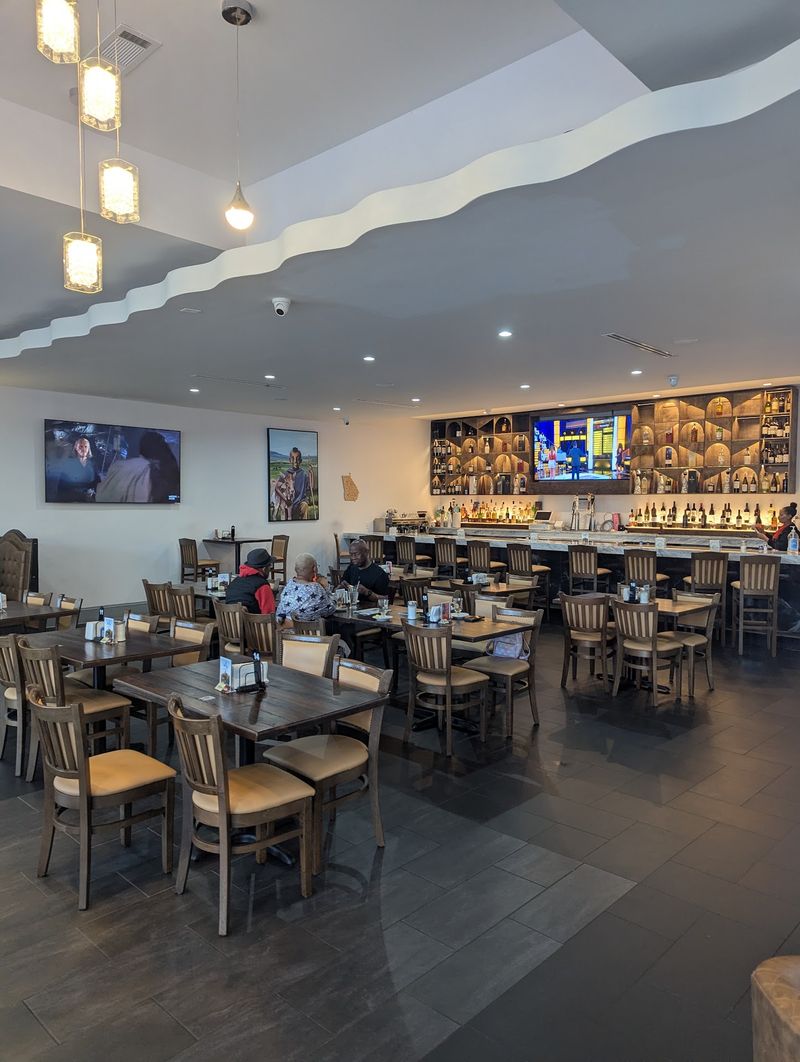
Seafood might not be the first thing you link with Ethiopian food. Shoa Restaurant changes that with three separate fish dishes.
Fish Gullash is a stew packed with fish chunks, red onions, garlic, and tomato. Berbere, Ethiopian spices, and spiced butter give it a warm, reddish glow.
Whole Fried Fish is exactly what it sounds like. It’s a great choice for anyone who likes crispy edges and picking meat right off the bone.
Fish Cotelet uses tilapia fillets instead. That makes it a convenient choice for diners who prefer fillets over whole fish.
Berbere deserves a quick introduction. It’s a famous Ethiopian spice blend with chili peppers and several warm spices, and it shows up all over the menu.
Fish dishes also give groups more variety. Pair one with a veggie combo, and you get a lighter meal that still feels big.
Picky eaters who swear they hate trying new things often trust fish. That makes this section a sneaky gateway into the whole cuisine.
Save Room For Coffee From The Land Where It Began
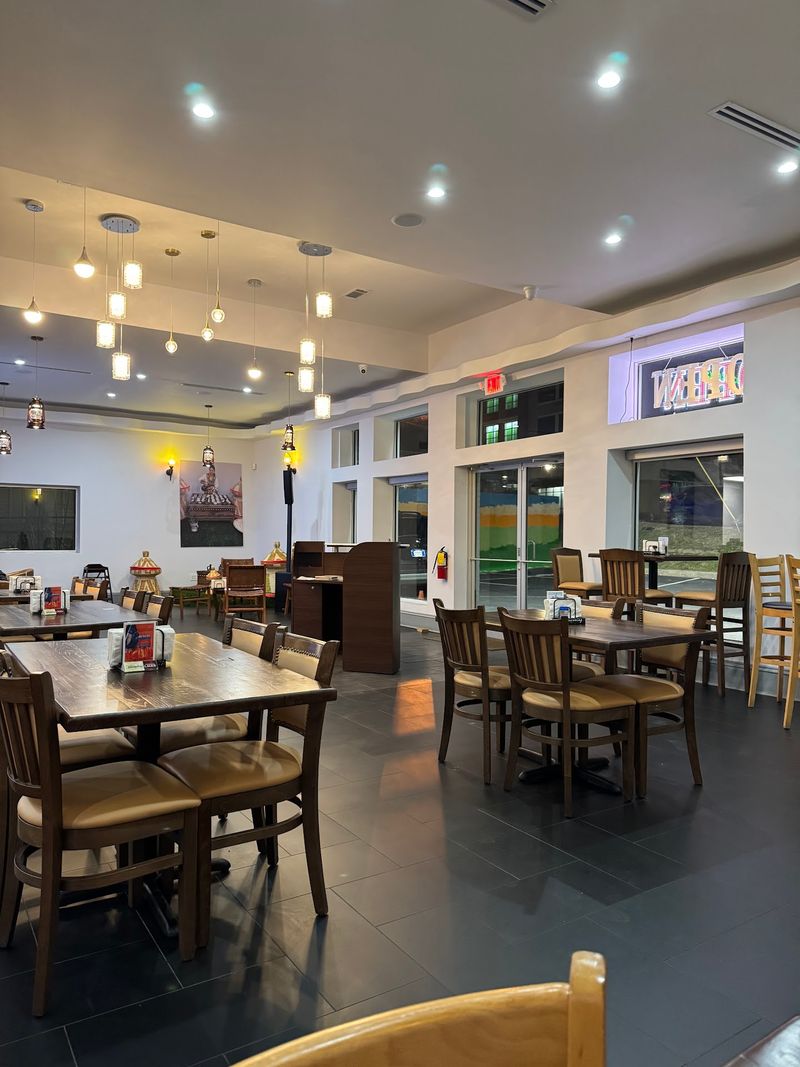
Coffee traces its roots to Ethiopia, according to a popular legend about a goat herder named Kaldi. His goats supposedly got extra lively after nibbling coffee berries.
Shoa Restaurant serves traditional Ethiopian coffee, which makes the ending of your meal feel like a little history lesson. It’s usually strong, rich, and served in small cups.
In Ethiopia, coffee is more than a quick caffeine fix. It often comes with a whole ceremony meant for slowing down and talking with friends.
That idea fits perfectly after a big shared platter. You’re already full, relaxed, and probably not ready to leave yet.
Is it smart to drink strong coffee late at night? That’s your call, especially since the kitchen stays open until midnight.
I like how coffee turns dinner into a gathering instead of a quick refuel. It gives the table one more reason to keep chatting.
Coffee rookies should sip slowly at first. Ethiopian coffee packs a punch, and you’ll want to taste it, not just gulp it down.
Bring The Whole Crew Because This Dining Room Has Space
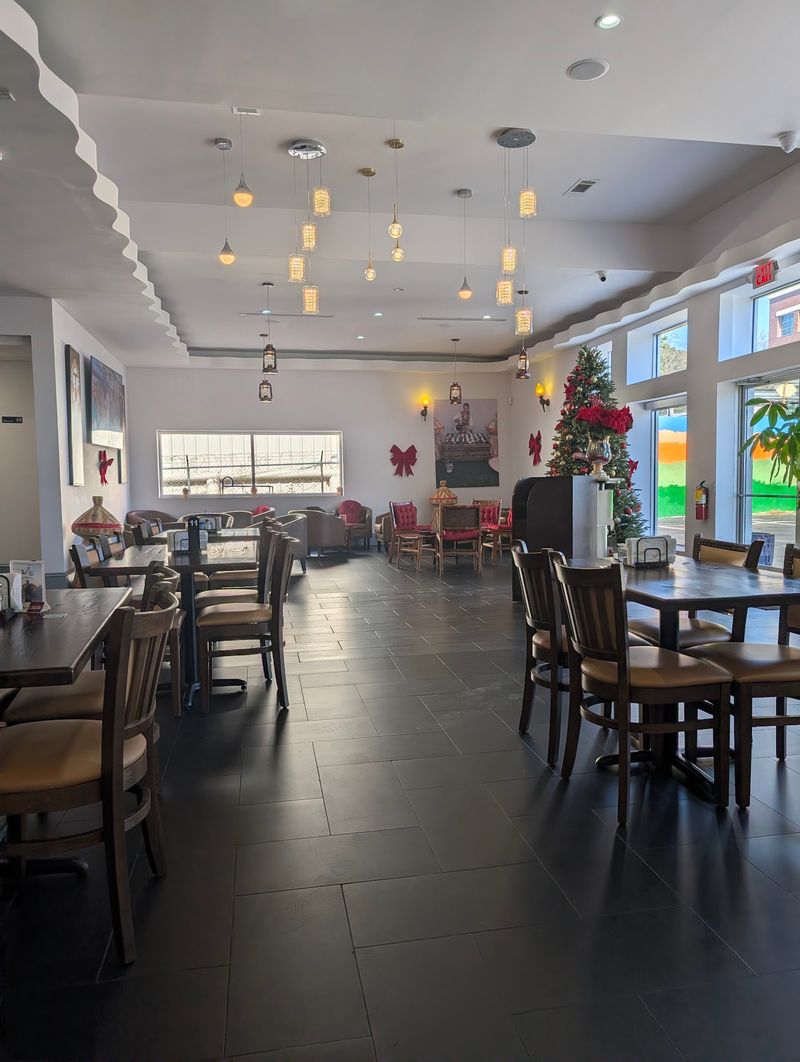
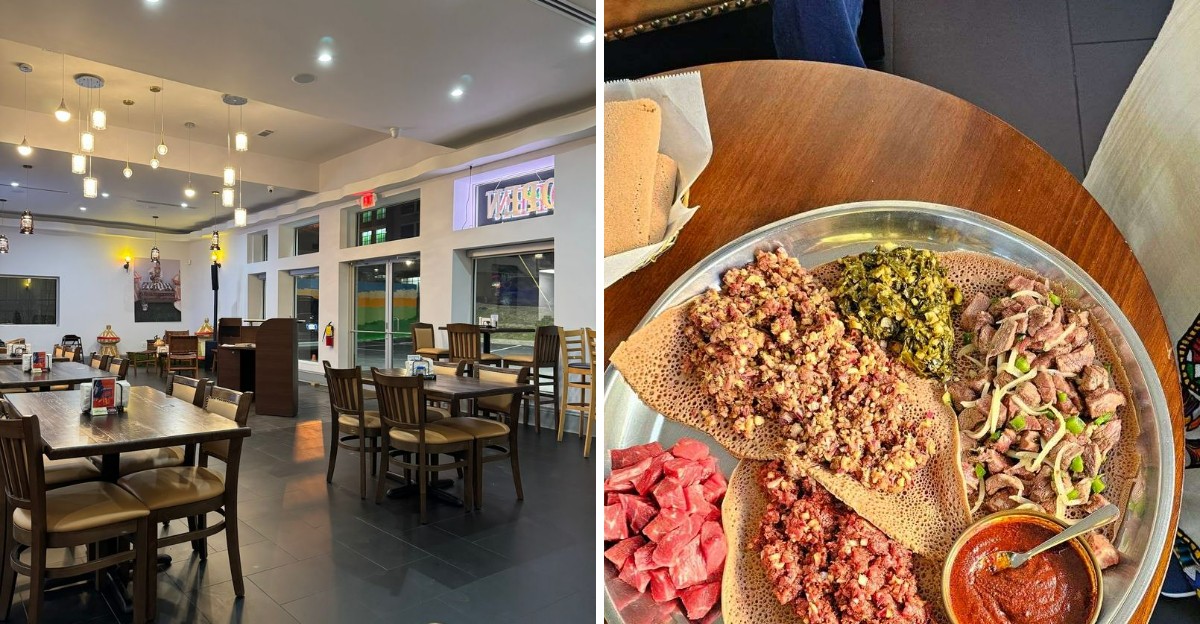
Big groups usually mean big headaches. Shoa Restaurant makes it easier with a spacious dining area and plenty of seating.
The room feels open, clean, and calm. Ethnic music plays in the background, adding to the relaxed mood without taking over.
Seating choices go beyond regular tables. You’ll find booths plus traditional small Ethiopian tables made for sharing food.
Those low shared tables fit the whole style of eating here. Everyone reaches into the same platter, so being close together just makes sense.
The space also has an extensive bar area and authentic Ethiopian touches. It works for a quiet date or a loud family dinner.
Families with kids can relax here too. A shared platter means children can try tiny bites without committing to a full plate of something new.
Planning a birthday or a reunion? The large seating capacity gives you room to spread out, pass platters, and argue happily over the last scoop of shiro.
Midnight Cravings Have A Home On Clairmont Road
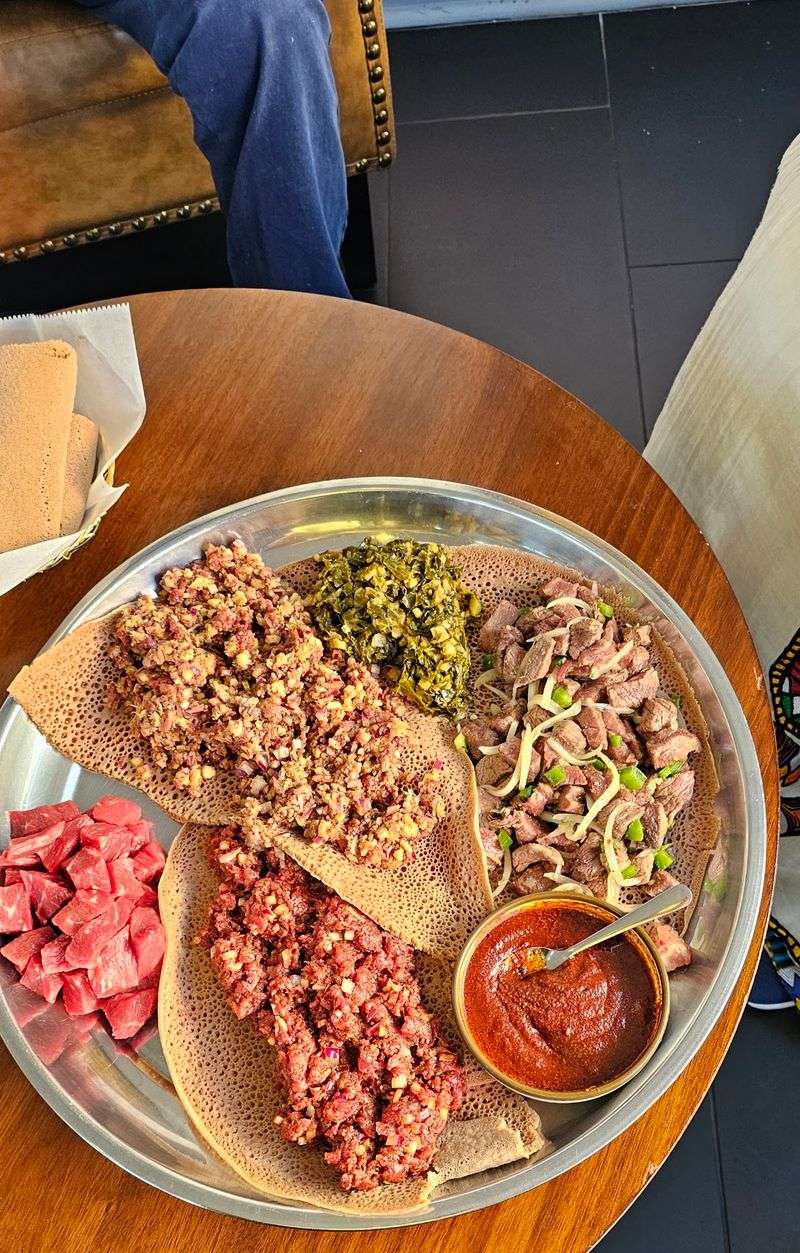
Ten in the morning to midnight, seven days a week. Those hours make Shoa Restaurant one of the easiest Ethiopian meals to fit into any schedule.
Free parking is available on site. Spaces can feel narrow when the lot fills up, so take your time pulling in.
A Sunday night craving is usually tough to satisfy in many places. Here, the late hours mean spicy lentils are still on the table.
Lunch is also a solid option. Arriving earlier in the day can make parking simpler and the whole visit feel calm.
Portions are known for being large and filling. Plan for leftovers, because Doro Wat tastes great the next day too.
For anyone exploring Georgia food beyond burgers and barbecue, this stop deserves a spot on the list. Just bring an appetite for tearing bread with your hands.