This North Carolina Monastery Holds The Only Known Accurate Replica Of The Sacred Panagia Prousiotissa Icon
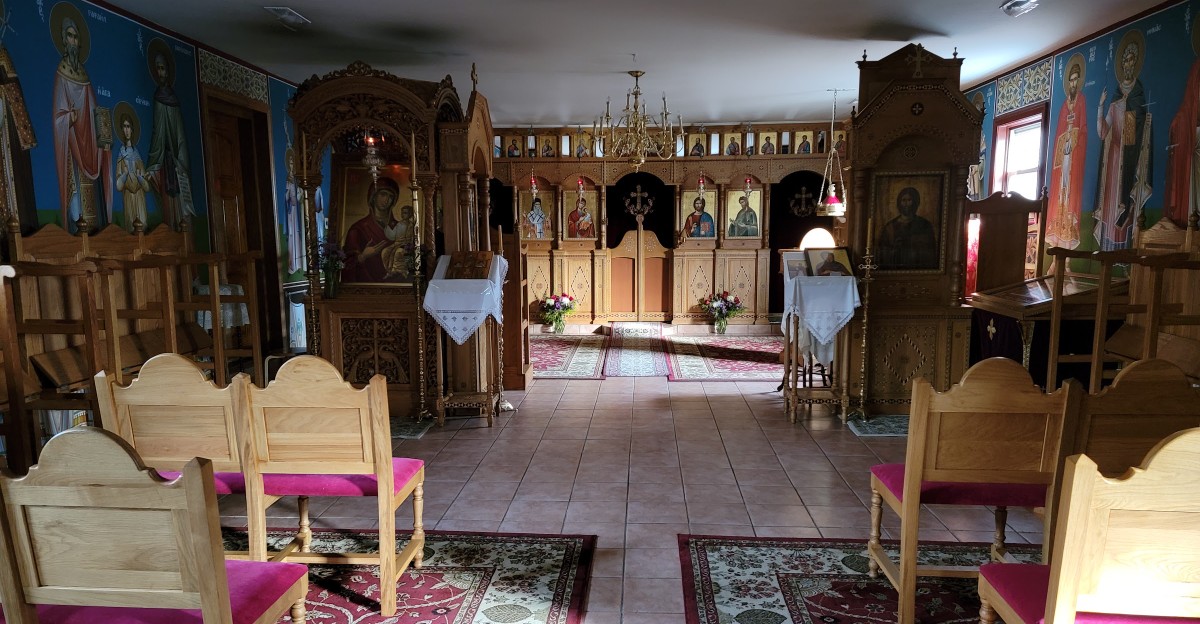
I did not expect rural North Carolina to be connected to a centuries-old Greek icon tradition, but that surprise is exactly what pulled me in.
A carefully made replica arrived from Greece in 2008 with the blessing of the monastery that protects the original, and it has remained with a small community of nuns ever since.
The story behind the image reaches much farther back, through old legends, mountain caves, and generations of devotion.
What fascinates me most is how quietly all of that history lives here.
There are no flashing signs announcing what waits beyond the road.
Prayer, Greek chanting, open land, and an object treated with extraordinary care carry the story instead.
Somehow, a tradition rooted deep in Greece found a second home in North Carolina.
That is one road-trip connection I never saw coming.
The Icon That Crossed An Ocean Deserves Your Full Attention
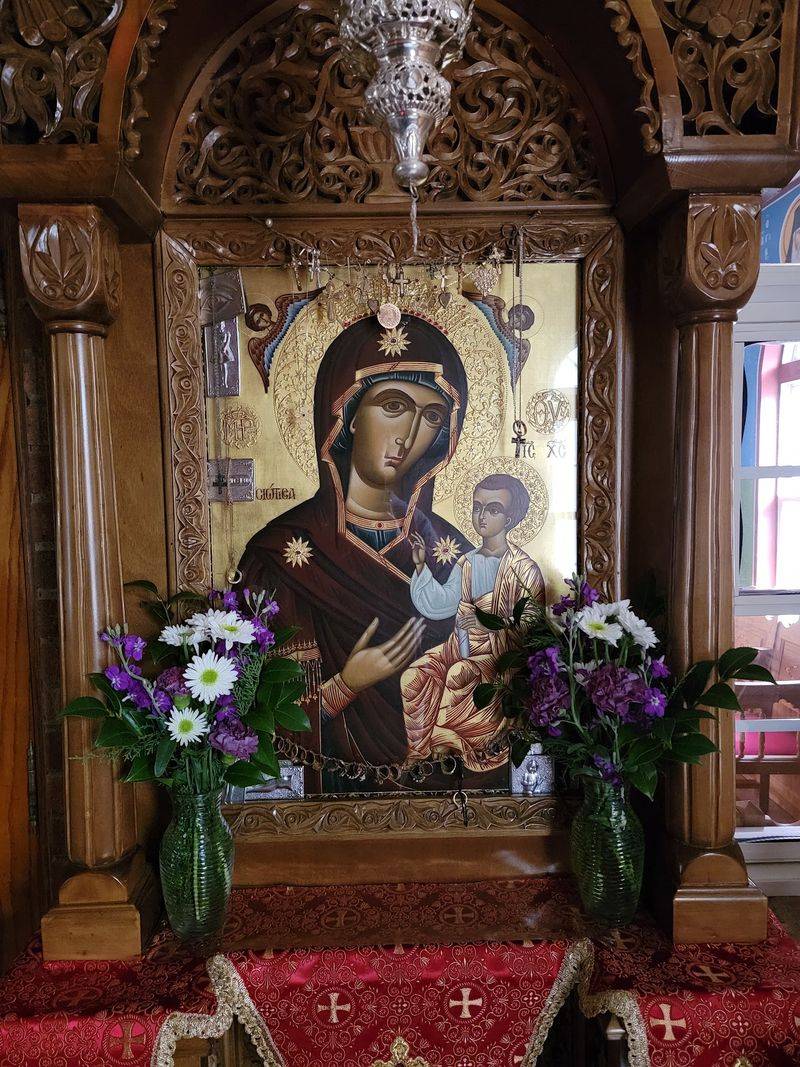
Panagia Prousiotissa Greek Orthodox Monastery is home to a remarkable treasure. In June 2008, the only known accurate replica of the Panagia Prousiotissa icon was enshrined here.
The copy came with the blessing of the Holy Monastery of Proussos and the Metropolis of Karpenisi. Those two names matter, because they guard the original icon in Greece.
The original has quite a backstory. Tradition holds that St. Luke the Evangelist painted the icon, and its story dates back to the 9th century.
During a period of iconoclasm, people destroyed religious images across the empire. A young noble fled with the icon to protect it, and it later reappeared in a cave in Greece.
That cave became a place of pilgrimage for centuries. Now a faithful replica of the same image sits in the North Carolina countryside.
Fun fact: the monastery didn’t wait until 2008 to honor the icon. An iconographical copy was already present from the very first day the community opened.
So the replica’s arrival felt more like a homecoming than a debut. For Orthodox Christians, being near this image offers a real link to one of Greece’s most beloved shrines.
It is at 404 Warner Rd, Troy, NC 27371. Troy sits in Montgomery County in the central part of North Carolina.
A Group Of Sisters Traveled From A Greek Island To Start It All
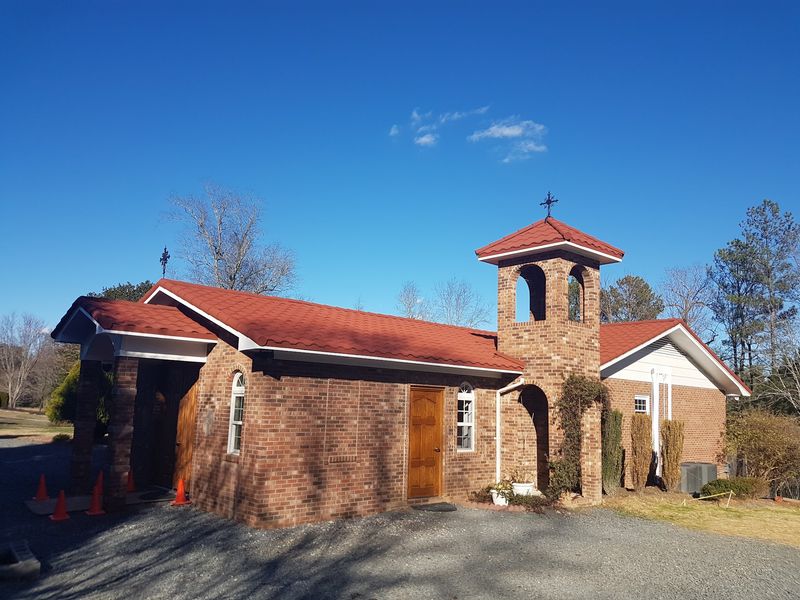
The founding story starts on Thasos, a Greek island in the northern Aegean Sea. The first sisters came from the Archangel Michael Monastery there.
They arrived in 1998 to build something new in the American South. That took courage, plenty of faith, and probably a crash course in Southern humidity.
Elder Ephraim of Philotheou helped found the convent. He became known for establishing many Orthodox monasteries across the United States.
The effort also carried the blessing of Metropolitan Alexios of the Greek Orthodox Metropolis of Atlanta. That gave the young community a solid home within the wider church.
Today, Abbess Gerontissa Agne leads the sisterhood. In Orthodox monasteries, the abbess guides both the daily routine and the spiritual life of the nuns.
The sisters brought centuries of Greek monastic tradition with them. You can still hear it in the Greek language of their services and see it in their rhythm of prayer.
It’s a neat reminder that some traditions travel well. More than twenty-five years later, a slice of island monastic life keeps going strong in North Carolina.
Prayer For The Whole World Is The Main Job Here
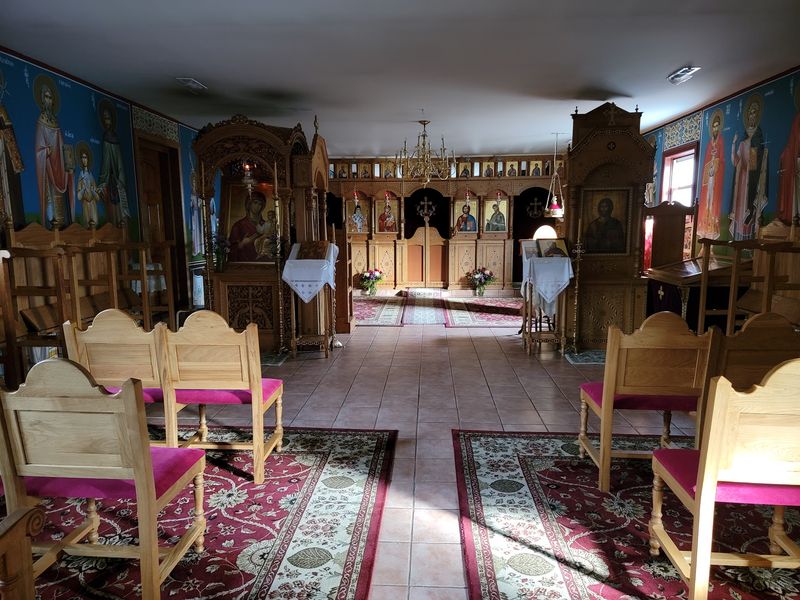
Most workplaces have a mission statement taped to a wall somewhere. At Panagia Prousiotissa Greek Orthodox Monastery, the mission is lived out every day.
The nuns’ primary purpose is to pray for the world. That means steady intercession for people they will likely never meet.
They also offer spiritual guidance to the faithful. Many people come seeking counsel, comfort, or simply a quiet word.
The monastery describes itself as a fountain of comfort. It aims to help those seeking renewed faith or relief during hard seasons of life.
Another big goal is preservation. The sisters work to keep the Holy Traditions of the Orthodox Church and Orthodox monasticism alive in America.
That’s no small task in a fast-moving culture. Ancient prayers, chants, and customs need people willing to practice them faithfully.
The monastery welcomes those who come with faith and humility. You don’t need a dramatic reason to visit.
Sometimes a person just needs a calm place to breathe and pray. This community has made offering that place its life’s work.
Your Ears Will Get A Lesson In Greek Chant
All services at the monastery are conducted in Greek. Yes, every single one.
That might sound intimidating if your Greek stops at gyro. Still, the monastery warmly welcomes guests who want to attend.
You don’t have to understand each word to appreciate the moment. Candlelight, icons, and chanted prayers communicate plenty on their own.
A little preparation helps, though. Reading about the Divine Liturgy beforehand can make the flow of the service easier to follow.
Many Orthodox prayer books include English and Greek side by side. Bringing one along could turn a confusing hour into a meaningful one.
Remember that services follow a schedule tied to monastic life. The sisters’ program can change, so timing matters more than you might expect.
Calling ahead is the official expectation before any visit. That way you’ll know what’s happening and when the sisters are available.
Think of it as a courtesy call to your hosts. Showing up unannounced at a monastery is a bit like dropping by a friend’s house during dinner.
Pack Long Sleeves And Leave The Shorts At Home
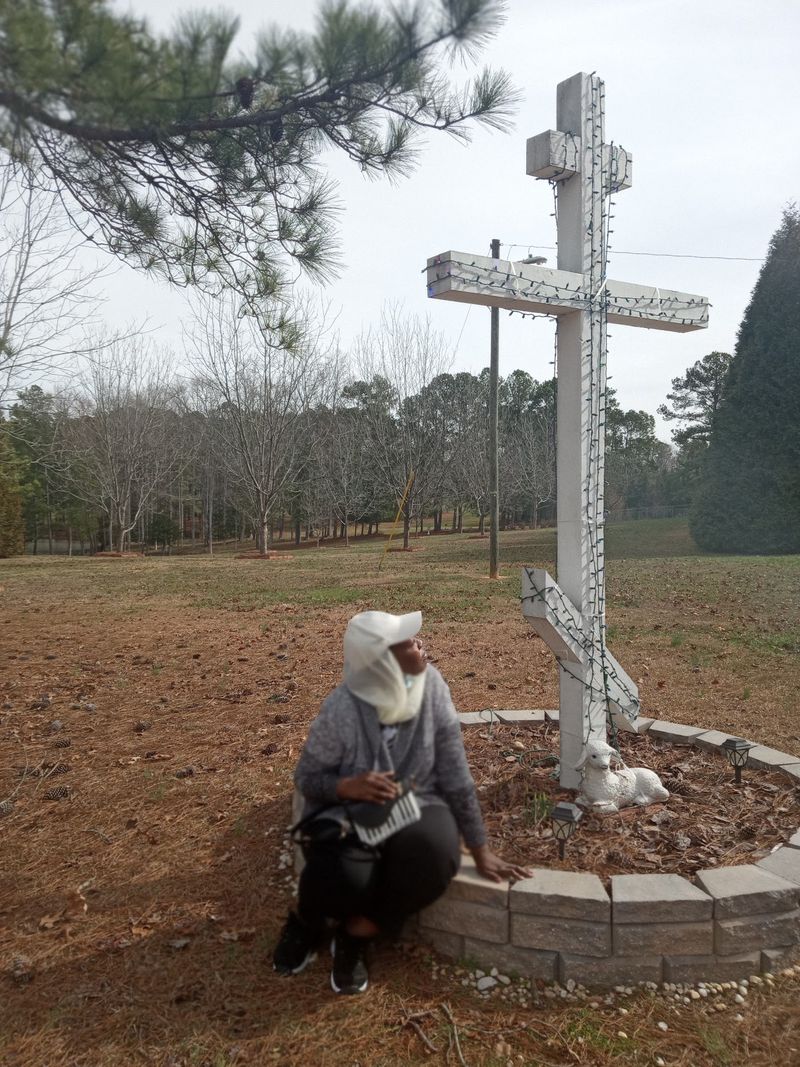
Here’s a packing list that won’t take long. Modesty is the rule at this monastery, and it applies to everyone.
Women should wear skirts or dresses with long sleeves. A head covering is always required, so toss a scarf in your bag.
Pants, shorts, miniskirts, and sleeveless tops are off the table for women. Save them for the drive home.
Men need long pants and long-sleeved shirts. That rules out your favorite tank top, no matter how comfortable it is.
Smoking is not allowed anywhere on the grounds. Kids are welcome but must stay under close parental supervision the whole time.
Camera lovers, take note. Photos and videos aren’t allowed unless the abbess gives permission.
That rule can feel strange in a world that shares everything online. Yet it helps protect the quiet, prayerful life the sisters chose.
Following these guidelines is a simple way to show respect. The sisters are opening their home, and dressing the part says thank you without a word.
Meadows, Woods, And A Pond Make The Setting Feel Calm
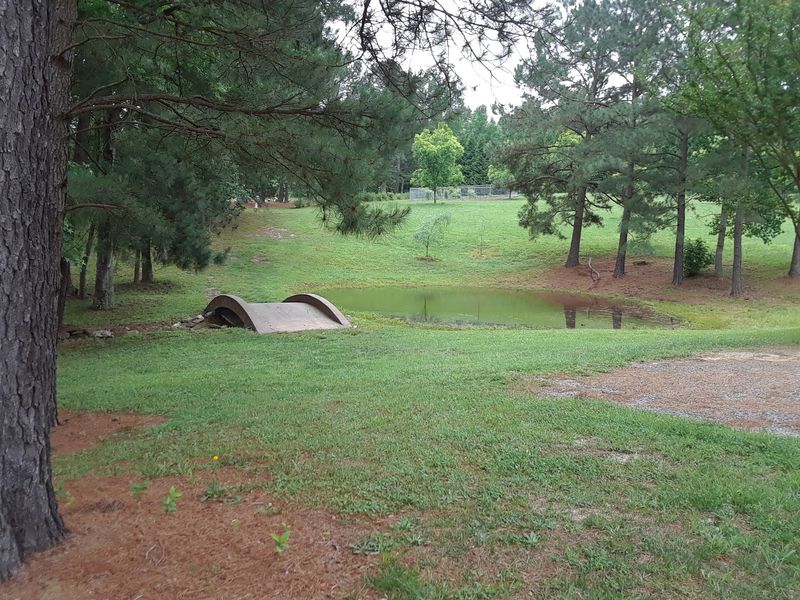
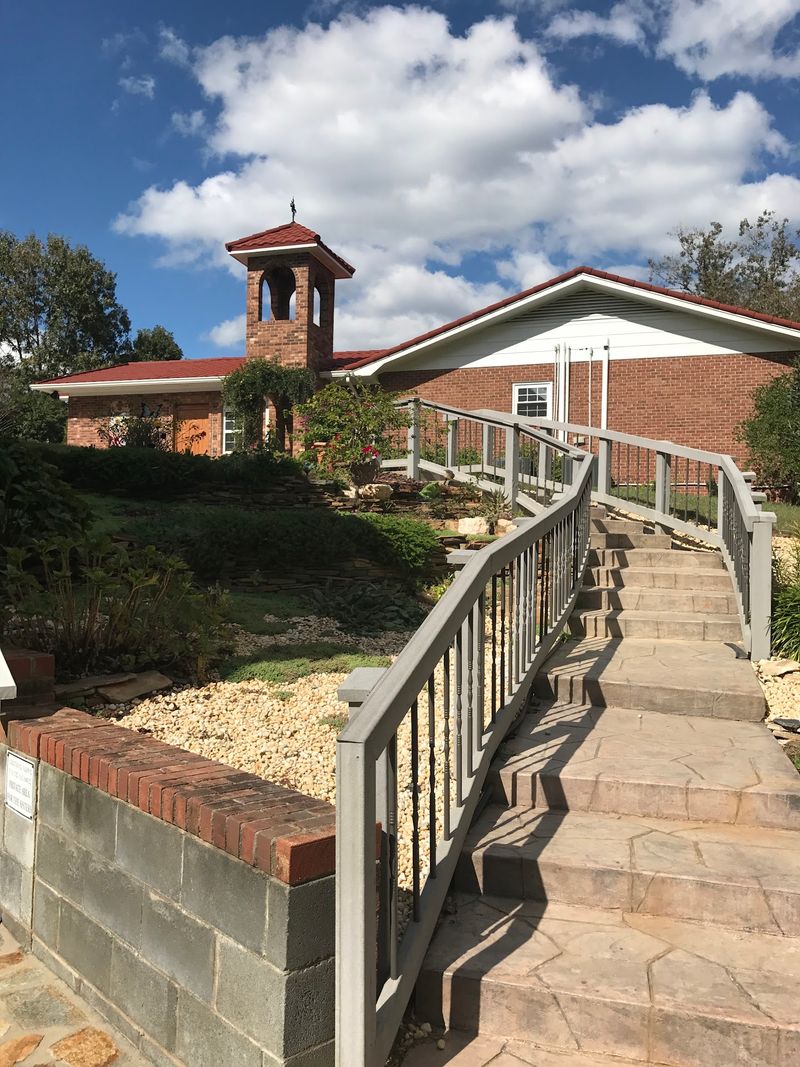
Rolling hills and rich vegetation surround the property. It’s the kind of landscape that encourages you to slow your steps.
The grounds mix open green meadows with wooded areas. A lovely pond adds another layer of stillness to the scene.
The sisters have worked hard over the years to beautify the land. They’ve planted a variety of flowers, shrubs, and trees.
Vegetable gardens and fruit trees are part of the picture too. Monastic life often leans toward simple work and caring for the earth.
That garden work isn’t just decoration. Tending plants is a quiet form of labor that fits naturally alongside prayer.
Remember that this is a home and a place of worship, not a park. Stay respectful, follow the sisters’ guidance, and keep your voice low.
A short, thoughtful stroll fits the mood far better than a picnic. Let the setting do its gentle work on your nerves.
Plenty of people crave a break from screens and noise. A green, prayerful corner of North Carolina offers exactly that.
Mark August 22 On Your Calendar For The Big Feast
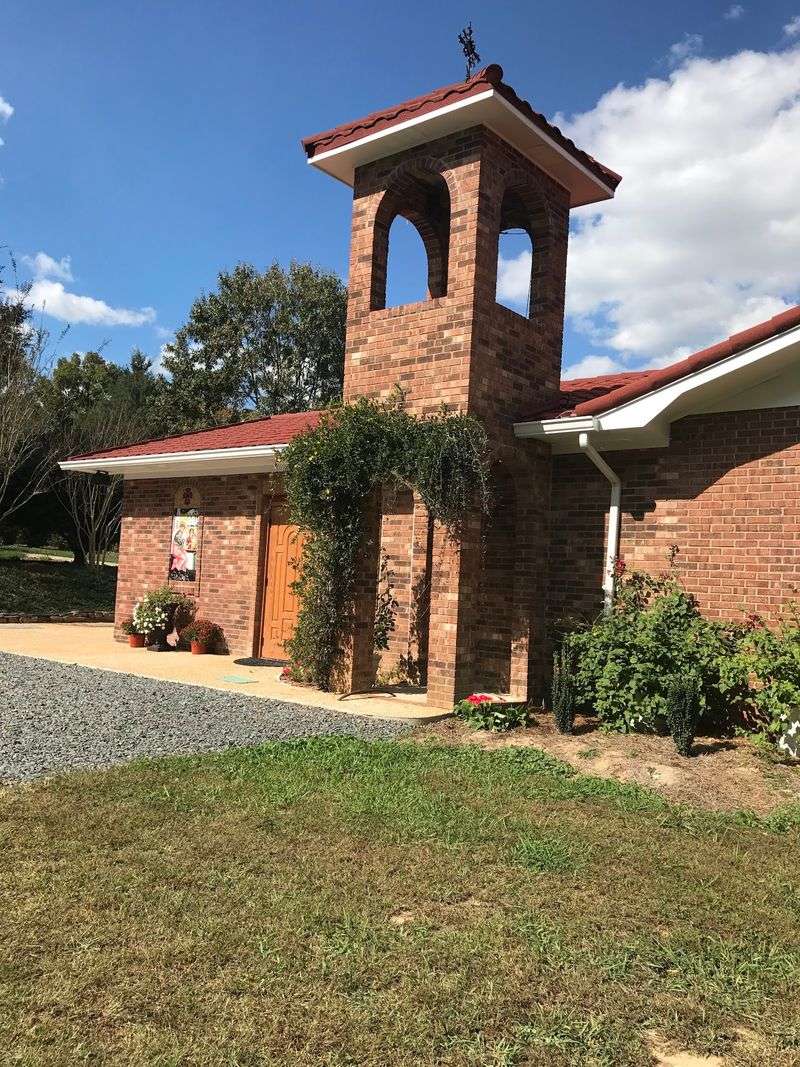
August 22 is the biggest date on the monastery calendar. That’s when the community celebrates the feast of Panagia Prousiotissa.
Celebrations traditionally begin with a vigil on August 21, followed by the main feast on August 22. In Greece, the original icon is commemorated on August 23.
Feast days usually include special services honoring the Mother of God. They’re a chance to see the monastery’s devotion at its fullest.
A second feast arrives in the spring. The monastery also observes the Sunday of the Myrrh-bearing Women.
That one falls two weeks after Pascha, which is Orthodox Easter. Because Pascha moves each year, the date shifts too.
Those women were the faithful followers who brought spices to Christ’s tomb. Honoring them fits beautifully at a convent full of devoted women.
Planning a feast day visit takes extra care. Call ahead to confirm schedules, since special services can change the usual routine.
Also, August in the Carolinas is famously warm. Long sleeves are still required, so choose breathable fabrics and bring water for the trip.
Getting There Means A Drive Into Quiet Montgomery County
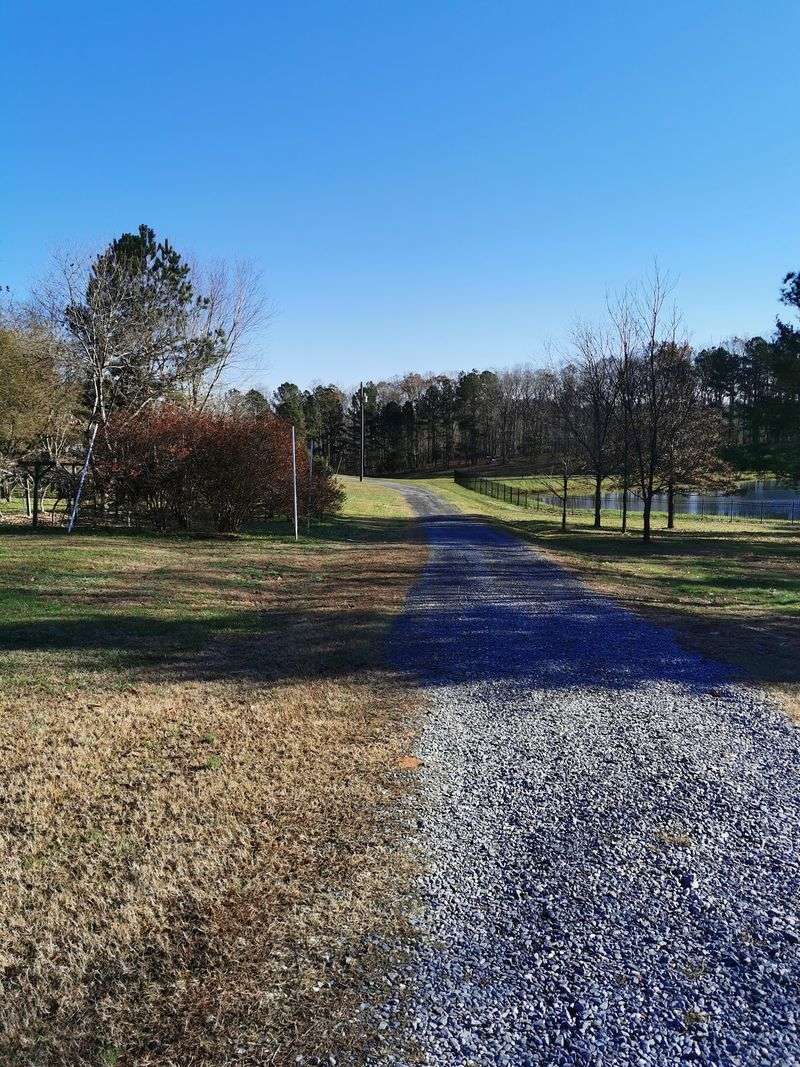
The area feels rural and peaceful. Expect country roads, trees, and a welcome break from city traffic.
Plan your route before leaving home. Rural areas can sometimes have spotty cell service, so a saved map is smart.
Again, calling the monastery before your trip is a must. The sisters want guests to know their program and confirm availability ahead of time.
That call can save you a long drive to a closed chapel. Nobody wants to arrive dressed modestly with nowhere to go.
Give yourself extra time once you arrive. Rushing feels out of place at a monastery, and a relaxed pace suits the setting.
Bring your scarf, your long sleeves, and maybe a snack for the road. Then leave room in your schedule for a few unhurried moments.
The drive itself becomes part of the experience. Little by little, the noise of everyday life fades behind you.
A Building Project Shows The Community Is Still Growing
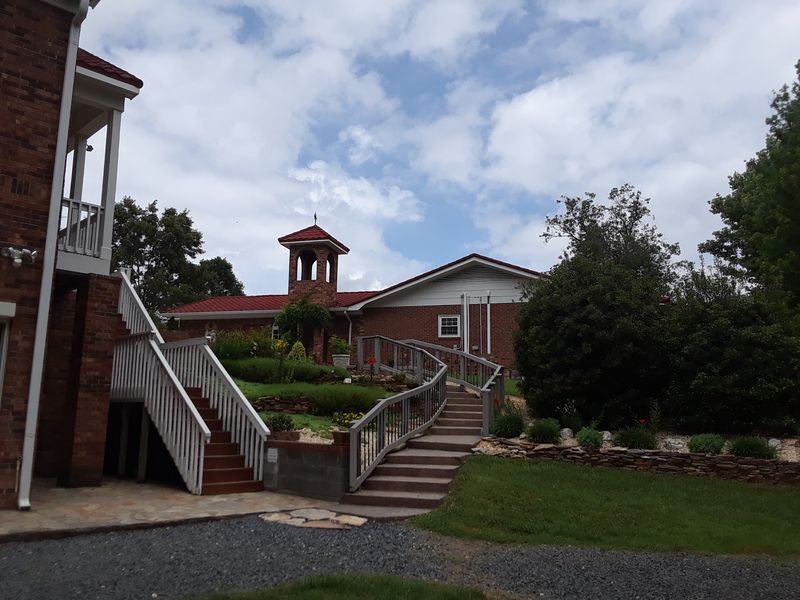
Plenty of historic places feel frozen in time. Panagia Prousiotissa Greek Orthodox Monastery, by contrast, keeps building.
The monastery’s website includes a section dedicated to a building project. It points to ongoing work to improve or expand its facilities.
Growth like that signals a living community. The sisters aren’t just preserving the past but preparing for the years ahead.
Monasteries often rely on the generosity of the faithful for projects like this. Support helps them keep serving visitors and keeping up the grounds.
If you feel connected after a visit, ask how you can help. A respectful question is always welcome.
It’s easy to see why the place matters to so many. An ancient icon, a devoted sisterhood, and quiet land make a powerful combination.
Few spots in North Carolina can claim a direct link to a cave shrine in Greece. Even fewer pair it with daily prayer for the whole world.
So call ahead, dress the part, and come with an open heart. The icon has traveled a long way, and it’s worth meeting.