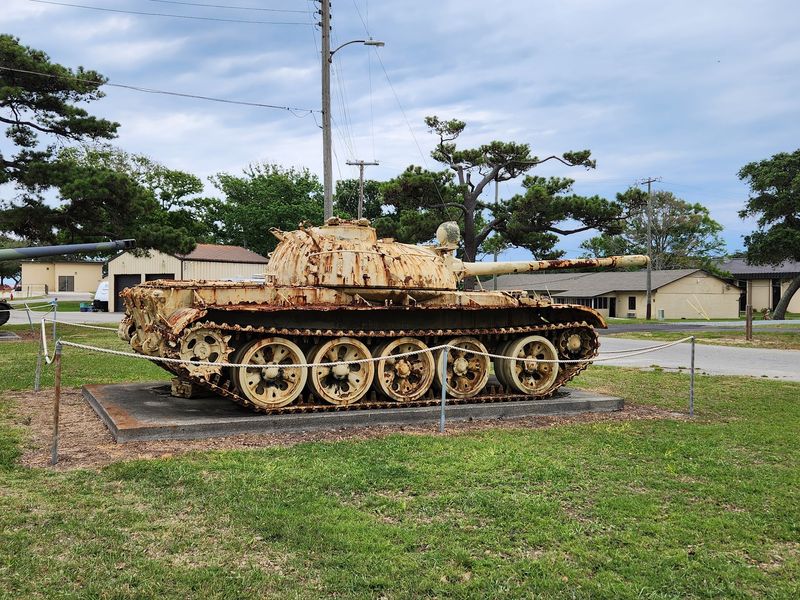
This Free North Carolina Museum Has A Captured Russian Tank And A Real Vietnam-Era Helicopter You Can See Up Close
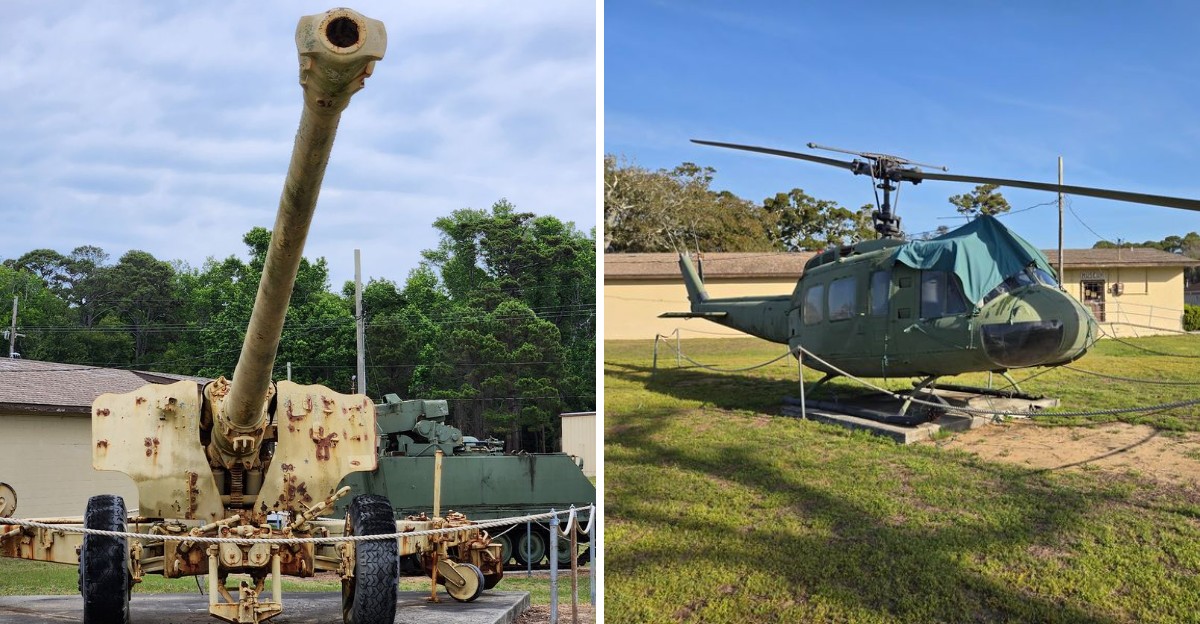
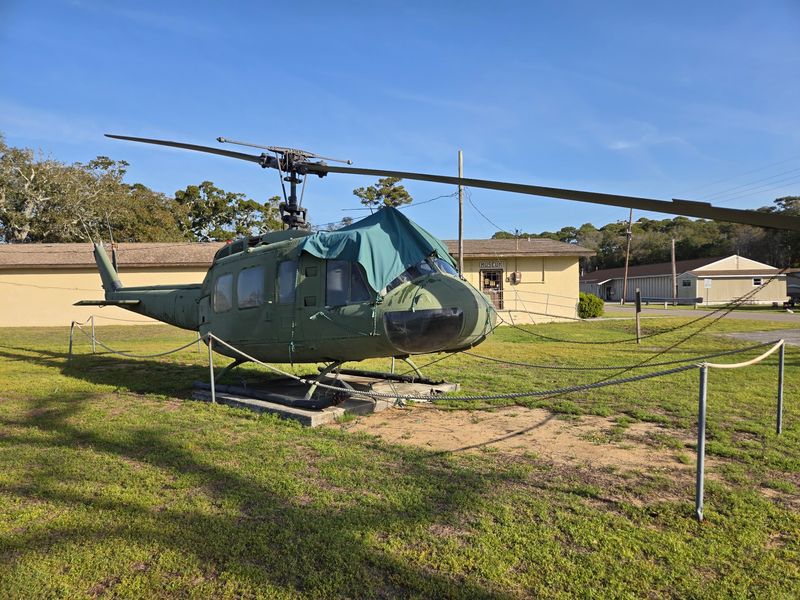
Real tanks sit parked outside a little museum by the coast, and nobody charges you a dime to stare at them. There’s a helicopter out there too, the kind you’ve only seen in old movies and history books.
I have a soft spot for places that skip the ticket booth. This one sits on an Air Force recreation area in North Carolina, run by a historical society that clearly loves its job.
Inside, the displays hold uniforms, weapons, photographs, and model aircraft from every branch of service.
The best part might be the people. A curator is on hand to answer questions about the collection, so curiosity gets rewarded fast.
It only opens a few hours each week, which makes timing a big deal. So how do you plan a visit around that?
Your Wallet Gets The Day Off At This Museum
Free is a beautiful word, especially at the beach. The North Carolina Military History Museum charges nothing for admission, and that includes kids, grandparents, and the cousin who swears he hates museums.
That price tag makes it an easy add-on to a coastal day. You can swing by after breakfast or between beach sessions without blowing the vacation budget.
Of course, free doesn’t mean the collection runs on air. The museum is operated by the North Carolina Military Historical Society, a nonprofit group that depends on support from visitors.
A donation box is the polite way to say thanks. Even a few dollars helps keep the exhibits clean, labeled, and ready for the next curious family.
Families on a tight budget get a real treat here. The kids can see big machines and real artifacts without anyone doing math at a ticket window.
It’s also a smart backup plan for a cloudy afternoon. When the ocean looks grumpy, a free museum suddenly sounds like the best idea anyone had all week.
So keep a little cash handy anyway. Supporting a place this generous feels pretty great on the drive home.
The full address is 123 Riverfront Rd, Kure Beach, NC 28449.
Tanks And A Helicopter Are Waiting On The Lawn
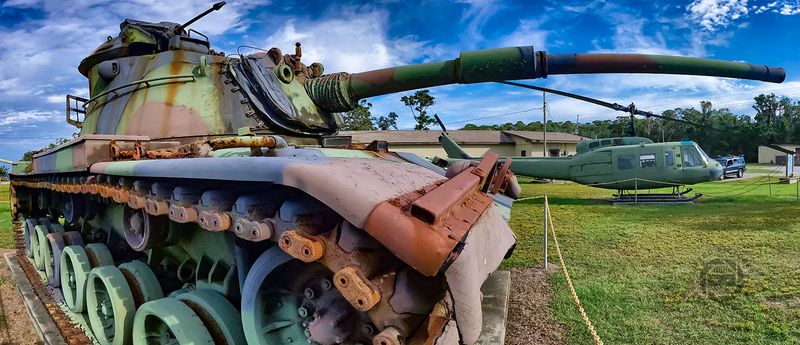
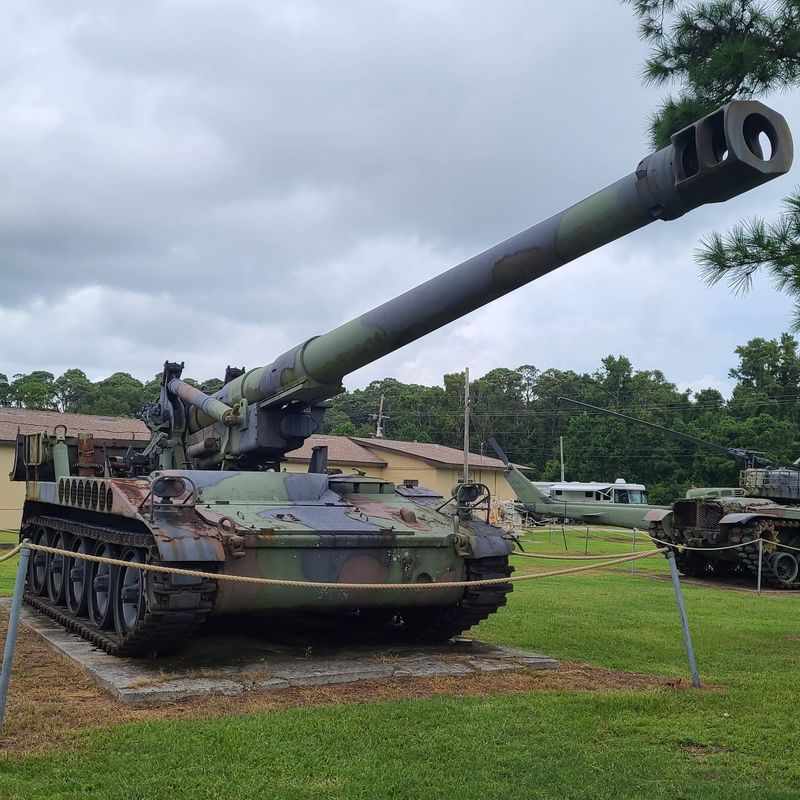
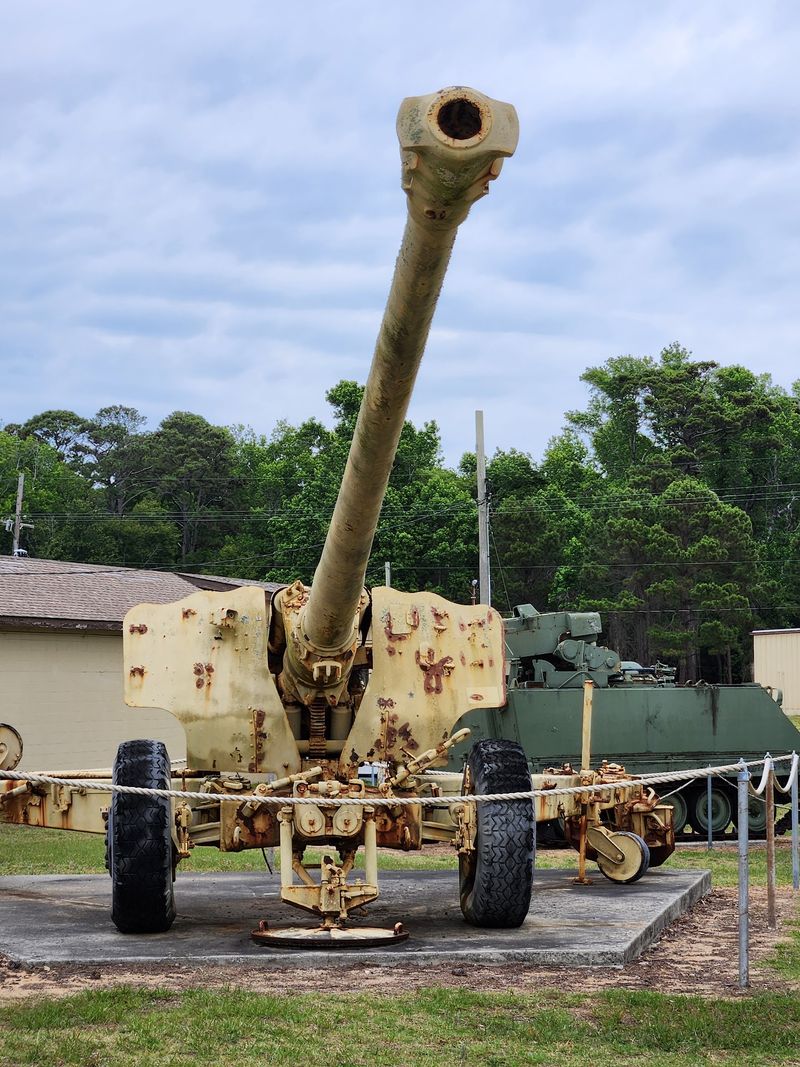
Big steel is the headline act here. The outdoor exhibits put military tanks and a helicopter right where you can walk up and get a good look.
Seeing armor in person changes how you think about it. Photos never quite show how tall the treads are or how thick the plating looks.
The helicopter grabs plenty of attention too. Its shape is instantly familiar from history documentaries, yet standing near the real thing feels completely different.
Kids tend to treat this part like a giant outdoor puzzle. Which one is heaviest, which one looks fastest, and how did anybody fit inside?
These machines live outside year-round, so the coastal weather leaves its mark. Salt air and sun are tough on old metal, which is part of why donations matter so much.
Bring a camera and some patience for the perfect angle. A family photo in front of a tank beats another selfie with a seagull any day.
Wear comfy shoes and sunscreen during warmer months. The lawn has little shade, and North Carolina sunshine doesn’t take breaks for history lessons.
The Indoor Collection Packs More Than You’d Expect
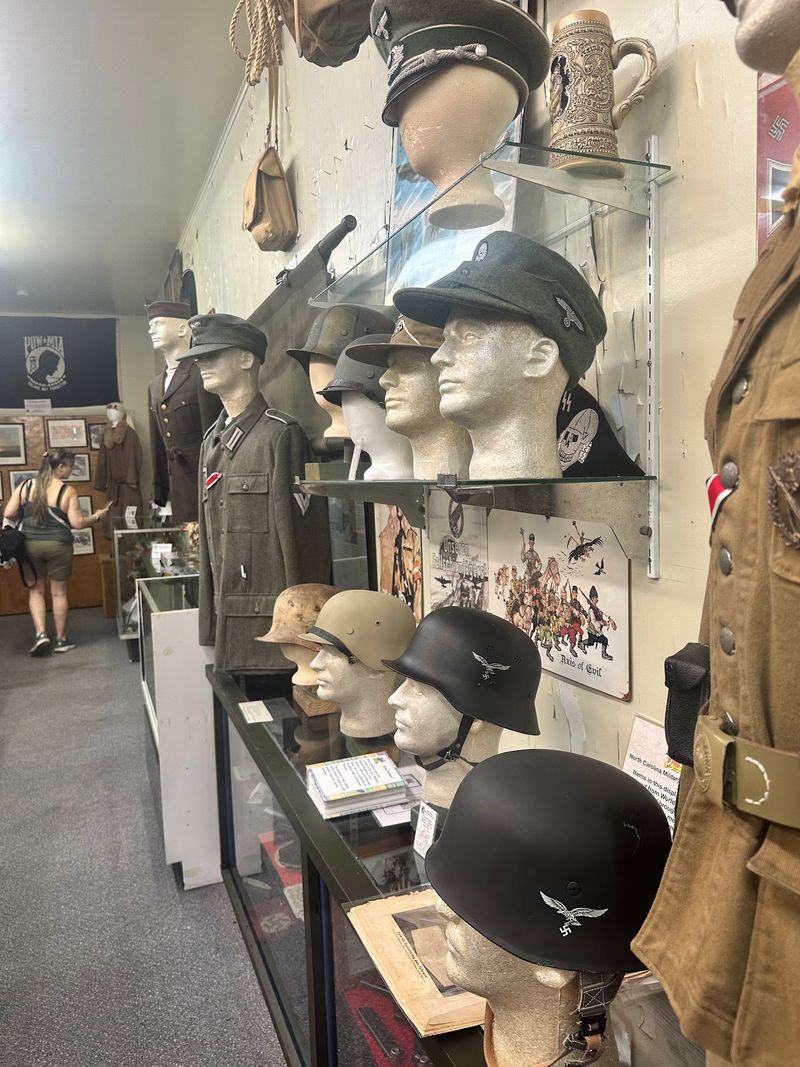
Step past the vehicles and the real storytelling begins. Inside, display cases hold uniforms, weapons, equipment, historical photographs, and all kinds of memorabilia.
The focus stays on North Carolinians who served. That local angle turns faded photos into neighbors, grandparents, and hometown names you might recognize.
Uniforms are especially fun to compare across eras. You can spot how fabrics, colors, and insignia changed as the years rolled on.
Old photographs bring a quieter mood to the room. Faces stare back from decades ago, and suddenly history feels much closer than a textbook chapter.
Equipment displays help answer the practical questions. What did people carry, how heavy was it, and how did they make do in tough conditions?
Take your time with the labels and signs. They’re written to explain, not to impress, so younger readers can follow along without getting lost.
A slow lap pays off here. The space isn’t huge, but there’s a lot tucked into each case, and the details reward a second glance.
Every Branch Gets Its Moment In The Spotlight
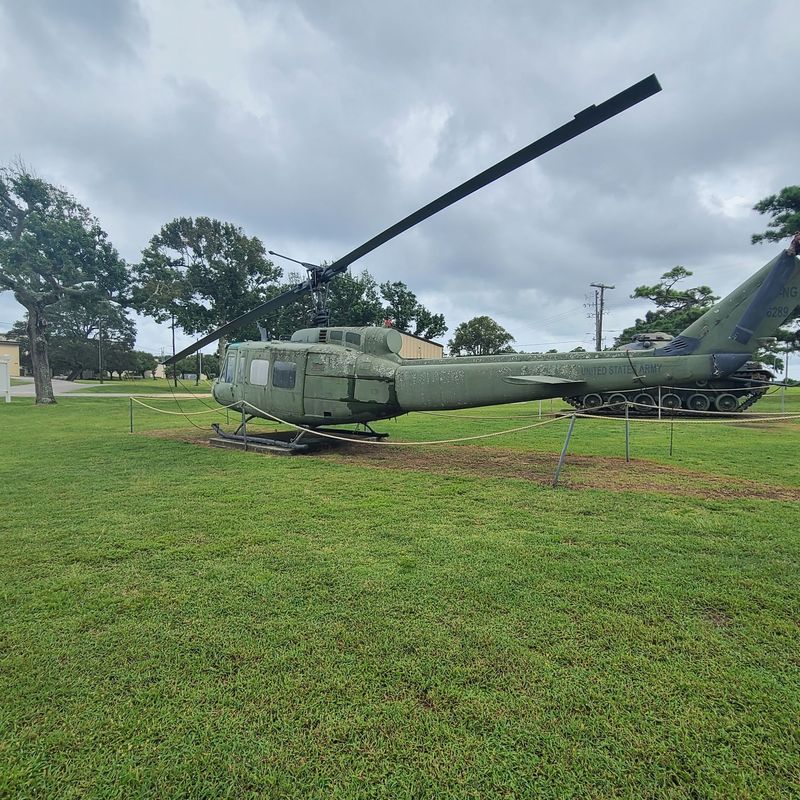
Army fans, Navy fans, Air Force fans, and Marine fans can all relax. The North Carolina Military History Museum represents every branch of service, so nobody’s favorite gets left out.
That balance makes family visits easier. If Grandpa served in one branch and Aunt Linda in another, both stories have a home here.
Scale models of historic aircraft are a highlight for detail lovers. They let you study famous planes without needing a runway in the parking lot.
Model-building kids may leave with fresh inspiration. Fair warning, a new hobby kit might end up on someone’s birthday list.
The broad scope also teaches how the branches worked together. Land, sea, and air forces each played different roles, and the exhibits help connect those pieces.
It’s a nice reminder of how many North Carolinians have served over the years. The state’s ties to the military run deep, from the Colonial period to today.
Look for a branch you know the least about. Learning something new is half the fun of a free afternoon.
Bring Questions Because The Curator Loves Answering Them
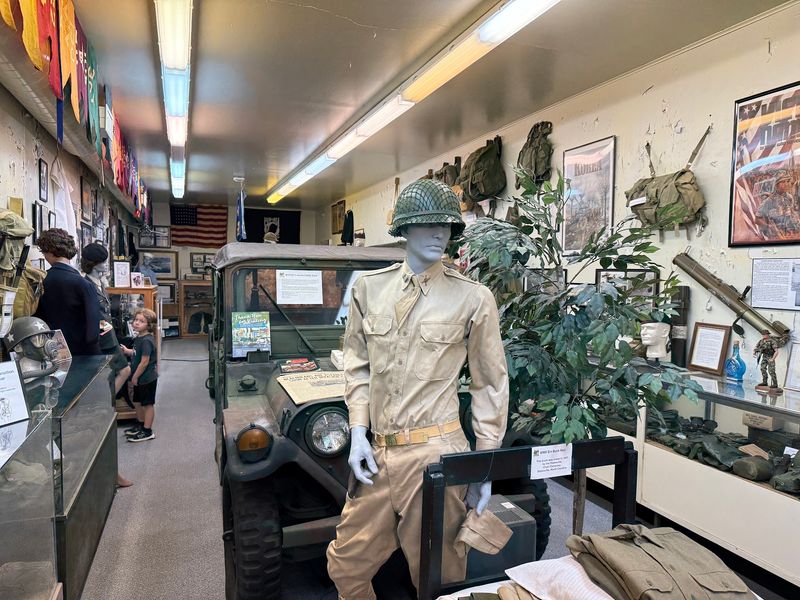
Some museums hand you a pamphlet and wish you luck. Museum staff can help visitors learn more about the collection, although individual staff members’ availability may vary.
That changes the whole visit. A label tells you what something is, but a knowledgeable person can tell you why it matters.
The museum is staffed by dedicated folks connected to the historical society. Their care shows in how the displays are arranged and explained.
Kids especially benefit from a real conversation. A curious ten-year-old with a list of questions is basically a curator’s dream guest.
Not sure where to start? Try asking which item has the most surprising backstory, then let the conversation roll from there.
You can also ask about local connections. Many pieces relate to North Carolinians, so there may be a link to your own hometown or family.
Be respectful of everyone’s time if it’s busy, of course. Still, a few good questions can turn a quick stop into the most memorable part of your trip.
Leave room in your schedule for chatting. Rushing out would mean missing the best guide in the building.
Follow The Road To An Air Force Recreation Area
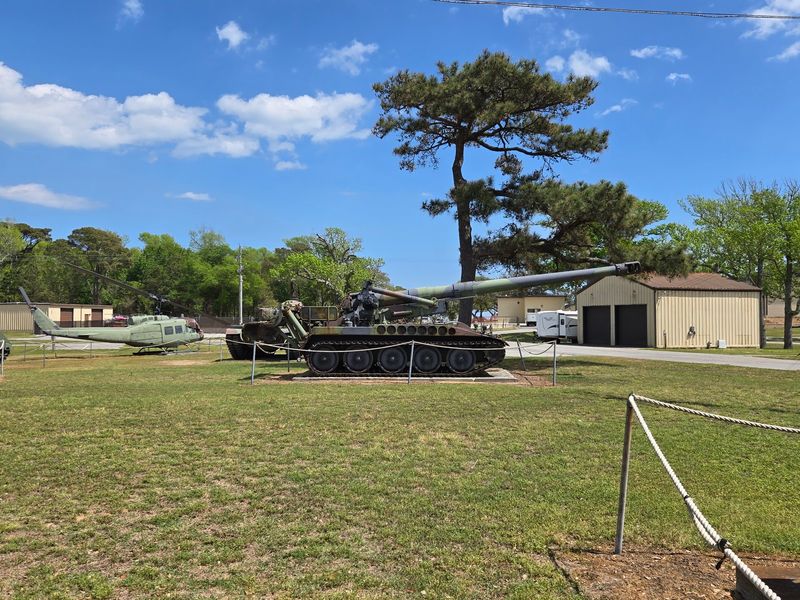
Here’s a location twist most beach towns can’t match. The museum sits inside the Blakeslee Air Force Recreation Area, a setting that suits a military collection perfectly.
Plug it into your map app before you go, since the museum isn’t on a busy main strip.
The recreation area was formerly known as the Fort Fisher recreation center. If an older map or sign uses that name, you’re still headed the right way.
Drive slowly and keep an eye out for the museum. The vehicles on display make a handy landmark once you get close.
Kure Beach itself is a laid-back coastal town south of Wilmington. That makes the museum easy to pair with a beach morning or an evening stroll by the ocean.
Arriving early in the open window gives you breathing room. You’ll have time for the outdoor exhibits, the indoor rooms, and a good chat.
Getting there is half the adventure. Finding tanks on a quiet coastal road feels a bit like discovering a secret.
Timing Is Everything With These Weekend Hours
Mark your calendar before you pack the car. The museum generally opens on Saturdays from noon to 4 p.m., and it isn’t a seven-day operation.
Sunday hours from noon to 4 p.m. are listed from April through November, while December through March is generally Saturday-only. Check the museum’s current schedule before visiting.
Groups have another option. The museum opens for groups upon request, which works nicely for scout troops, clubs, or family reunions.
Four hours is plenty for most visitors. Still, arriving right at noon means you won’t feel rushed if the conversation gets good.
Plan your beach day around the museum, not the other way around. Morning sand time followed by an afternoon of history makes for a balanced Saturday.
The outdoor vehicles can be seen from the grounds, but the indoor exhibits need the doors open. Missing the inside would mean skipping a big chunk of the collection.
Limited hours make a visit feel a little special. Catch it while it’s open, and you’ll understand why folks make the effort.
Pick Up A Souvenir That Actually Means Something
Most souvenirs end up in a junk drawer. A gift from a history museum usually earns a better spot on the shelf.
The North Carolina Military History Museum has an on-site gift shop. It’s a handy stop on your way out, especially if a young history buff is in your crew.
Purchases also support a good cause. The museum is run by the North Carolina Military Historical Society, a 501(c)(3) nonprofit organization.
The society’s mission is to honor and preserve the state’s military history and traditions. That covers everything from the Colonial period up to the present day.
Collecting is a big part of the job. The group gathers military artifacts, photographs, and papers so these stories don’t fade away.
It also promotes the study and appreciation of North Carolina’s military heritage. In plain terms, they want more people learning, asking, and remembering.
So that gift shop purchase does double duty. You leave with a keepsake, and the museum gets a little help keeping its collection safe for future visitors.
Make It A Full History Day Next Door At Fort Fisher
One museum is good, but a history double-header is better. The Fort Fisher State Historic Site sits nearby, in an area rich with military and maritime history.
Saturday is a great day to combine both attractions. Start with the tanks and artifacts at the museum, then explore another chapter of coastal North Carolina’s past at Fort Fisher State Historic Site.
Kids who enjoyed the museum will likely have fresh questions. Fort Fisher gives them a new place to ask, look, and learn.
The shoreline around this stretch of the coast adds plenty of scenery too. Sea breezes and wide views make the drive between stops feel like part of the fun.
Build in some downtime between sites. A snack break or a quick beach walk keeps everyone cheerful for the second round of history.
Kure Beach makes a relaxed home base for all of it. You get small-town calm with big stories waiting just down the road.
By sunset, you’ll have seen tanks, a helicopter, and centuries of local heritage. Not bad for a day that started with free admission.