This North Carolina Town Has Lost Nearly 14% Of Its Population Since 2020, And 2027 Could Bring More Challenges
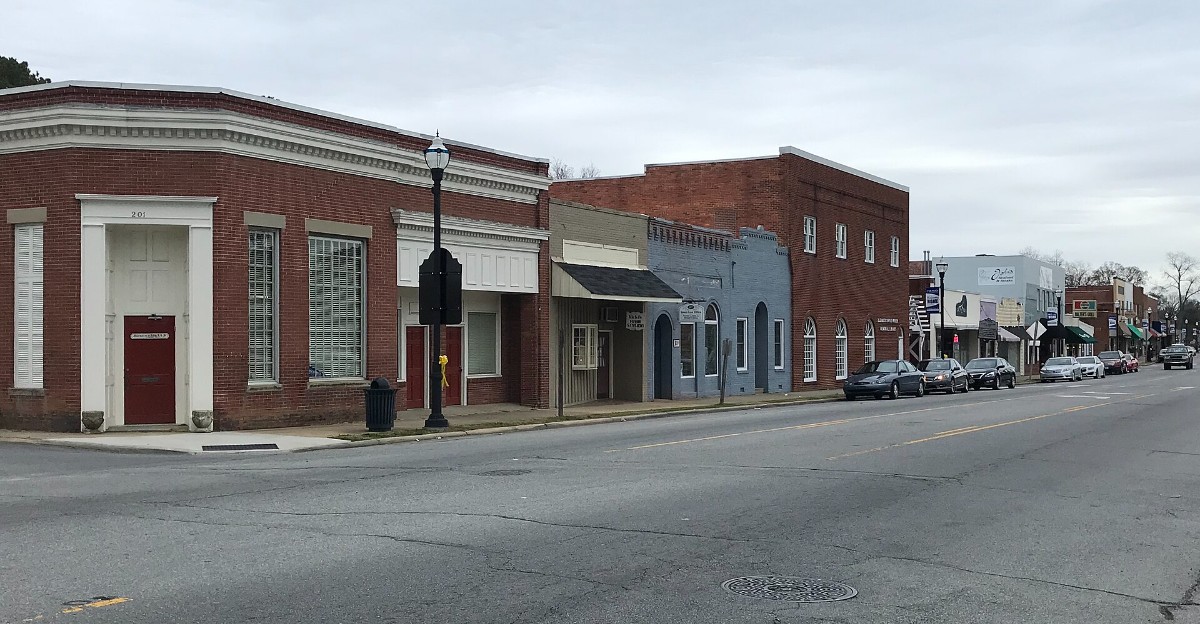
Every summer, this little downtown hands out free watermelon samples and lets people compete over who grew the biggest one.
Admission costs about a dollar, which may be the most charming economic policy I have heard all week.
That alone made me curious.
Then I found out the town has a museum packed with more than 17,000 objects and a university that has been teaching students since 1848.
North Carolina towns with this much personality usually sound like places people are rushing toward.
Here, the population story is much more complicated.
Some estimates show a sharp drop since 2020, while others paint a less dramatic picture.
I did not expect watermelon contests and population charts to end up in the same story.
Yet that contrast is exactly what makes this place interesting.
The traditions are still here.
The bigger question is how many neighbors will be around to celebrate them in 2027.
The Population Numbers Tell A Confusing Story
Murfreesboro, North Carolina, recorded 2,619 residents in the official 2020 census. That source projects only about 2,154 residents for 2026.
Compared with the official 2020 census, that projected 2026 figure would represent a decline of nearly 18 percent. The same estimate shows the town shrinking by nearly 4 percent each year.
Now for the twist. Other recent estimates point the opposite way, placing the population near 3,170 people.
Those sources even project growth to around 3,222 in 2026. So which one is right?
Honestly, nobody can say for sure yet.
Small towns are tricky to measure. A few hundred people moving in or out can swing the percentages wildly.
College towns add another wrinkle. Students come and go, and counting them depends on where they live during the survey.
Here’s a practical tip for curious readers. When you see a dramatic headline about a tiny town, check more than one data source.
Different population estimates rely on different methods and reference periods, so the figures need to be compared carefully. Still, even the possibility of losing so many neighbors matters.
Every empty house affects schools, shops, and local tax money.
Why 2027 Has Economists Watching Closely
Nobody has pointed to one specific local crisis waiting for Murfreesboro in 2027. The worry comes from bigger trends across the whole state.
Economists expect North Carolina’s growth may slow that year. The boost from federal tax cuts and spending increases is expected to fade.
State economists have also identified uncertainty surrounding artificial intelligence and investment markets. However, they have not established that these risks will cause a downturn in Murfreesboro in 2027.
That might sound far away from a quiet riverside town. But statewide slowdowns tend to hit small, rural places hardest.
Fewer jobs nearby can push young people toward bigger cities. Less spending can squeeze local businesses that already run on thin margins.
Add a shrinking population, and the pressure builds. Fewer residents means fewer customers, fewer volunteers, and fewer taxpayers.
So what can a town do? Leaning on its strengths is a smart start.
Murfreesboro has a university, historic streets, museums, and a famous summer festival. Those are real reasons for people to visit, spend money, and maybe even stay.
Supporting local events and shops helps more than you might expect. Small towns survive on lots of small choices.
Money Struggles Hit Close To Home Here
A median age of just 25.7 years makes Murfreesboro one of the younger-feeling towns around. That youth comes partly from its college crowd.
The money picture is tougher. In 2024, the poverty rate reached 39.5 percent, up 10.3 percent from the previous year.
About 37.4 percent of families lived in poverty that year. Median household income was around 39,900 dollars, down more than 8 percent.
Those numbers help explain why some folks might move away. People often follow paychecks and opportunity.
There is some brighter news, though. Median property value rose about 3.6 percent, landing near 158,600 dollars.
The homeownership rate sits at 54.1 percent. That means more than half of households own the place they live in.
The town is also diverse. Black residents make up about 52.5 percent, White residents 28.3 percent, and Hispanic residents 14.7 percent.
Why does this matter to outsiders? Towns like this show how fast local life changes when incomes slip.
They also show how much community roots count. Owners who stay tend to care deeply about keeping their streets alive.
A College Since 1848 Keeps The Town Young
Founded in 1848, Chowan University has been part of Murfreesboro for more than 175 years. That’s older than many states’ first railroads.
The private Christian university sits at 1 University Pl, Murfreesboro, NC 27855. It offers associate, bachelor’s, and master’s degrees across 70 academic disciplines.
In 2024, the school awarded 196 degrees. For a town this size, that’s a meaningful wave of graduates heading into the world.
The campus shapes local life in lots of ways. Students bring energy, shop downtown, and fill seats at events.
They also help explain that very young median age. Without the college, the town would likely look much older on paper.
Of course, a campus can’t fix everything alone. Many graduates leave for jobs elsewhere once they finish school.
That’s a common challenge for college towns in rural North Carolina. Keeping even a few graduates around can make a big difference.
If you’re visiting, the campus is worth a stroll. Its long history ties neatly into the historic streets just nearby.
Few small towns can claim a school this old.
Old Streets With 28 Stories To Discover
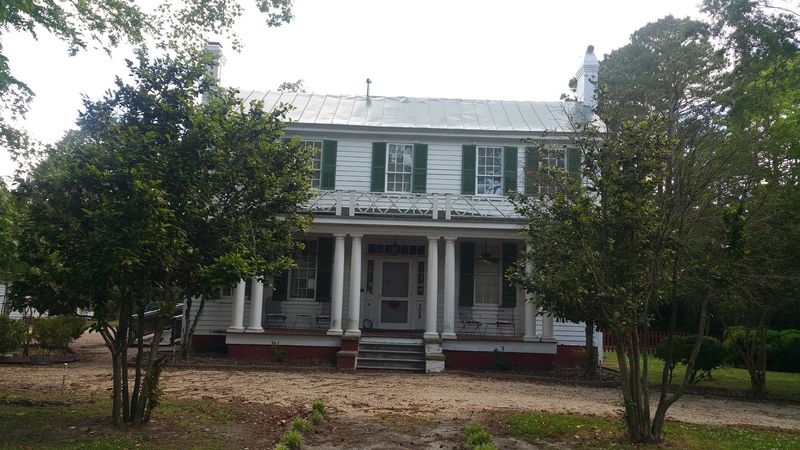
Twenty-eight historic properties wait for anyone willing to wander the downtown district. Visitors can explore them on self-guided tours.
Historic Downtown Murfreesboro mixes old buildings with local businesses. The overall mood is calm and unhurried.
The Murfreesboro Historical Association works to protect the town’s buildings and culture. Their efforts help keep these old structures standing proud.
A self-guided tour is a great choice for a lazy afternoon. You set your own pace, and nobody rushes you along.
Bring comfortable shoes and a curious mind. Reading a little history before you go makes each stop more meaningful.
The town was officially chartered in 1787. That’s the same year the U.S.
Constitution was written, which is a fun bit of trivia.
Historic districts can be a strong tool against population loss. They draw visitors, encourage pride, and give people a reason to invest locally.
Downtown Murfreesboro also hosts community activities throughout the year. Checking the local event calendar can help you plan your visit around one.
Old towns don’t need flashy attractions to win hearts. Sometimes good bones and patient preservation do the job.
Free Watermelon And A Giant Melon Contest
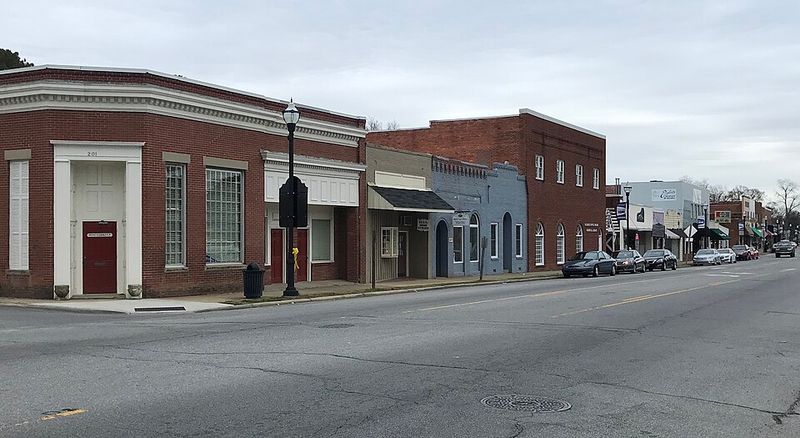
Few events sound as cheerful as the North Carolina Watermelon Festival. It takes over Historic Downtown Murfreesboro every summer.
The festival usually runs from late July into early August. Its home base is 100 Sycamore Street, Murfreesboro, NC 27855.
The lineup is impressively packed. Expect a shrimp dinner, live music, a market, a food court, pageants, and amusement rides.
Street dances keep the evenings lively. An antiques and crafts fair gives treasure hunters something to browse.
Then come the stars of the show. Free watermelon samples, watermelon-eating competitions, and seed-spitting contests bring the whole theme together.
In 2026, admission was free on Wednesday and Thursday, with free daytime entry on Friday and Saturday before 4 p.m. Adult evening admission on those final two days was five dollars.
Events like this matter beyond the fun. They pull in visitors, help local vendors, and remind folks why they love home.
For a town facing tough numbers, that kind of pride is valuable. A great festival can be a yearly reunion for people who moved away.
Planning a trip? Pack sunscreen, wear light clothes, and save room for melon.
Over 17,000 Treasures Fill One Museum

Antique music boxes, old phonographs, and vintage household appliances all share space at the Brady C. Jefcoat Museum of Americana.
The collection tops 17,000 items.
That’s a lot of history under one roof. Farm equipment and entertainment memorabilia round out the mix.
It’s the kind of place where grandparents point and say they used one of those. Kids, meanwhile, may wonder how anyone survived without smartphones.
The museum keeps limited hours. It opens Saturdays from 11 a.m. to 4 p.m. and Sundays from 2 to 5 p.m.
Plan around those times, since weekday visits won’t work. Checking ahead before driving out is always a smart move.
Collections like this capture everyday American life. They show how people cooked, cleaned, farmed, and entertained themselves through the decades.
For Murfreesboro, the museum is a real draw. Unusual attractions give travelers a reason to choose a small town over a big city.
Every visitor who stops in may also grab lunch or browse downtown. That spending quietly supports the community.
Honestly, 17,000 objects might require more than one weekend.
Peanut Pickers, Carriages, And A Turkey Buzzard

A replica called the Turkey Buzzard is probably the strangest name you’ll find in any Murfreesboro museum. It sits inside the Agriculture and Transportation Museum.
The museum lives in a converted warehouse. Its displays focus on how people farmed and traveled long ago.
Early carriages are a highlight. Some resemble the one used by General Lafayette during his 1825 visit to the area.
Lafayette was a French hero of the American Revolution. Having a link to his visit is a pretty cool claim for a small town.
Farm history fans get plenty too. Antique peanut pickers and an early cotton gin show how hard rural work once was.
Peanuts and cotton shaped much of northeastern North Carolina. Seeing the old machines helps that history feel real.
This museum is a nice pairing with the Jefcoat collection. Together they could fill a whole day of exploring.
Bring kids who love machines and wheels. They’ll likely have questions about every gear and crank.
Small museums like this help keep local stories alive, even as the town’s numbers shift.
The River That Started Everything
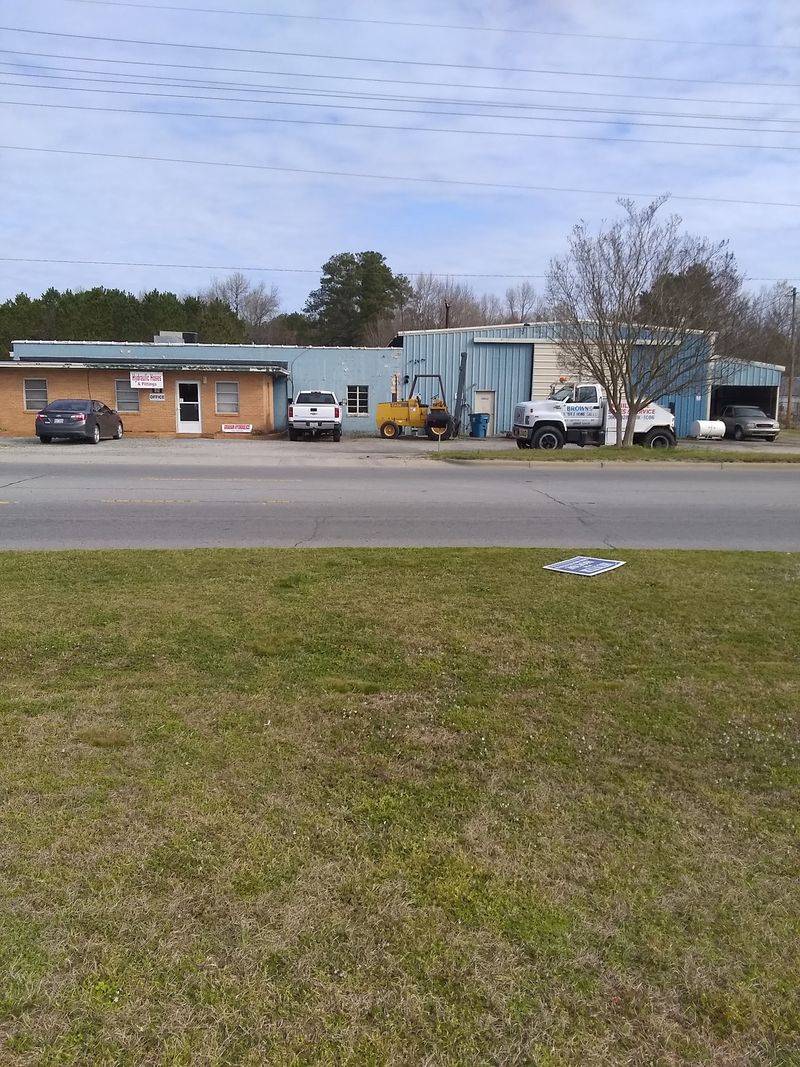
Long before the census counts, Murfreesboro was a busy river port. The town sits on the southern bank of the Meherrin River.
Steamships and trade once kept the waterfront humming. Goods moved in and out, linking the town to wider markets.
The early settlement was known as Murfrees Landing. It was also designated a King’s Landing, which shows how important the spot was.
Back then, rivers were the highways of the South. A good landing could turn a small settlement into a real town.
That growth led to the town’s official charter in 1787. History here truly flows from the water.
Today, the river offers a quieter kind of value. Its scenery adds charm and a sense of place.
Towns that once boomed often face change when trade routes move. Murfreesboro has lived through ups and downs before.
That long story offers a bit of hope. A community that adapted from steamships to college life can adapt again.
Whatever 2027 brings, the Meherrin will keep rolling past. And this resilient town will likely keep writing new chapters.