These Are The 6 Florida Beaches Where Sand Dollars Or Shells Wash Up After Every Storm
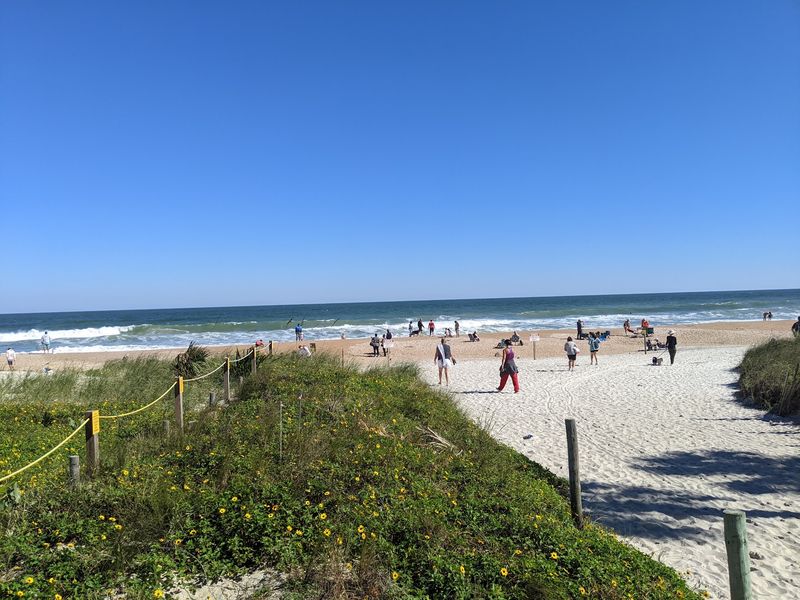
A sand dollar is actually a flattened sea urchin, and the live ones wear a fuzzy coat of tiny purple-brown spines. I had no idea until recently, and now I can’t stop thinking about it.
The white disks you find on the sand are skeletons, sun-bleached after the animal is gone. Storms and rough surf churn up the seafloor and push shells, fossils, and these little disks toward shore.
Florida has stretches of coast where that delivery feels almost routine. Some spots are known for shark teeth too, so your bucket might hold more than you expected.
I love that the best haul often shows up right after the worst weather. So which beaches are worth an early alarm once the clouds clear?
1. Caspersen Beach
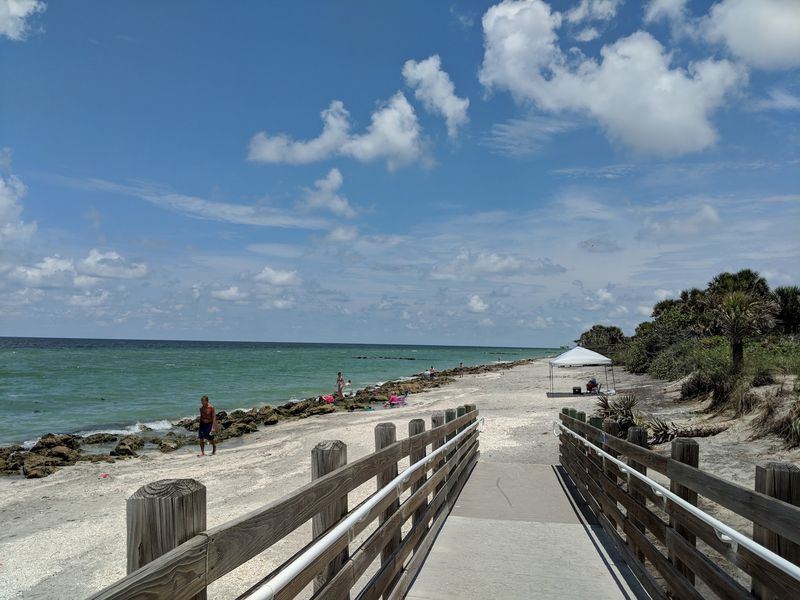
Fossil hunters treat this stretch of Venice coast like a treasure map with no X. Shells, fossils, and shark teeth turn up along the sand, and sand dollars appear as you work north toward Venice Beach.
The shoreline keeps a natural, untouched look that sets it apart from busier resort beaches. A boardwalk gives you an easy way to take in the scenery when your eyes need a break from scanning the ground.
Practical perks make long searches easier on everyone. Parking is free, and you’ll find outdoor showers plus real restrooms instead of a lonely portable unit.
Here’s a smart tactic for post-storm mornings in Florida. Bring a small sifter or mesh scoop, since tiny shark teeth hide among broken shell bits near the waterline.
Saturdays tend to draw the biggest crowds from morning until evening. A weekday visit can give you more elbow room and more untouched sand to comb.
Sarasota County manages the beach, and gates open early for dawn treasure seekers. After any tropical weather, check conditions before driving out, since storms can reshape access paths.
Pack a container with a lid, too. Your car seats will thank you later.
Address: 4100 Harbor Dr, Venice, Florida 34285
2. Bowman’s Beach
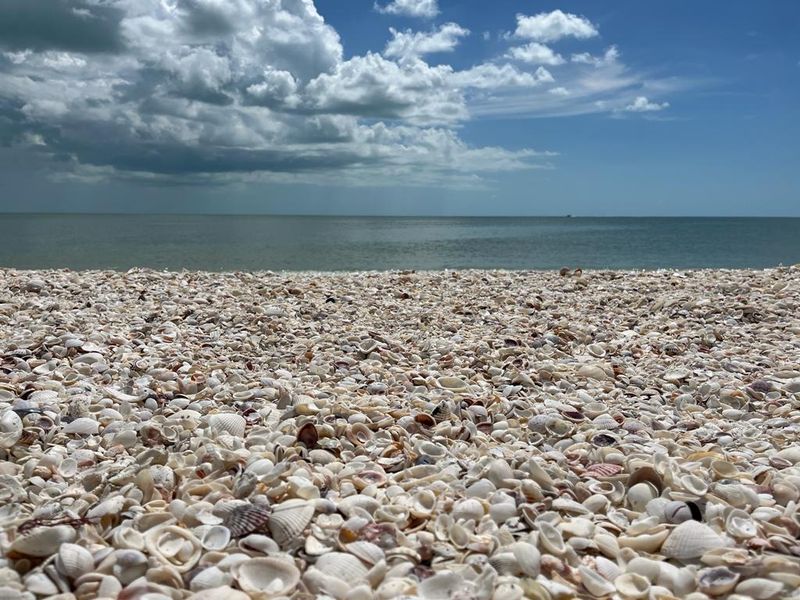
Sanibel has a reputation for turning grown adults into hunched-over shell detectives. Bowman’s Beach ranks among the island’s favorite spots for that peculiar posture.
Beachcombers come here specifically to search for seashells, and the variety keeps things interesting. A wide sandbar gives shells a place to collect, so check it closely when the tide drops.
The water tends to be calm and clear, with a turquoise color that photographs beautifully. Keep an eye offshore, because dolphins sometimes show up while you’re busy staring at your feet.
Lee County runs the park with solid amenities for a full day out. You’ll find picnic tables, barbecue grills, restrooms, showers, and a playground for kids who need a break from shelling.
Parking is paid, so plan for that before you arrive. Dogs are allowed, which makes this a rare spot where the whole family can tag along.
Saturday afternoons get busy, while Wednesday evenings run quieter. The gates close in the evening, so sunset strolls may need some timing.
Hurricane season runs June through November in Florida. Check park status after any big storm before you make the drive.
Address: 1700 Bowmans Beach Rd, Sanibel, Florida 33957
3. Blind Pass Beach
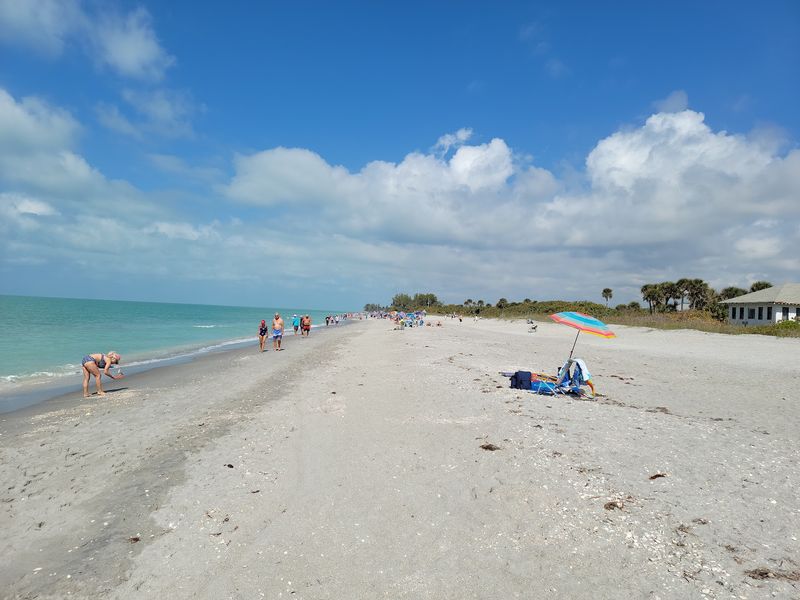
Two waterfronts for the price of one parking spot sounds like a good deal. On Manasota Key, Blind Pass Beach pairs a narrow Gulf beach with a bayside lagoon.
The Gulf side is known for shelling and shark tooth hunting. Clear water helps when you’re trying to spot something small rolling in the shallows.
Across the way, the lagoon side changes the mood entirely. A fishing dock, a canoe launch, and mangrove trails give you plenty to do once your shell bag is full.
Families get a covered pavilion with a grill, a playground, and outdoor showers. Restrooms are accessible, and a bike rack sits ready for anyone pedaling in.
Better yet, parking is free. That’s a welcome bonus if you plan to linger after a stormy night.
Weekends bring the biggest crowds, especially Saturday mornings and Sunday afternoons. Weeknights stay much quieter if you prefer a sunset search.
The beach sits between Englewood and Venice, an easy coastal drive in southwest Florida. Wear water shoes on the shelly stretches, since sharp fragments can surprise bare feet.
Address: 6725 Manasota Key Rd, Englewood, Florida 34223
4. Fort De Soto
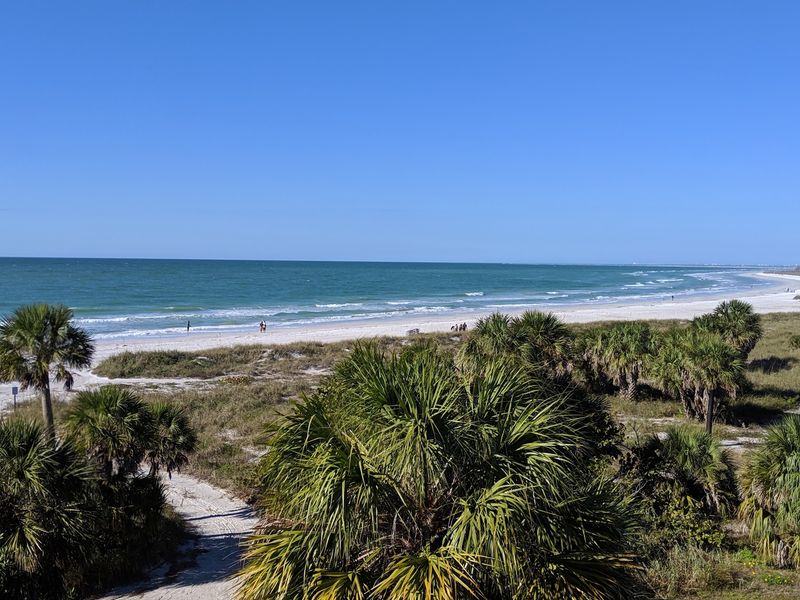
Sand dollars and a historic fort make an odd pairing, but it works. Fort De Soto gives you both inside one big park near St. Petersburg.
The park covers more than a thousand acres, with about three miles of sandy beach. Shallow, clear water makes it easier to spot sand dollars, sea stars, horseshoe crabs, and hermit crabs.
Remember that living creatures belong in the water. Look, snap a photo, and gently put them back where you found them.
When you need a break from beachcombing, the old fort is ready to roam. Education areas explain the history of the fort and the surrounding area.
Pinellas County packed in plenty of extras here. You’ll find trails, a fishing pier, boat ramps, showers, a concession stand, and even a dog beach.
Saturday afternoons and evenings draw the most visitors. Arrive earlier in the day for quieter sand and easier parking.
The park sits at the southern tip of Pinellas County in Florida, a short drive from downtown St. Pete. After storms, check park updates before heading out, since closures can happen.
Address: Anderson Blvd, St. Petersburg, Florida 33715
5. Barefoot Beach County Preserve
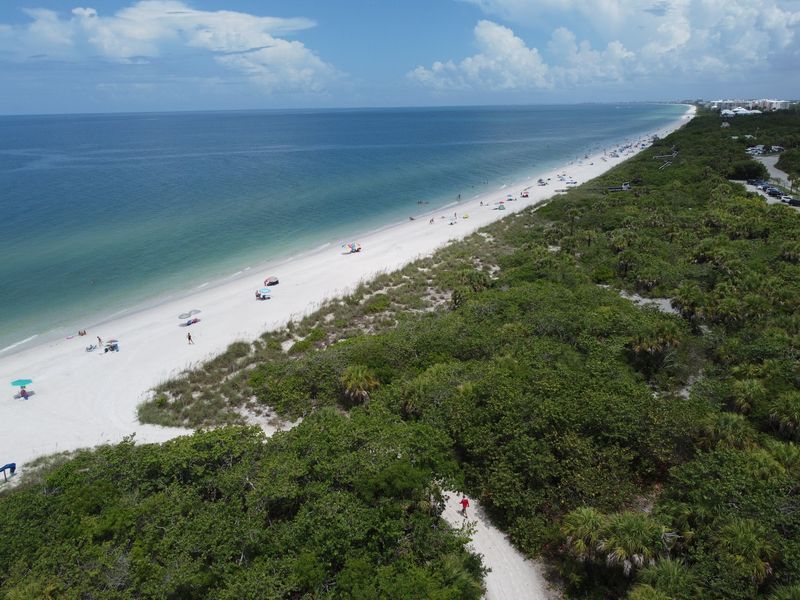
Bring goggles, not just a bucket. At Barefoot Beach County Preserve, you can swim out and spot living sand dollars and big starfish on the bottom.
The preserve protects an undeveloped barrier island, so the view skips the high-rise skyline. White sand stretches out into clear water, and the shallows hold plenty of shells.
Sand dollars show up in impressive numbers here. Leave the live ones alone, since only the bleached, empty ones are fair game for collectors.
Land lovers have options too. A learning center, a butterfly garden, and a walking trail make it easy to spend a whole day.
The trail suits kids, and dogs are allowed, which keeps family outings simple. Restrooms are on site, and parking includes paid lot spaces.
Collier County runs the preserve, and gates close in the early evening. Saturday mornings get busiest, while Tuesday and Wednesday evenings stay calm.
Bonita Springs sits between Naples and Fort Myers along the Florida Gulf Coast. After hurricane season storms, check preserve status first, because barrier islands can take a beating.
Address: 505 Barefoot Beach Blvd, Bonita Springs, Florida 34134
6. Mickler Beach
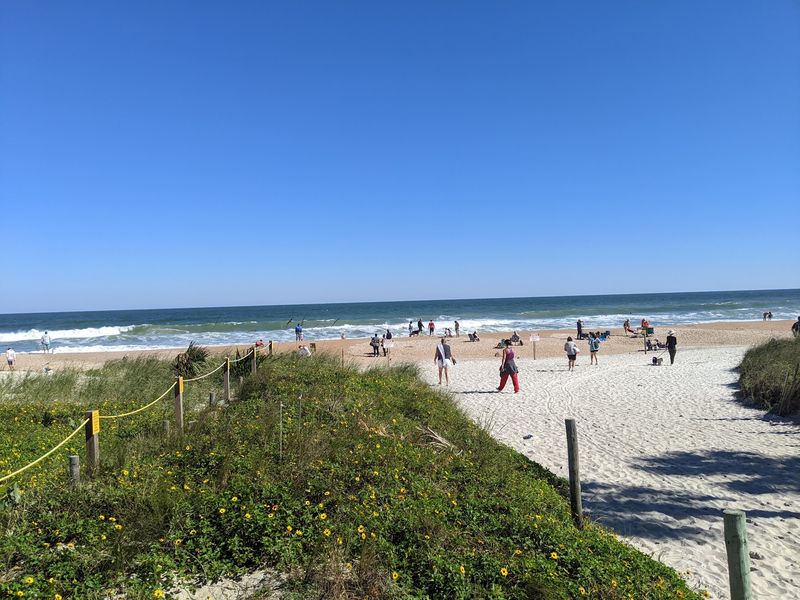
Atlantic beachcombers deserve some love too. Up near Jacksonville, Mickler Beach brings the shell game to Florida’s east coast.
The beach is popular for collecting shells and shark teeth. Your best chances come as the tide slips out, when intact shells and fossils get left behind.
Timing matters more than luck here. Check a tide chart before you go, then walk the wet line slowly and look for shiny black triangles.
Firm, clean sand also works great for sandcastles and beach games. A sandbar creates a small tidal pool, giving little swimmers a calmer place to splash.
Lifeguards are part of the setup, along with restrooms and showers. Accessible amenities help more visitors reach the sand comfortably.
Dogs are welcome, so your four-legged helper can join the hunt. Just don’t expect much help telling a shark tooth from a pebble.
Parking is free, which is always a nice surprise at a beach this close to a big city. Weekend mornings fill up fast, so weekday visits feel roomier.
After nor’easters or tropical storms, call ahead or check county updates. Then grab your bucket and beat the crowd.
Address: 4265 Mickler Rd, Ponte Vedra Beach, Florida 32082