Trilobite Fossils Turn Up In The Shale At This Pennsylvania State Park
Pennsylvania’s official state fossil is a trilobite with frog-like eyes, and at one state park you can go looking for it in loose shale beside a trail. No museum glass.
No velvet rope. Just you, a pile of crumbly rock, and creatures from a sea that vanished about 375 million years ago.
That sea once covered this part of Pennsylvania. Shallow, sunlit water swirled with filter feeders, sea lilies, and armored bugs that crawled the seafloor.
Waves piled their remains into beds that hardened into stone.
I like how ordinary the fossil pit looks at first. It’s a patch of gray rock that rewards patience instead of fancy gear.
Kids get dusty, grown-ups get competitive, and somebody always yells when a shell turns up.
So how does a quiet patch of woods end up holding an ancient ocean floor?
An Ancient Seafloor Hiding In Lebanon And Schuylkill Counties
Swatara State Park sprawls across 3,520 acres in Lebanon and Schuylkill counties. It sits north of Lebanon and west of Pine Grove, with creek valleys, ridges, and hemlock ravines all sharing one map.
Most Pennsylvania state parks lead with a lake or a beach. Swatara leads with a rail trail, a winding creek, and a fossil pit that turns hikers into amateur paleontologists.
The land tells two stories at once. Up top, you get fields, woods, and streams that support fishing, hunting, hiking, biking, horseback riding, and cross-country skiing.
Underneath sits something far older. The rock here formed during the Middle Devonian Period, when a shallow sea covered what is now central Pennsylvania.
That mix makes the park easy to sell to almost anyone. A cyclist gets miles of flat gravel, while a curious ten-year-old gets a shot at holding a fossil older than the dinosaurs.
It’s also a straightforward drive for plenty of the state. Harrisburg sits roughly 30 to 40 minutes away, and Interstate 81 runs close by.
You won’t find a giant visitor complex or a swimming beach. What you will find is space, trails that connect in every direction, and a surprising amount of deep time underfoot.
Pennsylvania’s State Fossil Has Frog Eyes And A Fan Club
Meet Phacops rana, a trilobite with bulging compound eyes and a name that translates loosely to frog. Pennsylvania picked it as the official state fossil, and Swatara State Park sits right in its home turf.
Trilobites were arthropods, which puts them on the same broad family tree as crabs and insects. Their bodies split into three lengthwise lobes, giving the group its name.
These little armored critters crawled across shallow ocean floors for ages. When this region lay underwater, they shared the neighborhood with clams, sea lilies, and plenty of other shelled residents.
Here’s the fun part for fossil hunters. Trilobites shed their shells as they grew, much like crabs do today.
That means one animal could leave several pieces behind over its lifetime. So a half-shell or a lone head piece still counts as a real find.
Complete, rolled-up specimens get the most attention, but they don’t show up on every visit. Patience and a sharp eye matter more than luck.
Even a fragment carries serious bragging rights. Very few souvenirs can claim roughly 375 million years of history and a spot on the state’s official symbol list.
The Fossil Pit On Bear Hole Trail Is Where The Digging Happens
Bring gloves, not a jackhammer. The Suedberg Fossil Site along Bear Hole Trail is made of shale-like rock that breaks apart with surprisingly little effort.
That loose texture is the whole appeal. Layers split open in your hands, and fossils can appear right on the fresh surface.
Gloved hands often do the job just fine. A small shovel helps, and some folks bring rock hammers and chisels for stubborn pieces.
If you swing a hammer, wear eye protection. Shale flakes fly in unpredictable directions, and safety glasses are cheap insurance.
Collecting is allowed here, which feels almost too generous. The park asks visitors to limit how much they take so future hunters still have a shot.
That rule makes sense once you see the setting. The pit is a shared treasure chest, not a personal quarry.
Families often make this the centerpiece of a hike. Kids tend to treat every speck as a possible trilobite, and honestly, that enthusiasm is half the fun.
A small container or egg carton keeps fragile pieces safe for the walk back. Label them with the date, and you’ve got the start of a real collection.
More Than Trilobites Live In That Gray Rock
Think of the shale as a crowded aquarium frozen in stone. Trilobites get the headlines, but the supporting cast is huge.
Brachiopods are the most common neighbors. These shelled animals look a bit like clams, though they belong to a completely different group.
Crinoids show up too. They were sea lilies, animals that looked like plants, and their stems often break into little disc-shaped segments.
Eurypterids, sometimes called sea scorpions, have also been recorded from the park’s fossil sites. Finding one would be a very good day.
The rock itself explains the abundance. Olive-gray siltstones and claystones of the Upper Mahantango Formation formed on a shallow, sunlit seafloor.
Filter-feeding creatures thrived in that calm water. Over time, wave action swept their remains together into concentrated fossil beds.
That’s why one chunk of rock can hold several species at once. Turn a piece over slowly, and you may spot a shell, a stem, and a mystery bump side by side.
A pocket field guide to Devonian fossils turns guesswork into identification. It also gives kids a reason to keep looking long after the snacks run out.
A Flat Rail Trail Built For Easy Miles
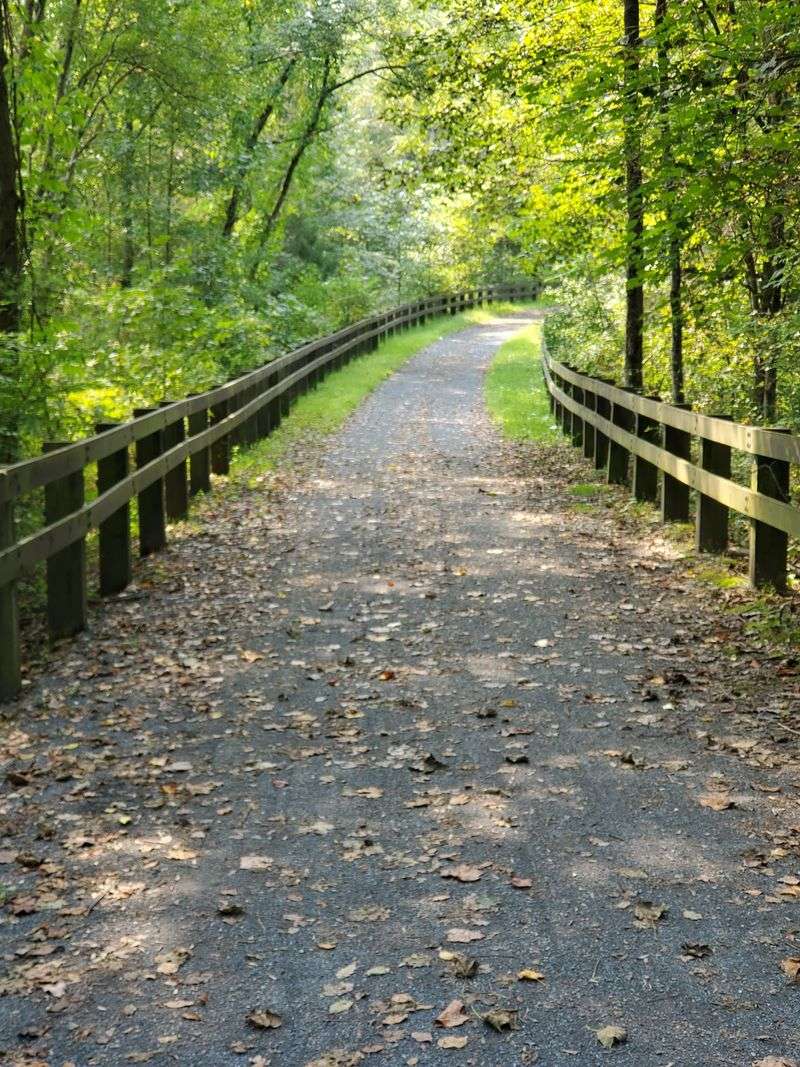
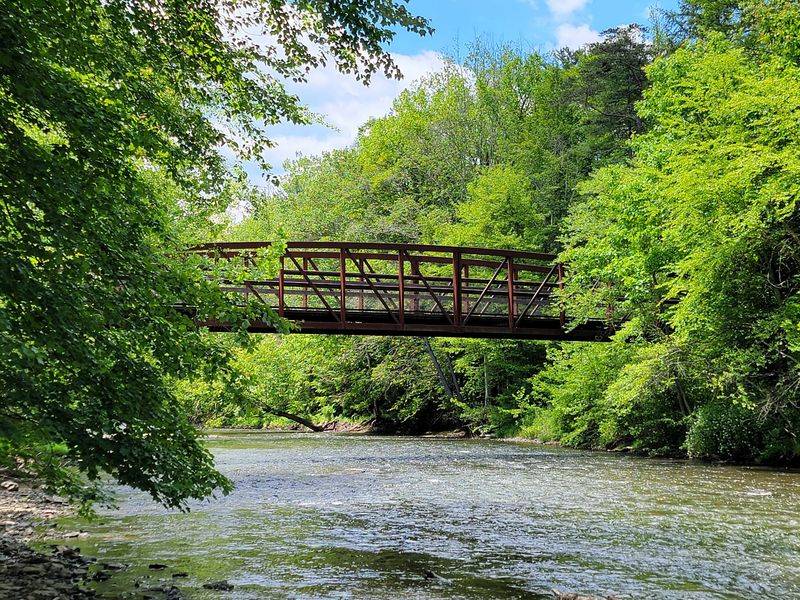
Bikes rule the Swatara Rail Trail, and it’s easy to see why. The 10-mile crushed limestone path stays wide, gentle, and mostly flat as it follows the Swatara Creek valley.
Walkers, runners, and dog owners share it happily. Winter can bring cross-country skiers when snow cooperates.
The old rail grade means few surprises. You get steady pedaling, shady stretches, and creek views without lung-busting climbs.
Shade matters in July. Much of the route sits under trees, which keeps summer outings more comfortable than an open road ride.
Several parking areas give you options. Sand Siding is a popular starting point, with a bridge that crosses the creek and links to Bear Hole Trail.
That bridge connection is the secret to a great loop. Ride or walk the rail trail, cross over, and head toward the fossils and the cabin.
Gravel tires handle the surface well, though plenty of hybrid bikes manage fine. Skinny road tires may feel a little twitchy on loose spots.
Horseback riders can use certain sections, so keep an ear out. A friendly hello as you pass keeps everyone, horses included, relaxed.
A Log Cabin And A Waterfall Waiting In The Woods
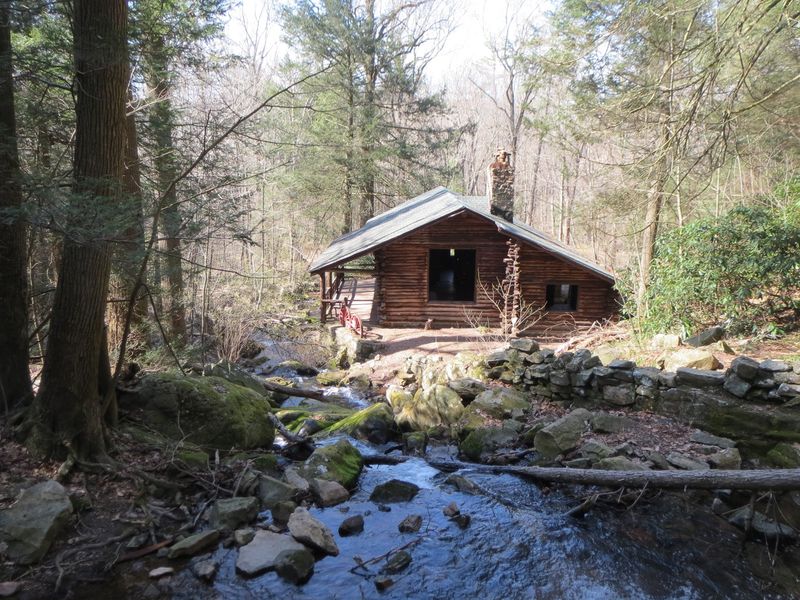
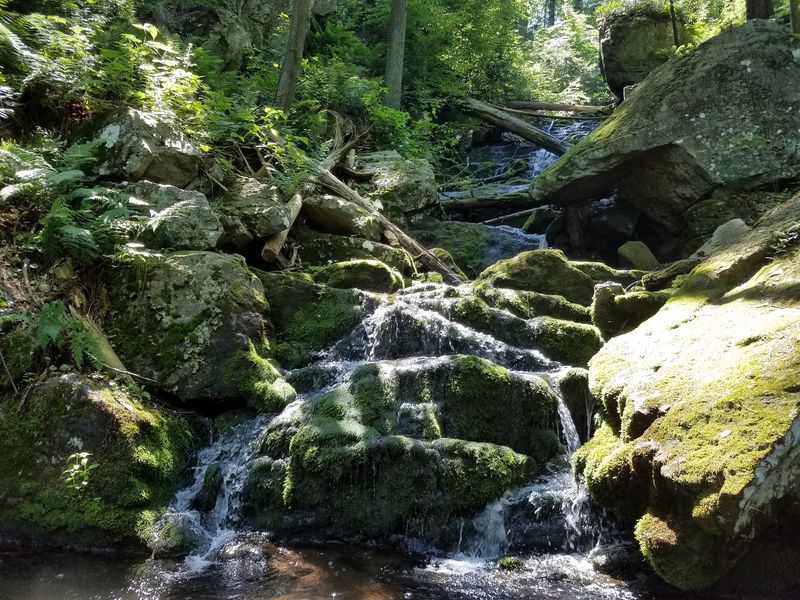
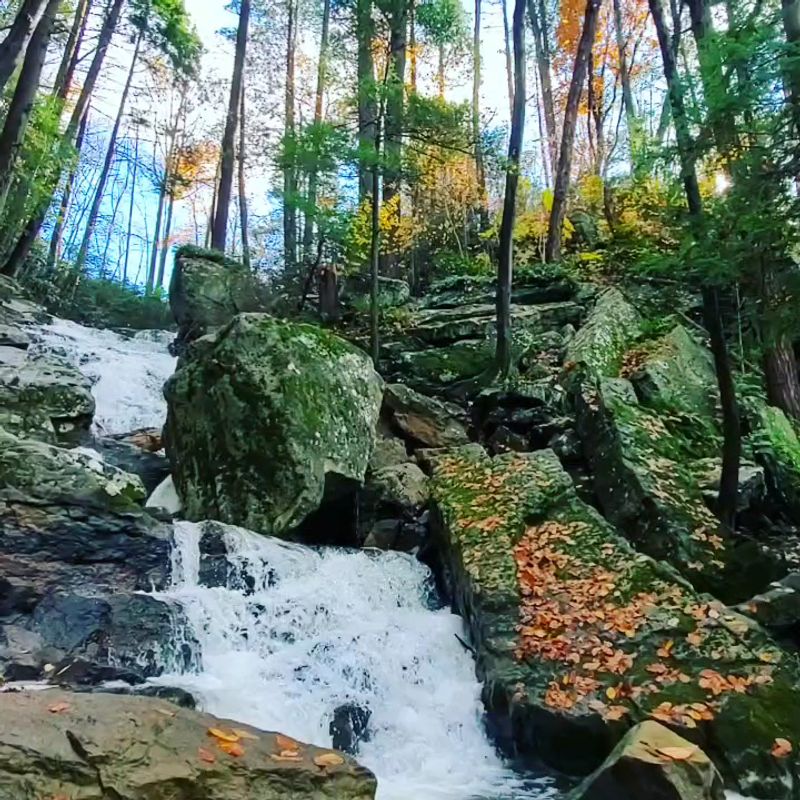
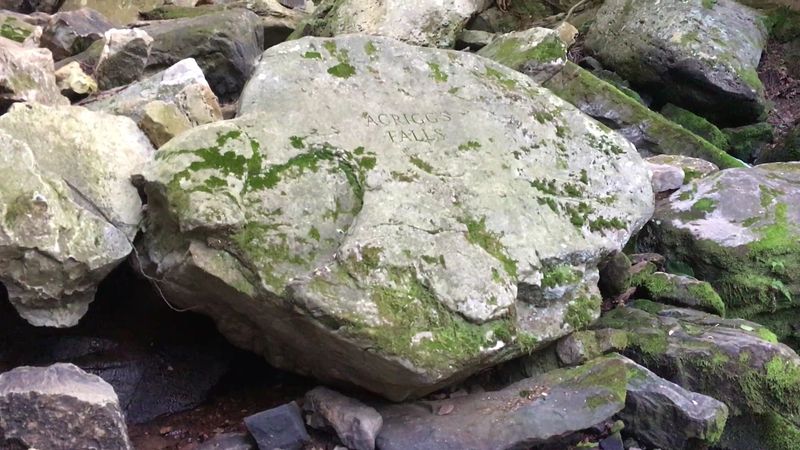
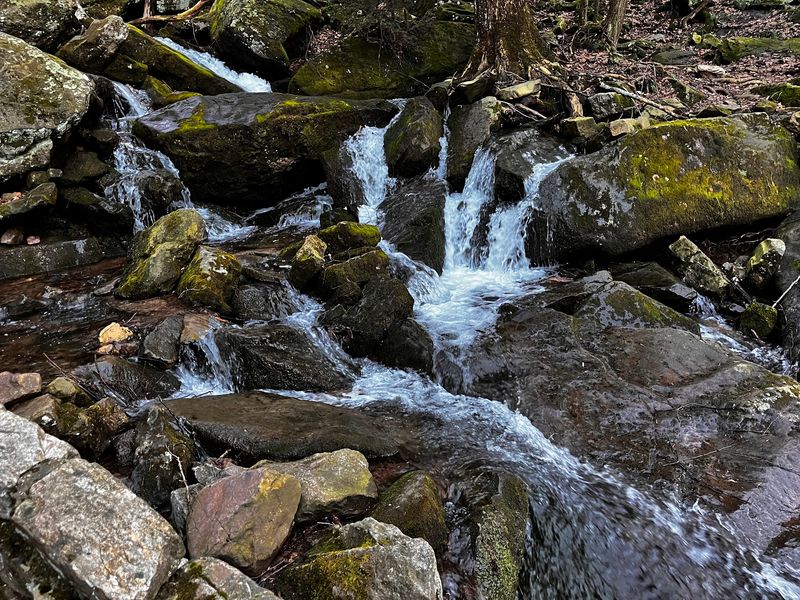
Few trails end with a house in the woods, but Bear Hole Trail does. Bordner’s Cabin sits along the route, and nearby Aycrigg’s Waterfall adds a soundtrack.
The cabin has become one of the park’s favorite destinations. You can walk through it and use it as a picnic stop.
Bear Hole Trail runs about 4.8 miles point to point and is rated more difficult overall. Many folks just hike a shorter section to reach the cabin.
From the Sand Siding parking area, the round trip to the cabin runs roughly three miles. The path stays wide and fairly level for most of the way.
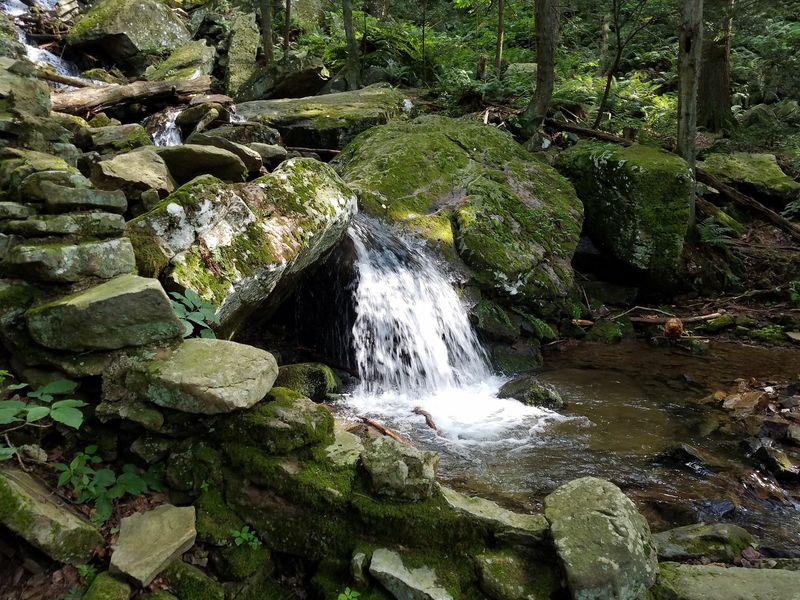
Water flow depends on the weather. After dry spells, the stream near the cabin can shrink to a trickle, so spring usually offers the livelier falls.
Pairing the cabin with the fossil pit makes a smart outing. You get history, a picnic spot, and ancient sea creatures in one loop.
Pack lunch for this one. Eating a sandwich on the porch of a woodland cabin beats a food court every single time.
Old Canals, Historic Bridges, And Ruins Along The Way
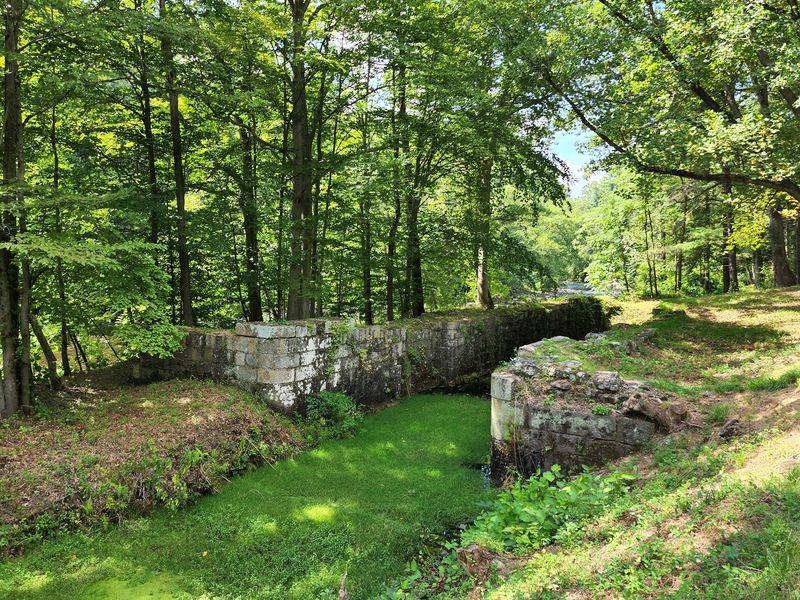
Long before bikes rolled through, this valley moved freight. Remnants of the old canal system still show up around the park, including a canal lock reached by the Mifflin Trail.
Those leftovers give a hike a little detective work. Stone walls, foundations, and old roadbeds pop up when you least expect them.
The Waterville Bridge is the showpiece. This historic truss bridge spans Swatara Creek and makes a great photo stop.
Abandoned roads crisscross parts of the park too. They add to the feeling that people lived and worked here long before it became a recreation area.
It’s a nice counterpoint to the fossils. One hike can jump from 375 million years ago to the canal era in a few miles.
Kids may not care about canal engineering at first. Show them a massive stone lock in the woods, though, and questions usually follow.
Trail markings can be sparse in places, so a downloaded map helps. The park office can also offer directions during business hours.
History buffs could build a whole day around these features. Throw in the fossil pit, and it starts to feel like a time-travel scavenger hunt.
Swatara Creek Brings The Paddling And Fishing
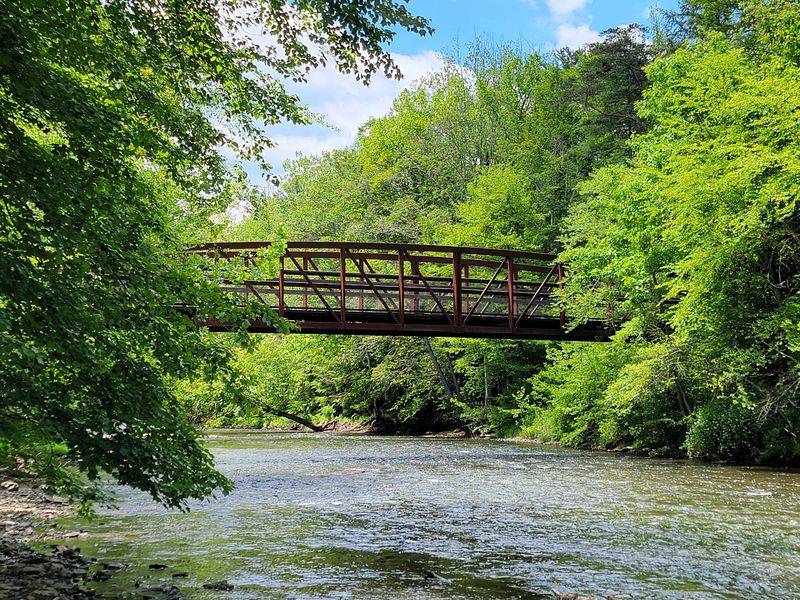
Eight miles of Swatara Creek wind through the park, and that water changes the whole mood. Kayaks, canoes, and tubes all make sense here when conditions allow.
The current is generally mellow, but levels rise and fall with rain. Check conditions before launching, especially in spring.
Anglers get their share too. The creek supports fishing through the seasons, and a Pennsylvania fishing license is required for anglers who need one.
Not into boats or rods? Plenty of folks simply wade in on hot days or perch on a rock by the bank.
The creek also frames the best views on the rail trail. Bridges cross it at several points, giving you wide looks up and down the valley.
Wildlife likes the water as much as people do. Deer, turkeys, rabbits, and squirrels all turn up in the surrounding woods and fields.
Birders get a bonus thanks to geography. The park lies just south of the Kittatinny Ridge, an important migration route for hawks and songbirds.
Toss binoculars in the car along with your fossil gloves. Between birds overhead and trilobites underfoot, there’s always something worth spotting.
Ridges, Ravines, And A Slice Of The Appalachian Trail
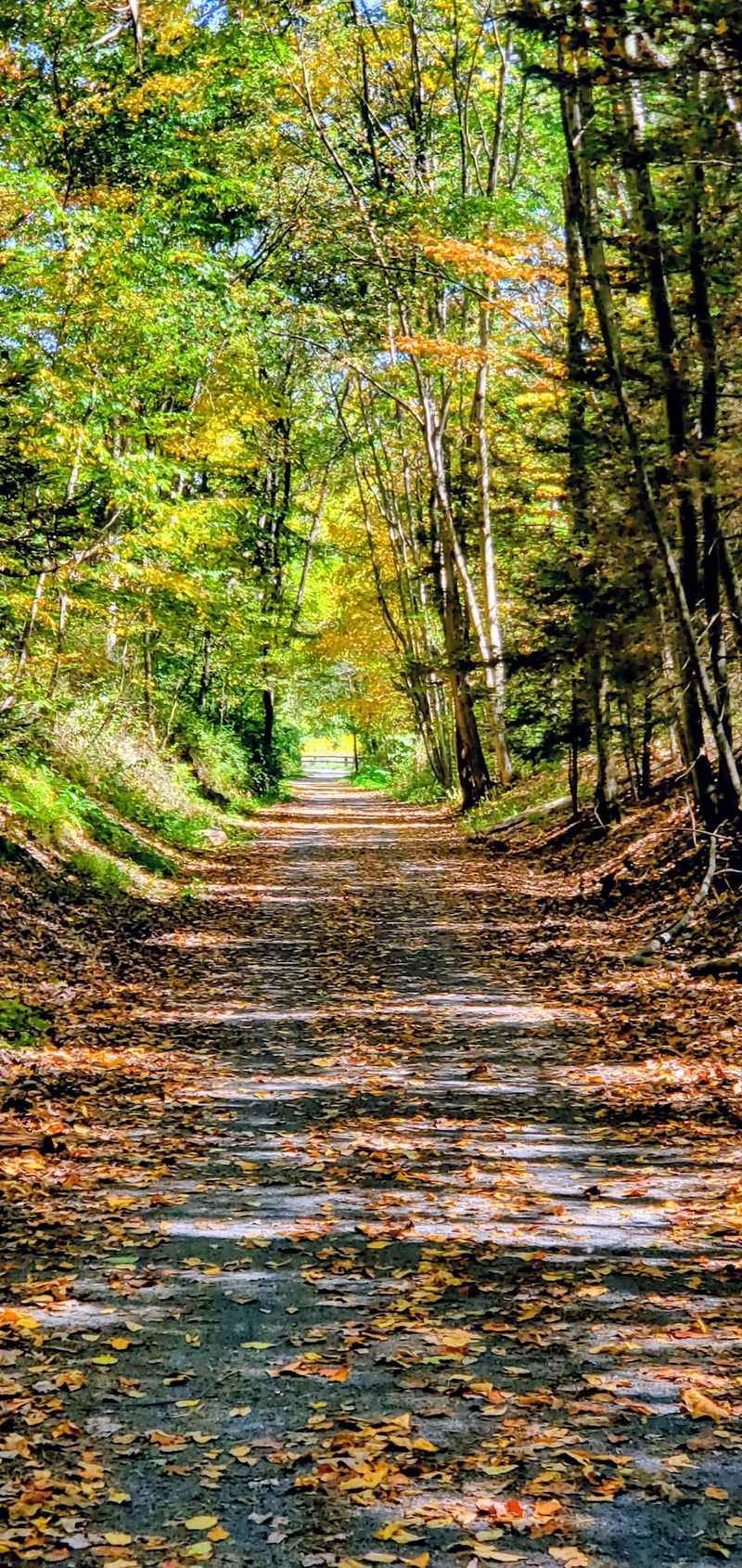
Thirty-plus miles of trails give Swatara State Park serious range. Some paths stay flat and friendly, while others climb through hills and curves.
The Appalachian Trail crosses the park along the ridge tops. That means you can say you hiked part of the famous footpath without committing to Georgia or Maine.
Hemlock ravines offer cool, shady pockets. Mature forest and open fields create a nice mix of scenery on a single outing.
Horseback riding is allowed on designated routes. Most trails are dog-friendly as well, so the whole crew can come.
The trail network connects in clever ways. You can link short walks into a long day without retracing too many steps.
Hunting is permitted in parts of the park during seasons. Wearing fluorescent orange in the fall is a smart, simple habit.
Families with younger kids may want to stick near the rail trail and the fossil pit. Stronger hikers can tackle the ridges and stack up the miles.
Either way, it’s hard to run out of options. Visiting several times a year still leaves new corners to explore.
Getting There, Parking, And What To Pack
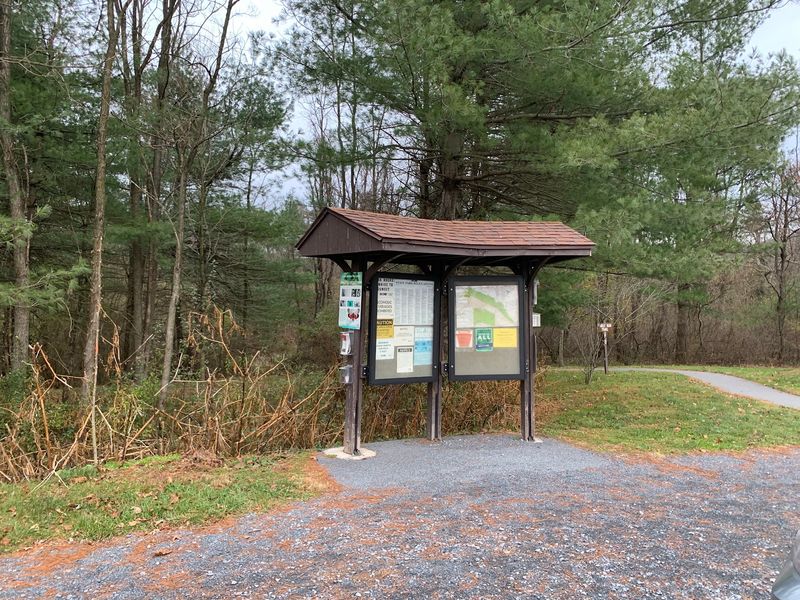
Plug in 1450 Suedberg Road, Pine Grove, PA 17963, and you’ll reach the park area. Multiple trailheads spread across the property, so pick one based on your plan.
Sand Siding works well for the cabin and fossil loop. Other lots sit along the rail trail for easy biking access.
Entry is free, and parking at the lots costs nothing too. That makes it a budget-friendly outing for families and retirees.
Restroom setups vary. Some lots have bathrooms, while others offer a portable toilet or nothing at all.
Information kiosks help with orientation. Still, trail signs can be thin, so a phone map or printed copy is wise.
The park asks visitors to limit disposable items. Carry out all trash and recyclables, since this is a pack-in, pack-out kind of place.
For fossil hunting, pack gloves, a small shovel, eye protection, and a container. Sturdy shoes and water round out the list.
The park is open year-round, but office hours and conditions shift. Check ahead before making the drive, especially in hunting season or after heavy rain.
Why A Pocketful Of Shale Makes The Perfect Souvenir
Most day trips end with a photo. A visit to Swatara State Park can end with a piece of an ancient ocean in your pocket.
That’s a rare thing to offer in Pennsylvania. Plenty of parks have trails and creeks, but few let you collect fossils right beside the path.
The appeal stretches across ages. Kids get a treasure hunt, cyclists get flat miles, and history fans get canals, bridges, and a cabin.
It also feels refreshingly low-key. No tickets, no lines at a gift shop, just woods and rock and room to wander.
I can’t think of a better way to explain deep time to a curious kid. Hand them a brachiopod and tell them it outlasted the dinosaurs by a long stretch.
Go gently with the collecting, though. Taking a few pieces keeps the magic alive for the next family.
Spring brings fuller waterfalls, while fall brings color along the creek. Summer shade and winter quiet each have their own charm, too.
Whenever you go, keep your eyes down at that fossil pit. Somewhere in the shale, a frog-eyed trilobite might be waiting.