Why Thousands Of Visitors Climb This 470-Foot Idaho Sand Dune Rising From The Desert
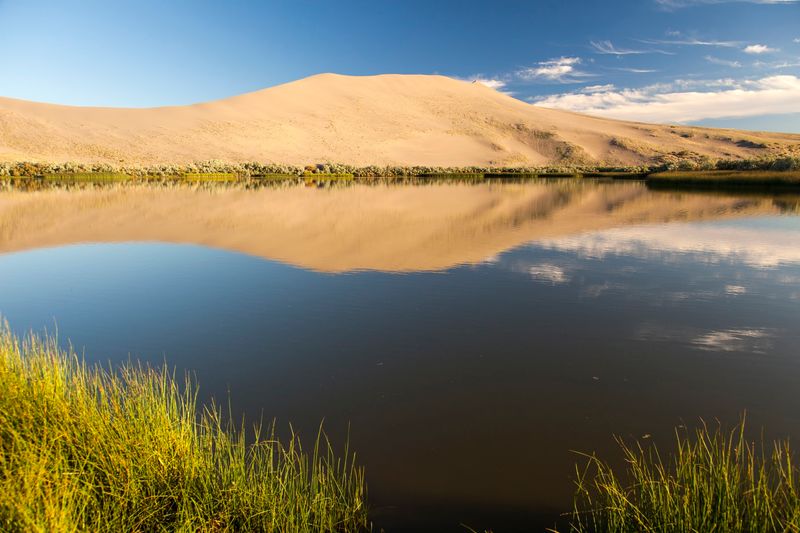
A single pile of sand in southern Idaho stands about 470 feet tall, and it refuses to wander off. That makes it taller than any building in downtown Boise, which feels a little rude for something made of loose grains.
It’s called the tallest single-structured sand dune in North America. Winds blowing from opposite directions keep shoving the sand back into the same spot, so this giant has held its ground for thousands of years.
I like how the payoff comes in two parts. You earn the summit one sliding step at a time, then you get to race, sled, or board straight back down the slope.
After dark, the whole place changes jobs. Telescopes come out, scorpions glow under blacklights, and the desert sky fills with more stars than most of us ever see.
So how did a dune this big end up so far from any ocean?
A Desert Giant You Can Spot An Hour From Boise
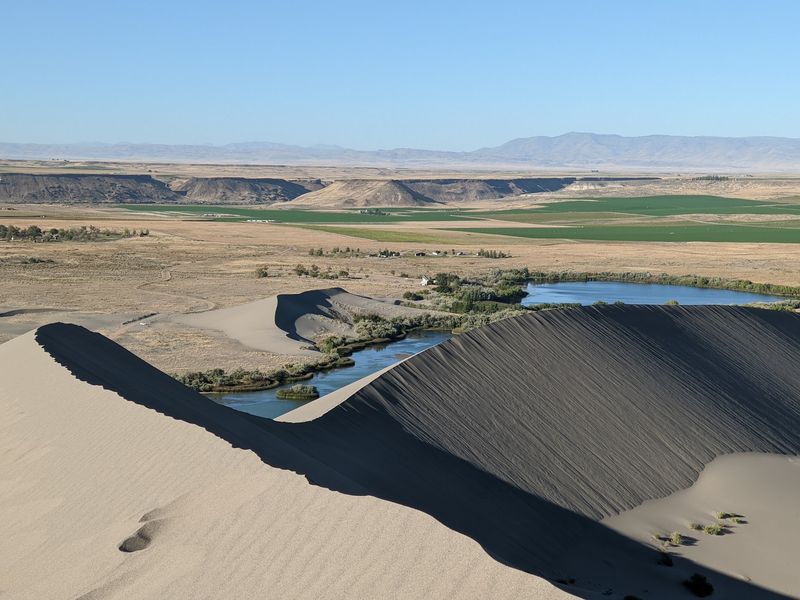
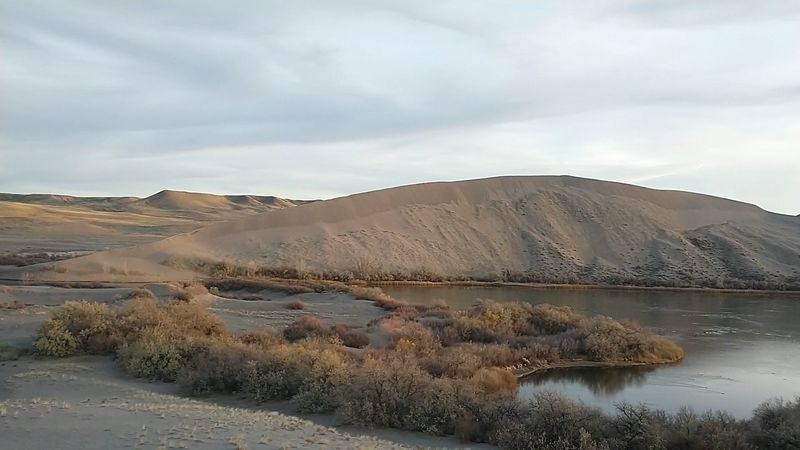
Few people expect a mountain of sand in the Owyhee County desert. Yet Bruneau Dunes State Park holds exactly that, rising from the sagebrush south of Mountain Home in southwest Idaho.
The star is a single dune about 470 feet tall. It’s widely described as the tallest single-structured sand dune in North America, which is a big title for a place many Idahoans have never visited.
The park sits roughly an hour from Boise and the Treasure Valley. That puts it squarely in day-trip territory, with no flight and no overnight bag required.
Getting there means leaving the main highway for a short ride on quieter roads. Then the dunes appear, pale and smooth against the brown desert, looking a little like they took a wrong turn.
Beyond the big dune, the park offers hiking trails, small lakes, camping, a visitor center, and an observatory. It’s a lot of variety for one patch of the Snake River Plain.
So the climb is the headline, but it’s far from the whole story. Plenty of families come for the sand and leave talking about the stars.
How An Ancient Flood Left Sand Behind For Centuries
Blame a very old flood for this sandy surprise. Much of the sand here traces back to the Bonneville Flood, which roared through the Snake River Plain roughly 15,000 years ago.
That flood dropped sand across the region. Over time, wind gathered it into a natural basin, and the dunes began to build.
Here’s the clever part. Prevailing winds blow from the southeast and northwest, so they push the sand back and forth instead of carrying it away.
The result is a dune that grows tall rather than marching across the desert. Most dunes around the world creep along with the wind, but these largely stay home.
Geologists find that unusual. Regular folks just find it handy, since the giant sits in the same place every time you drive out.
Knowing the backstory makes the climb feel different. Each handful of sand under your shoes may have traveled a long way before settling into this Idaho basin.
It’s a nice reminder that southern Idaho’s flat-looking desert hides a dramatic past. The dune is basically a souvenir from an epic event, still standing for anyone curious enough to visit.
Your Calves Will Feel Every Step Of The Climb
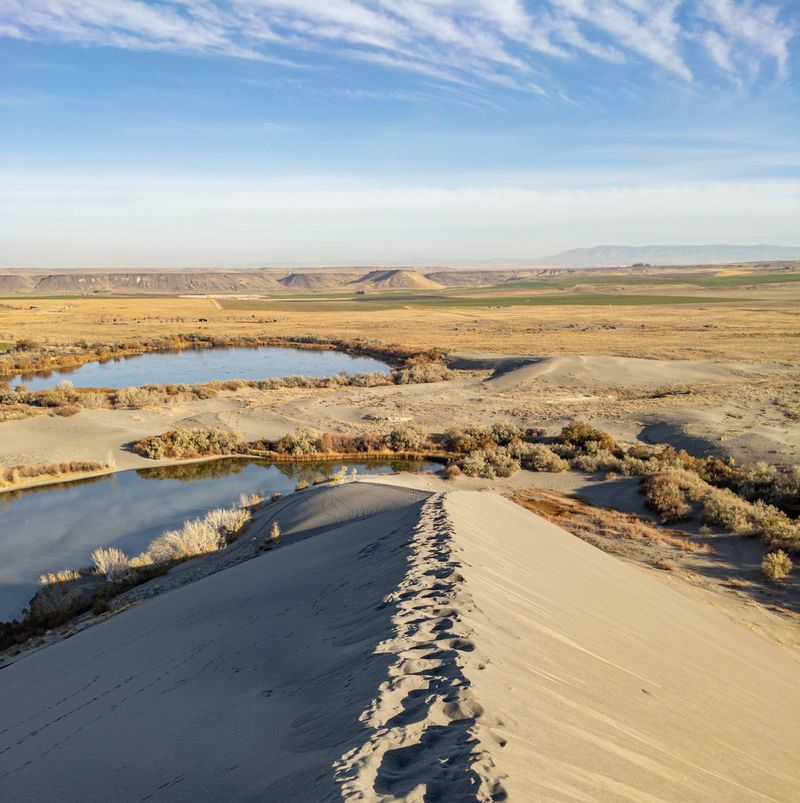
Two steps up, one step sliding back. That’s the basic rhythm of climbing the big dune, and nobody gets a shortcut.
The slopes are steep, and loose sand eats your momentum. It takes some cardio and leg muscle, so pace yourself and stop to breathe whenever you need it.
The smart move is to follow the ridgelines. Crests tend to offer firmer footing than the soft faces, though nothing here counts as easy.
Timing matters even more than route. The sand heats up quickly on sunny days, so early morning or evening climbs feel far more pleasant than a midday slog.
Bring plenty of water, sunscreen, and shoes you don’t mind filling with sand. You’ll be shaking grains out of them long after the drive home.
Wind is part of the deal too. Gusts can pick up, so sunglasses help keep sand out of your eyes.
The reward waits at the top. A narrow crest, a wide-open desert, and that proud feeling of conquering a 470-foot hill made of stuff that kept slipping under you.
Then comes the fun part: getting down.
The Ride Down Is Pure Sandy Joy
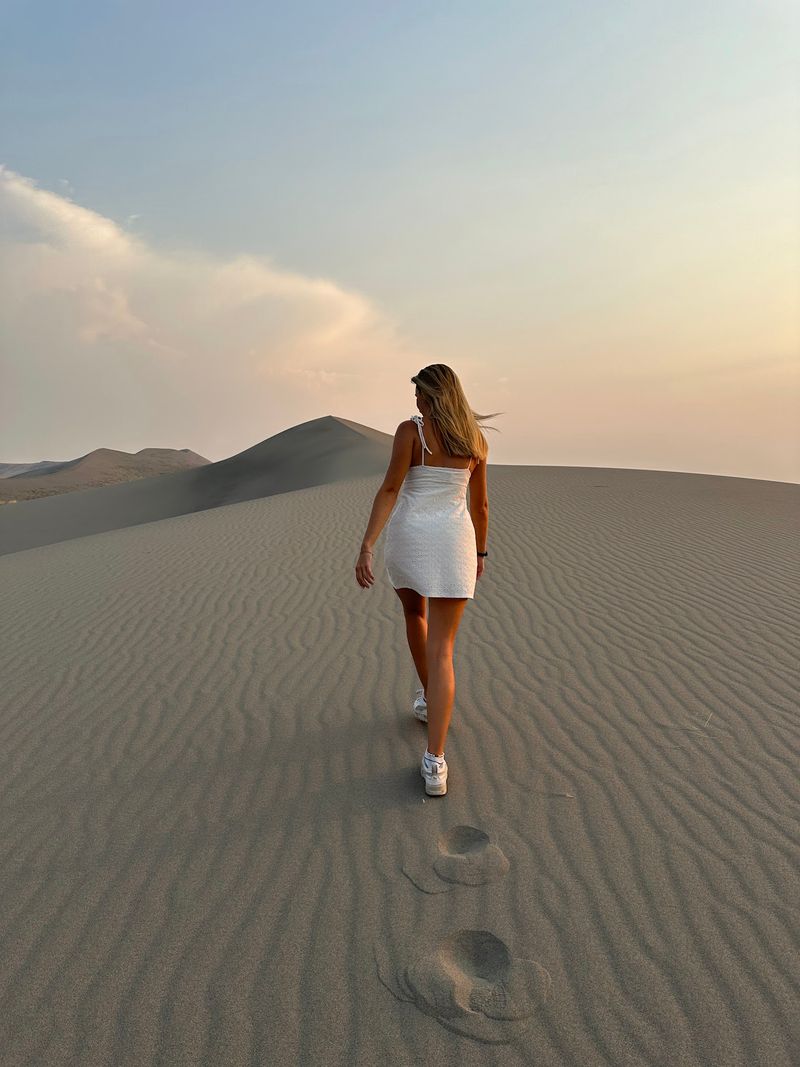
Gravity finally starts working for you on the way down. Sandboarding and sledding are two of the most popular things to do at Bruneau Dunes State Park.
The visitor center rents sand boards and sleds for a modest fee. Rentals follow seasonal hours, so check before driving if your heart is set on one.
Heat plays a role here as well. Rentals stop when temperatures climb too high, which is one more reason to arrive early on summer days.
Snowboard fans will notice a familiar stance. The sand moves slower than snow, though, so expect a gentler ride and maybe a few graceful tumbles.
Sleds work well for kids and anyone who prefers sitting down. Some visitors bring their own sleds, and the slopes welcome them.
Of course, the simplest option costs nothing extra. Running full speed down a dune face brings back a kind of recess-level happiness that adults rarely get to feel.
Every ride ends with the same small problem. You have to hike back up if you want another turn, and somehow that never stops anyone.
Small Lakes Make An Unexpected Oasis
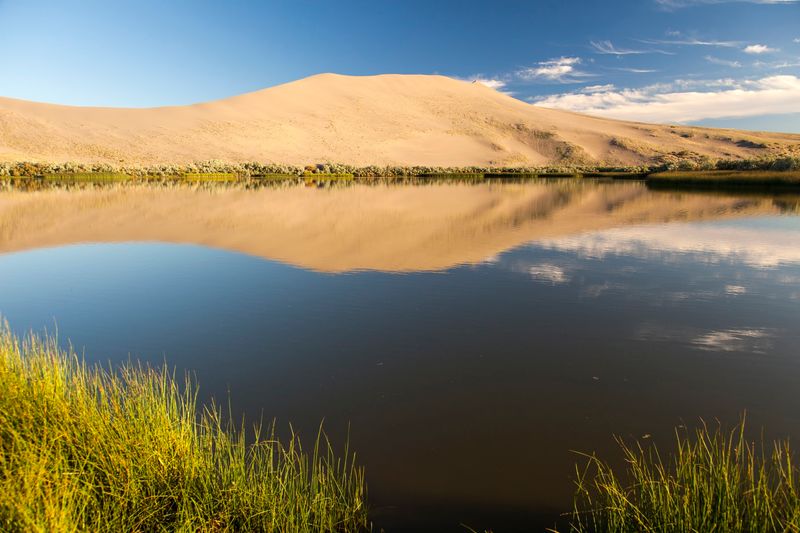
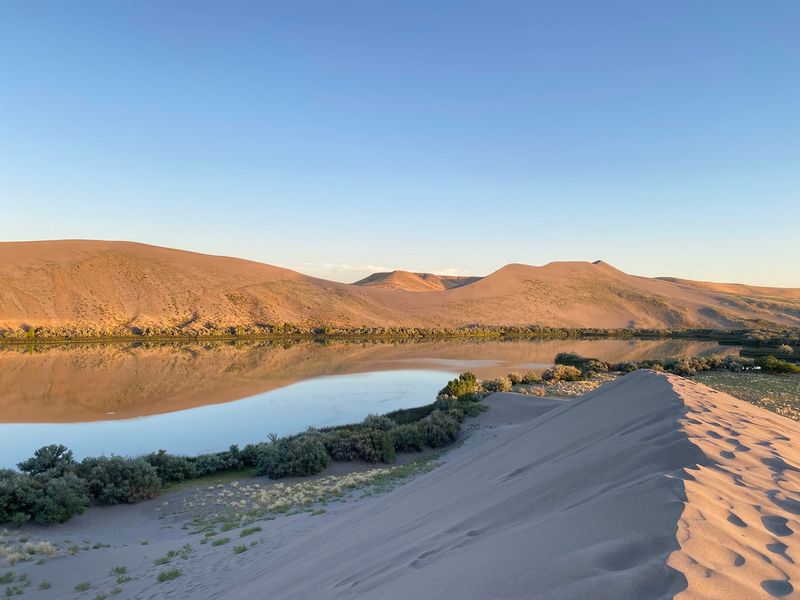
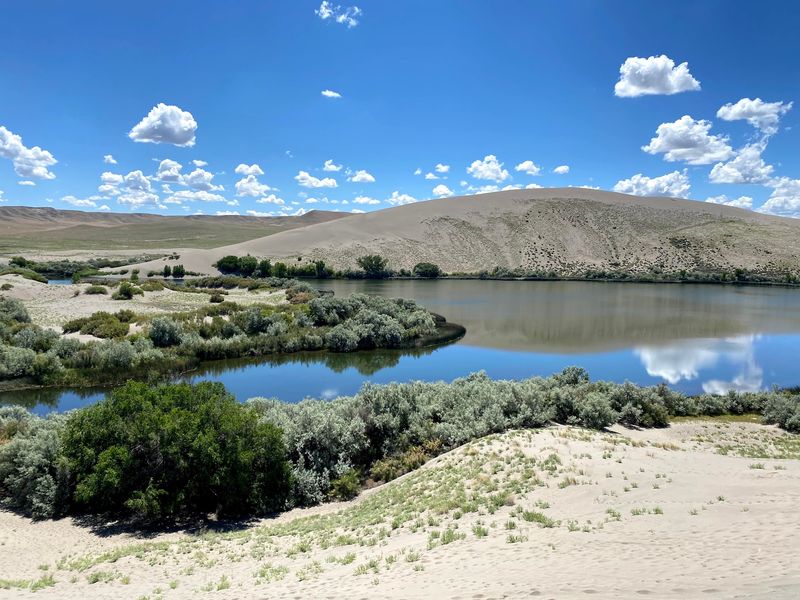
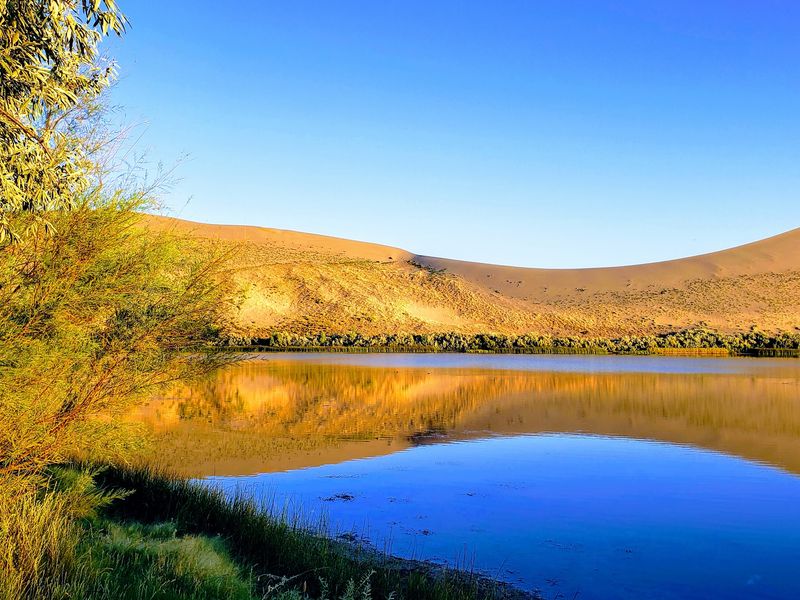
Water at the foot of a desert dune sounds like a mirage. At Bruneau Dunes, it’s real, with small lakes resting right at the base of the sand.
The view from the summit shows it best. Blue water against tan sand creates a scene that looks borrowed from a much more tropical postcard.
The lakes add plenty to do. Fishing is popular, and calm days work nicely for paddleboards or small non-motorized boats.
Birds appreciate the water too. Bird watchers find the mix of lake, marsh, and desert habitat especially rewarding.
Shaded picnic spots near the water offer a break from the sun. Grassy areas give kids room to roam after a sandy morning.
One fair warning belongs here. Where there’s water, there are mosquitoes, and they show up in force around sunset.
Pack repellent and long sleeves for evening hours. A little prep keeps the bugs from stealing the spotlight from those golden lake views.
The contrast is what makes it memorable. Few places in Idaho let you climb a giant dune and then cast a line minutes later.
Telescopes Turn The Night Into The Main Event
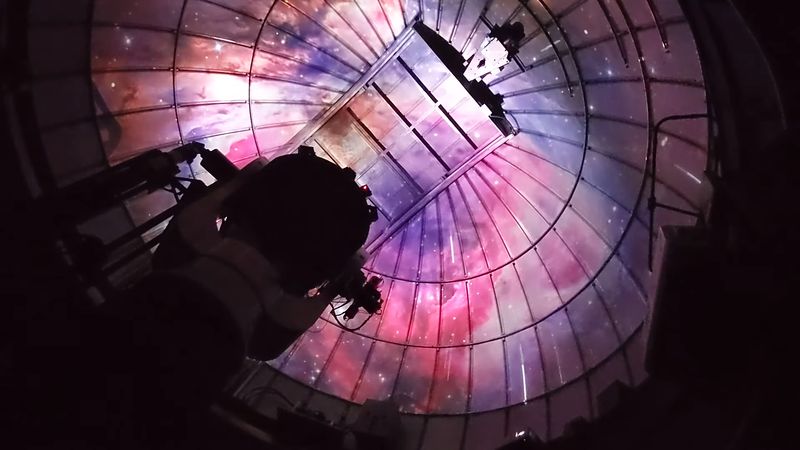
Darkness is a feature here, not a problem. Bruneau Dunes State Park is home to the Bruneau Dunes Observatory, one of the best public stargazing spots in Idaho.
Far from big-city lights, the sky fills with stars. The Milky Way can stretch overhead on clear, moonless nights.
The observatory hosts public programs on weekend evenings during its season, which typically runs from spring into October. Schedules shift, so check before driving.
Programs often start with a presentation indoors. Then guests head outside to peek through large telescopes at planets, star clusters, and other deep-sky sights.
Popular nights can fill up, so arriving a little early makes sense. A modest program fee applies, separate from park entry.
White lights are discouraged near the observatory after dark. Red flashlights keep everyone’s night vision sharp, so bring one if you can.
Late summer draws plenty of sky watchers. Meteor showers in August add extra excitement to already clear desert nights.
Pack a jacket, even in summer. Desert evenings cool off fast, and you’ll want to stay for one more look through the eyepiece.
Glowing Scorpions Steal The Late-Night Show
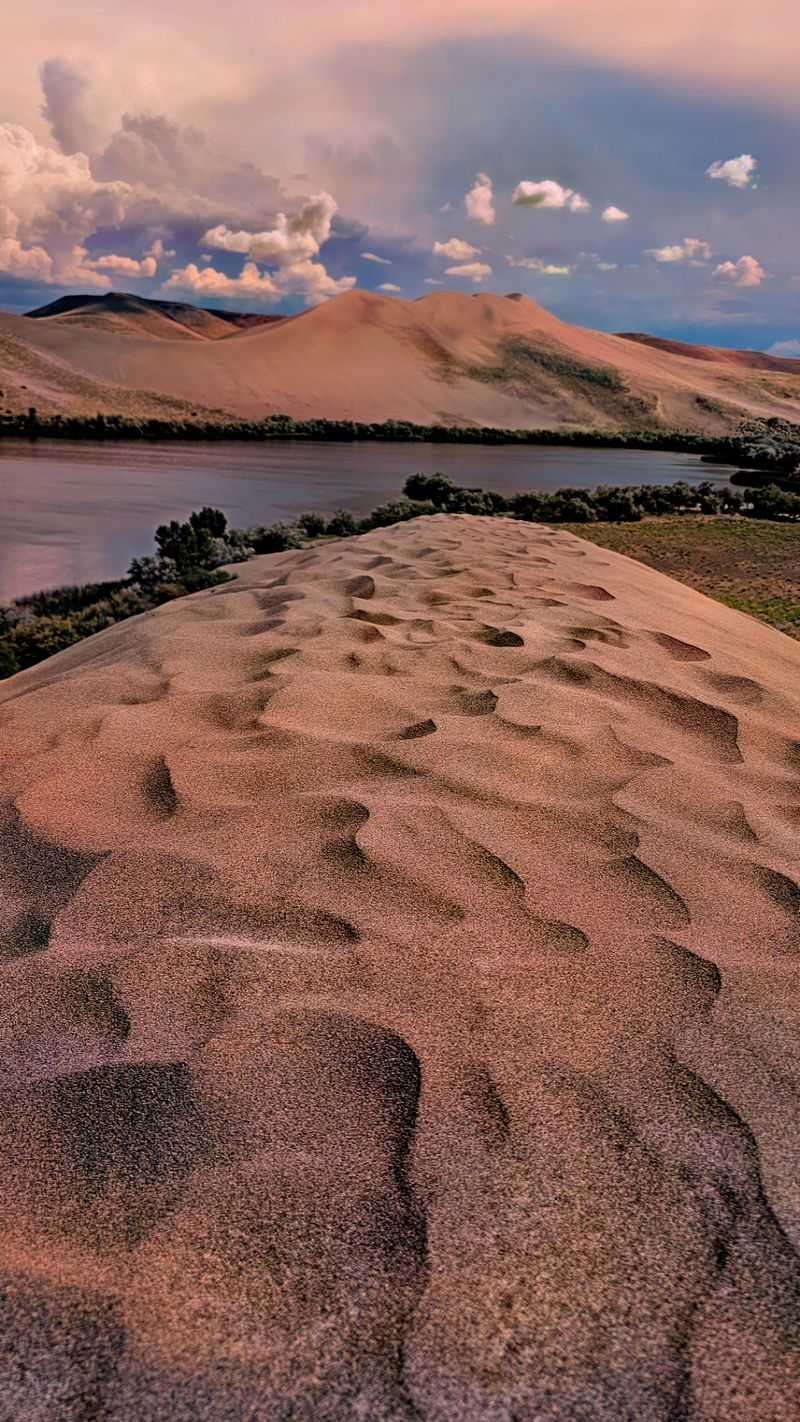
Scorpions that glow in the dark sound like a sci-fi plot. Under a blacklight, though, the little desert scorpions near the dunes light up a bright blue-green.
Visitors sometimes bring ultraviolet flashlights to search for them after sunset. Some evening programs have paired telescope viewing with guided scorpion walks.
Kids tend to find this part unforgettable. It’s a nature lesson that feels a lot more like a treasure hunt.
Look, don’t touch, of course. Watching from a respectful distance keeps everyone happy, scorpions included.
The desert has other night residents too. Coyotes may call in the distance, and the calm air carries their voices across the basin.
Daylight brings its own wildlife roster. Lizards, snakes, and even pronghorn can turn up around the park.
Closed-toe shoes make sense for any after-dark wandering. A good flashlight with a red mode helps you move around without spoiling anyone’s stargazing.
So when the sun drops, don’t rush back to the car. The quiet hours reveal a side of southern Idaho that day-trippers often miss entirely.
Fossils And Friendly Rangers Wait Inside
Before the climb, stop at the visitor center. It’s the hub for rentals, park info, and a surprising amount of natural history.
Exhibits include fossils and mounted wildlife from the region. Panels explain how the dunes formed and what lives in this desert.
Staff can point you toward trails, lakes, and the best times to climb. It’s a helpful first stop, especially for first-time visitors.
A small gift shop offers souvenirs, and it’s a handy spot for picking up a little something for folks back home. Kids usually find a reason to linger.
Clean restrooms sit nearby too. After a dusty morning on the sand, that counts as real luxury.
Outside, look for the human sundial. Stand in the right spot, and your own shadow tells the time.
You can also pay park fees here. Idaho state parks charge a few dollars per vehicle for day use, and fees can change, so check before driving.
Fill water bottles and grab a map before heading out. The dunes don’t have a snack bar, so a little planning goes a long way.
Trails Wind Past Sand, Sage, And Water
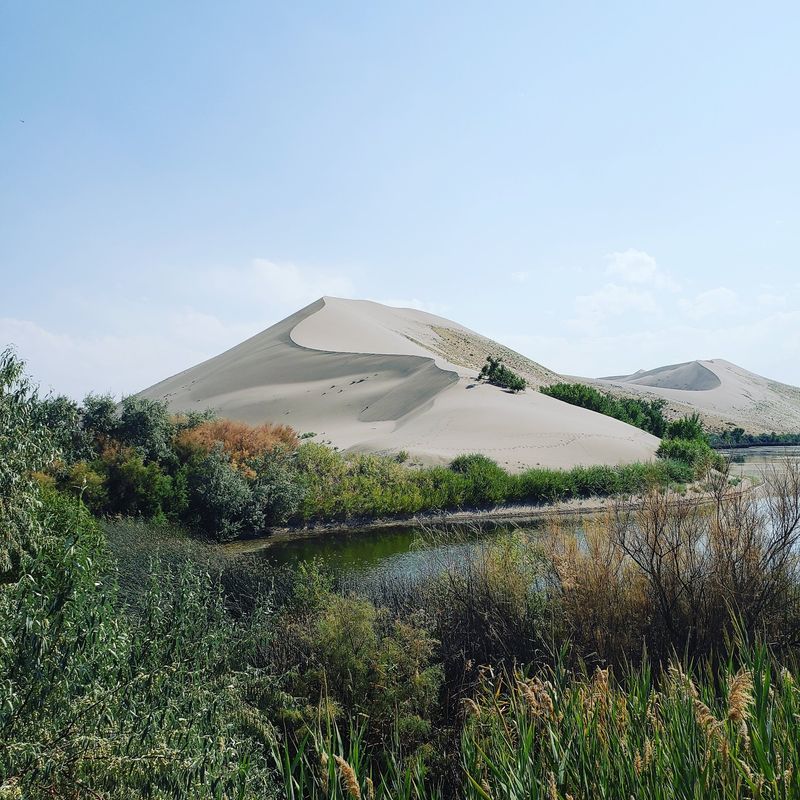
Not every adventure here goes straight up. Several hiking trails loop through Bruneau Dunes State Park, linking campgrounds, lakes, dunes, and the observatory.
Routes range from easy walks to longer treks across the sand. That variety works well for mixed groups with different energy levels.
One popular loop circles the dunes and lakes. It shows off the landscape from many angles without requiring a full summit push.
Equestrian trails are also part of the park. Horse owners get a rare chance to ride through dune country without leaving Idaho.
Morning is the sweet spot for hiking. Temperatures stay cooler, light hits the sand ripples beautifully, and wildlife tends to be more active.
Carry a map from the visitor center. Signage can be sparse in places, and sandy paths can blur together.
On clear days, snowcapped mountains appear in the distance. Pairing those peaks with rolling dunes creates a view that feels almost too good to be one place.
Water, a hat, and sturdy footwear round out the checklist. The desert rewards preparation, and it can punish wishful thinking.
Two Campgrounds Keep You Close To The Sand
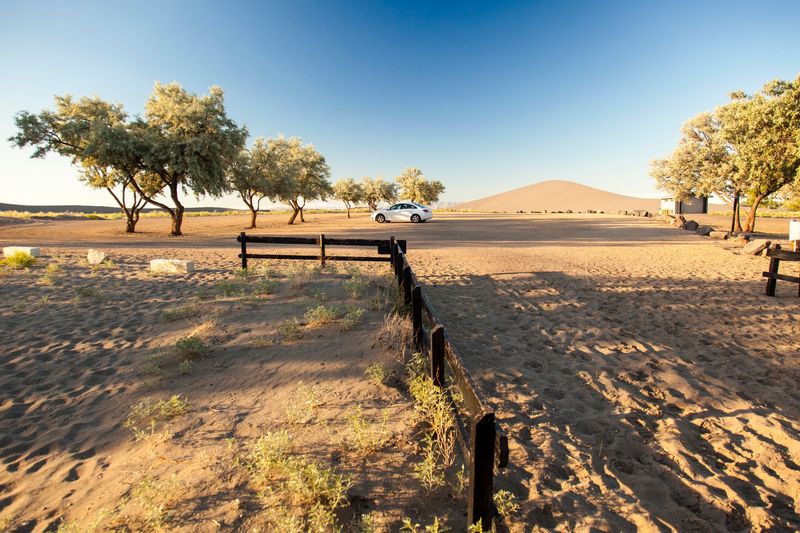
Staying overnight changes the whole trip. Bruneau Dunes State Park offers two campgrounds: Eagle Cove and Broken Wheel.
Both welcome tents and RVs, with water and electric hookups at many sites. Neither has sewer hookups, but dump stations are available.
Showers and restrooms add comfort after a day of sand. Camping cabins are another option for anyone who’d rather skip the tent.
Shade can be limited, especially at Eagle Cove. Pack a canopy or sun shelter for summer visits.
Check-in rules are firm, so plan arrival times carefully. Reservations through Idaho state parks help secure a spot on busy weekends.
Desert temperatures swing widely. Hot afternoons can drop into chilly nights, so bring warm layers and a good sleeping bag.
The biggest perk is easy access after dark. Campers can stroll to the observatory, watch stars from their site, and climb the dune at sunrise before the heat arrives.
Wake up early, and you might have the sand nearly to yourself. That quiet first light is reason enough to stay the night.
Smart Timing Makes Or Breaks Your Visit
Season matters a lot at this park. Summer brings scorching sand by midday, while spring and fall offer far friendlier temperatures for climbing.
Fall is a favorite for families. Cooler air makes sledding and hiking easier, and observatory programs often continue into October.
Late summer appeals to stargazers. August meteor activity draws sky fans of every skill level.
Winter visits are possible too. The dunes stay open year-round, though programs and rentals follow seasonal schedules.
Find the park at 27608 Bruneau Sand Dunes Rd, Bruneau, ID 83604. It sits about an hour from Boise, just past Mountain Home.
Day-use entry costs a few dollars per vehicle. An Idaho State Parks Passport, available with vehicle registration, covers entry for many residents.
Wind can kick up any time of year. Sunglasses, layers, and a kite can turn a breezy day into a fun one.
Hours, rentals, and observatory nights can change. Check before driving, and you’ll avoid showing up to a locked telescope dome.
An Idaho Day Trip Worth Every Grain In Your Shoes
Some outings sound good on paper and fade by Monday. Bruneau Dunes State Park tends to stick around, partly because sand keeps turning up in your car for weeks.
The big dune delivers a real challenge with a fun payoff. Kids, grandparents, and everyone between can find their own way to enjoy it.
Add lakes, trails, campgrounds, and an observatory, and the day fills fast. It’s hard to run out of options before running out of energy.
The value adds up too. Entry costs just a few dollars, and the scenery doesn’t charge extra.
Watching sunset from the crest might be the finest free show in southern Idaho. Golden light pours across the sand, and the lakes below catch the glow.
Then the stars arrive. Few places offer a geology lesson, a workout, and a cosmic light show in a single afternoon and evening.
For Treasure Valley families, it’s practically a backyard adventure. For everyone else, it’s a solid reason to point the car toward Bruneau.
Bring water, bring a jacket, and bring curiosity.