Pawnee Earth Lodge Hollows From The 1800s Still Dent The Ground At This Nebraska Park
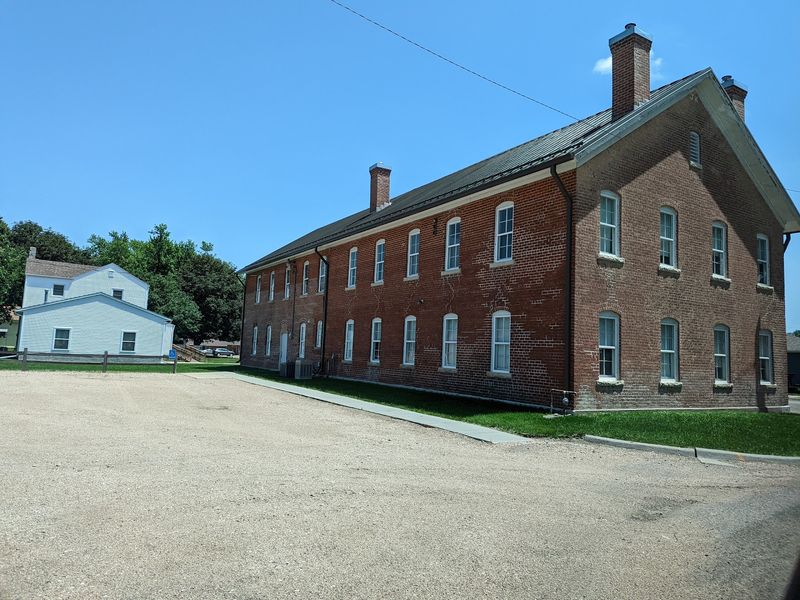
A single brick building is all that remains standing from a campus that once taught hundreds of Native children at a time. The school ran for half a century, and its last chapter still sits on a quiet street today.
The land itself carries an older story. Pawnee families lived in earth lodge villages along the Loup River here long before any classroom bell rang.
Their reservation was right under this campus until the 1870s.
I like how this place refuses to tidy up the past. Volunteers walk guests through the good and the hard parts, and they welcome tough questions.
One recent guest said an hour was nowhere near enough.
Nebraska has plenty of museums, but very few feel this personal. So what happens when a small town decides to keep a difficult memory open for everyone to see?
One Surviving Building Holds A Whole Campus Worth Of Memory
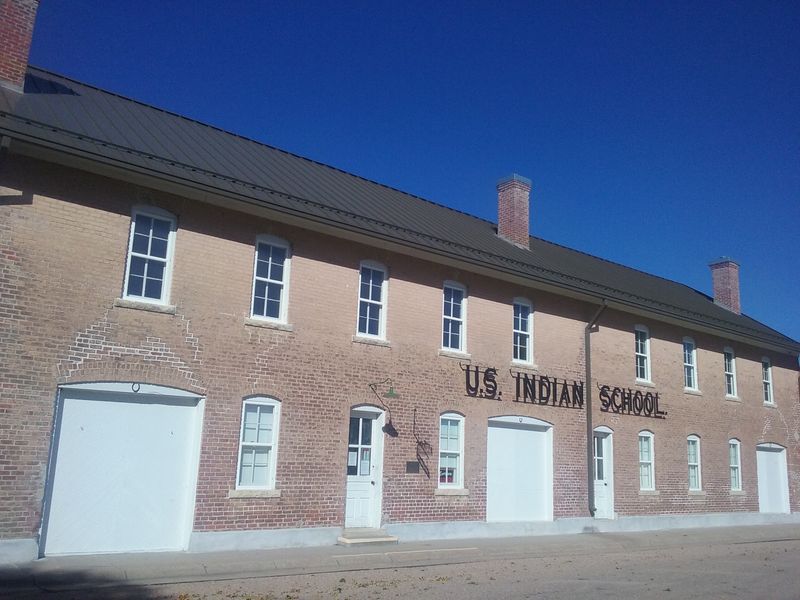
Out in Nance County sits the Genoa Indian Industrial School Museum, a quiet brick building with a very big story. It preserves the memory of a federal boarding school that once drew Native students from across the country.
The school operated from 1884 to 1934, which makes it one of the longest-running schools of its kind. At its peak, the campus held hundreds of students, along with classrooms, dorms, shops and farm buildings.
Today, only a fraction of that campus survives. The museum keeps that surviving piece open so visitors can see where daily school life actually happened.
That matters more than you might expect. Reading about boarding schools in a book is one thing, but standing inside one changes the whole conversation.
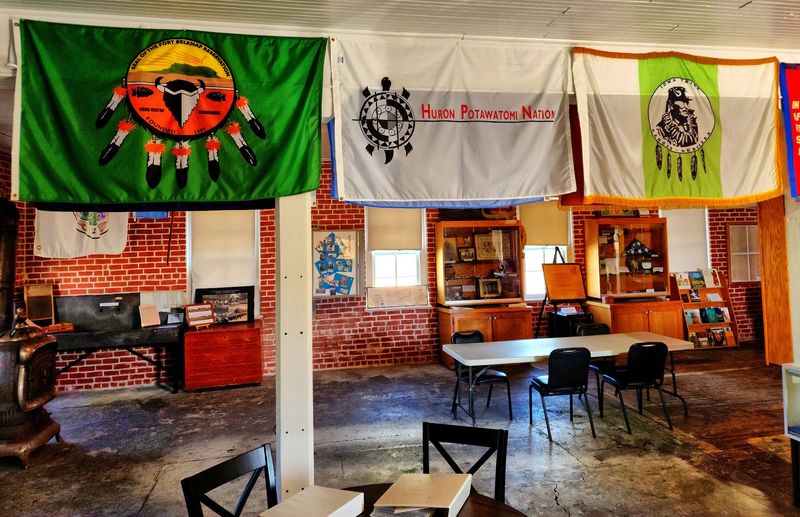
The building has been restored carefully over the years. Floors, walls and rooms now hold photos, documents and everyday objects tied to student life.
Nebraska has a lot of small-town museums, and many are lovely. This one stands apart because it asks you to sit with a chapter of history that shaped families for generations.
Pawnee Earth Lodge Villages Came Long Before The Classrooms
Long before any school opened, Pawnee families built round earth lodges along the Loup River. These sturdy homes used timber frames covered with branches, grass and thick layers of soil.
Some lodges were large enough for dozens of people. Villages often sat near rivers and creeks, where families farmed corn and headed out on seasonal bison hunts.
The area around Genoa became part of the Pawnee Reservation in the 1850s. The Pawnee were moved from their Nebraska homelands in the 1870s, leaving the land and its buildings behind.
That shift set up the next chapter. When the federal government opened the boarding school in 1884, it started on former reservation ground.
Earth lodges left a lasting mark wherever they stood. Builders dug a shallow circle before raising the frame, so faint round hollows can remain on the land long after a lodge is gone.
It’s a striking thought. The same stretch of Nebraska prairie holds traces of Pawnee village life and the later school, layered right on top of each other.
Fifty Years Of School Days Told Through Everyday Objects
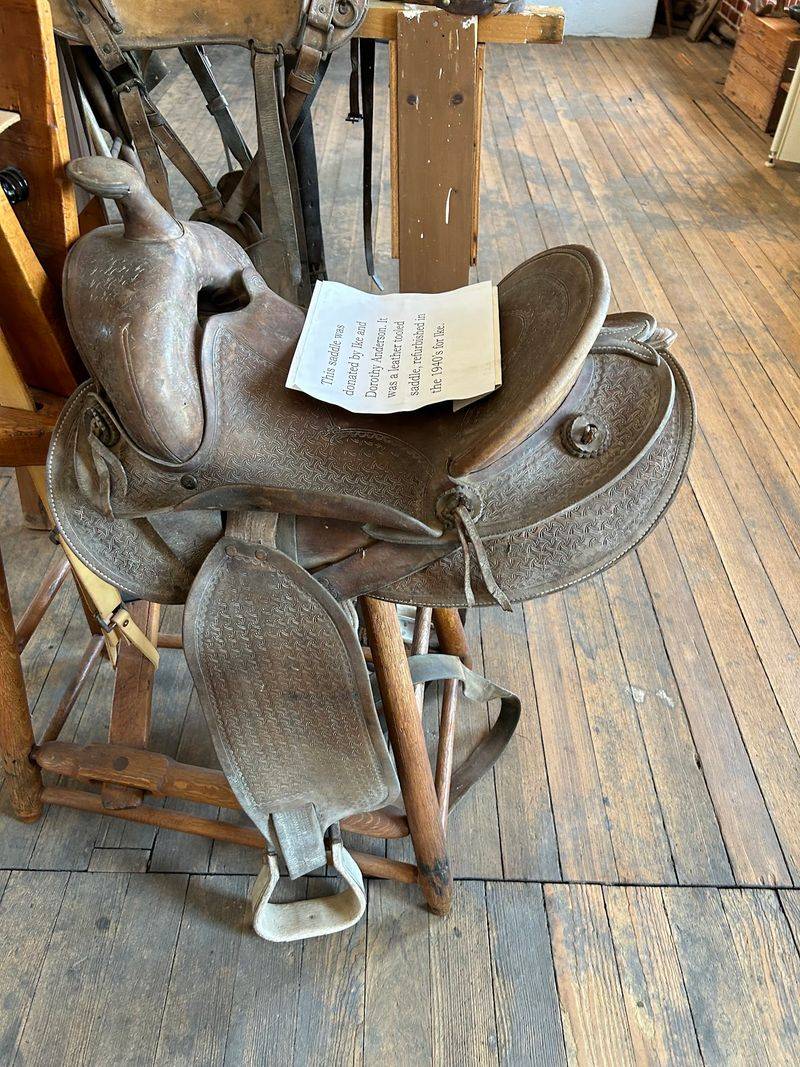
Old desks, worn tools and faded photographs do a lot of talking here. The collection includes many items that were actually used at the school.
Students at Genoa followed a strict routine built around classes and hands-on work. Boys often trained in trades and farming, while girls learned sewing, cooking and household skills.
The museum shows what those days looked like in real detail. You can see how the school organized students and what work filled their hours.
Photos add faces to the facts. Seeing rows of young students in uniforms makes the scale of the place feel suddenly very human.
The exhibits also explain how far some children traveled. Students came from many tribes and many states, often far from their families for long stretches.
Give yourself time to read the panels. Each room adds another layer, and the small objects tend to stick with you longer than the big ones.
It’s a thoughtful, well-kept collection. The clean, careful presentation lets the history speak without fuss.
Volunteer Guides Make The Hard Questions Feel Welcome
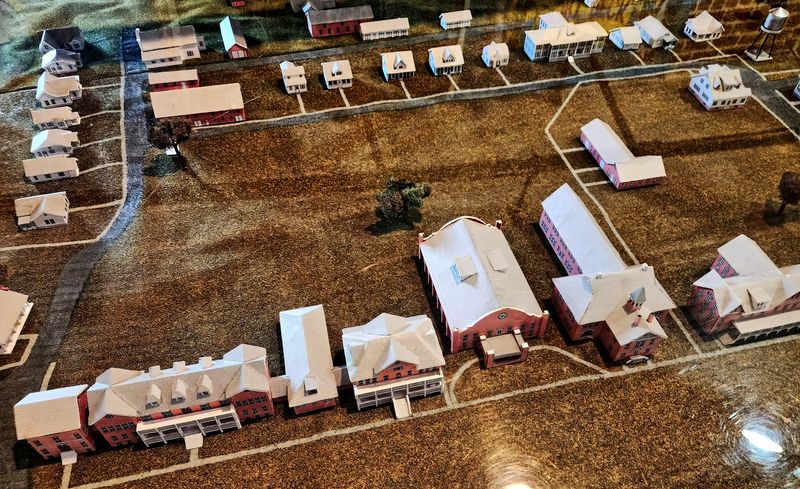
Ask anything. The people who run this museum are known for answering honestly, even when the questions get uncomfortable.
The museum is largely powered by local volunteers and dedicated staff. Their knowledge is a big part of why a visit here feels so rich.
Guided tours walk visitors through the building and the school’s history. Guides explain how the campus worked and what life was like for the children who lived there.
They don’t skip the difficult parts. The museum presents the school’s story in a sobering yet respectful way, covering both its intentions and its harm.
That balance is rare and worth noticing. It treats visitors like grown-ups who can handle a full picture of the past.
Friendly faces help, too. Small-town hospitality runs through the whole experience, which makes heavy history easier to approach.
Tours can be arranged with the museum ahead of time. A quick call before you drive out is a smart move, especially for groups.
A Stone Marker Keeps An Unfinished Story In View
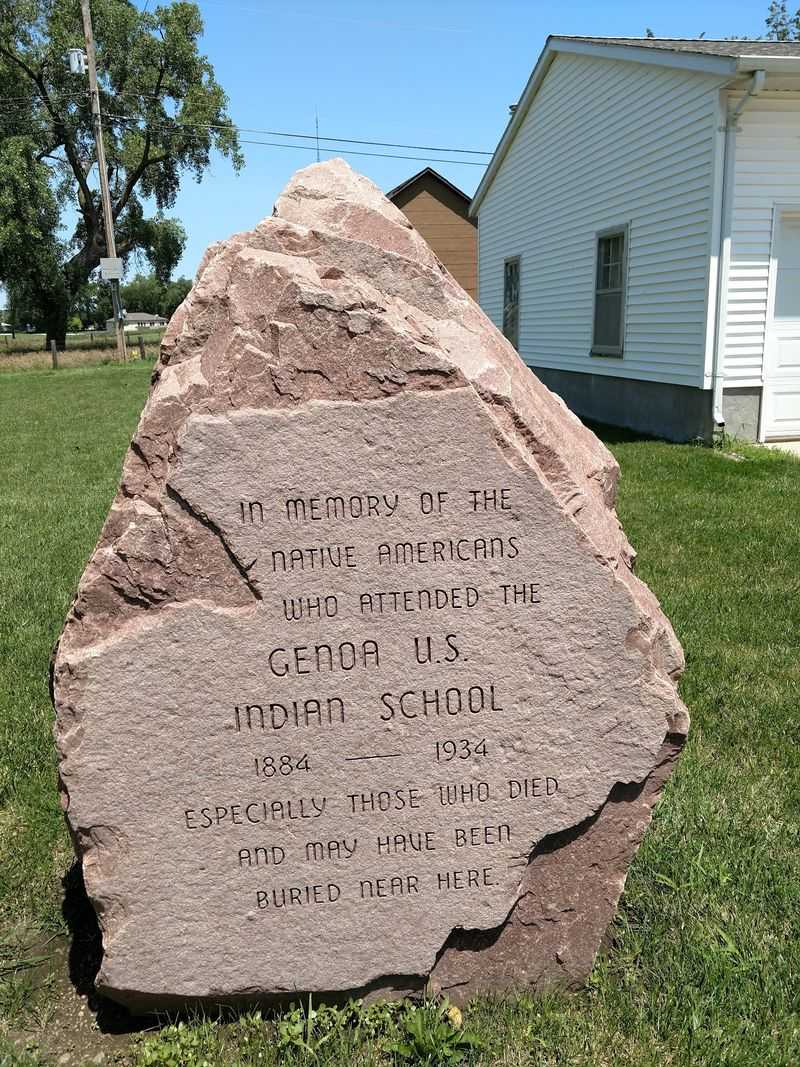
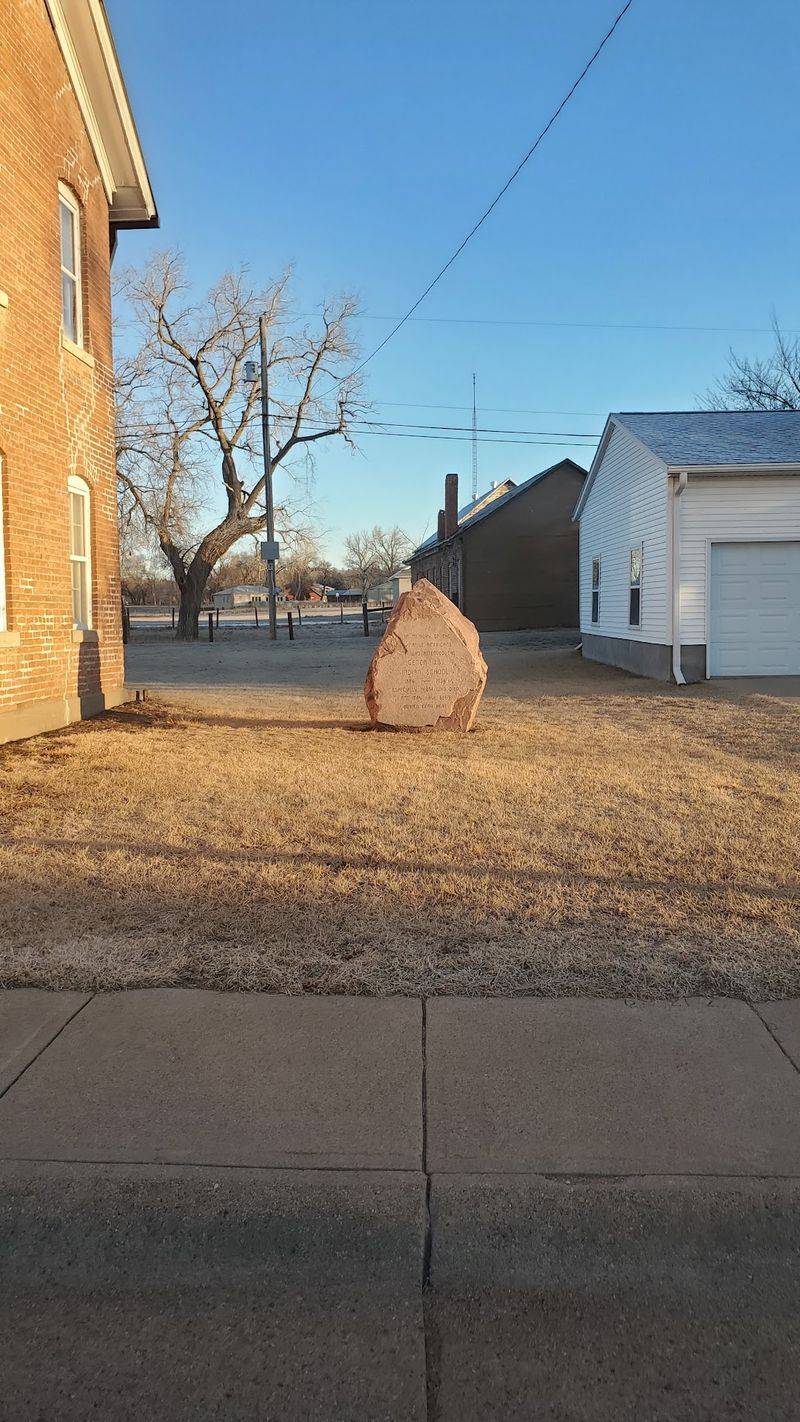
Some history is still being written. At Genoa, a memorial stone acknowledges that students who never made it home may rest near the old campus.
That acknowledgment carries real weight for Native families today. Many descendants of former students have deep personal ties to this school and its records.
Research into the school’s past continues in Nebraska. Efforts to identify students and learn more about their stories have drawn growing public attention in recent years.
The museum sits right at the center of that conversation. It serves as a place to learn, remember and reflect on what boarding schools meant for families.
Visiting with that in mind changes how the building feels. It becomes less of an attraction and more of a place of memory.
Quiet respect fits the setting well. Taking a moment at the marker can be a meaningful part of any visit.
It’s a reminder that history is not just about dates. It’s also about names, families and the stories people still carry.
Old Barns Add A Bonus Chapter If Timing Works Out
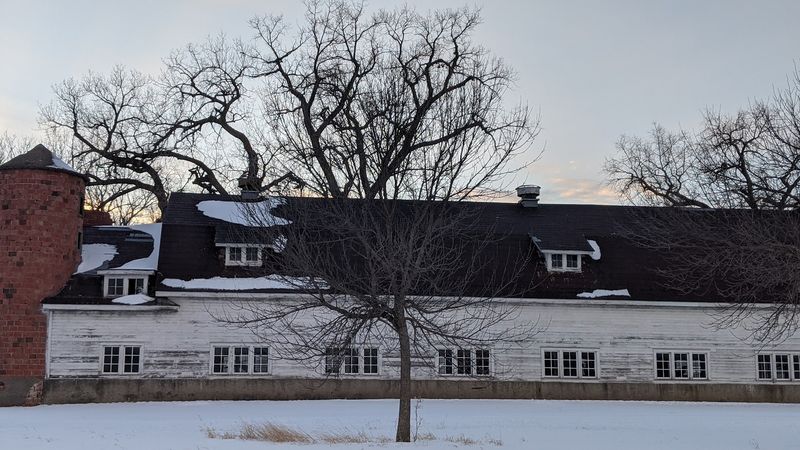
Farm work was a huge part of daily life at the school. Students tended crops and animals, and that agricultural side shaped much of the campus.
Historic barns connected to that era still stand in the area. They give a real sense of how large and busy the school’s farm operation once was.
Seeing them depends on luck and scheduling. Access isn’t always guaranteed, so it helps to ask the museum about them before your trip.
When they’re open, they make a fascinating add-on. Weathered wood and big open interiors bring the farm chapter of the school story to life.
Barn fans will be thrilled. Anyone who loves rural Nebraska architecture can spot plenty of character in those old frames.
Even without the barns, the main museum offers plenty. Think of them as a bonus round rather than the main event.
Pair a barn visit with the museum tour, and you get a fuller picture. Classroom, shop and field all come together in one afternoon.
Planning Your Drive To This Small Town Stop
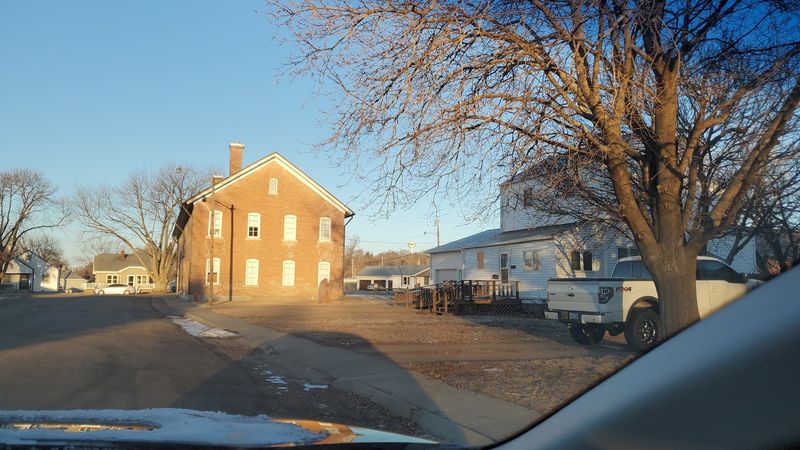
Getting there is simple. The Genoa Indian Industrial School Museum sits at 209 E Webster Ave, Genoa, NE 68640, right in town.
Genoa is a small community in east-central Nebraska, not far from Columbus. It makes an easy day trip for folks around Columbus, Norfolk, Grand Island and Lincoln.
Hours can vary by season, so check with the museum before heading out. Calling ahead also helps if you want a guided tour or a look at the barns.
Plan on more time than you think. Many visitors find that an hour barely scratches the surface of the exhibits.
The museum suits curious adults, history lovers and families with older kids. Younger children may need help understanding the heavier parts of the story.
Comfortable shoes are a good idea for moving through the building. Bring a notebook too, because you’ll want to remember names and dates.
Add a stroll through town afterward. A quiet main street pairs well with the reflective mood of the museum.
Why This Quiet Museum Earns A Spot On Your Nebraska List
Few places pack this much history into one small building. The Genoa Indian Industrial School Museum covers Pawnee homelands, federal policy and fifty years of student life.
It doesn’t try to entertain you with flash. Instead, it offers honest storytelling, careful preservation and people who truly care about the subject.
That honesty is the real draw. You leave knowing more about Nebraska and the Native families whose lives were shaped right here.
The building itself feels like a time capsule. Standing inside, it’s easy to picture students moving through the halls nearly a century ago.
It’s also proof that small towns can carry big stories. Genoa has kept this memory alive with patience, volunteers and a lot of heart.
Plan for a reflective day rather than a quick stop. Give the exhibits time, ask questions and let the place sink in.
You might drive home quieter than you arrived. That’s a sign the visit worked, and a good reason to come back for round two.