Snowy Owls And Golden Eagles Recover At This Idaho Raptor Center Visitors Tour Year Round
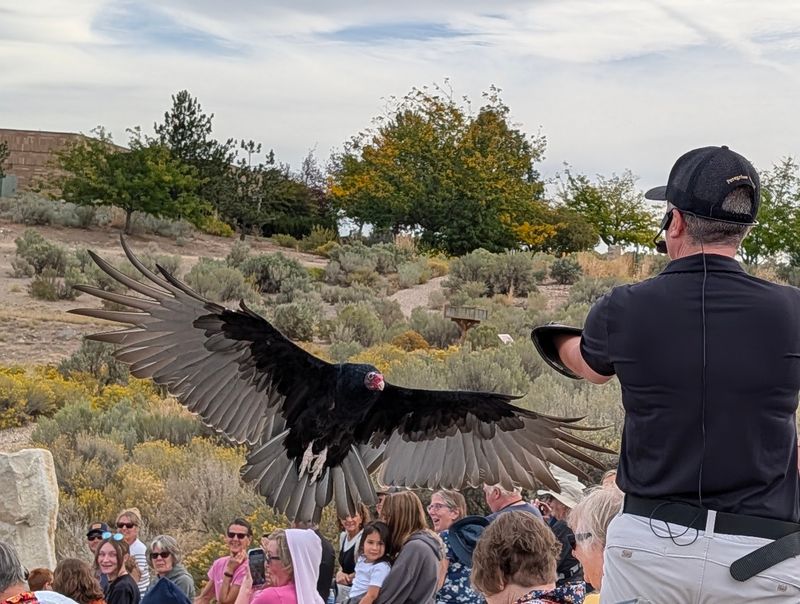
An owl named Oliver flies so low over the crowd that people instinctively duck. He’s a Verreaux’s eagle-owl, and he works the afternoon show like a seasoned pro.
That’s only one bird on a hilltop campus packed with eagles, falcons, hawks, and vultures. California Condors, some of the rarest birds on the planet, live here on public display all year.
The same group behind it helped pull the Peregrine Falcon back from the brink.
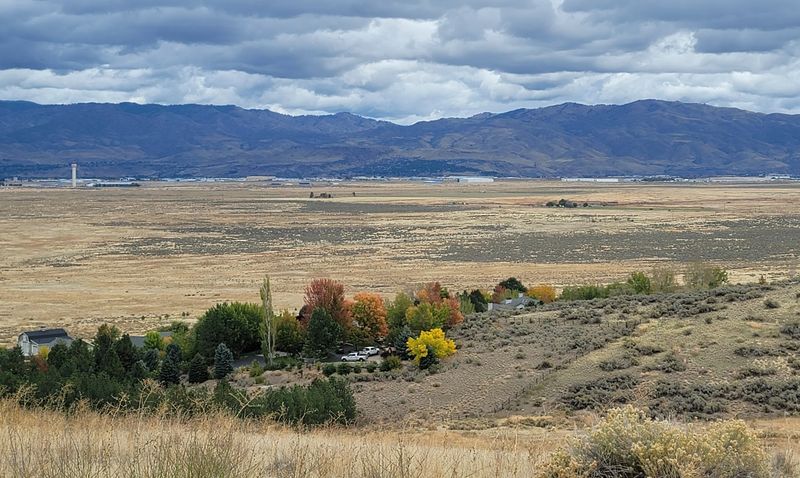
I love that a place this important sits on the edge of a sagebrush hill in Idaho. The views stretch across the valley to distant mountains.
Wild raptors sometimes cruise the sky overhead.
I can’t imagine a better way to spend a slow Saturday with curious kids. So how close would you dare sit when the wings start flapping?
A Sagebrush Hilltop Where Raptor Rescue Has Its Headquarters
Few people expect a global conservation headquarters to sit just south of Boise. Yet The Peregrine Fund’s World Center For Birds of Prey has called this Idaho hilltop home since 1984.
The Peregrine Fund is a nonprofit that works to keep raptors from vanishing worldwide. The Boise campus serves as its international headquarters, so the scientists and the visitors share the same ridge.
For the public, the experience centers on the Velma Morrison Interpretive Center. Inside, you’ll find live birds, interactive exhibits, and multimedia displays on raptor biology and recovery work.
Outside, the campus spreads across open sagebrush steppe. Short trails wind through the brush, and the setting feels more like wild country than a city attraction.
The visit runs self-guided, which means you set the pace. Docents stand ready to introduce the birds and answer the questions your kids will absolutely ask.
It’s a compact place, but it packs serious depth into a few buildings. Think of it as a front porch for one of the most respected bird conservation groups anywhere.
Best of all, it stays open year-round. Snow on the sagebrush simply adds another backdrop for the owls.
How One Falcon Brought A Whole Organization To Boise
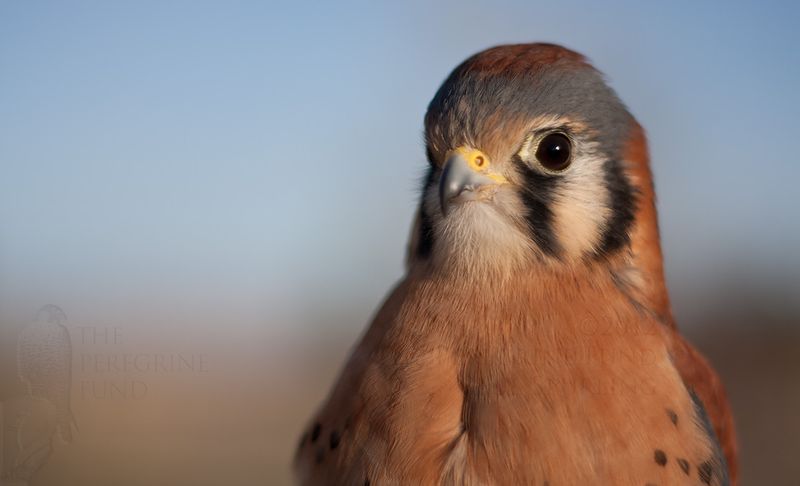
Back in 1970, the Peregrine Falcon was in real trouble across North America. That year, a small group founded The Peregrine Fund to turn things around.
Their work paid off in a big way. The Peregrine Falcon came off the U.S.
Endangered Species Act list in 1999, a rare conservation victory lap.
So why Boise? Much of the credit goes to Morley Nelson, a raptor expert and board member who helped bring the organization to Idaho.
Nelson had a deep connection to the birds of the Snake River region. His push helped make Boise the home base for a group whose work now reaches around the globe.
The World Center for Birds of Prey opened here in 1984. Then, in 1992, the Velma Morrison Interpretive Center opened its doors for public visits.
That timeline matters when you walk the exhibits. You’re not just looking at pretty birds, you’re seeing the results of decades of patient fieldwork.
I believe that history is what gives the place its quiet confidence. It earned its reputation one recovered species at a time, and it still has plenty of work ahead.
Duck Now, Because Oliver Flies Very Low
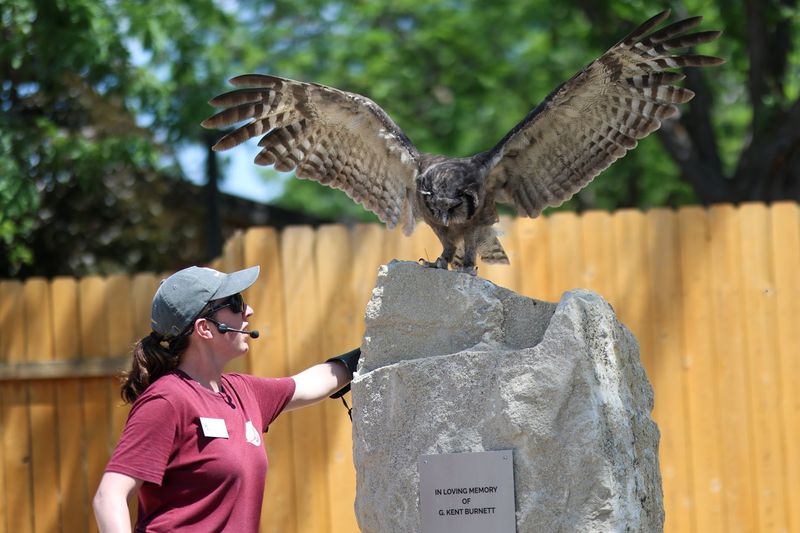
Flight shows are the headliner here, and they happen three times a day. Presentations run in the late morning, early afternoon, and mid-afternoon, so you have options.
Trained raptors often soar right over the audience. Birds pass close enough over heads that the first flyby usually gets a few surprised gasps.
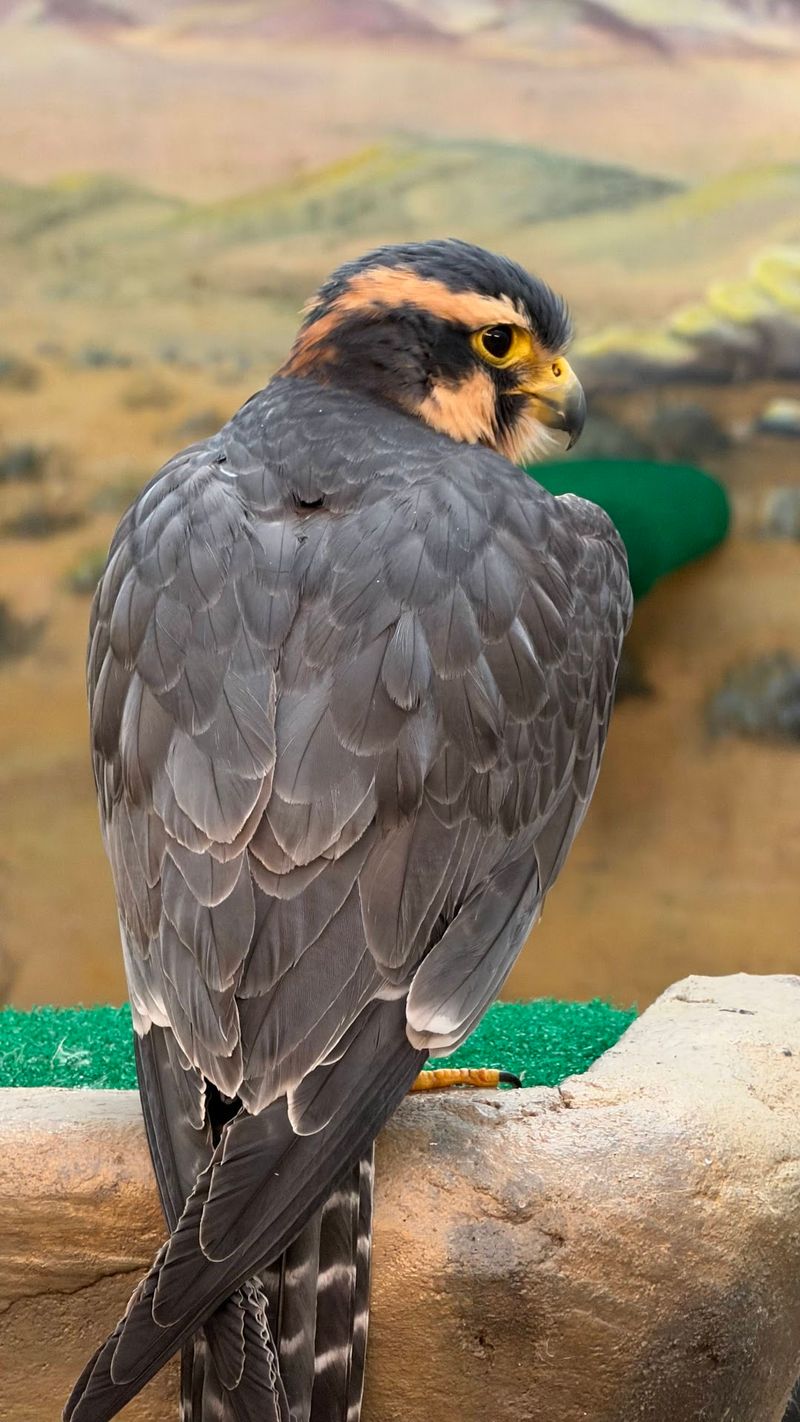
Oliver, a Verreaux’s eagle-owl, is one of the stars you might meet. A Burrowing Owl named Athena and a small falcon have also shared the spotlight.
Each show is part performance, part science lesson. Handlers explain how the birds hunt, fly, and survive, then often open the floor for questions afterward.
Lineups can change from day to day. That means a second visit could bring a completely different cast of feathered characters.
Plan your arrival around a show time if you can. Grab a seat, settle your snacks, and keep your hat firmly on your head.
Honestly, it’s hard to beat watching a big owl glide silently past at eye level. Good luck getting the kids to talk about anything else on the drive home.
Giant Condors Hold Court At Condor Cliffs
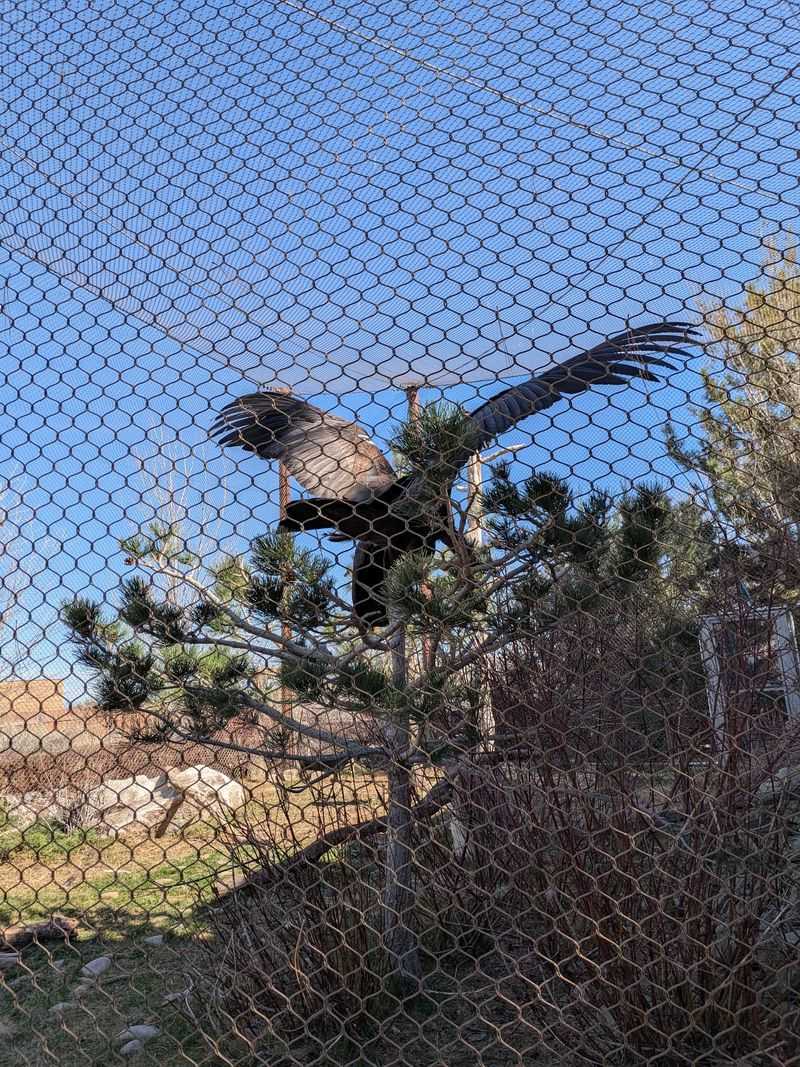
With wings that rank among the largest of any North American bird, California Condors don’t exactly blend in. At the Condor Cliffs exhibit, they’re on public display year-round.
These birds are critically endangered. Seeing one up close in Idaho is a reminder of how close the species came to slipping away.
The Peregrine Fund plays a major role in condor recovery. The exhibit connects the live birds in front of you to that larger, ongoing effort.
Condors aren’t the only ambassadors on campus. Live raptor enclosures also hold eagles, owls, hawks, falcons, and other vultures, each with its own story.
Golden Eagles and Snowy Owls are part of the bigger raptor picture the center teaches about. Exhibits help explain how species like these fit into Idaho skies.
Take your time at each enclosure. The docents love sharing a bird’s name, background, and quirks, and that turns a quick glance into a real introduction.
A condor in person feels almost prehistoric. It’s one of those moments that makes conservation feel personal rather than abstract.
A Falconry Library Bigger Than You’d Guess
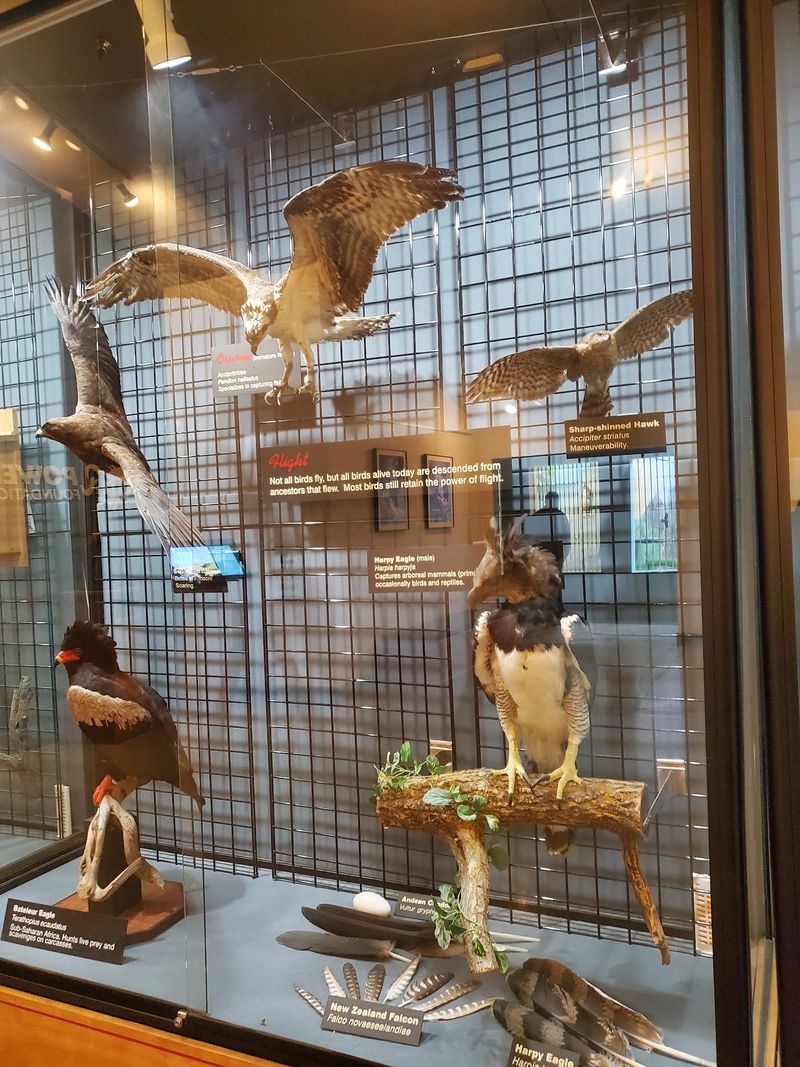
Here’s a fun fact for trivia night: the world’s largest reference library on falconry sits in Boise. It lives in the Herrick Collections Building as the Archives of Falconry.
The collection is described as Smithsonian-quality. Displays cover the long history of the ancient sport, with equipment and artifacts from falconers past.
You’ll see the tools that connected people and hunting birds for centuries. Hoods, gear, and exhibits show how the relationship worked and how it evolved.
It’s a quieter stop than the flight shows. That makes it a nice breather after watching an owl buzz the crowd.
Even if falconry never crossed your mind before, the exhibits make the subject easy to follow. History buffs may find themselves lingering longer than planned.
I like how the archives add a human angle to the visit. The birds are the stars, but people have admired them for a very long time.
Pair this building with the interactive exhibits in the interpretive center. Together, they give the campus a surprising amount of museum muscle for its size.
Trails With A View Of The Whole Valley
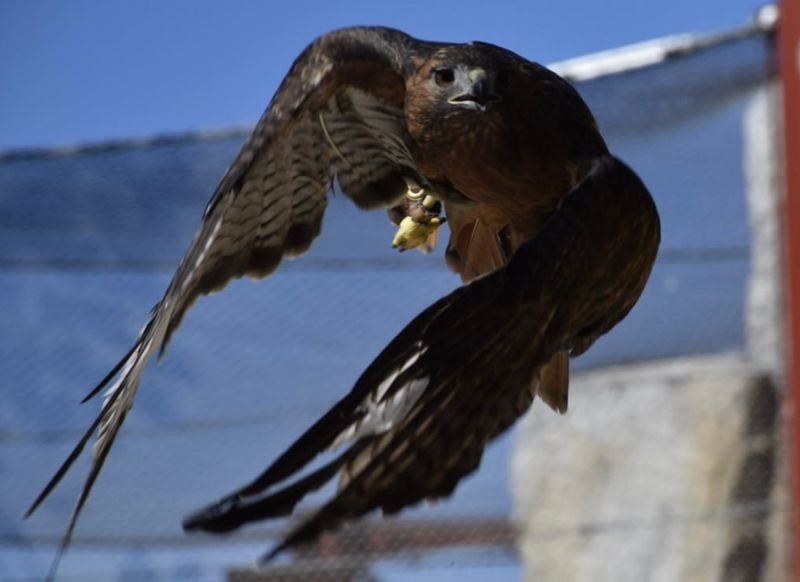
Step outside after the exhibits and the horizon opens wide. Trails wind through sagebrush steppe with views of Boise and the Owyhee Mountains.
The landscape itself is part of the lesson. Sagebrush country is prime raptor habitat across southwest Idaho, and you’re standing right in it.
Keep your eyes on the sky while you walk. Wild birds of prey sometimes hunt over the surrounding hills, no ticket required on their end.
The paths make a nice cool-down after a busy flight show. Kids can stretch their legs, and adults can soak in the big Treasure Valley panorama.
Trails close earlier than the building itself. Plan to head out with time to spare so you don’t miss the walk.
Bring water and sun protection in warmer months. The hilltop is open, and shade is limited out in the brush.
In winter, the trails take on a stark, quiet look. Snow against gray-green sagebrush makes a fine setting for spotting a soaring hawk.
Curious Kids, Bird Skeptics, And Everyone Between
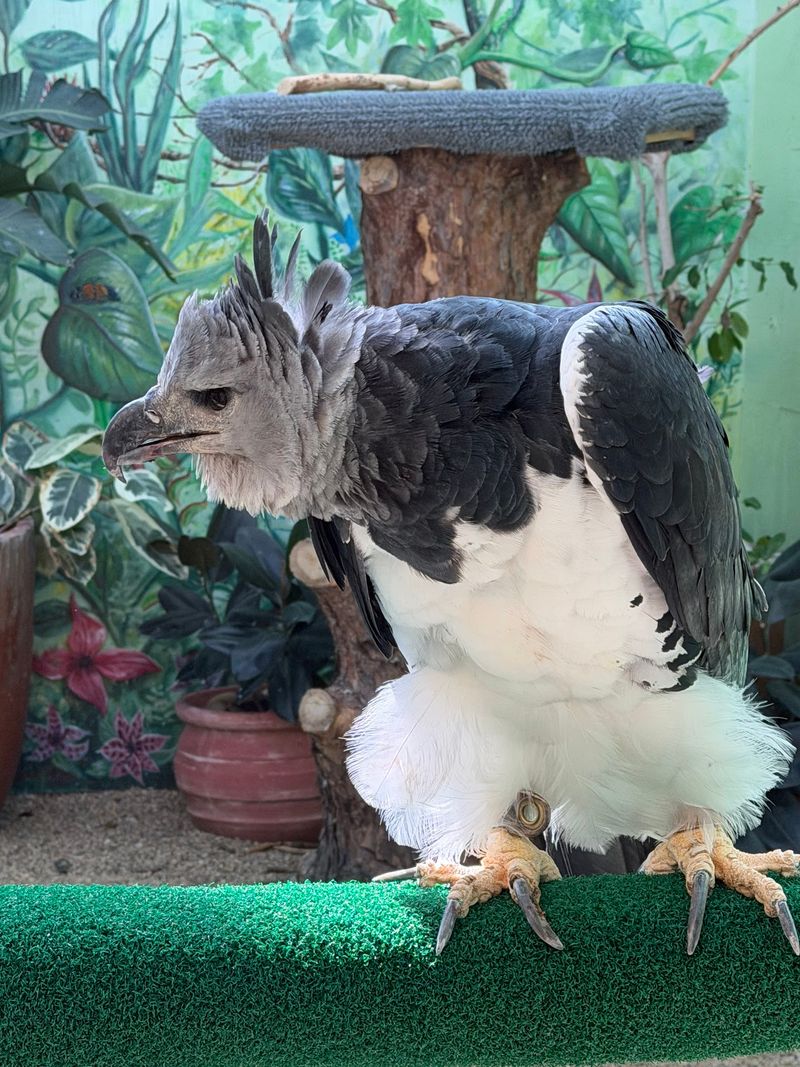
Families, school groups, and serious bird nerds all find something here. The mix of live birds, shows, and hands-on exhibits keeps different ages busy.
A kids room offers extra activities for younger visitors. It’s a handy spot when little legs need a break from enclosure hopping.
Very young children may run out of patience before the adults do. Timing your visit around a flight show helps hold their attention.
Older kids and teens tend to light up during the presentations. Few things beat a big owl gliding overhead for winning over a skeptical twelve-year-old.
Staff and volunteers lean friendly and enthusiastic. They handle tough questions well, which makes the place great for kids who never stop asking why.
There’s no café on site, so pack snacks or a lunch for a longer stay. Plan on a few hours if you want the shows, exhibits, and trails.
The gift shop rounds things out nicely. Purchases help support the center’s conservation work, which makes that plush owl a little easier to justify.
Worth The Short Drive Up Flying Hawk Lane
Getting there is easy from anywhere in the Treasure Valley. The Peregrine Fund’s World Center For Birds of Prey sits at 5668 W Flying Hawk Ln, Boise, ID 83709.
It’s a short drive south of town onto the hill. Watch for the turn, then enjoy the climb as the valley opens up behind you.
The center stays open year-round from Tuesday through Sunday. Summer brings bonus Monday hours between Memorial Day and Labor Day.
Winter hours run shorter from December through February. The center also closes on several major holidays, so check before driving.
Admission costs a modest fee, and that money supports conservation programs. You can drop in or buy tickets online ahead of time.
Arrive with enough time before last admission. The trails close early, and you’ll want room for at least one flight show.
So is it worth it? For an affordable Idaho outing with real purpose, I’d say yes, especially when an owl named Oliver might buzz your hairline.