Every Animal Living At This Idaho Zoo Is A Species Found In The Wild Across The State
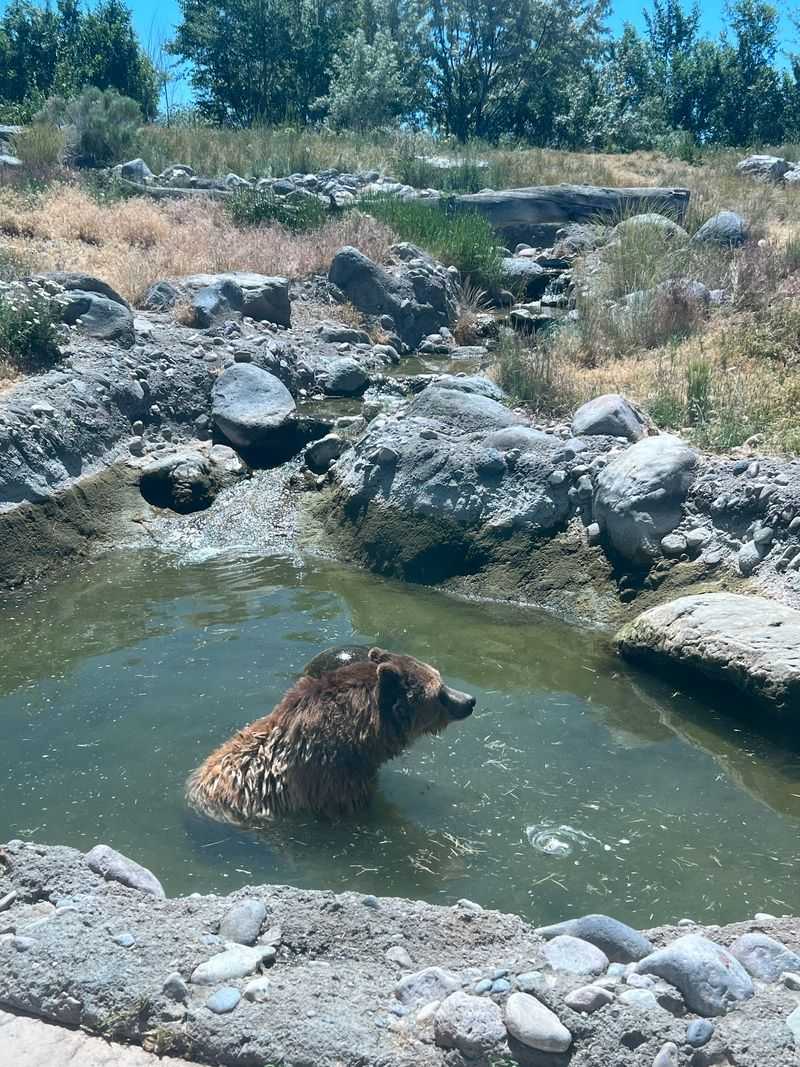
A grizzly bear named Shoni was once labeled a nuisance bear. Instead of a sad ending, she got a new home at a small zoo in eastern Idaho.
That zoo has an unusual rule. Every animal living there is a species you could find in the wild somewhere across the state.
No giraffes, no penguins, no elephants. Just bison, badgers, cougars, owls, and the neighbors Idaho already has.
I like how that flips the whole zoo idea around. You aren’t learning about faraway continents.
You’re learning about the creature that might cross the trail on your next camping trip.
Many of these animals can no longer survive on their own in the wild. So every exhibit carries a small story of a second chance.
Who knew a badger in a dust bath could feel so personal?
A Zoo That Refuses To Import Anything Exotic
Zoo Idaho sits inside Ross Park in Pocatello, and its mission is refreshingly simple. Every species here belongs to Idaho and the wider Intermountain West.
It’s one of only two zoos in the United States built entirely around animals native to that region. That’s a pretty exclusive club for a city zoo in southeast Idaho.
The idea makes a lot of sense once you think about it. Most kids can name a zebra before they can name a pronghorn.
Here, the lineup reads like a field guide to the mountains and sagebrush outside town. Grizzly and black bears share the grounds with bison, elk, deer, cougars, bobcats, foxes, and coyotes.
Birds get plenty of attention too. Bald eagles, hawks, and owls round out the cast, along with smaller residents like badgers, porcupines, and marmots.
The facility is officially described as an open-air zoo specializing in local species. That focus shapes everything, from the habitats to the way animals come to live here.
So this isn’t a place for chasing the biggest celebrity animal. It’s a place for finally recognizing the wildlife you’ve probably been driving past for years.
How The Old Pocatello Zoo Became Something New
Longtime Pocatello residents might still call it by an older name. For years, people knew this spot as the Pocatello Zoo or the Ross Park Zoo.
In 2016, it officially became Zoo Idaho. The new name wasn’t just a fresh coat of paint on the sign.
It spelled out the mission plainly as an indigenous species zoo. Visitors would know right away that every resident ties back to the wild places of the state.
That mission carries real weight. Many animals here are non-releasable wildlife, meaning they can no longer safely live on their own.
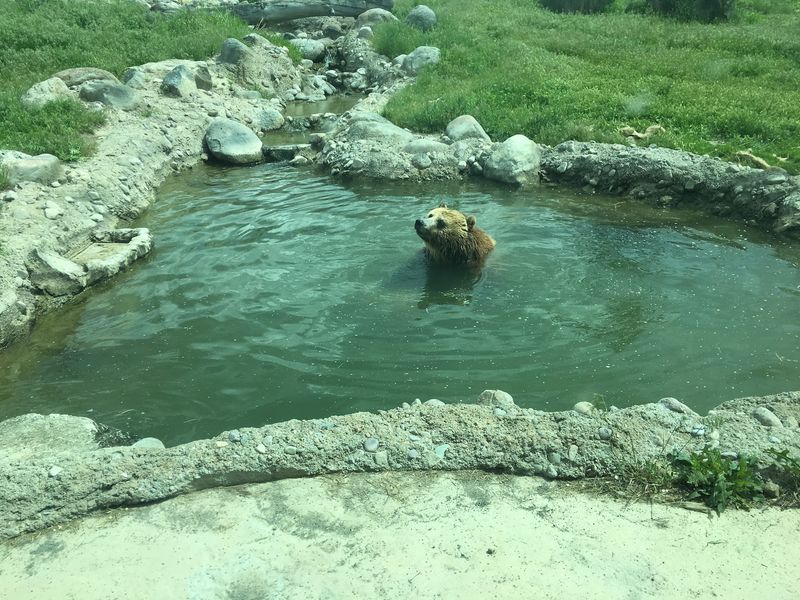
Some were orphaned, some were injured, and some simply got too comfortable around people. Shoni the grizzly is a perfect example of that last group.
She was considered a nuisance bear before coming to Zoo Idaho. Now she has a habitat, a care team, and a steady stream of admirers.
The zoo even posts animal fact sheets so you can learn each resident’s background before visiting. Reading a few ahead of time turns a quick walk into a collection of individual stories.
Suddenly that porcupine isn’t just a porcupine anymore. It has a history worth knowing.
Front-Row Seats For The Grizzly Show
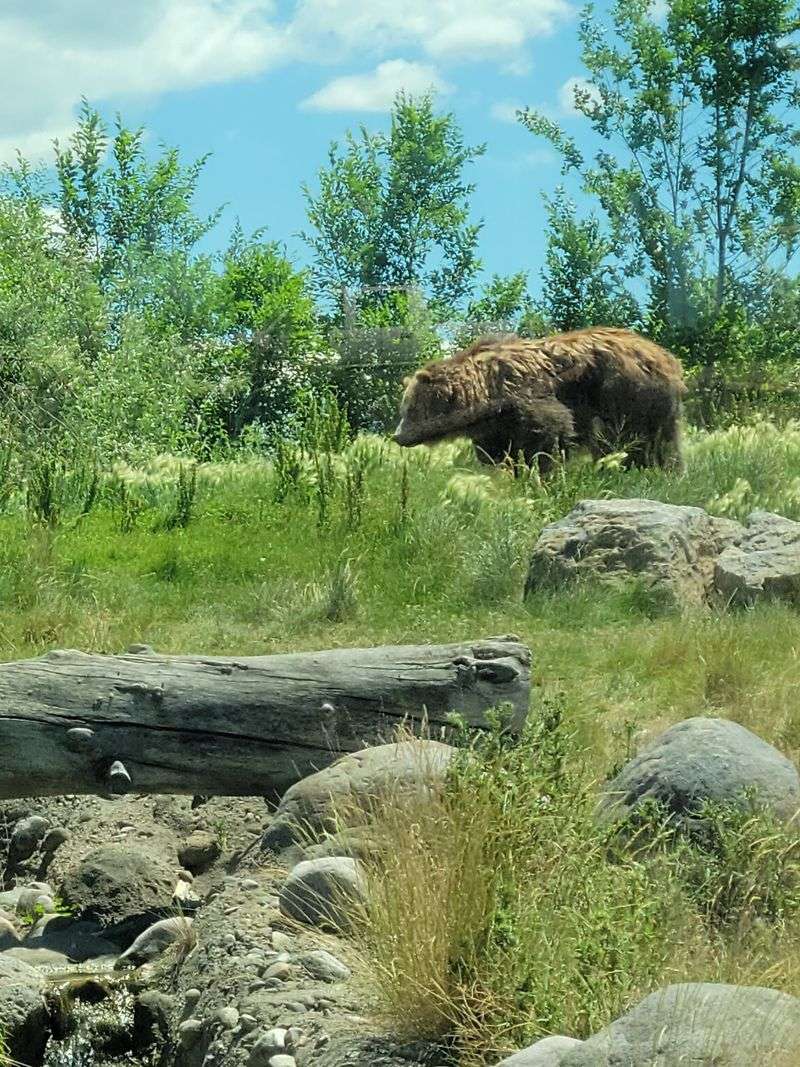
Grizzlies are the headliners, and they know how to hold an audience. The grizzly habitat ranks as the clear star attraction at Zoo Idaho.
A viewing gallery lets you sit and watch the bears go about their business. That might mean wandering, napping, or splashing around the water features.
The setting does a lot of the heavy lifting. Trees, grass, and big lava boulders fill the space, with the Portneuf Gap and Scout Mountain behind it.
It’s the kind of backdrop that makes the bears look right at home. In a way, they basically are.
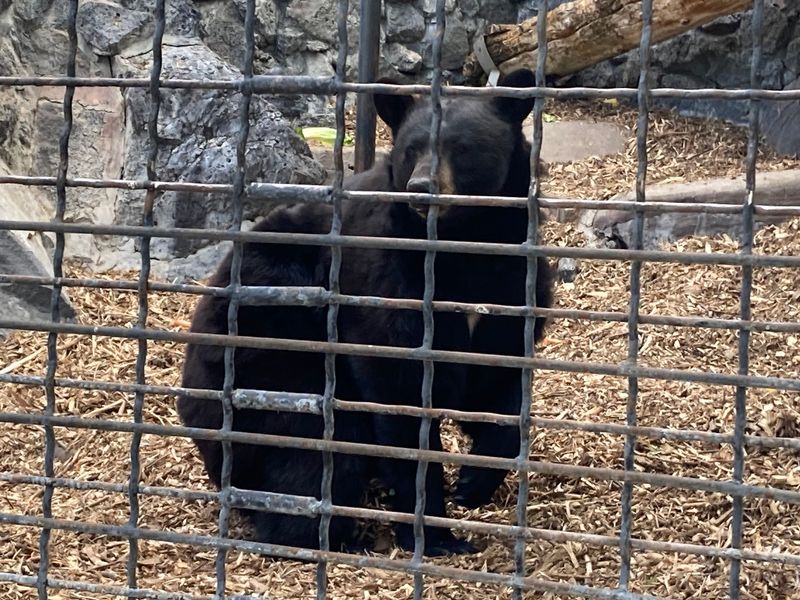
Black bears live at the zoo too, giving you a chance to compare the two species. Grizzlies carry that famous shoulder hump, which is easier to spot in person than in pictures.
One tip worth remembering keeps expectations realistic. Animals have access to the back areas of their habitats all day.
That means a bear might choose shade over showtime on a hot afternoon. Honestly, can you blame them?
Patience usually pays off, so circle back later if a den looks quiet. A grizzly stepping out from the boulders is worth a second lap.
Bison, Badgers, And A Peacock Or Two
Bears get the fame, but the supporting cast steals plenty of scenes. The American badger is a surprising fan favorite, especially when it rolls around in a dust bath.
Porcupines amble around in search of snacks. Marmots lounge on rocks, looking like they own the place.
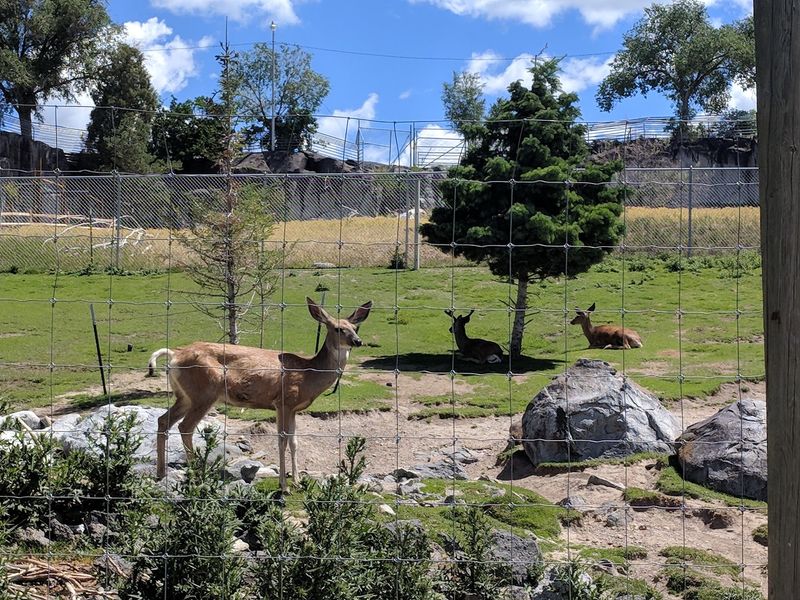
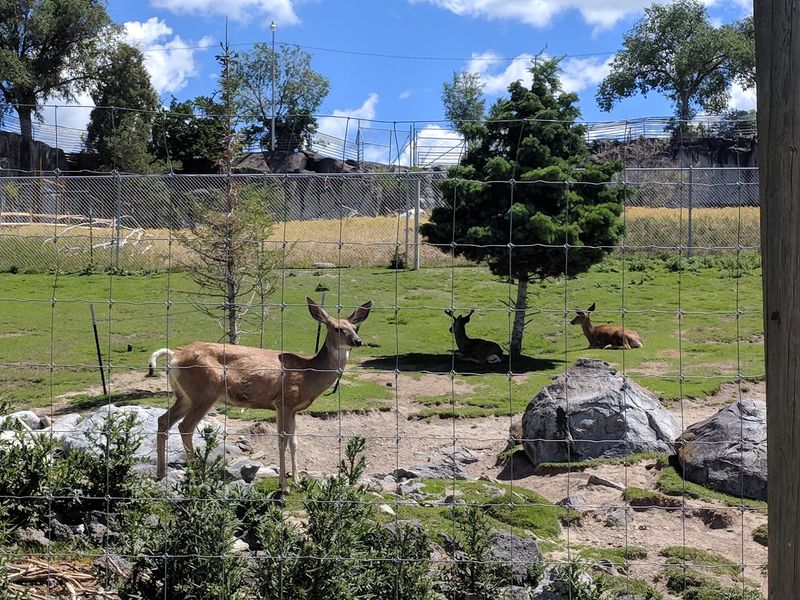
Big grazers bring the open-range feel of the Snake River Plain into view. Bison, elk, deer, and pronghorn all have their own spaces.
Pronghorn deserve a long look. They’re the fastest land animals in North America, which makes standing still look extra impressive.
Cougars, bobcats, foxes, and coyotes cover the stealthy side of Idaho wildlife. The mountain lion can be shy, so a sighting feels like a small win.
Overhead and on perches, bald eagles, hawks, and owls show off the bird side of the state. An owl’s stare is basically a free staring contest you will lose.
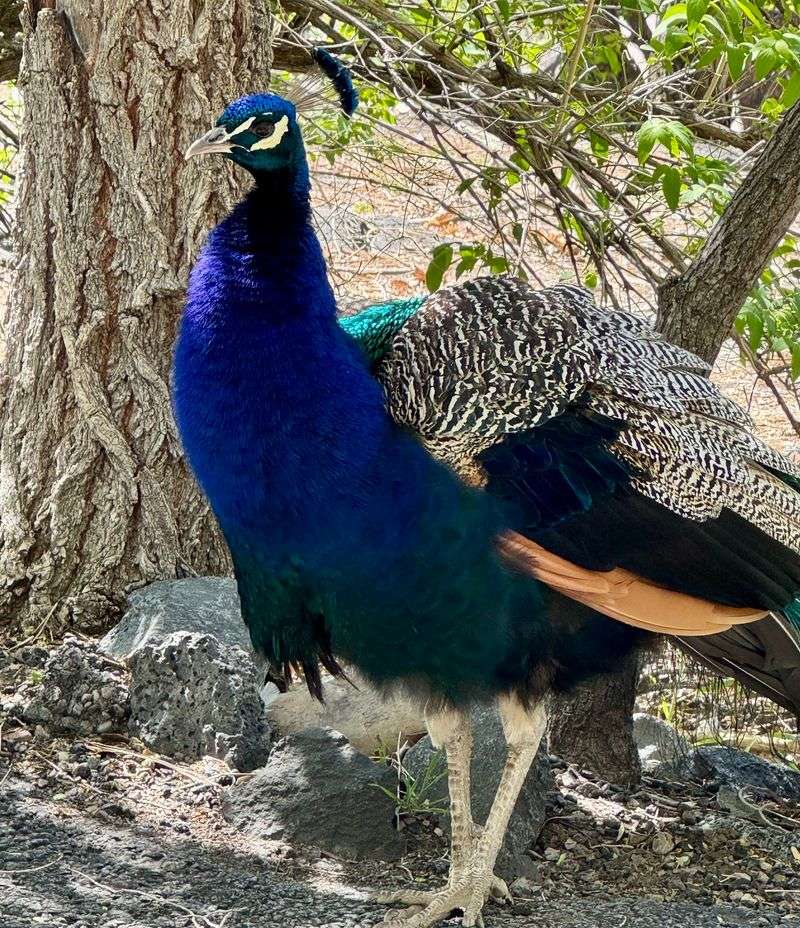
Then there are the peacocks roaming the grounds, both white and colored. They aren’t native, but they clearly didn’t read the memo.
Consider them the zoo’s unofficial greeters. They seem to enjoy the job.
Lava Cliffs, A Treehouse, And Some Serious Hills
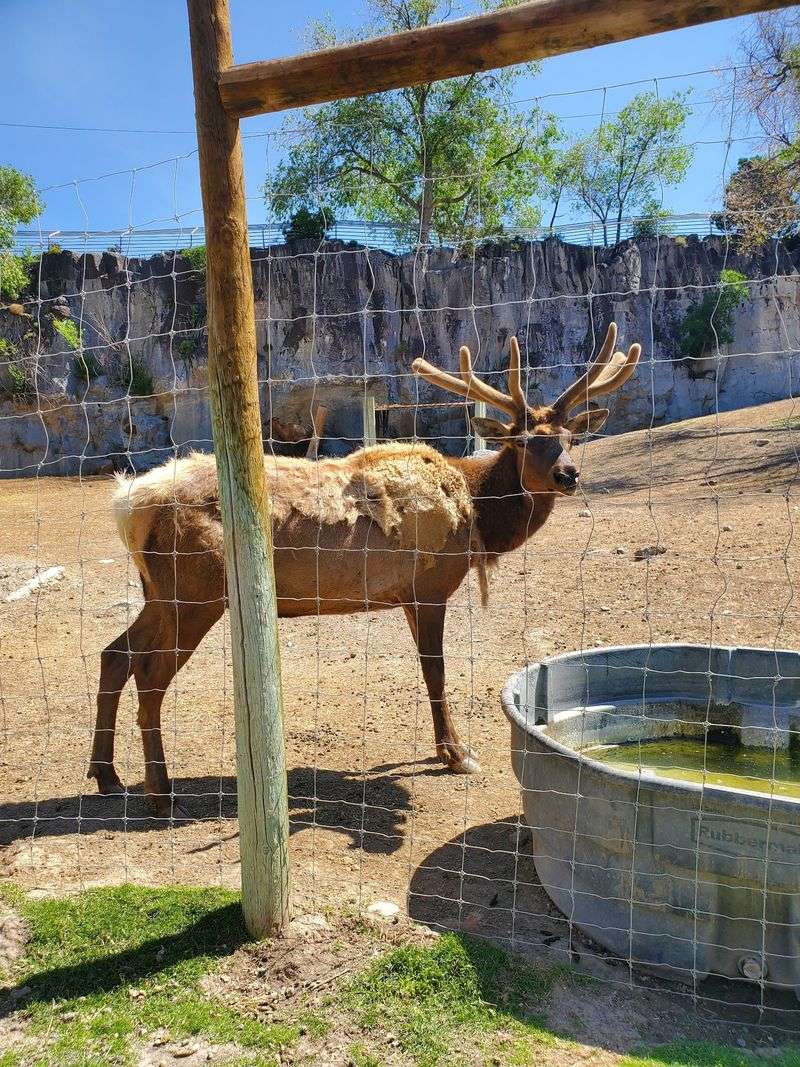
Forty feet of lava cliff runs right through the middle of the grounds. It splits the 25-acre zoo into upper and lower sections, and it looks like pure southeast Idaho.
The zoo works with Ross Park’s natural landscape instead of fighting it. Exhibits use rock, slope, and native plants to feel more like a hillside than a city block.
That terrain comes with a catch your calves will notice. Some paths climb steeply, so a visit can feel more like a short hike than a stroll.
Comfortable shoes are a smart call. Bring water on warm days, since shaded spots are limited along some stretches.
Shelters with benches offer welcome breaks when the sun gets strong. Some visitors using mobility scooters have reached all the exhibits, though the grades are worth planning around.
A treehouse and a 30-foot-high teepee add some fun landmarks along the way. Shoshone-Bannock tribal culture is also woven into the zoo’s design and programs.
That connection adds depth to the setting. These lands and animals have long histories together, and the zoo gives that relationship space.
Goats To Feed And Kids To Wear Out
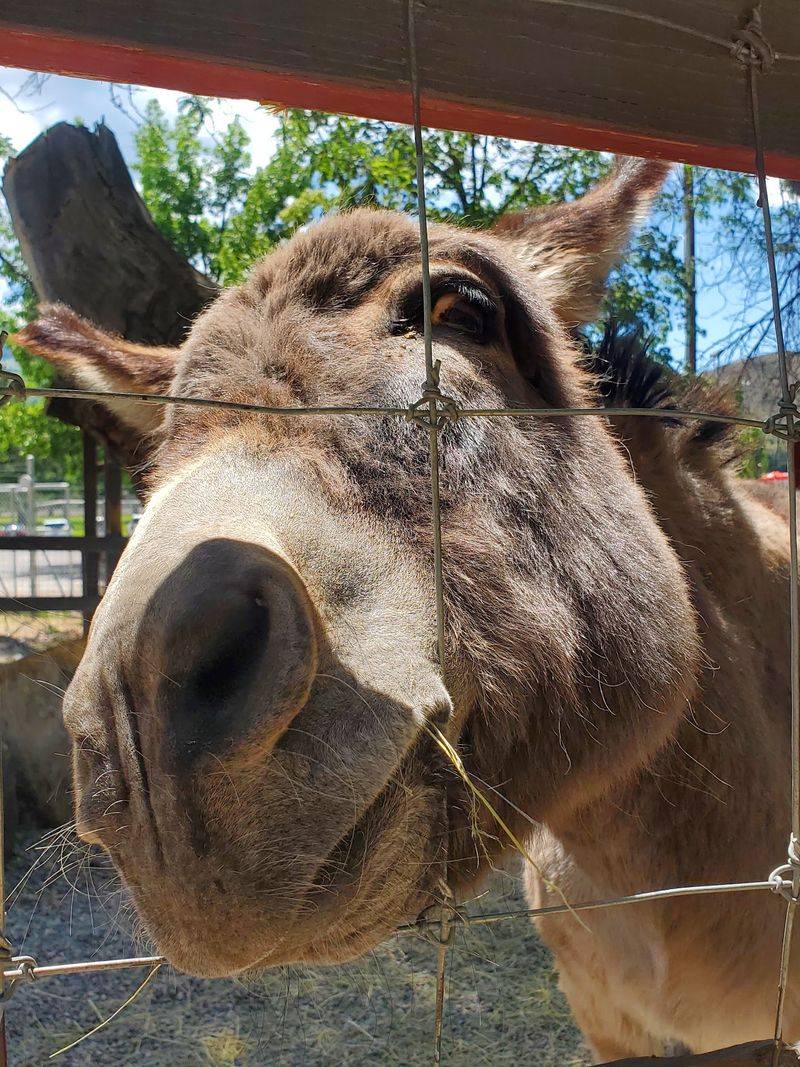
Small hands, hungry goats, and very few complaints from either side. The petting zoo area brings in barnyard animals for a hands-on break from the wild stuff.
Goats and sheep are the stars here, and feeding them is often on the menu. Donkeys and even a friendly cow have been part of the crew too.
A wooden play area gives kids a spot to burn energy between exhibits. Parents tend to appreciate that more than any animal sighting.
Zoo Idaho leans hard into education for young visitors. Interactive exhibits, storytelling sessions, classes, and family programs fill out the calendar.
Summer camps and birthday parties are also available. Learning about a bobcat sounds better when cake is involved.
The overall scale suits families well. Most groups can see everything in about an hour or two without anyone melting down.
Staff and zookeepers are often happy to answer questions about the animals. Kids with a hundred whys will find willing listeners.
Don’t skip the gift shop on the way out. The plushies are a solid bet for keeping the memory alive in the backseat.
Ice Cream, Costumes, And A Free Day On The Calendar
Any zoo that names an event the Ice Cream Zoofari understands its audience. Special events keep Zoo Idaho busy across much of the year.
Zoo Boo brings costumes and family-friendly spooks in the fall. It’s a great excuse to see a coyote while dressed as one.
The 2026 calendar lists plenty more. Poke Fest arrives in January, and Enrichment Day lands in July.
Enrichment Day is a fun one to catch. Keepers give animals toys, puzzles, and treats that encourage natural behaviors.
Poky Prowl follows in August. Stockings for Wildlife closes out the year in December.
The big one for budget-minded families is the Free Day at the Zoo in May. Expect a lively crowd, since free admission tends to bring the whole town out.
Events change from year to year, so check the zoo’s calendar before planning around one. Dates and details can shift.
Each event offers a different angle on the same animals. A grizzly digging into an enrichment treat is a pretty different show than a grizzly napping.
Plan Around The Seasons Before You Head To Pocatello
Timing matters more here than at most zoos. Zoo Idaho runs on a seasonal schedule rather than staying open year-round.
Generally, the gates open daily from May through early September. Weekend hours cover April and the stretch from mid-September through October.
Admission usually ends a half-hour before closing. Schedules shift, so check before driving, especially early or late in the season.
You’ll find the zoo at 3000 S 2nd Ave, Pocatello, ID 83204. It sits in Ross Park, an easy hop off Interstate 15 in southeast Idaho.
Tickets cost just a few dollars, and memberships are available for frequent visitors. That makes it a friendly pick for families watching their spending.
Mornings tend to be calmer and cooler for walking the hills. Animals may also be more active before the afternoon heat.
So is it worth the trip? For anyone curious about the creatures sharing Idaho’s mountains and plains, I believe it absolutely is.
It’s small, hilly, and proudly local. And it gives animals like Shoni a second chance, which might be the best reason of all to visit.