This California Aviation Museum Lets Visitors Pilot An F/A-18 Fighter Jet Simulator Inside A Real Military Cockpit
A full-size F/A-18 cockpit, once used to train real military pilots, now waits for regular folks to take the controls. No uniform required.
The simulator lets you practice takeoffs and landings. That includes landing on an aircraft carrier, which sounds wildly ambitious for a weekend outing.
I have to admit, that’s a clever way to turn a museum visit into something you actually do. Most aviation exhibits ask you to look. This one hands you the stick.
The fun keeps stretching across a sprawling complex in California. There are vintage warbirds and a vintage transport plane with a seriously charming nickname.
Then there’s a whole hall of classic race cars and hot rods. I’d say that’s a pretty compelling reason to take a closer look.
Your Weekend Plans Just Got Cleared For Takeoff
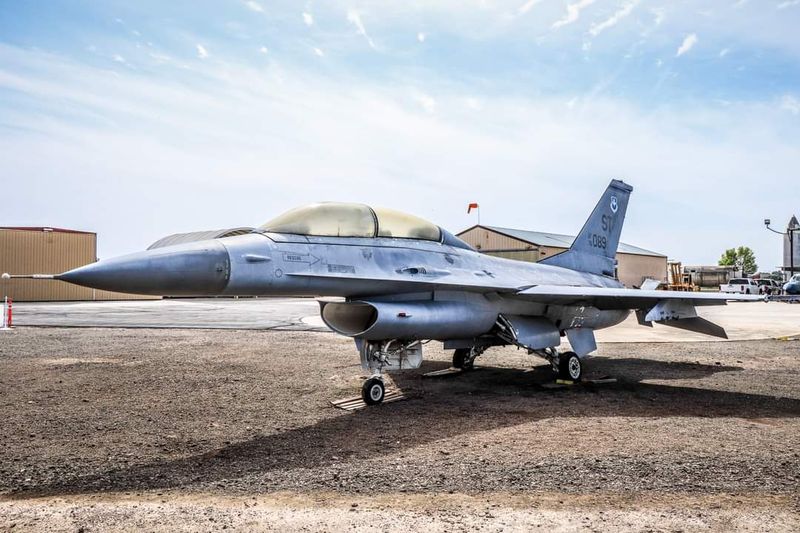
Fighter pilots once trained in this exact kind of cockpit. Now the Estrella Warbirds Museum in Paso Robles lets visitors slide into a full-size F/A-18 simulator.
It’s a real military training cockpit, not an arcade ride with a plastic seat. You can practice takeoffs, landings, and routine maneuvers in regular airspace.
Feeling bold? The simulator also handles aircraft carrier landings.
That’s widely considered one of the trickiest moves in all of aviation, so expect a little humility.
Both licensed pilots and curious civilians use it. That makes it a great fit for the friend who talks about flying constantly but has never touched a jet.
The simulator is available by appointment on select days, depending on operator availability, so planning ahead is smart.
Calling before your trip is the easiest way to lock in a slot. Showing up and hoping for an open cockpit is a gamble you don’t need to take.
Once you’re strapped in, the rest of the museum might feel tame for a minute. Don’t worry, though.
Your heart rate will settle down eventually, probably somewhere near the gift shop.
A Tiny Training Box That Taught Generations To Fly
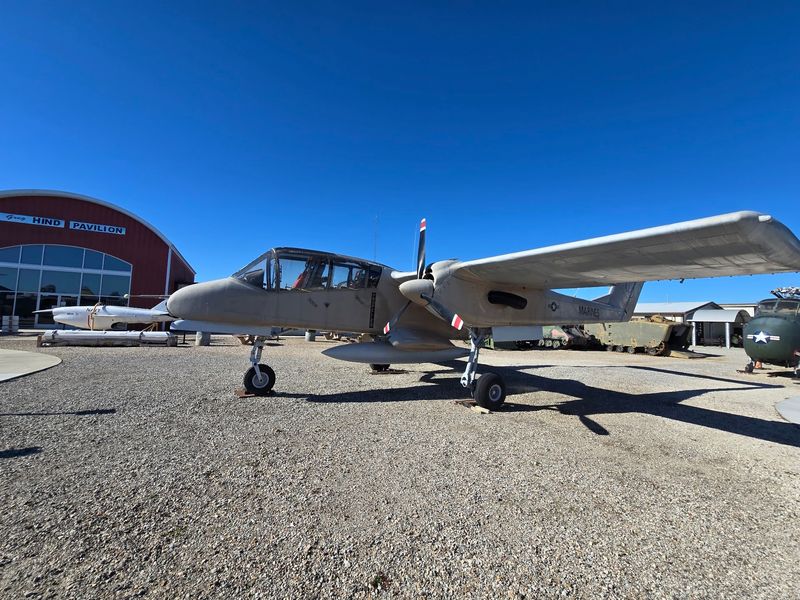
Long before screens and computer graphics, pilots learned on a stubby little machine called the Link Trainer. The Estrella Warbirds Museum has one of these, too.
Think of it as the grandparent of the F/A-18 simulator. Seeing both under one museum roof turns your visit into a quick lesson on how flight training grew up.
The Link Trainer looks almost like a toy airplane sitting on a base. Its job was serious, though, because it helped pilots learn to fly using instruments alone.
That matters when clouds or darkness hide the ground. Pilots needed to trust their gauges instead of their eyes, and practicing on the ground was much safer.
For kids, comparing the two simulators is a fun puzzle. Which one feels more like a video game?
Which one looks like it belongs in a cartoon?
Adults might enjoy it even more. There’s something pretty satisfying about seeing old-school engineering and modern tech share the same spotlight.
Take a minute to study the cockpit details on the vintage trainer. Then imagine learning to fly with nothing but dials, patience, and a very calm instructor.
The Museum Sits On An Old Army Air Base
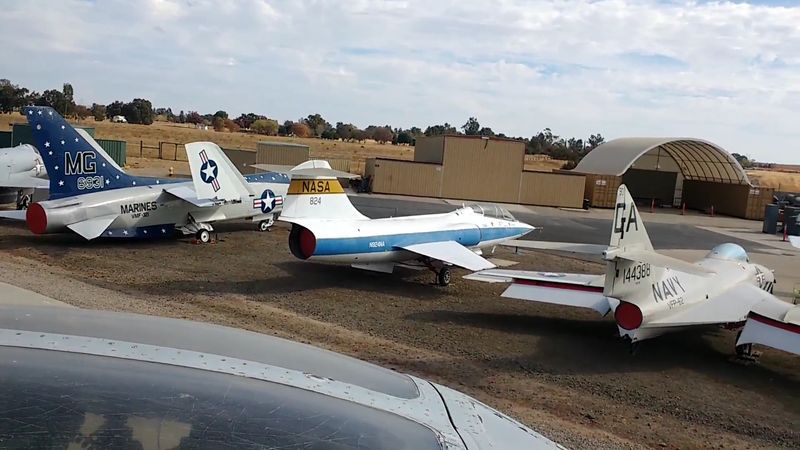
History isn’t just on display here. It’s under your feet, since the museum sits on the grounds of a former World War II airfield.
That airfield was known as Estrella Army Air Field during World War II. Today it’s the Paso Robles Municipal Airport, and the museum took its name to honor that history.
The story started small. Local pilots Glen Thomson and Gary Corippo got things going in 1993, after the group was chartered as a California nonprofit in 1992.
At first, it was a squadron of the Commemorative Air Force. The museum became independent in 2000 and kept growing from there.
And grow it did. What began with one hangar is now a complex of around 20 acres with 14 buildings.
The grounds hold exhibit halls, workshops, a library, a gift shop, and conference space. That’s a lot of territory for a project that began with a couple of pilots and a big idea.
The location at 4251 Dry Creek Road, Paso Robles, CA 93446, also feels fitting. Where else should a warbird museum live but right beside a working runway?
Fighter Jets Line Up Outside Like A Parking Lot For Legends
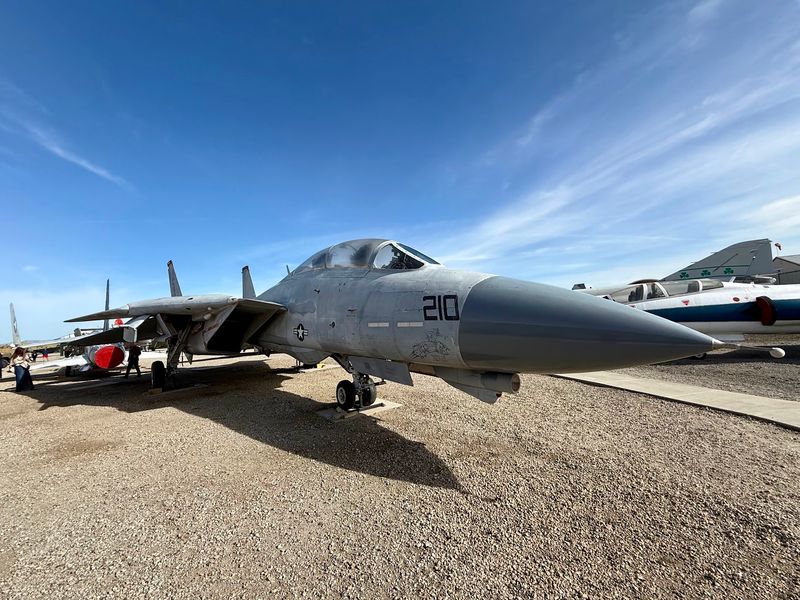
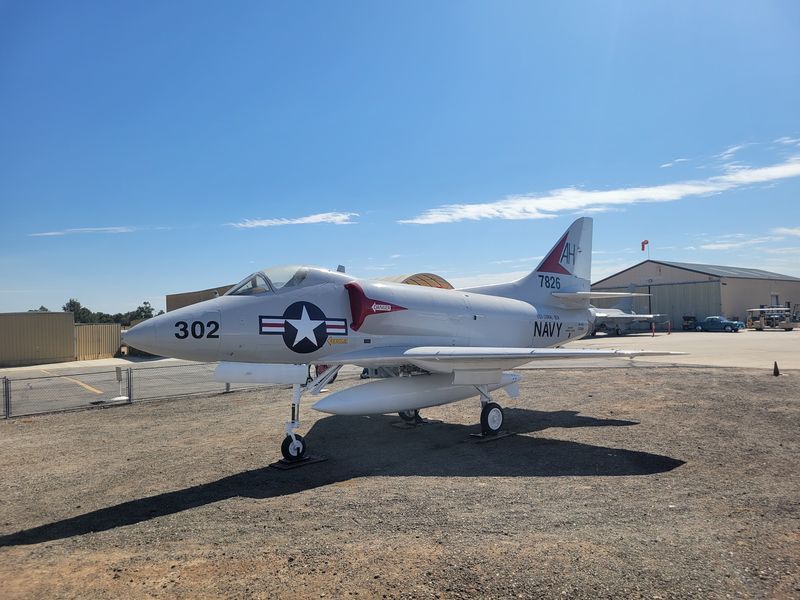
Outdoor exhibits here aren’t a quick stroll. Fighter planes from the Cold War through modern times are parked across the grounds, waiting for a close look.
The collection at the Estrella Warbirds Museum includes vintage warbirds and helicopters. An F-14 Tomcat and a Huey are among the aircraft that have drawn attention.
Being outside changes the experience. You can walk around these machines and see just how big, or surprisingly compact, some of them are.
Fresh arrivals keep things interesting. In February 2025, the museum acquired an OH-23C helicopter plus O-1A and U-6A aircraft from Camp San Luis Obispo.
That means a return trip may not look exactly like your last one. New planes join the lineup as the collection grows.
Bring sunscreen and a hat, since Paso Robles summers can get toasty. Comfortable shoes help too, because you’ll want to circle each aircraft at least once.
Kids tend to love spotting differences between planes. Ask them to pick a favorite, then defend their choice. It’s a sneaky way to make them read every sign.
Betsy’s Biscuit Bomber Has Flown More Hours Than You’d Believe
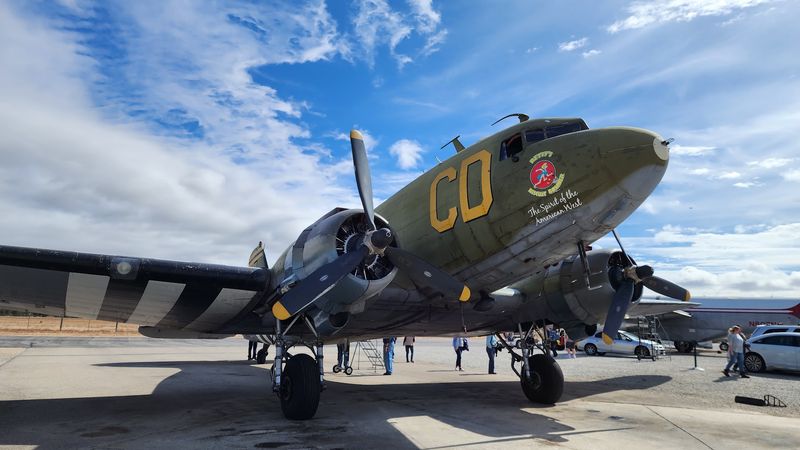
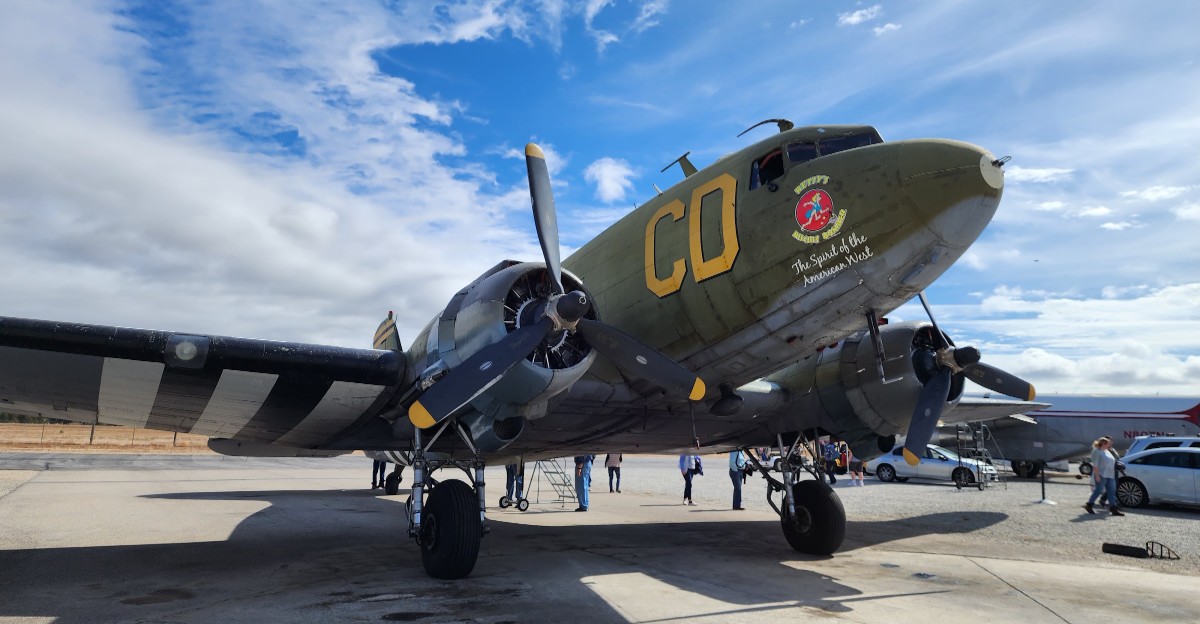
With a name like Betsy’s Biscuit Bomber, this plane was always going to be a crowd favorite. It’s a C-47 transport, and it calls the museum home.
Its résumé is impressive. The aircraft has logged more than 9,400 flight hours with various air forces.
That’s a lot of time in the sky. To put it simply, this plane has spent more hours flying than most of us spend on long road trips in a lifetime.
In 2019, it took part in the 75th anniversary reenactment of D-Day. That gave it a role in honoring one of the most famous moments of the 20th century.
The C-47 was a workhorse. Planes like this carried troops, cargo, and supplies, which is part of what makes the biscuit nickname feel so fun.
Spend a few extra minutes here. The plane’s rounded nose and sturdy shape look very different from the sleek fighter jets nearby.
It’s also a great photo stop. Few aircraft names are this easy to remember, and fewer still make you a little hungry.
Small Artifacts Tell Some Of The Biggest Stories Here
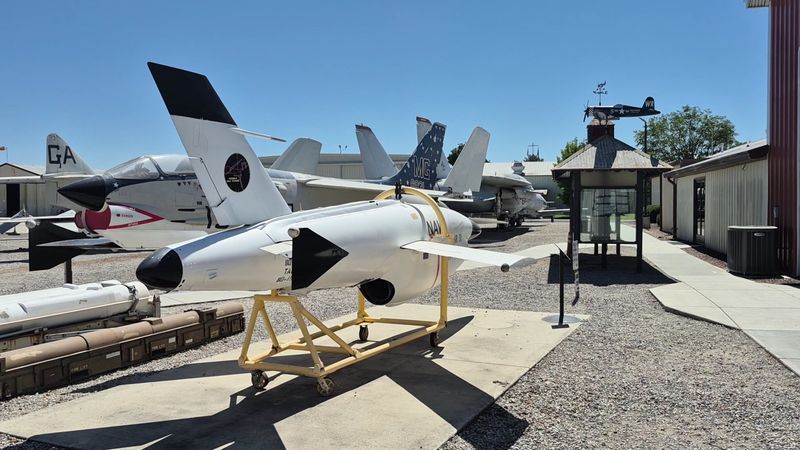
Huge planes grab attention, but the indoor displays deserve real time. Artifacts here stretch from World War I to the present.
One standout is a Norden bombsight from World War II. It was a famously secret piece of technology, and seeing one up close is a rare treat.
Cockpit instrument displays from both American and Japanese fighters are on view as well. Comparing them shows how different designers solved similar problems.
Vintage radio equipment, side arms, and modern missiles round out the mix. Every case seems to hold another surprise.
Here’s a smart tip. Slow down and read the signs, because the small details are where the history really clicks.
Families can turn this part into a game. Have everyone find the oldest object they can spot, then compare answers.
Indoors also offers a break from the California sun. After circling aircraft outside, cool exhibit halls feel like a welcome pit stop with bonus learning.
Jeeps, Ambulances, And Trucks Rule The Motor Pool
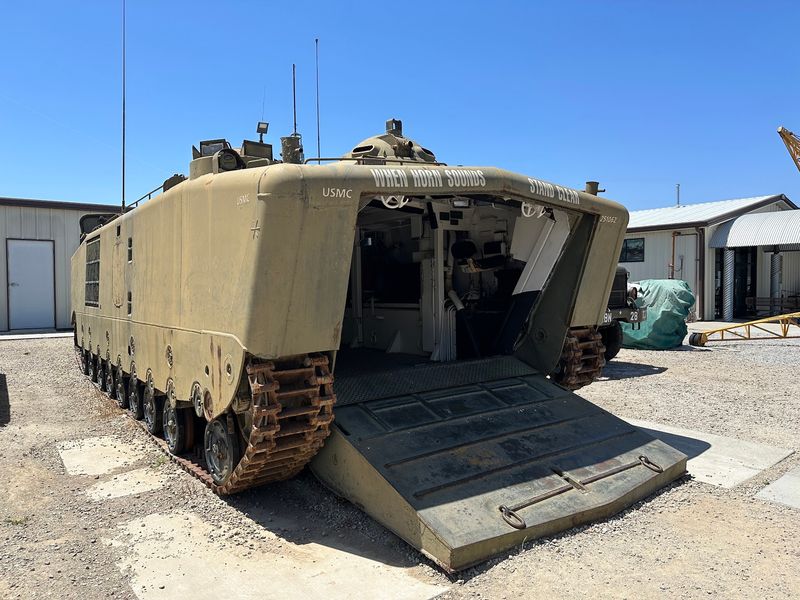
Planes get the spotlight, yet the ground vehicles here hold their own. Jeeps, supply trucks, armored vehicles, and antique ambulances fill the displays.
Many sit in the Red Ball Express Motor Pool. This 5,000-square-foot building opened in 2015 to show vehicles donated by Herman Pfauter.
The name has history behind it. The original Red Ball Express was a famous World War II trucking system that kept supplies rolling to troops.
Seeing these vehicles together helps explain something people often forget. Moving food, fuel, and medicine mattered just as much as flying fighters.
Antique ambulances are especially interesting. They show how medical care adapted to rough roads and tough conditions.
Restoration is a big part of the museum’s mission. Vehicles, aircraft, and memorabilia all get careful attention to preserve them for future visitors.
If anyone in your group loves trucks more than planes, this is their happy place. Give them a few minutes. Or maybe a few dozen.
Plot Twist, There’s A Whole Car Museum Next Door
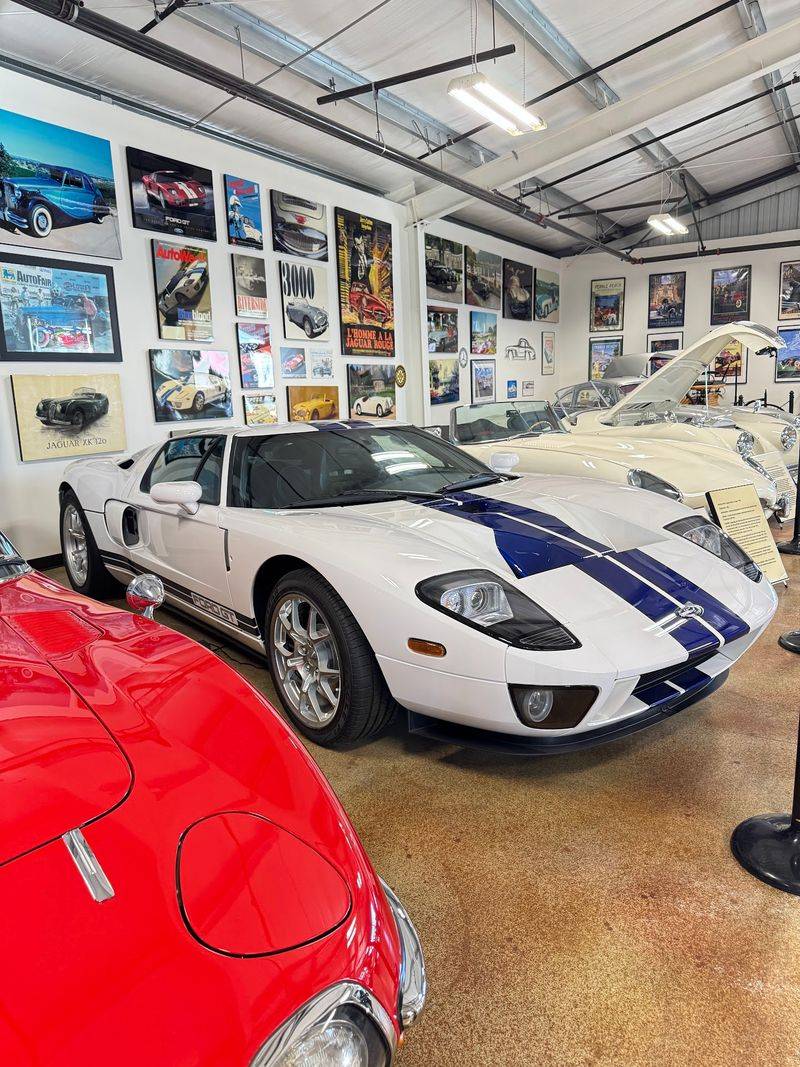
Nobody expects a warbird museum to come with race cars. Yet the Woodland Auto Display sits right alongside the aviation exhibits.
It opened in July 2009 and covers roughly 20,000 to 25,000 square feet. It has been called the best auto museum on the Central Coast.
Inside, classic race cars and hot rods share space with vintage American, European, and Japanese automobiles. The variety keeps things lively.
One highlight is an accurate recreation of an Indy 500 workshop. It’s a fun peek at the gritty side of racing.
Movie fans should look for Steve McQueen’s Indian motorcycle and sidecar. That’s a pretty cool piece of Hollywood history to find in a California airport museum.
This section also makes the whole visit easier for mixed groups. Someone who shrugs at planes may light up at chrome bumpers.
Budget extra time for it. Plenty of folks show up for the jets and leave talking about the cars.
A Few Smart Moves Before You Head Out
Timing matters most here. The Estrella Warbirds Museum is open Thursday through Sunday from 10 a.m. to 4 p.m.
It also opens on legal Monday holidays like Memorial Day and Veterans Day, with the same hours. Those days feel especially fitting for a visit.
Got a big crew? Groups of 10 or more can set up personalized tours Monday through Thursday by appointment.
Remember to book simulator time ahead. Weekend flight slots are the hottest ticket on the property, and nobody wants to miss their cockpit moment.
Leave room for the gift shop on your way out. It’s a handy spot for a souvenir that proves you flew a fighter jet, sort of.
Paso Robles makes an easy stop on a Central California road trip. The museum’s spot beside the airport keeps things simple to find.
Give yourself plenty of time to explore aircraft, vehicles, artifacts, and cars. Rushing would be a shame, especially after you’ve just landed on a carrier.