10 Cities In New York Where Free Attractions Help A Modest Budget Go Further
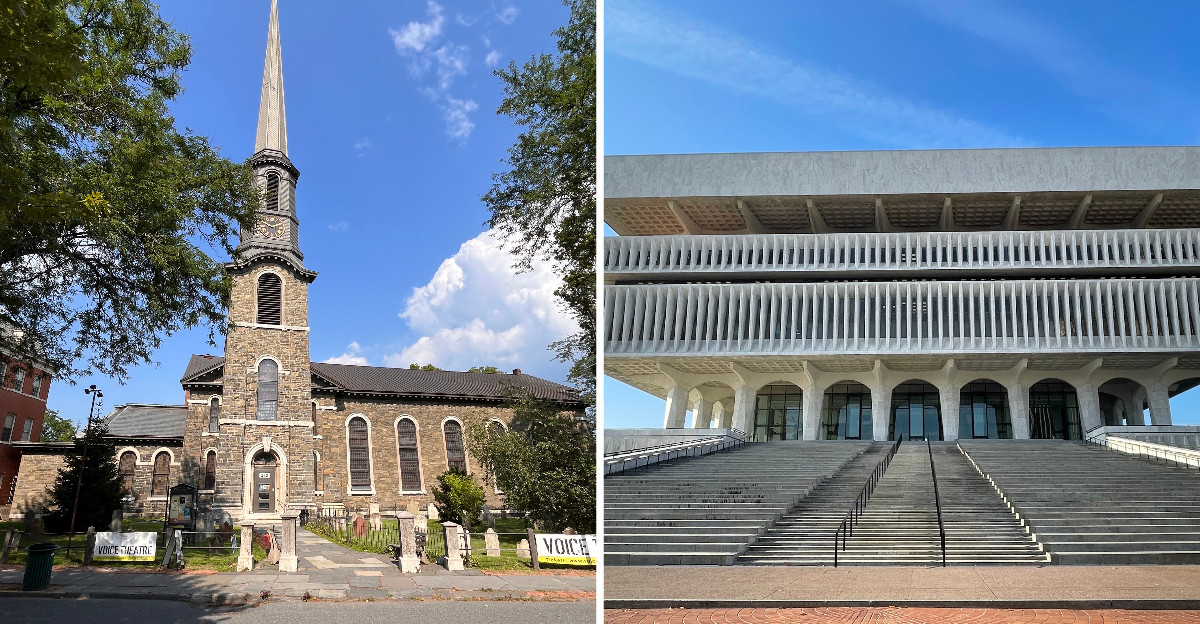
A carousel built around 1914 sits on the fourth floor of a free state museum. I still can’t get over that.
Even while the ride is paused for maintenance, you can visit the museum without an admission ticket.
That’s the kind of detail that made me look harder at upstate New York.
One city has a free hands-on energy center beside a zoo. Another lets you stroll the grounds of a star-shaped fort beside lake from dawn to dusk.
Then there’s a former railroad bridge that opened in 1889. It now ranks as the world’s longest elevated pedestrian bridge, and walking it costs exactly nothing.
Housing costs vary widely among these cities, but free museums, waterfronts, and historic streets make it easier to enjoy an afternoon without stretching your monthly budget.
I love the idea of a calendar that still leaves room for art, lake views, and market mornings. So, which one would you try first?
1. Jamestown
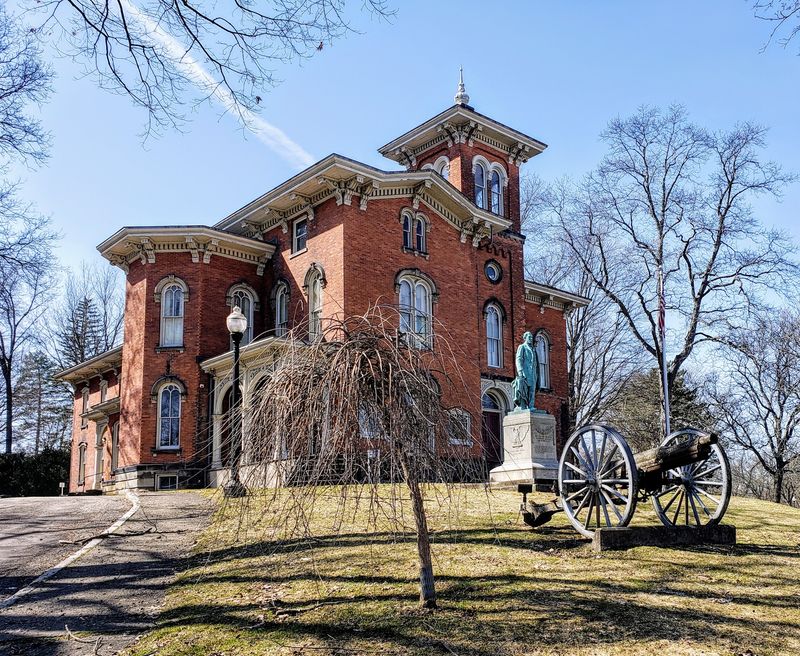
Lucille Ball was born here, and the city clearly still adores her. That’s a fun bonus for a place where housing has often been more attainable than in the state’s largest metropolitan areas.
Jamestown has a long history of furniture making, but these days comedy also helps define its downtown identity.
The National Comedy Center stands at 203 West 2nd Street, Jamestown, NY 14701. Its interactive galleries explore stand-up, television, and the art of making people laugh.
Admission is required, so this is a museum to plan for rather than an everyday free outing.
Nearby, the Lucille Ball Desi Arnaz Museum features costumes and recreated television sets associated with I Love Lucy. A combined visit makes sense for dedicated fans.
There are simpler outings too. Wander downtown streets to find murals honoring the city’s comedy heritage, or enjoy the public spaces beside the Chadakoin River.
The Jamestown Riverwalk offers paths for an afternoon stroll without museum admission. Parks and community events provide more options as the seasons change.
Check event schedules before making a special trip, since not every downtown celebration takes place year-round. Affordable housing and free recreation are different parts of a monthly budget, and both deserve careful consideration.
Jamestown’s appeal is being able to mix an occasional ticketed cultural visit with ordinary afternoons spent exploring the city itself.
2. Buffalo
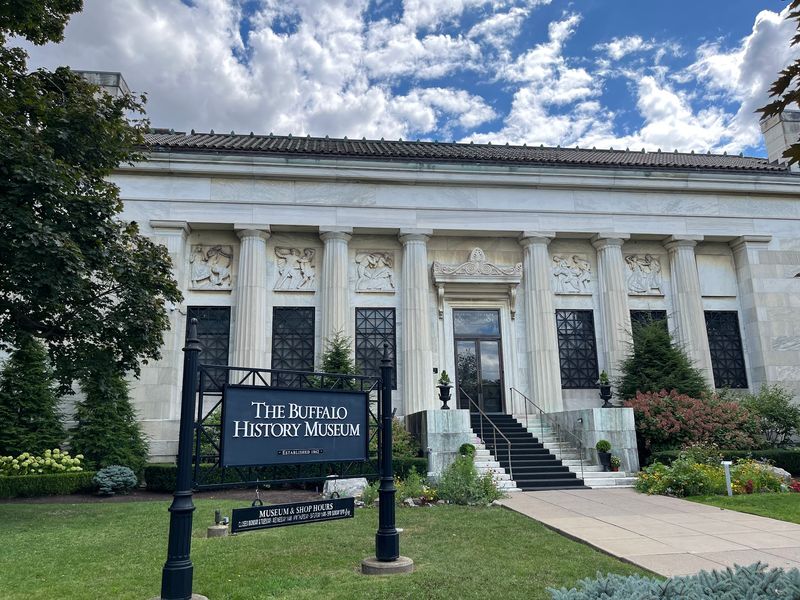
Lake Erie views without a ticket booth sound almost too good. In Buffalo, that’s just a regular afternoon at Canalside.
The waterfront connects downtown to open public spaces, giving residents somewhere to walk, meet friends, and enjoy the harbor without purchasing an attraction ticket.
The central entrance is at 44 Prime St, Buffalo, NY 14202. Broad paths, lawns, and the boardwalk make a stroll easy to organize.
Public art provides conversation starters, while the nearby Outer Harbor extends the possibilities for walking and cycling. In the warmer months, a seasonal program brings free fitness classes, including yoga and dance-based sessions.
The schedule changes with the weather, so check dates before packing workout clothes. Kayak and bicycle rentals are available separately for anyone planning a more active day.
Canalside stays open daily from dawn to dusk, with longer access possible during special events. The grounds are free, though some rides, classes offered by outside providers, and nearby museums have their own admission policies.
Metro Rail access also makes a visit possible without driving downtown. Buffalo’s housing market differs sharply from Manhattan’s, but rent and other living expenses still depend on neighborhood and household needs.
For an ordinary weekend, however, a packed lunch and a waterfront walk can turn the city into an inviting place to spend time without building the day around purchases.
3. Elmira
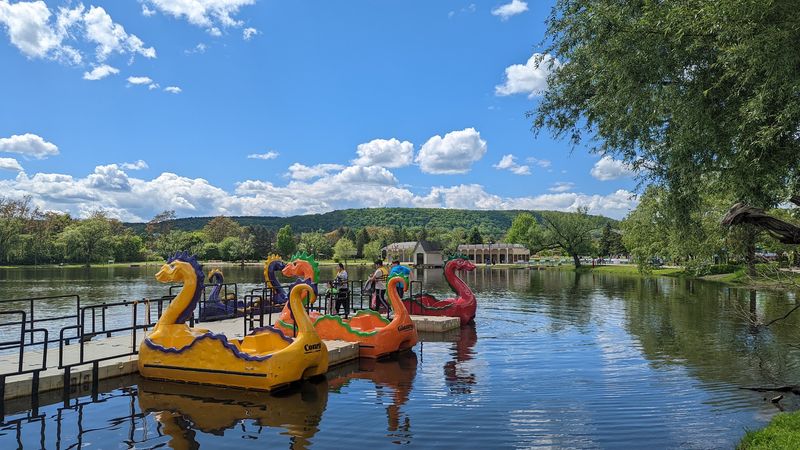
Mark Twain spent summers in Elmira and wrote major works while he was there.
Chemung River Valley gave him the scenery and space to work, and the surrounding hills still make a fine backdrop for a peaceful afternoon.
For a free outing, head to Tanglewood Nature Center and Museum at 443 Coleman Ave, Elmira, NY 14903.
Its trails are open from dawn to dusk throughout the year without admission. Inside the nature center, more than forty species of live animals offer a close look at reptiles, amphibians, birds, and other creatures.
The exhibits are self-guided, so families can move through them at their own pace. The main building opens Tuesday through Friday from 9 a.m. to 4 p.m. and Saturday from 10 a.m. to 4 p.m.
Outside, the Glen and meadow trails include woodland walking and viewpoints across the valley. Several paths are hilly, so choose a route that matches your energy and footwear.
A separate trail system at Personius Woods welcomes leashed dogs. The center also offers classes and programs, some of which require registration.
Elmira has relatively modest housing costs compared with many parts of the state, though individual budgets depend on more than rent.
A weekly walk, a visit with animal ambassadors, and a picnic can provide recreation without becoming another recurring monthly bill.
4. Utica
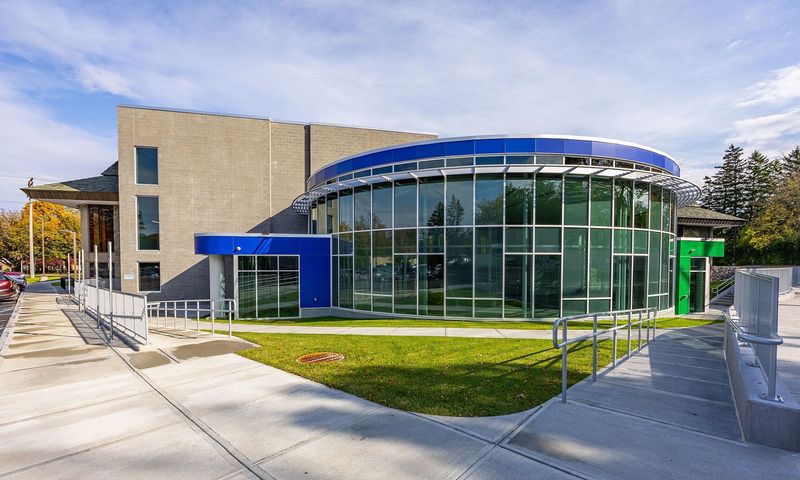
Electricity gets its own playground in Utica.
The NY Energy Zone is an interactive learning center dedicated to the science of power, from the earliest electrical discoveries to the technology that keeps homes and cities running today.
Admission and parking are free at 35 Utica Zoo Way, Utica, NY 13501. The center is right beside Utica Zoo, making it possible to build a day around two different experiences.
The zoo charges admission, but the energy exhibits offer plenty to do on their own. Interactive stations allow children to build virtual power networks, learn about the electrical grid, and explore the history of energy across the state.
A 3D theater adds another dimension to the visit, and displays make technical topics approachable for different ages.
The facility opens seven days a week from 10 a.m. to 5 p.m., apart from designated holidays. That makes it a useful option when weather sends the family looking for an indoor outing.
The adjacent zoo can remain a separate special-occasion activity rather than part of every visit.
Utica’s housing market is comparatively accessible within the state, although transportation, utilities, and other essentials still belong in any realistic spending plan.
If you want a free afternoon that also teaches something, the Energy Zone offers a surprisingly entertaining answer. There’s something satisfying about leaving a museum knowing how a little more of the world works.
5. Syracuse
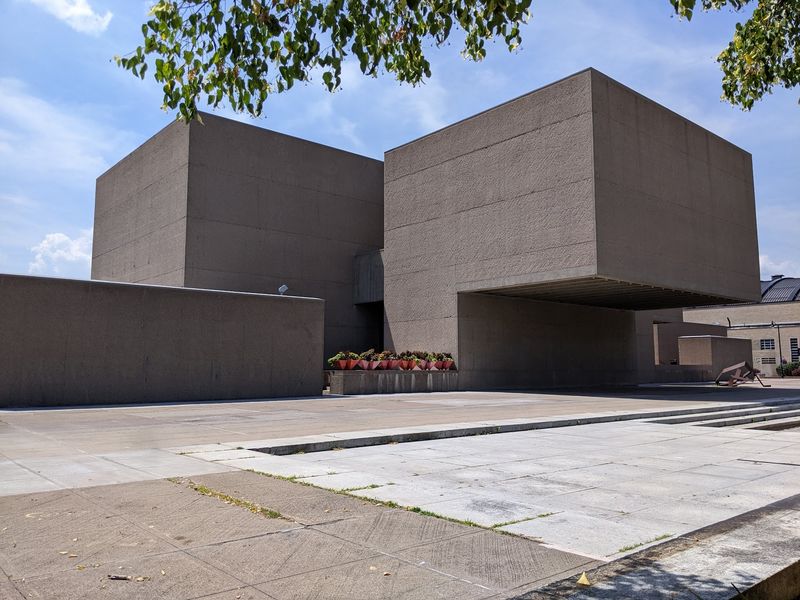
More than 300 vendors connected with one regional market is a lot of choices.
At the Central New York Regional Market, a grocery run can turn into an outing full of seasonal produce, flowers, handmade goods, and conversations across the stalls.
The market operates at 2100 Park St, Syracuse, NY 13208. Saturdays are devoted to a year-round farmers market, while Sundays feature a flea market with secondhand finds and collectibles. Both run from 7 a.m. to 2 p.m.
During the growing season, Thursday farmers market hours add another chance to browse. Not every vendor appears on every market day, so a winter visit naturally looks different from a busy harvest-season Saturday.
It’s worth arriving with a short shopping list while remaining open to whatever produce is available.
Browsing is free, and parking is available on the grounds. Buying from vendors isn’t automatically cheaper than shopping at a supermarket, but comparing seasonal offerings and choosing ingredients you can use helps keep spending intentional.
Syracuse offers a wide mix of housing options compared with the state’s most expensive metropolitan areas, although particular neighborhoods vary.
The market also introduces the farmers, growers, and small businesses that shape local food culture. For a low-key weekend, bring a reusable bag, enjoy the bustle, and make breakfast or lunch at home from what you’ve found.
6. Ithaca
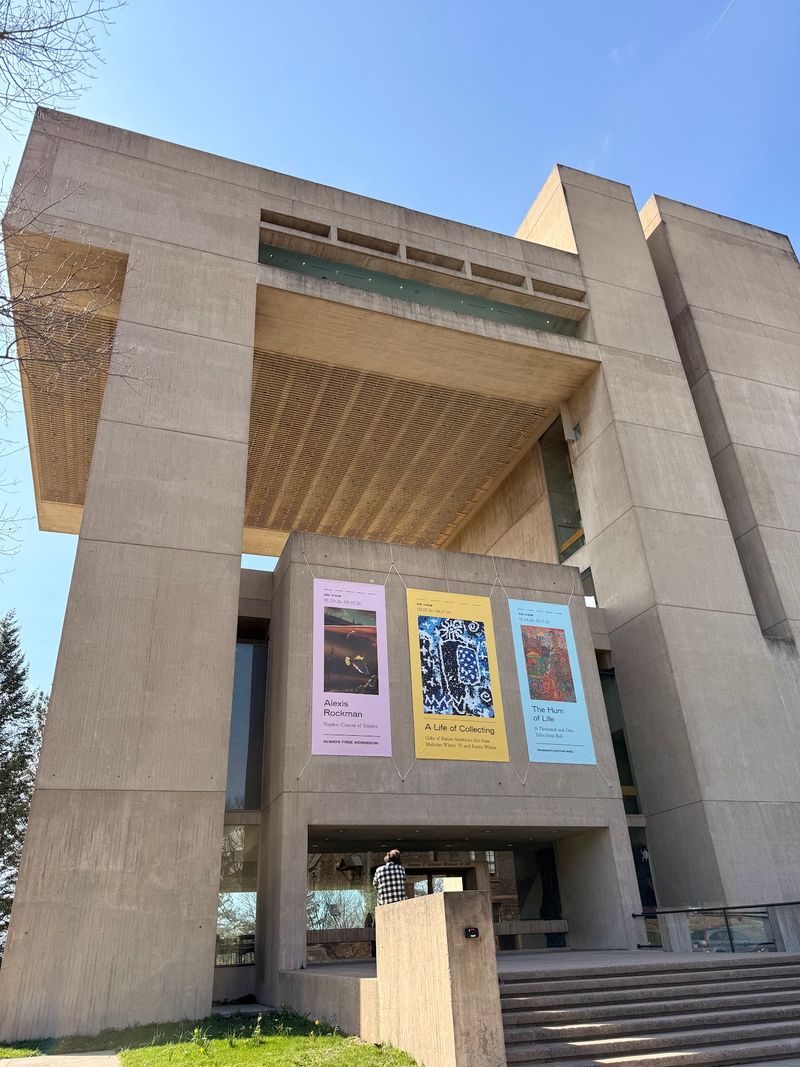
A museum designed by I. M. Pei, holding more than 40,000 works of art, and admission is free for everyone. Ithaca, you’re showing off.
The Herbert F. Johnson Museum of Art brings world-class collections into a university setting above Cayuga Lake.
You’ll find it at 114 Central Ave, Ithaca, NY 14853, on Cornell University’s campus. Opened in 1973, the museum holds art from a wide range of countries, centuries, and traditions.
Its Asian collections are particularly substantial, alongside paintings, prints, sculpture, and rotating exhibitions.
The building’s angular concrete architecture is also part of the experience, with panoramic views from the upper levels across the surrounding landscape. Museum admission is always free, making return visits appealing even when you only have an hour.
Hours are Tuesday through Friday from 10 a.m. to 5 p.m. and Saturday and Sunday from noon to 4 p.m. The building is closed Monday.
Take a little time to explore the nearby Cornell campus as well, where footpaths and gardens make pleasant places to walk.
Ithaca’s housing costs can be considerable, especially around the university, so it’s misleading to call the city uniformly inexpensive.
What it does provide is access to remarkable free culture. When your monthly budget needs a lighter weekend, an afternoon among art and lake views is a rewarding possibility.
7. Oswego
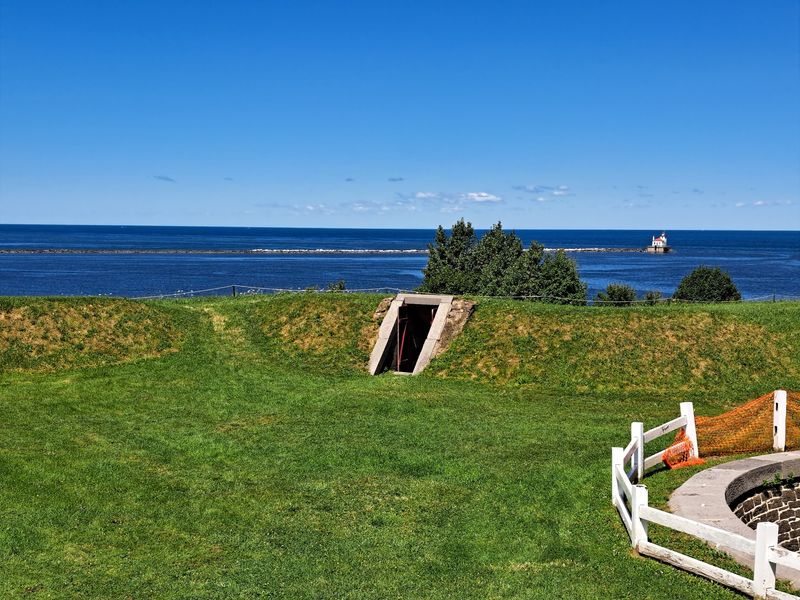
Windswept ramparts and huge Lake Ontario views are free in Oswego.
Fort Ontario State Historic Site keeps its outdoor grounds accessible year-round from dawn to dusk, offering an impressive walk beside the lake even outside the main museum season.
The present star-shaped fort reflects nineteenth-century rebuilding and later improvements, with earthworks and a distinctive outline overlooking the shoreline.
From the grounds, you can explore the exterior landscape, see the fortifications, and appreciate why this location overlooking the harbor mattered for generations.
The setting feels different in every season, from bright summer days to brisk autumn afternoons, when the shoreline trees turn colorful. Wear an extra layer, because the open lakefront can be breezy.
The main entrance is 1 E Fourth St, Oswego, NY 13126. Interior tours and exhibits follow a seasonal schedule rather than being available year-round.
For 2026, the regular season ran from May 13 through October 12, generally Wednesday through Sunday.
The grounds can still provide a satisfying free visit after the indoor season ends. Oswego’s relatively modest housing market may interest people comparing smaller lakefront cities, but home costs aren’t the only expense to investigate.
For a pleasant afternoon, combine a walk around the fort with time near the waterfront. The lake supplies a panoramic backdrop, and the historic earthworks add something to discuss along the way.
8. Kingston
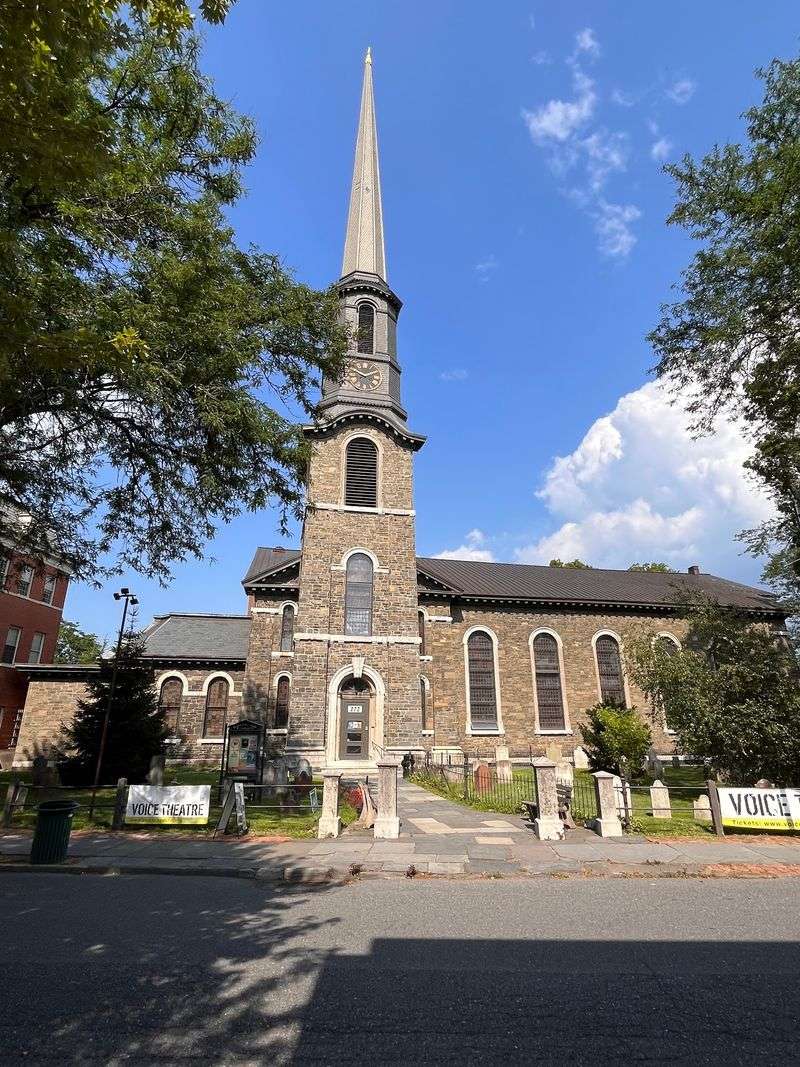
Kingston was New York State’s first capital. That’s a lot of bragging rights for a city where walking through the historic district costs nothing.
The Stockade neighborhood retains the old street pattern established during the seventeenth century, along with an unusual concentration of limestone buildings.
Almost two dozen historic stone houses remain in the neighborhood, many still used as homes or workplaces.
The streets around the Ulster County Courthouse and the Old Dutch Church provide a convenient introduction to the district’s architecture.
It is easy to imagine how this compact street grid served a trading community long before modern traffic arrived. A self-guided stroll makes a fine alternative to a scheduled museum visit, especially on a mild afternoon.
For navigation, aim for the Stockade District around Wall Street and John Street, Kingston, NY 12401. Its public sidewalks and storefronts are accessible throughout the year, although individual shops and historic interiors keep separate hours.
Seasonal guided tours offer additional context for those who want a deeper look.
Kingston’s housing market is notably more expensive than several cities elsewhere on this list, so the affordability here lies more in free cultural outings than in inexpensive rent.
Bring comfortable shoes, enjoy the historic storefronts, and leave any purchases to a planned occasion. An ordinary walk can reveal far more local character than you might expect.
9. Poughkeepsie
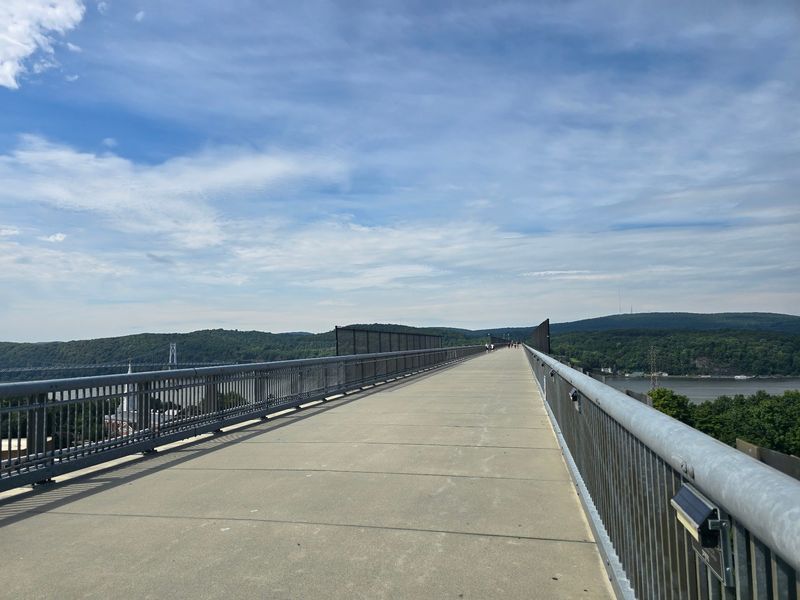
At 1.28 miles long and 212 feet above the river, this bridge doesn’t do small.
The Walkway Over the Hudson is the world’s longest elevated pedestrian bridge, and crossing it gives you extraordinary views without an admission charge.
The structure opened as a railroad bridge in 1889 and became a public walking and cycling park in 2009.
Today it links Poughkeepsie with Highland, allowing pedestrians, joggers, cyclists, and visitors using mobility aids to enjoy the broad Hudson Valley panorama.
The walkway connects with rail trails on both sides, so a brief visit can become a longer outing for anyone who wants more exercise and a different view of the countryside. Benches and viewpoints make it possible to pause along the route.
On the Poughkeepsie side, the main entrance is at 61 Parker Avenue, Poughkeepsie, NY 12601. The bridge generally opens at 7 a.m. and closes around sunset, with specific times changing throughout the year.
Regular admission is free, though special events occasionally have different arrangements. A seasonal accessible tram also offers a way to experience the crossing with less walking.
Poughkeepsie isn’t among New York’s least expensive housing markets, particularly when rents are considered.
The budgeting advantage here is simpler: a spectacular river view doesn’t require buying a ticket. Pack water and take your time looking toward the Catskills.
10. Albany
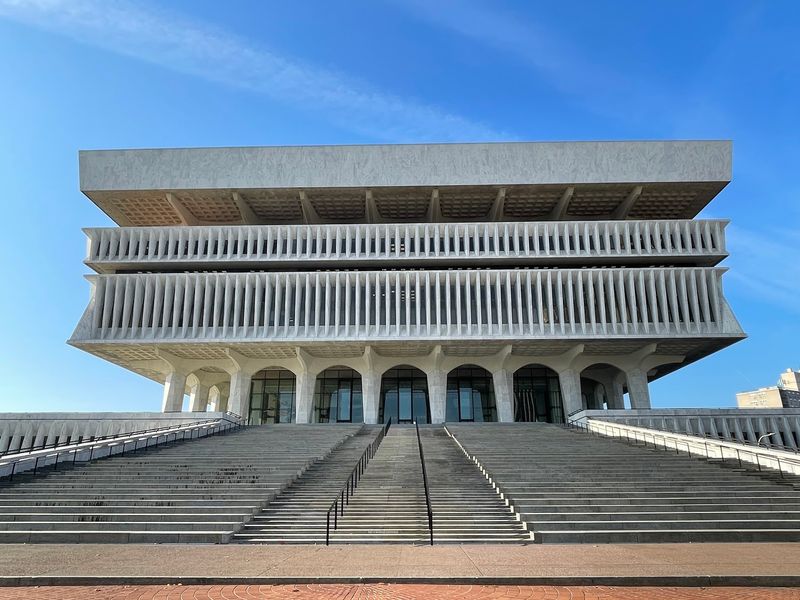
A carousel from around 1914 still occupies the fourth floor of Albany’s New York State Museum.
Its carved animals and bright details are a wonderful sight, although the ride is currently closed for maintenance.
The museum itself is free to visit, making it a dependable option for a low-cost cultural afternoon.
It is located in the Empire State Plaza complex and its galleries explore natural history, art, technology, and the development of communities across the state.
Adirondack landscapes, geological collections, and historic artifacts provide plenty of variety within the same building. Some galleries and family areas are temporarily unavailable, so choose from the exhibitions open on the day of your visit.
The address is 222 Madison Avenue. Normal museum hours are Tuesday through Sunday from 9:30 a.m. to 5 p.m., with Monday and certain holidays excluded.
Museum admission is free, although parking may involve a charge during weekday hours. Public transportation can make the outing simpler for people who live near a bus route.
Albany’s range of neighborhoods, housing types, and cultural institutions offers different possibilities for households managing a monthly budget.
The free museum provides one especially useful resource, even while the historic carousel waits for its next turn.
Finish with a walk around Empire State Plaza, and you’ve filled an afternoon with architecture and exhibits without paying an entry fee.