Copperheads Call This Connecticut State Park Home So Watch Where You Step
A snake crossing the trail can make even the most confident hiker suddenly remember how fast they can walk.
And when that snake might be venomous, paying attention becomes especially important.
Copperheads are native to parts of the region, and rocky natural areas can provide suitable habitat for them. Most encounters are avoidable when hikers give wildlife space and stay aware of their surroundings.
At one popular Connecticut state park, the presence of copperheads is worth keeping in mind before heading out.
Now here’s where it gets interesting.
These snakes generally prefer avoiding people, so spotting one doesn’t mean it’s looking for trouble.
The sensible approach is simple: watch your footing and never attempt to handle a snake.
A little awareness helps keep outdoor adventures enjoyable.
1. The Copperheads Are Real, But They Would Rather Avoid You
One wrong step could bring you surprisingly close to a copperhead.
These venomous snakes are masters of camouflage, and Sleeping Giant State Park in Hamden is one place where hikers need to pay attention.
Their copper-colored bodies and distinctive patterns blend remarkably well with fallen leaves. You could pass right by one without realizing it.
That became an especially important reminder in June 2024, when a dog was bitten by a copperhead while visiting the park.
Rescue crews worked together to carry the injured animal down the mountain so it could receive medical attention.
Despite their intimidating reputation, copperheads generally prefer to avoid confrontation. Most bites happen when the snakes feel threatened, particularly if someone accidentally steps on or disturbs them.
Staying on marked trails is a smart precaution. Check rocks and logs before resting, keep your hands away from hidden spaces, and give any snake you encounter plenty of room.
Hamden Animal Control has specifically warned visitors about copperheads in the park’s rocky areas and wooded surroundings.
The scenery is still worth enjoying. Just keep your eyes on the trail as well as the views.
2. Rocky Hillsides Make A Snake’s Dream Neighborhood
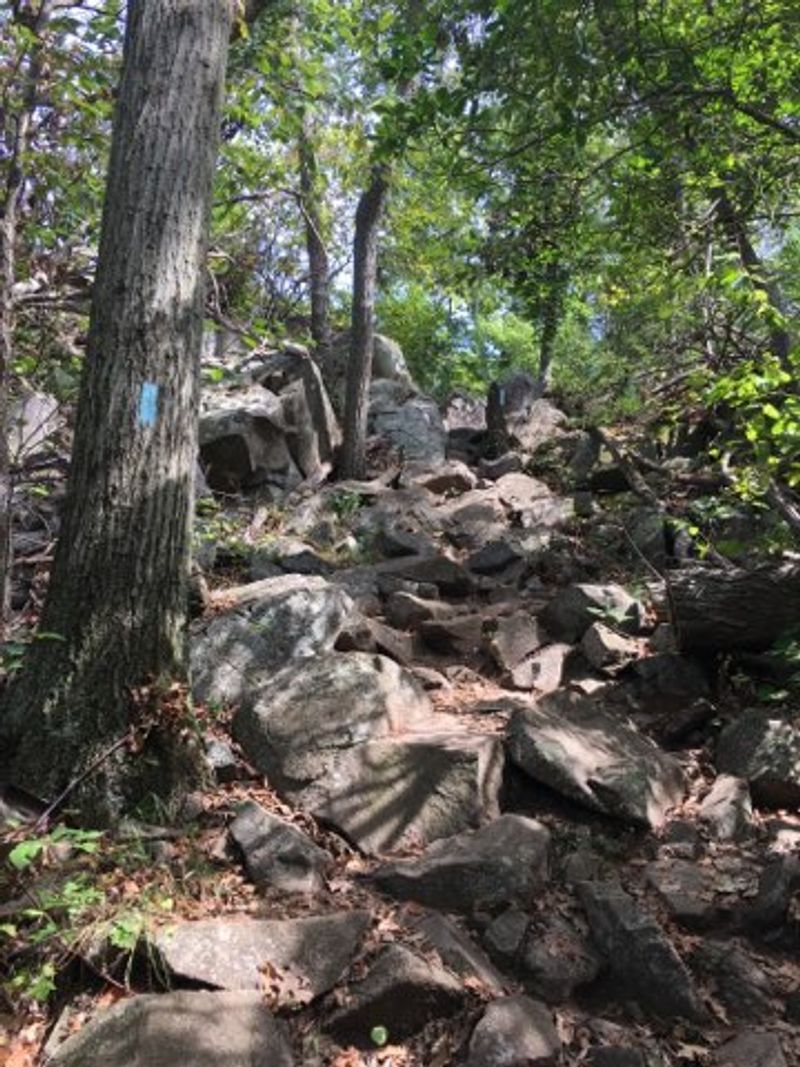
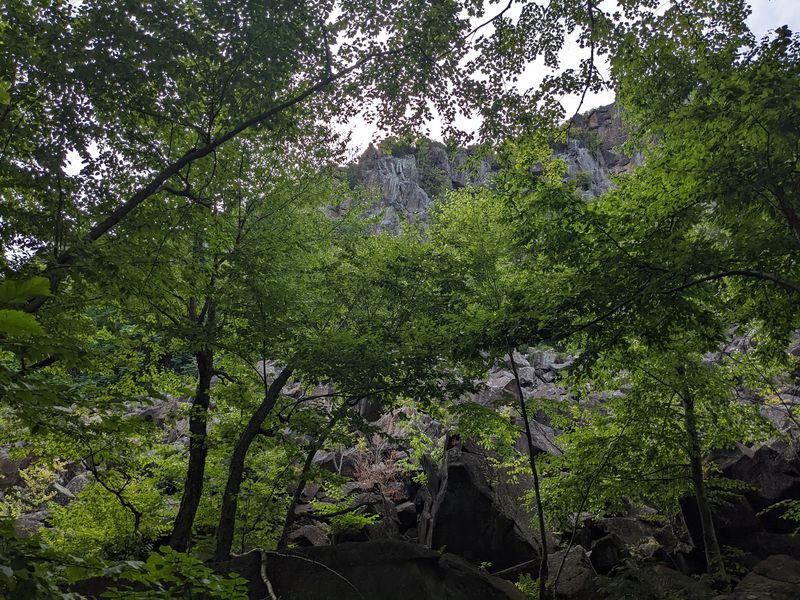
Look at the ground at Sleeping Giant State Park and you’ll spot rocks. Lots and lots of rocks, from small stones to big piles of broken traprock called talus.
For a copperhead, that’s prime real estate. These snakes like rocky hillsides, open woods, and the edges of swamps and meadows.
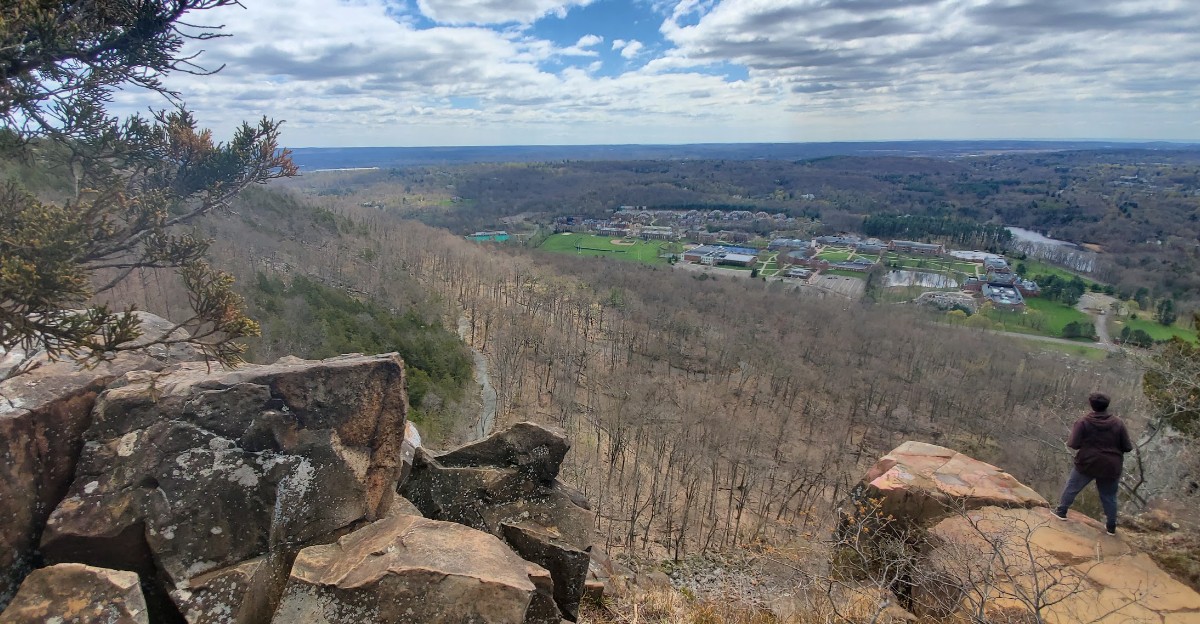
The park features woodlands, wetlands, cliffs, and talus across approximately 1,439 acres.
Location matters too. Copperheads mostly live in the central lowland region west of the Connecticut River.
New Haven County, home to Hamden, sits right inside that zone.
So the snakes aren’t lost visitors. They’re longtime locals who picked a great spot.
You can’t really blame them, since the views are excellent.
Knowing their favorite hangouts helps you plan. Take extra care around rock ledges, stone walls, and sunny patches near cracks.
Those warm spots are perfect for a cold-blooded animal trying to heat up.
Good footwear also helps. The trails are rocky and uneven, so sturdy shoes protect your ankles and give you better balance.
Your toes will thank you for the upgrade over flip-flops.
3. Your Dog Needs A Short Leash And A Watchful Human
Good news for pups: dogs are welcome in the picnic areas and on the hiking trails. They do need to stay on a leash the whole time.
Officials go a step further with copperheads around. They suggest keeping dogs on short leashes so curious noses don’t wander into rocky gaps.
A dog sniffing under a ledge could surprise a snake before you even notice.
That June 2024 bite shows why this matters. A hurt dog on a steep, rocky mountain is a heavy problem, literally.
Carrying a big dog down trails takes several people and lots of effort.
A few easy habits can help. Keep your dog close on narrow trails.
Steer them away from logs, brush piles, and stone crevices.
Bring plenty of water for both of you, especially on warm days. It’s also smart to know where the nearest emergency vet is before you head out.
Saving that info on your phone takes about a minute.
If your dog does get bitten, stay calm and head down carefully. Call a vet right away.
Quick action is the best gift you can give your furry hiking buddy.
4. Yes, The Mountain Really Looks Like A Napping Giant
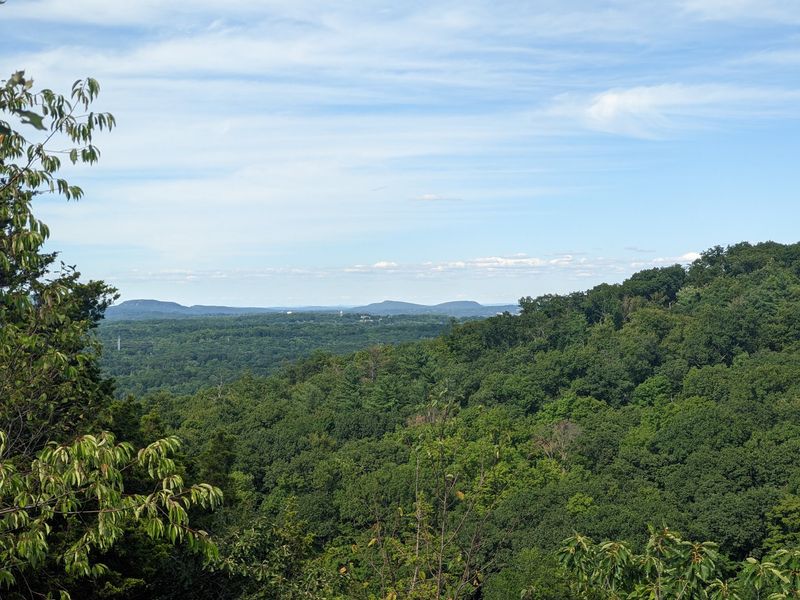
Squint from a distance and the ridge starts to look like a person lying on their back. The two-mile-long traprock mountain gives Sleeping Giant State Park its famous name.
The shape comes with deep roots. Indigenous legends connect the figure to Hobbomock, a powerful spirit.
That story turns a pile of rock into something much more meaningful.
The giant almost lost its good looks, though. Quarrying once chipped away at the ridge and threatened its shape.
Nobody wants a giant missing half its head.
Local people stepped in. In 1924, a group formed the Sleeping Giant Park Association to protect the mountain.
That same year, they donated 600 acres to the state’s Park and Forest Commission.
That gift became the start of the park. Today it covers approximately 1,439 acres, which is quite a growth spurt.
I love that ordinary neighbors saved this landmark. Their effort means you can still see the giant’s profile today.
Next time you hike, you’re literally walking across a giant that people fought to keep whole.
Take a moment to appreciate that before you start climbing his chin.
5. A Stone Castle Waits At The Top, And It Has Ramps
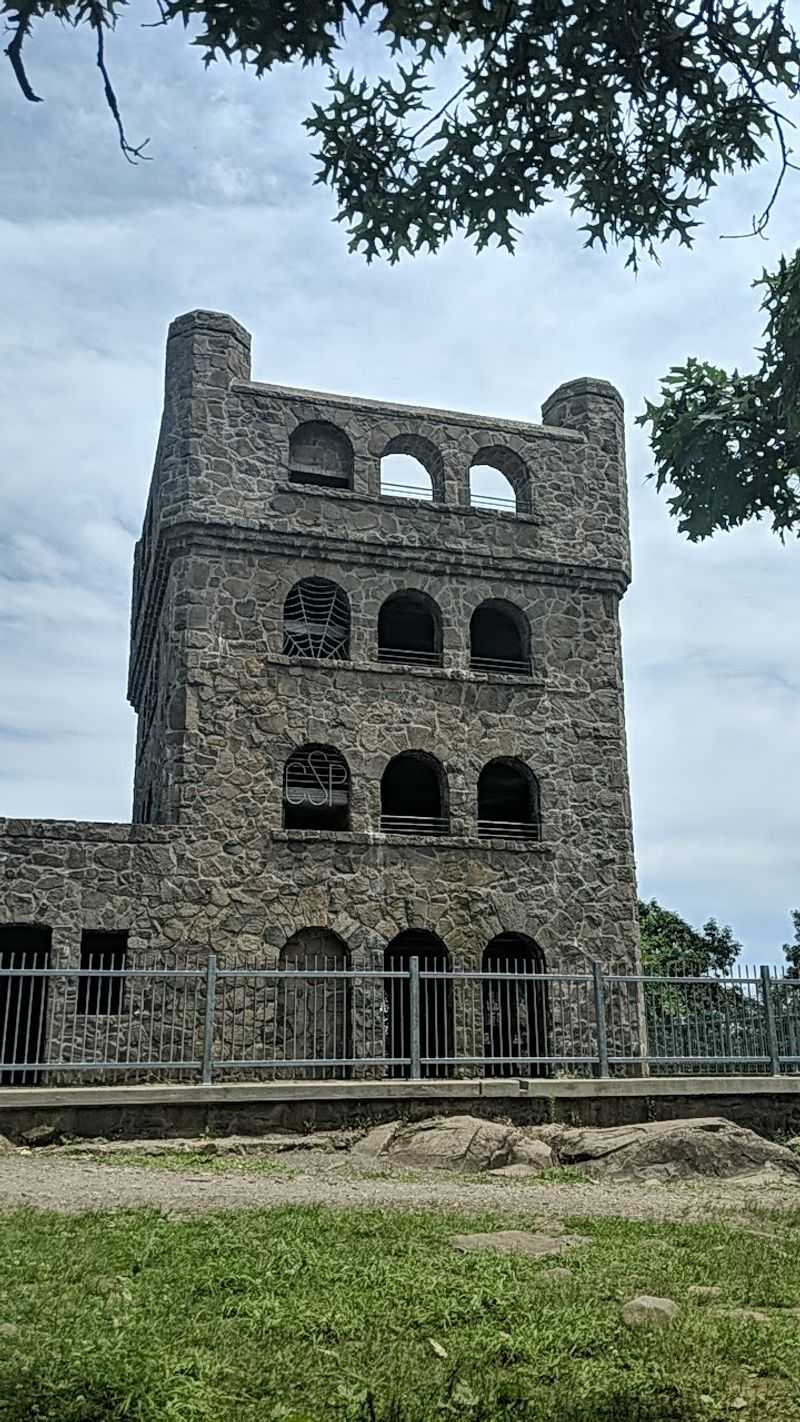
Plenty of hikers call it a castle, and it’s easy to see why. A four-story stone observation tower stands at the park’s highest point, 739 feet above sea level.
Workers built it between 1936 and 1939 through the Works Progress Administration. That New Deal program created jobs during the Great Depression.
The result has lasted for generations.
Here’s a fun twist for tired legs. The tower uses gently sloping ramps instead of stairs to reach its levels.
Your knees will appreciate the gentle climb after the hike up.
The tower has a wartime story too. During World War II, it served as a lookout with a telephone for reporting possible enemy planes.
Picture spotters scanning the sky from those stone walls.
In 1986, the tower joined the National Register of Historic Places. That honor helps protect its Romanesque style and its history.
It also makes a great picnic and rest stop once you reach the summit. Snap a photo of the arches before heading inside.
Then take your time on the ramps, because the real reward is waiting near the top.
6. Thirty-Plus Miles Of Trails Means Something For Everyone
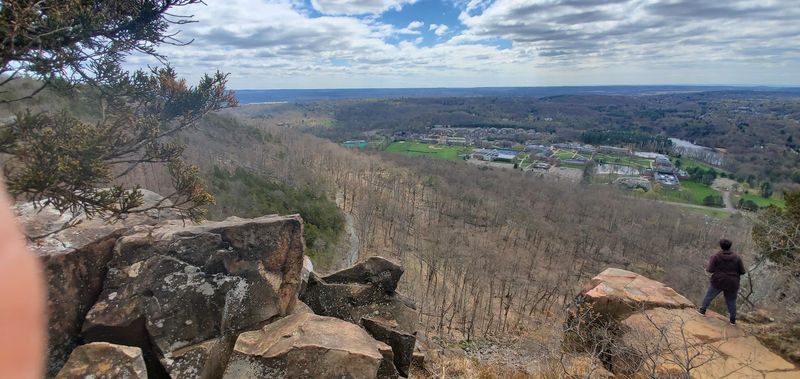
Over 30 miles of blazed trails wind across Sleeping Giant State Park. Some sources even put the total at 32 miles, which is a lot of ground for one park.
Most people head for the Tower Trail. It leads straight to the stone tower and makes a solid first visit.
It’s a wide, gently graded gravel trail, making it one of the park’s easier routes, though it’s still worth watching your footing.
Other trails get much tougher. You’ll find steep rocky ridges, quiet forest paths, pine groves, and mountain brooks.
Some routes climb across the giant’s rugged profile with serious effort.
Each trail has its own colored blaze painted on trees and rocks. Following those marks keeps you on track.
It also keeps you on clear ground, which is better for snake safety.
Grab a trail map before you start, especially for harder routes. Pick a hike that fits your group’s energy and experience.
Leave time for the trip back down too. Rocky descents can feel slower than climbs.
Pack water, snacks, and bug spray, and you’re ready for a great day on the giant’s back.
7. Those Summit Views Stretch All The Way To The Water
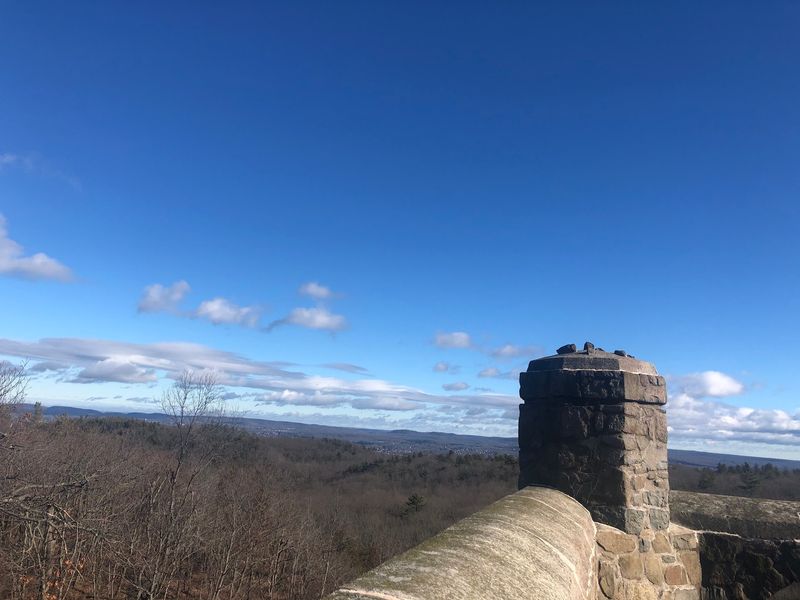
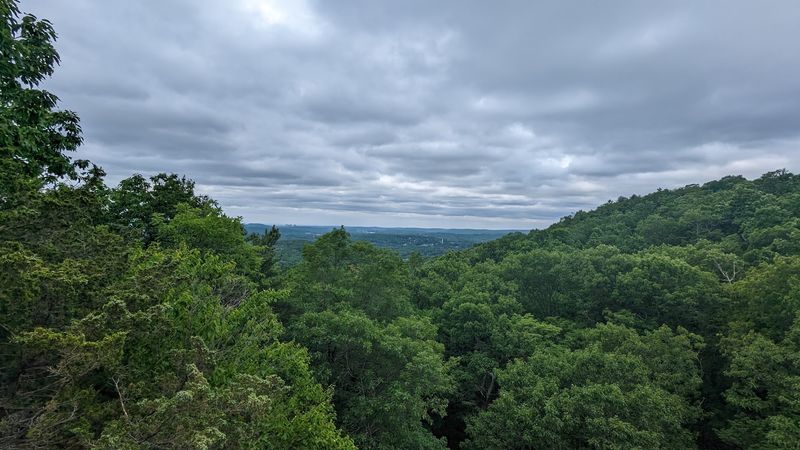
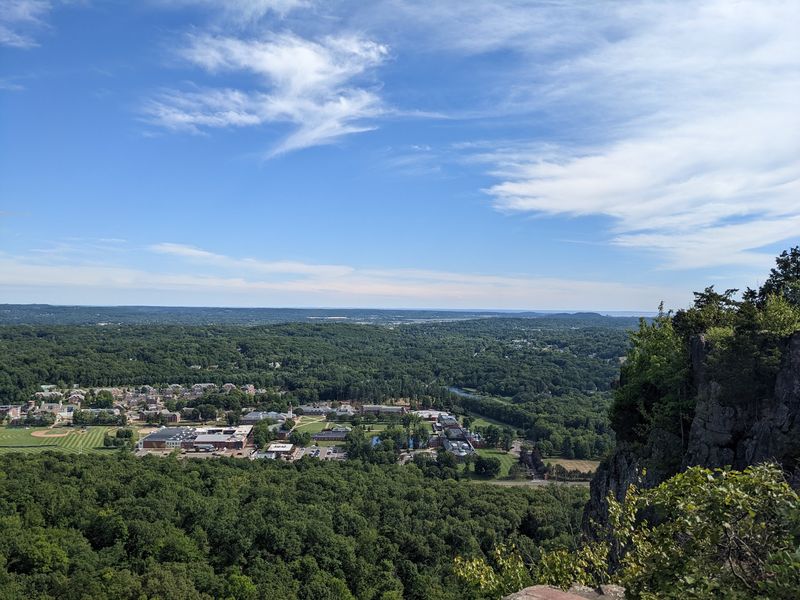
From the top of the tower, south-central pars of the state spread out below like a giant map. It’s the kind of view that makes the uphill sweat worth every drop.
On a good day, you can spot the New Haven skyline. The Connecticut River Valley rolls off into the distance too.
Clear days bring the best bonus. Long Island Sound can shimmer on the horizon, which is pretty wild for an inland hike.
Watching for that blue strip is half the fun.
Pick your day wisely for the sharpest views. Crisp, dry weather often helps the scenery pop.
Hazy summer afternoons can soften the distance.
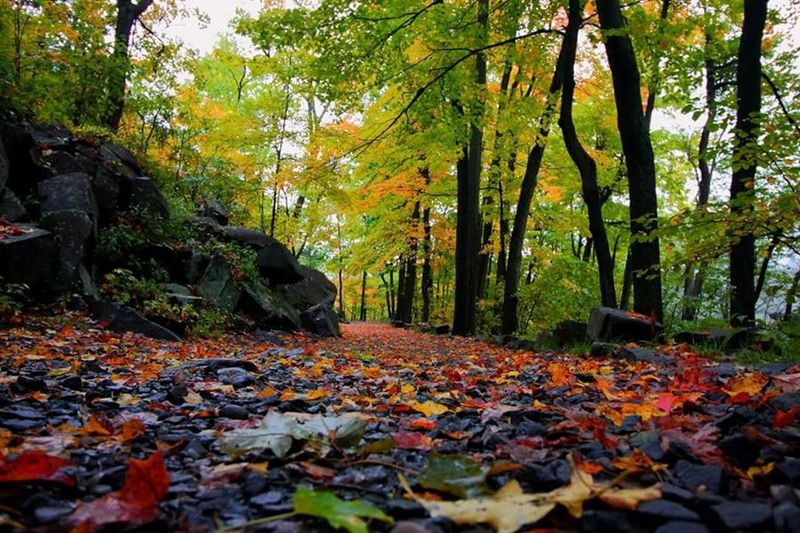
Fall paints the hills in bright colors, making the view even more dramatic. Early summer brings blooming mountain laurel along the trails, so every season adds a new layer.
Bring a camera or phone with plenty of battery. You’ll want photos of the skyline, the valley, and the tower itself.
Then simply stand still for a minute. Breathe in that mountain air.
After all that rocky climbing, you’ve earned some time to enjoy the giant’s best seat in the house.
8. Bring Binoculars, Because The Birds Show Up In Big Numbers
More than 125 bird species have been spotted at Sleeping Giant State Park. That earned it a Hotspot label on the Cornell Lab of Ornithology’s eBird app.
Red-tailed hawks often ride the air above the ridge. Wild turkeys strut through the woods like they own the place.
Deer are common sights too.
Lucky hikers may catch rarer glimpses. Bear, bobcat, and foxes have been seen here on occasion.
Keep your distance and enjoy them from far away.
Birding is one of the park’s official activities, so binoculars make a smart addition to your pack. A field guide or bird app can help you name what you see.
The park offers more than wildlife watching. Visitors can try stream fishing, rock climbing, nature study, and photography.
In winter, cross-country skiing is allowed on designated trails.
Limited youth group camping is also available by application. That’s a fun option for scout troops and school groups.
All this variety shows how rich the habitat really is. The same wild spaces that shelter copperheads also host a whole crowd of feathered and furry neighbors worth meeting.
9. Getting There Is Easy, And State Drivers Get A Sweet Deal
Getting to this giant is surprisingly easy. And the best part?
You don’t need to spend much to enjoy a day here.
Just north of New Haven, Sleeping Giant State Park offers hiking trails, picnic areas, and some pretty impressive views from its famous stone tower.
Quinnipiac University sits across from the park entrance, making it an easy landmark to recognize on your first visit.
The gates open daily at 8 a.m., with the park closing at sunset. Give yourself enough time to finish your hike while there’s still plenty of daylight, especially since copperheads can be difficult to spot.
Parking is free for state residents driving Connecticut-registered vehicles through the Passport to the Parks program. Visitors from outside the state should check current parking fees before arriving.
Weekends can get busy, and the park sometimes reaches capacity. Arriving earlier in the day gives you a better chance of getting a parking space.
Near the parking area, visitors have access to picnic tables, grills, shelters, and restrooms.
The park’s address is 200 Mount Carmel Avenue, Hamden, CT 06518, roughly eight miles north of New Haven.
Bring comfortable hiking shoes and something to eat if you’re planning a longer visit.
And remember to watch your step. Those copperheads are very good at blending in.