Idaho Has A Museum Of Vintage Dental Tools And Curious Relics Inside A 1950s Doctor’s Office
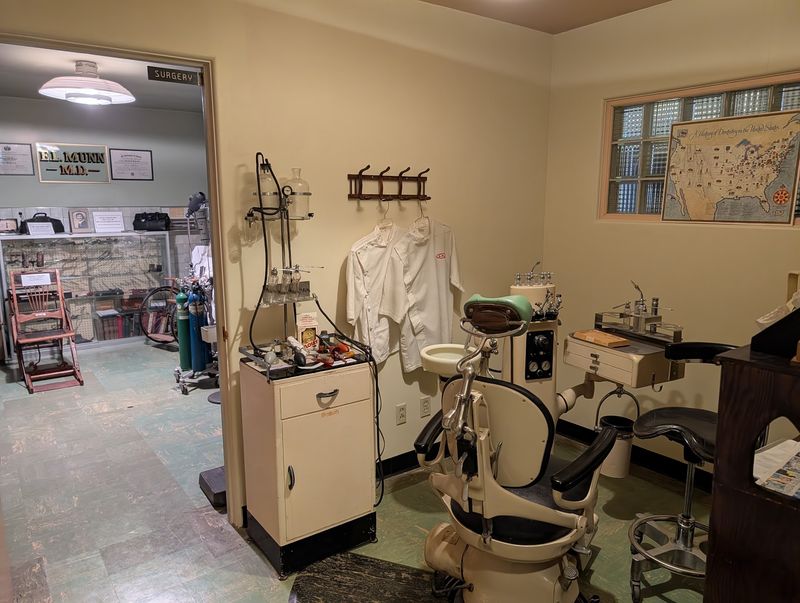
Somewhere in Idaho, more than 20 typewriters share a building with old dental equipment and a vintage salon hair contraption. All of it sits inside a building that started life as a 1950s doctor’s office.
The building eventually became a dentist’s office, and the dentist’s wife happened to be a serious collector. Her finds, plus decades of donated local treasures, now spill across about 30 themed rooms.
I like how nobody tried to polish it into something sleek and quiet. It feels more like a hometown attic that kept growing until it needed exam rooms to hold everything.
I can’t imagine a better rainy afternoon puzzle than guessing what half these odd gadgets once actually did. So which room would grab you first, the old medical gear or the diner counter?
A Downtown Doorway That Opens Onto Thirty Rooms Of Yesterday
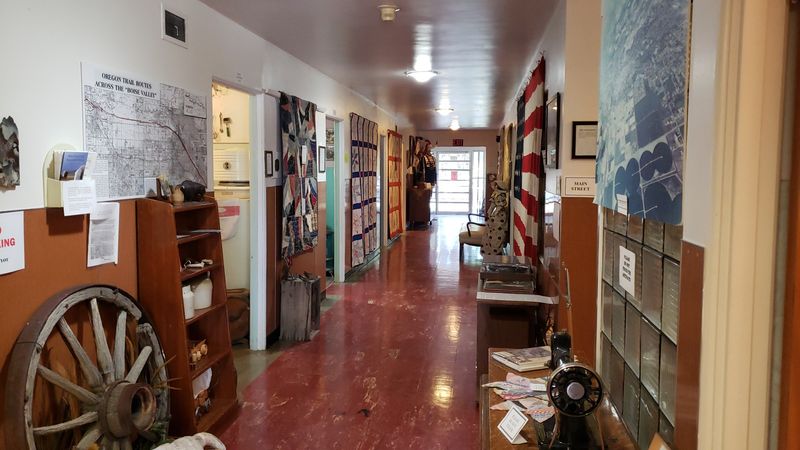
Main Street in Caldwell holds a surprise that most drivers zip right past. The Indian Creek Museum lives inside a former 1950s doctor’s office, and it’s packed far beyond what the outside suggests.
Run by the Canyon County Historical Society, the museum focuses on the people and stories of this corner of Idaho. Think local businesses, household items, family keepsakes, and plenty of things your grandparents probably owned.
The scale catches people off guard. Roughly 30 rooms branch through the building, each one built around a loose theme.
That layout gives the place a fun, slightly maze-like feel. You finish one room and another doorway is already waving you forward.
Caldwell sits in the Treasure Valley, an easy drive west of Boise along the interstate. That makes the museum a realistic half-day outing for anyone in Canyon County or Ada County.
Small museums like this rarely get billboards or big marketing budgets. The Indian Creek Museum leans on volunteers, donations, and a stubborn love for local history, and honestly, that’s part of its appeal.
From Exam Rooms To Dental Chairs To Display Cases
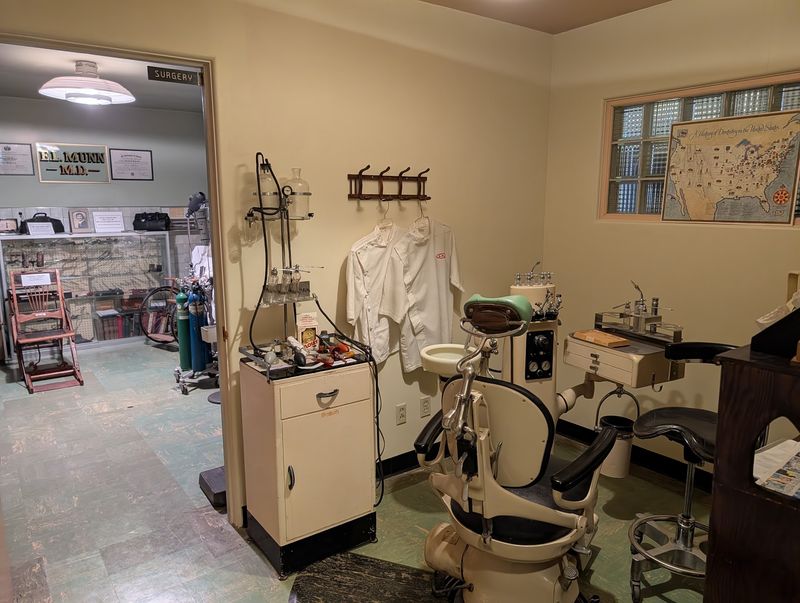
Few buildings get to reinvent themselves twice. This one began as a doctor’s office in the 1950s, then later became a dentist’s office.
That medical past never fully left. The rooms still carry the shape of a working clinic, with hallways and small spaces that once held patients and appointments.
Here’s the twist that built the collection. The dentist’s wife was a devoted collector, and her treasures became a big part of what fills the rooms today.
Over time, the Canyon County Historical Society took over and kept the doors open to the public. Donations from local families added layer after layer of Caldwell history.
I love that the building’s original purpose shaped the museum instead of getting erased. The bones of a 1950s clinic make a fitting frame for objects from the same era.
It’s a converted building with a real Idaho backstory. A clinic where neighbors once waited for checkups now waits for neighbors to come learn about their own town, which feels like a pretty good second career for a building.
Old Dental Gear That Makes Today’s Cleaning Feel Like A Spa Day
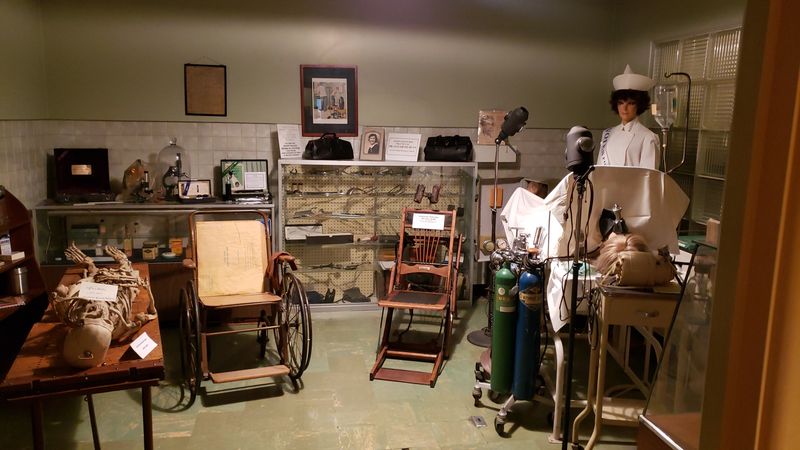
Brace yourself, because the dental equipment here is the real headliner. Old dental and medical tools fill several rooms, and they’re fascinating in a wince-a-little way.
It makes sense, given the building’s history. A dentist once worked here, so the collection has a natural home among these walls.
Seeing vintage instruments up close changes how you think about modern care. Suddenly that next cleaning appointment sounds downright relaxing.
The medical rooms add even more context. Equipment from earlier decades shows how much doctors managed with far fewer conveniences than clinics have now.
Kids tend to find this stuff wildly interesting, and adults usually do too. It’s the kind of display that sparks a lot of questions on the drive home.
Please keep your hands to yourself, though. Items carry Do Not Touch signs, and there aren’t many barriers, so younger visitors need a gentle reminder or two before they reach for anything shiny.
For anyone curious about how healthcare looked in small-town Idaho, these rooms deliver. They’re the reason plenty of people make the trip in the first place.
Somebody Explain Why There Are Twenty Typewriters
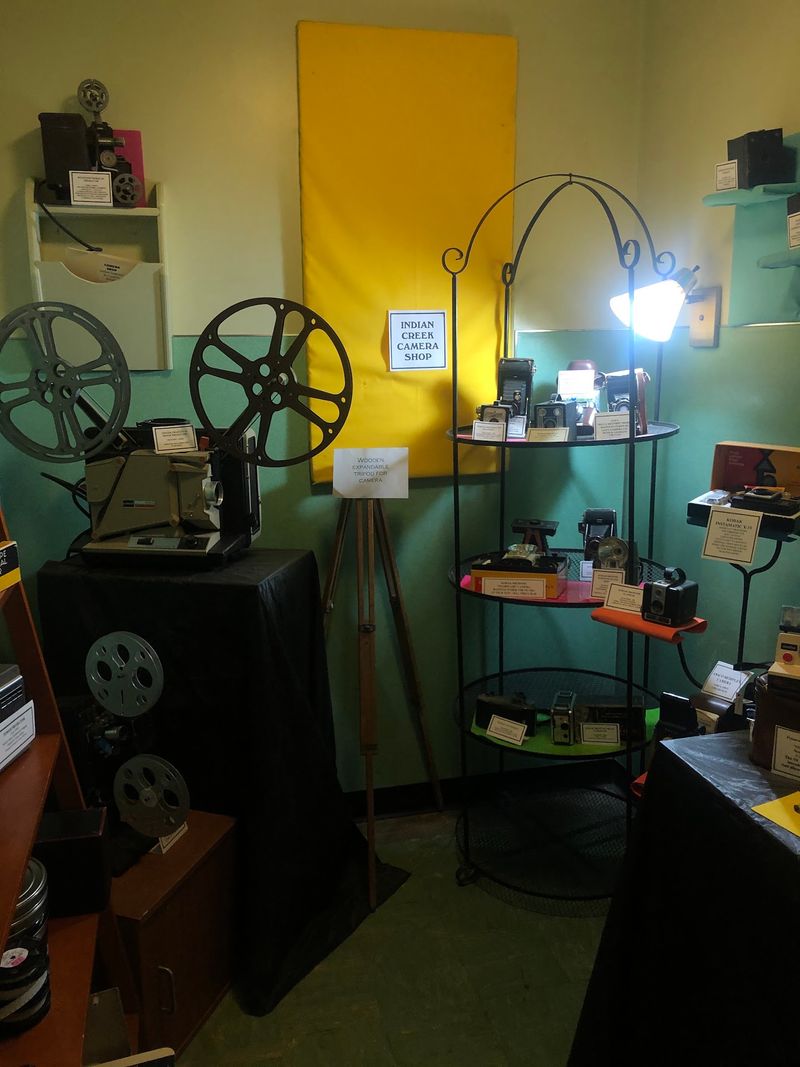
More than 20 typewriters sit together in one corner of the museum. Is that excessive, or exactly the right number?
Honestly, the answer depends on your patience for clacking keys and ribbon spools. Seeing so many models side by side makes the slow evolution of office machines surprisingly easy to follow.
That kind of abundance defines the whole place. Each room has a general theme, but the shelves are loaded, and the variety can feel almost overwhelming.
Some folks love that density. It feels less like a curated gallery and more like exploring the attic of someone who adored their hometown.
Other rooms bring their own surprises. An ice saw and equipment for moving ice hint at how people kept things cold before refrigerators showed up in every kitchen.
The point isn’t to rush. With this much packed into each space, you’ll almost certainly miss something on the first pass.
Plenty of people suggest planning a second trip, and that seems wise. Thirty rooms of objects simply don’t fit into one quick glance, no matter how fast you walk.
A Diner Counter, Quilts, And One Very Strange Hair Machine
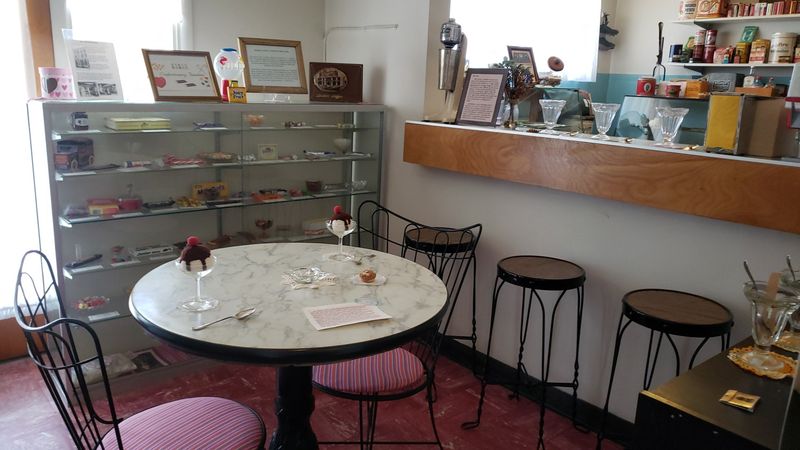
Grandkids and diner counters turn out to be a winning combination. The museum’s diner counter room is a hit with younger visitors, and it’s easy to see why.
Nostalgia runs thick in that space. Older guests often recognize details straight out of their own childhood lunch breaks.
Not far away, quilts add a softer, homemade touch. They’re a reminder that history lives in kitchens and bedrooms as much as in clinics and offices.
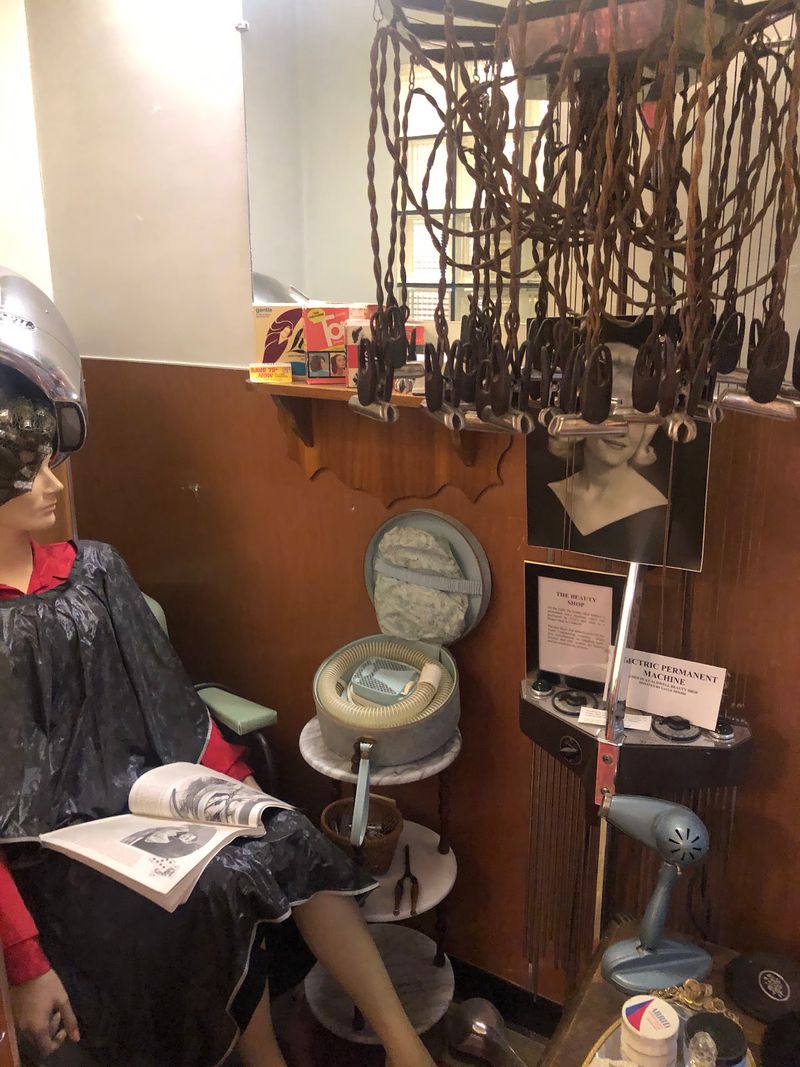
Then there’s the salon room. Anyone who has ever had their hair styled should take a look at the old device once used for the job.
Let’s just say modern blow dryers look gentle by comparison. It’s equal parts impressive and hilarious, and it usually prompts a few raised eyebrows.
These everyday objects might be the museum’s secret weapon. They connect generations, giving grandparents something to explain and kids something to giggle about.
I believe that’s where small museums shine brightest. The ordinary stuff of daily life tells you more about a community than any plaque ever could, especially in a town as rooted as Caldwell.
Volunteer Guides Who Know Every Corner Of Caldwell’s Past
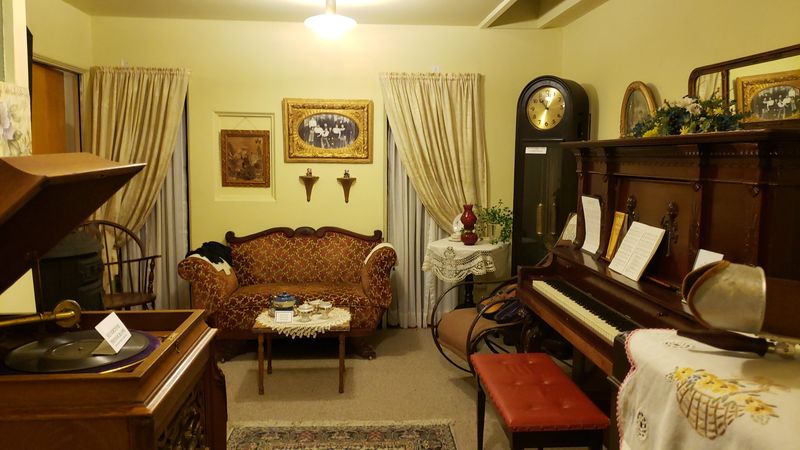
Knowledgeable, kind volunteers are the heartbeat of this operation. Guided tours are part of the visit, and the guides point out items in each room.
Better yet, they often tie those objects back to local history. A random gadget suddenly becomes part of a Caldwell family’s story or a long-gone downtown business.
Small crowds can work in your favor. When things are quiet, a visit can turn into a personal tour lasting a couple of hours.
That kind of attention is rare at bigger museums. Here, you can ask about anything that catches your eye and actually get an answer.
The museum is operated by the Canyon County Historical Society, staffed largely by dedicated local volunteers. Their enthusiasm turns a stroll through old stuff into genuine storytelling.
Visitors from outside Idaho have arrived knowing nothing about Caldwell and left with a whole new appreciation for it. That says a lot about the people giving the tours.
So go ahead and ask questions. The guides clearly enjoy sharing what they know, and their stories are half the fun.
Rotating Exhibits Keep The Shelves From Getting Sleepy
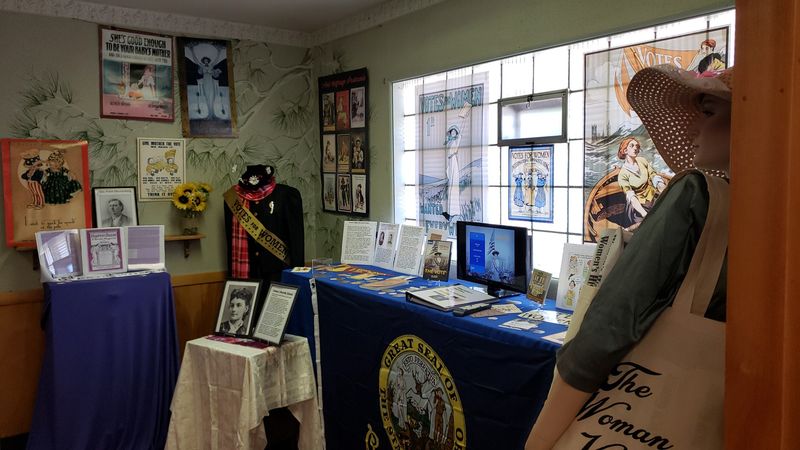
Music boxes, 35 of them, once filled a special exhibit here. Members of the historical society loaned them for the display, adding a delicate, tinkling twist to the collection.
Another exhibit, Treasures from the Archives, walked through the history of the city of Caldwell. It showed how deep the society’s records and photos actually run.
Those additions prove the museum isn’t frozen in place. New displays appear from time to time, giving repeat visitors something fresh to explore.
Photos play a big role, too. Old images of Caldwell and the surrounding area help put faces and streets to all the objects on the shelves.
For anyone researching family or community roots, this matters. The collection holds the kind of local business and household history that’s hard to find anywhere else.
Exhibits do change, so don’t count on any specific display being up when you arrive. Treat each visit as a fresh look at what the society has pulled out lately.
That unpredictability is part of the charm for Idaho history fans. You never quite know which forgotten corner of Canyon County will be in the spotlight next.
Perfect For Curious Grown-Ups And Kids Who Can Resist Touching
Grandparents, history buffs, and genealogy nerds will feel right at home here. The museum is educational for young people and a memory trigger for older generations.
That mix makes it a strong pick for family outings. Few activities get three generations equally interested in the same old toaster.
A quick reality check helps, though. There are no hands-on areas for kids, and nearly everything is look-only.
Families with very young or very wiggly children should plan accordingly. A short pep talk at the door about keeping hands in pockets goes a long way.
Older kids who enjoy oddities usually do great. Strange tools, old medical gear, and that diner counter give them plenty to talk about.
Budget-minded Idahoans will appreciate the low admission, which includes the guided tour. Young children have historically gotten in free, but check current rates before you go.
It also works beautifully for anyone who loves small, homegrown museums. This is not a polished, big-budget attraction, and that’s precisely why so many people root for it.
Know Before You Go: Hours, Cash, And Time To Linger
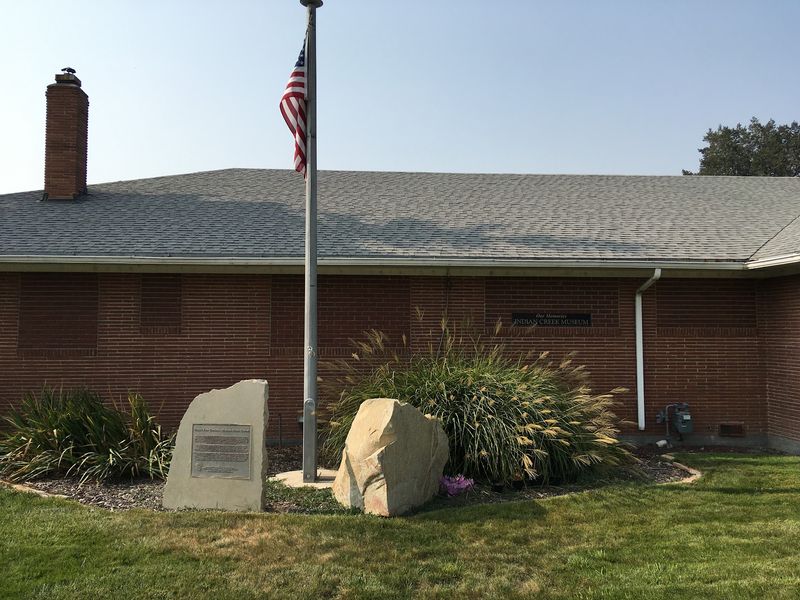
Plan on giving yourself at least an hour, and two isn’t unusual. The museum sits at 1122 Main St, Caldwell, ID 83605, right in the downtown core.
Hours are limited, with the museum open just a few days each week. Schedules at volunteer-run spots can shift, so check before driving over.
Arriving near closing time is a gamble. Doors have been locked before the posted end of the day, so aim for an earlier start.
Bring some cash just in case. The museum has been cash only in the past, and that surprise is nobody’s idea of fun at the front desk.
Admission runs just a few dollars, with discounts for kids and seniors historically. Members of the Canyon County Historical Society have traditionally gotten in free.
Downtown Caldwell makes it easy to turn the visit into a longer outing. Pair it with lunch nearby or a stroll along Main Street afterward.
Visiting from Boise or elsewhere in the Treasure Valley? The short drive west makes this an easy Idaho day trip with very little planning needed.
Worth A Trip For Anyone Who Loves A Good Old Story
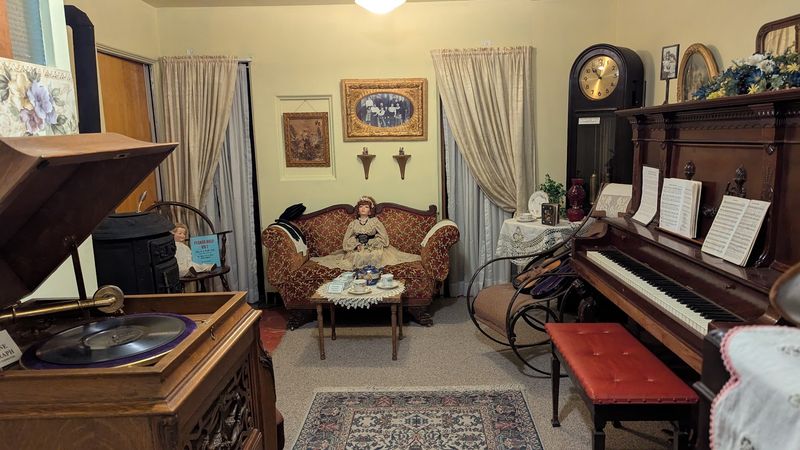
Small museums don’t get much more personal than this. The Indian Creek Museum feels like a love letter to Caldwell, written in typewriters, quilts, and dental tools.
It isn’t sleek, and it doesn’t pretend to be. What it offers instead is abundance, heart, and volunteers eager to explain every curious object.
The building itself adds to the magic. A 1950s doctor’s office turned dentist’s office turned museum is a very Idaho kind of reinvention.
Some rooms will dazzle you, and some might leave you wondering why anyone kept 20 typewriters. Either way, you’ll leave with stories to tell.
I think the best part is how local it all feels. These objects came from the homes and businesses of Canyon County families, not some faraway warehouse.
That gives the place a quiet emotional pull. Spotting something your own relatives once owned hits differently than reading a sign about history.
So next time you’re cruising through the Treasure Valley, consider a detour downtown. The Indian Creek Museum rewards curiosity, patience, and anyone who still gets a thrill from old things with good stories attached.