A Piece Of Ancient Rome Rests Inside This Northern Kentucky Church, And Most Drivers Pass Right By It
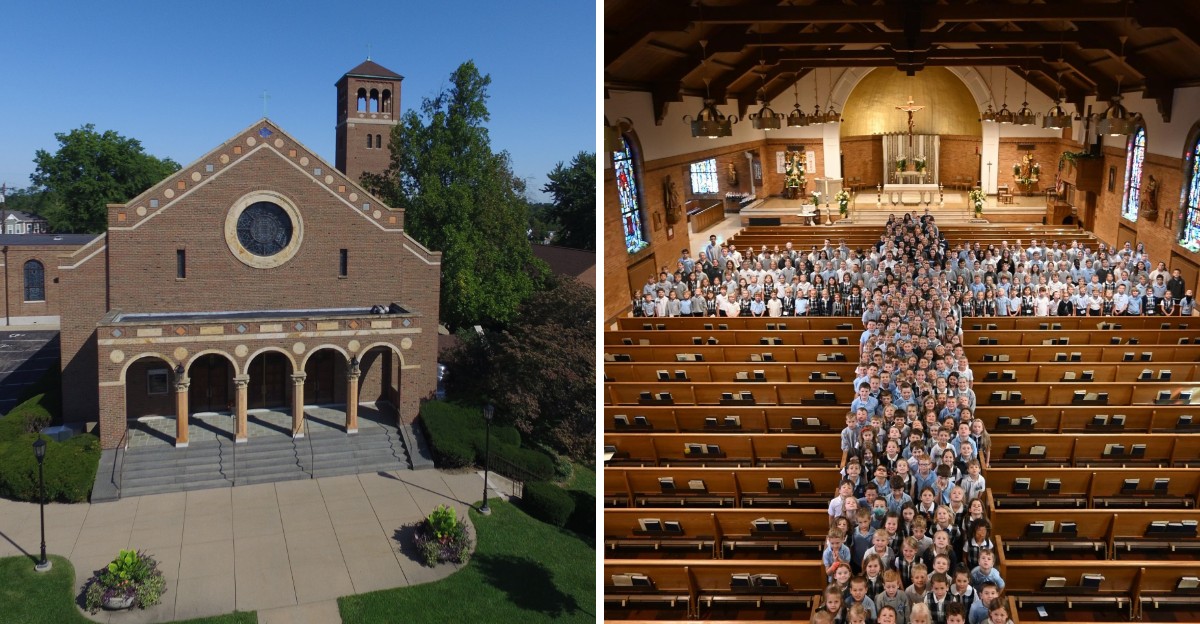
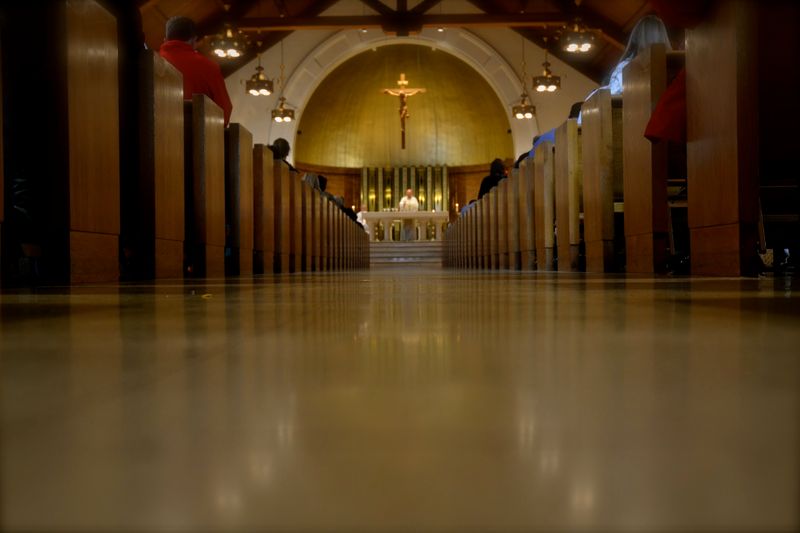
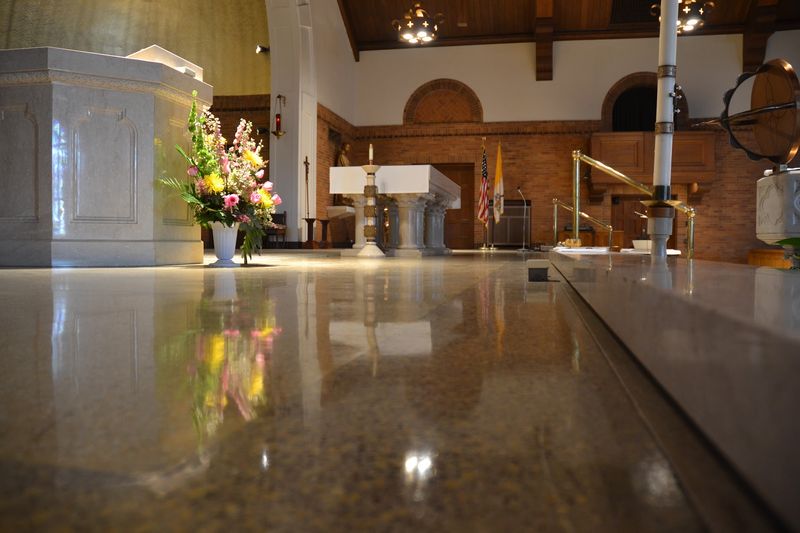
Six marble columns surround one high altar here, and each column was carved from a single piece of Italian stone. That alone made me stop and read twice.
The altar itself uses Carrara and Brescia marble. Above it, a mosaic of a young saint from third-century Rome was made by artists in Florence, Italy.
All of this sits along a busy road in Kentucky. I can’t imagine how many commuters roll past every morning without a clue about the Italian treasures behind those walls.
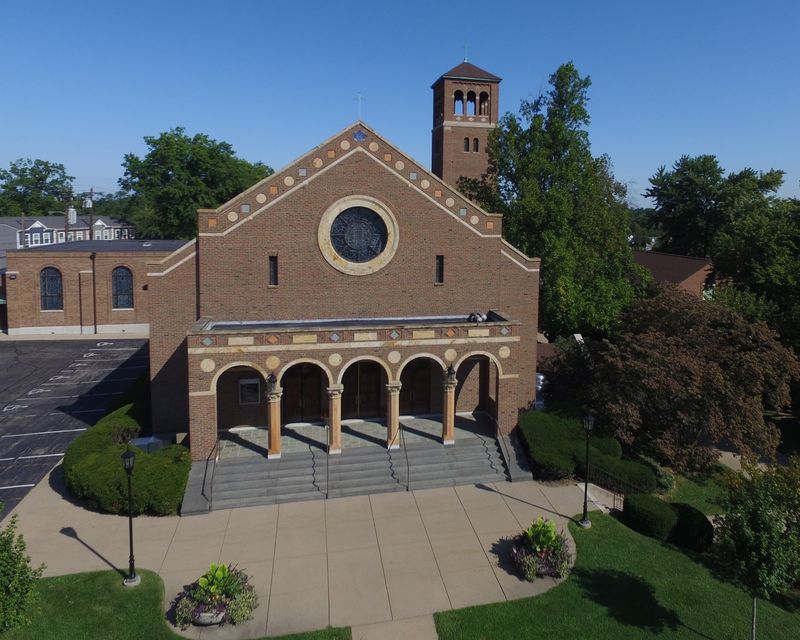
I like how the outside hints at the story, too. A bell tower stands apart from the church, the way old European churches often do.
So what else did a hilltop parish bring home from Italy?
An Altar Built From Stone That Traveled Across An Ocean
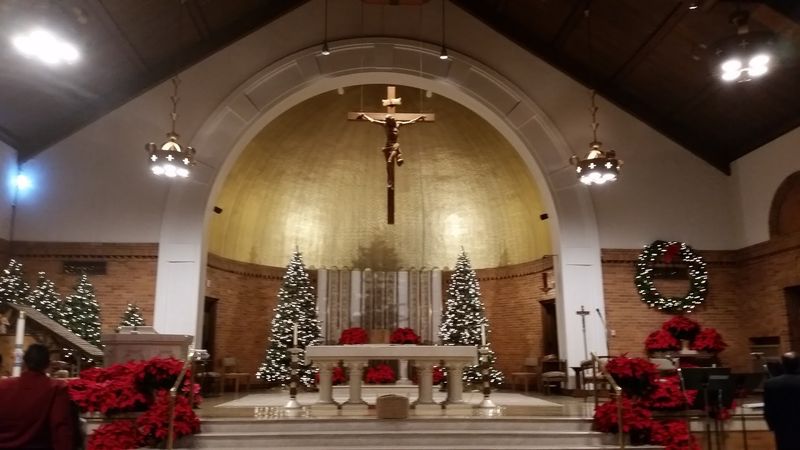
Italian quarries supplied the heart of St. Agnes Roman Catholic Church in Fort Wright. The high altar was crafted from marble sourced and manufactured in Italy.
That’s a long trip for a block of stone.
Two kinds of marble come together here. Carrara marble is the same famous white stone Italian sculptors have prized for centuries, while Brescia marble adds its own character from northern Italy.
Then there are the columns. Six of them surround the altar, and each was carved from one single piece of marble.
No stacking, no shortcuts, just solid stone from top to bottom.
The two side altars also came from Italian marble. Together, the three altars give the sanctuary a look you’d expect in a much older European city.
Kentucky rarely gets to brag about marble like this.
If you stop by, take a moment near the front to notice the details. Look at how the columns frame the space and draw your eyes upward.
I believe that’s exactly the point of the design.
It’s a quiet reminder that sacred art often takes the long road. In this case, the road stretched all the way from Italy to the Ohio Valley.
St. Agnes Roman Catholic Church sits at 1680 Dixie Highway, Fort Wright, Kentucky.
Florence Sent Its Artists, And Their Work Still Glows
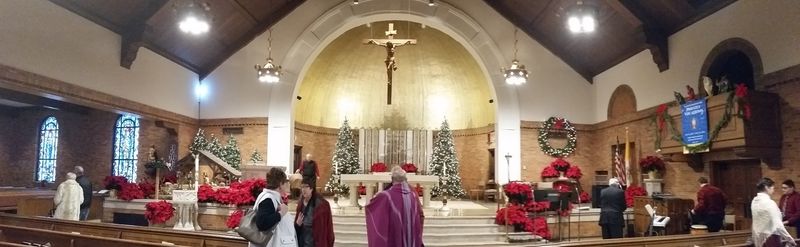
Look up above the high altar and you’ll find Saint Agnes herself. Her image fills a mosaic set inside the canopy over the altar.
Artists in Florence, Italy, created it.
Mosaics are built from many small pieces fitted together by hand. That kind of work takes patience most of us save for jigsaw puzzles on snow days.
The result here is a picture that seems to shimmer as light changes.
Florence didn’t stop there. The same city produced a bas-relief sculpture at the base of the altar.
A bas-relief is a carving that rises only slightly from a flat surface, like a stone picture you could almost touch.
I like how these two pieces work as a pair. One catches your eye from far away, and the other rewards anyone who gets closer.
It’s a smart way to tell a story at two distances.
Bring a little curiosity and maybe a phone with a good zoom. The canopy sits high, and small mosaic details are easy to miss from the back pews.
Patience pays off here, just like it did for the artists.
The Bell Tower That Prefers A Little Personal Space
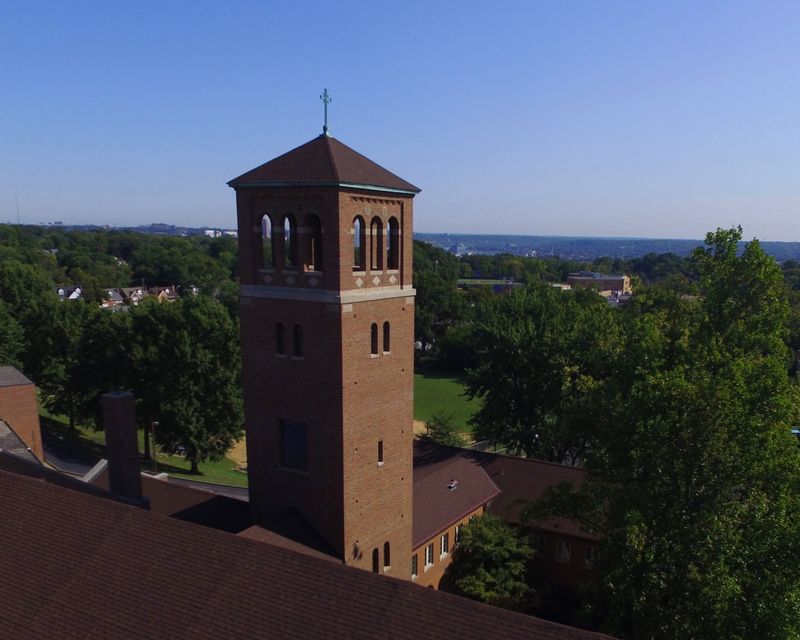
Most American churches attach the steeple right to the building. St. Agnes went another way.
Its campanile, or bell tower, stands separate from the main church.
That choice wasn’t random. Many churches across continental Europe place their bell towers apart from the sanctuary.
Italy has plenty of famous examples, and this tower borrows from that tradition.
The tower follows an Italo-Romanesque design. Romanesque buildings usually feature rounded arches and a sturdy, steady look.
Think less fairy-tale spire and more strong, dignified sentinel.
The church building itself was designed in the Italian Lombard style. Lombardy is a region in northern Italy, known for brick churches with arches and clean lines.
So the outside was speaking Italian long before you ever see the marble inside.
Here’s a fun game for passengers along Dixie Highway. Spot the tower first, then notice that it doesn’t touch the church.
Once you see it, you can’t unsee it, and the drive gets a lot more interesting.
It’s one of the easiest clues that this Kentucky parish has an old-world story to share. Good luck ignoring it next time you pass.
A Young Saint From Rome Gives The Parish Its Name
The title of this article isn’t just about marble. The patron of St. Agnes Roman Catholic Church is Saint Agnes of Rome.
She lived in the third century, during the early days of Christianity in the city.
Agnes was a young girl who became one of the most honored saints of early Rome. Her story spread through the Christian community there and inspired people for generations.
Her courage is a big reason her name still appears on churches worldwide.
In Rome, a catacomb named for Saint Agnes dates back to the third century AD. The Fort Wright church doesn’t contain any catacombs, so no underground tunnels to explore.
Still, the link to ancient Rome runs straight through its name.
I believe that connection gives the parish a special depth. Every time someone says the church’s name, they echo a story nearly eighteen centuries old.
It’s a neat thing to share with kids, too. Ask them what they’d do with a name that old.
Then point out the mosaic of Agnes above the altar, made in Italy, honoring a girl from Rome.
Five Della Robbias And A Few More Italian Surprises
Blue and white glazed ceramics made the Della Robbia name famous in Renaissance Italy.
St. Agnes features Italian Lombard-style architecture, reflecting the influence of historic northern Italian church design. That’s not something you expect to read about a church off a Kentucky highway.
The Italian imports keep coming. Statues of Mary and Joseph traveled from Italy.
So did statues of Saints Paul of the Cross and Gabriel.
Those last two names hint at a deeper story. Saint Paul of the Cross founded the Passionists, a Catholic religious order.
That connection appears elsewhere in the church too, which we’ll get to soon.
Don’t forget the choir loft. The frieze across its front also came from Italy.
A frieze is a decorative band of carved or painted art, and this one is easy to miss if you only look forward.
So make a point to turn around before you leave. The back of the church holds its own treasure.
Honestly, the whole building feels like a scavenger hunt with Italy as the theme.
Count the Della Robbias, find each statue, and spot the frieze. It’s a rewarding little checklist.
Stations Of The Cross That Double As Altars
Plenty of Catholic churches display the Stations of the Cross. Few do it like St. Agnes.
Here, the stations are large, beautiful, and actually function as altars.
The Stations trace the final journey of Jesus in fourteen scenes. People often walk from one to the next while praying, especially during Lent.
At St. Agnes, each stop carries more weight because of its size and design.
Look closely and you’ll notice the Passionist Sign worked into them. That emblem belongs to the order founded by Saint Paul of the Cross.
Remember his imported statue? The pieces of this story fit together nicely.
I like how a feature meant for quiet prayer also became serious art. It shows how much care went into planning this church back when it was dedicated in 1939.
If you’re visiting during Lent, the Stations take center stage in parish life. Even outside that season, they’re worth a slow walk along the walls.
Take your time with each one.
Think of it as a walking tour where every stop asks you to pause. No tour guide needed, just a little attention.
From Chapel Annex To Hilltop Parish In A Couple Of Decades
Big things sometimes start small. St. Agnes began in 1930 as a chapel annex.
It didn’t even have parish status yet.
The main church building came along fast. It was dedicated in 1939, Italian Lombard style and all.
That’s a bold move for a young community.
Full parish status arrived in 1954. By then, the church had already been serving its neighbors for years.
Promotions don’t always happen quickly, even for churches.
The building kept growing with the people. Stained glass windows and new pews were added in the early 1960s.
The sanctuary was remodeled in 1980.
One clever change stands out. The communion rail, imported from Italy, was repurposed as a baptismal font.
Instead of retiring a beautiful piece, the parish gave it a fresh job.
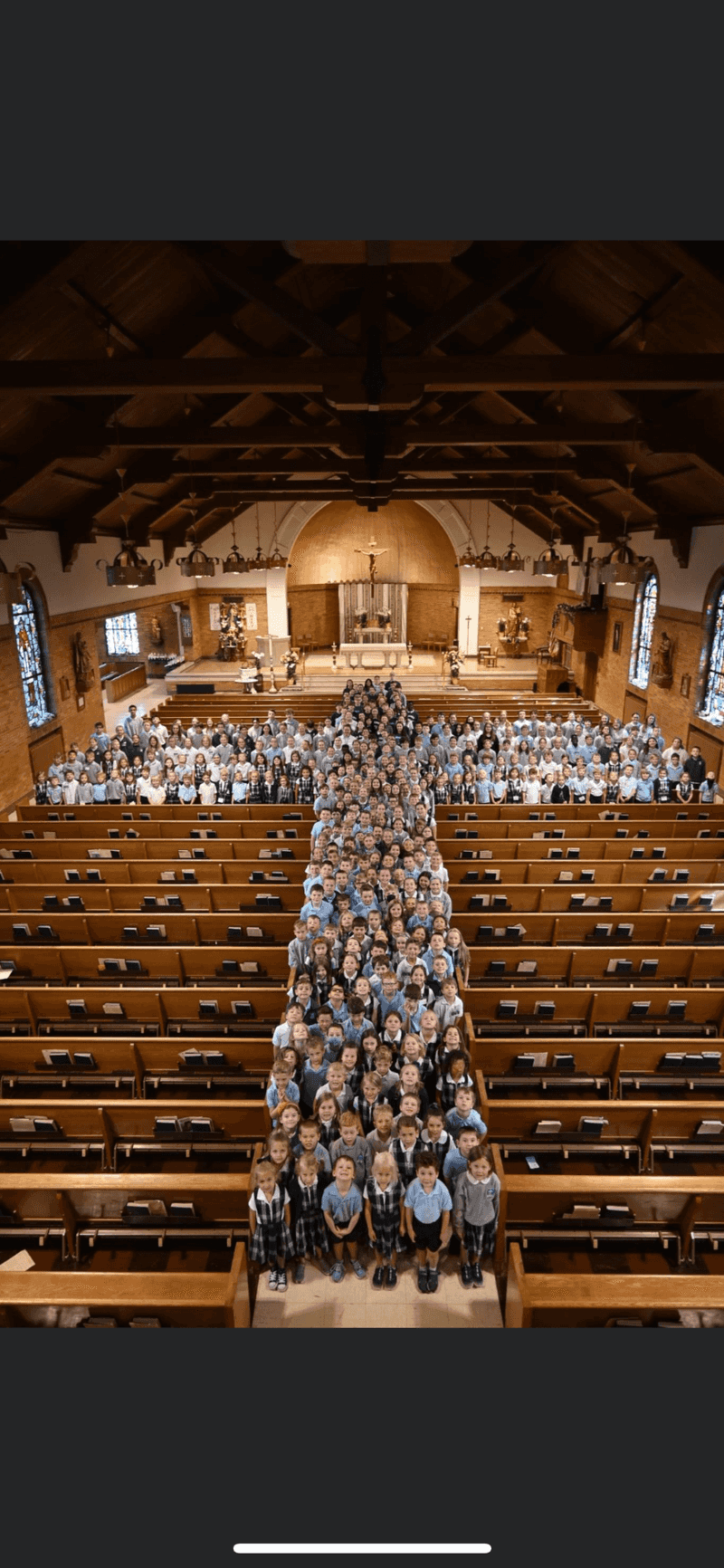
The parish also runs a school, keeping young families close to its doors. I can’t imagine a better classroom field trip than looking at Italian marble down the hall.
Nearly a century later, St. Agnes Roman Catholic Church remains an active Kentucky parish. Its story shows how a modest start can grow into a landmark.
A Quiet Chapel Keeps Its Doors Open Around The Clock
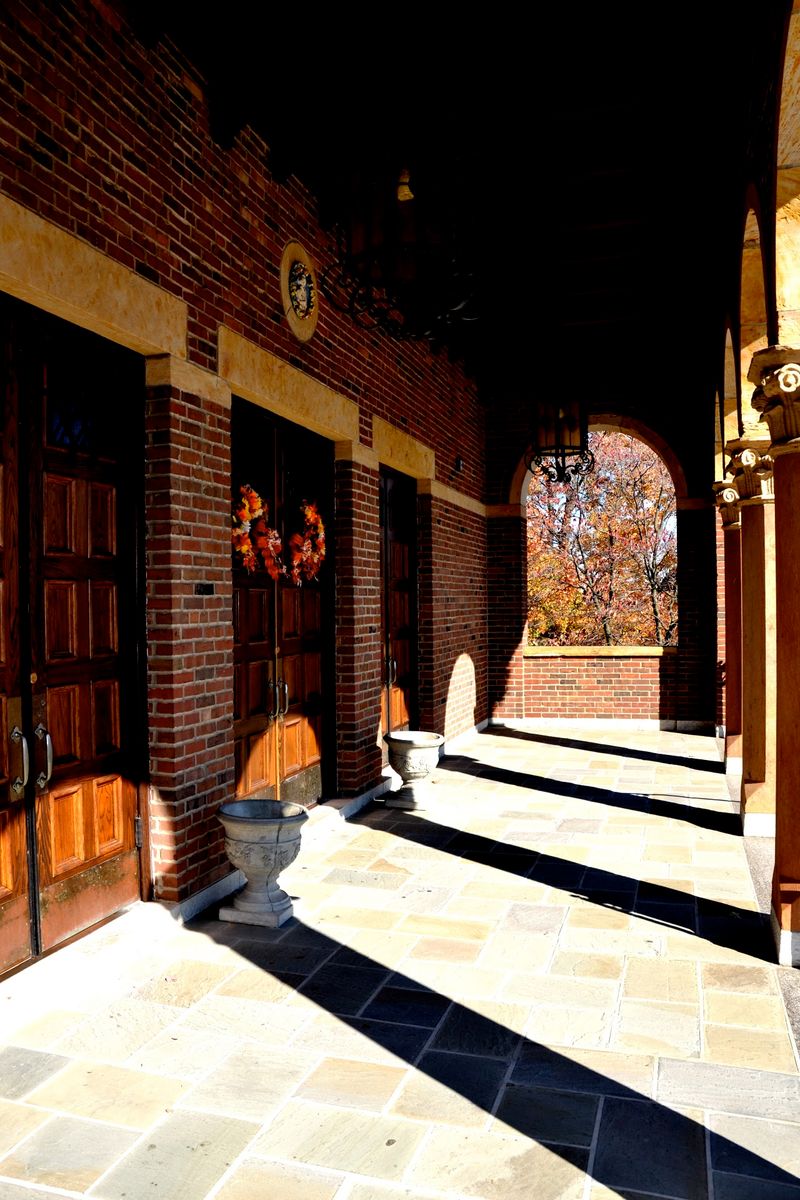
Busy days call for quiet corners. St. Agnes has one in its Divine Mercy Adoration Chapel.
It was dedicated in 2014.
Adoration is a Catholic practice of praying in front of the Eucharist. The chapel offers perpetual adoration for most of the week.
That means people take turns so someone is there praying day and night.
It’s a simple idea with real commitment behind it. Picture a schedule filled with volunteers covering late nights and early mornings.
That’s a parish that shows up.
The chapel adds a modern chapter to a church full of older treasures. Where the main church dazzles with Italian marble, this space invites stillness and calm.
The parish also keeps a full schedule of Masses and confession. If you plan to attend, check the parish’s current times first.
Schedules can shift with seasons and holidays.
Not Catholic? Visitors are welcome to sit quietly and respectfully.
Silence in a busy world can feel like a gift.
I believe that’s part of this church’s charm. It mixes old-world beauty with a living, breathing community that keeps the lights on, literally.
Plan Your Stop Before Dixie Highway Carries You Past
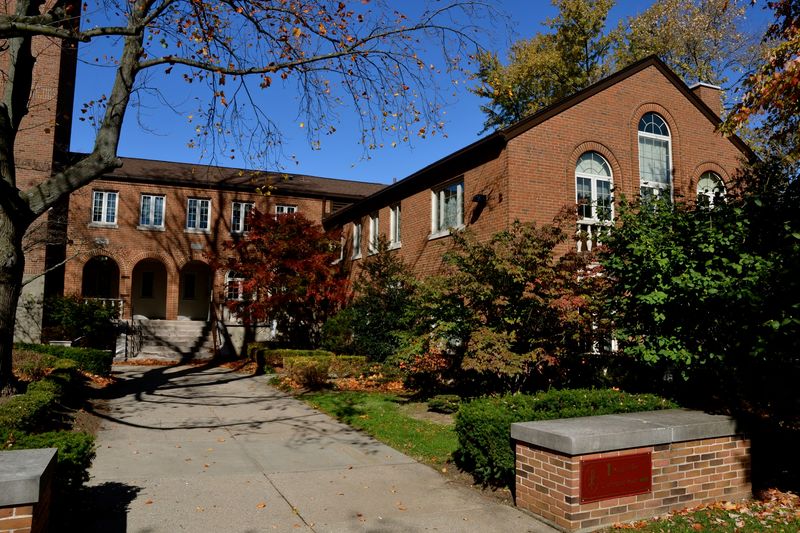
Finding Rome in Northern Kentucky is easier than you’d think. Plenty of drivers zip by daily without turning in.
Fort Wright sits just south of Covington and the Ohio River. That puts the church within a short drive of downtown Cincinnati.
A detour here barely dents your afternoon.
The parish office keeps weekday hours, usually Monday through Friday from morning into the afternoon. Weekends revolve around Mass.
Calling ahead or checking the parish site is smart before any visit.
Remember this is an active church, not a museum. Dress comfortably but respectfully, keep your voice low, and avoid wandering during services.
A little courtesy goes a long way.
Here’s my favorite tip. Arrive with a short list: the six single-piece columns, the Florence mosaic, the Della Robbias, the choir loft frieze, and the freestanding tower.
Checking them off feels like a mini trip to Italy.
Kentucky has many beautiful churches, but few carry this much Italian craftsmanship. Next time you’re on Dixie Highway, maybe let your blinker do the talking.