The Winter Of 1949 Buried Southern Idaho In Snow And Cut Off Whole Towns For Weeks
Crews in southern Idaho once used explosives to clear snow that had packed down as hard as rock. That was the winter of 1948-1949, and it refused to quit for about 13 weeks.
Roads vanished under drifts reported as high as 20 feet. Trains sat still.
Food and medicine came down from airplanes, because almost nothing could get in on the ground.
I love stories like this because they feel almost unreal. Your grandparents may have lived through it, shoveling out a front door that opened onto a wall of white.
Some families didn’t see a plowed road for months.
What still amazes me is how that frozen season quietly changed the way Idaho handles winter today. The roads you drive in January have a backstory, and it starts with a lot of snow and a lot of stubborn people.
1. Thirteen Weeks Of Snow
Most storms have the decency to blow through and move on. The winter of 1948-1949 in southern Idaho never got that memo.
Snow started falling in November 1948. It kept coming, off and on, for roughly 13 weeks, with the worst storms arriving in February 1949.
You can see why people still call it the Great Winter of 1949. Southern Idaho was isolated for weeks, and its economy basically shut down for more than a month.
Wind made the whole mess worse. Gusts up to around 40 miles per hour pushed loose snow into huge drifts that buried roads, fences, and sheds.
Boise offers a handy yardstick. The city picked up about 3 feet of snow that winter, compared with a typical season of roughly 20 inches.
By late January, the region logged a single-day record of 27 inches. That’s the kind of number that turns a shovel into a lifestyle.
Here’s what makes the length so striking. A two-day blizzard is a story, but three months of snow becomes a whole way of living.
Families rationed fuel and food while waiting for a break. For many corners of Idaho, that break simply didn’t arrive until spring.
2. The Pocatello Deep Freeze
Minus 31.4 degrees Fahrenheit. That’s the reading Pocatello recorded on January 25, 1949, and it set a record for the city.
Cold like that doesn’t just sting your face. It freezes water lines, stiffens engines, and makes every trip outside feel like a dare.
The Magic Valley had already tasted the chill earlier that month. On January 9, temperatures there dropped to 18 below zero.
Put those numbers next to steady snow and strong wind, and you get trouble. Snow that might soften in milder weather just stayed put and piled higher.
Pocatello was a railroad town, so the cold hit more than front porches. Keeping trains and crews moving in that kind of freeze was a serious challenge.
You have to admire the folks who still went to work. Bundled in wool and stubbornness, they kept what they could running.
Next time a January morning in Idaho has you scraping the windshield, remember this one. You’re probably not standing in minus 31.
That record gives the winter its sharpest edge. The snow made headlines, but the cold made survival a daily job.
3. Drifts Up To 20 Feet
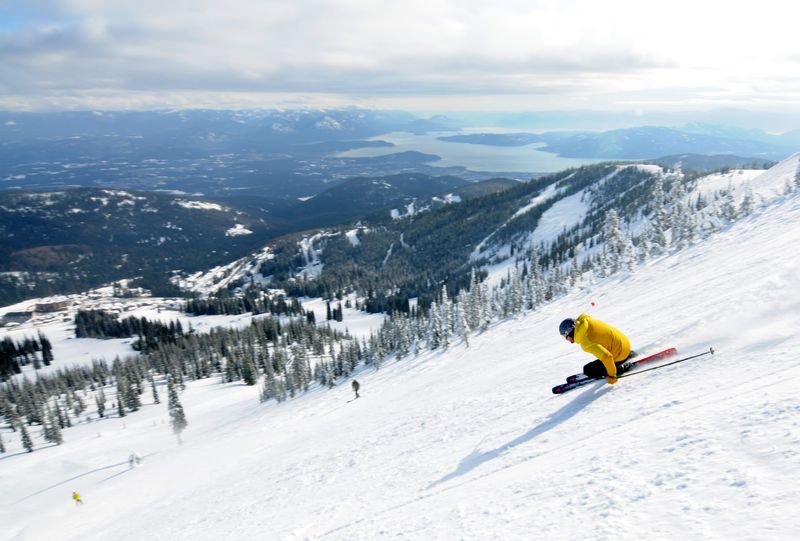
A two-story house stands around 20 feet tall. Some southern Idaho snowdrifts in 1949 were reported at roughly that height.
Let that sink in for a second. A drift could swallow a barn, a power pole, or a whole stretch of highway.
Wind did most of the sculpting. Gusts scooped snow off open fields on the Snake River Plain and dumped it wherever something slowed it down.
Roads and railroad cuts made perfect catch basins. Once filled, they looked less like routes and more like long white hills.
The snow also packed down hard. Authorities eventually turned to explosives to blast pathways where shovels and plows couldn’t make headway.
That detail always surprises people. Dynamite is not usually on the list of winter tools, yet here it was.
Drifts also changed how ranchers handled their land. Some used walls of snow in place of buried fences to keep cattle where they belonged.
Out in rural Idaho, the landscape you knew could disappear overnight. Landmarks vanished, and familiar roads turned into guesswork.
4. Snowplows That Got Stuck
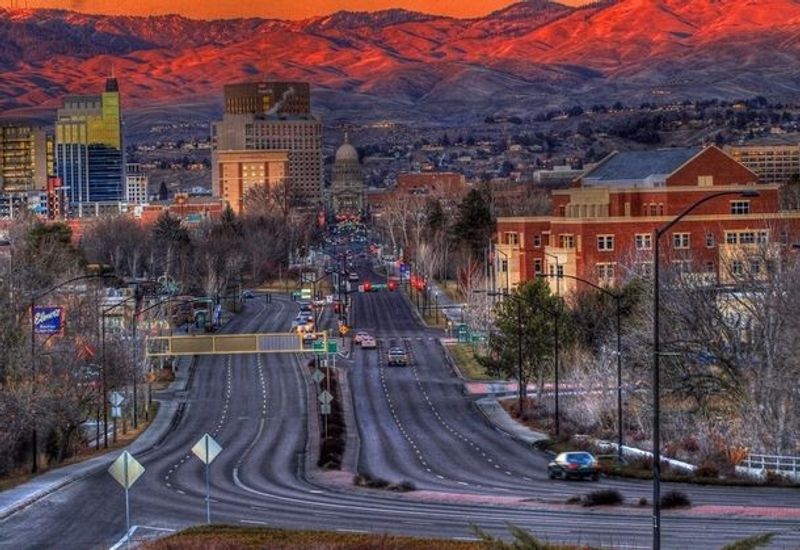
Picture the irony of a snowplow needing rescue. In 1949, that happened often enough across southern Idaho to become part of the legend.
Equipment back then was basic by modern standards. The plows did their best, but they weren’t built for snow this deep or this dense.
Crews faced a maddening pattern. A plow would cut a path, and wind would blow the high snow walls shut behind it within minutes.
So much for progress. You could clear a mile and turn around to find it gone.
Hundreds of roads became impassable. Many were eventually abandoned for the season because nobody could keep them open.
It wasn’t for lack of grit. Drivers worked long hours in brutal cold, often stranded right alongside the people they hoped to reach.
Idaho had no dedicated state transportation department at the time. Weather forecasting was limited, and coordination across the state was patchy.
Those gaps became painfully obvious that winter. The stuck plows told a bigger story about a state that needed better tools and a better plan.
5. Trains Stalled On The Line
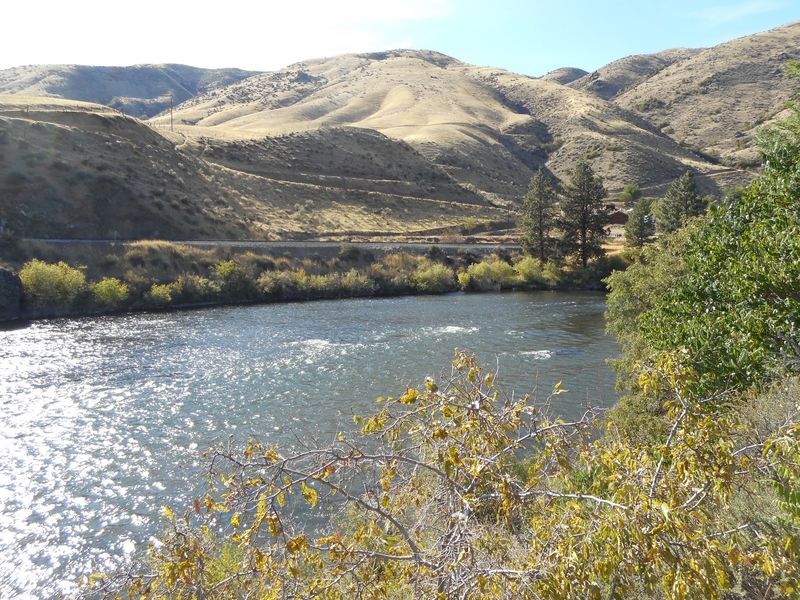
Railroads were supposed to be the reliable option. In the winter of 1949, even the iron horses got stuck in Idaho.
Trains stalled across the state as snow buried tracks and filled cuts. Freight and passengers sat waiting while crews fought to dig out the rails.
One stretch stands out. The line between Cascade and Horseshoe Bend closed for more than a month because of snow slides.
That route follows rugged country along the Payette River. When slides pile onto tracks in steep canyon terrain, clearing them is slow and risky work.
Losing rail service hurt in a big way. Trains carried coal, food, mail, and livestock feed to towns that depended on them.
Fuel shortages followed in many places. Up north, Moscow came within days of running out of coal for heating homes.
You can imagine the anxiety in kitchens across the state. A stalled train meant an empty coal bin might be next.
Railroad crews eventually reopened the lines as conditions improved. Still, those long weeks showed how fragile winter supply chains could be.
6. Rockland And Roy Cut Off
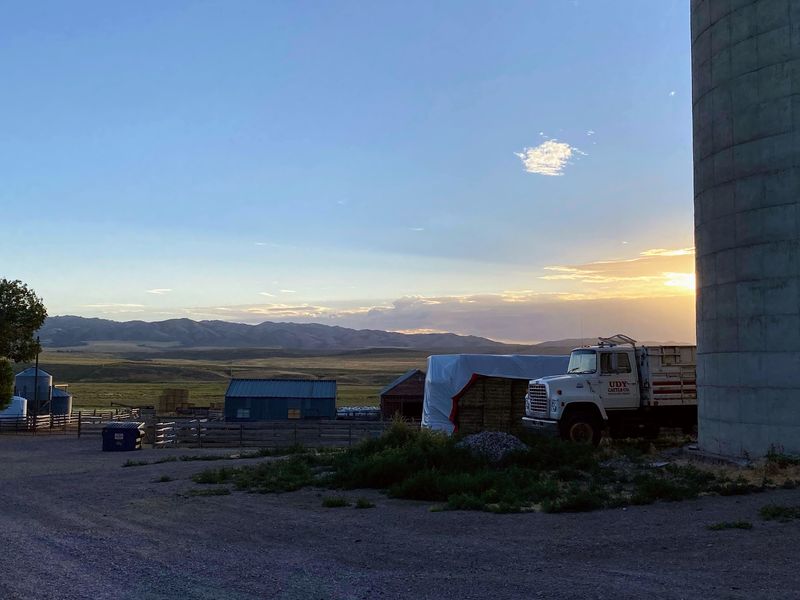
Small towns in Idaho are used to being a little out of the way. In 1949, Rockland and Roy were completely out of reach.
Both communities sit in southeastern Idaho farm and ranch country. When the roads drifted shut, they were cut off from the outside world.
No easy trips to town. No quick run for groceries, feed, or medicine.
Residents leaned on what they had stored and on each other. In tight rural places, neighbors checking on neighbors was simply how life worked.
Rockland is in Power County, south of American Falls. Roy is a small farming community farther south, in the hills near the Arbon area.
Hearing their names connected to the storm gives the history a face. These weren’t abstract dots on a map, but real families watching the snow climb.
If you’ve driven those quiet back roads, you know how open the land feels. Now picture that space with no road visible at all.
Their isolation became a symbol of the whole winter. It showed how quickly a remote town could become an island in a sea of snow.
7. Supplies From The Sky
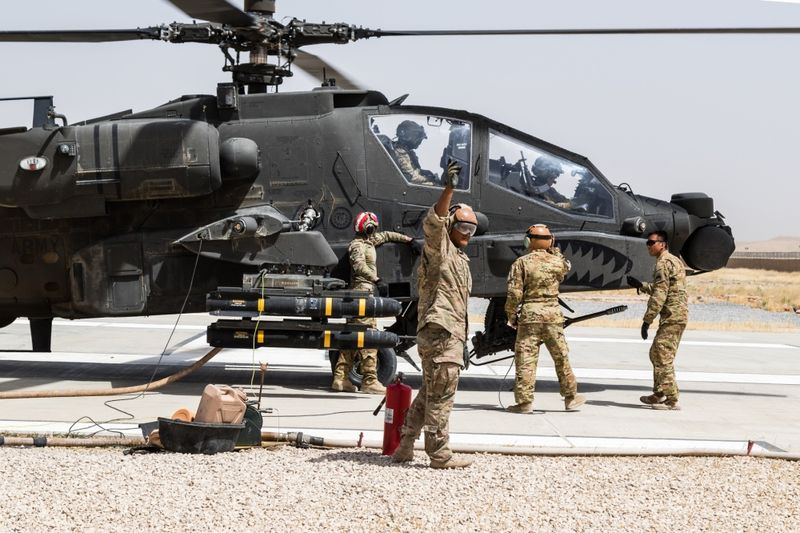
When roads and rails fail, you look up. That’s exactly what southern Idaho did in 1949.
Planes dropped food and medical supplies to communities nobody could reach by ground. The National Guard played a key role in these efforts.
Think about how that felt from below. After weeks of white silence, an engine hum overhead meant help was on the way.
Air drops weren’t simple, either. Pilots dealt with cold, wind, and limited visibility while trying to hit tiny targets on snowy ground.
Hay and feed drops mattered too. Across the West that winter, aircraft helped deliver fodder to stranded livestock.
The operation showed real creativity under pressure. With few other options, Idaho turned its skies into a supply route.
It also previewed a modern idea. Using aircraft for disaster relief is common now, but in 1949 it felt bold and new.
Plenty of families likely owed their winter to those runs. A single bundle of medicine could change everything for a sick child in a buried farmhouse.
8. Ranchers Who Climbed Into Barns
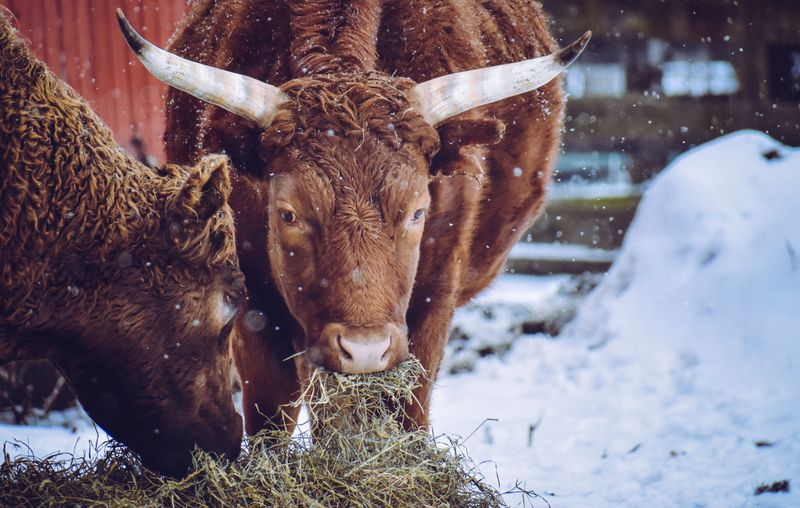
Sometimes the front door isn’t an option. Some ranchers in 1949 climbed into buried barns just to feed their cattle.
That image sticks with you. A rancher digging down through snow, squeezing inside, and hauling hay to hungry animals.
The losses were heavy. Thousands of livestock were lost to cold, pneumonia, and lack of feed, adding up to millions of dollars in damage.
For ranch families, those animals were income, savings, and years of hard work. Watching a herd struggle was its own kind of heartbreak.
So people improvised. Walls of snow stood in for buried fences, keeping cattle corralled when posts and wire disappeared.
Feed was a constant puzzle. Haystacks sat under drifts, and getting hay from storage to animals could take hours of digging.
You have to respect that kind of resourcefulness. Ranching in Idaho has always demanded toughness, and this winter tested it hard.
Stories from that season still come up in ranch families today. They’re a reminder of how close the line between a good year and a ruined one can be.
9. The Arbon Ranch Snowed In Until Spring
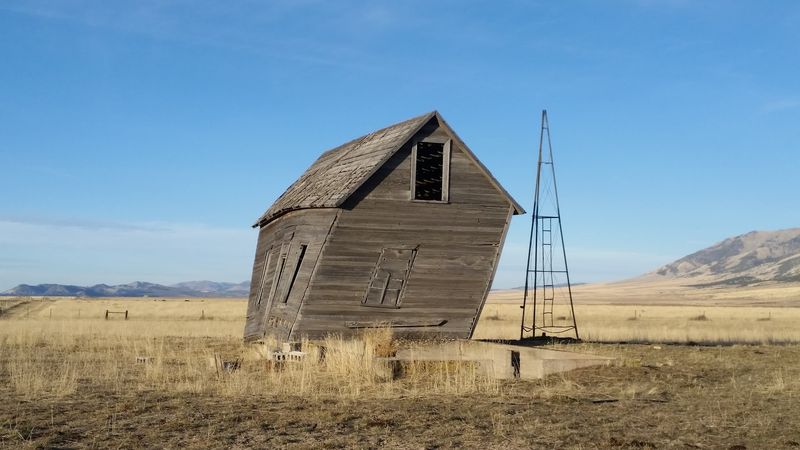
Christmas came and went, and then the roads closed. For one Arbon Valley ranch, they didn’t open again until March 22, 1949.
That’s nearly three months snowed in. The ranch was cut off from the day after Christmas 1948 until spring finally broke through.
Arbon Valley sits in southeastern Idaho, south of Pocatello. It’s open, rolling ranch country, which makes it beautiful and very exposed to wind.
Wind-driven snow loves country like that. Drifts settle into draws and roadways, and they don’t leave quietly.
Think about what three months means in practical terms. Every meal, every armload of fuel, and every chore depended on what was already on hand.
Cabin fever must have been real. Still, families like this one were used to planning ahead, and that habit paid off.
The date of March 22 lands like a finish line. You can almost hear the relief when the first vehicle finally made it through.
This ranch shows the storm’s staying power better than any statistic. The headlines faded, but the snow stayed for months.
10. The Birth Of The Idaho Highway Department
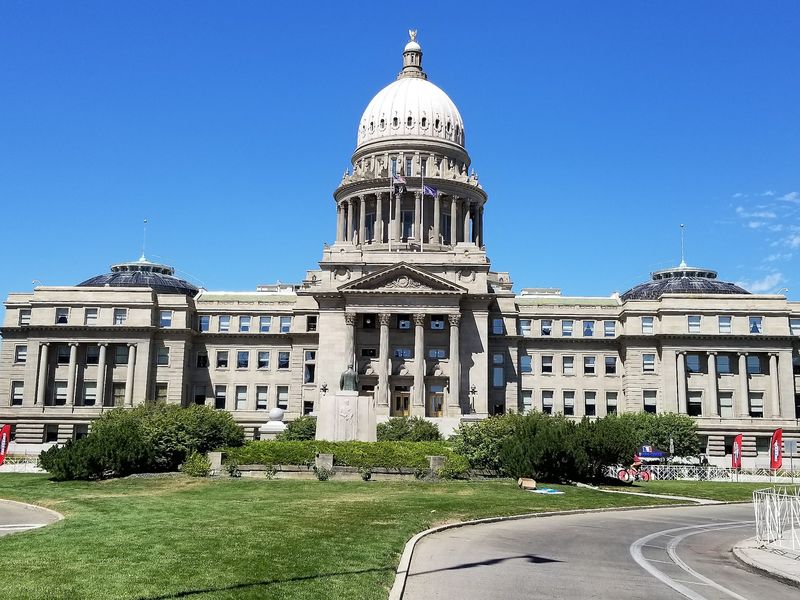
Good things can come from a rough winter. The Great Winter of 1949 pushed Idaho to rethink how it kept roads open.
The storm exposed real weaknesses. Forecasting was limited, snow removal equipment was basic, and Idaho had no dedicated state transportation department.
Lawmakers responded with emergency relief right away. A study followed, and it led to the creation of the Idaho Highway Department.
That department became the forerunner of today’s Idaho Transportation Department. So when plows roll out on a snowy morning, there’s a 1949 thread running through it.
It’s a satisfying twist. A season that froze the state helped build the system that keeps it moving now.
Curious to see more? The Idaho State Archives in Boise holds historical records and photographs, so check before driving for research access.
Digging through old photos can make the story feel close. You might even spot a familiar town under all that snow.
History like this belongs to anyone who loves Idaho. The next big storm will feel a little different once you know what came before.
Address: 2205 Old Penitentiary Rd, Boise, ID 83712