This California High School Was Just Ranked The No. 1 Public High School In The State For 2027
Most high school students spend four years preparing for college. At one California school, they’re already taking university classes before they graduate.
And that’s just part of what makes this place stand out.
Students tackle an unusually demanding science curriculum, choose from more than a hundred clubs, and study on an actual university campus.
It’s a pretty impressive setup for a public school with fewer than 700 students.
Now it has another reason to celebrate. Niche ranked it the best public high school in California for 2027, along with top honors for college preparation and magnet schools.
What’s especially interesting is how much the school manages to offer despite its relatively small size.
The Top Spot In The Whole State Belongs To A School Of About 673 Students
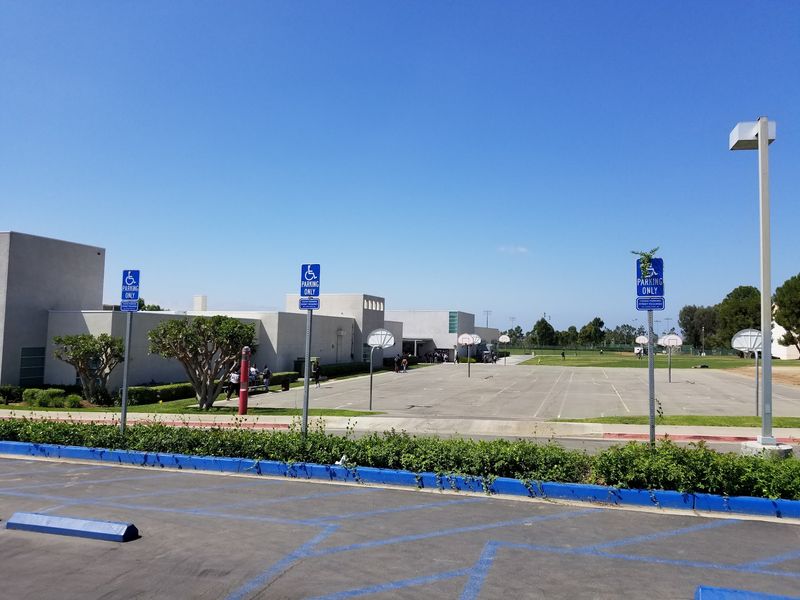
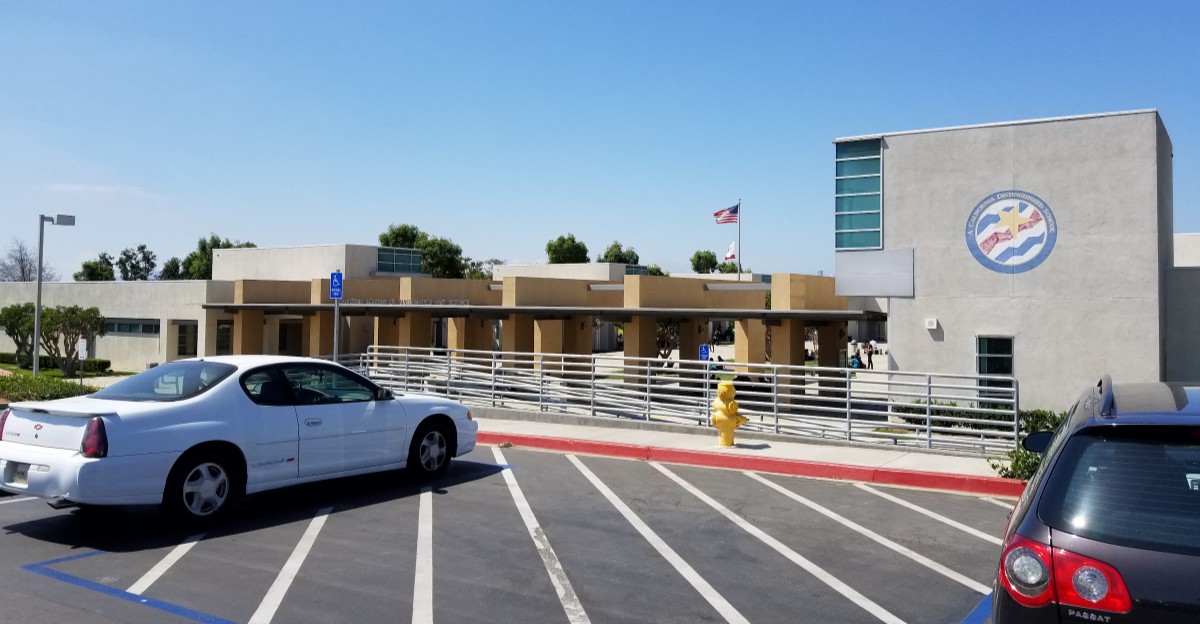
Number one out of every public high school in California is a big deal. The California Academy of Mathematics and Science, often called CAMS, earned that title on Niche’s 2027 rankings.
Niche didn’t stop there either. CAMS also took first place for Best College Prep Public High Schools and Best Magnet High Schools in the state. Three gold medals in one go is a pretty great week.
Other big names agree. U.S. News and World Report ranked CAMS fifth in California and 38th in the nation for 2025-2026. That puts it in elite company across the whole country.
The awards shelf keeps getting crowded too. In 2024, the school earned a National Blue Ribbon School award for the fourth time.
It was also named a 2024 California Distinguished School that same year.
Here’s what makes it even more impressive. The school has only about 673 students in grades 9 through 12. Small size, giant results.
If you’re a parent or student, rankings like these can help you spot schools worth exploring. Still, they’re just one piece of the puzzle.
Fit, interests, and goals matter just as much as a shiny badge.
Your Homeroom Happens To Be On A University Campus
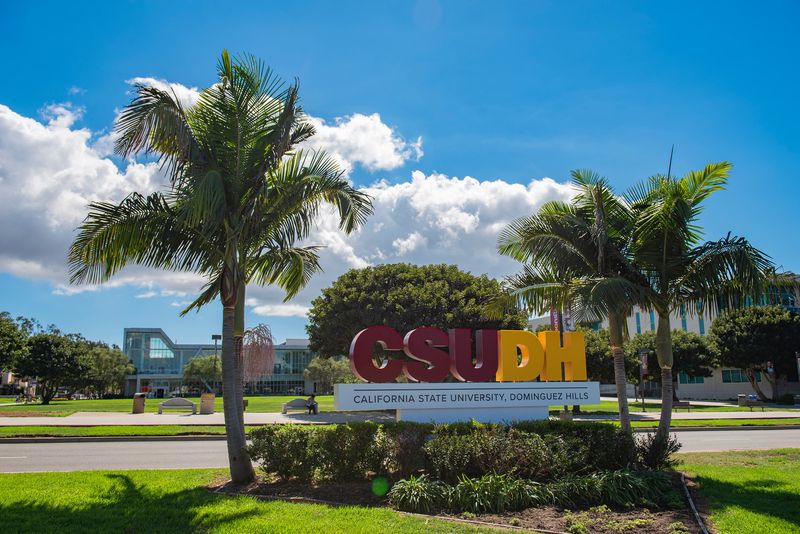
College starts early here, and I mean literally. CAMS sits right on the campus of California State University, Dominguez Hills, known as CSUDH.
That setup changes everything about a normal school day. Students, especially juniors and seniors, can sign up for actual university courses.
Some graduate with up to 20 college credits through dual enrollment.
The perks go past the classroom too. CAMS students can use several CSUDH facilities, including the gymnasium, student union, tennis courts, swimming pool, and library.
That’s a lot more than most high schoolers get.
Think about how that feels at 16. You’re sharing a campus with college students and getting a real preview of university life. The jump to college later probably feels a lot less scary.
The full address is 1000 East Victoria Street, Carson, CA 90747. Carson sits in the South Bay area of Los Angeles County.
Here’s a practical tip for any teen. Earning college credits in high school can save time and money later.
If your school offers dual enrollment, ask a counselor about it. CAMS students just happen to have the university right next door.
Six Years Of Science Squeezed Into Four Years Will Make Your Head Spin
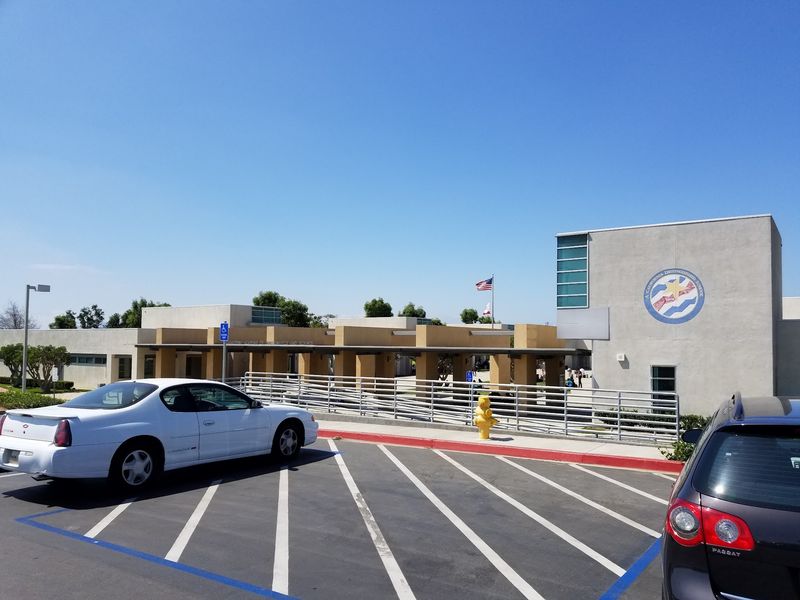
Wait, how does that math even work? At CAMS, students typically take four years of math and six years of science during their four years of high school.
That’s thanks to an accelerated program built around STEM, which stands for science, technology, engineering, and math. Students double up on science along the way.
It’s a lot, but that’s kind of the point.
The school offers more than 20 Advanced Placement courses. The list includes Calculus, Physics, Biology, Chemistry, Computer Science, and Statistics.
There’s also AP Research and AP Seminar for students who love digging deep.
Don’t assume it’s all numbers and lab coats, though. CAMS also offers AP English Language, English Literature, U.S. History, World History, Psychology, and Human Geography. Students can even take AP Japanese or AP Spanish.
That mix matters more than people realize. Scientists and engineers need to write well and understand people too. A great report is useless if nobody can follow it.
Want to borrow a lesson from CAMS? Try connecting subjects you study. Notice how math shows up in science, or how history explains inventions. Your brain loves those connections.
Two Capstone Classes Let Students Build Real Things From Scratch

Some classes end with a test. At CAMS, two special capstone courses end with students designing something real.
The first is Engineering Design and Development, or EDD. The second is Software Design and Development, or SDD.
Both give students a chance to tackle projects much like professionals do.
A capstone is basically the big finale of your learning. You take everything you’ve studied and use it to solve a problem. It feels a lot more like a job than homework.
That fits the way CAMS teaches overall. The school leans on active learning, critical thinking, and problem-solving. Team projects and experiments are a big part of the routine.
Teamwork might sound like a small thing, but it isn’t. Most engineers and programmers work in groups every single day.
Learning to share ideas, handle disagreements, and divide tasks is a serious skill.
Here’s something anyone can try at home. Pick a small problem around your house and sketch a fix.
Maybe it’s a better shoe rack or a simple app idea. Testing and improving your design is exactly what engineers do. Who knows, it might be the start of something big.
Teachers Call It A Talent Development Program For Good Reason
Talent isn’t something you’re simply born with. Faculty at CAMS often call the school a talent development program, and that phrase says a lot about its heart.
The school has a bold mission. It aims to challenge the idea that students from academically disadvantaged backgrounds can’t excel in math and science.
Spoiler alert, the rankings suggest they absolutely can.
Many CAMS students come from inner-city schools. The student body is about 96 percent minority, with Asian, Hispanic, and Filipino students making up large groups.
Language adds another layer to the story. About 60 percent of CAMS families speak at least two languages. That’s a lot of bilingual brainpower under one roof.
I love this part of the school most. It shows that hard work and the right support can unlock huge potential. Great schools don’t just find stars, they help build them.
Here’s a takeaway for students anywhere. If you think you’re just not a math person, give it another shot.
Skills grow with practice, patience, and a good teacher. Ask questions, use tutoring, and keep going. Your future self will thank you for not giving up.
Getting In Starts In Eighth Grade, So Plan Ahead

Thinking about applying? Timing matters, because CAMS accepts applications from eighth-grade students.
Admission is selective, and it’s not open to the whole state. Students apply from a consortium of eleven Southern California school districts.
Long Beach Unified School District serves as the school’s fiscal agent.
Applicants must meet CAMS’s current eligibility requirements and demonstrate an interest in STEM; families should consult the school’s latest admissions guidelines for specific academic criteria.
So what can a younger student do now? Start by building good habits in sixth and seventh grade. Keep up with math homework and ask for help early when something feels confusing.
Showing real interest counts too. Join a science fair, try a coding class, or check out a robotics club. Those experiences help you discover what you actually enjoy.
Parents can help in simple ways. Talk with your child’s school counselor about deadlines and eligibility.
Ask which districts are part of the consortium. Planning early beats scrambling in the spring of eighth grade.
And even if a student doesn’t attend CAMS, these habits pay off at any school.
Over 100 Clubs Means Nobody Gets Bored After The Bell
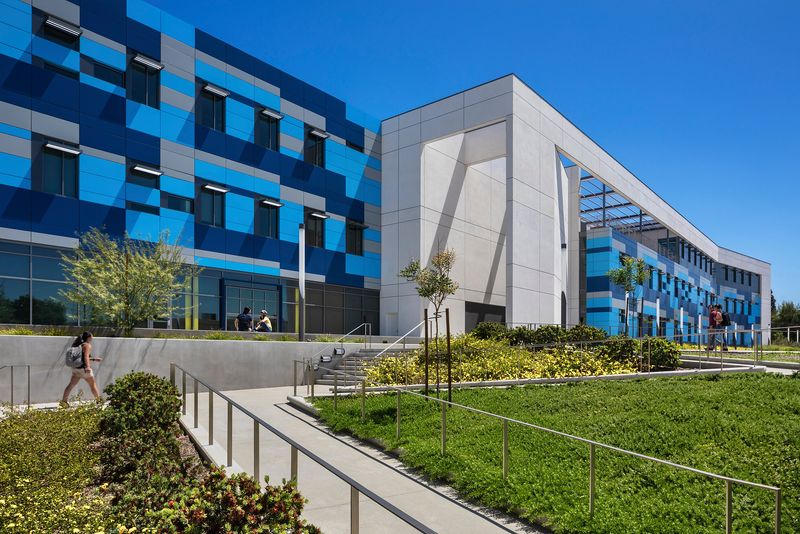
More than 100 clubs at a school of about 673 students? That’s roughly one club for every six or seven kids. Pretty wild.
Many of these clubs focus on STEM. Students can find robotics teams, coding clubs, math leagues, and environmental science groups. If you love building or solving puzzles, you’re covered.
Traditional sports options may be more limited than at a big neighborhood high school. Instead, CAMS puts a strong focus on leadership and collaboration.
Students learn how to run meetings, organize events, and lead teams.
Those skills are sneaky important. Colleges and future employers love students who can lead and work with others. A club officer title often teaches more than people expect.
Remember those university facilities too. Access to CSUDH’s gym, tennis courts, and pool gives students more ways to stay active. That’s a nice bonus for a smaller school.
Here’s my advice for any student. Try at least one club that sounds a little outside your comfort zone.
You might discover a new passion or meet your future best friend. And if your school lacks a club you want, ask about starting one yourself.
Research And Internships Give Teens A Head Start On Real Careers
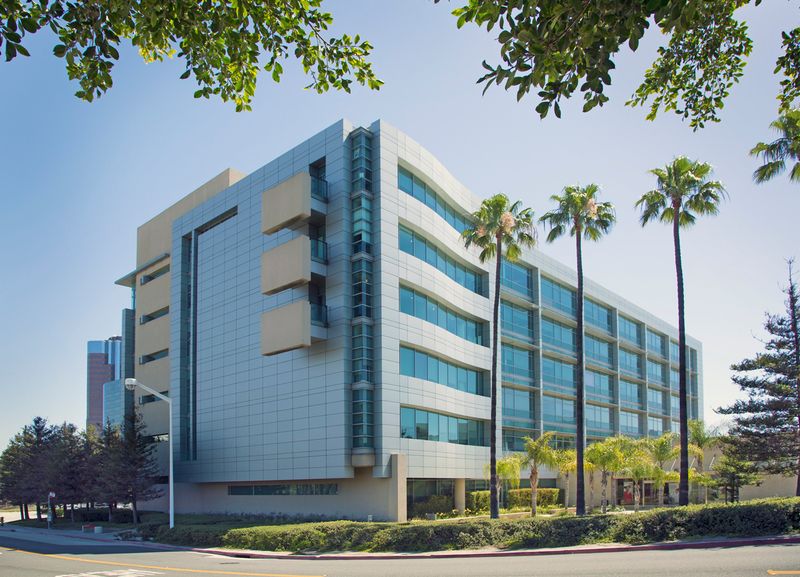
Mentors with college titles and company badges can change a teen’s whole path. CAMS encourages students to pursue independent research projects and internships with local technology companies.
Those experiences often come with guidance from university professors or industry professionals. That’s huge for a high schooler.
Getting advice from an expert can make a fuzzy dream feel real.
The connection goes back to the school’s roots. CAMS was founded in 1990 through a team effort.
Partners included CSUDH, the California State University Chancellor’s Office, eleven local school districts, and industry groups.
Those industry partners came from fields like defense, high-tech, and aerospace. Southern California has long been a hub for that kind of work.
So it makes sense that the school was built with real careers in mind.
Internships teach lessons a textbook can’t. Students learn how workplaces run, how to communicate professionally, and how to manage deadlines. They also find out what they love, or don’t.
Curious teens anywhere can borrow this idea. Email a local scientist, engineer, or business owner and ask a few questions.
Many people enjoy sharing their work. One conversation could spark a lifelong interest.
Where Graduates Head Next Might Just Make Your Jaw Drop
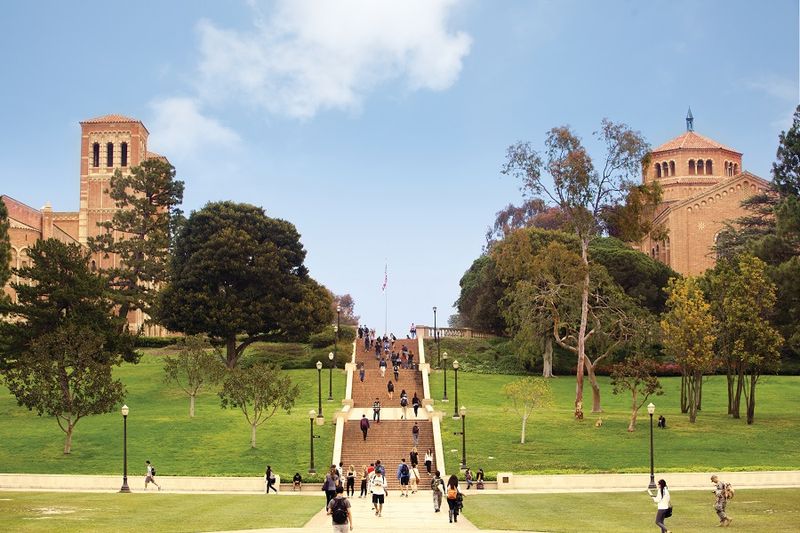
About 95 percent of CAMS graduates head straight to four-year colleges and universities. That’s nearly the whole senior class.
The destinations are impressive too. Graduates often land at highly selective schools like UC Berkeley, UCLA, Stanford, and MIT. Not bad for a public school in Carson.
Of course, it’s not magic. Students arrive with a head start from AP classes, college credits, and real project experience.
By graduation, many already know how college works.
Class sizes generally range from 30 to 40 students, with a student-teacher ratio of 25 to 1. So students learn to speak up and advocate for themselves.
That skill travels well to big university lecture halls.
What I love most is the full story here. A California public school serving many first-generation and bilingual families keeps sending students to dream colleges.
That’s the kind of ranking that means something.
For families exploring options, ask any high school about its college results. Where do graduates go, and how are they prepared?
Answers like the ones at the California Academy of Mathematics and Science set a high bar. Top of the state looks pretty good on them.