River Otters Are Making A Comeback Along This Stretch Of California’s Coast, And It’s A Sight Worth Seeing
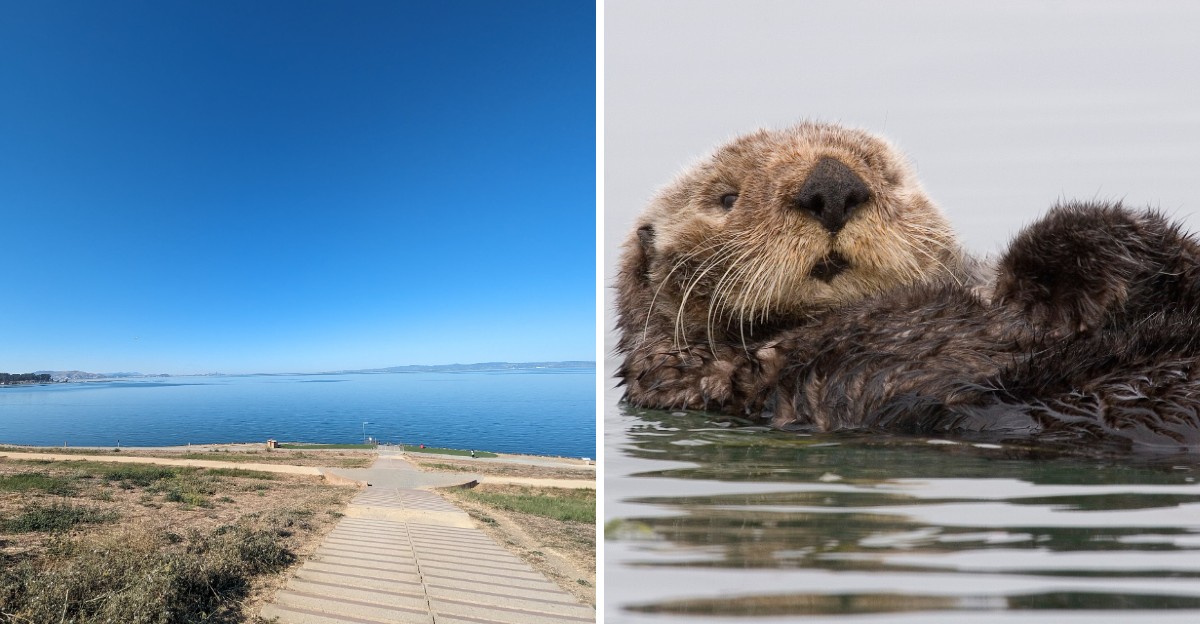
A wildlife camera caught a river otter on this coastal land in July. Then it happened again in August, and again in September. That’s the first documented river otter on this coast in over 100 years.
River otters once roamed much of the California shoreline. The fur trade and pollution nearly wiped them out. Now one has quietly wandered back home.
I love when a place has something unexpected up its sleeve. This one hides about 5,100 acres of grassland, scrub, and creeks. More than 600 plant species grow here.
The otter showed up in a closed area, so don’t expect a guaranteed meet-and-greet. Still, one short trail lets you wander the same wild landscape.
It ends at a lookout with ocean views and a famous lighthouse in sight. I have a feeling this one would leave an impression.
A Century-Long Absence Just Ended With A Few Camera Clicks
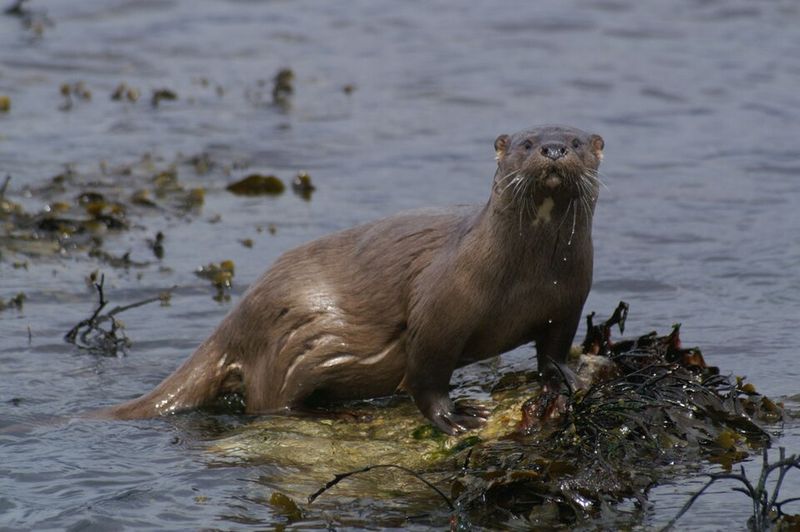
Some wildlife news makes scientists cheer out loud. Cloverdale Ranch Open Space Preserve delivered exactly that kind of headline when cameras photographed a North American river otter on its land.
The sightings came in July, August, and September in a closed section of the preserve. Experts call it the first documented river otter on the San Mateo Coast in more than 100 years.
That’s a long time between visits. River otters were once common along the California coast.
Then the 19th-century fur trade and pollution pushed them out of much of their old range.
So why does one furry swimmer matter so much? Otters are picky about where they live. They need clean water and plenty of food to stick around.
When an otter shows up, it acts like a natural report card for the whole ecosystem. Biologists call animals like this bioindicators.
The camera photos suggest otters are spreading back into good habitat along this coast. That’s a hopeful sign for creeks, fish, and everything else that depends on them.
Not bad for a critter that spends half its day goofing around in water.
Fifteen Miles Of Creeks Help Explain The Otter’s Interest
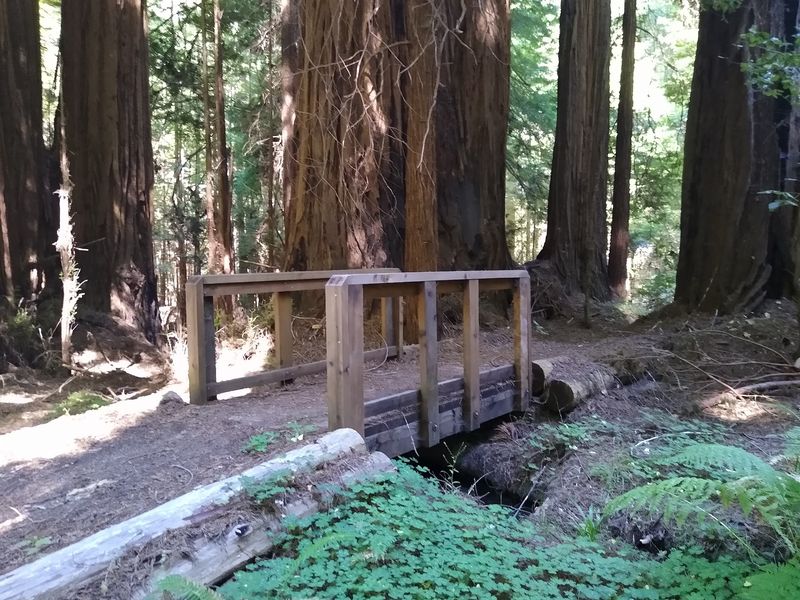
Water is the big draw for any otter looking for a new neighborhood. Here, the preserve offers about 15 miles of streams spread across three watersheds.
Those watersheds belong to Pescadero Creek, Butano Creek, and Gazos Creek. Each one feeds a web of life that stretches from tiny bugs to bigger predators.
Healthy creeks like these can support complex food webs. They can also support coho salmon and steelhead trout, two fish that serve as signs of good water quality.
Think of it as a buffet with a cleanliness rating. An otter isn’t going to settle somewhere that serves murky water and empty plates.
The preserve also protects nearly 450 acres of sensitive habitat. That includes riparian forest along the streams and freshwater wetlands tucked between hills.
Those wet, shady spots give wildlife places to hunt, rest, and hide. For a river otter, that mix is pretty close to ideal.
One practical note for visitors. Swimming, wading, and other water contact activities aren’t allowed.
The creeks are best admired from a respectful distance, which keeps them healthy for the animals that call them home.
Bring Your Walking Shoes For A Short Trail With A Huge Payoff
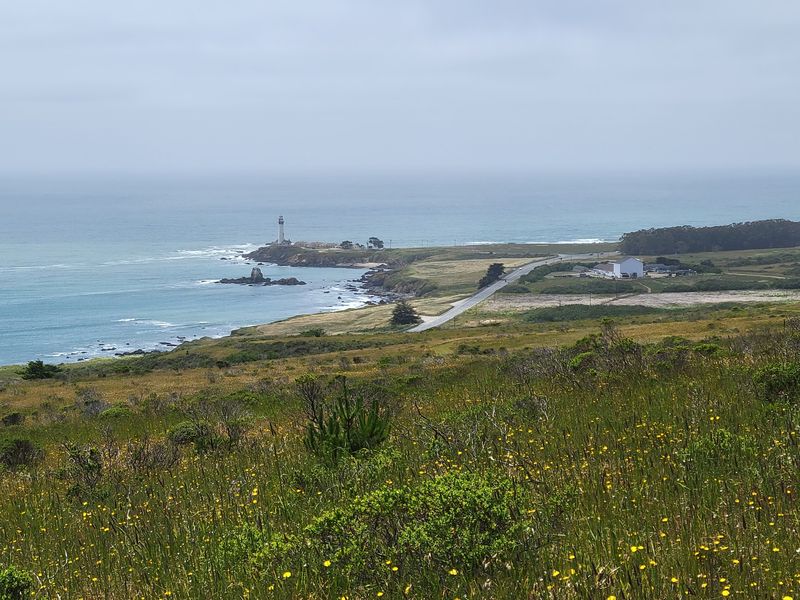
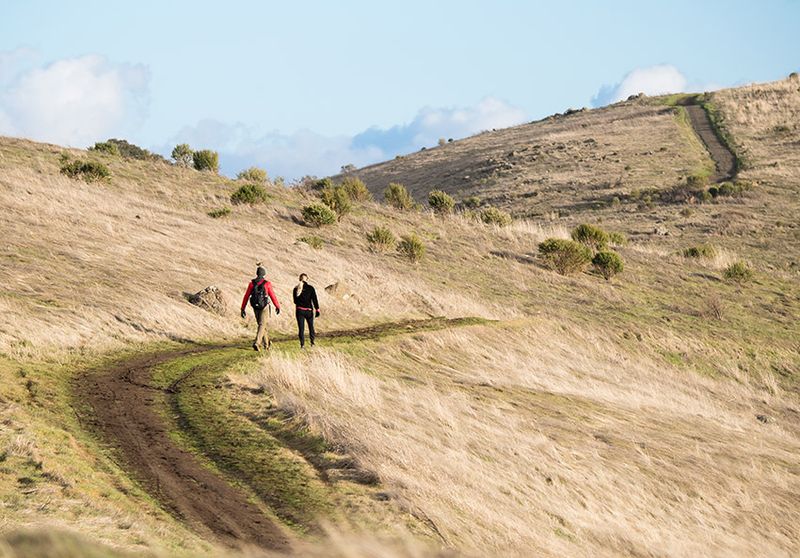
Good news for anyone who prefers views over sweat. Wilbur’s Watch Trail is the public’s main way into Cloverdale Ranch Open Space Preserve, and it’s only about a mile out and back.
The path climbs gently through coastal scrub and grasslands. It ends at a lookout point with sweeping views across the Pacific Ocean.
From the top, you can spot the historic Pigeon Point Lighthouse. Point Año Nuevo also comes into view along the coastline to the south.
That’s a lot of scenery for such a modest hike. It works well for families, casual walkers, or anyone squeezing a stop into a Highway 1 road trip.
The trail opens a half hour before sunrise and closes a half hour after sunset. Golden hour here sounds like a pretty smart plan.
Dogs, bicycles, and horses aren’t permitted on the trail. Those rules help protect the sensitive plants and wildlife nearby.
Pack water and a light jacket, since coastal weather can shift quickly. Binoculars are a good idea too.
You probably won’t spot the otter, but birds and ocean views make excellent backup entertainment.
That Tiny Parking Lot Rewards Early Birds
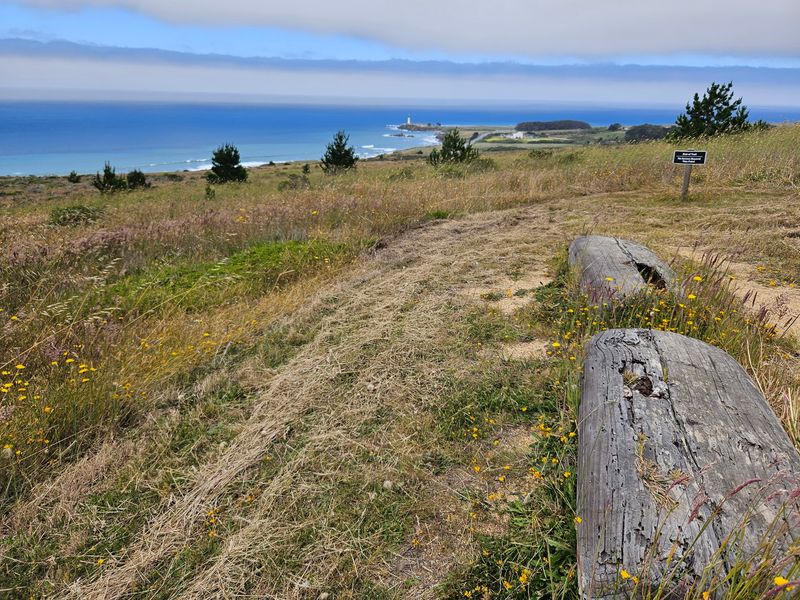
Six spaces. That’s roughly all you get at the small, unpaved lot that serves Wilbur’s Watch Trail.
The parking area sits on Pigeon Point Road, just off Highway 1 and south of Pigeon Point Lighthouse. It’s easy to drive right past if you aren’t paying attention.
The broader preserve covers an unincorporated stretch of San Mateo County near Pescadero. Its boundaries touch roads like Pescadero Road, Cloverdale Road, Gazos Creek Road, Bean Hollow Road, and Highway 1.
Partner land sits at 3393 Cloverdale Rd, Pescadero, CA 94060, but trail access comes from Pigeon Point Road.
So plan ahead and keep your expectations flexible. Arriving earlier in the day gives you a better shot at one of those few spots.
If the lot is full, it helps to have a backup idea. Pigeon Point Lighthouse sits right nearby, so circling back later is easy.
The coastal drive itself is half the fun. Highway 1 through this part of California serves up bluffs, farmland, and ocean views the whole way.
Just watch your speed on the curves. The scenery is distracting in the best way.
Rare Neighbors Share The Hills With The Otter
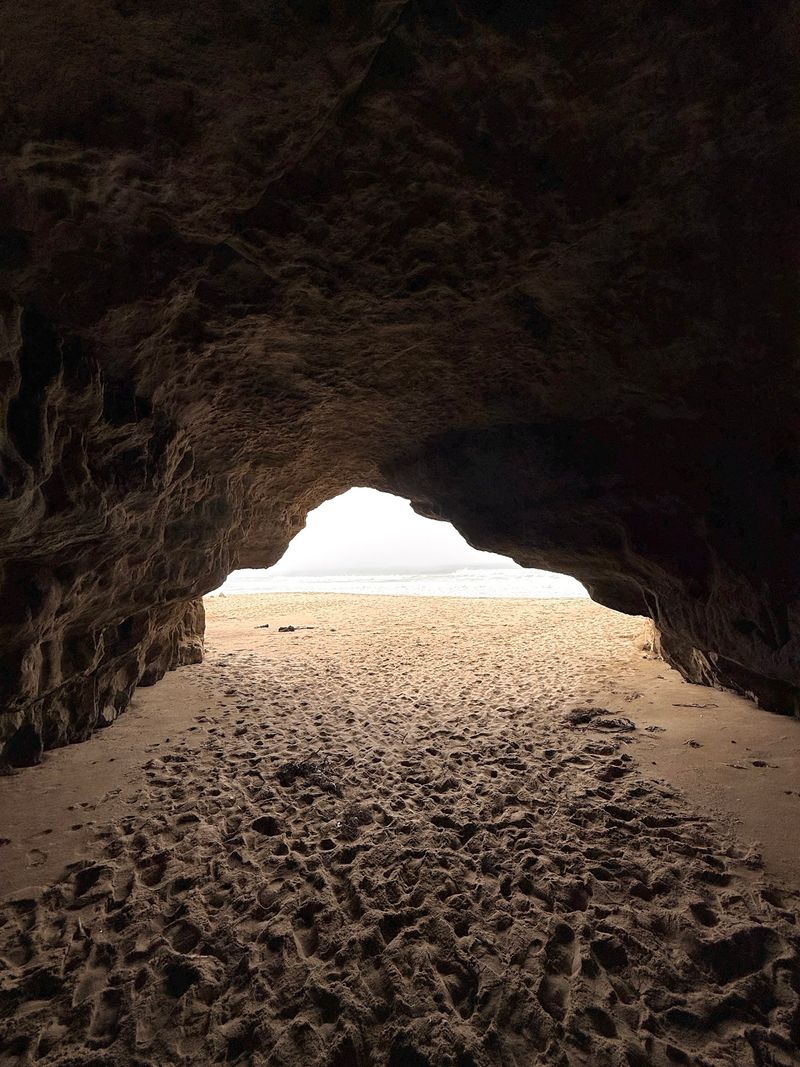
Otters may be stealing the spotlight, but the supporting cast deserves applause. The preserve shelters several rare species that many people never get to see.
California red-legged frogs live here. So do northern harriers, which glide low over grasslands while hunting.
Loggerhead shrikes and grasshopper sparrows also use the open land. Even endangered marbled murrelets have been spotted flying over the property.
That’s an impressive guest list for one coastal ranch. Each of these animals depends on habitat that’s getting harder to find.
Coastal grasslands and coastal scrub rank among the most threatened ecosystems in North America. Cloverdale Ranch protects big stretches of both.
For visitors, this means your binoculars might earn their keep. A hawk circling over the hills or a small bird perched on a shrub could be something special.
Keep your voice low and stay on the trail. Wildlife tends to stick around when people move slowly and give them space.
Bird lovers should consider a field guide or birding app. Identifying a grasshopper sparrow by its buzzy song is a fun little win for any nature fan.
Decades Of Patient Work Set The Stage For This Comeback
Back in 1997, Peninsula Open Space Trust started buying pieces of this ranch. The goal was simple: keep commercial development off the land.
Purchases continued until 2012. During those years, the trust also rolled up its sleeves and got busy with restoration.
One big project brought back about 140 acres of willow and alder forest in the Butano Creek floodplain. That forest helps wildlife and also helps protect the town of Pescadero from flooding.
Talk about a win for everyone. Trees soak up water, shade creeks, and give animals like otters places to explore.
In 2023, the trust transferred the upland portion of the ranch to Midpeninsula Regional Open Space District. It became the district’s 27th preserve.
The deal also marked the largest land purchase in the agency’s 50-year history. It’s the district’s newest preserve and the one closest to the coast.
That otter didn’t stumble into a lucky accident. Years of careful planning, buying, and replanting made this place ready for a return visit.
Sometimes good news takes decades to show up on camera.
Wildlife Can Roam Far Thanks To Connected Wild Land
Animals don’t read maps or respect property lines. That’s why the preserve’s location matters so much.
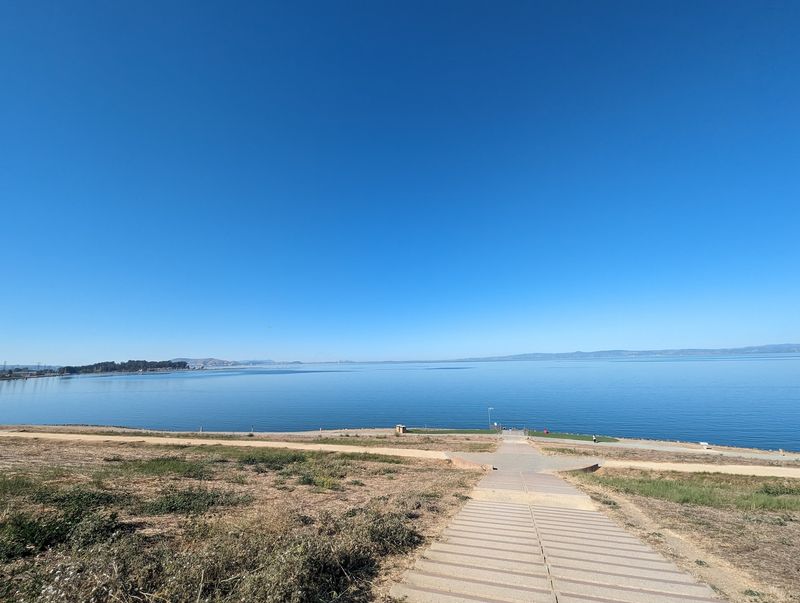
Cloverdale Ranch connects to more than 31,000 acres of surrounding open space and parkland. Together, that land forms important wildlife corridors.
A corridor works like a highway for animals. It lets creatures move between habitats to find food, mates, and new homes.
For a river otter expanding its range, connected land is huge. It can travel along creeks and through protected areas without hitting a wall of houses.
This might explain how the otter found its way here in the first place. Healthy, linked habitat makes long-distance exploring possible.
It also helps other species bounce back over time. Frogs, birds, fish, and mammals all benefit when wild spaces aren’t chopped into tiny pieces.
California has lost a lot of natural land along its coast. Places like this show what can happen when big chunks stay protected.
Next time you drive Highway 1 here, look at those rolling hills differently. They’re more than pretty scenery. They’re a working network for wildlife on the move.
Your Best Shot At Seeing More Is A Guided Walk
Most of the preserve remains closed to the public for now. Midpen is balancing wildlife protection with community needs as it plans for the future.
That doesn’t mean the rest of the land is totally off limits. The district offers guided walks and other programs that open up extra access.
These outings can take you places the public trail doesn’t reach. A trained guide can also point out plants, birds, and history you’d likely miss.
Keep an eye on Midpen’s program calendar for upcoming events. Spots on guided outings can fill up, so signing up early makes sense.
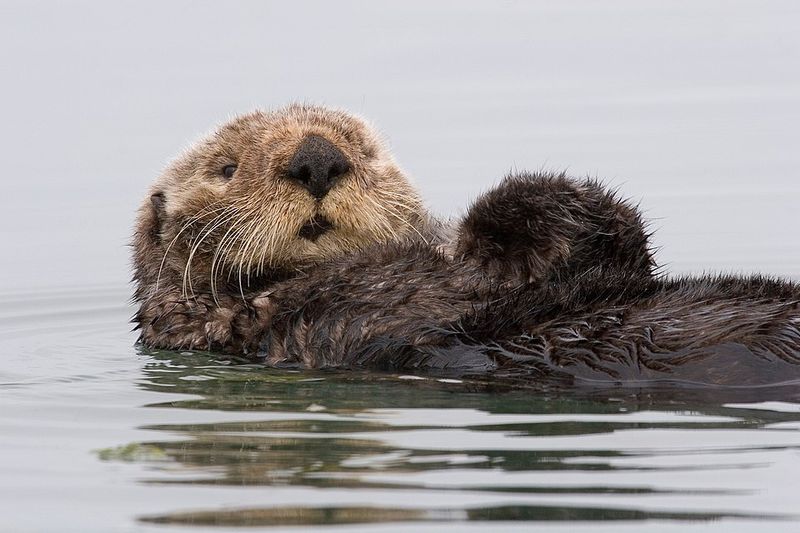
Will you see the otter? Honestly, probably not. River otters are shy, and the sightings happened in a closed area through wildlife cameras.
Still, being part of this moment feels pretty cool. You’re walking land where a species just returned after more than a century.
Follow the trail rules, stay out of the water, and leave no trace. Those small choices help this California coastline stay healthy enough for otters to keep coming back.
Who knows? Maybe they’ll bring friends next time.