Inside This Idaho Museum Thousands Of Old Military Vehicles And Tanks Span Several Hangars
A wedding dress sewn from parachute silk hangs in the same building as an A-10 Warthog. That pairing alone tells you this place plays by its own rules.
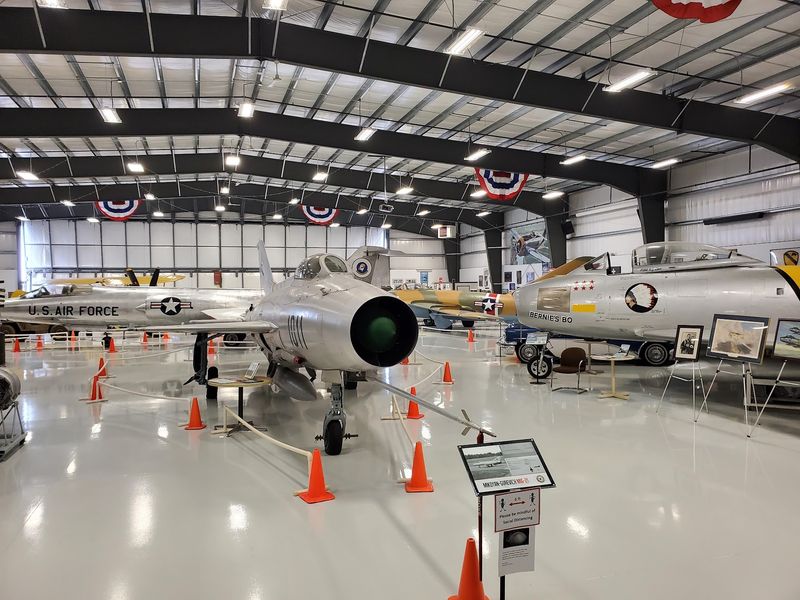
The planes get top billing, and fair enough. You’ll find warbirds from World War I through the jet era, plus a P-51 Mustang and a P-38.
But the real surprise sits in the cabinets, binders, and letters left behind by everyday service members.
I like how the stories feel personal rather than polished. Homesick postcards share space with uniforms, and each hangar plays its own themed period music.
It turns a quick look at airplanes into a slow walk through other people’s lives.
This Idaho stop sits closer to home than most folks realize. So how long do you think you could last before the first letter gets you?
An Airfield Museum Hiding In Plain Sight Near Boise
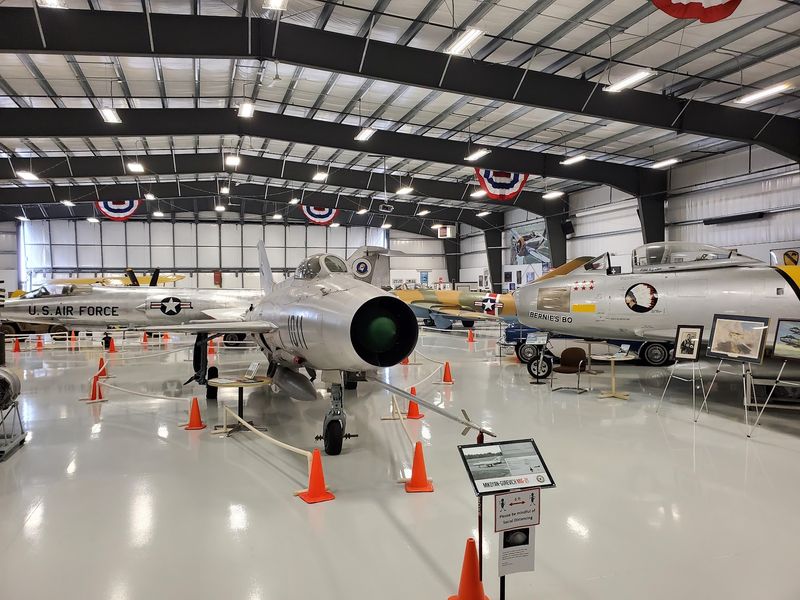
Drive west from Boise toward Nampa and you’ll pass an airport most people never think twice about. The Warhawk Air Museum sits right there, filling hangar space with aircraft and military history.
It’s an aviation museum at heart, built around planes and flying memorabilia from World War I to the jet era. Yet the collection stretches well past airplanes into vehicles, uniforms, equipment, and personal keepsakes.
The setting fits the subject perfectly. Planes on display at an actual airport just make sense, like a library shelved inside a bookstore.
Nampa anchors the western Treasure Valley, so the trip from Boise stays easy. Families from Caldwell, Meridian, and Eagle can reach it without turning the day into a road trip marathon.
What makes the place unusual is its range. You can study a Cold War jet one minute and read a nurse’s wartime story the next.
That mix of big machines and small human details gives the museum its personality. It also explains why so many first-timers plan for an hour and stay far longer.
Idaho has plenty of museums, but few blend tarmac and tenderness quite like this one.
Three Hangars That Keep Unfolding
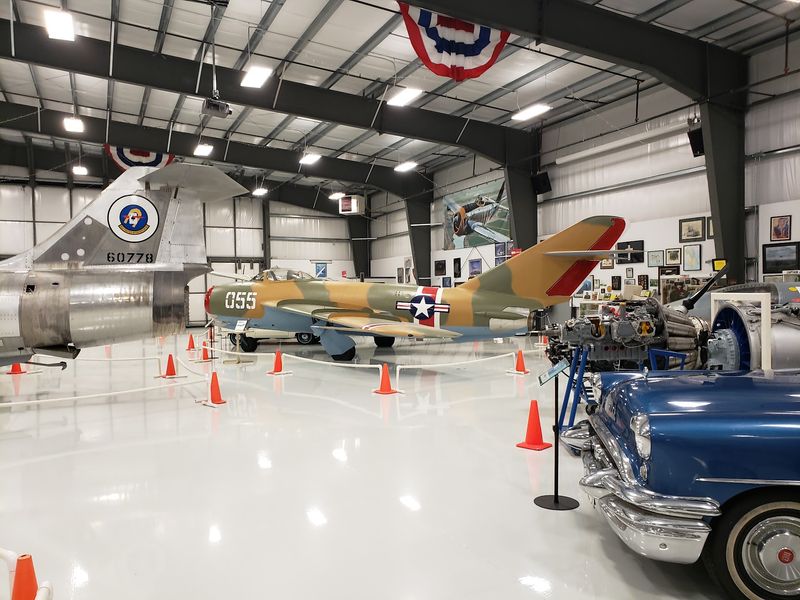
Three hangars might not sound like much on paper. Then you start walking and realize each one holds its own era, its own displays, and its own soundtrack.
The layout runs roughly front, middle, and back, with sections dedicated to different conflicts and time periods. World War I, World War II, Korea, Vietnam, the Cold War, Desert Storm, and modern operations all get their turn.
Each hangar plays themed period music. It’s a small touch that quietly changes the mood as you move from swing-era tunes to later decades.
The pacing works well for curious minds. You can zip through for the aircraft, or you can stop at every case and read until your feet complain.
Restrooms sit inside each wing of the museum, which helps on a longer visit. That matters more than you’d think once you lose track of time.
The newest hangar holds the 9/11 exhibit and the A-10. Saving it for last makes for a strong finish, though it carries real emotional weight.
Plan for a few hours rather than a quick peek. The space keeps rewarding patience.
Warbirds With Serious Star Power
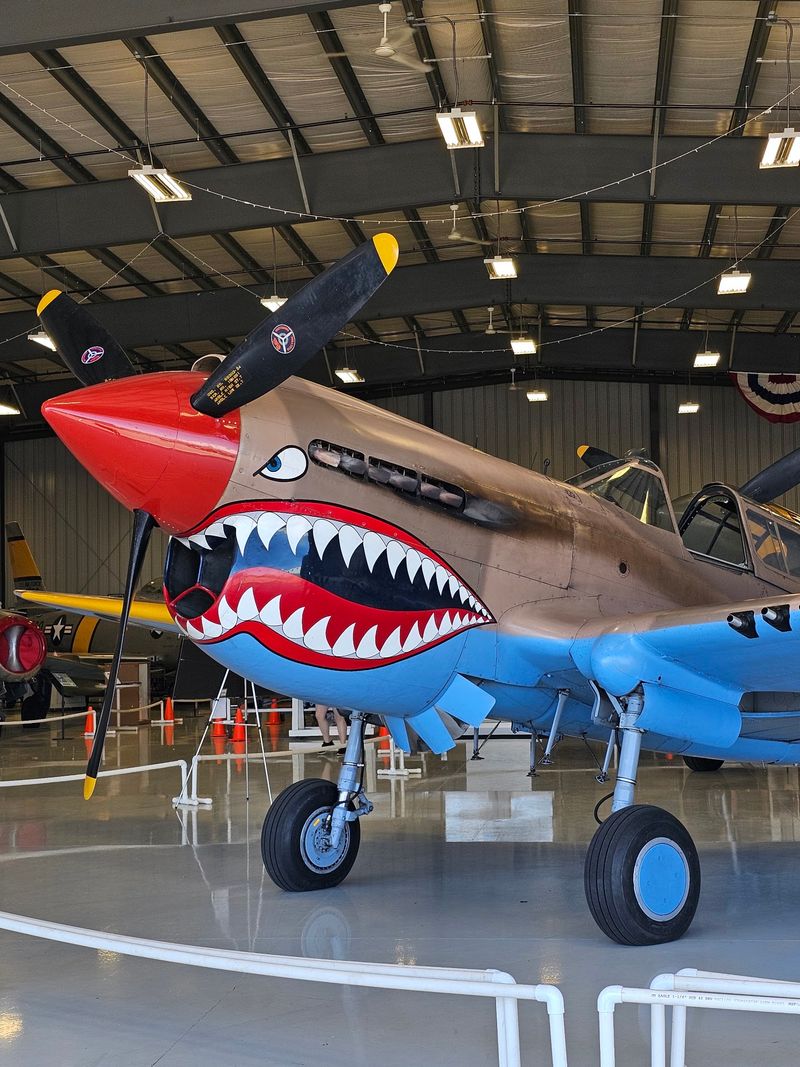
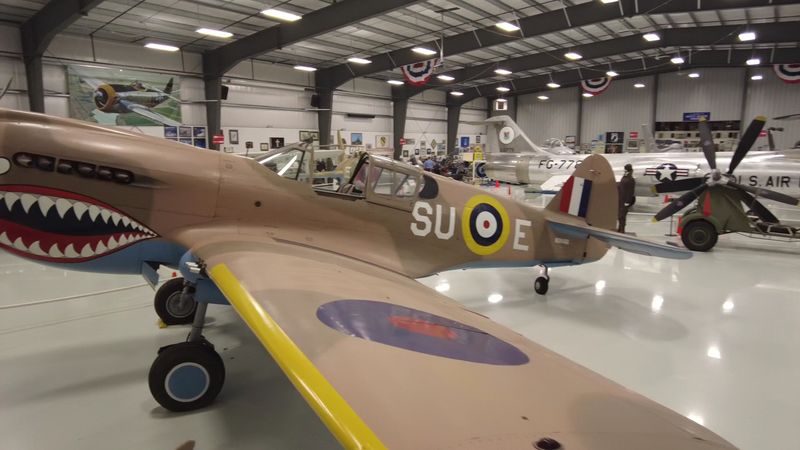
Aviation fans, steady yourselves. The P-51 Mustang here draws plenty of attention, and it shares the floor with a P-38 Lightning and other full-size historic aircraft.
The museum’s name nods to the P-40 Warhawk, the fighter famous for its painted shark-mouth noses. Seeing these planes up close beats any photo in a textbook.
Then comes the A-10 Warthog in the newest hangar. Its size catches people off guard, and it stands as one of the most talked-about pieces on site.
The aircraft lineup spans the first world conflict through Vietnam and Desert Storm. That spread lets you trace how flight changed over roughly a century.
Model aircraft fill in the gaps too. They help show planes that would never fit indoors, or that simply no longer exist in flying form.
Every plane comes with context nearby. Panels and binders explain where it flew, who flew it, and why it mattered.
Kids tend to lock onto the big shapes first. Grown-ups usually end up reading the fine print.
Either way, nobody walks past these warbirds without slowing down.
Jeeps, Humvees, And A Surprising Motorcycle
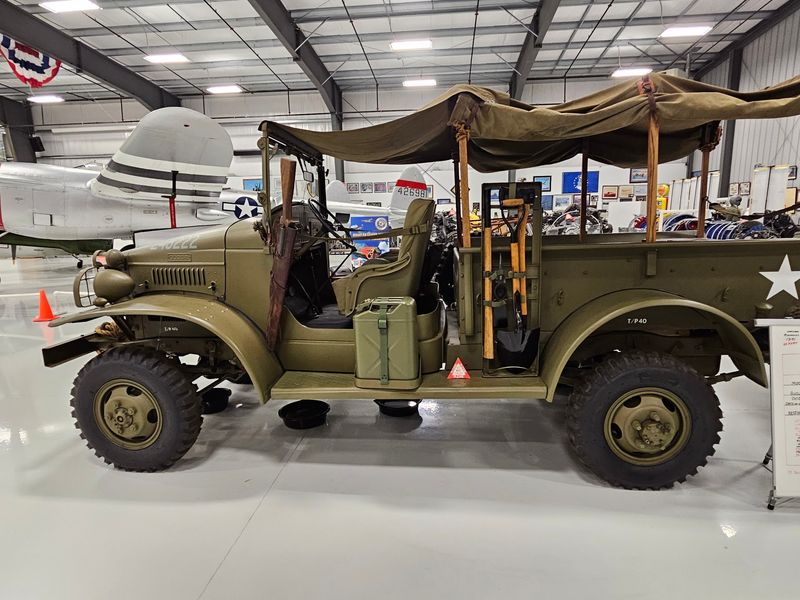
Here’s a twist for an air museum. Some of the most fun finds roll on wheels instead of wings.
A Willys GP jeep sits near a modern Humvee, so you can compare military transport across generations. The contrast feels almost funny, like a flip phone next to a smartphone.
Look for the shaft-drive Harley-Davidson too. It’s a quirky piece of engineering history, built with a design borrowed from a BMW engine layout.
These vehicles help tell the ground side of the story. Pilots needed support crews, supplies, and transport, and the museum shows that bigger picture.
Equipment, weapons, and gear fill nearby displays. Together they show how service members actually lived and worked, not just how they flew.
Gearheads will find plenty to study here. Even folks who don’t know a carburetor from a cupcake can appreciate the craftsmanship.
The title promises tanks and thousands of vehicles, but honesty matters. This collection centers on aircraft and artifacts, with a solid supporting cast of ground vehicles.
That supporting cast still earns a long look before you move on.
Love Letters And Parachute Silk Wedding Dresses
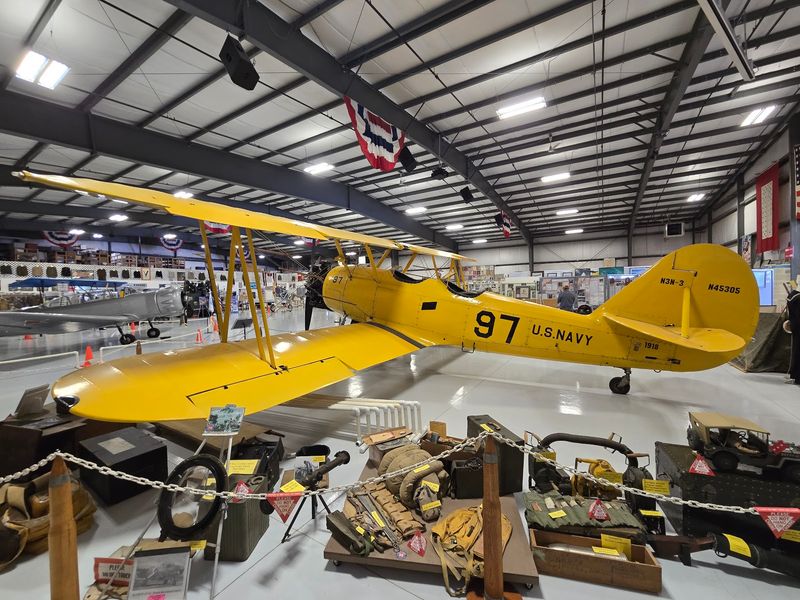
Bring tissues. The personal stories at Warhawk Air Museum hit harder than any engine ever could.
Cabinets dedicated to individual service members fill the halls. Letters and postcards from homesick troops sit beside replies from sweethearts hoping they’d return safely.
Pink binders and labels mark items connected to love. It’s a gentle system that helps you find the most tender stories in the collection.
Hundreds more binders hold details on planes, service members, nurses, and battles. You could spend weeks reading and still not reach the end.
Displays also cover life outside the military during the same eras. Wedding dresses made from parachute silk show how families made do and celebrated anyway.
Most of the memorabilia is real rather than reproduced. That authenticity gives each case a quiet weight.
Written and video stories round out the experience. Hearing someone’s own words changes how you see a uniform behind glass.
The planes may pull you through the door. These everyday keepsakes are what you’ll still think about on the drive home.
A Moving 9/11 Hangar And Modern-Era Exhibits
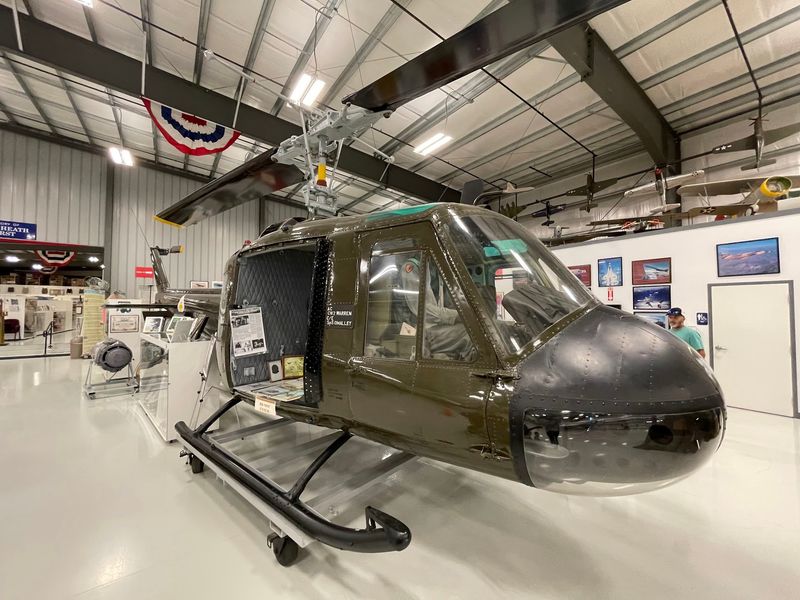
Not every history lesson feels distant. The newest hangar brings things into living memory with a 9/11 memorial exhibit.
It sits alongside displays on Operation Enduring Freedom and Operation Iraqi Freedom. For many visitors, this is gear they remember from the news or even wore themselves.
Interactive displays appear in the Vietnam, 9/11, and OEF/OIF areas. They give younger visitors a hands-on way into heavy topics.
The A-10 Warthog anchors this space. Its presence connects modern service to the older warbirds in the earlier hangars.
Expect an emotional stop. Some people pause here longer than anywhere else in the building.
Vietnam and Cold War sections also earn praise for clear, detailed explanations. They help bridge the gap between World War II and today.
Taken together, these exhibits show the museum isn’t frozen in one era. It keeps adding chapters as history keeps moving.
Give yourself a few quiet minutes before leaving this hangar. You’ll probably want them.
Volunteers Who Bring The Stories To Life
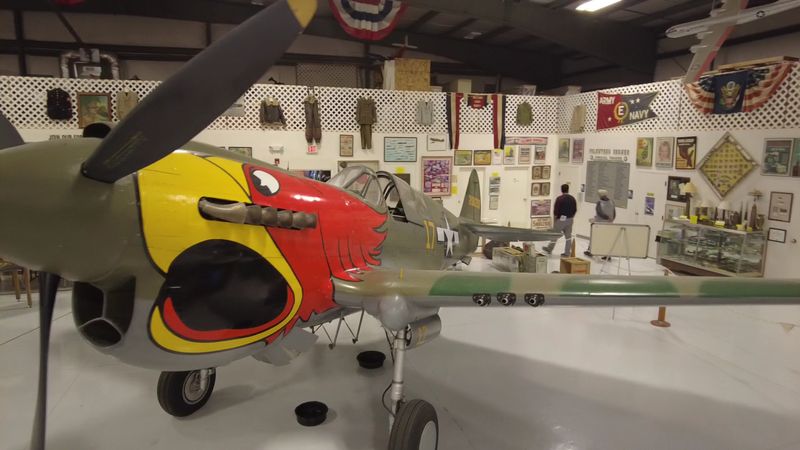
Some of the best exhibits here talk back. Volunteers, many of them retired veterans, spread out through the hangars ready to answer questions.
They share history, point out details you’d miss, and sometimes guide groups through sections. That personal touch adds layers no placard can match.
Prefer to wander quietly? That works just fine, and the period music makes a solo stroll feel pleasant.
Founders John and Sue Paul built the museum around preserving military aviation history. Their passion shows in how carefully the collection is arranged.
Kids get their own mission with scavenger hunts. They search for certain artifacts and can earn a prize, which keeps young eyes busy.
Teens tend to hang in there too. Real stories and big machines beat a worksheet any day.
Families, veterans, aviation buffs, and history lovers all fit comfortably here. Grandparents and grandkids can enjoy it together without anyone feeling stuck.
It’s also a solid pick for hot, windy, or cold Idaho days. Indoor hangars make the weather a non-issue.
Memorial Day Flyovers And The Warbird Roundup
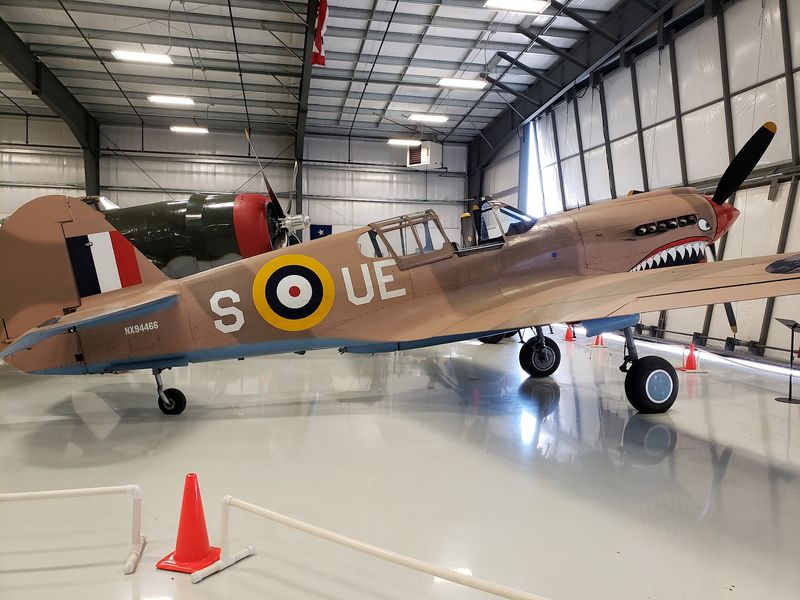
Mark the calendar early. The museum’s Memorial Day celebration includes a tribute flyover, and vintage planes have taken off right from the airfield.
Then there’s the Warhawk Warbird Roundup, a favorite event for families who return year after year. Seeing old aircraft move under their own power hits differently than viewing them parked.
Kids camps add another option for young history fans. They offer a fuller, more immersive way to learn.
Event schedules change from year to year. Checking the museum’s official channels before you go keeps you from missing a flyover.
Timing a visit around these events turns a museum stop into a full Treasure Valley day out. Pack sunscreen for outdoor portions.
Regular visits still deliver plenty without the crowds of a big event. Choose based on whether you want quiet reading or roaring engines.
Spring and summer bring the most outdoor action. Fall and winter suit slow, cozy wandering indoors.
Either way, Idaho’s aviation history feels a lot more alive when propellers start spinning.
Hours, Admission, And Getting To Nampa
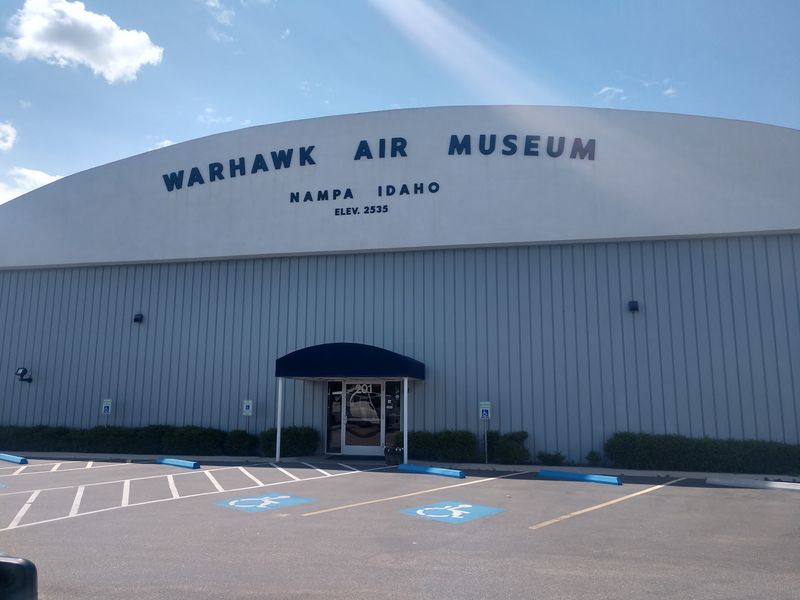
Good news for planners. Warhawk Air Museum opens six days a week, with shorter hours on Sundays and a Monday closure.
You’ll find it at 201 Municipal Dr, Nampa, ID 83687, at the Nampa Municipal Airport. It’s an easy hop off Interstate 84 for anyone coming from Boise or Caldwell.
Parking is free, which is always a nice start. Admission carries a per-person fee, with discounts for military members and seniors.
Hours and rates can shift, so check before driving. Holiday schedules especially deserve a quick look.
Plan for about two to three hours of self-guided viewing. Deep readers could easily stretch that into a half day.
The gift shop sells shirts, stickers, and Cobi building sets. Purchases help support the museum’s work.
Wear comfortable shoes, because three hangars add up. Restrooms are inside each wing.
Out-of-state visitors heading through Idaho can fit it neatly into a road trip. Locals can easily make repeat visits to catch what they missed.
Either way, arriving early gives you the most breathing room.
Why It Earns A Spot On Your Idaho List
Big airplanes are easy to admire. Personal stories are what make a museum stick, and this one delivers both.
The Warhawk Air Museum gives Idaho a place where warbirds, Humvees, and handwritten letters share the same roof. That blend feels rare and deeply human.
History buffs get depth. Families get scavenger hunts, big machines, and enough variety to keep everyone curious.
Veterans often find their own chapters on display. That connection gives the visit extra meaning for many households.
No, you won’t find thousands of tanks spread across endless hangars. You’ll find three packed spaces holding countless stories worth your time.
Time your trip for a Memorial Day flyover or the Warbird Roundup for added excitement. A quiet weekday works beautifully too.
Bring patience and maybe a few tissues. The parachute silk dresses and pink-labeled letters have a way of lingering.
For a Treasure Valley outing that mixes engines and heart, this Nampa museum makes a strong case.
Just don’t promise anyone you’ll be done in an hour.