9 Unusual College Programs In Connecticut You Probably Didn’t Know Existed
College courses aren’t all textbooks and lectures about subjects you can barely pronounce. Some are so unexpected that you might wonder who came up with the idea in the first place.
And that’s exactly what makes them interesting.
Connecticut colleges offer some surprisingly unusual programs that might completely change what you thought you could study after high school.
I definitely didn’t see that coming. Who knew higher education could take people down such unexpected paths?
The fun part is imagining the conversations these students have when someone asks what they’re studying. A few answers probably earn a raised eyebrow before the questions start pouring in.
But there’s a serious side to all this curiosity, too. These programs show just how many different interests can turn into something worth pursuing.
And some of them might surprise even the most enthusiastic college graduate.
1. University Of Connecticut, Storrs – Puppet Arts
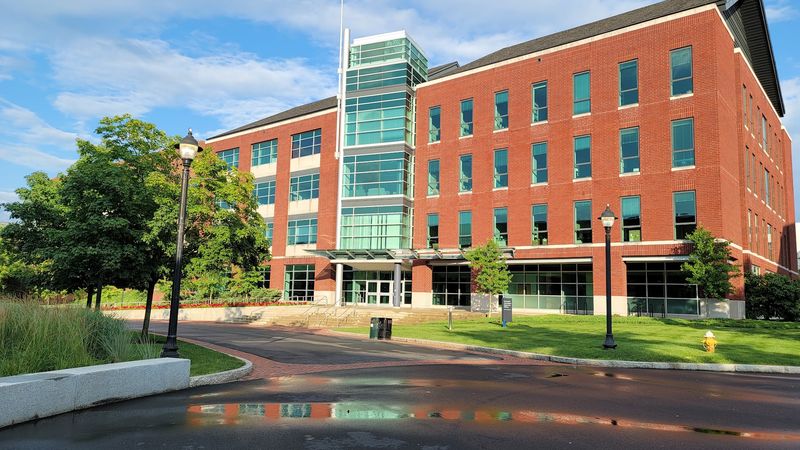
Your parents hoped for a doctor, and you came home with a degree in puppets. Honestly, that makes for a better story at Thanksgiving.
The University of Connecticut runs a Puppet Arts Program with BFA, MA, and MFA degrees. It’s the only school in the United States offering puppetry degrees at all three levels.
Don’t picture a semester of sock puppets, though. Students learn storytelling, design, sculpting, engineering, and building with many kinds of materials.
Then comes the performing part. You’d work with different puppet types and study musicality, plus both dramatic and comedic acting.
The training stretches even further. Directing, video production, writing, and criticism are part of the mix too.
So where do puppet people end up? Graduates find work in professional theater, film, television, advertising, and education.
Some go solo as independent artists. Others join puppet companies and help bring big, strange, wonderful shows to life.
The program traces back to Frank Ballard, who first established it. His idea turned a Connecticut campus into a national home base for puppetry.
Love art but also love building things? This major lets you be a sculptor, an engineer, and an actor in the same week.
It’s also proof that odd hobbies can grow into real careers. That kid making shoebox theaters might be onto something big.
Address: 30 Ahern Lane, Storrs, CT 06269
2. University Of New Haven, West Haven – Fire Science
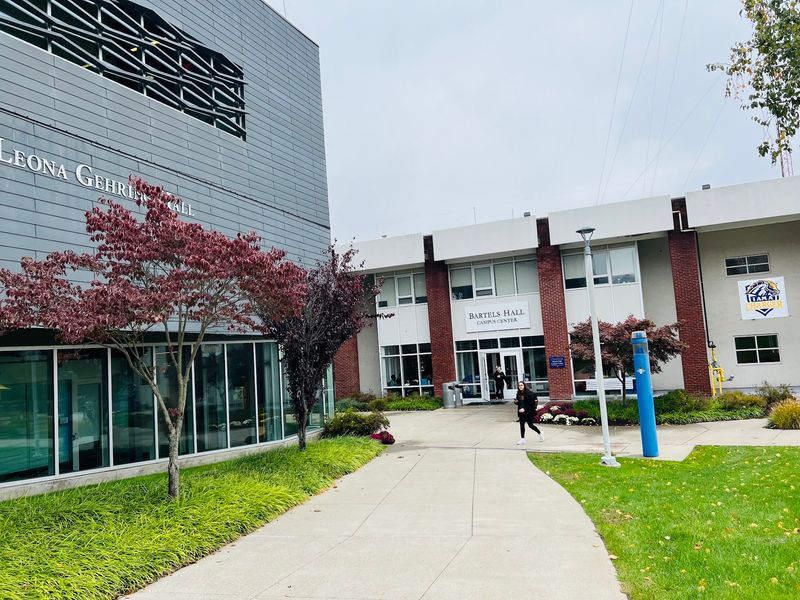
Most schools try hard to keep fires off campus. The University of New Haven built a whole program around studying them.
Its Fire Science program offers both an associate and a bachelor’s degree. It’s known as one of the largest and most complete fire science programs in the country.
You won’t just learn how to spray a hose. Classes cover fire behavior, fire chemistry and physics, and how flames move through buildings.
Building construction is part of the plan too. So are fire protection systems, fire prevention, emergency management, and fire protection hydraulics.
Want to narrow your focus? Students can pick concentrations like Fire/Arson Investigation or Fire Administration.
The arson track is a big draw for detective types. Figuring out how a fire started is a lot like solving a puzzle with smoky pieces.
Hands-on work is a huge deal here. The school uses a fire lab and a fire scene house for training and realistic simulations.
Your teachers bring real experience to class. Many faculty members are current or former fire service professionals.
That means the lessons come from people who’ve actually been on the job. Textbooks are helpful, but stories from the field stick better.
If you’re the person who always reads the fire exit map, take note. This program could turn that habit into a career.
Address: 300 Boston Post Road, West Haven, CT 06516
3. Quinnipiac University, Hamden – Game Design And Development
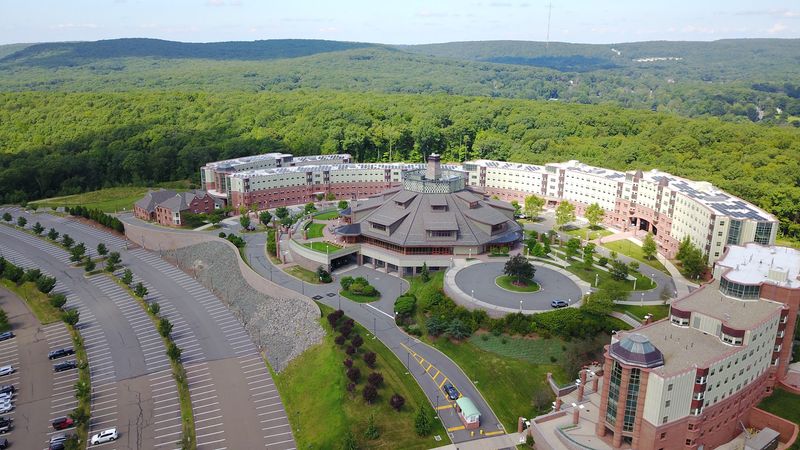
Telling your family you play video games for homework sounds like a stretch. At Quinnipiac University, it’s basically the job description.
The school offers a Bachelor of Arts in Game Design and Development. There’s also a minor if you’d rather pair it with another major.
Fun is only part of the picture. Graduates can design virtual reality experiences, military training simulations, or games for the healthcare industry.
Starting sophomore year, you’d work in dedicated game labs. Students team up across subjects to build original game prototypes.
Here’s a perk worth bragging about. Students keep ownership of the intellectual property in the games they create.
So if your class project becomes the next big hit, it’s yours. Not bad for a homework assignment.
The gear sounds pretty great too. Quinnipiac offers an eSports room, a motion capture lab, and AR/VR headsets for building on different platforms.
You can also choose a concentration. Options include programming, technology, design process, art, game studies, game writing, business, and audio.
The program has earned attention outside campus. For 2024, the Princeton Review ranked it No. 21 nationally and No. 7 in the Northeast for game design.
Got a notebook full of game ideas and level sketches? Hamden might be where those doodles finally get a power-up.
Address: 305 Sherman Ave, Hamden, CT 06518
4. Southern Connecticut State University, New Haven – E-Sports Management (Minor)
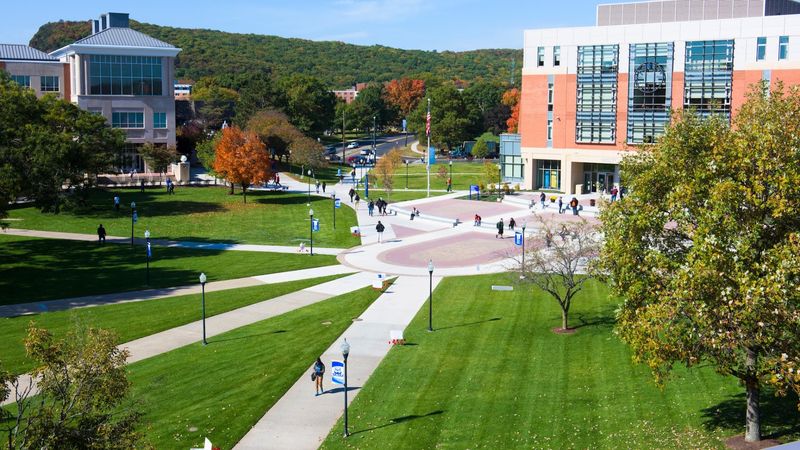
Somebody has to run the big gaming tournaments, book the space, and fill the seats. Southern Connecticut State University wants that somebody to be you.
The school offers e-sports management study through its Department of Recreation, Tourism and Sport Management. It’s set up as a minor focused on the business side of the game.
You won’t be graded on your win streak. Instead, you’ll learn how e-sports events operate behind the scenes.
Topics include event promotion, event management, and managing the people who make things work. Think of it as being the coach of the whole show.
The course list sounds pretty fun. You’ll see classes like Introduction to e-Sports, e-Sports Promotion, and The Digital Sport Industry.
Event Management is on the list too. So is Human Factors in e-Sports, which looks at the players themselves.
Hands-on learning is built right in. A practicum option lets students coordinate events with the SCSU e-Sports club.
That’s real experience before graduation. You’d be planning actual events instead of just reading about them.
The e-sports world keeps growing fast. People who understand both games and business have a smart edge.
Love gaming but know you’ll never go pro? This New Haven program lets you stay in the action with a clipboard instead of a controller.
Address: 501 Crescent Street, New Haven, CT 06515
5. Connecticut College, New London – Botany
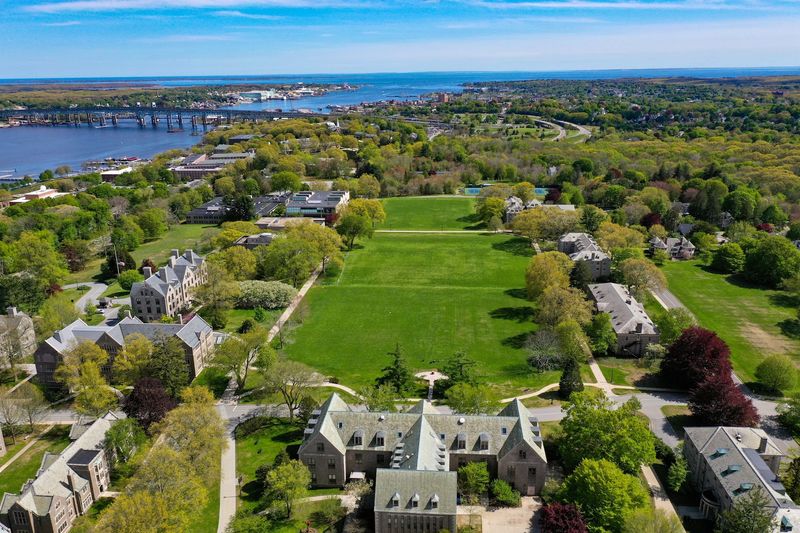
Plants finally get their own room at Connecticut College. Botany here is a separate major with its own department, apart from biology.
That’s rare, and it shows how seriously the school takes green things. If leaves make you happier than lab rats, this is your spot.
Students can add a concentration to sharpen their focus. Choices include ethnobotany and sustainable agriculture.
Ethnobotany looks at how people use plants. Sustainable agriculture is about growing food in smarter ways.
The facilities are where things get exciting. The college has extensive greenhouses for year-round plant work.
Then there’s the Graves Herbarium. It holds more than 15,000 curated plant specimens, which is a lot of pressed leaves.
The real showstopper is a 750-acre Arboretum. It works as a living lab with more than 500 species of woody plants.
You’ll also find a native plant collection and a wildflower garden. Wetland and upland habitats give you plenty to explore outdoors.
Research doesn’t have to wait until senior year. Students often start hands-on projects with botany faculty in their first or second year.
Got a windowsill packed with houseplants you talk to? In New London, that hobby could grow into a real degree, roots and all.
Address: 270 Mohegan Avenue, New London, CT 06320
6. University Of Connecticut Avery Point, Groton – Marine Sciences
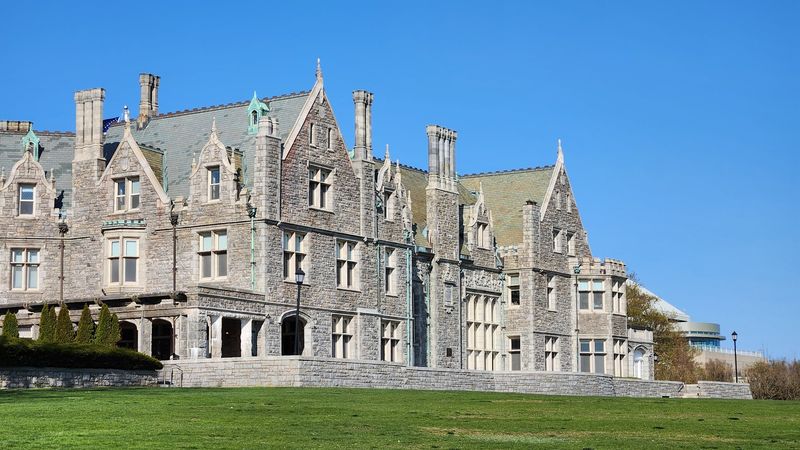
Some campuses have a pond. UConn Avery Point has Long Island Sound sitting right at its edge.
This Groton campus offers a Bachelor of Science in Marine Sciences. The shoreline turns the whole area into a giant outdoor classroom.
Expect to use more than one side of your brain. The core classes mix marine biology, chemistry, geology, and physics.
That blend helps you see the ocean as one big connected system. Fish, rocks, water, and weather all affect each other.
Later on, you can go deeper. Advanced electives and independent research projects with faculty let you chase your own questions.
The equipment is no joke either. Avery Point is home to the university’s research vessels and modern labs.
There are also special support facilities for ocean research. Those tools help students do real science, not just watch videos about it.
The program leans on practical, number-heavy, hands-on learning. Fieldwork often takes place in local coastal habitats around the state.
So yes, you might get your boots wet for a grade. That beats staring at a whiteboard all afternoon.
If tide pools and boat rides sound better than a lecture hall, this major deserves a close look. The ocean has plenty of mysteries left to solve.
Address: 1084 Shennecossett Road, Groton, CT 06340
7. Central Connecticut State University, New Britain – Game Studies (Minor)
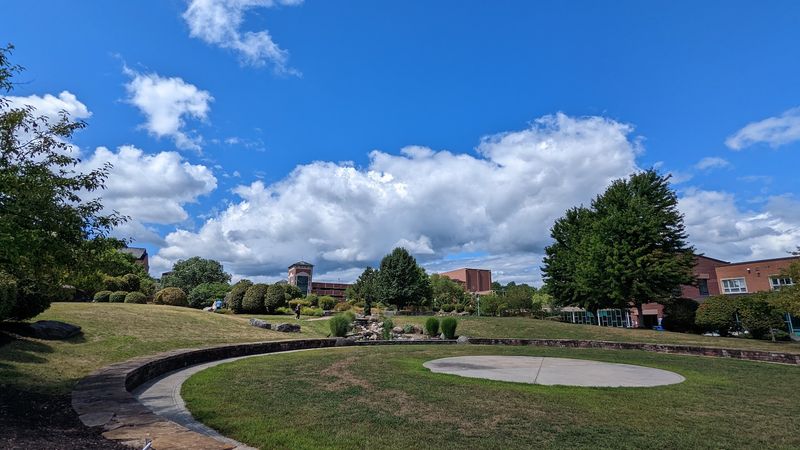
Board games in a college classroom? At Central Connecticut State University, that’s part of the Game Studies minor.
The minor gives you a wide look at the gaming world. It’s a good fit if you want gaming skills alongside another major.
Topics cover a lot of ground. You’ll study game design and theory, digital storytelling, and narrative development.
There’s a teaching angle too. Classes look at games in education, including board games in the classroom.
One topic stands out as extra fun. Students explore educational live-action simulation and role play.
The tech side isn’t left out. You can learn introductory HTML coding, digital art, and digital sound design.
Concentrations help you pick a lane. One focuses on narrative, storytelling, and educational uses for games.
Another covers game engine scripting and technical skills. A third centers on visual and audio design for games.
Students can use Central’s Esports Center and a new XR Lab. That gives you room to test ideas, not just talk about them.
The gaming industry is bigger than the global film industry. That’s a strong reason to treat this New Britain minor as more than a fun elective.
Address: 1615 Stanley Street, New Britain, CT 06050
8. University Of Connecticut, Storrs – Equine Science And Management
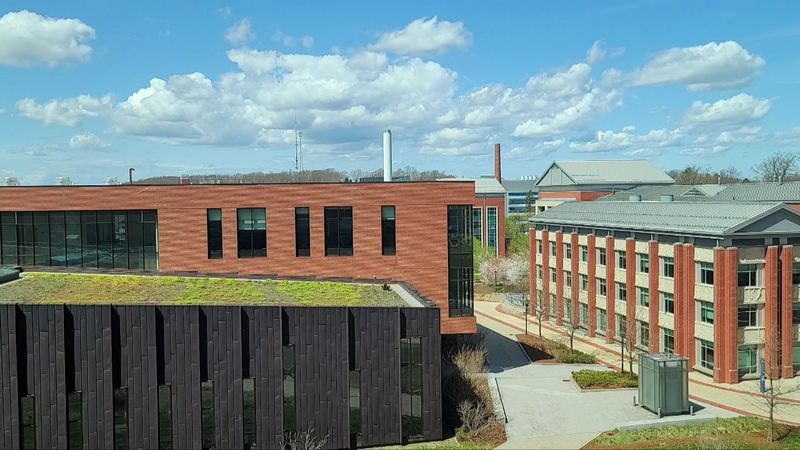
Seventy horses live on campus at UConn. Now there’s a bachelor’s degree built just for them.
The university’s Board of Trustees approved a new Bachelor of Science in Equine Science and Management. It aims to meet growing demand in the horse industry.
This isn’t a general animal science degree with a horse sticker on it. The courses focus only on horses, from nose to tail.
You’d study equine nutrition, physiology, and reproduction. Breeding, genetics, and management are on the list too.
Horse care is only half the plan. The degree also covers finance, communication, marketing, and leadership.
That business side matters a lot. Running a barn or a breeding farm takes more than loving horses.
The setup in Storrs is pretty impressive. UConn keeps an active Morgan horse breeding program and supports competitive riding teams.
Facilities include an indoor arena measuring 120 feet by 220 feet. There’s also a breeding unit with lab space.
More than 50 stalls fill several barns. Plenty of room for students to get hands-on time with the herd.
Were you the kid with horse posters on every inch of your bedroom wall? This major might be the grown-up version of that dream.
Address: 17 Manter Road, Storrs, CT 06269-4040
9. University Of Connecticut, Storrs – Maritime Studies
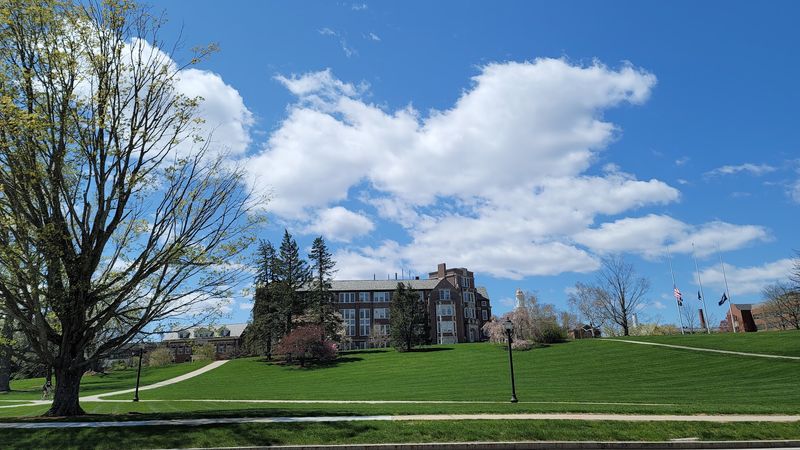
Pirates, shipwrecks, fishing rules, and ocean poetry could all show up in one syllabus. That’s the beauty of Maritime Studies at UConn.
This Bachelor of Arts explores how people connect with water and sea life. It looks at both the past and the present.
Think of it as the ocean seen through a wide lens. History, English, geography, economics, political science, and anthropology all play a part.
Science majors measure the sea. Maritime Studies students ask what the sea means to people.
Hands-on learning is a big focus. The major uses the coastal setting and resources at UConn Avery Point on Long Island Sound.
That includes the UConn Sea Grant Institute. Students can also land internships with regional places like Mystic Seaport.
Concentrations let you shape your path. Choices include Blue Humanities, Marine Policy, Maritime Archaeology, and Fisheries Policy.
Maritime Archaeology sounds straight out of an adventure movie. Fisheries Policy could help shape how the sea gets protected.
You might start out in Storrs. Most of the core resources for the major sit at the Avery Point campus in Groton.
Love stories about old ships and salty sailors? State’s coast makes a pretty great classroom for turning that interest into a degree.
Address: 352 Mansfield Rd, Storrs, CT 06269