This Connecticut Pond Is Full Of Unexpected Wildlife, And It’s More Fascinating Than You Think
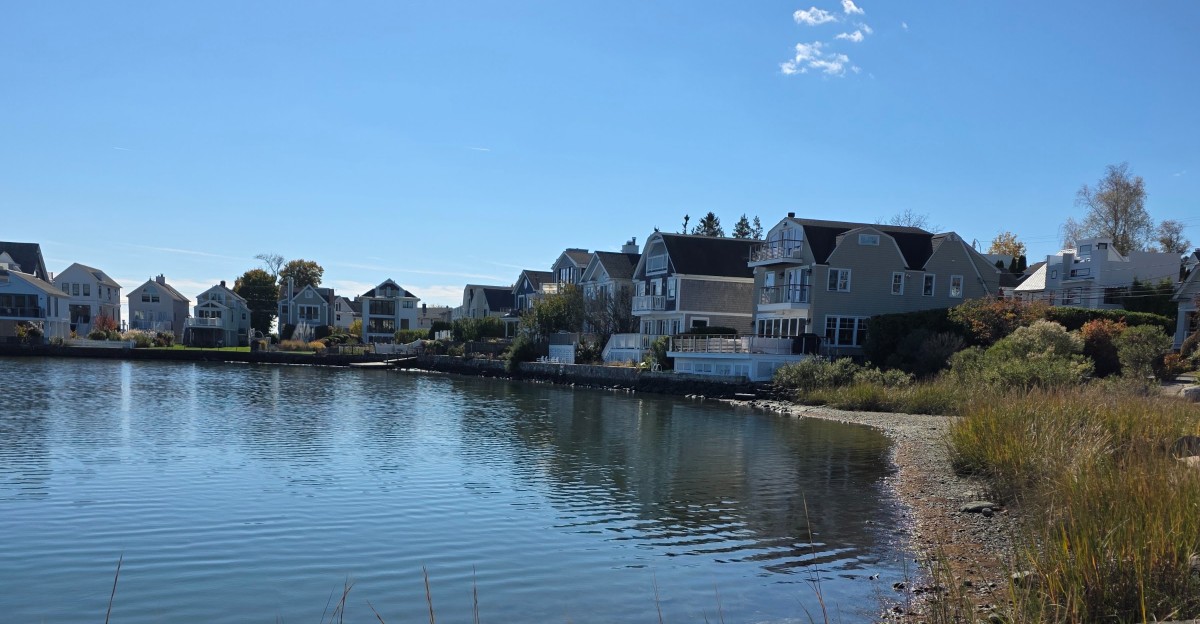
A quiet pond might not sound like the most exciting place to spend an afternoon. Give it a little attention, though, and you might be surprised by how much is happening.
The trick is noticing the small movements you would normally miss.
One Connecticut pond offers an unexpectedly interesting place to observe wildlife, with plenty of reasons to slow down.
I love the thought of standing near the water and suddenly spotting something you hadn’t noticed a moment earlier. It makes the whole experience feel like a little discovery.
And the funny thing about watching wildlife is that you never quite know what will appear next. Sometimes the most ordinary-looking surroundings can hold your attention far longer than expected.
There’s a lovely unpredictability to it all. The pond might look peaceful, but that doesn’t mean nothing interesting is going on.
1. Eagles, Swans, And Seventy-Plus Bird Species Share One Backyard
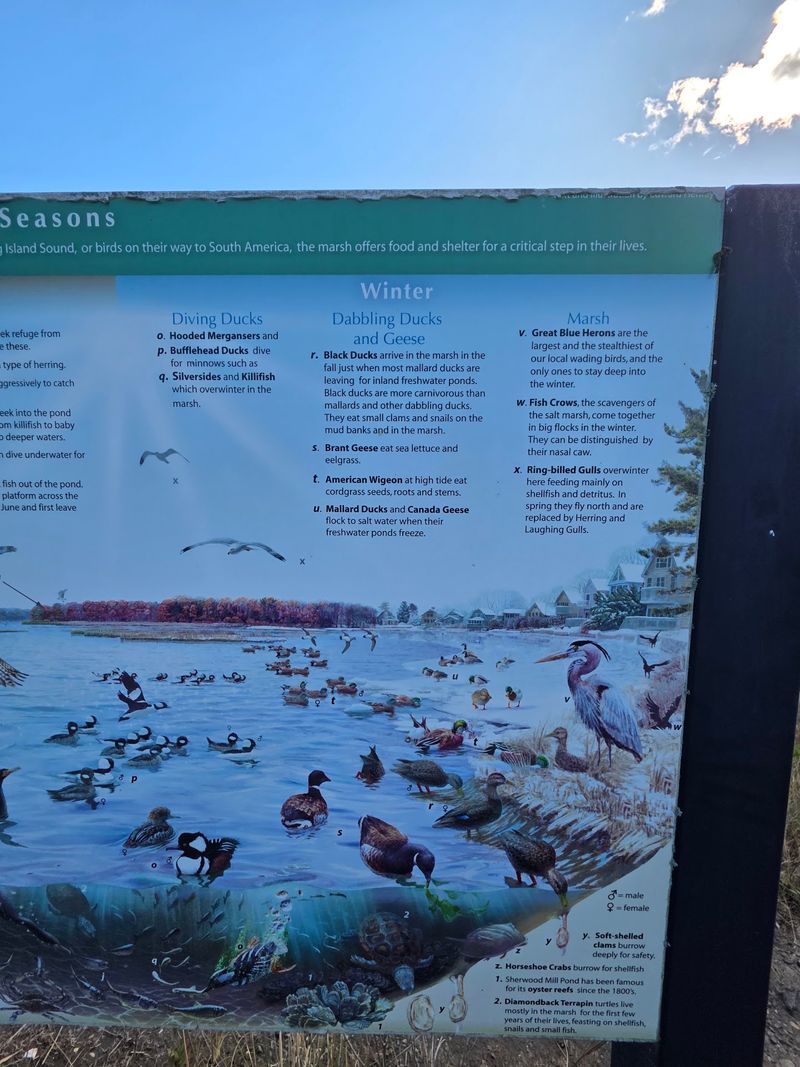
Bald eagles by the neighborhood pond? That’s quite a sight!
Residents around Westport have been spotting these impressive birds near Sherwood Mill Pond, sometimes surprisingly close to home.
One memorable sighting involved a pair of eagles resting on shoreline rocks, visible from Hillspoint Road. Imagine catching that view during an ordinary afternoon drive.
The pond itself covers about 84 acres of tidal estuary, with surrounding salt marsh providing habitat for an impressive variety of birds. More than 70 species have been recorded in the area.
And eagles aren’t the only ones getting attention.
During colder months, swans add their own beauty to the scene. One local photo story, titled Swan Lake on Sherwood Mill Pond, even captured a swan gliding across the frozen water.
For birdwatchers, the best approach is wonderfully simple. Bring binoculars, settle somewhere quiet, and see what appears.
Early mornings can be especially lovely, with gentle light making it easier to photograph birds along the shoreline. Late afternoons offer another good opportunity.
Beginners can bring a bird identification guide to help recognize different species.
The fun comes from never knowing exactly what might show up. One visit could bring a graceful swan, while another might reward your patience with an eagle overhead.
2. The Pond Almost Faded Away, Then Came Roaring Back
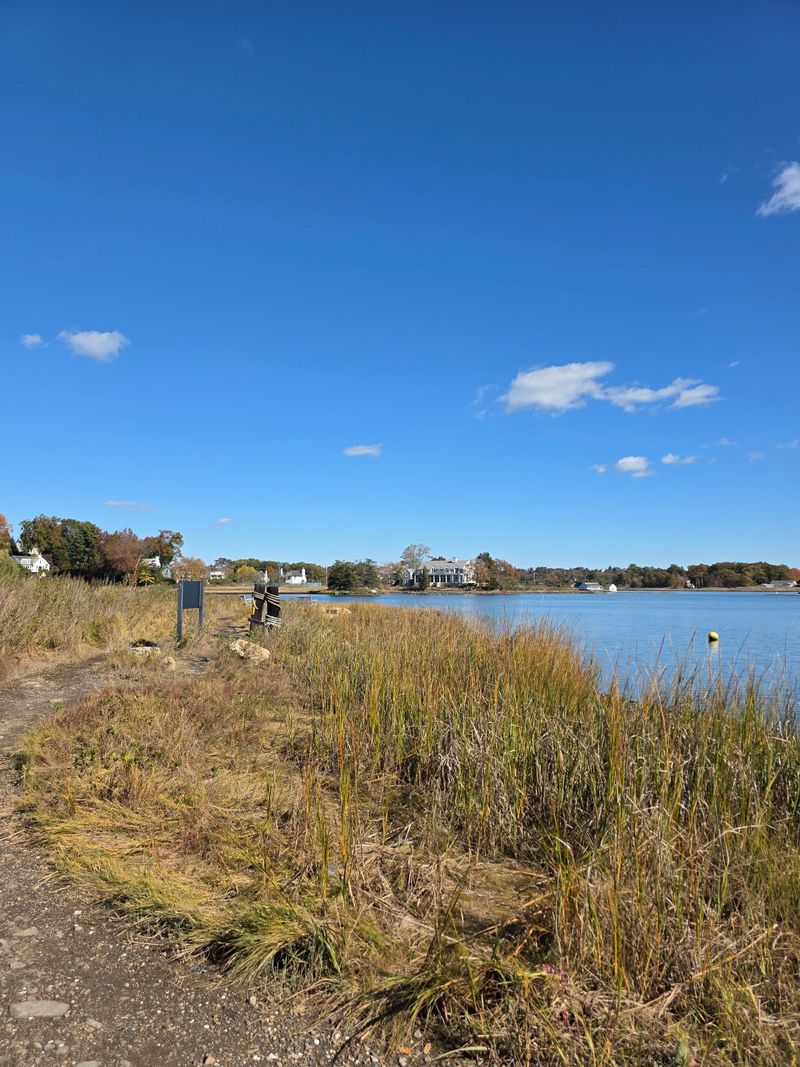
Comeback stories usually star athletes, not ponds. Yet this one earned its own redemption arc.
Sherwood Mill Pond experienced serious environmental decline in the late 20th century. Today, local writers describe it as having roared back to life.
That recovery matters for everything living here. Healthy water supports fish, shellfish, birds, and the plants holding the marsh together.
The pond is part of a bigger ecosystem tied to Sherwood Island State Park. That wider area supports hundreds of bird species and over a dozen mammals.
Several turtle species live in the area too. Add fish, mollusks, and insects, and you’ve got a busy neighborhood.
Some creatures stay all year, while others only pass through with the seasons. A few are extremely rare or simply love hiding.
That means you might not see everything on one trip. Honestly, that’s a great reason to come back.
Try visiting in different seasons to notice how the cast changes. Spring and fall can feel like two completely different ponds.
Keep a small notebook of what you spot each time. Over a year, your list could surprise you.
It’s a fun reminder that nature can heal when people give it room.
3. Secret Culverts Give This Pond A Sneaky Back Door
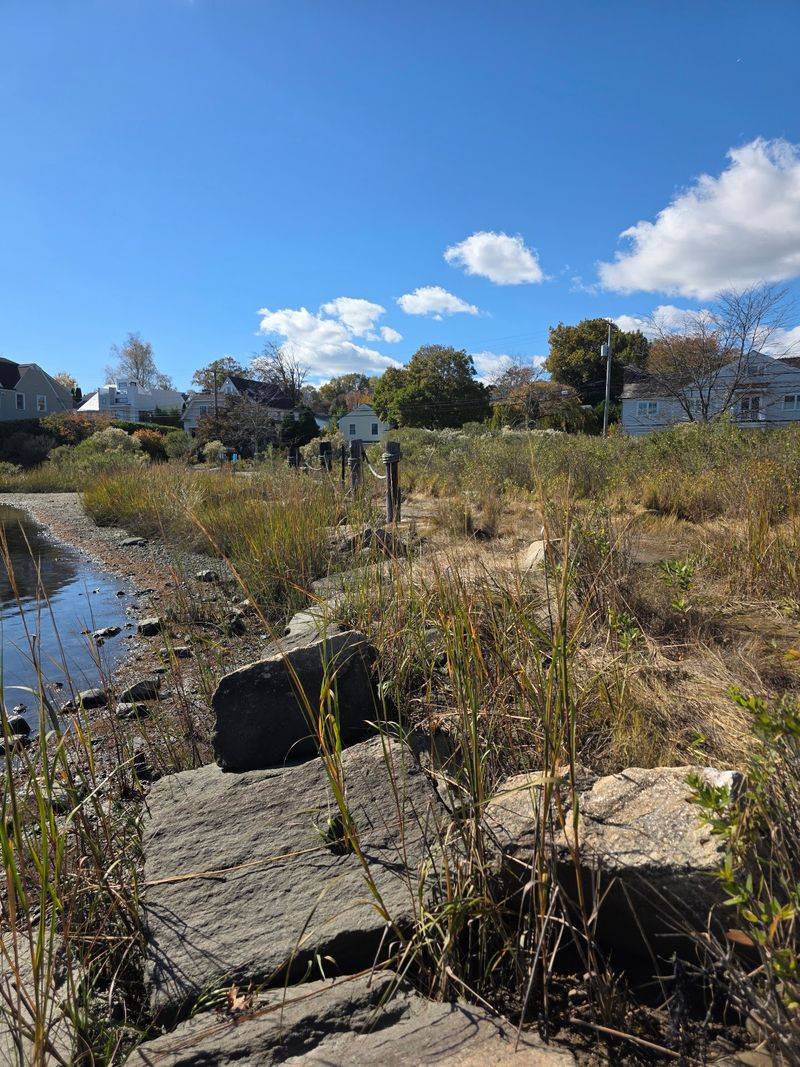
Plenty of ponds just sit there. This one has a secret passage.
Sherwood Mill Pond is a tidal estuary stretching from I-95 down to Long Island Sound. The main tide gates control much of the water flow.
Hidden culverts tell a different story, though. They run beneath the Sherwood Island Connector and link the pond to wetlands north of the state park.
From there, water reaches Long Island Sound through a marsh channel at Burying Hill Beach. Locals have nicknamed it the Mill Pond back door.
Tides move in both directions through these culverts. That happens no matter what the main gates are doing.
So the pond has an independent seawater connection. It’s basically a backup plan built into the landscape.
Why should you care? Fresh tidal flow brings food and oxygen that keep wildlife healthy.
Watch the water level during your visit and you’ll notice it shift. Mudflats appear at low tide, and that’s often when wading birds get busy.
A free tide chart app can help you plan around those changes. Timing your trip makes the pond feel even more alive.
Not bad for some pipes under a road.
4. A Tiny Island House With A Habit Of Floating Off
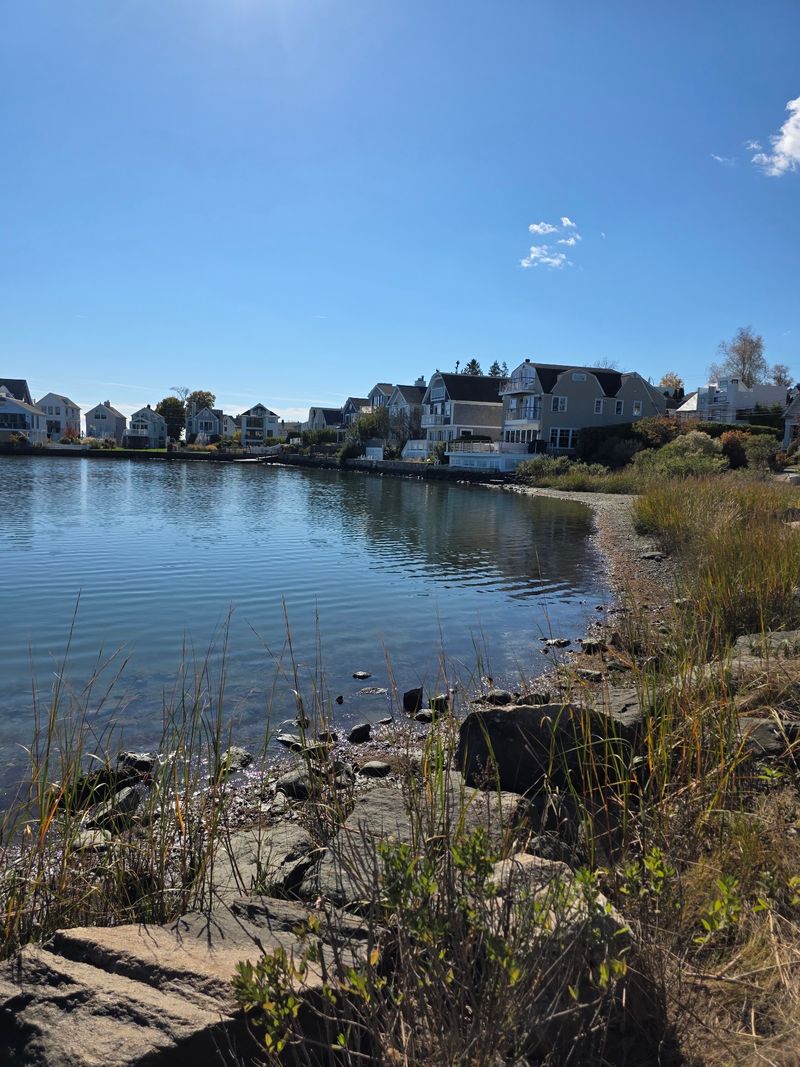
Some houses have character. One little house on Rocky Hummock Island has wanderlust.
You can see it from many spots around Sherwood Mill Pond. It sits alone on its rocky patch of land, looking like a storybook prop.
Its backstory is wonderfully strange. The building started as a shed from a mill that burned.
Oxen dragged it onto the island so someone could guard the oyster beds. Imagine that job description.
Then things got weirder. The house is known to have floated away three times in a century.
That’s three more times than most homes ever travel. Each time, it found its way back to the island.
It makes a great photo subject from the preserve or from a kayak. Sunset light can make the water around it glow.
Please admire it from a respectful distance. The fun is in the view, not in a closer visit.
Kids especially love hearing the oxen part of the tale. Grown-ups tend to love the floating part.
Either way, this little building proves that history doesn’t have to be dull. Sometimes it just drifts.
5. Old Mills And Oysters Built This Shoreline’s Story
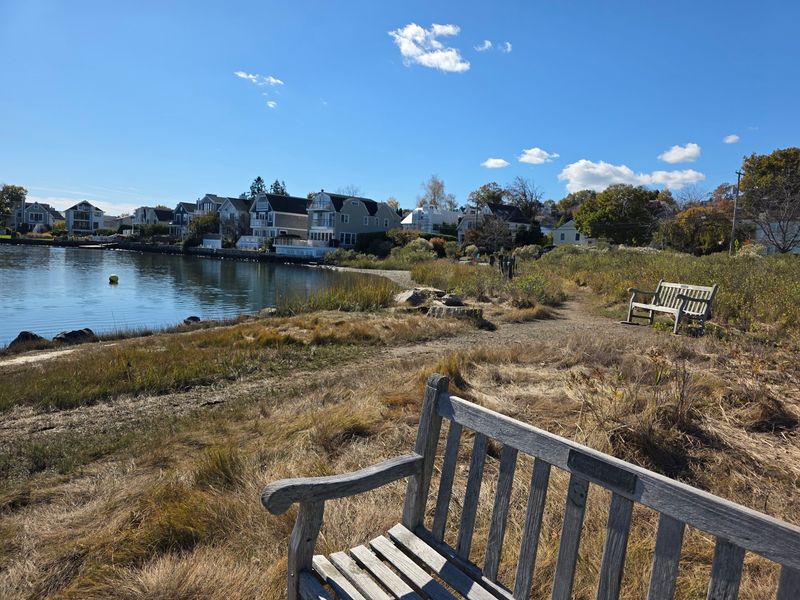
Long before birders arrived, this water had work to do. Rights to dam Compo Creek and build a gristmill were granted around 1705.
The first mill went up in 1747, built by Samuel Couch. Tidal flow powered it, which was clever engineering for the time.
The Sherwood family bought the mill in 1790 as its third owners. That’s where the pond’s name comes from.
The mill ground kiln-dried corn meal for shipment to New York and the West Indies. Sadly, the Compo Tide Mill burned in 1895.
Oysters wrote the next chapter. In 1840, the Sherwoods, Charles Nash, and Dr. Diefendorf obtained rights to cultivate oysters here.
That effort is credited as the beginning of aquaculture in the United States. Pretty impressive for a quiet pond.
Oyster beds have stayed fertile here for over a century. Later, Captain Allen supplied oysters to Grand Central’s Oyster Bar.
He also opened Allen’s Clam House on the shore, which became a local landmark. That spot plays a big role in what comes next.
Read the educational signs at the preserve to connect these dots yourself.
6. A Beloved Clam House Turned Into A Peaceful Preserve
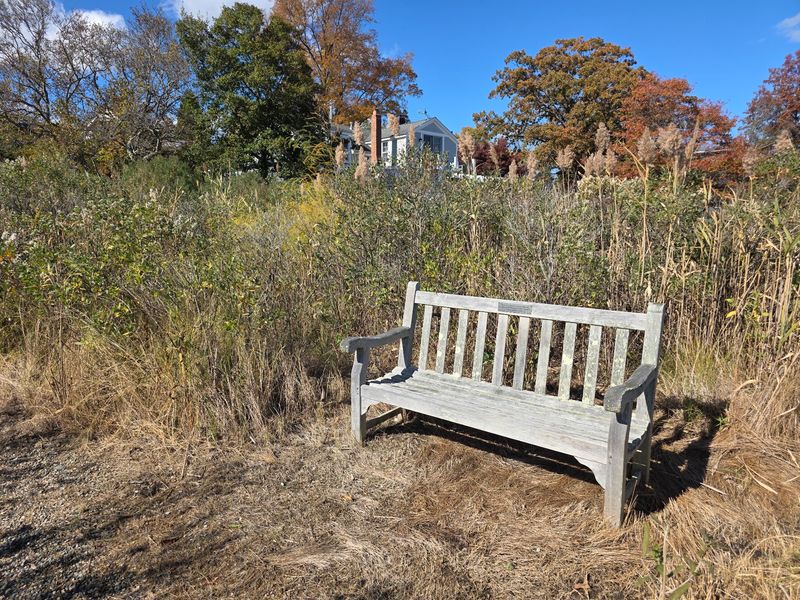
This peaceful waterfront spot almost became something else entirely. Instead, local residents helped turn a former restaurant property into a public preserve that everyone could enjoy.
The story began when Allen’s Clam House closed in the late 1990s. Developers showed interest in the land, but Westport purchased the property with substantial support from community donations.
A volunteer committee then spent years deciding how to give the waterfront a new purpose. Around 2009 and 2010, those efforts helped create Sherwood Mill Pond Preserve.
Today, visitors can enjoy wide views across the roughly 80-acre pond without committing to a long hike.
The preserve has a 0.2-mile crushed stone path that’s wonderfully easy to explore. Benches offer comfortable places to watch birds or simply enjoy the water.
Along the shoreline, wetland plants and natural vegetation help protect the sensitive habitat. Educational signs also share interesting details about local wildlife and the area’s past.
The preserve sits at 191 Hillspoint Road, Westport, CT 06880, making it an easy stop while exploring the neighborhood.
What makes this place especially appealing is the community effort behind it. Thanks to residents who wanted to protect the waterfront, a short afternoon stroll now comes with a lovely view and a story worth remembering.
7. Paddle Out For A Duck’s-Eye View Of The Marsh
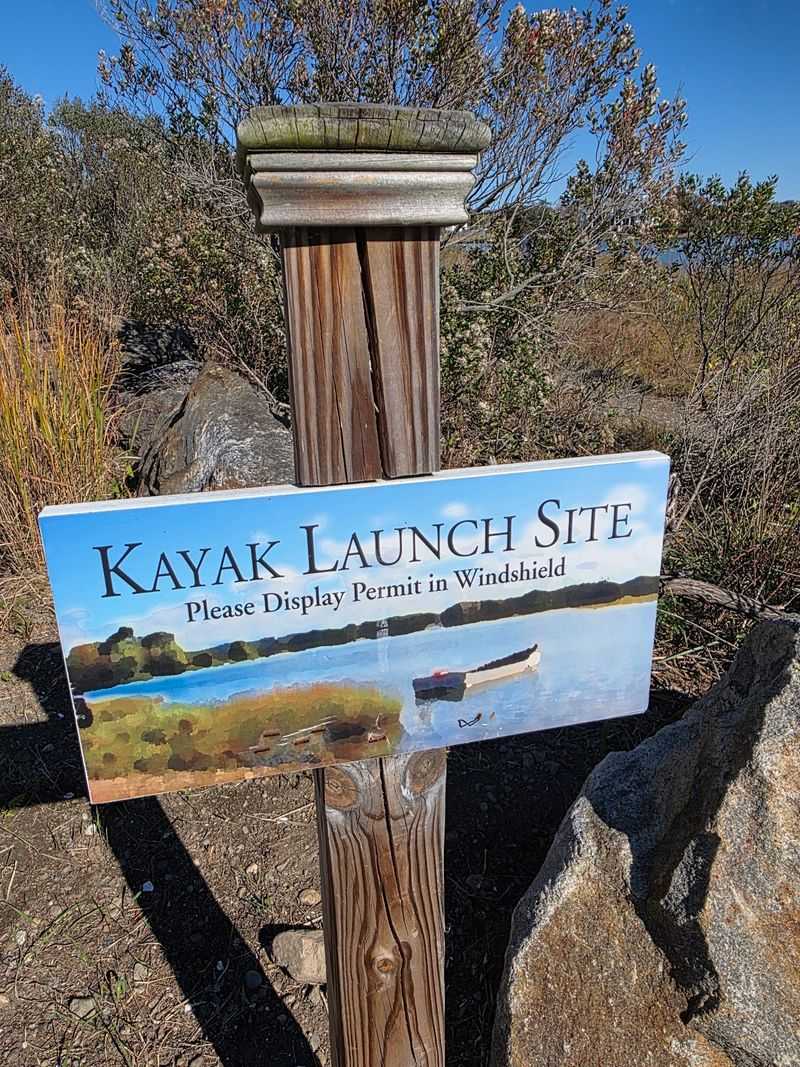
Kayakers get the best seats in the house here. The preserve includes a designated launch area for canoes and kayaks.
From the water, the marsh feels bigger and wilder. You can drift past grasses, mudflats, and the famous little island house.
There’s one catch to plan around. You’ll need a valid season launch permit to put in at the preserve.
Westport’s town government handles access rules, so check with the town before you go. A little homework saves a wasted trip.
Tides make a huge difference on this pond. Low water can expose mudflats, while high tide opens up more room to explore.
Paddling slowly gives birds time to stay put. Keep a respectful distance, especially from nesting areas and resting eagles.
A waterproof bag for your phone is a smart idea. So is a hat, since shade is scarce once you leave shore.
Beginners will appreciate the calm, protected water. It’s a nice change from choppier open Sound conditions.
Bring a friend if you can. Somebody needs to confirm that heron actually stared you down.
8. Know These Rules Before You Pull Into That Tiny Lot
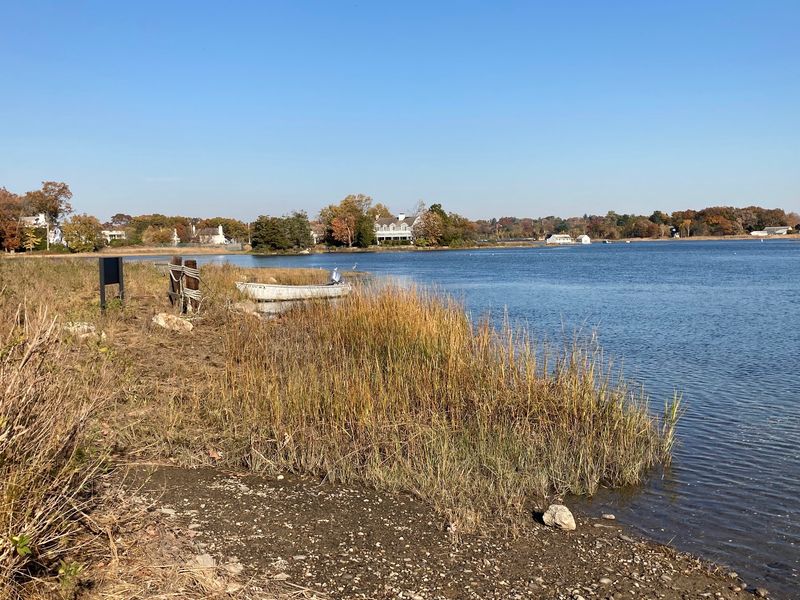
Parking here is limited, so think small. The preserve’s lot only fits a handful of cars, and vehicles must be attended.
From Memorial Day through Labor Day, a Westport Parking Emblem is required. Visitors from out of town should plan accordingly.
Hours run from sunrise to sunset. That’s plenty of time to catch golden morning light or a pretty evening glow.
Leave the pup at home for this one. Dogs aren’t allowed at the preserve at any time.
It’s a carry-in, carry-out spot for trash. Pack a small bag so you leave the place as clean as you found it.
The preserve sits in a residential area along Hillspoint Road. Keeping noise down helps neighbors and wildlife alike.
Restroom facilities aren’t part of the setup, so plan stops ahead. A quick stop before arriving makes the visit way more relaxing.
Sturdy shoes work fine on the crushed stone path. Bug spray is a good idea in warmer months near marshy ground.
Follow these simple rules and everyone wins. The birds especially appreciate polite guests.