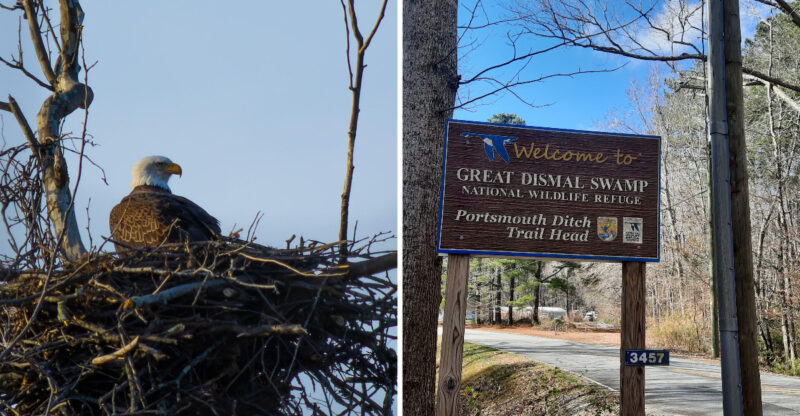
These 10 Nostalgic Beach Towns In Virginia Are Filled With Old-School Coastal Charm
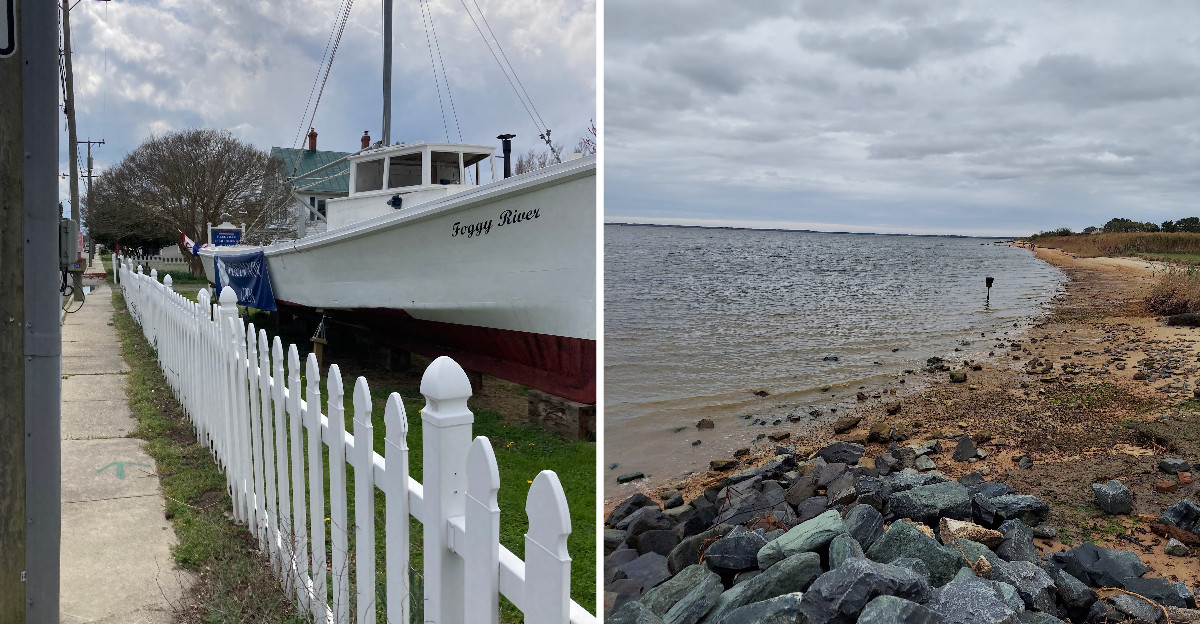
Okay, one Virginia beach town actually named its streets after fruit.
Peach, Plum, Strawberry, and more line up like a produce stand on a map. Railroad and ferry planners drew it up back in 1884, which makes it even better.
And now I’m even more interested. That same town has a public bay beach where you pay nothing to get in or to park.
Meanwhile, a little farther up the coast, wild ponies swim across a channel every July, a tradition dating to 1925.
I wasn’t expecting that little twist. Then I learned about an island where golf carts and bikes do most of the driving.
How many more surprises can one shoreline hold?
1. Cape Charles
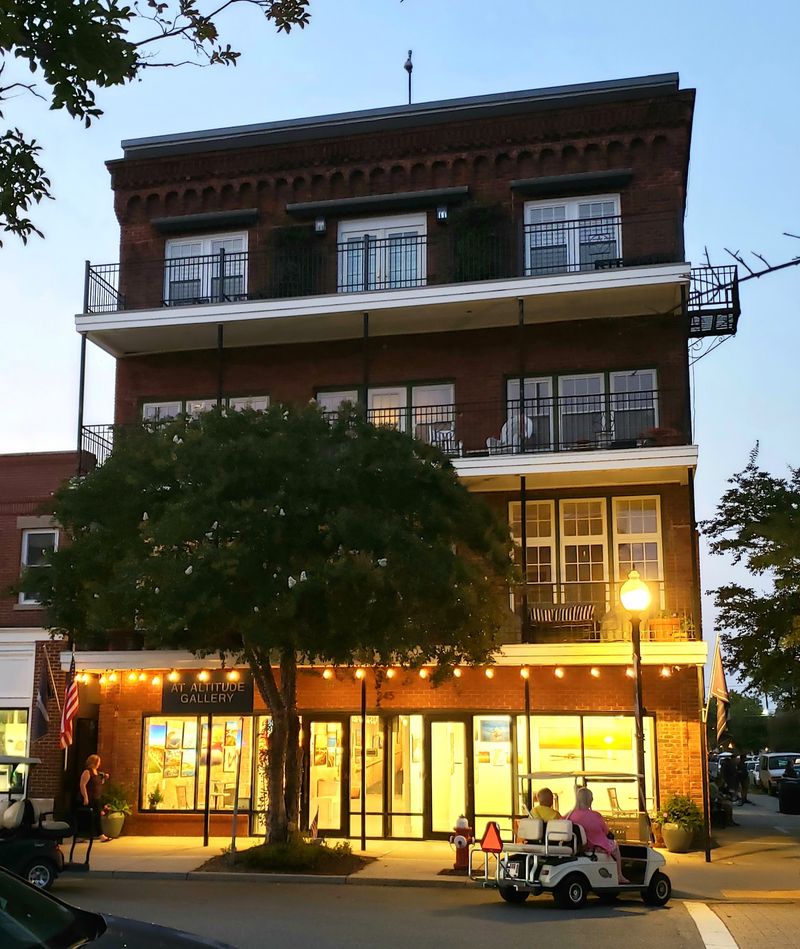
Few towns can say their street map doubles as a fruit basket. In Cape Charles, north-south streets carry names like Peach, Plum, and Strawberry.
The avenues running east to west honor Virginia statesmen instead. You’ll stroll Mason, Tazewell, and Randolph, which feels like a history quiz with a sea breeze.
Railroad and ferry interests planned this town in 1884. Its original grid remains easy to recognize, with older cottages, commercial storefronts, and a central green space.
The Cape Charles Historic District joined the National Register of Historic Places in 1991, preserving a remarkable mix of late nineteenth-century and early twentieth-century architecture.
Now for the best part, at least for your wallet. The town beach along Bay Avenue charges no admission or parking fee. Its shallow Chesapeake Bay water can be especially inviting for families, although swimmers should still follow posted conditions.
A public fishing pier sits near the southern end of the sand, with restrooms nearby. Wooden access platforms and benches offer spots to admire the water without spreading out a beach towel.
This bayfront faces west, making sunset a particularly lovely time to visit. Afterward, Mason Avenue offers cafés and small shops within walking distance.
Central Park adds a gazebo, fountain, and paths for an easy stroll. Nearby benches invite a longer pause.
2. Colonial Beach
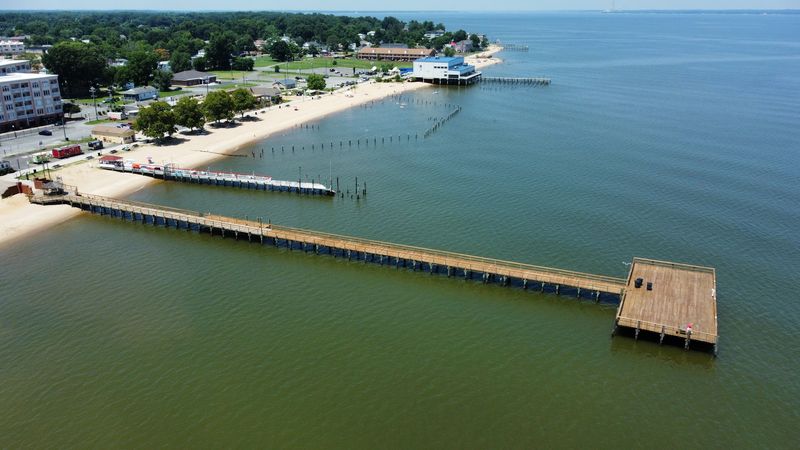
Golf carts here aren’t just for golf. Colonial Beach allows properly equipped and registered carts on certain town streets, giving short local trips an old-fashioned vacation feel.
The town sits on the Potomac River, not the ocean.
Its sandy shoreline includes several public beach areas, from the lively downtown boardwalk beach to quieter stretches near Irving Avenue and Castlewood Park.
Along the boardwalk, you can wander past food stops, watch boats, and pause near the town pier. Older cottages and small inns recall the days when travelers came here for summer escapes by the river.
History hides among the houses, too. The inventor of the telephone once owned a summer cottage on Irving Avenue. The historic Bell House remains a private property, so admire its unusual Stick Style architecture from the public street.
Golf-cart outings come with important rules. Drivers need valid licenses, and carts cannot travel on Route 205 or the beaches. The designated crossing near the main highway provides access between permitted streets.
Castlewood Park offers picnic tables and a playground, while nearby Monroe Bay provides another waterfront view.
Spend the afternoon exploring at an easy pace instead of rushing between stops. Sunset usually gives the waterfront another lovely dimension.
3. Chincoteague
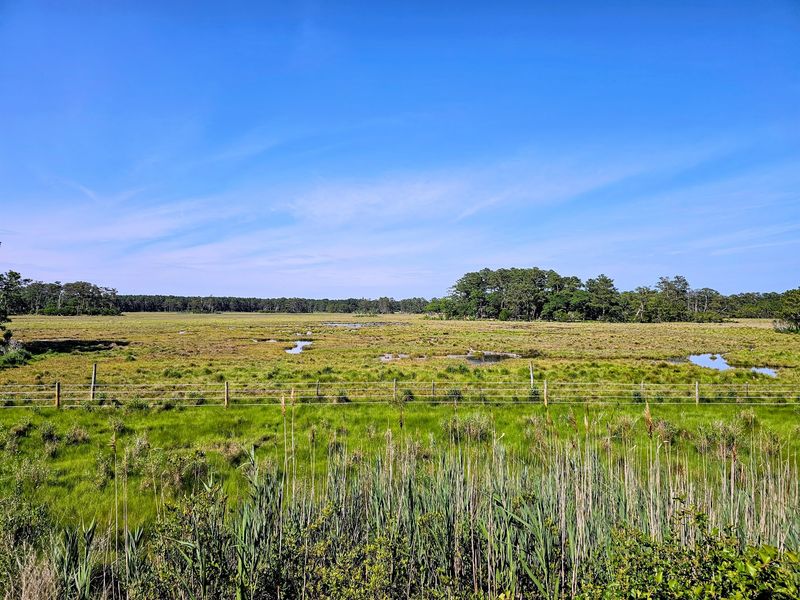
Wild ponies swimming across a channel sounds like a storybook scene. On Chincoteague, it happens every July, and the tradition dates to 1925.
The annual Pony Swim brings a herd from Assateague Island across the channel during slack tide, with the event organized by the local volunteer fire company. The pony auction follows, and the spectacle draws large crowds to this small island town.
Chincoteague itself is a harbor community with shops, seafood restaurants, and a long working-waterfront heritage.
For an ocean beach, cross the causeway to neighboring Assateague Island, where the national wildlife refuge protects dunes, salt marshes, and bird habitat.
Here, Virginia’s Atlantic shore looks wonderfully open. Ponies can sometimes be spotted grazing near the refuge’s trails, but sightings depend on where the herds choose to wander.
The red-and-white Assateague Lighthouse is another landmark, with seasonal opportunities to climb.
Visitors driving into the refuge need an entrance pass, while people arriving on foot or bicycle can enter without that charge. The beach and trails offer plenty to enjoy beyond Pony Swim week.
Bring binoculars for shorebirds and allow time to explore the quieter side of the island. For the annual July event, arrange lodging and transportation well in advance.
The island’s quieter mornings can feel surprisingly peaceful once the day’s beach traffic eases.
4. Wachapreague
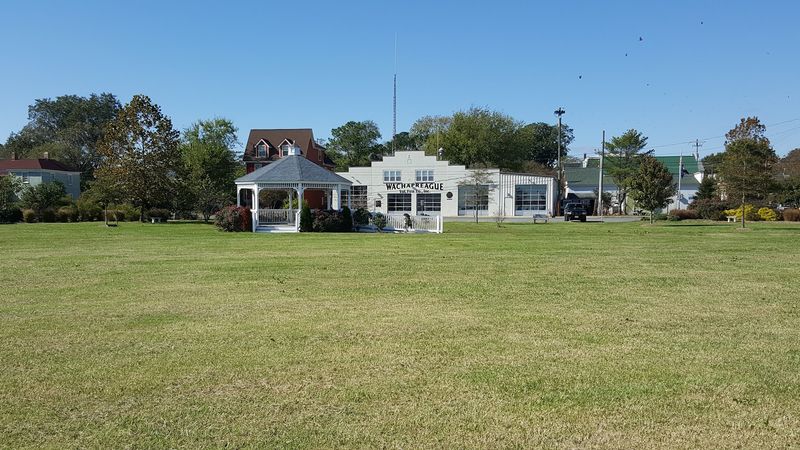
A town with only a few hundred residents calls itself the Flounder Capital of the World. Bold move, Wachapreague, and honestly, we respect it.
Its reputation comes from long-established fishing traditions along the Atlantic side of the Eastern Shore.
Boats leave the sheltered harbor for channels, inlets, and productive waters beyond the barrier islands. The working marina remains the center of much of the activity.
Locals also call it the Little City by the Sea. It’s a sweet name for a place where narrow residential streets lead toward marsh views rather than rows of beachfront towers.
There’s a catch if you’re expecting sand right beside the town. Wachapreague’s Atlantic beaches lie across the marshes on offshore barrier islands.
You can reach some of those shores by arranged boat trips or beach taxis, with guided nature excursions offering chances to learn about the coastal ecosystem.
The town marina provides a boat ramp and floating kayak launch for those exploring by water. Tides and weather play a major role in these channels, so plan any independent paddling carefully.
Back ashore, spend time watching fishing vessels and the ever-changing light over the marsh.
This little harbor makes an excellent place to appreciate the coast at its own pace. Here, the changing tide often supplies the day’s main entertainment.
5. Tangier
Cars barely matter on Tangier Island. Residents get around largely by golf cart, bicycle, and on foot, giving its narrow lanes a pace of their own.
The island sits out in the Chesapeake Bay. You can’t drive there from the mainland, so reaching it means arranging a passenger boat or small aircraft.
Seasonal boats operate from Crisfield, Maryland, and departures from Reedville can also provide access when scheduled.
The once-popular Onancock ferry is currently suspended, so don’t build a trip around that crossing. Confirm the operating dates and return arrangements before leaving the mainland, especially outside peak season.
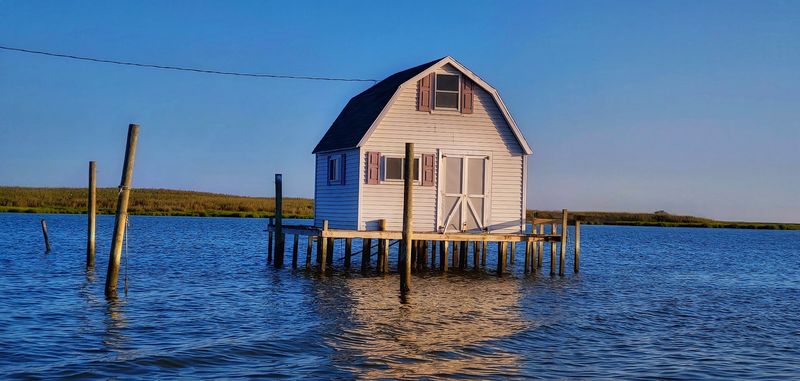
Once you arrive, crab shanties stand on pilings above the water, and workboats rest beside the channels. The island’s watermen have maintained a distinctive Chesapeake tradition for generations, with crabbing woven into everyday life.
The island community is small enough to explore leisurely. Sandy shoreline areas invite an unhurried look at the bay, while small eateries serve local seafood when open.
Some visitors rent a cart or bicycle, although walking is a pleasant way to see the village.
Tangier has also experienced considerable shoreline change over time, making its island setting an important part of its story.
Allow yourself time to appreciate both the landscape and the community. A slow afternoon here can feel wonderfully far away.
6. Reedville
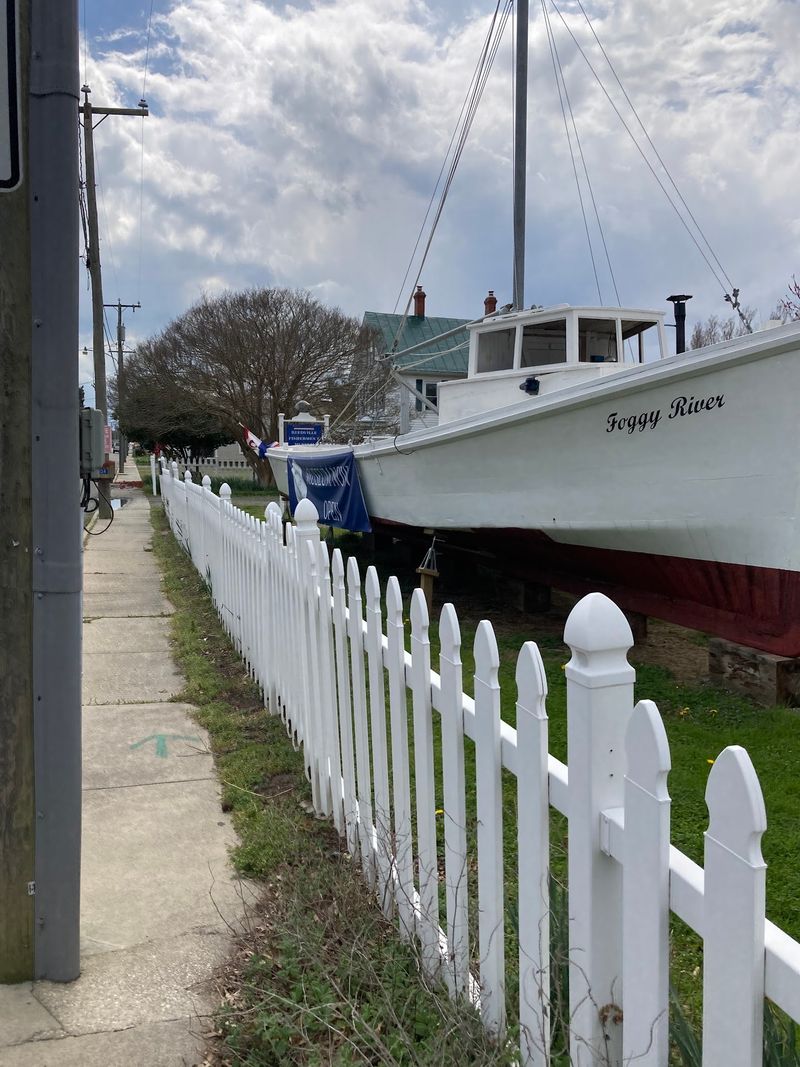
Fish built mansions here. Small, oily menhaden brought prosperity to Reedville in the late nineteenth century, and the architectural evidence still lines Main Street.
Fishing captains and factory owners invested in elaborate Victorian homes, creating the stretch known as Millionaire’s Row.
Decorative porches, towers, and generous windows reveal how much this Chesapeake community grew during its fishing boom.
The village takes its name from a sea captain who established a menhaden operation on Cockrell’s Creek in the 1870s. That industry helped transform a small waterfront settlement into an important fishing port.
The Reedville Fishermen’s Museum tells the story through historic vessels, photographs, and objects connected to local working boats.
Its 2026 visiting season runs from early April through late December, with public hours Thursday through Saturday.
Walking along the village streets is another pleasure. Beyond the houses, you’ll find creeks, marinas, and glimpses of boats heading toward the Chesapeake Bay.
The town is a departure point for seasonal Tangier Island cruises, although schedules should be confirmed before planning an island excursion.
Few corners of the Northern Neck combine grand old houses with such a visibly active maritime tradition.
Take a little time to admire the porches and waterfront before setting out toward the next Northern Neck village. The ornate porch details reward another leisurely look.
7. Urbanna

Oysters are a very big deal in Urbanna. The town hosts its celebrated Oyster Festival each November, and it’s the state’s official oyster festival.
In 2026, the festivities take place November 6 and 7, filling the small downtown with food stands, crafts, music, and parades.
There’s even an oyster-shucking contest, which is about as appropriate a competition as you could invent for this waterfront community.
The town was established as a colonial port in 1680. Older streets and buildings still reflect its long connection with coastal trade, while shops and restaurants give present-day visitors plenty to explore on foot.
Urbanna Creek leads out toward the Rappahannock River, and the town marina at Upton’s Point brings boaters close to downtown.
Its docks sit just a short walk from the shopping district, so the waterfront and village center fit easily into one outing.
For a quiet afternoon, visit Waterman’s Park on Kent Street, where benches overlook the river. Taber Park offers picnic tables, shade, and a playground.
There’s also a small sandy area by the marina, with access arrangements depending on the facilities you use.
Away from festival weekend, this place moves at a wonderfully relaxed pace. Spend time around the harbor, browse the shops, and admire the old-town streets. The compact town rewards anyone who enjoys gentle wandering.
8. Onancock

Back in 1680, Onancock was established as a colonial port. That makes its waterfront story older than the United States by nearly a hundred years.
The town sits along Onancock Creek, a sheltered tidal waterway leading toward the Chesapeake Bay. A stroll to the public wharf reveals sailboats, visiting cruisers, and attractive views across the harbor.
Downtown, older storefronts house galleries, cafés, shops, and places to browse antiques. The compact streets are easy to explore on foot, with historic homes extending beyond the main shopping area.
History lovers can visit Ker Place, an elegant Federal-period house begun in 1799. It serves as a center for Eastern Shore heritage exhibitions and community programming, with tours and special events offered according to its schedule.
The creek also creates opportunities for kayaking and other boating activities. Paddling offers a different perspective on the waterfront gardens and wooded banks, especially on a calm day.
Onancock has traditionally served as a passenger-ferry gateway to Tangier Island, but that service is currently suspended. Enjoy the harbor on its own merits rather than assuming an island crossing is available.
The town makes a satisfying day trip even without a boat ride. Pair a morning downtown with an afternoon by the water, then watch the light change over the creek. Even the harbor feels pleasantly unhurried.
9. Saxis
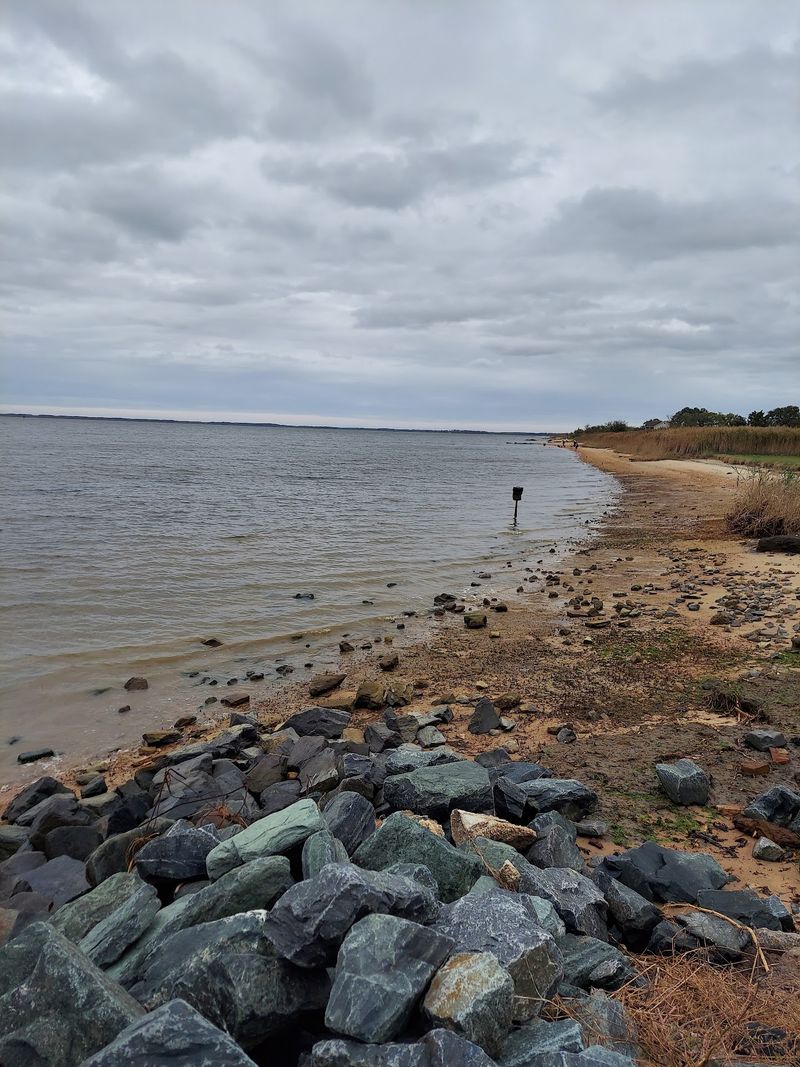
Saxis is about as far off the beaten path as a coastal town can get.
One road leads through broad marshes toward a village on Pocomoke Sound, and the journey is part of the experience.
Water surrounds much of the community, giving the setting an island-like feeling even though you can arrive by car.
Small boats, traditional waterfront houses, and open views across the sound reveal its longstanding fishing heritage.
The public fishing pier stretches 200 feet into the water and ends in a broad viewing platform. It’s accessible around the clock, with lighting for evening visits. Anglers need the appropriate recreational fishing license before casting a line.
Saxis has a lovely tradition of wooden decoy carving, and the Saxis Island Museum celebrates it alongside the community’s work on the water.
The museum occupies a restored century-old general store and displays model boats, historic photographs, and everyday objects. Summer Saturday openings sometimes feature carving demonstrations on the porch.
Beyond the museum, quiet residential lanes and marsh views encourage a slower visit. Birdwatching is rewarding around the shoreline, where wading birds and other coastal species use the wetlands.
This is more a working waterfront and nature destination than a conventional swimming beach. Bring binoculars, enjoy the pier, and let the quiet open sky do the entertaining.
10. Sandbridge Beach
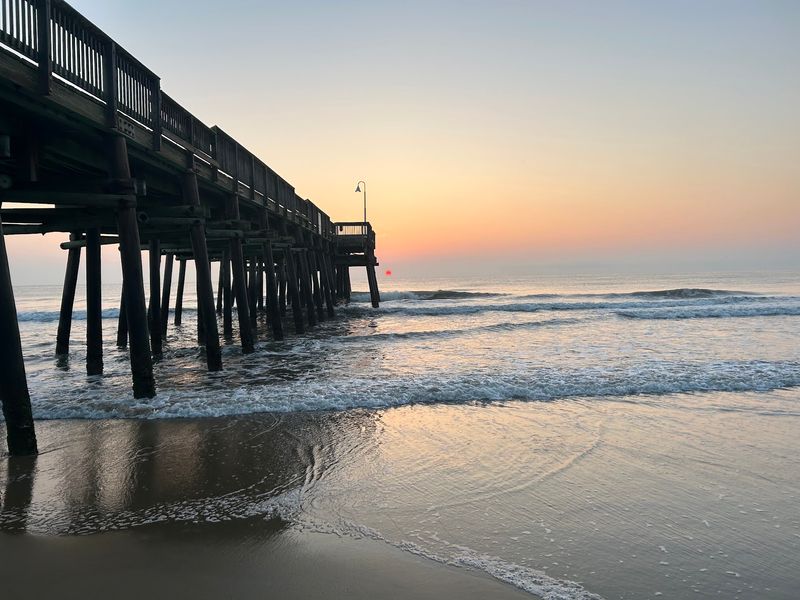
Virginia Beach has a quieter side, and it’s called Sandbridge. Head south from the busy resort strip, and the scenery gradually shifts to beach houses, grassy dunes, and open shoreline.
This coastal neighborhood is largely made up of vacation homes and condominiums, rather than a commercial boardwalk crowded with shops.
Access walkways cross the dunes at multiple points, opening onto a broad Atlantic beach with room for swimming, sunbathing, and long walks.
Parking is available at several municipal lots, including Little Island Park. The lots charge for parking from May through September, while the cooler months generally bring free parking.
A newer public beach facility on Sandfiddler Road also offers changing areas, outdoor showers, and restrooms during the main season.
At Little Island Park, a fishing pier extends into the ocean, while the park’s western side meets Back Bay. Picnic shelters and nearby beach access make it a convenient base for a family outing.
Nature lovers get bonus points here. Back Bay National Wildlife Refuge lies just south of Sandbridge, with walking opportunities, marsh scenery, and excellent birdwatching.
Check refuge access before exploring, since some routes change seasonally.
The real attraction is the contrast: a stretch of oceanfront that feels removed from the city’s busiest blocks, yet remains easy to reach by road.