10 Secret Amish Traditions Tourists Aren’t Supposed To See In Kentucky
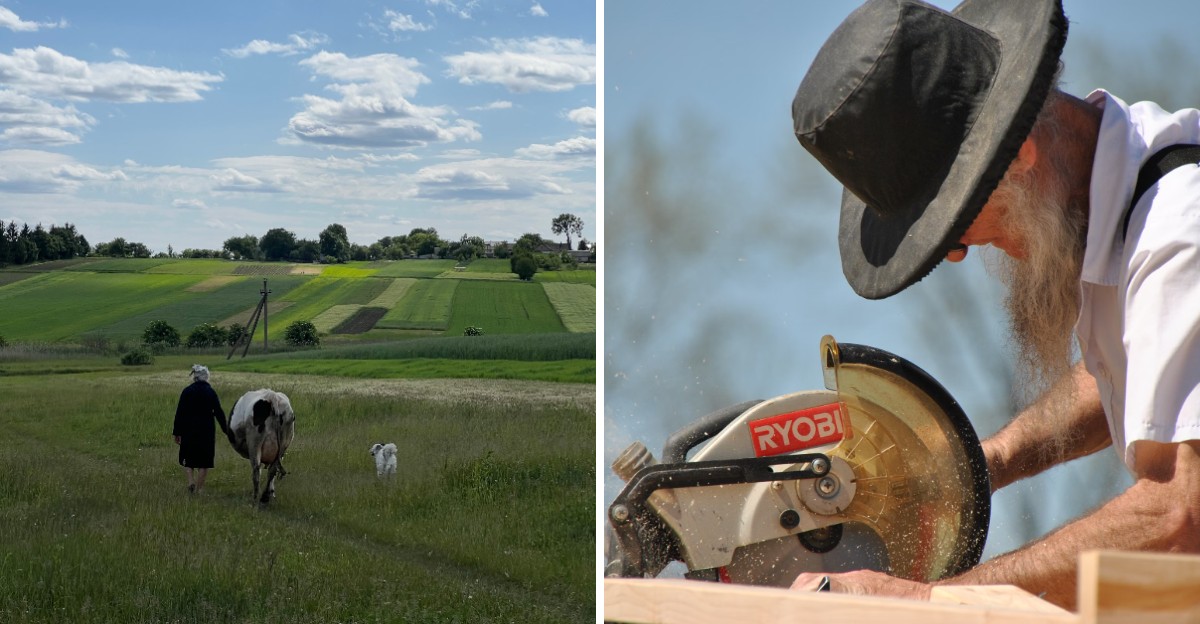
A slip of paper hidden inside a hymnal can decide which Amish man becomes a minister for life. There’s no campaign, no speeches, and no backing out once he opens that book.
I love how much of Amish life works this way, quietly and on purpose. Church meets in family homes instead of steepled buildings.
Songs stretch on for many minutes without a single instrument helping out.
In Kentucky, Amish families keep many of these customs far from the buggy photos and roadside bake sales. Most visitors drive right past the farmhouses where the meaningful moments actually happen, and they never know it.
I can’t stop wondering what else goes on behind those plain curtains. Some traditions are sweet, some are surprising, and a few might make you rethink your own life.
Which one would you most want to understand?
Church In The Home
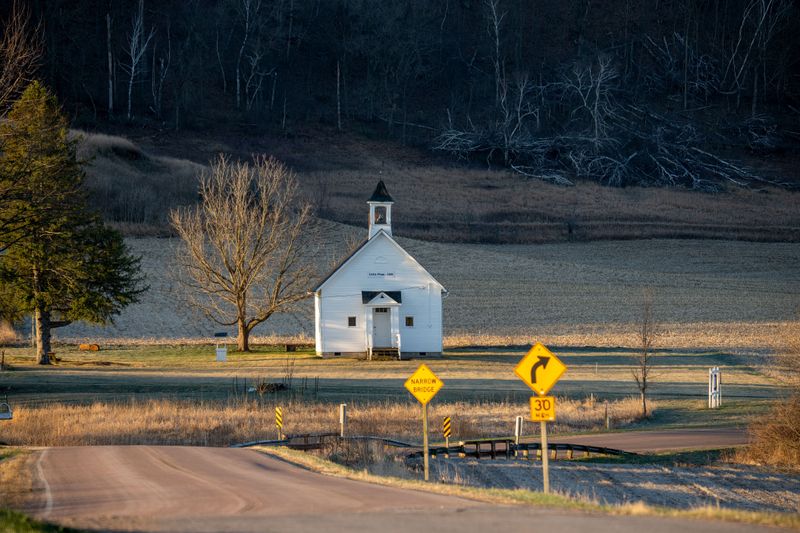
Forget stained glass and tall steeples. Amish church districts don’t build church buildings at all, so worship happens right inside members’ homes.
Families take turns hosting the service, usually every other Sunday. That means one household gets the honor, and the extra cleaning, a few times a year.
So how do you seat a whole congregation in a farmhouse? A special bench wagon rolls from host to host, carrying wooden benches, hymnals, and Bibles.
When you spot that wagon parked by a Kentucky farmhouse, you’ve found the next meeting place. Think of it as the Amish version of a church sign, minus the clever slogans.
A typical church district is small, often around a few dozen households. Keeping it small lets families gather in one home and actually know each other well.
Hosting can take serious muscle. Walls between rooms may open up, furniture gets moved, and benches fill the space in long rows.
After the service, the host family usually serves a simple shared meal. It turns worship into a full day of fellowship, catching up, and plenty of conversation on the porch.
Here’s a friendly tip if you’re driving through Amish country on a Sunday. Lines of parked buggies at one farm mean church is in session, so slow down and keep things quiet.
You won’t be invited inside as a curious tourist, and that’s the point. These gatherings belong to the community, and respecting that space says more than any photo could.
Slow Hymns With No Instruments
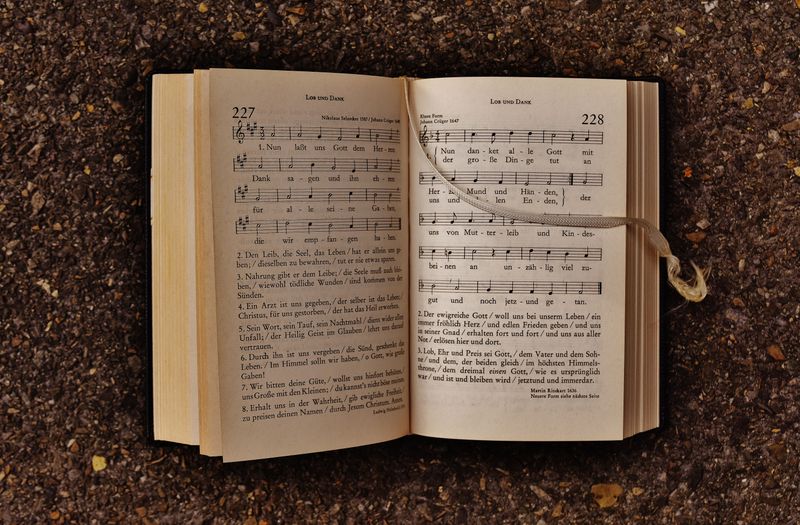
Patience gets a workout during Amish worship. A single hymn can last fifteen minutes or longer, and nobody’s checking a watch.
No piano, guitar, or organ joins in. The congregation sings in unison, letting voices carry the whole melody together.
Many of these hymns come from the Ausbund, an Anabaptist hymnal dating back to 1564. That makes it one of the oldest hymnals still in regular use anywhere.
Here’s the fascinating part. The book contains words but no printed music, so the tunes have passed down by ear through generations.
One song leader often starts each line alone. Then everyone else joins, stretching single syllables across several notes in a slow, rolling chant.
Why skip instruments? Amish values lean toward humility and simplicity, and showy musical talent could pull attention toward one person instead of God.
It also keeps worship from feeling like entertainment. The singing is meant to unite the group, not to impress anybody sitting on those benches.
If you enjoy music history, this tradition is a treasure. Some scholars see these melodies as a living link to old European church singing.
You probably won’t hear it in Kentucky unless you’re part of the community. Still, recordings and books about Amish hymns can give you a respectful taste from home.
Next time a song feels long, remember these singers. Fifteen minutes for one hymn makes your favorite seven-minute rock ballad look downright speedy.
Three Languages
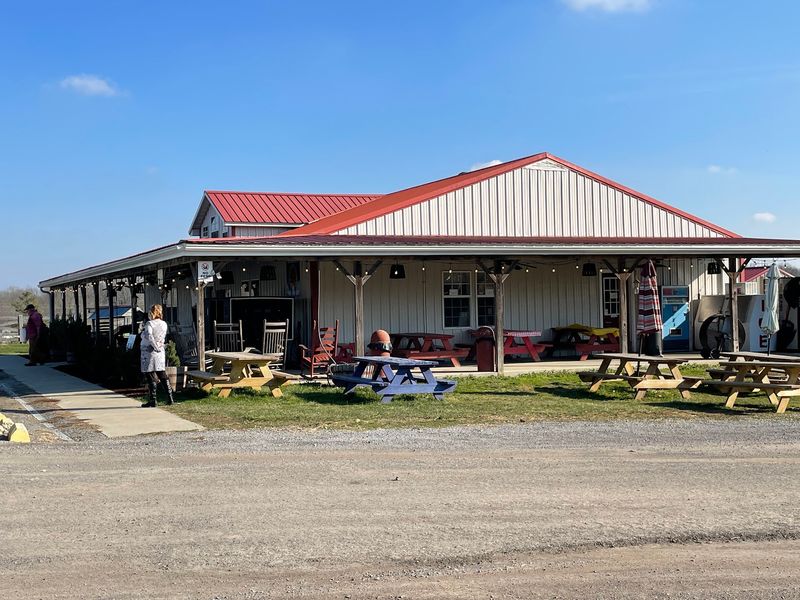
Talk about a busy brain. Many Amish kids in Kentucky grow up juggling three languages before they finish school.
At home, the main language is Pennsylvania Dutch, also called Pennsylvania German. It’s the language of family chores, jokes at supper, and chatting with neighbors.
Despite the name, it has nothing to do with Holland. The word Dutch likely comes from Deutsch, the German word for German, and the dialect traces back to southwestern Germany.
English comes next. Children learn it in school, and adults use it for business and for talking with outsiders.
So if you buy a pie or a basket from an Amish stand, you’ll hear English. Once you drive away, the family may switch right back to Pennsylvania Dutch.
The third language is High German, saved mostly for religious life. Scripture readings, prayers, and hymns during church often use this more formal German.
Each language has its own job, kind of like tools in a toolbox. One builds family bonds, one handles the outside world, and one holds faith.
Here’s something to appreciate. Speaking Pennsylvania Dutch quietly marks who belongs, which helps the community keep its identity strong.
If you visit Amish businesses, a simple thank you in English is perfect. You don’t need to try German phrases, though a smile always translates well.
Next time you struggle with one language class, give these kids some credit. They’re running three languages before most of us master texting abbreviations.
School Ends At Eighth Grade

Picture graduation day arriving at age fourteen or so. For Amish students, formal school usually wraps up after eighth grade.
Most attend small one-room schoolhouses run by the community. Lessons focus on reading, writing, arithmetic, and English, the skills adults use daily.
Teachers are often young Amish women who finished eighth grade themselves. They may teach several grades at once in the same room.
Is that legal? Yes, thanks to a 1972 United States Supreme Court case called Wisconsin v.
Yoder.
The court ruled that Amish families could stop formal schooling after eighth grade for religious reasons. That decision still shapes Amish education across the country, including Kentucky.
Learning doesn’t stop when the classroom door closes, though. Teens move into hands-on training on farms, in woodshops, and in the kitchen.
A boy might learn to build furniture, shoe horses, or run a sawmill. A girl might master baking, sewing, gardening, and running a busy household.
Think of it as an apprenticeship that lasts years. Many Amish businesses, from cabinet shops to produce stands, run on these practical skills.
Amish families believe this path prepares kids for life inside their community. Book learning matters, but working with your hands matters just as much to them.
Next time you admire a sturdy Amish table, consider who built it. There’s a decent chance that craftsperson left the classroom at fourteen and kept learning anyway.
Ministers Chosen By Lot
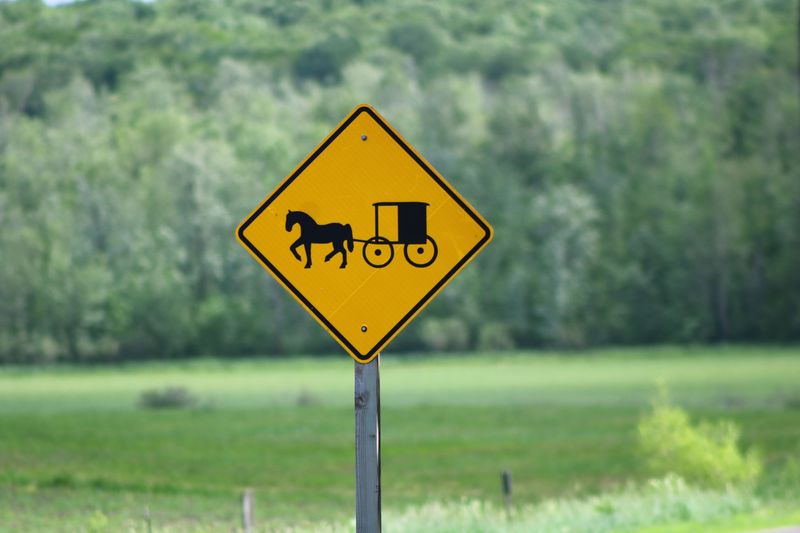
Nobody runs for office here. When an Amish church needs a new minister, the final choice comes down to a few identical books.
First, baptized members nominate men they believe would serve well. Only baptized married men are usually eligible, and each one who receives enough nominations joins the lot.
Then comes the tense part. Matching hymnals or songbooks sit in a row, and one hides a slip of paper with a Bible verse.
Each candidate picks a book. The man who finds the slip becomes the new minister, usually for the rest of his life.
The practice draws on Acts 1:26, where early Christians chose an apostle by casting lots. Amish believers see the outcome as God’s choice, not a popularity contest.
Here’s what makes it so striking. These ministers aren’t paid and have no seminary training, so the chosen man keeps farming or working his regular job.
He also takes on sermons, counseling, and church duties on top of that. Many Amish describe the moment of selection as heavy and humbling rather than exciting.
The same lot method is often used for deacons and bishops. It keeps power from piling up with ambitious people, since nobody can campaign for the job.
Outsiders almost never witness this moment in Kentucky or anywhere else. It’s private, sacred, and deeply emotional for the families involved.
Honestly, imagine if your workplace picked managers this way. Office politics would vanish overnight.
Weekday Weddings After Harvest
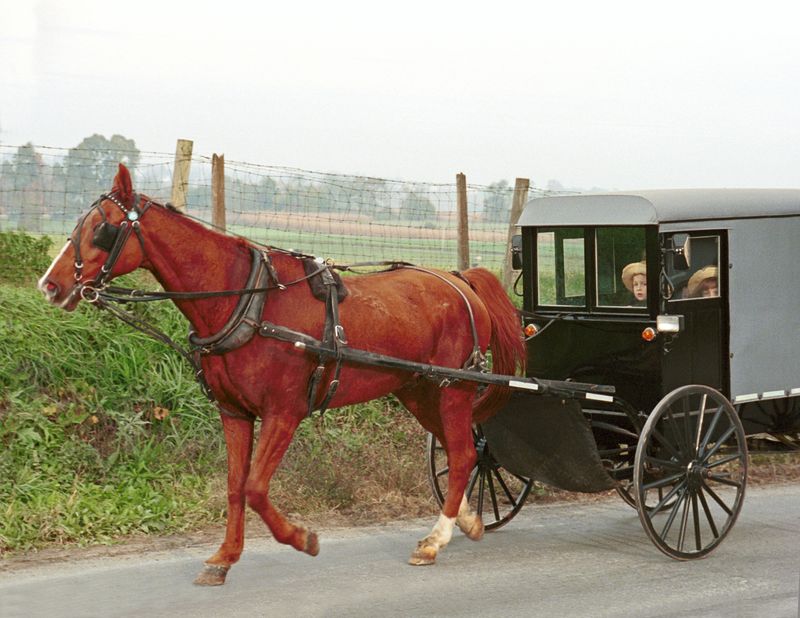
Saturday weddings? Not in Amish country, where Tuesdays and Thursdays traditionally steal the spotlight.
Timing follows the farm calendar. Weddings usually happen in late fall after the harvest, often stretching from late October into December.
Why those weekdays? They leave a full day before for cooking and setup, plus a day after for cleanup, without bumping into Sunday.
Sunday is reserved for church and rest, so nobody wants wedding chores crowding it. Tuesdays and Thursdays solve the puzzle nicely.
Engagements are often kept quiet at first. The couple’s plans are then announced, or published, at church a few weeks before the big day.
The ceremony itself usually takes place at the bride’s family home. Expect a long service, sometimes several hours, followed by a huge shared meal.
Guest lists can reach into the hundreds. Relatives and neighbors pitch in with cooking, serving, and washing mountains of dishes.
Forget fancy gowns and flower arches. The bride typically wears a simple new dress, often in blue or another plain color, that she may wear again later.
Celery shows up as a classic Amish wedding food in some communities. A big crop of it in a family garden has long hinted that a wedding might be coming.
So if you see a Kentucky farm packed with buggies on a November Thursday, you’ve likely spotted a celebration. Give it space, and maybe send good wishes from the road.
Beards Mark Marriage
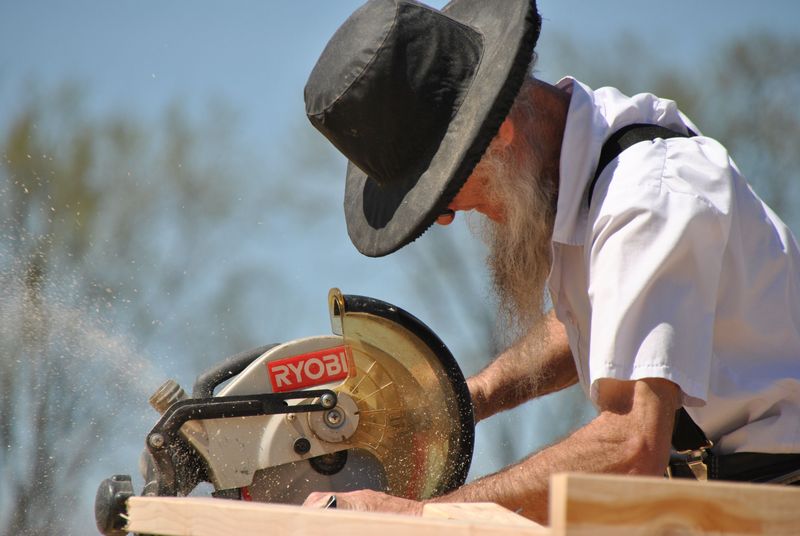
Forget wedding rings. Among the Amish, a man’s face tells you whether he’s married.
Young unmarried men usually stay clean-shaven. After the wedding, a husband stops shaving his beard and lets it grow for good.
Amish communities don’t wear jewelry, so the beard does the job a ring would. It’s a visible sign of commitment to his wife, his family, and his faith.
Notice something missing? Most Amish men shave their upper lip, so you’ll see a full beard with no mustache.
That style has a history. Mustaches were long linked with European military officers, and the Amish hold strong beliefs about nonviolence.
Skipping the mustache became a quiet way to set themselves apart from soldiers. Centuries later, the tradition still holds strong.
Beard length can vary by person and community. Some grow long and flowing, while others stay shorter and neatly kept.
Here’s a handy tip for travelers in Kentucky Amish country. A clean-shaven young man at a produce stand is likely single, while a bearded man probably has a family at home.
Please resist the urge to snap close-up photos, though. Many Amish people prefer not to be photographed, especially their faces.
Honestly, it’s a clever system. No awkward ring-finger glances needed, just a quick look at the chin and you’ve got the answer.
Communion With Foot Washing
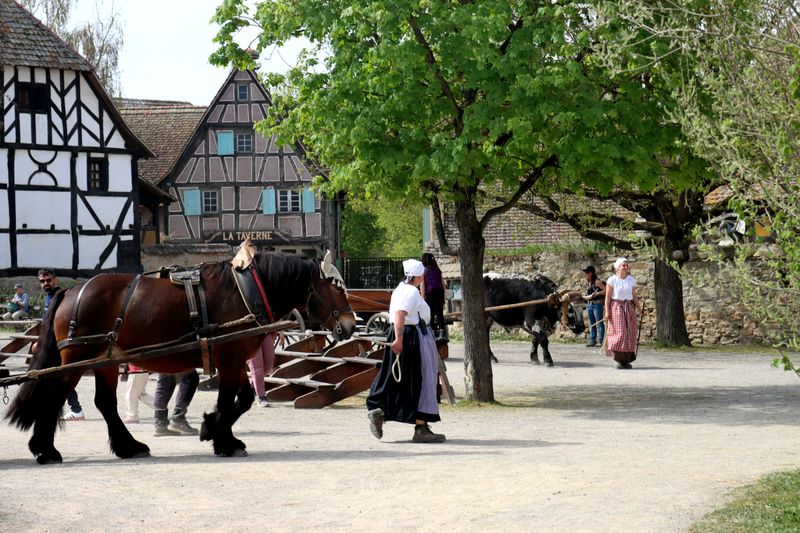
Humility gets very literal at an Amish communion service. Members kneel and wash each other’s feet.
Communion happens twice a year, usually in spring and fall. These services carry deep meaning and can run much longer than a regular Sunday gathering.
Before communion, members hold a preparatory service. It’s a time to examine their hearts and make sure the church is at peace.
Disagreements are expected to be worked out first. The goal is unity, so nobody comes to the table carrying a grudge.
During the service, a minister reads the Bible story of Jesus washing his disciples’ feet. Then members pair up for the same simple act.
Men wash men’s feet, and women wash women’s feet. Pairs often use basins of water and towels, sometimes in separate areas of the home.
Afterward, partners commonly share a holy kiss and a blessing. It’s a gentle, quiet moment that reminds each person to serve others.
Imagine letting your neighbor wash your feet in front of the whole church. It takes courage, trust, and a willingness to set pride aside.
The service also includes bread and wine as part of communion. Only baptized members take part, which makes this one of the most private events in Amish life.
Visitors to Kentucky won’t see it, and that’s how it should be. Still, the idea behind it, serving others humbly, travels pretty well.
Neighbors Instead Of Insurance
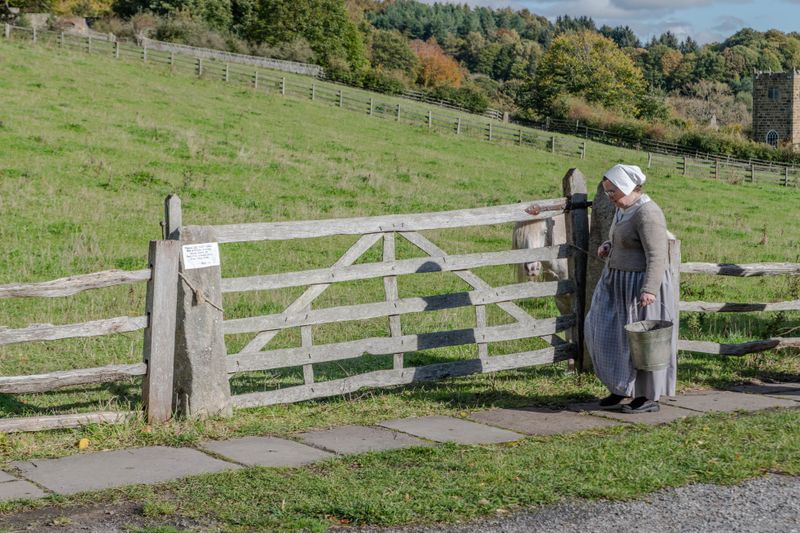
When disaster strikes an Amish family, the safety net doesn’t come with a policy number. It comes with hammers, casseroles, and a long line of buggies.
Most Amish communities avoid commercial insurance. Instead, they rely on mutual aid, where church members help each other through hard times.
Big medical bills often get covered through church support. Deacons may collect special offerings to help a family facing costs it can’t handle alone.
Benefit auctions are another popular tool. Families donate quilts, furniture, and crafts, and the money raised goes to people in need.
Then there’s the famous barn raising. When fire or a storm wrecks a barn, neighbors can gather and frame a new one in a remarkably short time.
Why skip insurance? Many Amish believe caring for each other is a Christian duty, and depending on outside companies could weaken those bonds.
It’s not just about Amish neighbors, either. In Christian County, Kentucky, Amish and Mennonite volunteers have stepped up to help rebuild after storms.
That kind of help shows mutual aid can stretch beyond church borders. A neighbor in trouble is still a neighbor, Amish or not.
Here’s a takeaway you can borrow. You don’t need a barn to start, just a meal delivered or a lawn mowed for someone having a rough week.
Honestly, it’s a pretty great policy. No deductibles, no hold music, and the claims adjuster probably brings pie.
Second Christmas
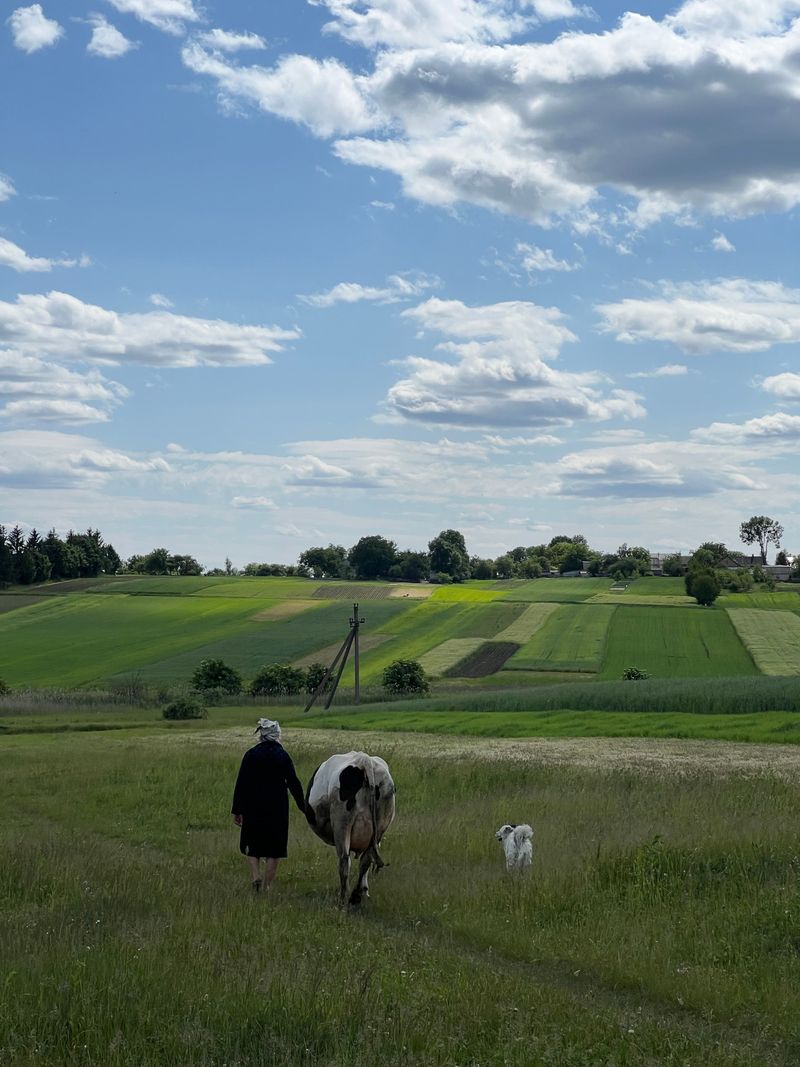
One Christmas is fine, but some Amish families say why not two? Many celebrate an extra holiday called Second Christmas on December 26.
Don’t picture a second round of presents, though. Gifts tend to be simple, and the focus stays on family and faith.
December 25 is usually a quieter, more reflective day. Families may read scripture, pray, and share a special meal at home.
Second Christmas loosens things up a bit. It’s a day for visiting relatives, sharing big meals, singing, and simply resting.
Some Amish communities also mark Old Christmas on January 6. That date connects to the old Julian calendar and the older European custom of Epiphany.
Celebrations vary from one community to another. Some lean into Second Christmas, some honor Old Christmas, and some keep both.
You won’t find flashing lights or inflatable snowmen on these farms. Decorations, if any, stay modest, like greenery or a few cards on display.
Planning a winter trip to Kentucky Amish country? Some Amish shops and stands may close on December 26, so double-check before you drive out.
There’s a sweet lesson here for the rest of us. After the rush of the big day, a slow day just for visiting sounds pretty wonderful.
Maybe it’s time to start your own Second Christmas. Leftovers, board games, and zero shopping lines might become your favorite holiday of the year.