River Views Stretch Beside The Road For Miles On This Idaho Scenic Byway
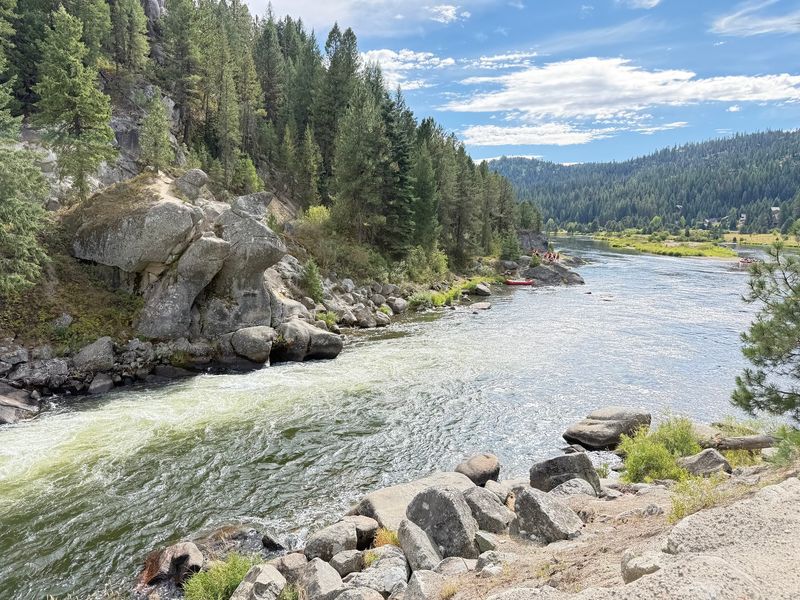
A two-lane highway runs right beside whitewater for mile after mile, and some stretches are close enough that the river feels like a passenger. It shows up next to you, foaming over boulders, while you keep both hands on the wheel.
The route climbs from sagebrush foothills into pine country in a single afternoon. Rafts, kayaks, and a lakeside stretch all compete for your attention along the way.
I like how this Idaho drive gives you a show without asking for a hike or a ticket. You just roll the windows down and let the canyon do the talking.
I believe the best part is how often you’ll want to pull over. So which bend in the river will make you hit the brakes first?
A River Road That Runs From Foothills To Mountain Lakes
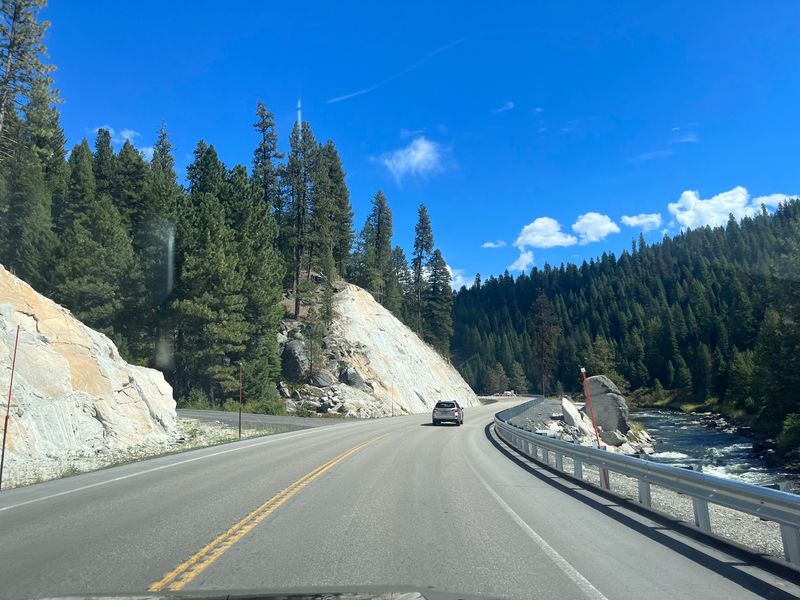
Idaho has plenty of pretty roads, but the Payette River Scenic Byway keeps a river beside you almost the whole way. It follows Idaho Highway 55 north from the Boise foothills toward McCall and beyond.
The byway passes through communities like Horseshoe Bend, Banks, Smiths Ferry, Cascade, and Donnelly. Each one sits at a different elevation, so the scenery keeps shifting as you climb.
Its anchor point on the map is Cascade, ID 83611, right in the middle of the action. That makes Cascade a handy reference whether you start from the south or the north.
The route is open 24 hours, since it is a public highway and not a gated park. You can drive it at sunrise, at lunch, or on a slow summer evening.
Many people use it as the main route between the Treasure Valley and McCall. That means a lot of Idahoans have driven it without slowing down to notice what they passed.
Slowing down is the whole point here. Treat the road as the destination, and the river will reward you for the extra time.
Whitewater Keeps Pace With Your Car
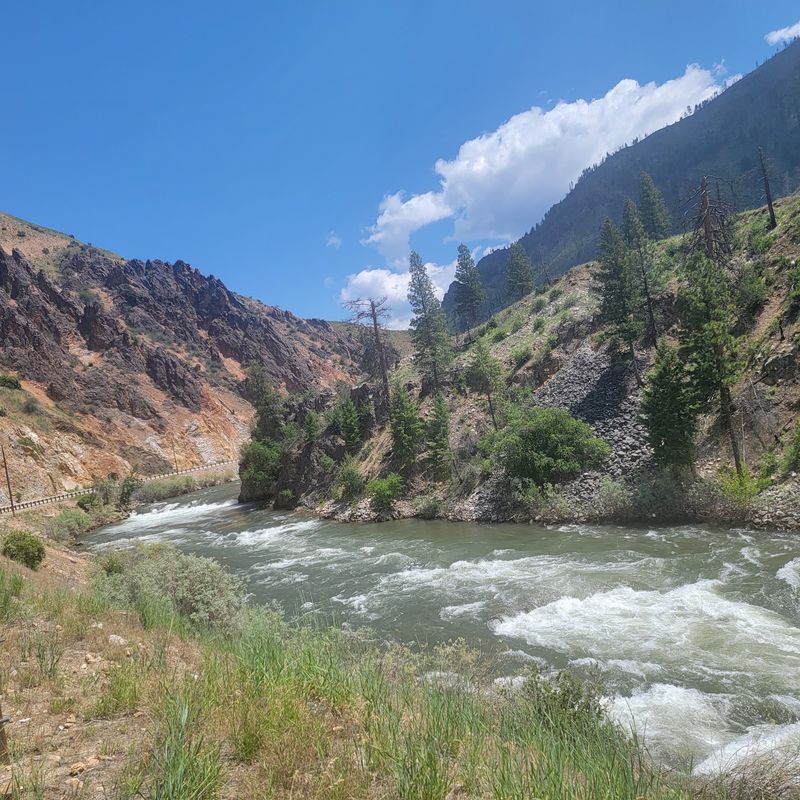
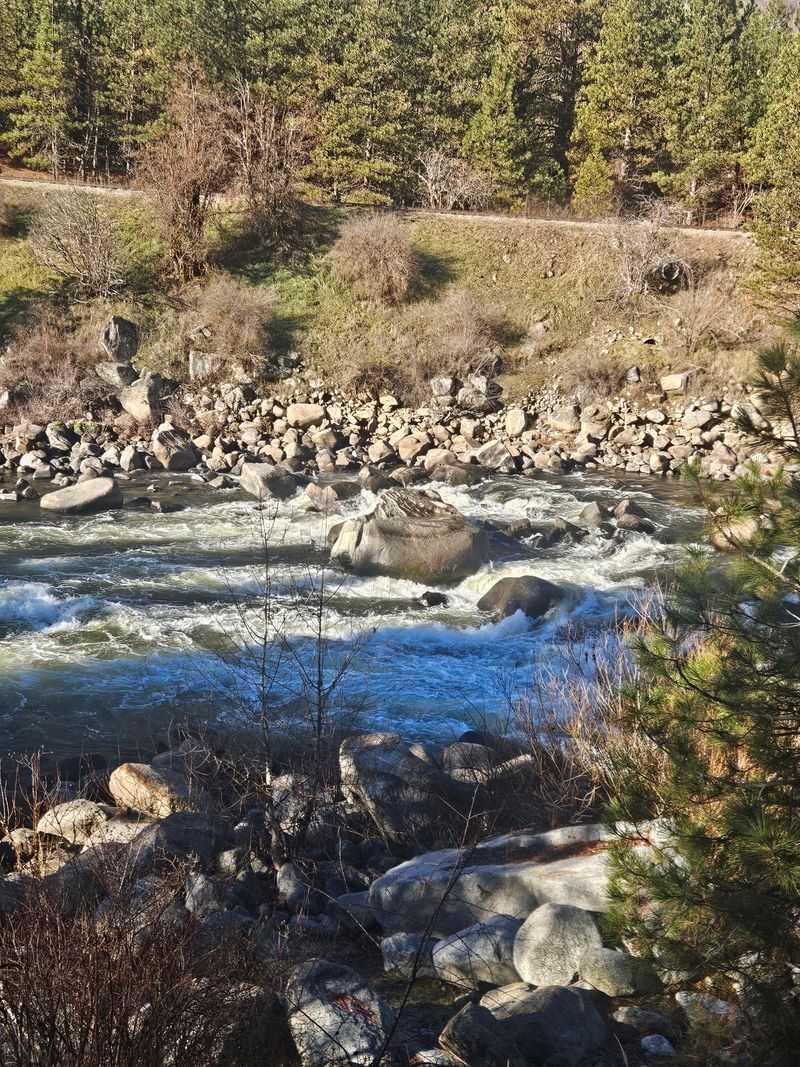
Most scenic drives give you a view off in the distance. On this one, the scenery splashes right next to the shoulder.
The Payette River runs fast and white through much of the canyon north of Banks. Rocks break the current into rapids you can watch from the pavement.
Spring and early summer usually bring the biggest flows as mountain snow melts. Later in the season, the water often calms a bit and shows off its clear green color.
You don’t need any river experience to enjoy it. Just watching the current tumble downstream makes a long drive feel short.
Drivers should keep their eyes on the road, of course. Passengers get the better deal, with a moving river show framed by the window.
The canyon walls also funnel the sound of the water toward the road. Crack a window and the rush becomes part of the soundtrack, no playlist required.
Few highways in Idaho let you follow a river this closely for so long. It feels a little like the road was built just so people could keep the water company.
Plenty Of Pullouts Make Stopping Easy
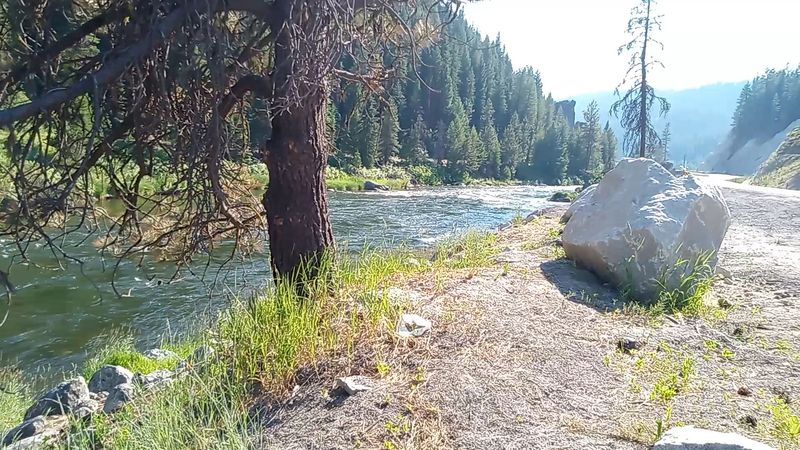
Here’s good news for anyone who hates passing a great view at highway speed. The byway has several pullouts and parking spots along the river.
These little turnouts let you step out, stretch, and look straight down at the water. Visitors often point out how many spots there are to stop and take in the river.
Some pullouts sit high above the canyon, giving you a wide look up and downstream. Others put you close to the water, where the rapids feel even bigger.
Bring a camera, or at least a fully charged phone. The light changes as the sun moves through the canyon, so the same bend can look different an hour later.
Plan to use your turn signal early when spotting a pullout. Traffic can be steady on summer weekends, and a calm stop beats a sudden one.
A full drive with stops can take a few hours. That sounds long until you realize every stop is the reason you came.
Pack a snack and some water too. A riverside break tastes better than anything eaten at a stoplight.
An Old Arch Bridge Steals The Spotlight Near Smiths Ferry
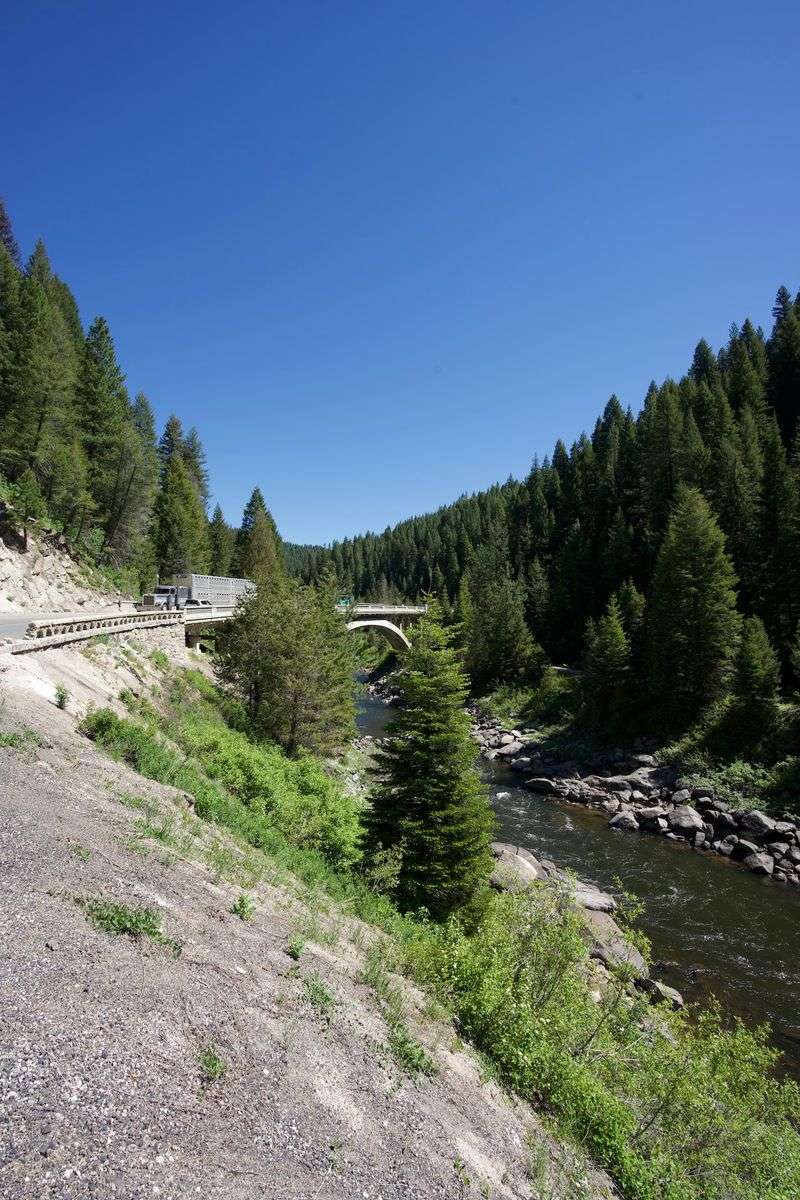
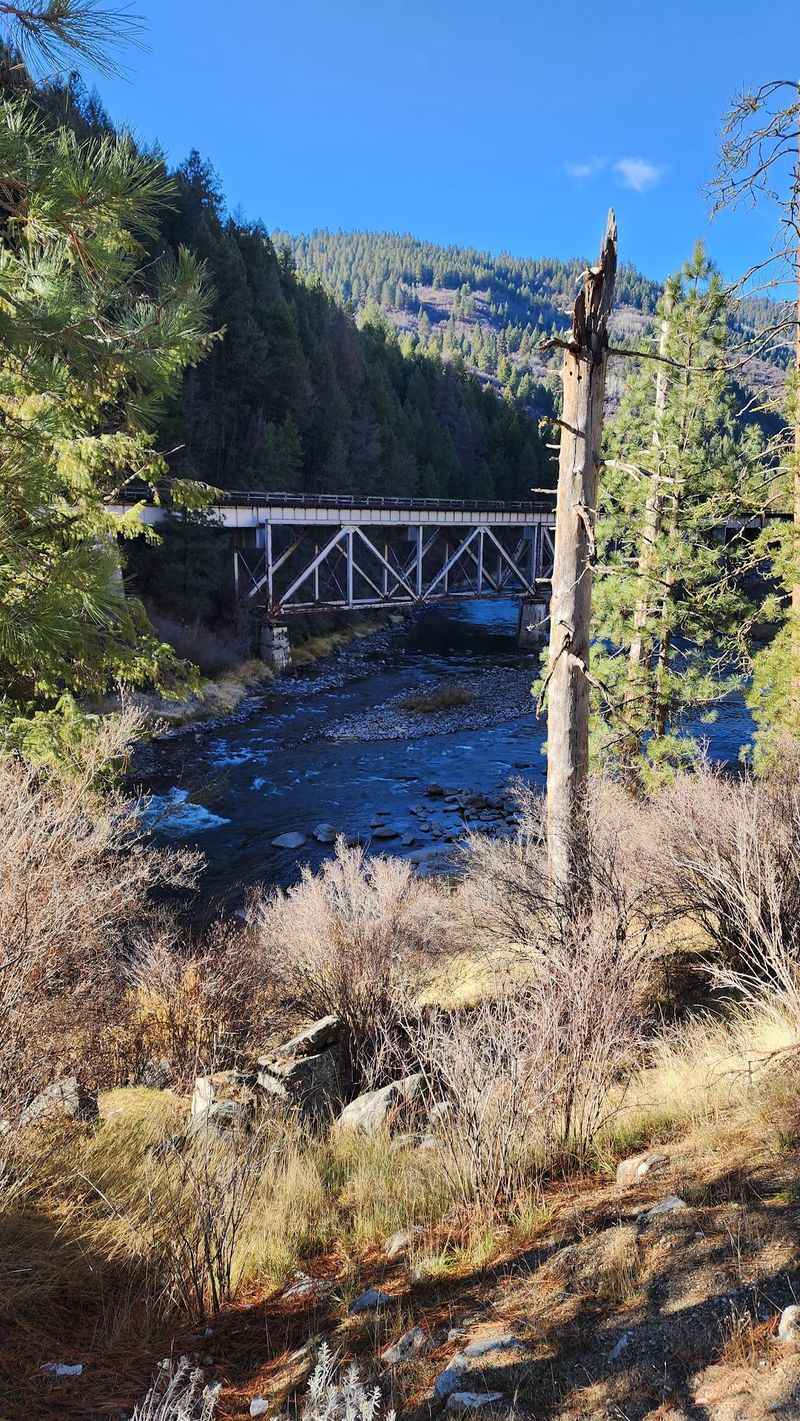
Bridges usually get ignored, but one near Smiths Ferry earns a second look. The historic Rainbow Bridge arches gracefully over the North Fork of the Payette River.
Built in the 1930s, the concrete arch carries a curved shape that matches its name. It sits among pines and granite, making it one of the most photographed spots on the route.
The bridge has been listed on the National Register of Historic Places. That gives a simple road crossing some serious bragging rights.
Safe stopping spots can be limited near the bridge, so plan ahead. Watch for legal parking and never stop in a traffic lane for a photo.
Seeing the arch reflected against fast water makes the scene feel like an old postcard. The river below adds motion, while the bridge stays perfectly still.
History buffs will enjoy the contrast between old engineering and wild water. Everyone else will simply enjoy how good it looks.
It’s one of those details that makes the Payette River Scenic Byway feel layered. You come for the river and leave talking about a bridge.
Raft Country Shows Up Around Every Bend
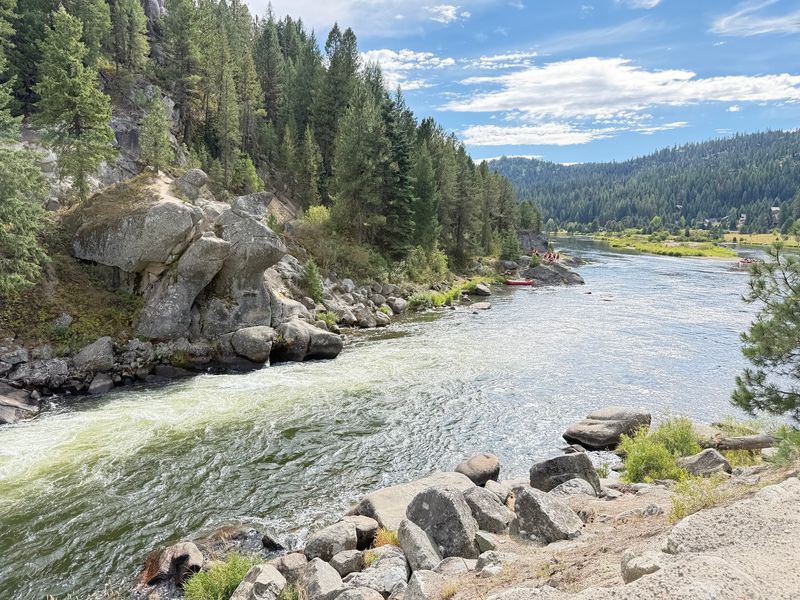
Spot enough rafts on the river and you might start planning a second trip. The Payette is one of Idaho’s best-known whitewater rivers.
Visitors frequently mention the many rafting spots along the way. Outfitters operate around Banks and other stretches, offering guided trips for different comfort levels.
The Main Payette and South Fork often attract families and first-timers. The North Fork, by contrast, is famous among expert kayakers for very steep, powerful rapids.
Even if you stay dry, watching boats pass through a rapid is great entertainment. Paddles flash, the raft bucks, and somebody always gets soaked.
Guided trips are usually seasonal, tied to river levels and weather. Check with an outfitter before driving up if a float is on your wish list.
Bring a change of clothes if you do book a trip. Mountain water stays cold, even on a hot July afternoon.
The byway makes a perfect day for mixed groups. Thrill seekers can paddle while everyone else enjoys the view from shore.
Cascade Puts A Whitewater Park Right In Town
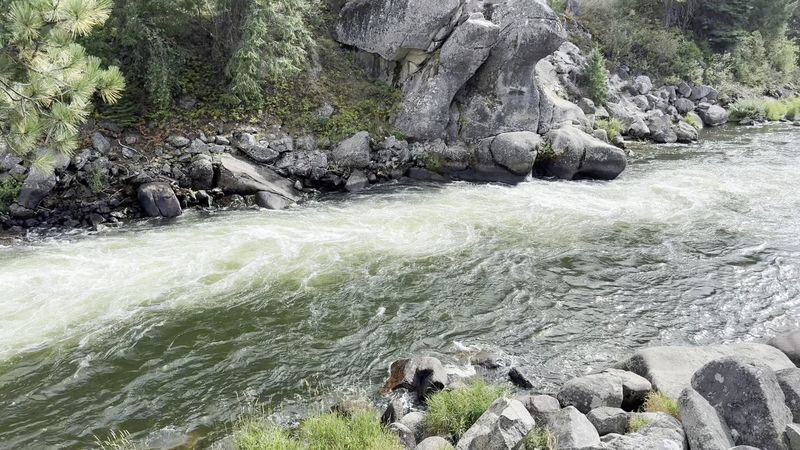
Cascade did something clever with its stretch of the river. Kelly’s Whitewater Park sits right in town along the North Fork of the Payette.
The park features engineered river features built for kayaking, surfing, and other paddle sports. It also has green space along the bank where non-paddlers can relax and watch.
That makes Cascade a natural mid-drive break on the Payette River Scenic Byway. You can stretch your legs without hunting for a turnout.
Families tend to like a stop with grass and room to wander. Kids can burn off some energy before getting back in the car.
Watching a kayaker hold steady on a standing wave is surprisingly hypnotic. It’s the closest thing to a free show you’ll find in Idaho mountain country.
Water conditions and park programs can change by season. A quick check before your trip helps you know what to expect.
Cascade also offers places to grab food and fuel. With the river right there, even a quick sandwich stop feels like part of the scenery.
Lake Cascade Swaps Rapids For Wide Open Water
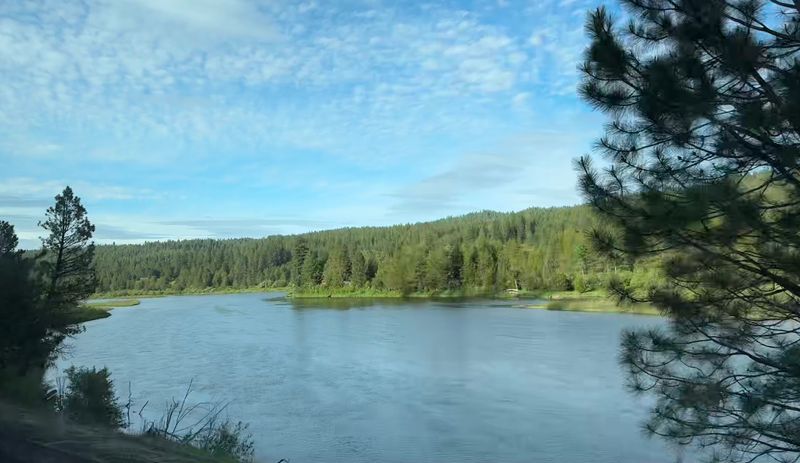
After miles of churning rapids, the scenery suddenly takes a deep breath. Lake Cascade spreads out wide and calm near the town of Cascade.
The reservoir is one of the larger bodies of water in Idaho. Lake Cascade State Park offers access points around the shoreline for camping, boating, and fishing.
The change in mood is striking. Instead of tight canyon walls, you get big skies and mountains rising across the water.
Anglers know the lake for its fishing opportunities throughout the year. Winter brings ice fishing for those who don’t mind cold fingers.
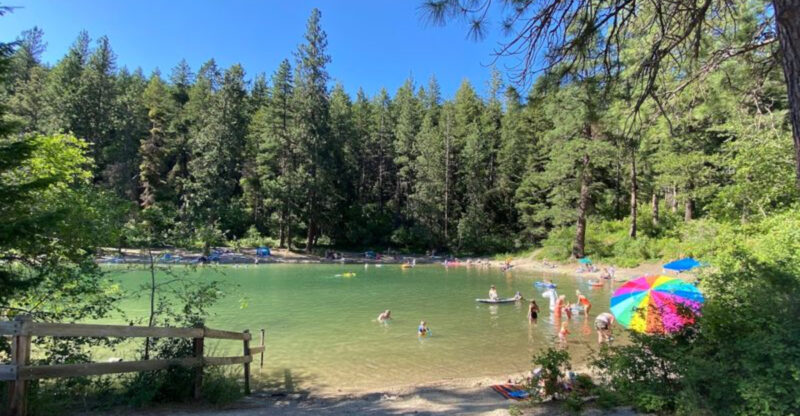
Summer visitors often come for paddleboarding, swimming, and lazy afternoons on the shore. Bring a chair and you can easily lose track of time.
State park facilities may require a day-use fee, so check before you go. A few dollars buys a lot of peaceful shoreline.
Lake Cascade gives the byway a second personality. The river handles the excitement, while the lake handles the relaxing.
Small Surprises Like A Roadside Waterfall
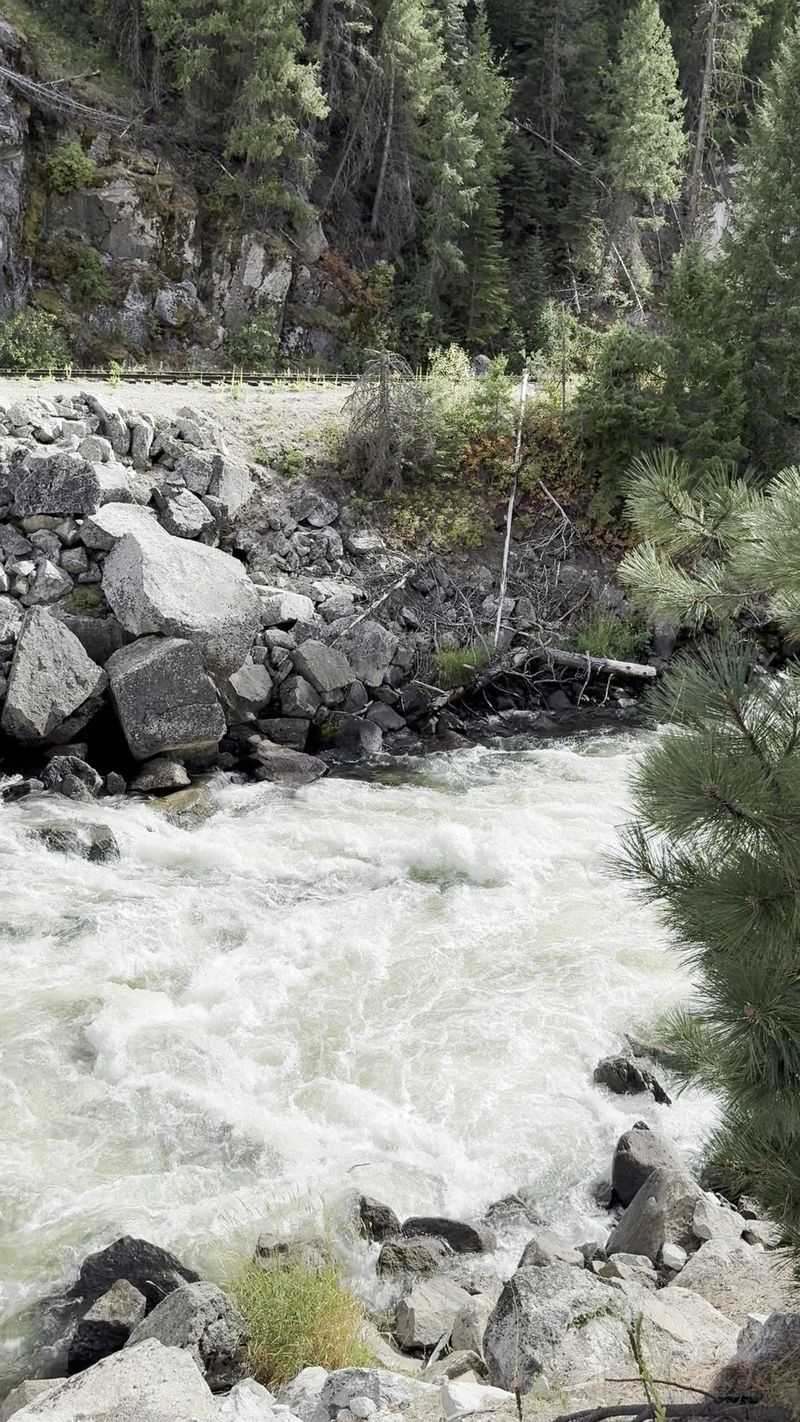
Half the fun of a scenic drive is the thing you didn’t plan for. Along this route, that surprise might be a waterfall.
One traveler driving from Meridian to McCall mentioned finding a waterfall along the way. Side streams feed the river, especially during spring runoff.
These little cascades come and go with the seasons. A trickle in late summer might be a lively spill in May.
Keep an eye on the hillsides as you drive. Bright splashes of white against dark rock are easy to miss at full speed.
Wildflowers can add color to the canyon in spring and early summer. Combined with rushing water, the slopes feel especially alive.
Please stay on safe ground near any water. Wet rocks along the canyon can be slick, and the river current is strong.
Little moments like these make each trip a bit different. You can drive the same road twice and still find something new the second time.
Sagebrush Gives Way To Tall Pines
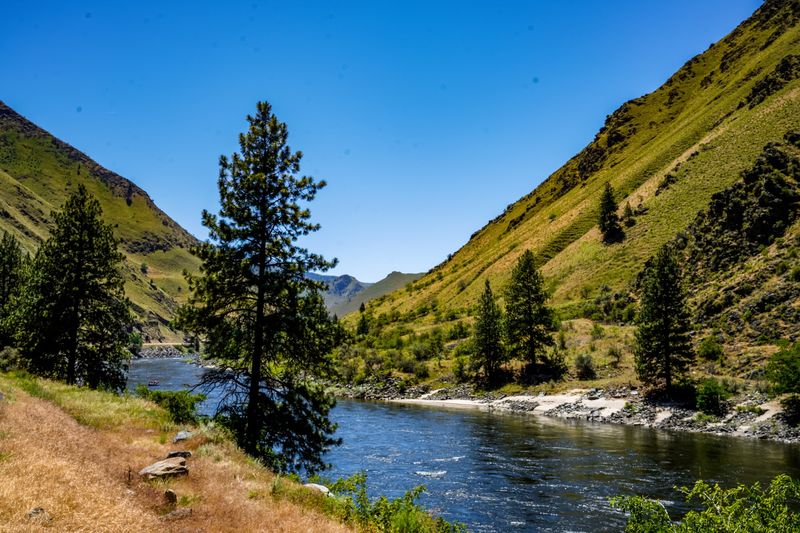
Start near the Boise foothills and the hills look dry and golden. By the time you reach Smiths Ferry, you’re surrounded by tall evergreens.
That change in landscape is one of the quiet joys of the Payette River Scenic Byway. You feel the elevation gain without hiking a single step.
The lower canyon shows off rocky slopes and open hillsides. Farther north, the forest thickens and the air often feels cooler.
Summer drivers escaping Treasure Valley heat will appreciate that shift. Rolling down the window into pine-scented air is a fine reward.
Autumn can bring patches of gold from aspens and other trees mixed among the evergreens. Timing varies each year, so color is never guaranteed.
The variety makes it hard to pick a favorite stretch. Some travelers love the canyon, while others wait for the mountain meadows.
Either way, the route packs a lot of Idaho into one drive. It’s a geography lesson that never feels like homework.
Long Valley Opens Up Near Donnelly
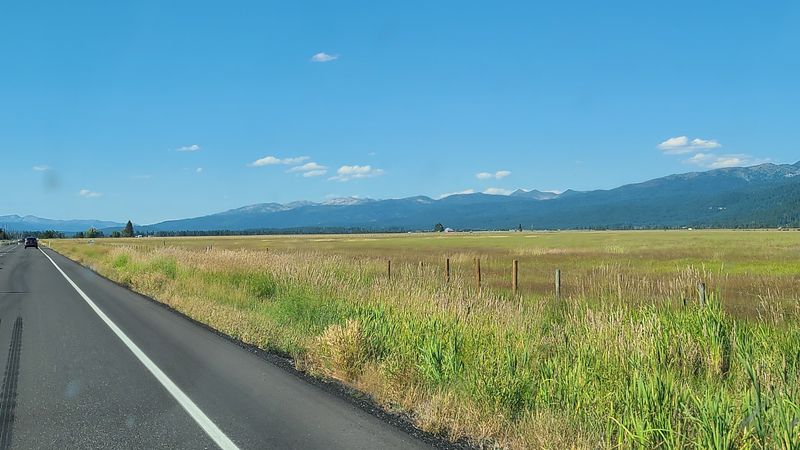
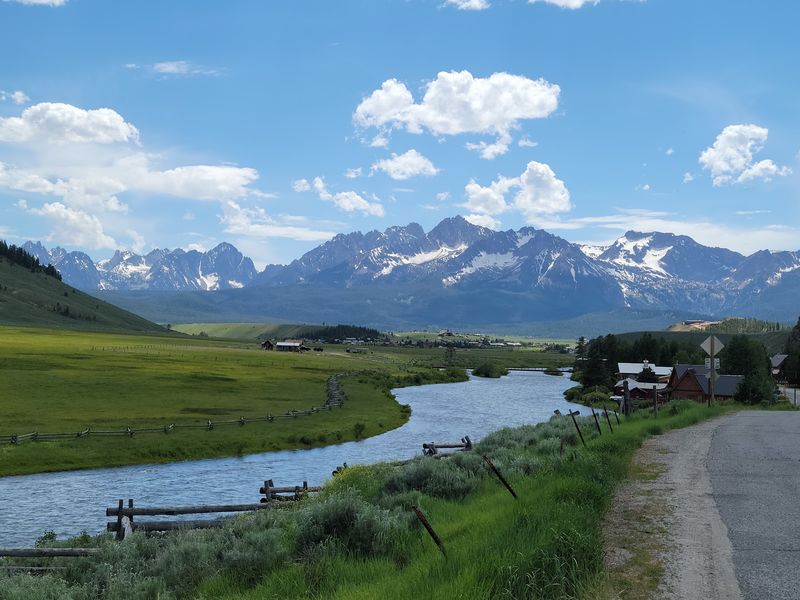
North of Cascade, the road leaves the tight canyon behind. Broad meadows and mountain views take over as you approach Donnelly.
This open stretch is known as Long Valley. Ranch land, wide skies, and distant peaks give it a calmer, roomier feeling.
Donnelly sits near the shore of Lake Cascade and makes an easy place to pause. It also serves as a gateway to the Tamarack area to the west.
The valley can be especially pretty early or late in the day. Low sun stretches long shadows across the fields.
Wildlife may appear in open areas, so drive with care. Deer and other animals can cross roads in mountain country without warning.
Watch your speed as you pass through small towns. Limits drop, and the communities appreciate unhurried visitors.
Long Valley proves the byway is more than a river canyon. It’s a full tour of Idaho’s west central mountains, served one bend at a time.
McCall Makes A Sweet Finish Line
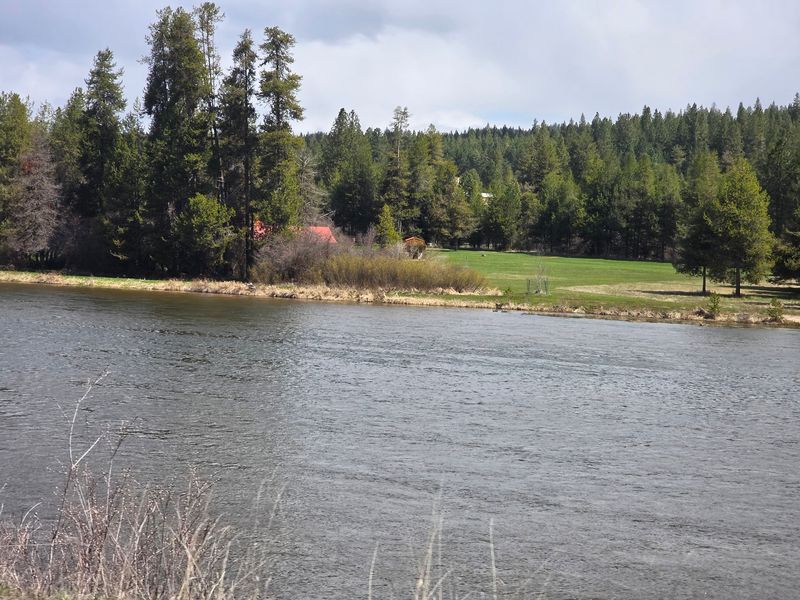
Every great drive deserves a reward at the end. For many travelers, that reward is McCall and Payette Lake.
The mountain town sits on the shore of the lake, surrounded by forest. It offers dining, shopping, lodging, and plenty of lakeside space to unwind.
Many people drive the byway from the Treasure Valley straight to McCall. One couple said choosing this route home from McCall was a great choice they’d repeat.
Ponder State Park, on a peninsula in Payette Lake, is popular for hiking and views. Summer brings boating and swimming, while winter turns the area into snow country.
McCall is also famous for its winter carnival, which features snow sculptures. Dates change each year, so check ahead.
Ending your drive here gives the day a satisfying shape. You start in the foothills and finish beside a mountain lake.
The route continues beyond McCall toward New Meadows too. Some drivers keep going, while others call McCall the perfect place to park.
Fresh Pavement Makes The Ride Smoother
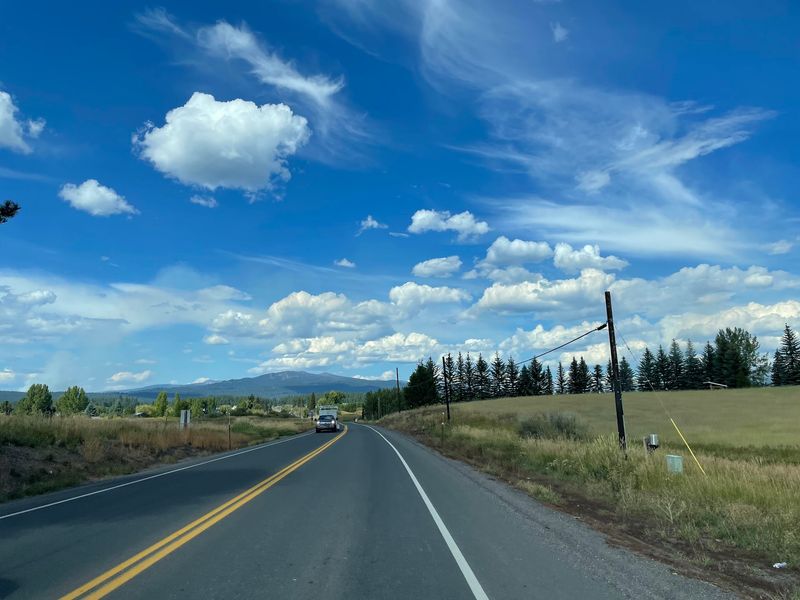
Good scenery is even better when the road isn’t rattling your coffee cup. Recent travelers have noted a newly resurfaced roadway along parts of the byway.
That’s welcome news on a curvy mountain highway. Smooth pavement lets drivers focus on the curves instead of potholes.
Highway 55 is a busy route, especially on summer weekends. Patience goes a long way when traffic stacks up behind slower vehicles.
Construction projects can pop up during warmer months. Checking Idaho road reports before you leave can save frustration.
The canyon section has tight curves and steep drop-offs to the water. Take it at a comfortable pace and use pullouts to let faster traffic pass.
Winter driving demands extra caution with snow and ice possible. Chains or good winter tires may be needed during storms.
Handled with care, the drive is a pleasure in any season. The smooth surface just adds a little extra comfort to the experience.
Planning Tips For A Relaxed River Day
Getting started is easy, since the route is a public highway open around the clock. Most travelers pick it up near Eagle or Horseshoe Bend heading north.
Give yourself at least a few hours to enjoy the drive with stops. Rushing it defeats the purpose of a scenic byway.
Fuel up before entering the canyon, where services can be spread out. Towns like Cascade and McCall offer more options.
Cell service may fade in some canyon sections. Downloading a map ahead of time is a smart move.
Summer is the busiest season, with rafters and lake visitors on the road. Weekday mornings can feel more relaxed.
Pack water, snacks, layers, and sun protection. Mountain weather can shift faster than you expect.
The drive itself doesn’t charge admission, though some parks along the way may have day-use fees. A little planning keeps the day easy and the budget happy.
Why The Long Way Home Wins Here
One visitor called it well worth the added time for a side trip. That sums up the Payette River Scenic Byway pretty neatly.
Few drives in Idaho pack so much water, forest, and history into one route. You get rapids, a historic bridge, two big lakes, and mountain towns along the way.
It suits families, couples, photographers, paddlers, and anyone who loves a good road trip. Nobody has to agree on one activity, because the road offers a little of everything.
Locals heading to McCall might rediscover a route they’ve taken for granted. Newcomers will wonder why nobody told them sooner.
Every season changes the look, from spring runoff to snowy winter scenes. That variety gives you a reason to return again and again.
I can’t imagine a better way to turn a simple drive into a full day out. Roll the windows down, listen for the river, and let it guide you north.