This Connecticut Farm Raises 100% Grass-Finished Beef And Is Becoming A Destination For Farm-Fresh Meat Lovers
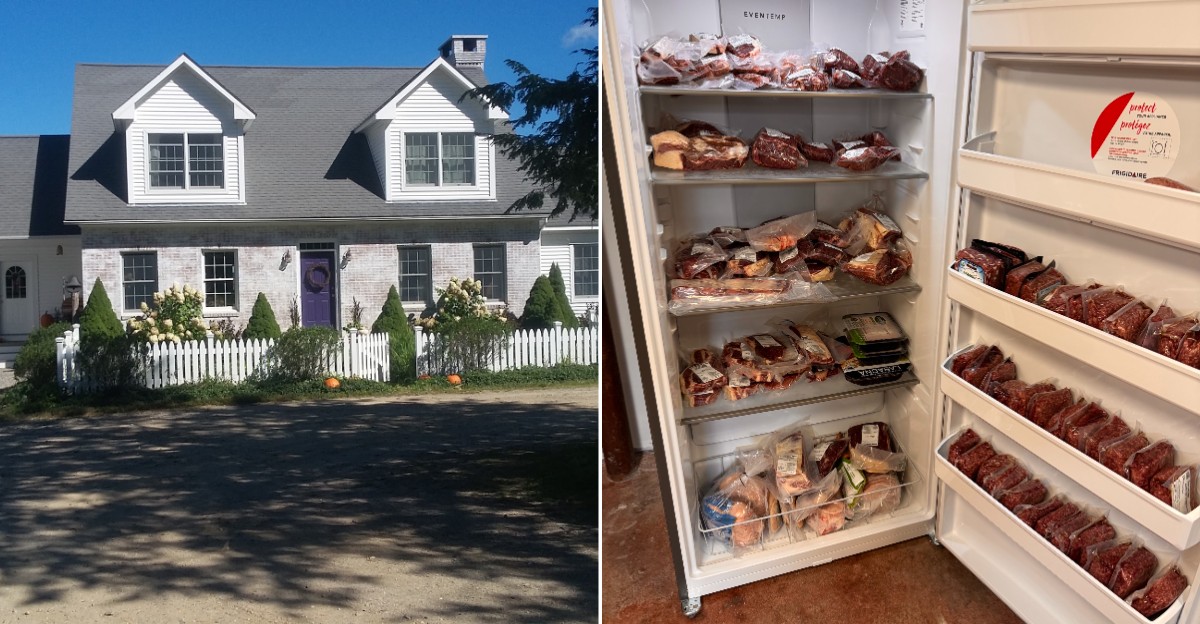
Buying beef at the supermarket is usually a pretty straightforward errand. You pick a package, check the price, and hope dinner turns out the way you imagined.
But what if you could learn more about where that meat actually comes from?
One Connecticut farm is drawing interest for its 100% grass-finished beef, offering shoppers a more direct connection to local agriculture.
That’s what caught my eye. There’s something appealing about knowing the people behind the food you’re bringing home.
And grass-finished beef raises some interesting questions about farming methods. It’s not necessarily something most shoppers think about while standing in the meat aisle.
I love the thought of a farm making those everyday food choices feel a little more personal.
Of course, everyone has their own priorities when buying meat. But for people interested in how their food is raised, this sort of local connection can be especially meaningful.
Sometimes the story behind dinner is almost as interesting as the meal itself.
1. Grass From Start To Finish Is The Whole Point Here
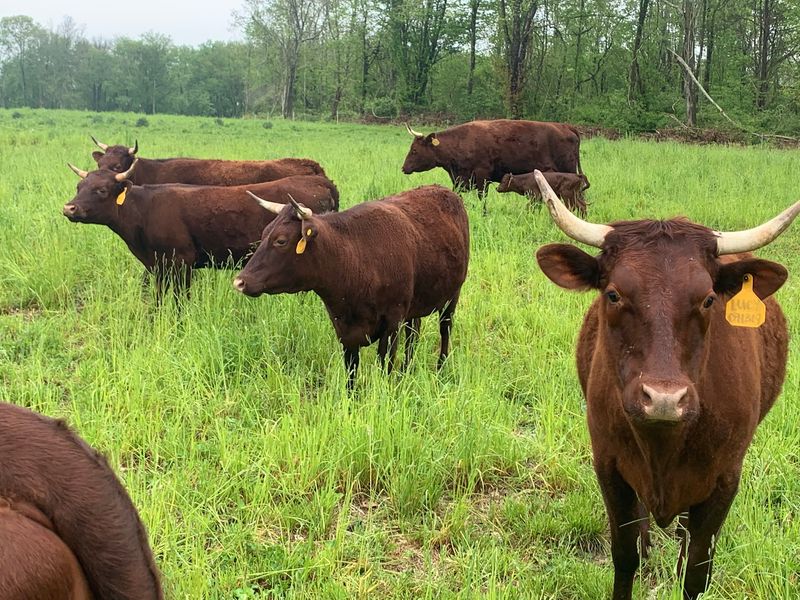
Never a single bite of grain. That’s the promise at Devon Point Farm, and it shapes everything about the beef.
The cattle graze open pasture using rotational grazing. That means the herd moves to fresh grass regularly, giving used fields time to recover.
Winter brings a different menu, but only slightly. The animals munch on round-baled hay when the fields freeze over.
Plenty of beef labeled grass-fed actually gets finished on grain. Here, the cattle stay on grass right up until the end, which is what grass-finished really means.
The farm also skips hormones, steroids, and antibiotics. Their beef listings note no vaccines either, keeping things about as simple as farming gets.
Why should you care? Grass-finished beef tends to cook a little differently than grocery store meat.
It’s usually leaner, so lower heat and a careful eye go a long way.
A good tip is to pull steaks off the heat a bit early. Let them rest, and that slow-grown flavor gets its moment.
Honestly, it’s refreshing to find a farm that sticks to one clear rule. Cows eat grass.
Everything else follows from there.
2. Meet The Rare Red Cattle With A Pilgrim-Era Pedigree
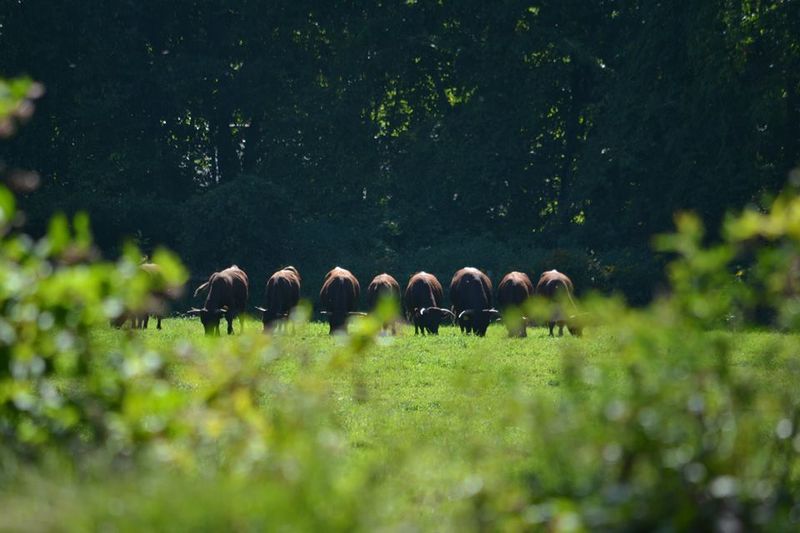
Back in 1623, the first cattle breed brought to what became the United States stepped off the boat. Those animals were Devons, and their descendants now graze in North Stonington.
Patty and Erick Taylor raise registered American Milking Devons, sometimes called Ruby Red Devons. Their deep red coats make them easy to spot across a field.
Early colonists relied on these cattle for three jobs. They provided meat, milk, and muscle as working oxen pulling plows and carts.
Over time, bigger specialty breeds pushed the Devons aside. The breed became rare, and families like the Taylors stepped in to help keep it going.
Devon Point Farm maintains one of the largest herds of the breed in the country. That’s a big deal for a cow most people have never heard of.
The Taylors breed to historical standards for multipurpose cattle that thrive only on grass. Basically, they’re raising cows the way New England farmers did centuries ago.
Next time you bite into a burger from here, think about that. You’re tasting a bit of living history, no museum ticket required.
3. An Old Apple Orchard Got A Second Chance
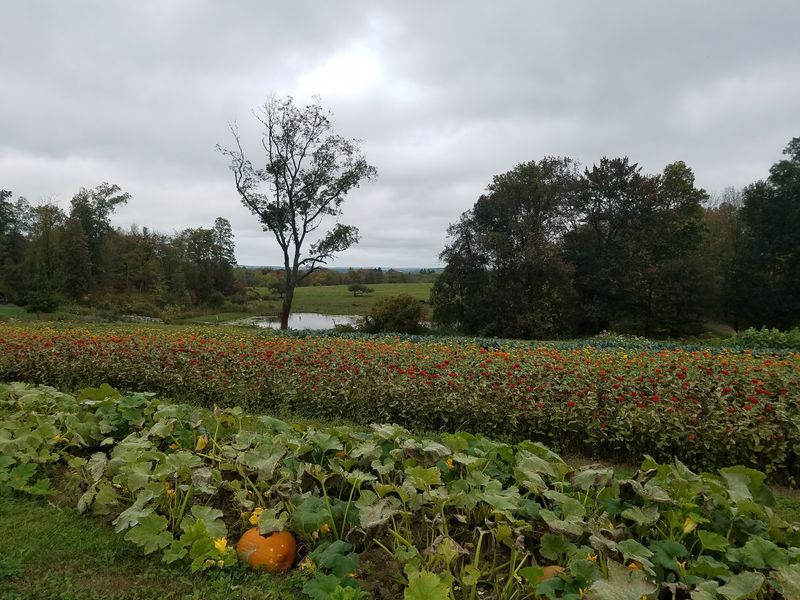
Long before the cattle arrived, this land grew apples. The property was Joy Orchards for more than 40 years.
Then the orchard went quiet. The fields sat fallow for 18 years, slowly waiting for someone with a plan.
Enter Patty and Erick Taylor. They had already been raising American Milking Devons since 2000, and in 2007 they bought this 93-acre farm.
Turning a long-idle orchard into working pasture took real effort. Today, those fields feed a heritage herd instead of apple trees.
I love a comeback story, and this one checks every box. A historic breed found a home on land that needed new purpose.
The farm sits in North Stonington, a rural corner of Connecticut near the Rhode Island line. It’s the kind of area where open space still feels generous.
The Taylors moved their operation here from a previous location. Some longtime customers followed them, which says plenty about the bond between farmer and eater.
So when you pull onto the property, remember its layered past. Every pasture here once had a very different job.
4. Calm Cows Start With Smart Handling
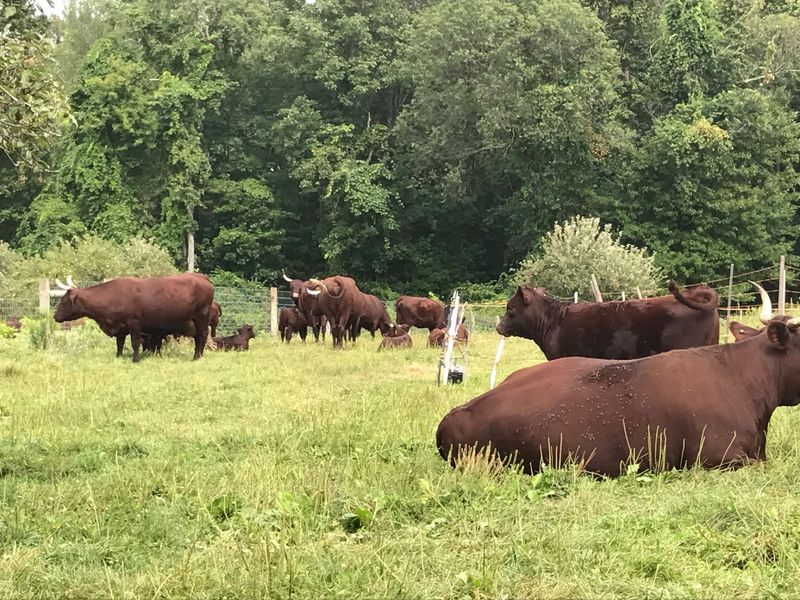
Stress matters, even for cows. Devon Point Farm takes that idea seriously by following Temple Grandin’s low-stress animal handling methods.
Grandin is famous for designing livestock systems that keep animals calm. Her ideas changed how many farms and processors think about animal welfare.
The farm’s butchering facilities also follow her designs. That means the animals move through spaces built to reduce fear and confusion.
Another smart choice involves the herd itself. The Taylors breed their cattle as a closed herd, which helps minimize the chance of outside disease.
A closed herd means they aren’t constantly bringing in new animals from elsewhere. Fewer strangers, fewer surprises.
The farm describes its mission as producing clean meat. It calls itself an organic farm, though no organic certification appears on its site.
What does all this mean for your dinner plate? You get beef raised with care at every step, from pasture to processing.
Plenty of folks want to know their food was treated well. Here, that care isn’t a slogan on a package.
It’s built right into the farm’s daily routine and even its fences.
5. Your Freezer Is About To Get Very Organized
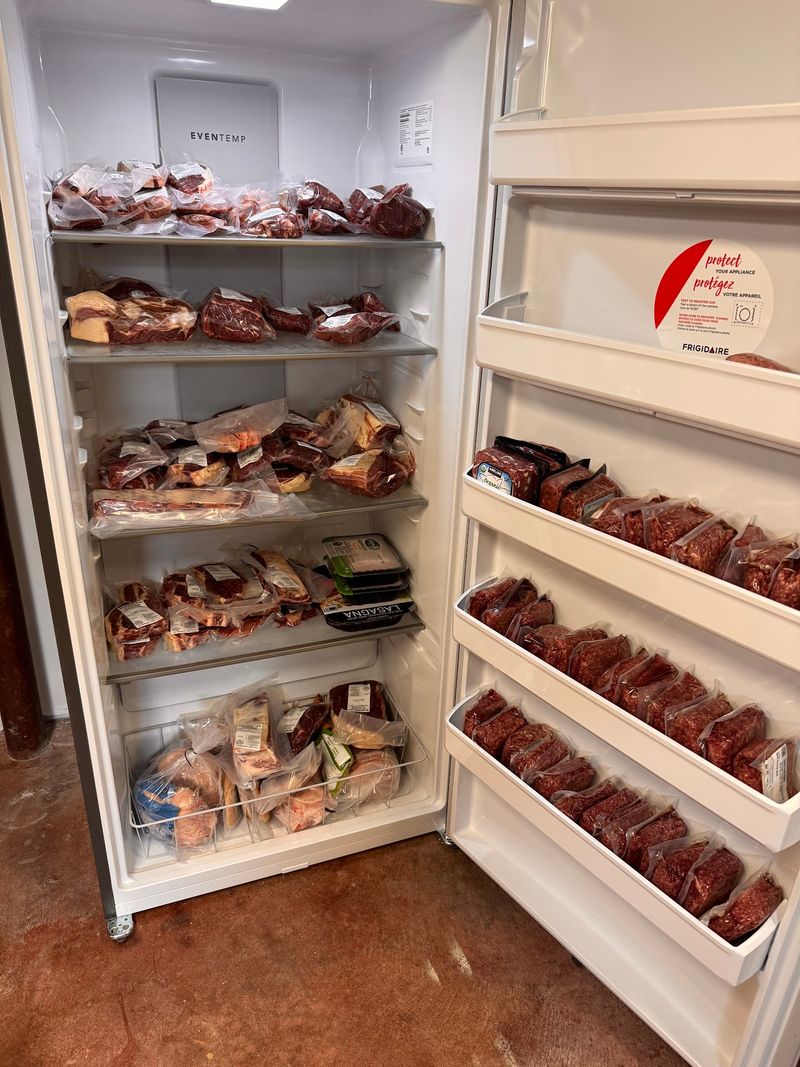
Ribeye, tenderloin, NY strip, brisket. The cut list at Devon Point Farm reads like a steakhouse menu, minus the white tablecloths.
Shoppers can grab individual cuts, including ground beef, roasts, stew meat, and organ meats. Variety is easy to come by.
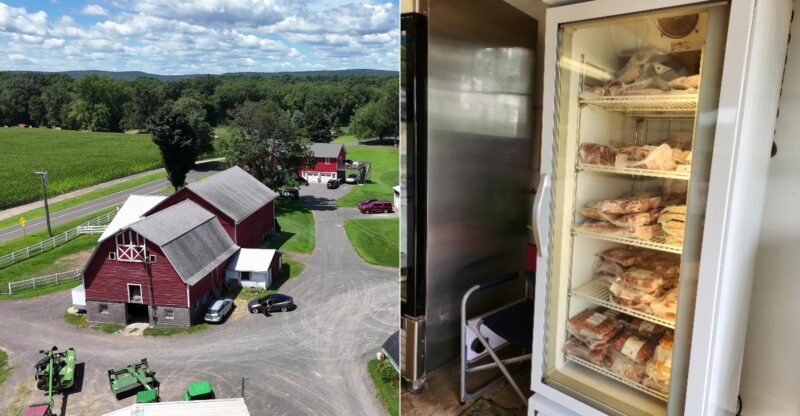
Every package is vacuum shrink-wrapped and labeled by cut. No more digging through mystery bundles hoping for steak and finding soup bones.
The beef is butchered under USDA supervision. Then it’s dry-aged for about 10 days to two weeks.
Dry aging lets natural enzymes work on the meat. The result is often deeper flavor and better tenderness, which pairs nicely with lean grass-finished beef.
Here’s a practical tip for first-timers. Make room in your freezer before pickup day, because these neat packages add up fast.
Brisket lovers should plan a low-and-slow weekend. Organ meats are worth a try too if you’re feeling adventurous in the kitchen.
Picking cuts this way feels a bit like building your own custom meal plan. And with labels on everything, Tuesday night dinner decisions just got a lot easier.
6. The Pigs Here Bring Some Serious Heritage Too
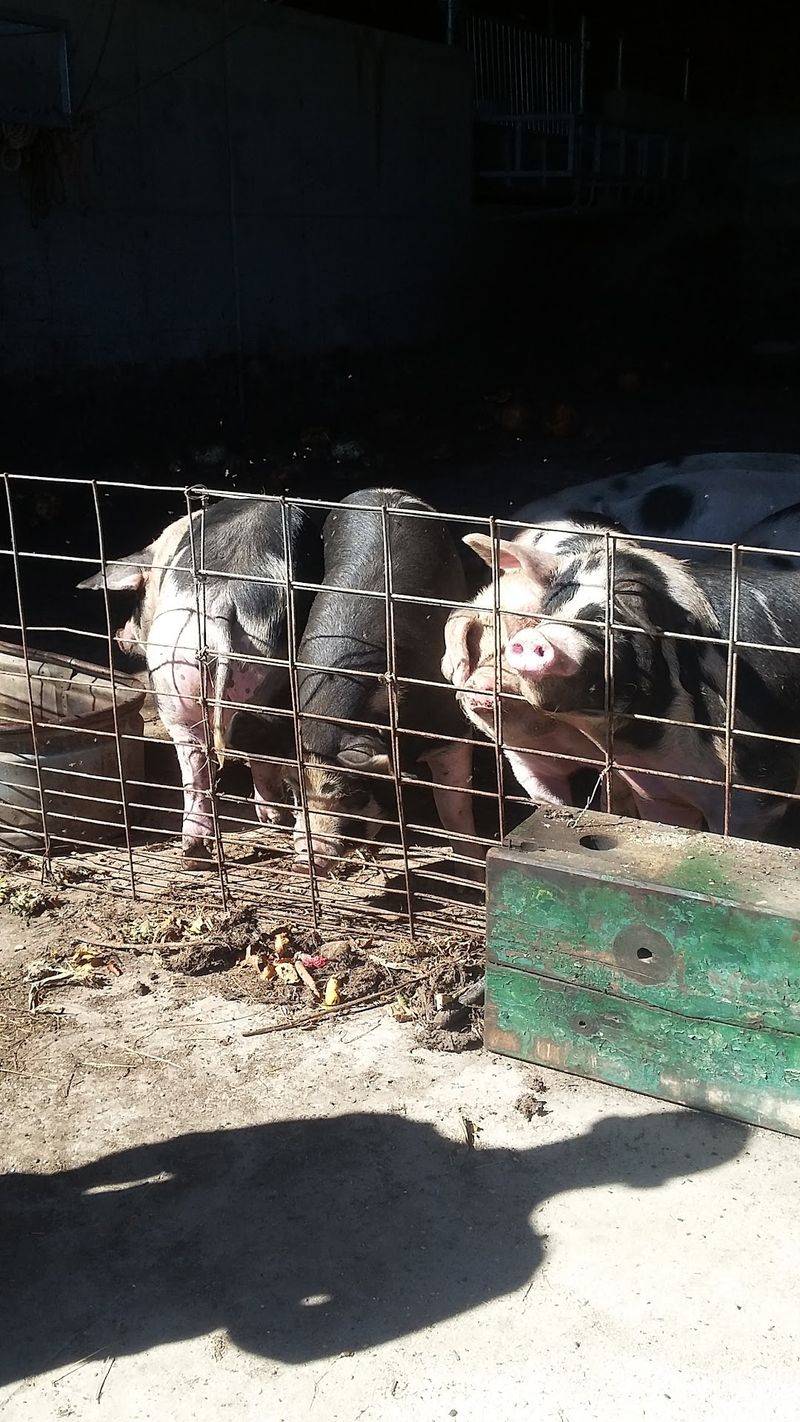
Red Wattle meets Gloucester Old Spots. That heritage crossbreed is the star of the pork side of Devon Point Farm.
Red Wattle pigs are known for the fleshy wattles hanging from their necks. Gloucester Old Spots are a classic English breed with spotted coats.
Together they make pastured heritage pork with real character. The pigs get room to roam outdoors.
Their diet is supplemented with non-medicated, unprocessed whole grains. Like the cattle, they’re raised without hormones or antibiotics.
Pork here comes by the half or whole pig. Each one is custom butchered, so you get a say in how it’s cut.
That’s a fun opportunity if you love chops, roasts, or sausage. Think about your favorite recipes before placing an order.
Heritage pigs often carry more fat than modern commercial breeds. Many cooks see that as a bonus for flavor, and extra fat can always be trimmed.
The farm also sells eggs from heritage breed chickens. So if you’re making a breakfast spread, you can cover bacon-adjacent goodies and eggs from the same fields.
7. Plan Ahead Because Pickup Runs On Appointments
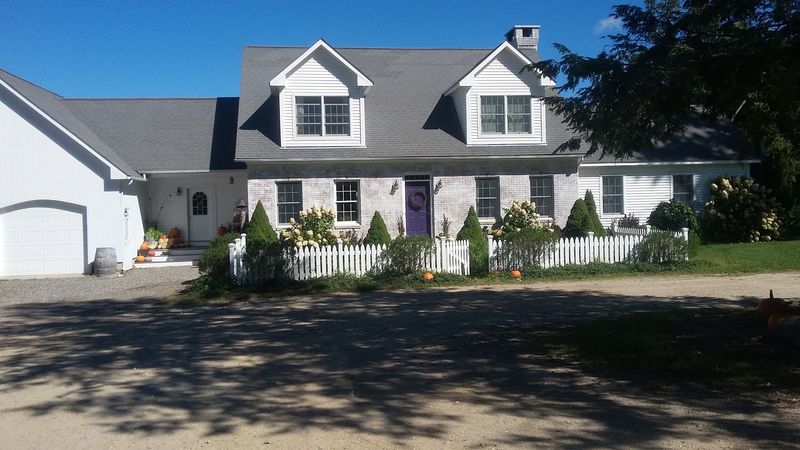
Want to pick up beef straight from the farm? There’s one little detail to remember before heading out: you’ll need an appointment.
Devon Point Farm keeps its on-farm pickups organized by scheduling them in advance. Customers arrange their orders and collection times ahead of their visit, making the process easier for everyone working there.
And if a trip to the farm doesn’t fit your schedule, there are other options. Local delivery serves several areas, including Hartford, New Haven, Providence, Worcester, and Boston.
The farm offers delivery by arrangement to parts of the Northeast, including areas around Hartford, New Haven, Providence, Worcester, and Boston.
Still, there’s a certain appeal to collecting your order in person. The drive through the countryside around North Stonington offers a pleasant change from busy streets, and you get a glimpse of the rural setting behind the business.
The farm’s address is 54 Jeremy Hill Road, North Stonington, CT 06359. For longer drives, bringing a cooler helps keep frozen meat cold on the way home.
Just remember to arrange your pickup time in advance. It’s a simple system that lets the farmers prepare your order while keeping their working day on track.
8. Breeders Come Looking For These Genetics
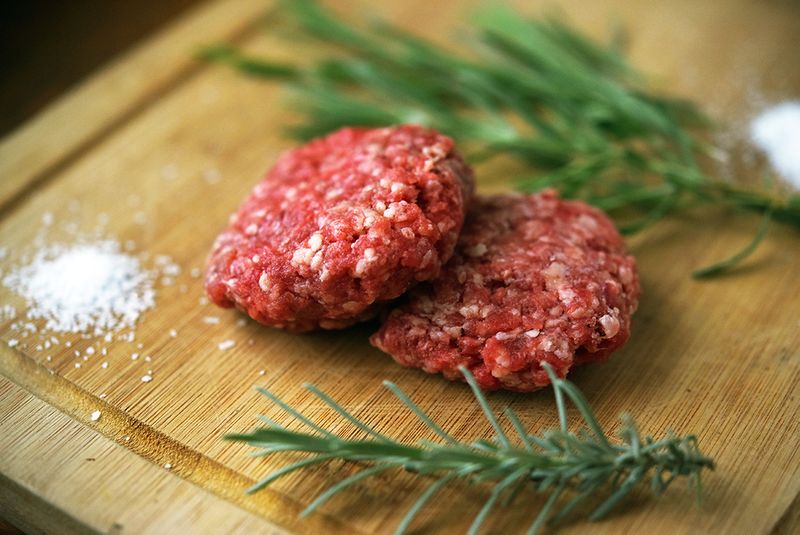
Not every visitor wants steak. Some come for the cows themselves, because Devon Point Farm sells breeding stock.
The Taylors offer calves, cows, bulls, and even semen. That helps other farmers start or grow their own American Milking Devon herds.
Their herd also features A2 genetics. A2A2 bulls appear in their herd sire line, which interests farmers focused on milk qualities.
A2 refers to a type of protein found in some cows’ milk. Breeders who care about this trait seek out herds with proven lines.
Supplying breeding stock spreads a rare breed to new pastures. Every new herd helps keep the Devon story going.
For the rest of us, it’s a neat reminder of the farm’s bigger mission. Beef is only one part of the picture.
The Taylors have spent over two decades with this breed. That kind of dedication shows in a herd known across the country.
So whether you’re filling a freezer or starting a farm, this spot has something for you. Few places can say they feed families and preserve history from the very same pasture.