Soldiers Built This Nebraska Fort In 1819 And Its Rebuilt Walls Still Stand Above The Missouri
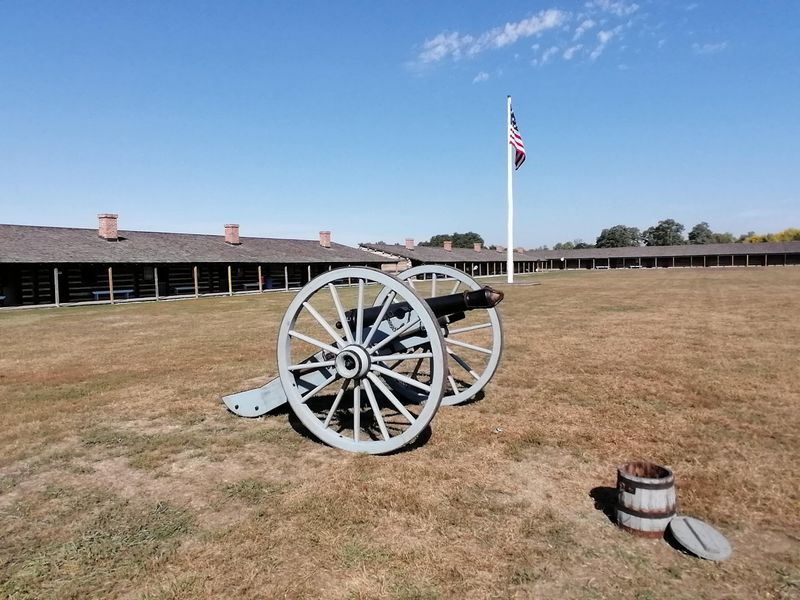
At one point, nearly a quarter of the entire U.S. Army called one bluff above the Missouri River home.
That bluff sits in Nebraska, and you can still stand on it today.
The soldiers came in 1819, packed up by 1827, and left the frontier behind. Then, generations later, the walls went back up.
Barracks, gates, and shops now rise again on the same ground those troops once paced.
I like how this spot refuses to stay in the textbook. On certain weekends, cannons still boom and blacksmiths still hammer away.
Weavers spin thread, soldiers drill, and the 1820s feel strangely close.
I can’t imagine a better way to make old history feel personal. So how did a remote frontier outpost become a place families drive to on a sunny Saturday?
A Frontier Outpost Perched Above The River Valley
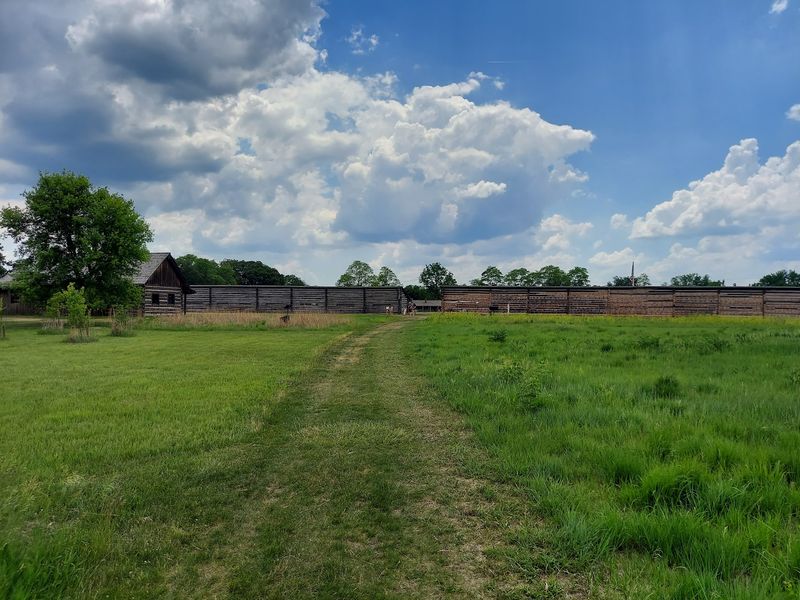
Just east of a small town north of Omaha, a log fort rises on a grassy bluff overlooking the Missouri River valley. Welcome to Fort Atkinson State Historical Park, one of the most surprising history stops in Nebraska.
The park sits beside Fort Calhoun, an easy drive from the Omaha metro. That short trip makes it a natural pick for an afternoon outing without a long haul.
So what exactly will you find here? A reconstructed military post, a visitor center full of artifacts, open grassy grounds, and walking trails that roll across the bluff.
The original fort stood here from 1819 to 1827. It was the first U.S. military post built west of the Missouri River, which is a big claim for a quiet corner of Washington County.
Today, the Nebraska Game and Parks Commission takes care of the grounds. The fort has also been named a National Historic Landmark, a title reserved for places with real national weight.
Fort Atkinson State Historical Park mixes open-air wandering with hands-on history. It’s the kind of stop where a quick look easily turns into a whole afternoon.
The Soggy Start That Pushed Everyone Uphill
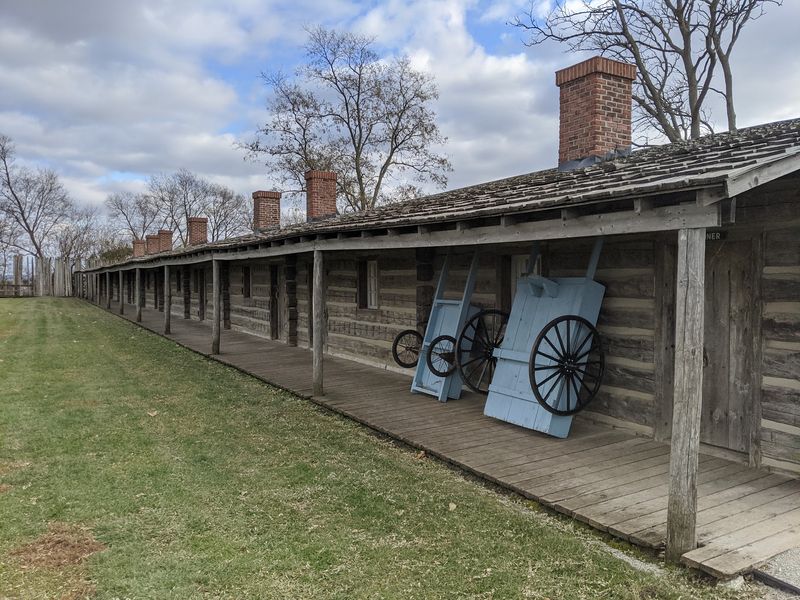
Every good story needs a rough first draft, and this fort had a very wet one. The soldiers’ first camp sat right down on the Missouri River floodplain.
Here’s how it began. In 1819, President James Monroe sent Colonel Henry Atkinson west as part of the Yellowstone Expedition to set up military posts along the Missouri River.
That fall, the troops built a temporary winter camp called Cantonment Missouri. It sat low near the water, which seemed handy right up until spring arrived.
Flooding in 1820 swamped the plan. The soldiers had to move and start over on higher ground, a lesson in real estate that still makes sense today.
Their new spot was a bluff known as Council Bluff. The more permanent post built there became Fort Atkinson, named for the colonel who led the effort.
When you stand on the bluff now, the choice makes perfect sense. You get height, a long view of the valley, and a safe distance from a river with a temper.
Those soldiers learned quickly, and the move shaped everything that followed.
Ground Where Lewis And Clark Held Their First Council
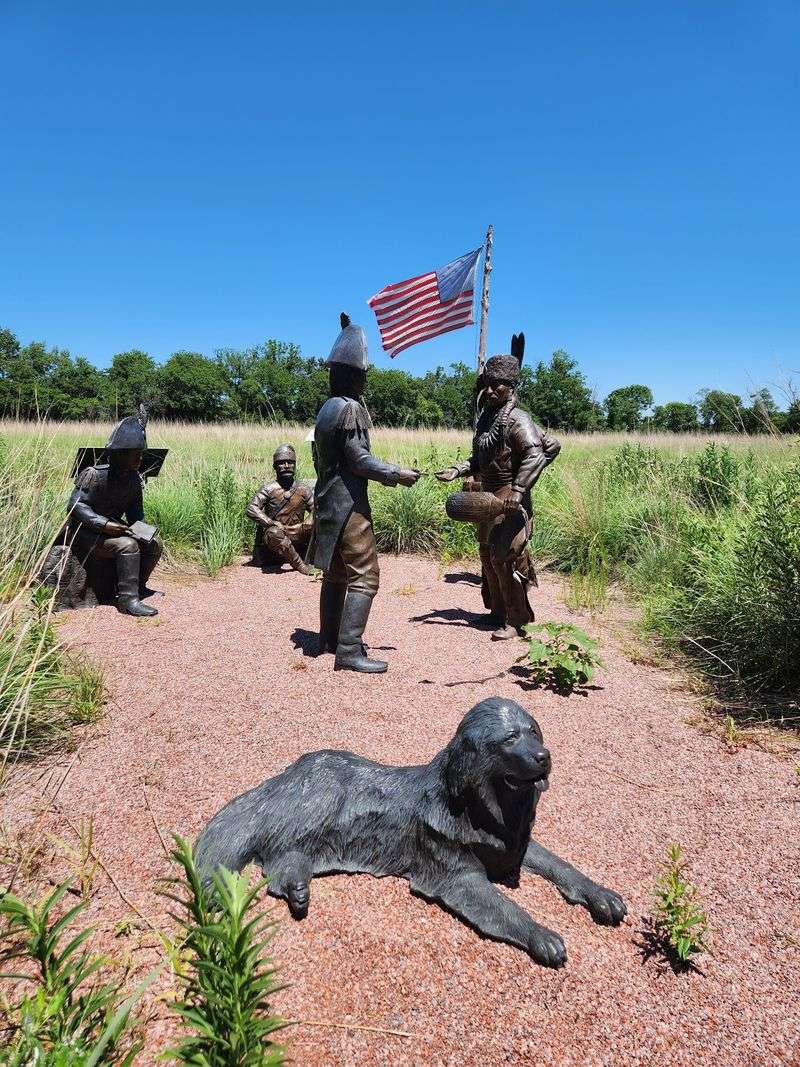
Fifteen years before any soldier swung an axe here, Meriwether Lewis and William Clark stopped on this very bluff. In 1804, they held their first formal meeting with the Otoe-Missouria people at this spot.
That meeting gave the place its name, Council Bluff. It’s a name that still points straight back to that moment in 1804.
Clark also had an eye for good land. He noted the bluff as a fine location for a trading post and a fort, and his suggestion stuck.
Talk about a strong recommendation. A little over a decade later, the Army built right where he pointed.
A First Council Sculpture now stands on the grounds to mark the event. It gives visitors a clear place to pause and think about that early meeting.
I love that one patch of Nebraska ground connects two big chapters at once. The Corps of Discovery passed through, and then a whole military community grew here.
Few places in the state let you stand in both stories simply by staying in one spot.
Roughly 1,200 Soldiers On One Nebraska Bluff
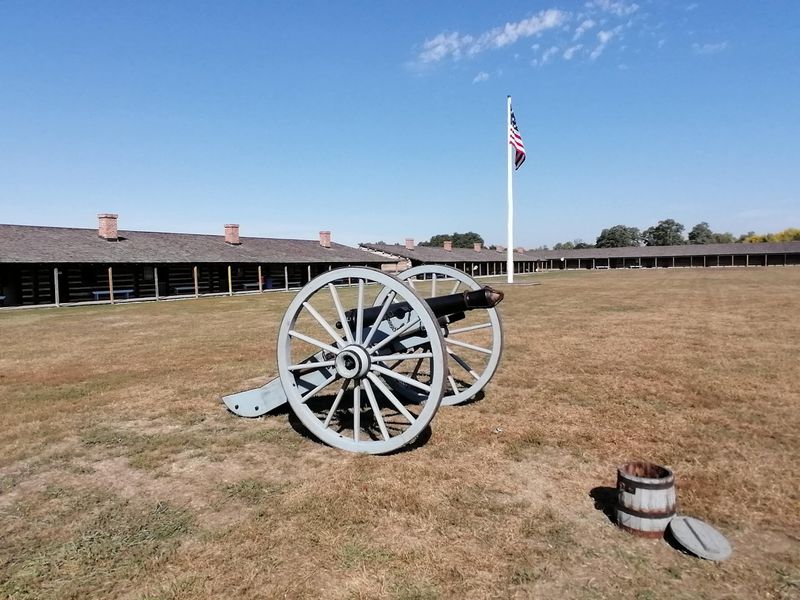
Nearly one-quarter of the standing U.S. Army once lived here.
At its peak, Fort Atkinson housed roughly 1,200 soldiers, which is a lot of boots for one bluff.
That number turns heads for good reason. This remote post was among the most important military sites on the western frontier during the 1820s.
So why station so many troops out here? The main job was protecting the growing American fur trade along the Missouri River.
The post also worked to keep peaceful relations with Native nations in the vast territory to the west. It served as a kind of anchor for American presence in the region.
Picture the daily logistics without the cars, trucks, or highways. Every supply, tool, and meal depended on river travel, local farming, and a lot of hard work.
When the fur trade no longer needed that protection, the Army pulled out in 1827. The fort’s run was short, just eight years, but its role was outsized.
Standing inside the rebuilt walls, it’s hard not to try counting how 1,200 people once fit into this frontier life.
Classrooms, Books, And Crops Before Statehood
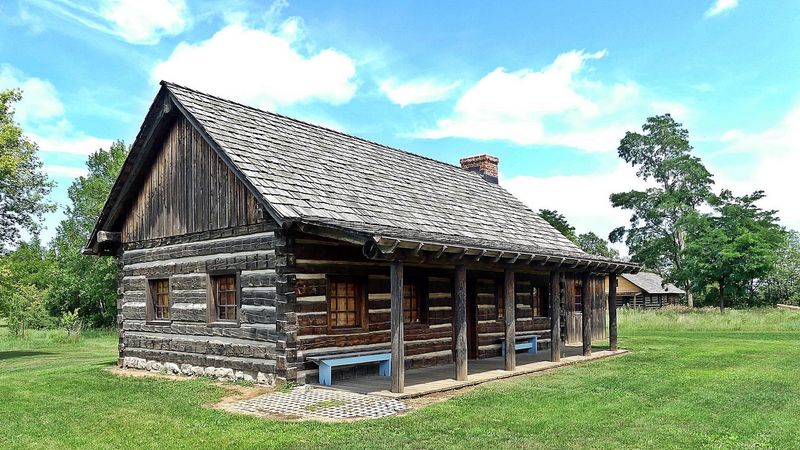
Long before Nebraska became a state, this fort was racking up firsts. The post was home to the first school and first library in what is now Nebraska.
That surprises a lot of people. Most folks picture a frontier fort as all drills and lookouts, not reading and lessons.
The list keeps going, too. Fort Atkinson also ran the area’s first large-scale agriculture and livestock operation.
Feeding that many people took serious effort. Growing crops and raising animals right on site helped the community keep going so far from the eastern states.
In practice, the place worked less like a lonely outpost and more like a small frontier town. Soldiers, workers, and families all played a part in daily life.
For a state built on farming, I think that detail lands with extra meaning. Some of the earliest organized fields and herds in Nebraska history got their start right here on Council Bluff.
So the next time someone talks about Nebraska firsts, this bluff deserves a mention. A school, a library, and a working farm all came before any courthouse or capitol.
How Empty Ground Became A Fort Again
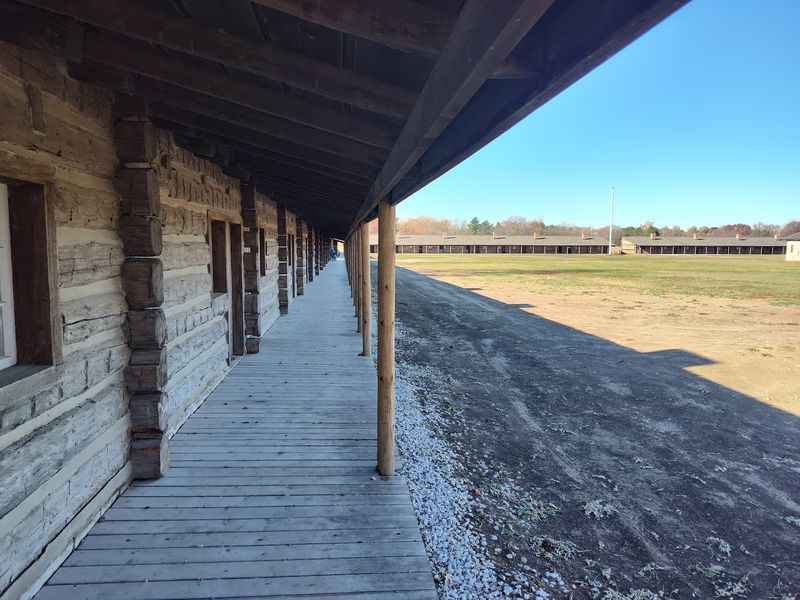
After the Army left in 1827, the fort slowly faded away. Time and weather did what they always do to wooden buildings left alone on a windy bluff.
For generations, the site mostly lived on in records and archaeology. The ground still held clues, but the walls themselves were gone.
Then local people stepped in with a big idea. Concerned residents and the Nebraska Game and Parks Commission started rebuilding the post.
The major reconstruction work took place during the 1980s and 1990s. Piece by piece, much of the outpost rose again on its historic footprint.
That long effort is the reason you can walk through gates instead of just reading a sign. It turned a field with a story into a place you can actually explore.
Artifacts recovered from the site also help tell the tale. Many of those finds now sit in displays at the park’s visitor center.
I like that the comeback came from people who cared about local history. It’s a Nebraska story of neighbors deciding something mattered enough to bring back, and then doing the work.
Barracks, Gates, And A Council House To Wander Through
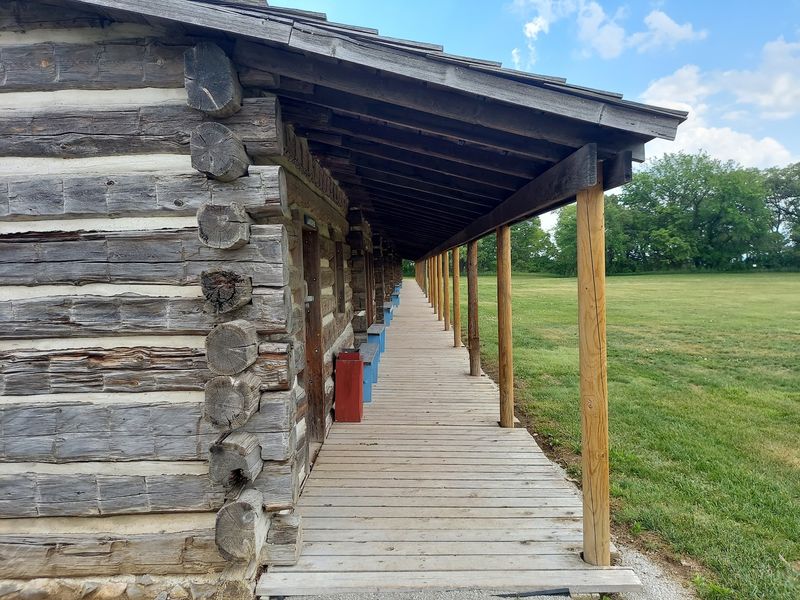
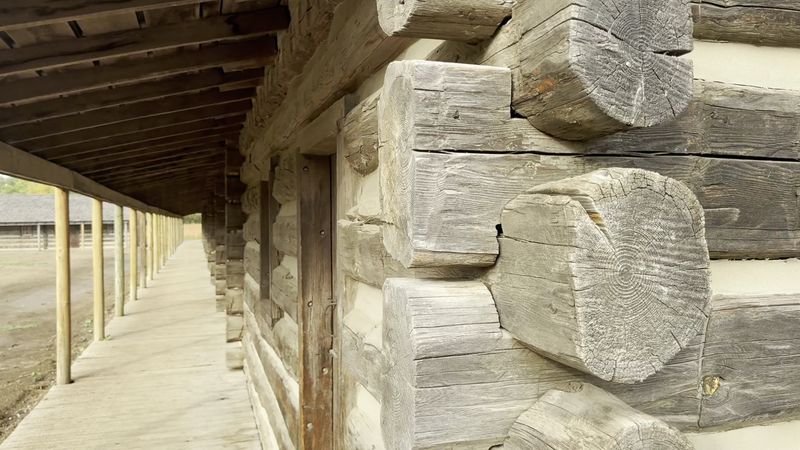
Walk through the gates and the 1820s start stacking up around you. The rebuilt fort includes barracks, sturdy gates, an armorer’s shop, and a council house.
Each building gives a different slice of daily life. Barracks show where soldiers lived, while the armorer’s shop hints at the constant work of keeping equipment ready.
The council house carries extra weight here. On a bluff named for a council, a dedicated meeting space feels right at home.
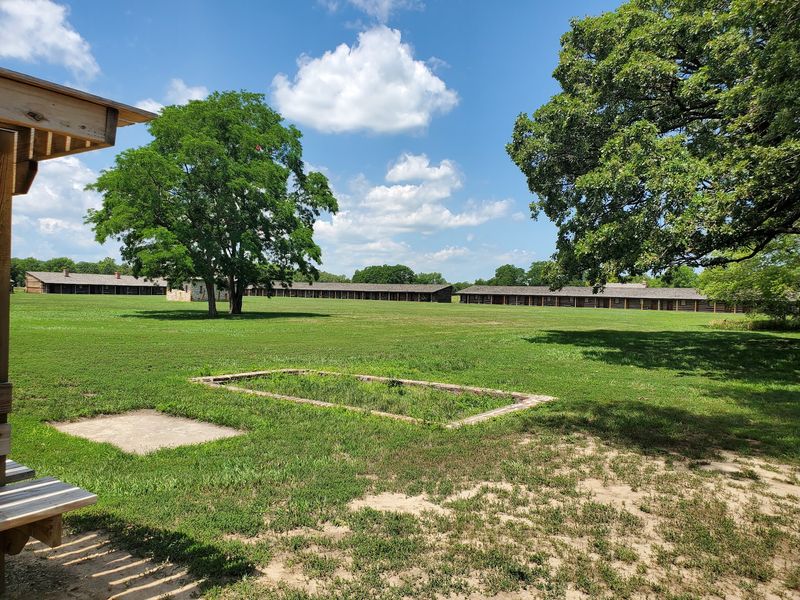
The buildings work best when you slow down. Peek into rooms, study the layout, and try to imagine the courtyard filled with hundreds of people.
On regular days, you can still stroll the grounds and take in the scale of the place. On event days, those same rooms come alive with costumed interpreters and working crafts.
Fort Atkinson State Historical Park lets you see the fort as a whole community, not just a wall. That’s what makes the reconstruction so effective.
You’re not looking at a single cabin behind a rope. You’re moving through a full frontier post that tells its own story room by room.
Artifacts And A Short Film At The Visitor Center
Before heading up to the fort, the Harold W. Anderson Visitor Center makes a smart first stop.
It sets the scene so the walls mean more once you reach them.
Inside, you’ll find displays of artifacts recovered from the fort site. These real objects connect the rebuilt buildings to the people who once lived there.
The visitor center also shows a film about the fort’s history. It’s a quick way to get the timeline straight before you start exploring.
You’ll find it at 201 S 7th St, Fort Calhoun, NE 68023. The center sits in town, while the fort and trails spread out across the park grounds.
Keep in mind that the visitor center operates seasonally. Its hours change through the year, so checking ahead before your drive can save some disappointment.
The museum charges a small admission fee, with lower rates for kids and free entry for the youngest visitors. Two historical markers also stand near the building, so take a minute to read those.
Together, they give the bluff its backstory before you climb up and see it for yourself.
Living History Weekends Bring The 1820s Back
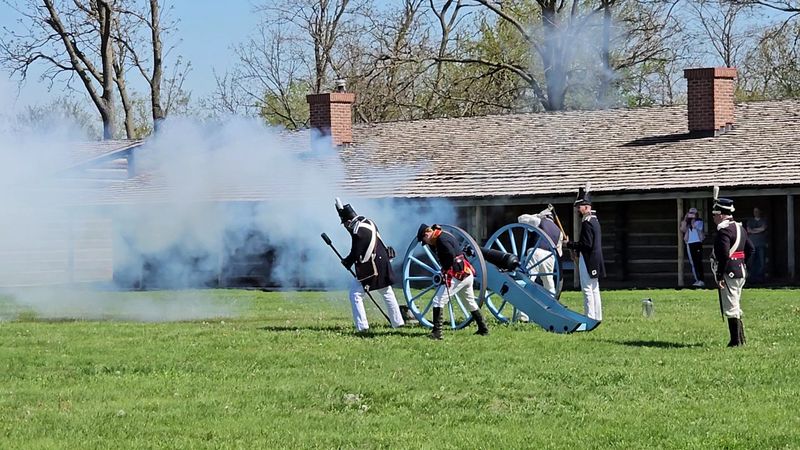
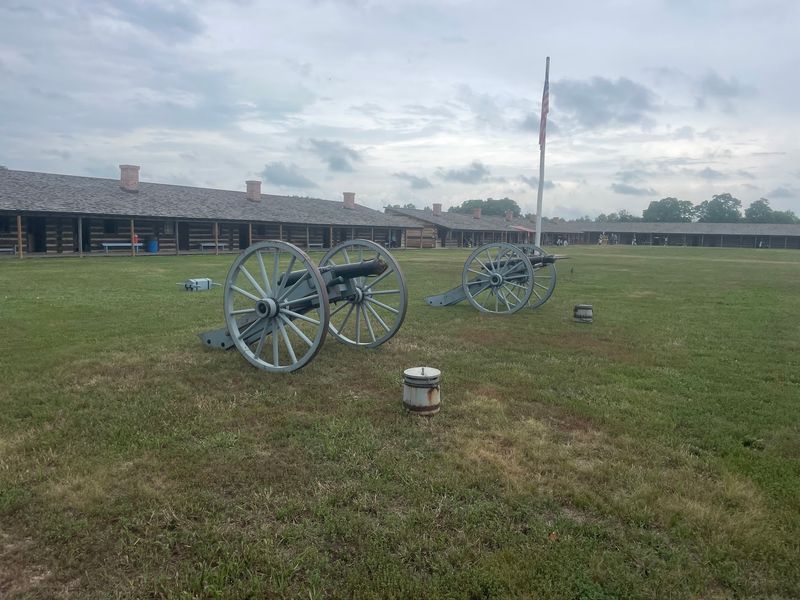
Boom. On living history weekends, a cannon blast is one of the clearest signs the 1820s have returned to Council Bluff.
These events happen on the first weekend of each month from May through October. Volunteers dress as soldiers, artisans, and civilians from the fort’s era.
You can watch military drills right in the courtyard. Seeing troops move in formation helps the scale of the old post make sense.
The day goes far beyond soldiers, though. Interpreters show how ordinary frontier routines worked, from household chores to skilled trades.
Living history is the heart of Fort Atkinson State Historical Park. It’s the feature that turns a quiet set of buildings into a working community for a few days.
Families tend to get a lot out of these weekends. Kids can see history happen instead of reading about it, and adults can ask questions as they go.
If you’re planning a visit, aim for one of these weekends if possible. A regular day is lovely and peaceful.
A living history day, though, adds sound, motion, and people to the whole story.
Hammers, Looms, And A Sutler Worth Browsing
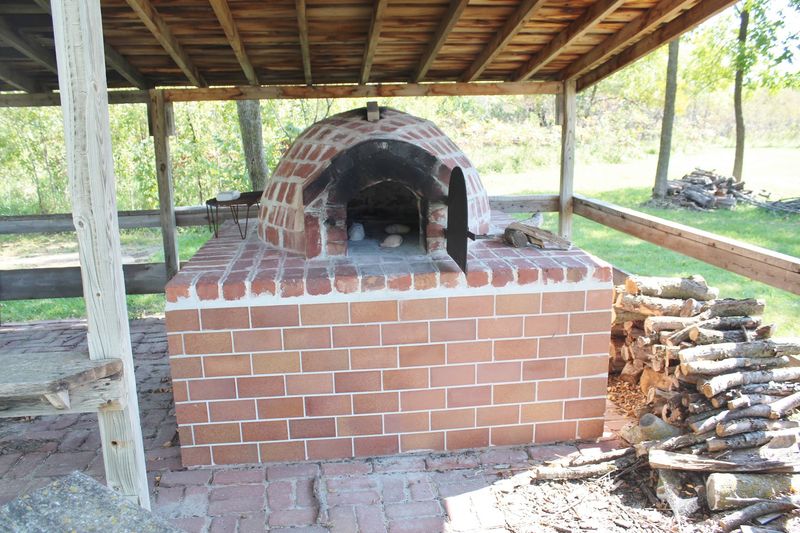
Clang, clang, clang. The blacksmith is often one of the busiest corners of the fort on living history days.
Skilled craftspeople set up shop across the grounds. You may see blacksmiths, coopers, carpenters, tinsmiths, spinners, and weavers all at work.
Each trade solved a real frontier problem. Coopers made barrels, tinsmiths shaped useful goods, and weavers turned fiber into cloth people actually needed.
Watching the process is the fun part. You see raw material slowly become something useful, one careful step after another.
Some of those handmade items end up for sale at the Sutler. The Sutler served as the fort’s store back in the day.
That makes for a souvenir with a story attached. Instead of a generic magnet, you could leave with something crafted the old-fashioned way right on the grounds.
I think the crafts are where the past feels most human. Drills and cannons are exciting, but a spinning wheel shows patience.
It reminds you that frontier life ran on everyday skill as much as anything else. Good luck walking past the forge without stopping to watch.
Two Miles Of Trails, Picnic Tables, And Room For The Dog
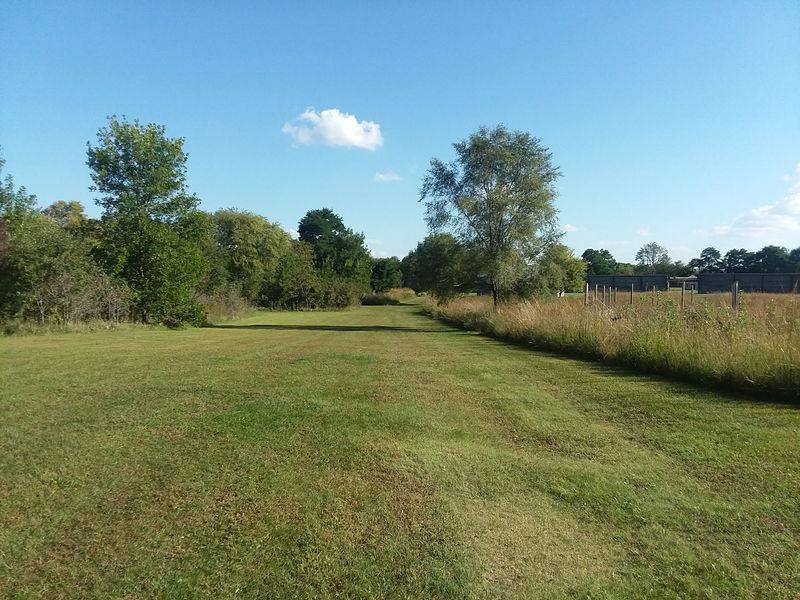
History buffs aren’t the only ones who leave happy here. The park also offers about two miles of trails across the bluff and surrounding terrain.
Those paths cover some of the same landscape Lewis and Clark passed through. A walk here feels like scenery and backstory rolled into one.
Picnic tables and grills are spread around the park. Pack lunch, find a table, and you’ve got an easy, affordable outing in Nebraska.
There aren’t restaurants on site, so planning ahead helps. The nearby town of Fort Calhoun has local dining options if you’d rather eat out.
Dogs are welcome on the grounds, which is great news for pet owners. Keep them on a leash six feet or shorter and clean up after them.
Shade can be limited out in the open, so a hat and water are smart on warm days. The adjacent Boyer Chutes area also makes a natural add-on for anyone wanting more outdoor time.
Between the trails, the fort, and the view, this is easy to turn into a full day.
A Candlelight Tour For Chilly November Evenings
Once the sun drops in November, the fort gets a whole new look. Each year, the park hosts a special candlelight tour.
Flickering light changes the mood completely. The buildings feel closer to how they did before electricity ever reached the frontier.
The tour also shares significant moments from the fort’s history. You learn the story while seeing the grounds in a very different light, quite literally.
Daytime visits show off the bluff and the long river valley views. An evening tour trades that wide view for glowing windows and cozy shadows.
It’s a fun idea for families wanting a fall outing with a twist. Bundle up, since Nebraska evenings in November can bring a real chill.
Exact dates can shift from year to year, so check details before making plans. Event information typically comes from the park itself.
I believe this is one of the best ways to see the reconstruction. Candlelight hides the modern world and lets the 1820s take over for a little while.
It’s a seasonal treat that makes a second visit feel brand new.
Smart Planning Before You Point The Car North
A little prep goes a long way here. You’ll need a Nebraska state park entry permit to access the grounds, available at the park or online.
The grounds open daily all year. The visitor center keeps seasonal hours, so double-check before heading out.
Most interpretive areas and restrooms are wheelchair accessible. Parking and access to the grounds are straightforward too.
Timing matters most for the living history days. The first weekend of the month from May through October brings the biggest show.
Wear comfortable shoes, since the grounds involve a fair amount of walking. Sunscreen and water help on bright summer days with limited shade.
So is Fort Atkinson State Historical Park worth the drive? For anyone who likes history they can actually stand inside, I think the answer is an easy yes.
A frontier post from 1819 now rises again above the Missouri, rebuilt by people who refused to let it fade. Add trails, picnics, and cannon fire, and you’ve got a Nebraska afternoon with real staying power.
The walls are waiting, and so is that view.