You Can Watch Experts Collect Snake Venom At This Kentucky Zoo With One Of The Biggest Venomous Snake Collections In The World
A man coaxes a deadly snake to bite down on a glass container, and a crowd watches every drop of venom fall. That venom isn’t for show.
It helps make antivenom that saves lives.
The snakes doing this work include mambas, cobras, taipans, and rattlesnakes. Many were bred in captivity, and some even hatched right on site.
I can’t imagine a stranger job description for a reptile.
This place sits in a quiet corner of Kentucky near some of the state’s most famous hiking country. It holds one of the largest venomous snake collections in the country, and maybe the world.
I like how it mixes real science with a family day trip.
So how close can you get to a king cobra without any glass in between? Closer than you might be comfortable with.
The Venom Show Is The Main Event, And It Is Real Science
Every day at 1 pm, the Kentucky Reptile Zoo turns a scary idea into a lesson. Visitors get an up-close look at experts collecting venom from some of the planet’s most dangerous snakes.
The method is gentler than most people expect. The snake bites and releases venom on its own, with no squeezing of its glands.
That detail matters for the animals. It keeps the process calm, controlled, and as low-stress as possible for each snake.
The collected venom heads into medical research and antivenom production. So the drops you watch fall could someday help someone recover from a bad bite.
Plans can change, though, because working with live venomous animals is never fully predictable. The zoo suggests calling on the morning of your visit to confirm a venom extraction is scheduled.
That quick call is worth it. Driving out and missing the headline act would sting more than a little.
Arriving a bit early is smart too. You can browse the exhibits first and then catch the show with fresh eyes and plenty of questions.
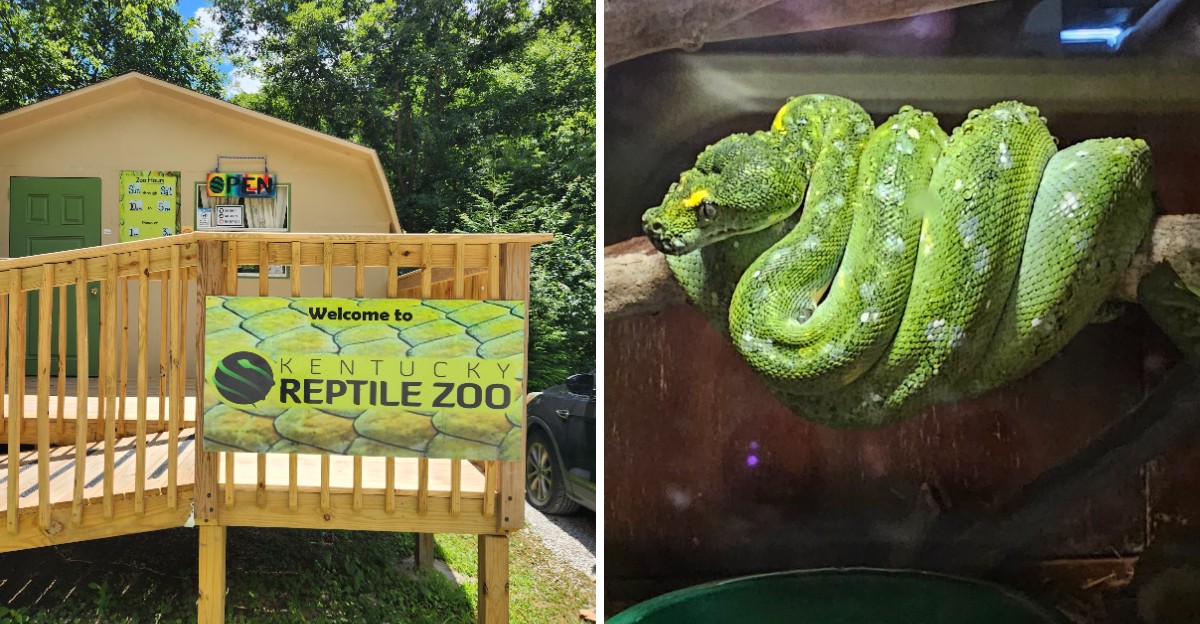
You’ll find the zoo at 200 L&E Railroad Pl., Slade, Kentucky. It’s close enough to fit into almost any gorge itinerary.
Mambas, Cobras, And Taipans Are All Under One Roof Here
Few zoos anywhere can match this lineup. The collection ranks among the largest groups of venomous snakes in the United States, and possibly the world.
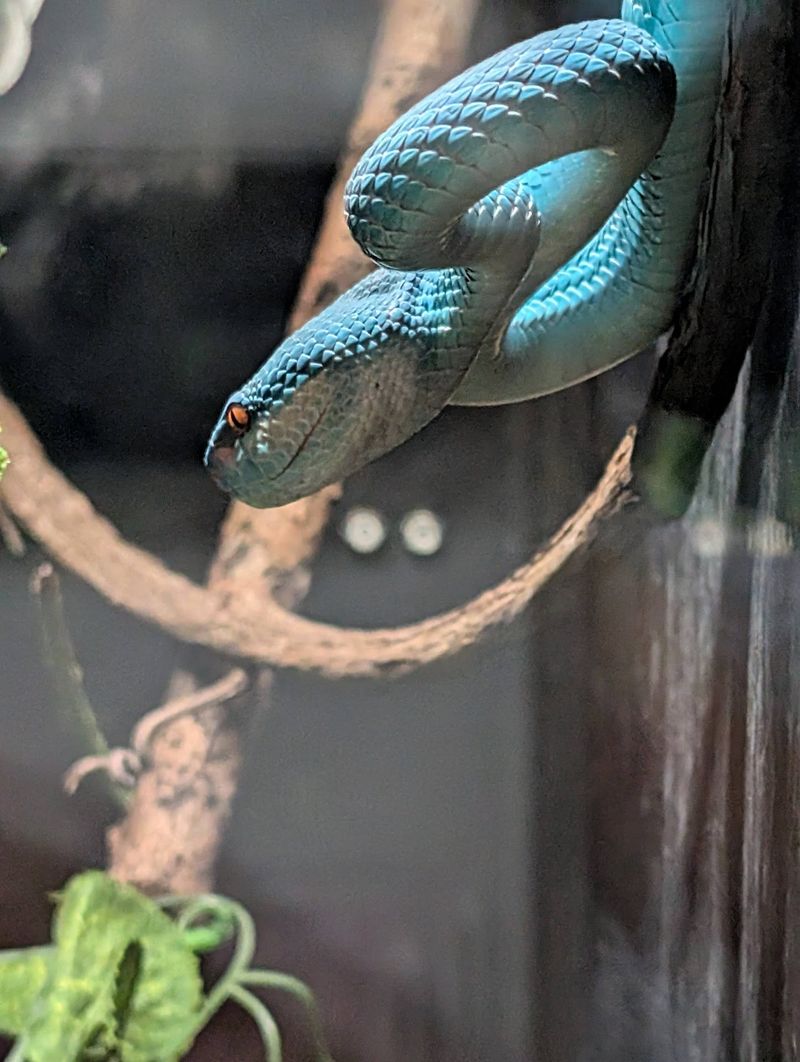
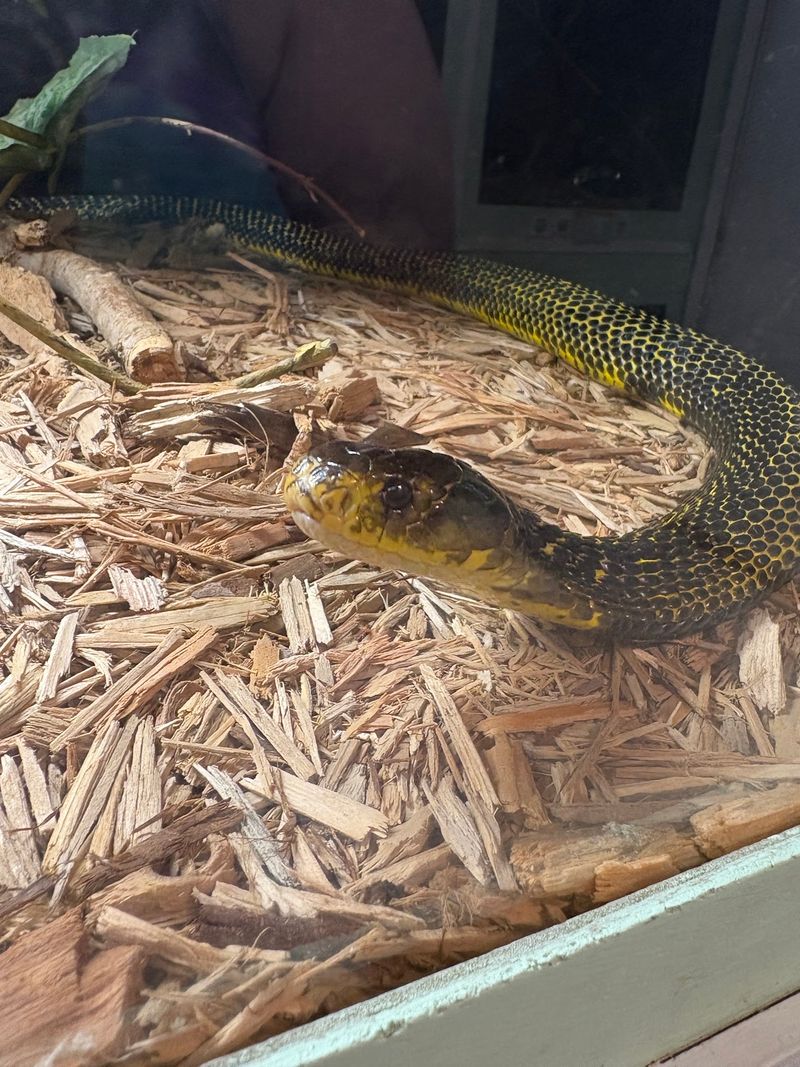
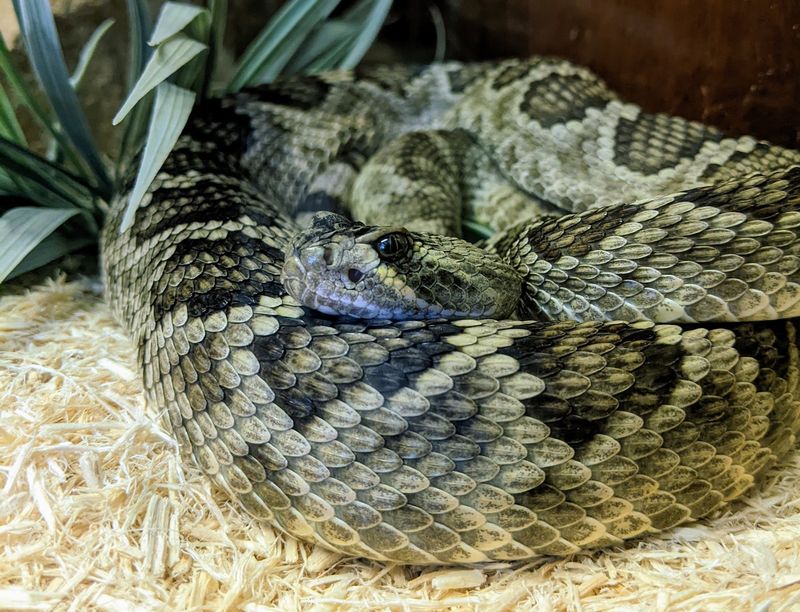
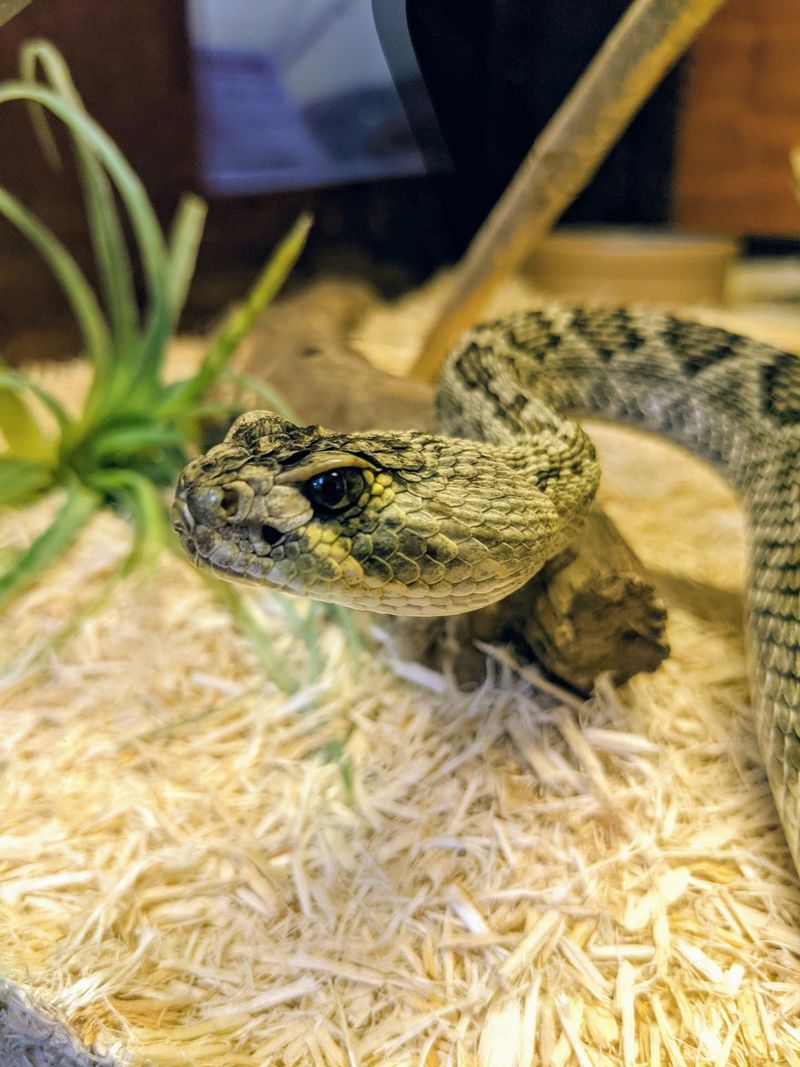
You’ll find mambas, cobras, rattlesnakes, vipers, and taipans. These are species most people only see in nature documentaries, usually with ominous music playing.
Many of these snakes were bred in captivity. Some actually hatched at the zoo, which makes them homegrown residents of rural Kentucky.
A king cobra is a common favorite for good reason. Seeing one in person shows just how long and impressive these snakes really are.
Not every animal sits on public display. Some live in off-show areas used for venom work and breeding, so the true collection is even larger than what you see.
That hidden side tells you something. This isn’t a roadside snake shack, but a working facility with a serious purpose.
Take your time at each enclosure. The patterns, colors, and postures of these snakes are surprisingly beautiful once your nerves settle down.
The Story Started With One Man And A Big Idea In 1989
Jim Harrison began building this place in 1989. The Kentucky Reptile Zoo officially opened its doors the following year, in 1990.
He still owns and manages the zoo today. That kind of staying power is rare, especially in a field that involves daily work with venomous animals.
Harrison is widely known for his skill with venom extraction. His experience is a big part of why the demonstrations feel so polished and confident.
Kristen Wiley also plays a key role as a director and curator. She works closely with Harrison to keep the animals healthy and the mission moving forward.
Their work has drawn national attention over the years. The zoo has appeared on Animal Planet, National Geographic, and PBS.
That’s quite a resume for a small facility in eastern Kentucky. It shows how far passion and expertise can carry a place.
Knowing this history adds depth to your visit. You’re seeing decades of careful work, not just a room full of snakes.
Alligators And Anacondas Keep The Snake Fans Honest
Venom gets the spotlight, but the supporting cast is no slouch. The zoo houses over one hundred species of reptiles in total.
Big constrictors like anacondas show off a different kind of power. They don’t need venom when they have that much muscle.
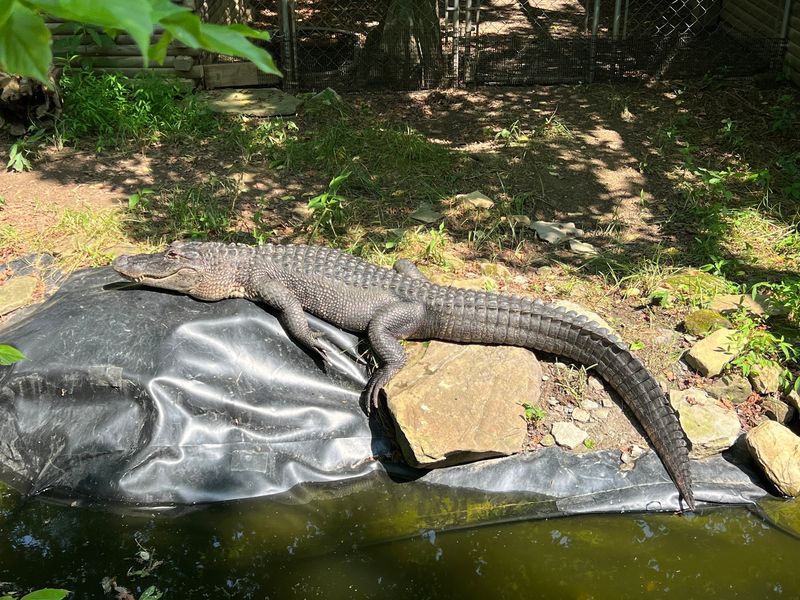
Alligators are here too, both full-grown and juvenile. Baby gators are especially fun to spot, partly because they look like tiny dinosaurs with attitude.
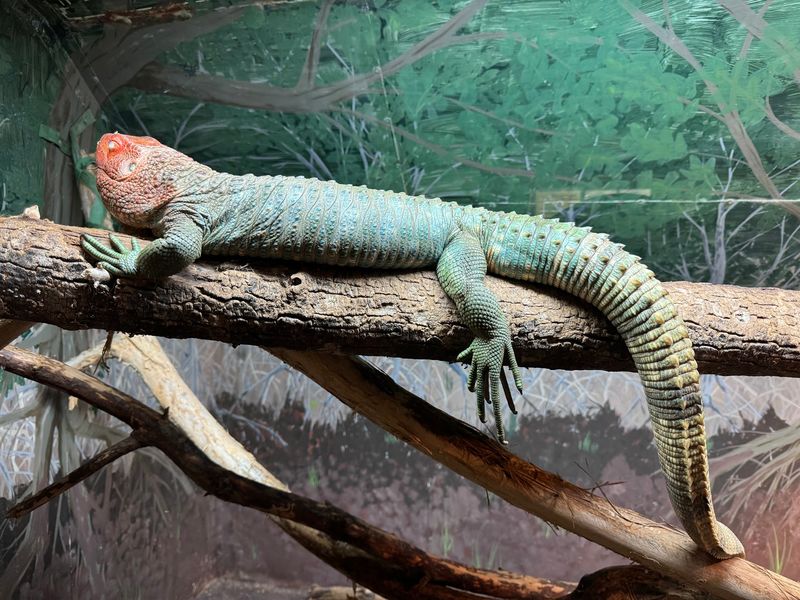
Lizards, turtles, and tortoises round out the collection. They offer a nice break for anyone who needs a few minutes away from fangs.
That variety makes the trip work for mixed groups. One person can study vipers while another happily watches a tortoise take its sweet time.
Kids often connect with the slower, friendlier-looking animals first. Then curiosity pulls them toward the snakes before long.
Plan to see everything rather than rushing straight to the venom section. Some of the quietest residents end up being the most memorable surprises of the day.
Stick Around At 3 PM For A Live Reptile Talk
Here’s a smart scheduling tip for your trip. A live reptile talk happens daily at 3 pm, two hours after the venom show.
Catching both makes for a full afternoon. You get the high drama first, then a more relaxed and hands-on learning session.
The talk shares facts about specific animals and their habits. It’s a great way for kids to learn without feeling like they’re stuck in a classroom.
Staff and guides are easy to find throughout the zoo. They’re happy to answer questions, so bring your strangest ones.
As a non-profit 501(c)3, the zoo puts education at the center of its mission. The goal is helping people understand why reptiles matter and why they deserve protection.
That message reaches beyond the property too. The zoo offers outreach programs for schools and other groups.
Teachers and scout leaders should keep that in mind. A reptile visit could make a lesson stick far better than a worksheet ever could.
Several Small Buildings Make This Zoo Easy To Explore
Forget miles of walking paths and sore feet. This zoo keeps its exhibits indoors inside several separate buildings.
You move from one building to the next during your visit. It feels compact and manageable, even with little ones in tow.
Each building stays climate-controlled in the mid-70s. That steady warmth keeps the reptiles comfortable, and it’s pretty pleasant for humans too.
The indoor setup is a real perk on rainy or chilly days. Hikers in the area can swap a soggy trail for a cozy snake house.
Some buildings serve as off-show spaces for venom work and breeding. Those stay closed to visitors, so don’t worry if you pass a door you can’t open.
A self-guided pace works nicely here. You can linger at favorites and skip ahead whenever someone gets restless.
Wear comfortable shoes anyway, since you’ll be stepping outside between buildings. A light jacket helps in cooler months when you’re switching between warm exhibits and fresh mountain air.
Your Souvenir Might Be A Painting Made By A Reptile
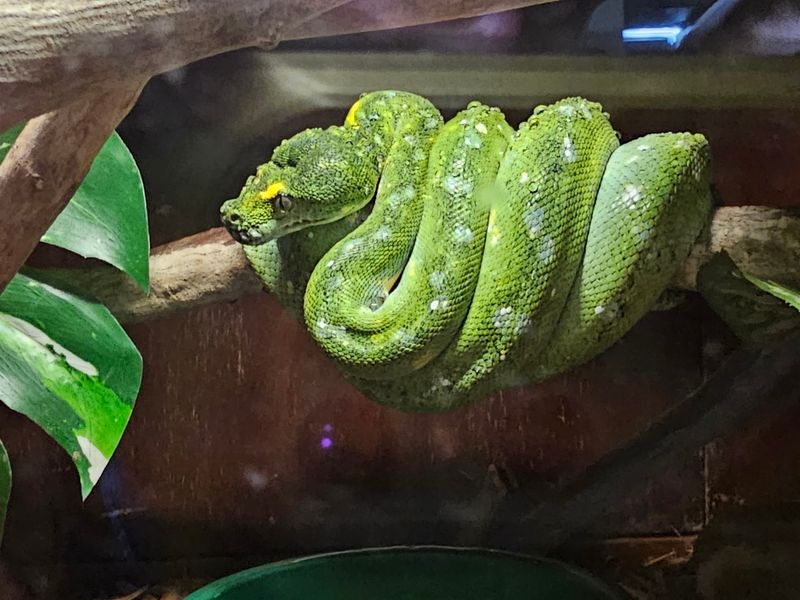
Art critics, prepare yourselves. The gift shop sells paintings created by the zoo’s animals using non-toxic paints.
It’s not just a gimmick, either. The painting sessions serve as enrichment, giving the animals something new to experience.
Jewelry is another standout. Some pieces are crafted from snake fangs and rattles that were naturally shed or discarded.
That means no animal was harmed for your earrings. It’s a clever and respectful way to turn everyday reptile life into wearable keepsakes.
You’ll also find handmade reptile-themed accessories. They make fun gifts for the snake lover in your life, or for yourself.
Every purchase supports the zoo’s mission. Since it’s a non-profit, your souvenir helps fund education and animal care.
Leave room in your bag before you go. A fang necklace makes a much better conversation starter than another fridge magnet ever could.
Red River Gorge Is Practically Next Door
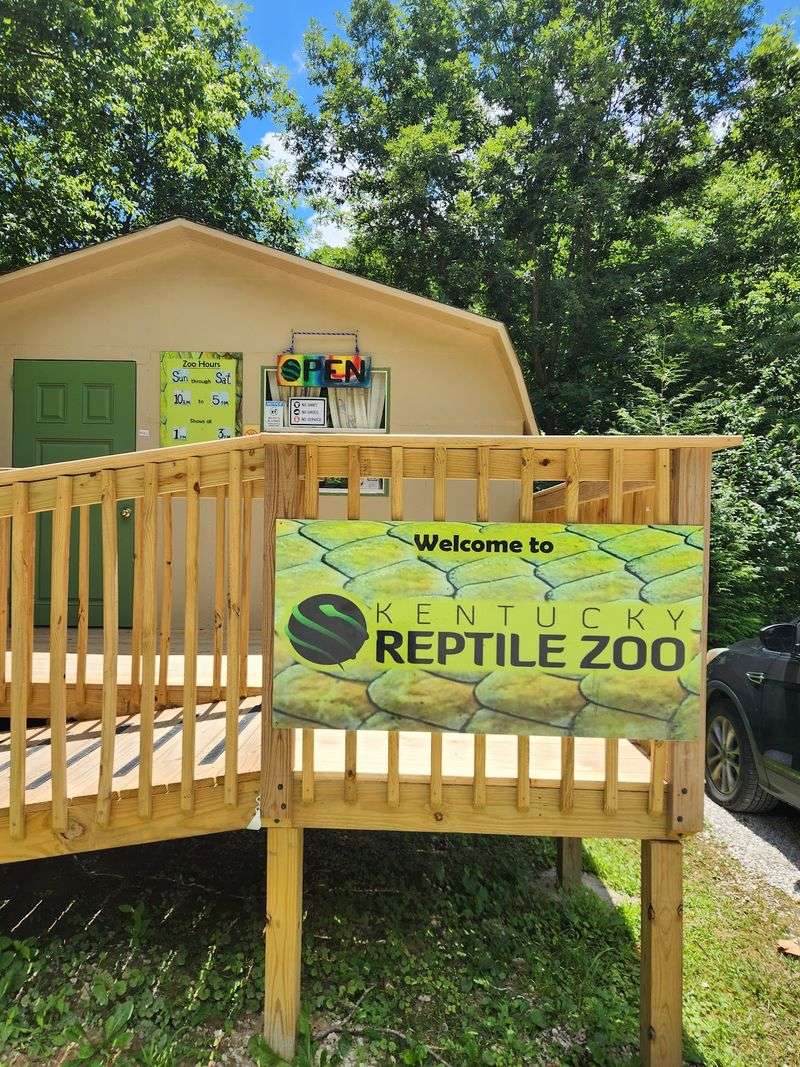
Snakes and sandstone arches make an unusual but winning combo. The zoo sits in the Natural Bridge and Red River Gorge area of Kentucky.
This region draws hikers, campers, and rock climbers from all over. Many visitors pair a trail day with an afternoon among the reptiles.
Hike in the morning, catch the 1 pm venom show, then head back outdoors.
The parking entrance can be a little tricky to spot. Watch your directions closely so you don’t take a scenic detour by accident.
Natural Bridge State Resort Park is nearby too. Its famous stone arch is a classic stop for families.
Fall is a lovely time to visit the area. Colorful leaves on the cliffs pair nicely with a warm indoor break among the zoo’s scaly residents.
Check The Calendar Before You Load Up The Car
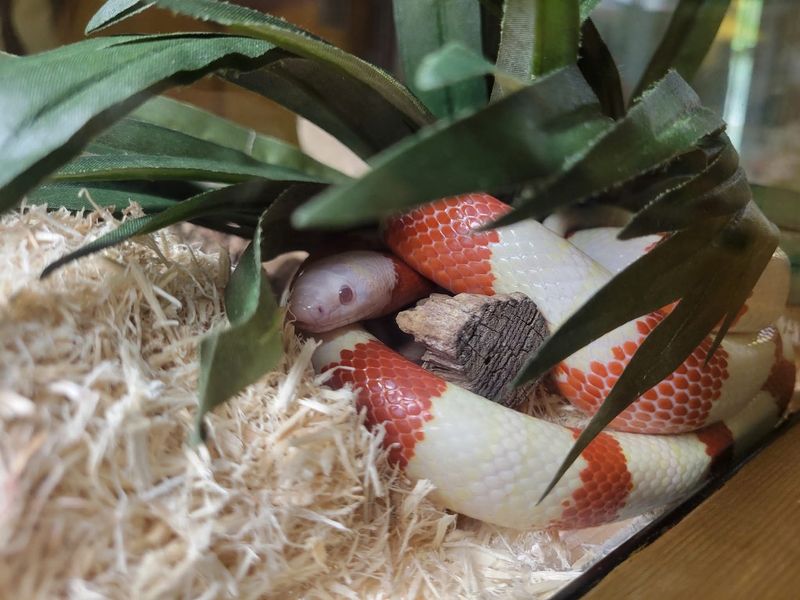
Timing can make or break this trip. The Kentucky Reptile Zoo’s fall hours run Thursday through Monday, from 10 am to 5 pm.
It stays closed on Tuesdays and Wednesdays. Plenty of weekday road-trippers have learned that lesson the hard way at other attractions.
Aim to arrive before 1 pm if the venom show is your priority. Then you can wander a little before the main event.
Remember to call that morning to confirm the extraction. Live animals don’t always follow a printed schedule, and staff will know the latest.
Hours may shift with the seasons. Off-season visits might also mean fewer buildings open, so it’s wise to check ahead.
Budget around a couple of hours for a relaxed visit. That leaves time for both shows, the gift shop, and lots of questions.
Kentucky has plenty of great attractions, but few offer this mix of danger, science, and fun. Few souvenirs beat telling friends you watched a cobra donate to medicine.