This 100% Grass-Finished Indiana Farm Is Becoming A Secret Road Trip Mecca For Farm-Raised Meat
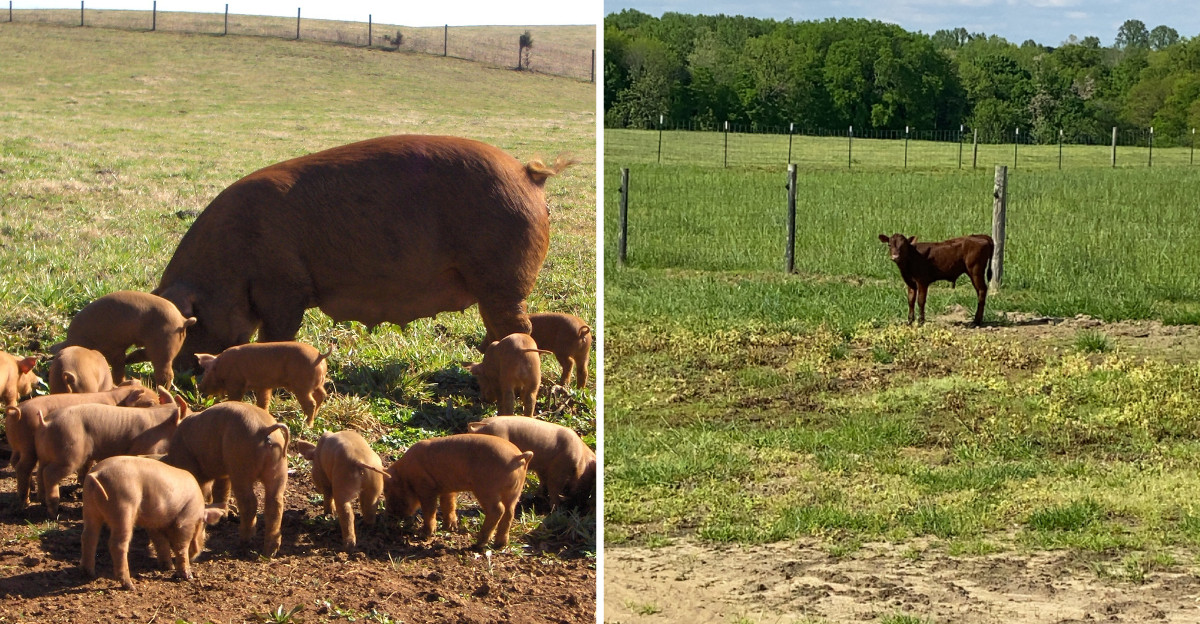
The cattle on this farm eat grass and hay. That’s the whole menu, from start to finish, with zero grain, hormones, or antibiotics in the mix.
And the next detail gets even better.
The pigs are processed one at a time, so the lard from your pig is rendered from your pig alone. Most shoppers never get that kind of promise about anything in their freezer.
This small family operation sits out in the Indiana countryside, and it sells far more than steaks.
You’ll find duck eggs, organic feed, Kunekune piglets, and even A2A2 Jersey cows.
That’s a lot of farm packed into one stop, and it deserves a spot on your next road trip list.
Meet The Family Behind Every Cut In Your Cooler
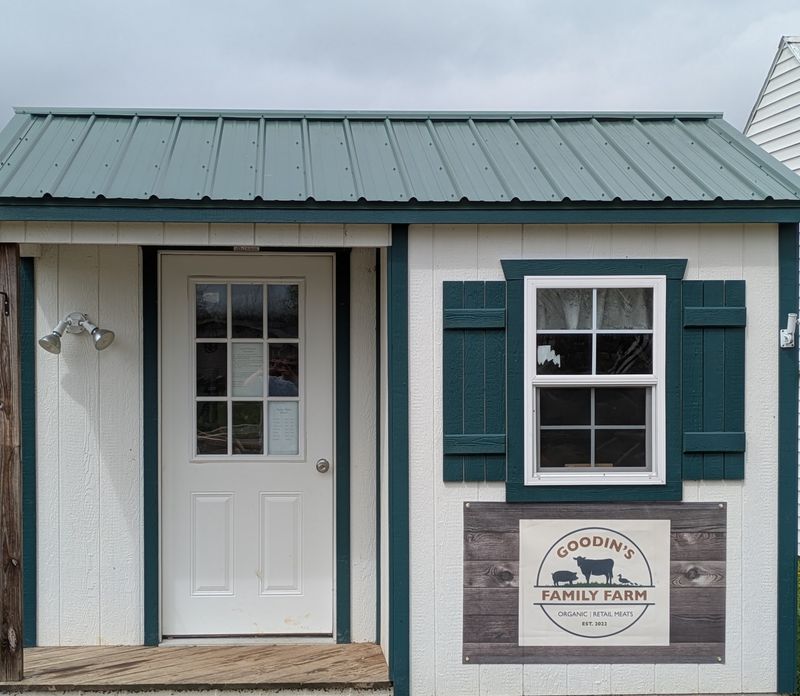
Faith comes first at Goodin’s Family Farm, and the family makes that clear in the story behind the business. Those beliefs shape its livestock care.
Near Cambridge City, the family raises cattle, pigs, chickens, and ducks. The emphasis is on how animals are raised and fed.
The cattle graze on pasture and eat hay, while the pigs receive a diet that includes vegetables and non-GMO feed. Chickens move onto fresh pasture during warmer months. Different animals have different diets.
You can purchase individual cuts, organize a larger order for the freezer, or arrange a livestock inquiry. Livestock feed and equipment are available too.
The operation also offers scheduled delivery options outside Cambridge City, which is useful when a freezer order is too large for an ordinary shopping trip. You’re arranging food straight from a working farm, not browsing a supermarket display.
For Indiana shoppers accustomed to a supermarket meat counter, the direct connection to the people raising the animals is the interesting part. An advance conversation helps you choose between steaks and an entire beef share.
Grass Is The Only Thing On The Cattle Menu
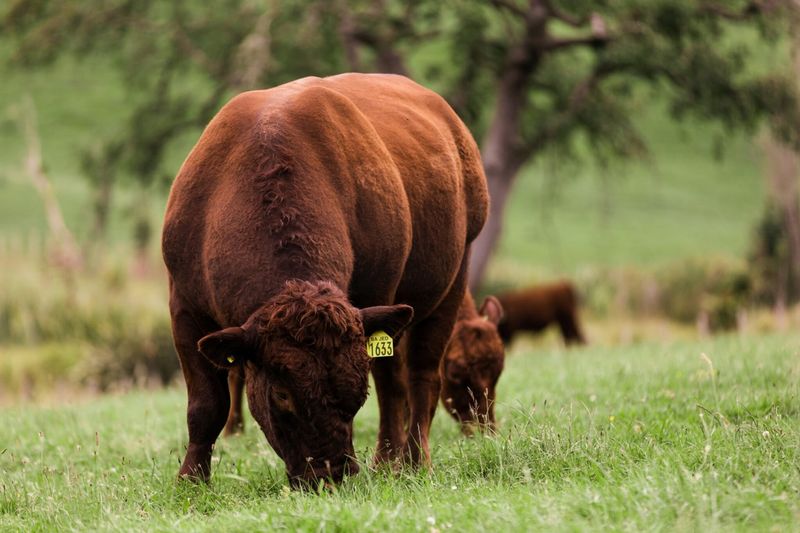
Forage only. That’s the rule for the beef cattle at Goodin’s Family Farm, and it’s an important distinction from beef that begins on pasture and finishes on grain.
The herd eats pasture grass and hay from beginning to end. Its beef program excludes growth hormones, steroids, and antibiotics. The focus stays on grazing rather than grain.
The family works mainly with registered Red Devon and Milking Devon cattle.
Some Angus and Wagyu genetics remain from earlier breeding. Red Devon cattle have sturdy frames and a long history as an adaptable heritage breed, making them a natural fit for the farm’s forage-based approach.
Breed matters alongside feed. A grass-finished steak is shaped by both the pasture and the animal raised on it.
Red Devon cattle arrived in North America centuries ago as multipurpose animals used for farm work, milk, and meat. Their grazing traits still suit this approach.
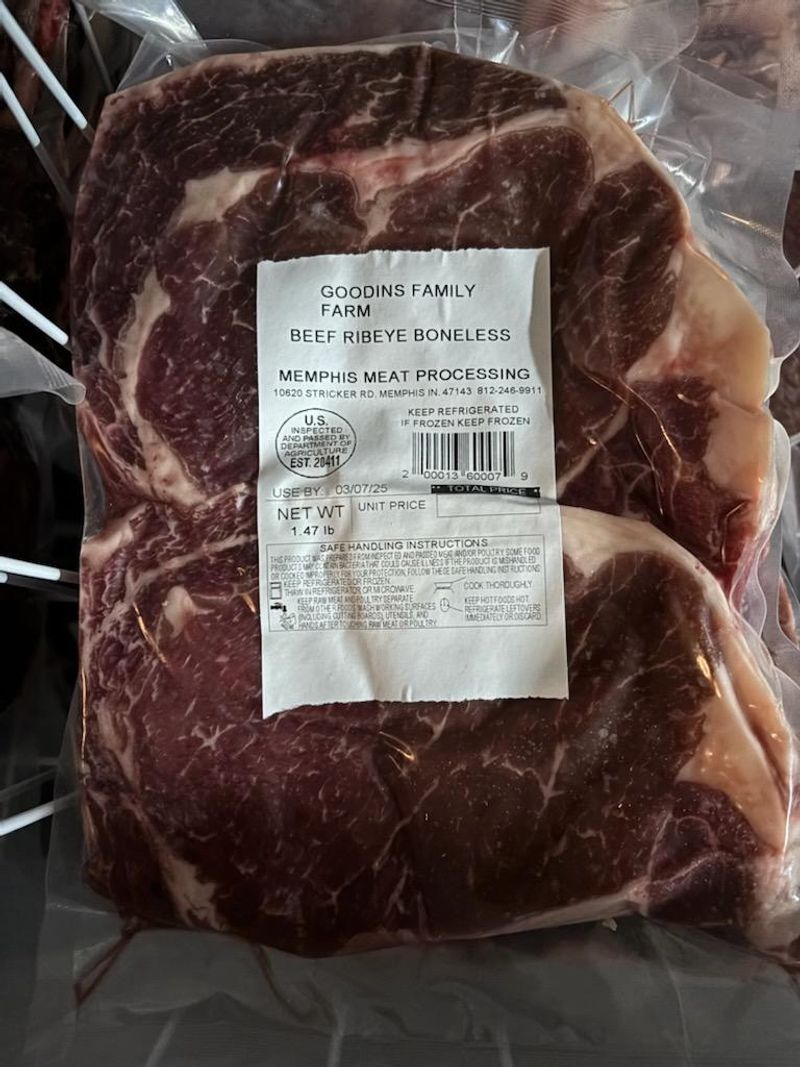
Cuts can include ribeye, sirloin, brisket, short ribs, and ground beef, depending on availability. A familiar cut is an easy first experiment. Its flavor can differ from conventional beef.
Go Big With A Half Cow Or Start Small With A Box
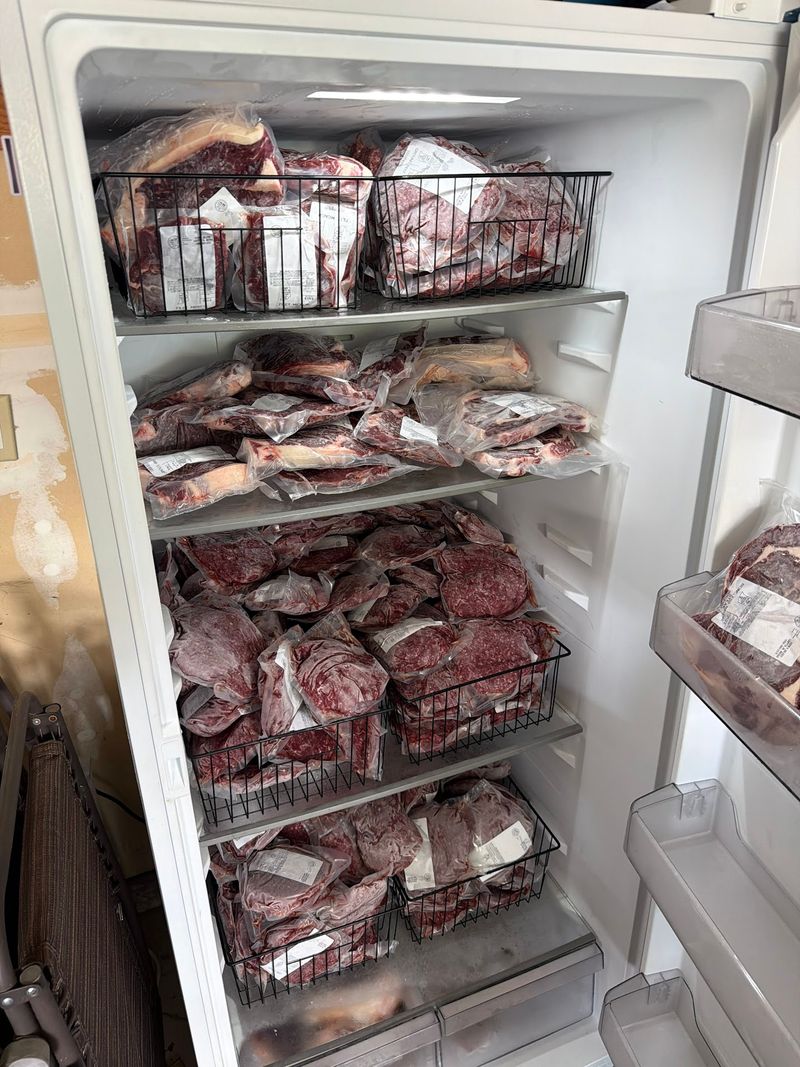
Freezer space suddenly feels important once you see the beef options here. Goodin’s Family Farm sells grass-finished beef several different ways.
Individual cuts include steaks, roasts, brisket, short ribs, and ground beef, suited to one family dinner. Beef boxes offer ground beef or mixed steaks and roasts.
Then there’s the bulk route. The farm offers whole, half, and quarter beef shares for households that want a larger supply. A cut sheet lets buyers select roasts or ground beef.
Bulk orders are handled through an inspected processing facility, with a pickup appointment arranged after processing. The meat arrives vacuum-sealed.
The difference between hanging weight and packaged weight is important when planning space: trimming and cutting change how much meat you eventually collect. That makes a quick freezer inventory especially useful before placing a bulk order.
A chest freezer helps with larger orders, but there’s no need to begin with a half cow. Consider the cuts your household actually uses.
For anyone who enjoys planning meals ahead, the selection gives the Indiana countryside a practical appeal. Several weeks of meals can begin with cuts you’ve chosen yourself.
Your Pork Chop Comes From One Pig Only
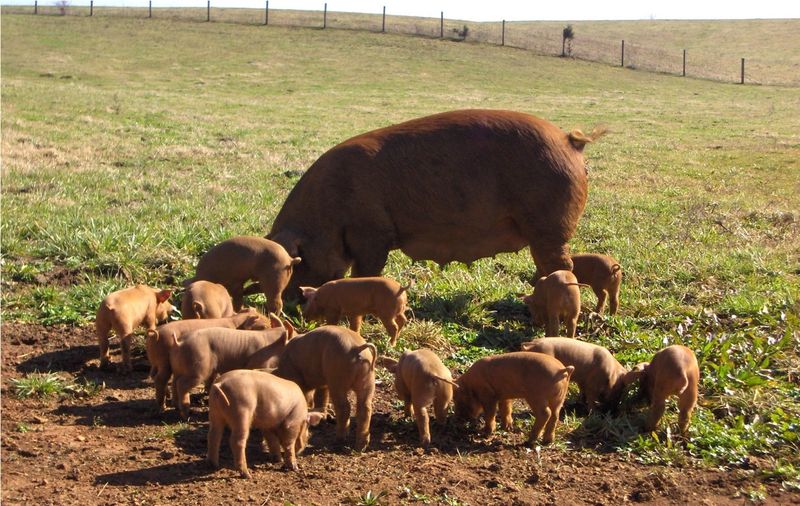
Batch processing can combine products from several animals. Goodin’s Family Farm uses inspected processors that keep each pig’s pork separate, and its lard is rendered individually too.
That matters when buying a whole or half pig. A cut sheet determines how that animal’s meat is packaged.
The farm raises Red Wattle pigs and also offers registered and unregistered Kunekune piglets for people interested in raising livestock.
The pigs’ feed includes organic vegetables, organic hay, non-GMO feed, and fresh water. The farm excludes added hormones and antibiotics.
The Red Wattle breed gets its name from the fleshy wattles near its neck. Kunekunes are smaller, shaggy pigs often raised by homesteaders. Both make for a much more interesting livestock conversation than an ordinary grocery purchase.
Indiana pork shoppers have several possibilities: chops, roasts, ribs, tenderloin, ham, sausage, and bacon. Pork boxes sit between individual cuts and larger shares.
Organic seasoning options are available for certain prepared pork products, another detail worth discussing when placing an order. Selection depends on processing arrangements.
Imagine knowing how each freezer package was handled. That’s the attraction beyond choosing tonight’s dinner.
Chickens Get Fresh Grass And Ducks Bring The Eggs
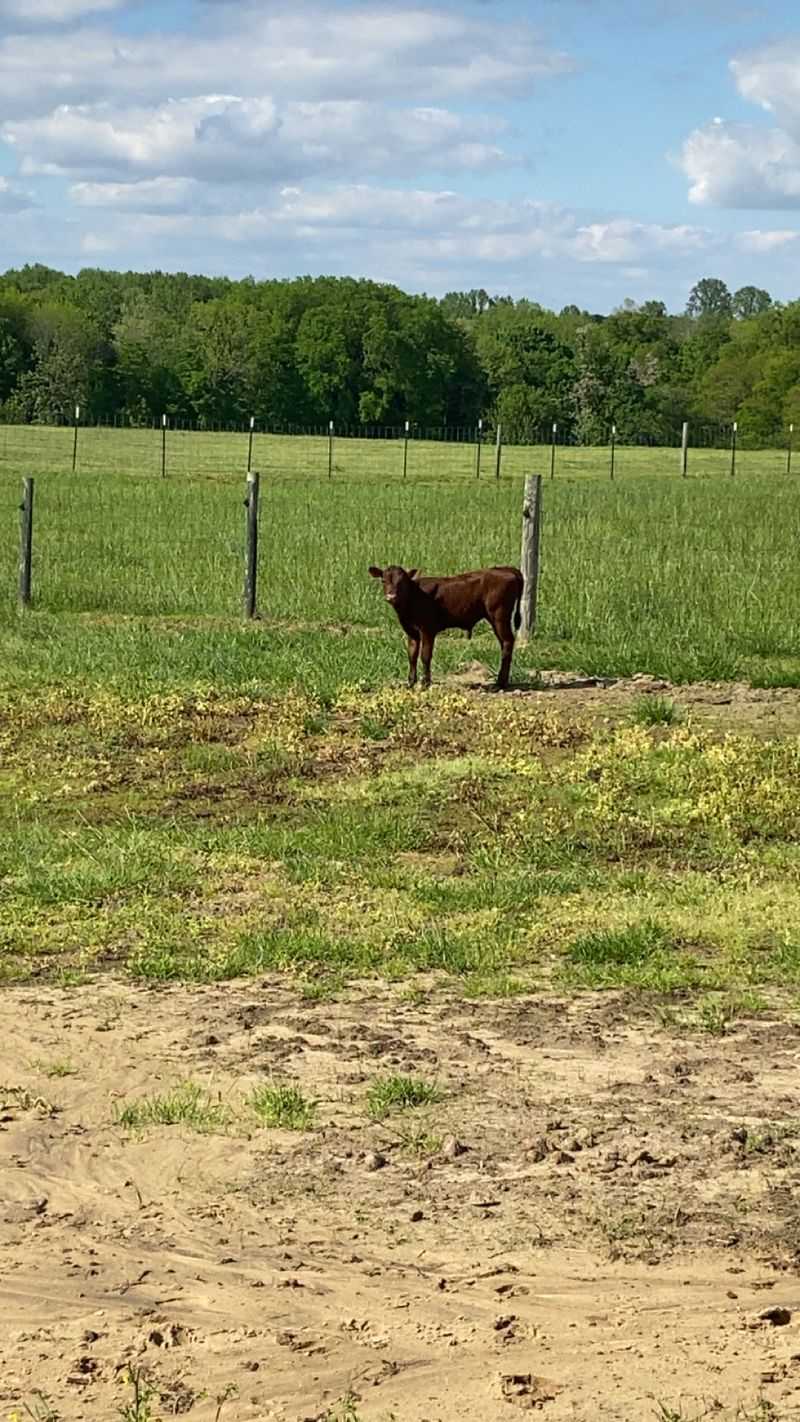
Chicken night gets an upgrade with the poultry at Goodin’s Family Farm. During warmer months, the birds rotate through pasture, moving onto fresh ground as the season progresses.
When temperatures drop, they have sheltered housing with access to pasture. That matters through colder winters.
The chicken selection includes whole birds, boneless breasts, wings, legs, and organ meats such as liver and heart. Roast a whole chicken, then use the bones for stock.
Now for the ducks. The farm sells duck eggs by the half dozen or dozen, with pickup and scheduled drop-off options. Larger than chicken eggs, their rich yolks suit baking and noodles.
The duck offerings include Call duck varieties such as Snowy, Magpie, and Blue Fawn, along with Rouen and Pekin birds. Some reservations stretch well beyond the current season, so livestock inquiries require more planning than an egg pickup.
There are also breeding Call ducks, ducklings, and fertile eggs, with advance reservations for some varieties.
It’s an unusually varied poultry operation for one family farm. You might leave with dinner or eggs for baking.
Some Customers Leave With A Whole Cow
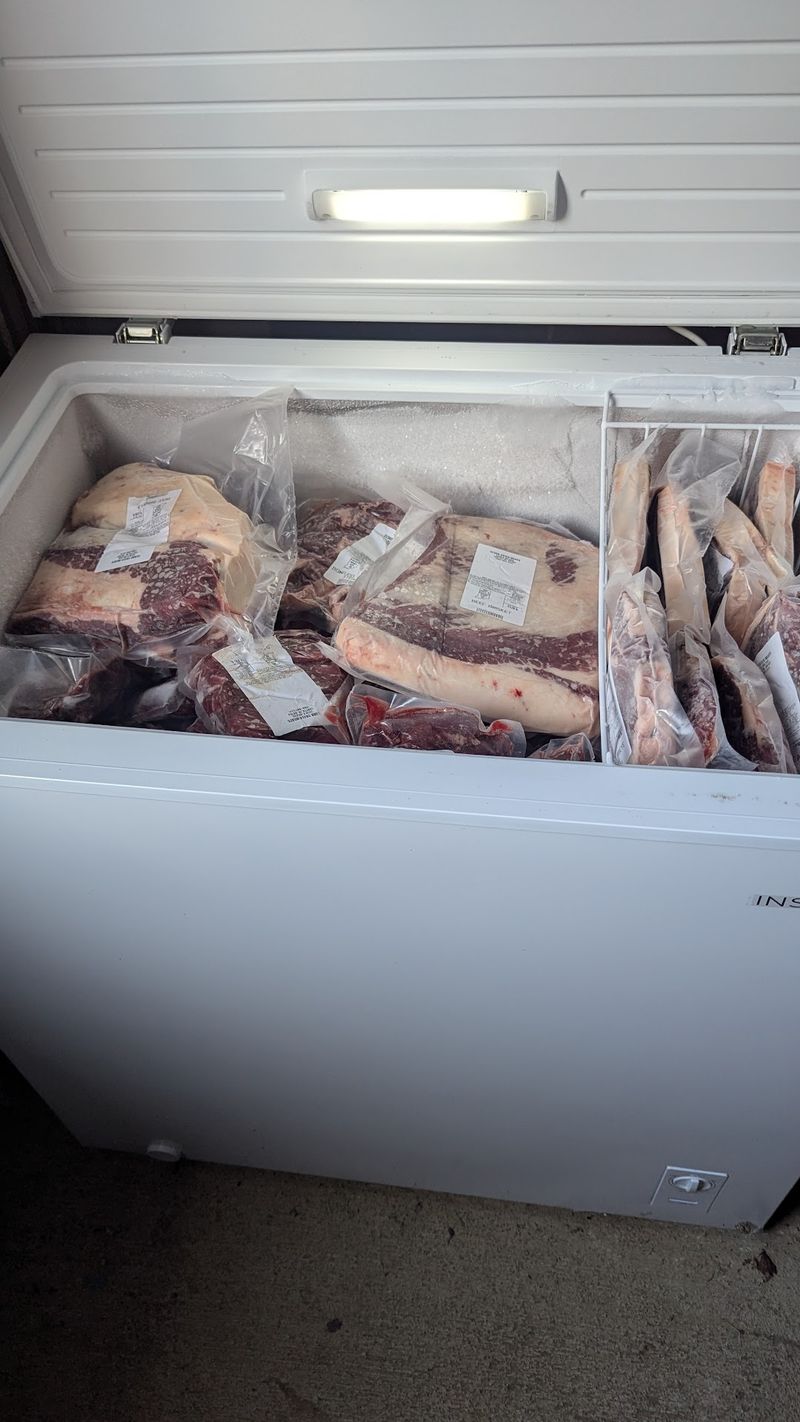
Steaks are great, but a few customers go much bigger. Goodin’s Family Farm also offers live cattle, including A2A2 Jersey cows, heifers, and steers.
The A2A2 designation refers to a particular form of beta-casein protein in milk. It identifies milk-protein genetics, not a guarantee about digestion.
The farm also raises Red Devon cattle, and registered breeding stock may be available. Ask about age, handling, transportation, and documentation before buying.
The practical equipment side is another surprise. Milking machines for cows and goats are among the farm’s offerings, useful for a small dairy setup.
The farm lists some cattle bloodlines with animal-health testing information, which prospective buyers can discuss before arranging transportation.
Testing is one part of responsible livestock planning, alongside understanding the animal’s needs after it arrives home.
Bringing home a cow requires fencing, shelter, feed, and daily care. That’s an entirely different kind of commitment. Homesteaders can inquire about both cattle and equipment.
Backyard Flocks Eat Well Thanks To The Feed Barn
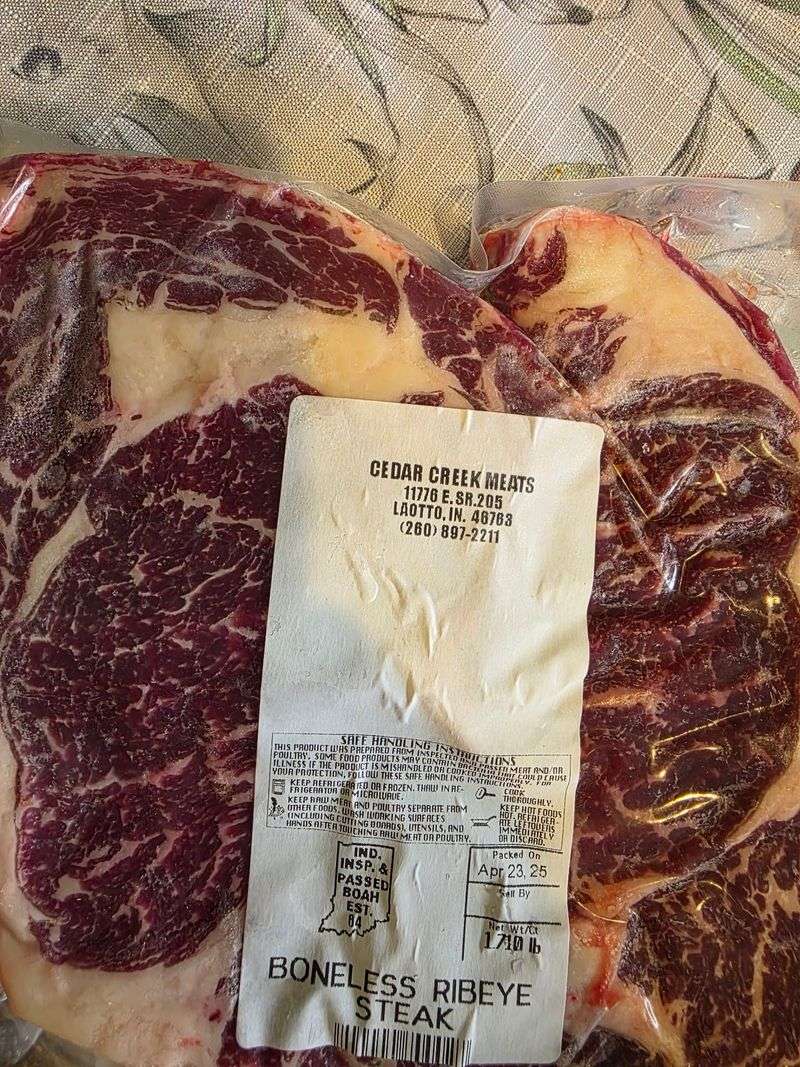
Backyard chicken keepers, this part is for you. Goodin’s Family Farm runs an Organic Feed Barn alongside its meat and livestock operation.
The selection includes certified organic and verified non-GMO feed, along with certified organic and unsprayed hay. Custom blends are available for animals needing something beyond standard bags.
Feed matters whether you’re raising a handful of hens or managing several kinds of livestock. Check formulations for each species and life stage.
The farm also offers nationwide shipping for feed. Pallet orders may qualify for delivery.
A custom blend is worth discussing in advance, particularly when owners are balancing different animals on the property.
The farm also carries hay, an important consideration for anyone preparing a winter feed supply before temperatures change.
Sourcing feed and farm food together is convenient. A meat pickup can coincide with a feed inquiry.
There’s a practical reason the feed barn belongs in this story: it’s one more part of the farm’s emphasis on what animals eat. For backyard flocks, the right feed matters.
Plan Your Drive Around The Farm Store Hours
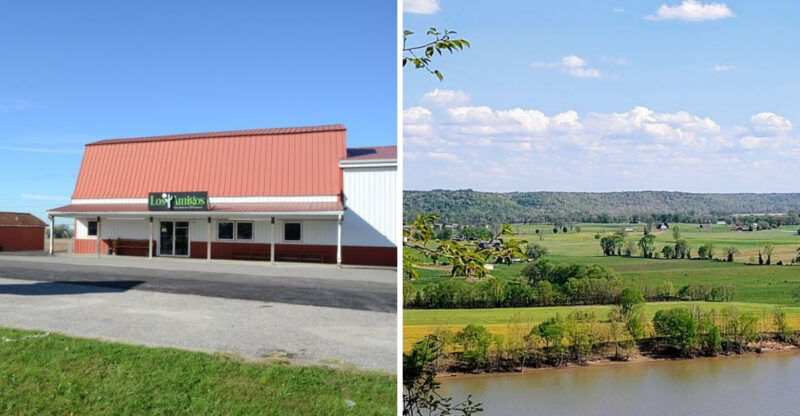
Country roads lead the way to this stop. Goodin’s Family Farm has a store at 5867 S County Rd 875 E, Cambridge City, IN 47327, in east-central Indiana.
Store hours are generally 8 a.m. to 6 p.m. Monday, Tuesday, Thursday, Friday, and Saturday.
Wednesday service ends earlier, around one, and Sunday is the regular closing day. Arrange meat and livestock pickups in advance.
Bulk beef and pork use separate processing appointments. Cuts and boxes can be picked up at the farm or at monthly drop-offs around the region, including Greenfield, Noblesville, Dayton, and West Chester Township.
The schedule rotates by week, so confirm which date matches your pickup location before making plans. Doorstep delivery can also be discussed.
Pack a cooler with ice packs before you leave, especially for a longer drive. Check availability, decide which products you’re collecting, and confirm the pickup arrangements before heading down the country road.
The appeal is knowing more about the journey from pasture to package, and perhaps bringing home duck eggs too. The best visit begins with a confirmed order.