This Tiny Queens, New York Art Museum Was Just Ranked Among The Best In America
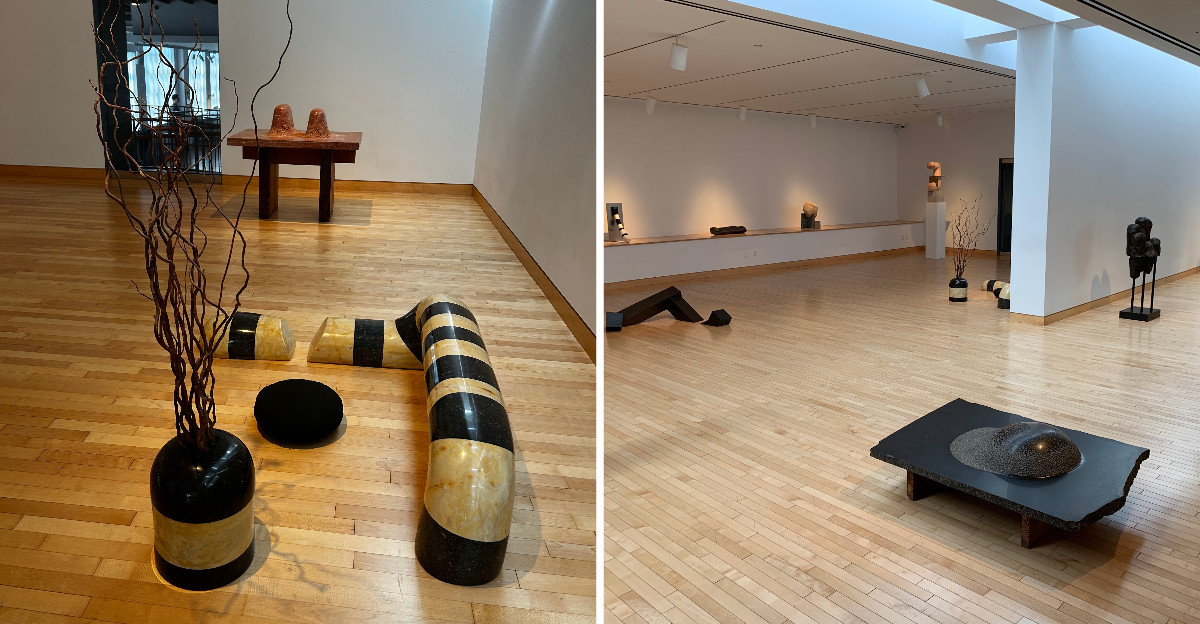
An artist bought an abandoned factory and turned it into a museum for his own work.
He designed it, installed it, and opened it while he was still alive. It was the first museum in the country built that way.
I wanted to call it cool. Cool isn’t specific enough. The place holds the world’s largest collection of this one artist’s work, from stone sculptures to paper lamps.
So maybe impressive? Closer, but still flat.
There’s also a calm outdoor sculpture garden that people call an oasis in the middle of New York City.
Now we’re getting closer. The best word might be personal, because every room reflects one artist’s choices.
How does a small factory end up feeling like a peaceful garden?
A Sculptor Built His Own Museum, And That Was A First
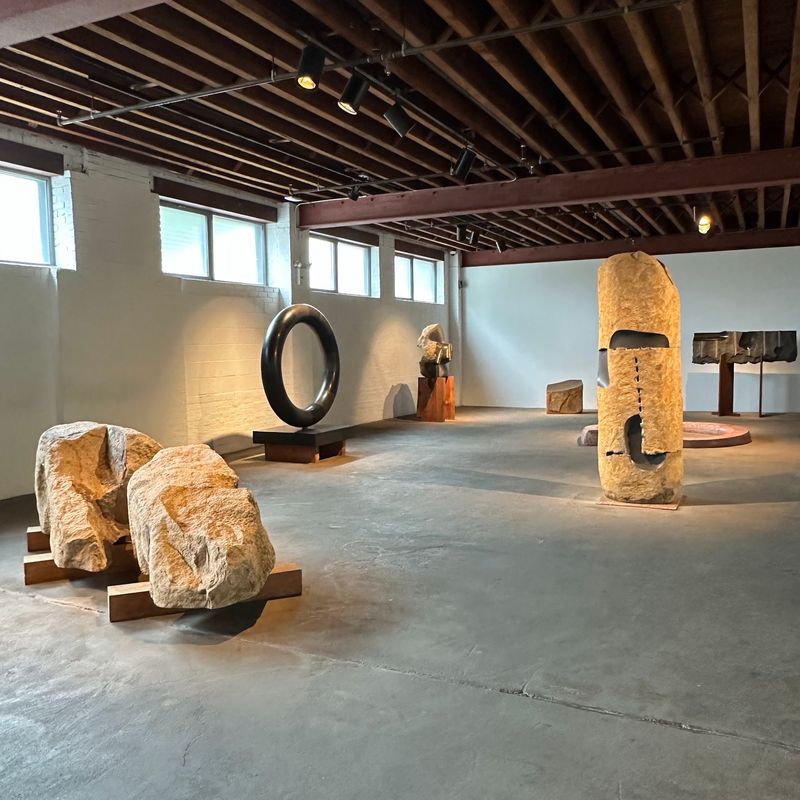
Most artists hope a museum will show their work someday. Isamu Noguchi skipped the waiting and built one himself.
The Noguchi Museum opened in Long Island City, Queens, in May 1985. It was the first museum in the United States established, designed, and installed by a living artist to display his own work.
Noguchi was born in 1904 and lived to see the museum welcome visitors. He chose sculptures and arranged them in spaces that he had helped transform, paying attention to the relationship between materials, buildings, and natural light.
The museum began as the Isamu Noguchi Garden Museum. Today, its formal name is The Isamu Noguchi Foundation and Garden Museum, although The Noguchi Museum is easier to fit into conversation.
His work went far beyond carved stone. He designed furniture, gardens, stage sets, and lighting.
New York has enormous museums, but few let you encounter so much of an artist’s thinking in a place he created himself.
An Old Factory Got A Second Life As An Art Space
Back in 1961, Noguchi established a studio in Long Island City, drawn in part by the area’s industrial buildings and materials suppliers.
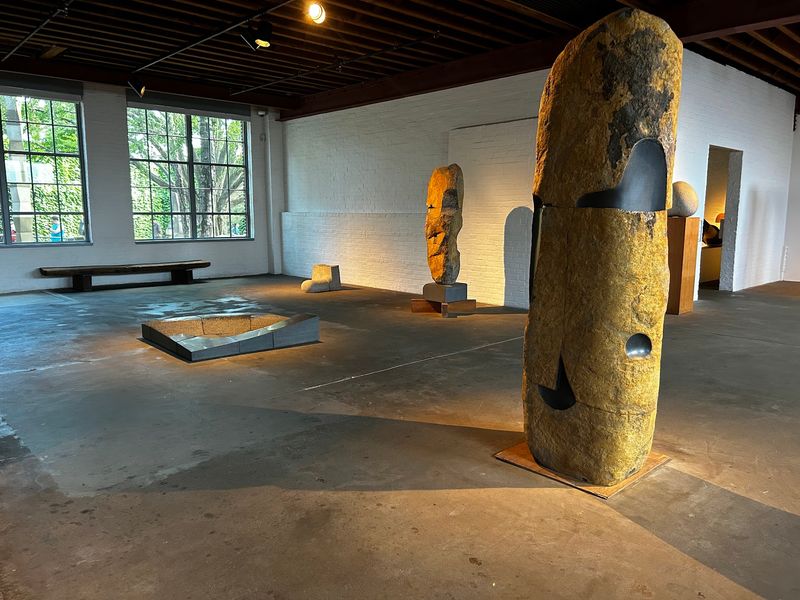
In 1974, he purchased a former photogravure factory and adjacent property across the street. Over the following decade, he transformed the site into indoor galleries and an open-air sculpture garden.
The industrial character remains visible. Brick walls, concrete, and generous openings provide a deliberate contrast to the smooth and rough stone surfaces displayed inside.
The museum doesn’t try to disguise the building’s earlier purpose. Its original galleries opened seasonally, but renovations completed in 2004 made year-round operation possible.
Additional structural work followed, helping preserve the site for future visitors. An old factory became a place to consider texture, silence, and space.
Noguchi’s nearby studio gave him a practical base while he planned the museum. The two properties also connect the artist’s working life to the public space he eventually opened.
The result is distinctly different from a grand museum built around ornate halls. Here, simplicity is part of the experience.
You Could Spend A Whole Afternoon In The Sculpture Garden
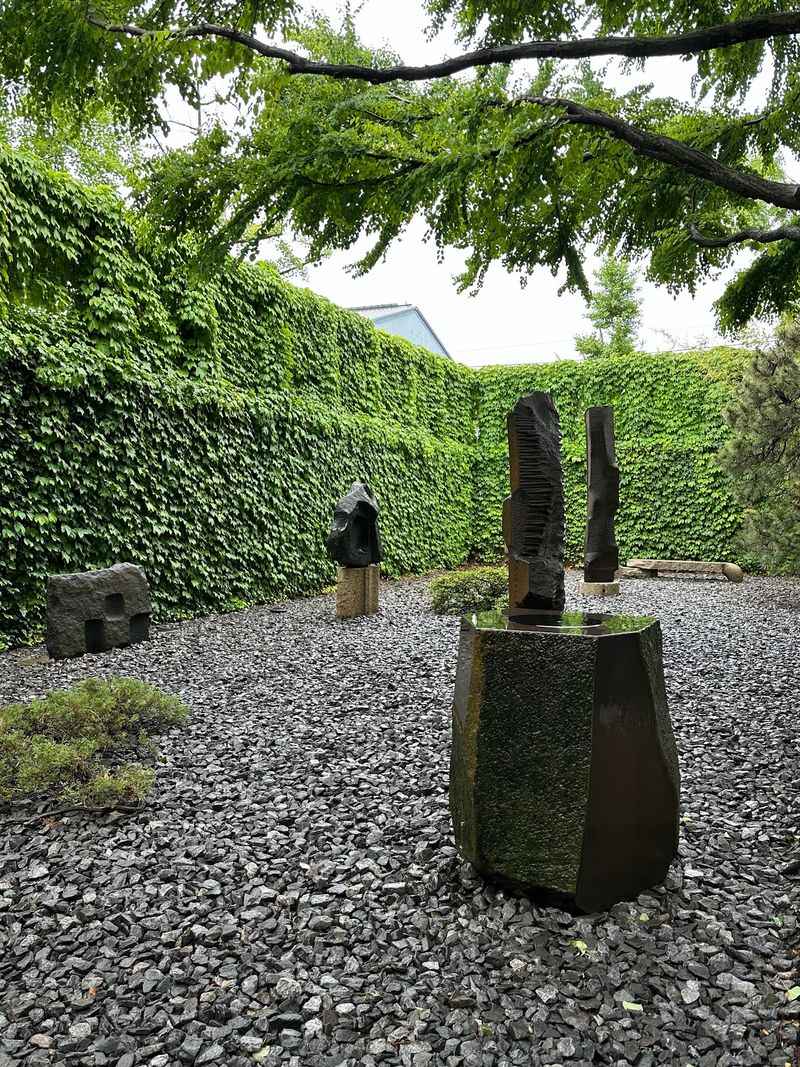
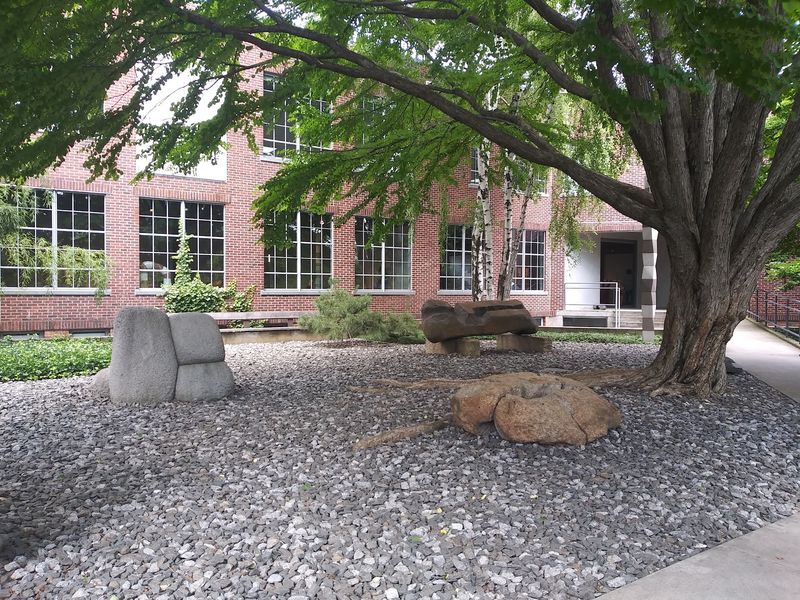
Stone, trees, gravel, and quiet. That simple combination makes the outdoor sculpture garden one of the museum’s most memorable spaces.
Large granite and basalt works stand among plants and pathways. Some surfaces are polished, while others retain marks that reveal the stone’s natural texture. The forms shift as you move.
Noguchi treated the spaces between objects as carefully as the objects themselves. The garden encourages you to notice how branches, daylight, and walls frame each piece.
A Tree of Heaven already growing on the property was preserved during the museum’s creation, becoming part of the landscape around which the garden developed.
Benches offer places to pause, though the outdoor setting is particularly enjoyable in comfortable weather.
The sculptures are meant to be admired without touching or climbing. Their shapes and natural textures reward a closer look from the pathways.
In a busy New York neighborhood, this open-air space provides an unusual shift in pace. The strongest part of the visit might be simply discovering how a few carefully placed forms can change an entire courtyard.
No Ropes, No Walls Of Text, Just You And The Art
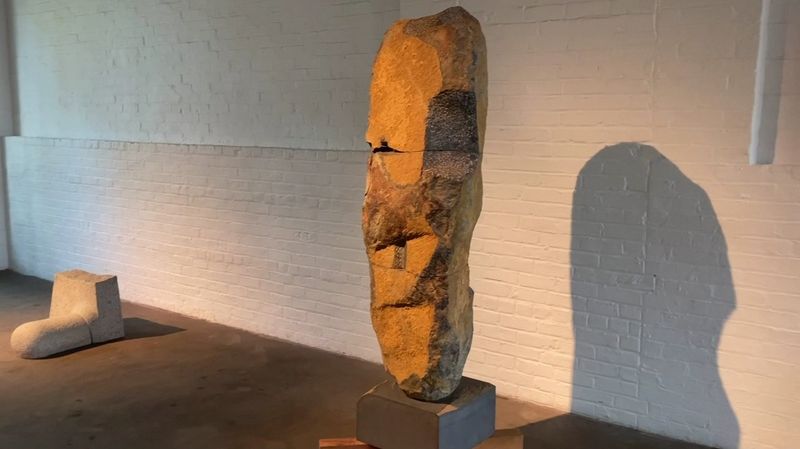
Many museums arrange art behind barriers and beside long explanations. Here, the approach can feel refreshingly different.
Works are often presented with open space around them, allowing you to look at their contours from several directions. Minimal labeling keeps attention on shape, material, and light rather than a dense collection of captions.
The freedom is visual, of course. Sculptures should never be handled, leaned against, or climbed, even when the stone’s smooth surface looks irresistible.
If you’d like more background, guided tours can add context to the pieces and the museum’s design. Public tours are generally offered at 2 p.m., with additional educational programs on selected dates.
Angular forms give way to rounded stones and precarious-looking balances.
Some sculptures use dense stone; others explore open space so deliberately that what’s missing seems just as important as what remains.
Choose one work, walk around it where permitted, and notice how its appearance changes. It’s a remarkably direct way to explore an artist’s ideas.
Those Glowing Paper Lamps Have A Big Birthday
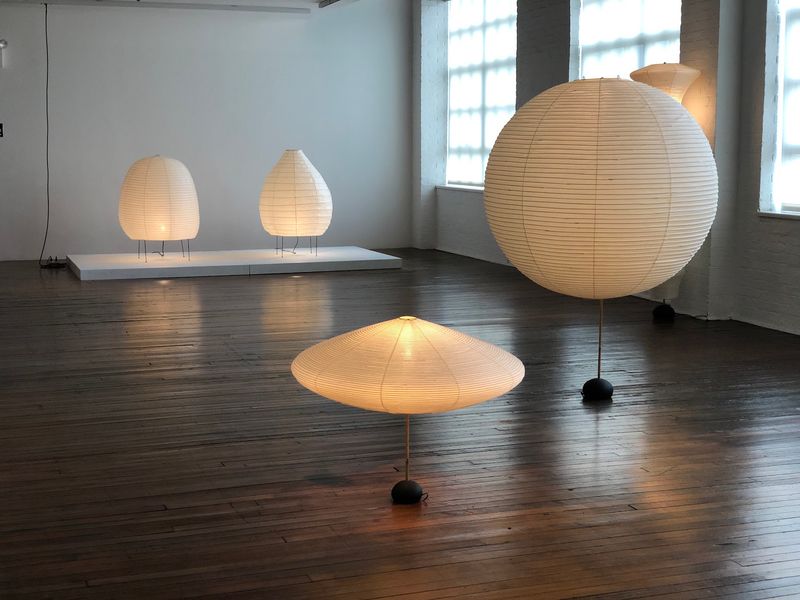
You’ve probably seen a Noguchi design without knowing it. His Akari light sculptures, made using traditional Japanese paper and bamboo, became an enduring part of modern interiors.
In 2026, Akari turns 75. Noguchi first developed the series after visiting Gifu, Japan, in 1951 and encountering traditional lantern-making techniques.
He treated the lamps as luminous sculptures rather than ordinary household accessories. He developed more than 200 models.
The museum is marking the anniversary with No Ordinary Light: Akari at 75, opening November 4, 2026, and continuing through September 5, 2027.
It explores how the light sculptures appeared in homes, exhibitions, and installations alongside works in stone and metal. It also revisits his 1986 Venice Biennale presentation.
For now, the museum’s second-floor galleries are closed through November 1 while the exhibition is installed. The first-floor galleries and garden remain accessible.
The contrast between glowing paper and massive stone is striking. One seems almost weightless; the other feels inseparable from the earth. Both came from the same imagination.
Sculptures Are Only Part Of The Story Here
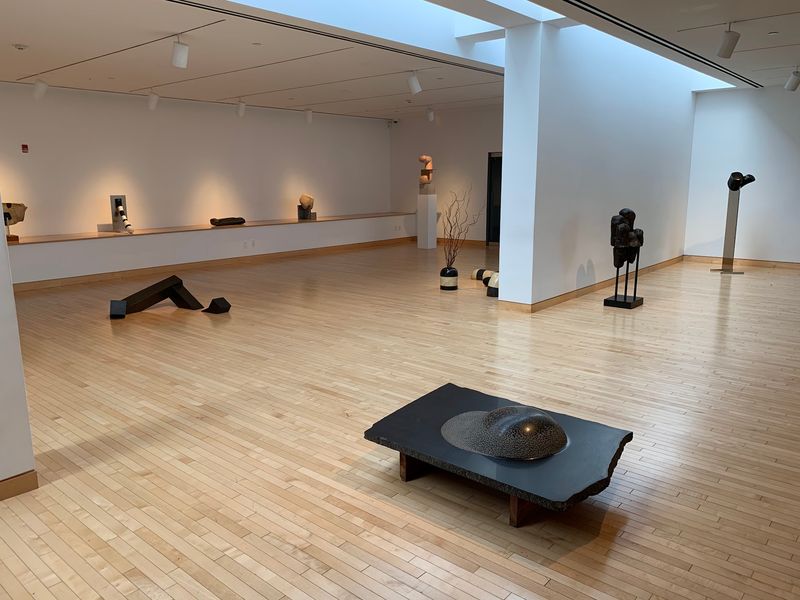
Sculptor sounds like a tidy job title. Noguchi never stayed inside one box, though, and the collection proves it.
The museum preserves the world’s largest collection of his work, spanning stone, metal, wood, and ceramic sculpture, plus drawings, models for public projects, furniture, and stage designs.
His work for dance explored how performers could move through sculptural spaces.
Architectural models reveal another side of his imagination. He designed gardens, playgrounds, and public spaces for interaction.
The museum also hosts temporary exhibitions, allowing visitors to consider his work alongside new ideas and contemporary artists. That means the same galleries can offer a different experience on a later visit.
One current exhibition, Light and Stone: Revisiting Noguchi’s 1986 Venice Biennale, explores a major presentation from late in his career. It continues into May 2027.
This New York collection has a rare breadth. You can follow a single artist’s thinking from a small drawing to a public monument, with an illuminated lamp or a stage design somewhere in between.
Save Room In Your Bag For The Museum Shop
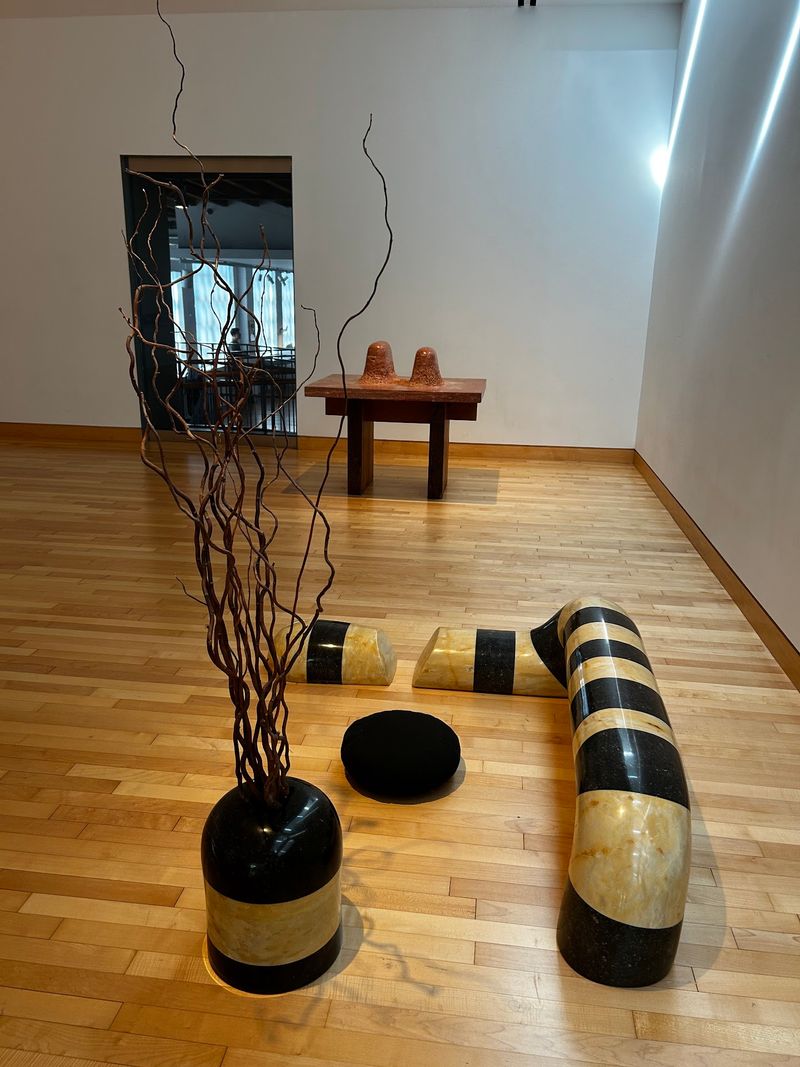
Gift shops can be hit or miss. This one fits the museum so well it almost feels like another gallery.
The Noguchi Museum Shop showcases Akari light sculptures, furniture, books, and carefully selected works by other artists and designers. Its displays bring handmade objects together with practical pieces for everyday use.
Those glowing Akari lamps you admired in the galleries may be among the designs available to bring home. Books about Noguchi’s sculpture and design offer another way to revisit what you’ve just encountered.
Ceramics and textiles from contemporary makers round out the selection.
The shop is operating, but the café is currently closed. Make plans for refreshments outside the galleries rather than counting on a coffee break inside.
You can still linger in the store after exploring the garden. Browse the furniture designs, compare the different Akari forms, or choose a publication that helps make sense of one sculpture you kept returning to.
It’s a fitting final stop, where Noguchi’s ideas move from museum objects into ordinary daily life.
Plan Your Trip Right And Queens Will Reward You
Finding the museum takes a little planning, but the payoff is worth every step. You’ll head to 9-01 33rd Rd, Long Island City, near Vernon Boulevard in Queens.
The Noguchi Museum is generally open Wednesday through Sunday from 11 a.m. to 6 p.m., closing on Mondays and Tuesdays. The last entry is at 5:30 p.m.
Admission is free on the first Friday of each month, an especially useful opportunity for visitors exploring New York art institutions.
Reservations are not normally required for individual visits. Reach it by subway followed by a walk or local bus.
As of late October 2026, the second-floor galleries are temporarily closed for installation through November 1. The anniversary Akari exhibition begins November 4, bringing those upstairs spaces back into the visit.
Socrates Sculpture Park sits nearby along the East River. The two sites make an appealing pairing when the weather cooperates.
Leave enough time for both the building and the garden. Noguchi’s museum rewards a quieter afternoon rather than a rushed circuit through the rooms.