Soldiers Kept Watch From This Nebraska Fort In The 1870s And Its Original Barracks Still Stand Today
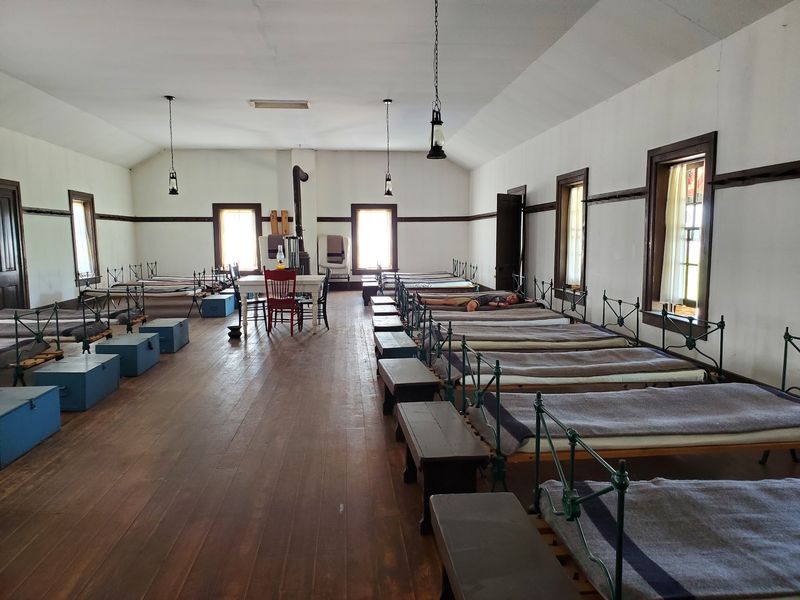
Soldiers built these Nebraska barracks out of a homemade lime grout in the 1870s, and they’re still standing. Most prairie forts from that era crumbled and melted back into the grass long ago.
Nine original buildings survived here, including the barracks, the officers’ quarters and a post hospital. I like that you can still walk the same parade ground those infantrymen crossed.
The soldiers stayed only seven years, and they saw just one minor skirmish the whole time. Mostly, the post acted as a neighbor, employer and market for homesteaders trying hard to make a go of it out here.
I can’t imagine a better way to make old history feel close enough to touch. So how did plain grout walls outlast nearly 150 years of Sandhills weather?
The Sandhills Fort That Simply Refused To Crumble
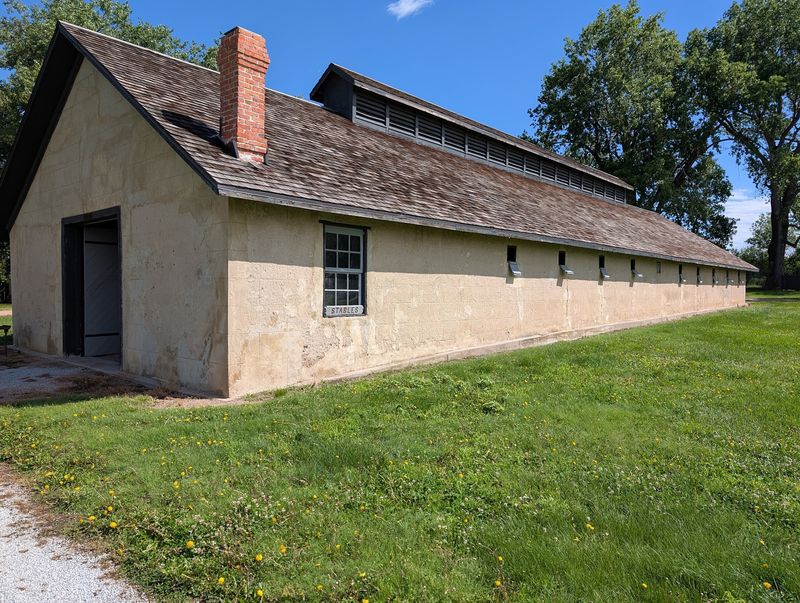
Out where the North Loup River valley meets the edge of the Sandhills sits Fort Hartsuff State Historical Park. It’s a genuine 1870s infantry post, and a surprising amount of it is original.
The Nebraska Game and Parks Commission runs the site today. Its buildings stand in a tidy ring around a central parade ground, just like they did when soldiers lived here.
Here’s the part that makes history fans sit up straight. Nine of the buildings date back to the fort’s working years, from 1874 to 1881.
That’s rare for a frontier post. Plenty of forts from the same era survive only as markers, foundations or a lonely flagpole.
At Fort Hartsuff, you get the whole picture instead. Original structures share the grounds with careful reconstructions built from historical research and archaeology.
Many rooms are furnished with late-1800s artifacts, so the place feels lived in rather than roped off. A gravel path loops around the parade ground, making it easy to take in the layout.
The fort sits between Ord and Burwell, close to the tiny town of Elyria. It’s a quiet corner of the state, and the drive alone feels like a small adventure.
Why An Army Post Landed On The Prairie In 1874
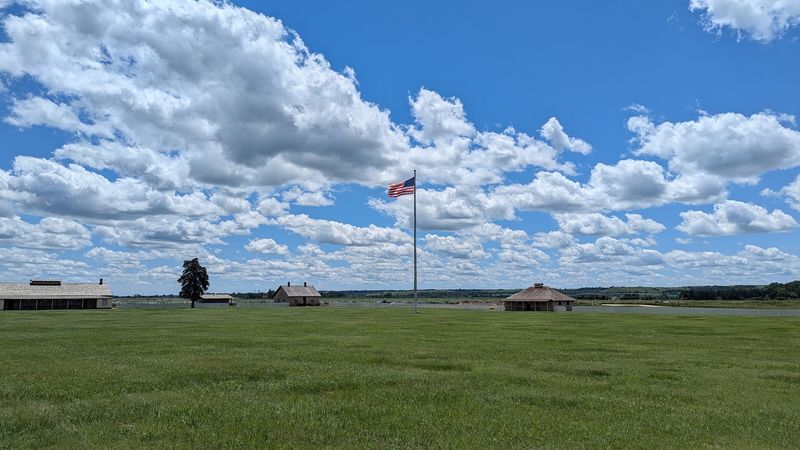
Homesteaders were pouring into the North Loup valley in the early 1870s. Many of them felt uneasy about living so far from help.
The Army answered in 1874 by building a new infantry outpost. Its job was to act as a buffer between settlers and Native nations during a tense time on the Plains.
The fort was meant to protect both homesteaders and the Pawnee from the perceived threat of the Sioux. That detail surprises a lot of folks who expect a simpler story.
As it turned out, the soldiers saw only one minor skirmish in seven years. Most days looked a lot more like drills, chores and paperwork than dramatic action.
The post also became something nobody planned for. It turned into a social hub, a steady employer and a ready market for local farmers.
Picture a homesteader selling hay or vegetables to the Army instead of hauling them miles away. For a young settlement, that kind of business mattered a great deal.
By 1881, the fort’s work was done, and the soldiers marched away. The buildings stayed behind, waiting for a second act.
Walls Made Of Grout And Plain Prairie Stubbornness
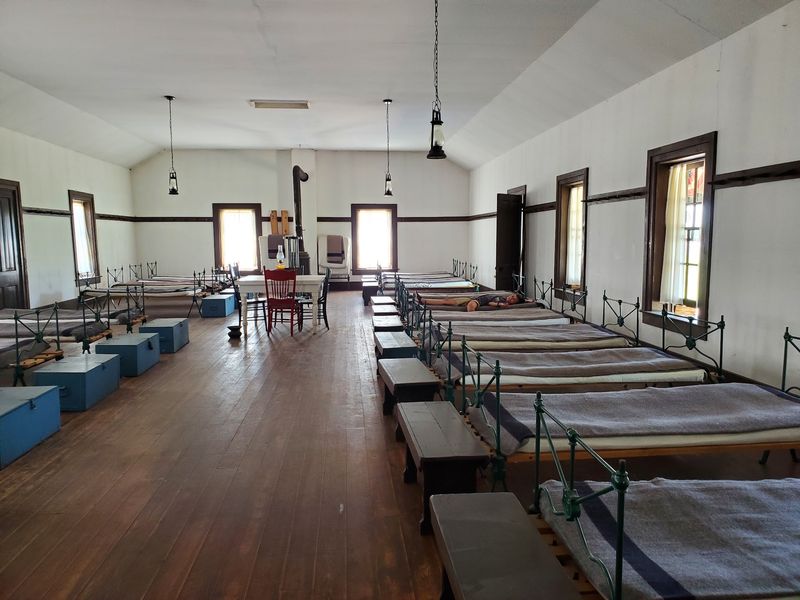
Lumber was scarce on this stretch of prairie in the 1870s. So the builders got creative with what the land gave them.
They mixed a lime and concrete blend, often called grout, using local materials. Then they formed the walls of the fort from it.
That choice turned out to be brilliant. Wooden and sod forts across the region slowly rotted or slumped away, while these walls held firm.
It’s the main reason Fort Hartsuff still exists in such good shape. Without the grout, you’d likely be reading a roadside marker instead of opening real doors.
The story didn’t end neatly in 1881, either. After the Army left, the property spent many years as a working farm.
Farm life is rough on old buildings, yet nine of them hung on. The Nebraska Game and Parks Commission bought the site and those nine survivors in 1961.
Park staff then restored the original structures and rebuilt missing ones from research and archaeology. The goal was simple: return the fort to its 1870s look.
Run your eyes along those pale walls, and you’re seeing nearly 150 years of Sandhills weather. They’re still winning.
Bunks, Boots And The Barracks That Outlasted Everyone
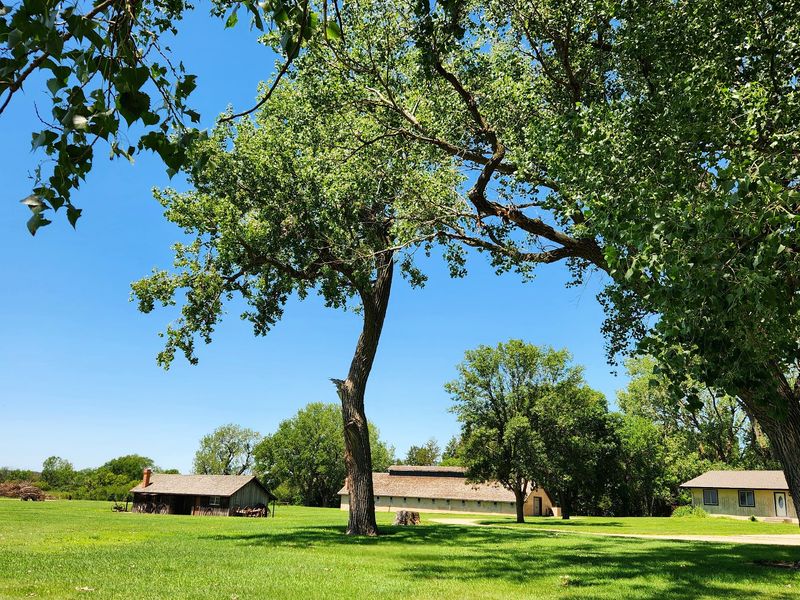
Ninety-some years before anyone called it a park, enlisted soldiers slept, cleaned gear and swapped stories in these rooms. The Enlisted Men’s Barracks is one of the fort’s original survivors.
That alone makes it worth a slow lap. You’re standing inside the actual building, not a modern copy built to look old.
The barracks is furnished to show how everyday soldiers lived on the frontier. Expect the kind of period details that turn a history lesson into something you can almost smell.
Kids tend to latch onto spaces like this fast. Bunks, uniforms and old equipment make sense to young minds in a way dates on a sign never will.
It’s also a good reminder that frontier duty wasn’t all bugles and banners. Life here meant crowded quarters, routine chores and long stretches of Nebraska weather.
Take a minute to look out a window toward the parade ground. Soldiers lined up out there for drills, and the view hasn’t changed much.
Honestly, that’s the magic of this building. The barracks doesn’t just describe the 1870s, it quietly puts you right in the middle of them.
Officer Row Comes With Better Furniture And Fancier Stoves
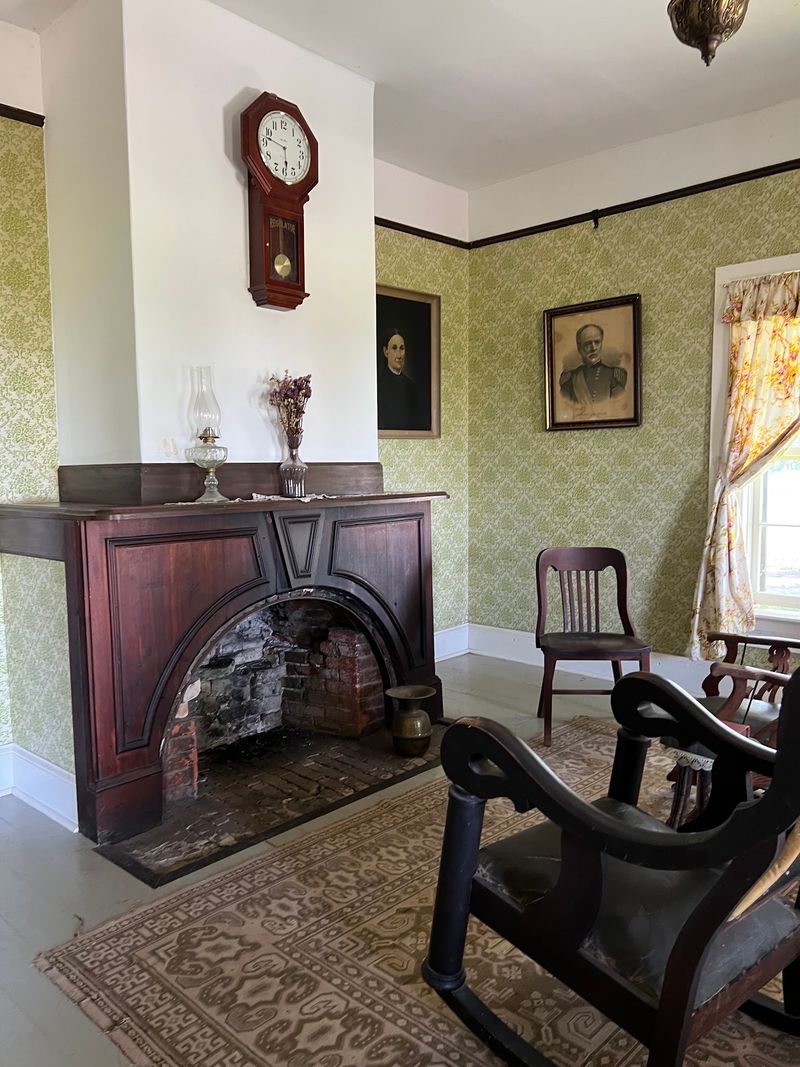
Rank had its perks, even on the prairie. The officers at Fort Hartsuff lived quite differently from the men in the barracks.
Two original buildings tell that side of the story. The Officers’ Quarters and the Commanding Officer’s Quarters both survived the farm years and the decades since.
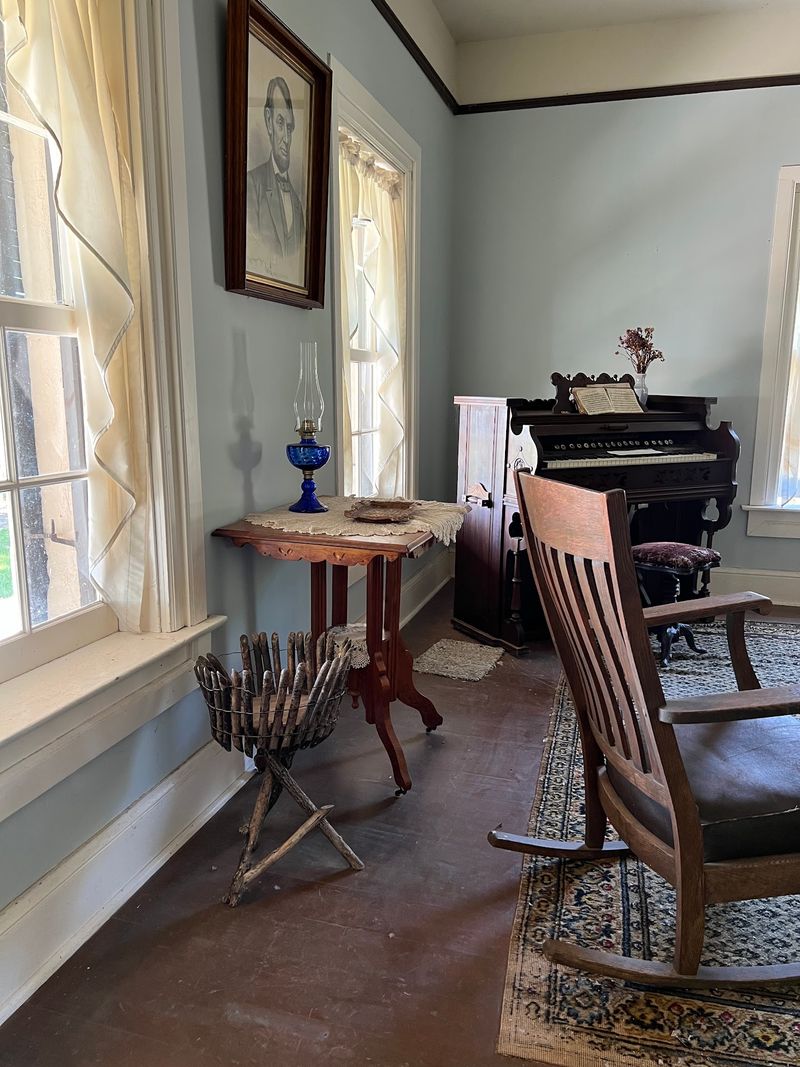
Inside, the rooms are furnished with late-1800s pieces that show a more comfortable, family-style life. Think parlors, proper dining spaces and the cast iron stoves that heated and fed a household.
Those stoves deserve a close look. They’re heavy, ornate and a little intimidating, which feels about right for frontier cooking.
Comparing these homes with the barracks is half the fun. It shows how a small outpost still kept a clear social ladder.
Officers often brought their families west, too. That added children, visitors and social gatherings to a post that otherwise ran on strict routine.
Walking between the two kinds of quarters takes only a minute. Yet the jump in comfort feels like moving up several pay grades on the spot.
Next time someone complains about a small kitchen, remember these stoves. Somebody baked bread on them in the 1870s.
Old Medicine Bottles Inside A Real Frontier Hospital
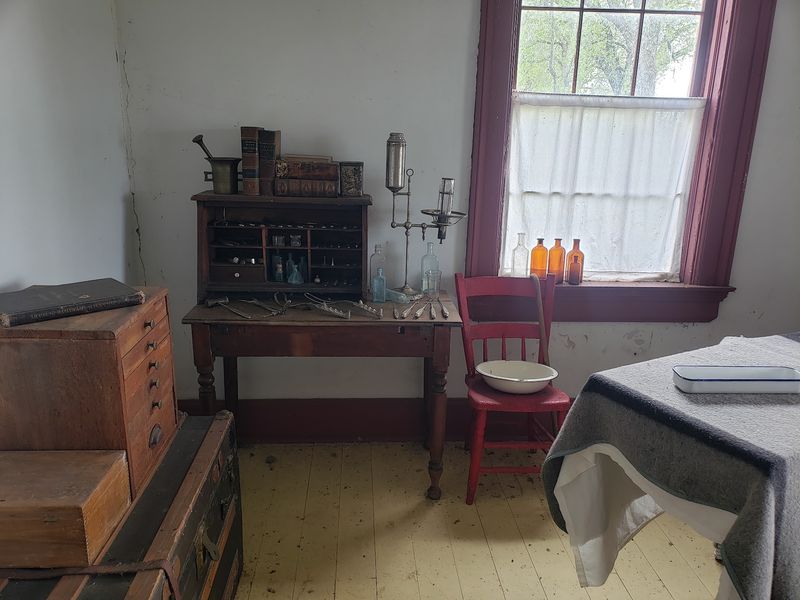
Frontier medicine was not for the faint of heart. The Post Hospital at Fort Hartsuff gives you a polite, museum-friendly peek at how it worked.
It’s one of the original buildings, which makes the experience feel more personal. Soldiers and others from the area actually came here when they needed care.
The rooms display tools and medications from the era. Glass bottles, instruments and simple beds paint a picture of medicine before modern clinics.
For many history lovers, this ends up being a highlight. There’s something fascinating about seeing how much doctors managed with so little.
Younger visitors may have plenty of questions here. Fair warning: you’ll probably be explaining what some of those old instruments did.
Keep it light, and the hospital becomes a great conversation starter. Comparing a frontier sick bay to today’s doctor visits can make anyone grateful for modern medicine.
The building also shows how self-reliant a remote post had to be. Help from the nearest city was a long wagon ride away across the Nebraska prairie.
Step back outside, and the sunny parade ground feels extra cheerful. Funny how a little perspective works.
The Guardhouse, The Forge And Everything Else Around The Square
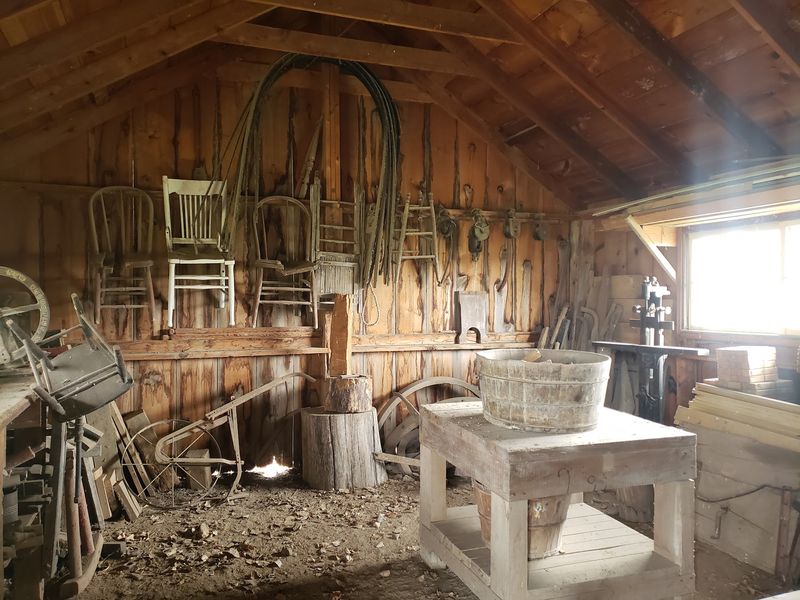
A fort is really a small town with a flagpole. Fort Hartsuff proves it with a whole lineup of working buildings beyond the main quarters.
The Post Headquarters is original and now holds the office and gift shop. It’s a natural first stop for maps, books and souvenirs.
From there, the circle keeps going. You’ll find the Quartermaster Storehouse, the Quartermaster Stables and the Blacksmith and Carpenter Shop.
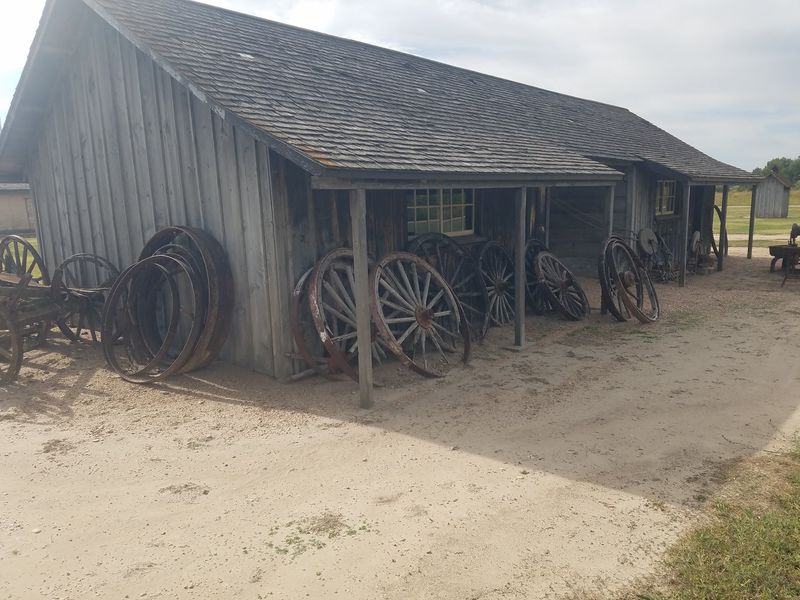
Wagons and blacksmith gear tend to grab attention right away. They show the muscle work that kept a remote post running.
The Guardhouse is another favorite, especially for kids. It’s where soldiers who broke the rules cooled their heels, and it displays period firearms too.
There’s also a building that housed laundresses, a bakery and commissary quarters. It’s a nice nod to the civilians and support workers who made fort life possible.
And yes, there’s a privy. Every complete frontier tour should include at least one building nobody misses today.
Together, these spaces fill in the everyday details. You start to see how food, supplies, horses and repairs all fit into one busy little world on the prairie.
Cannon Fire, Reenactors And Living History Weekends
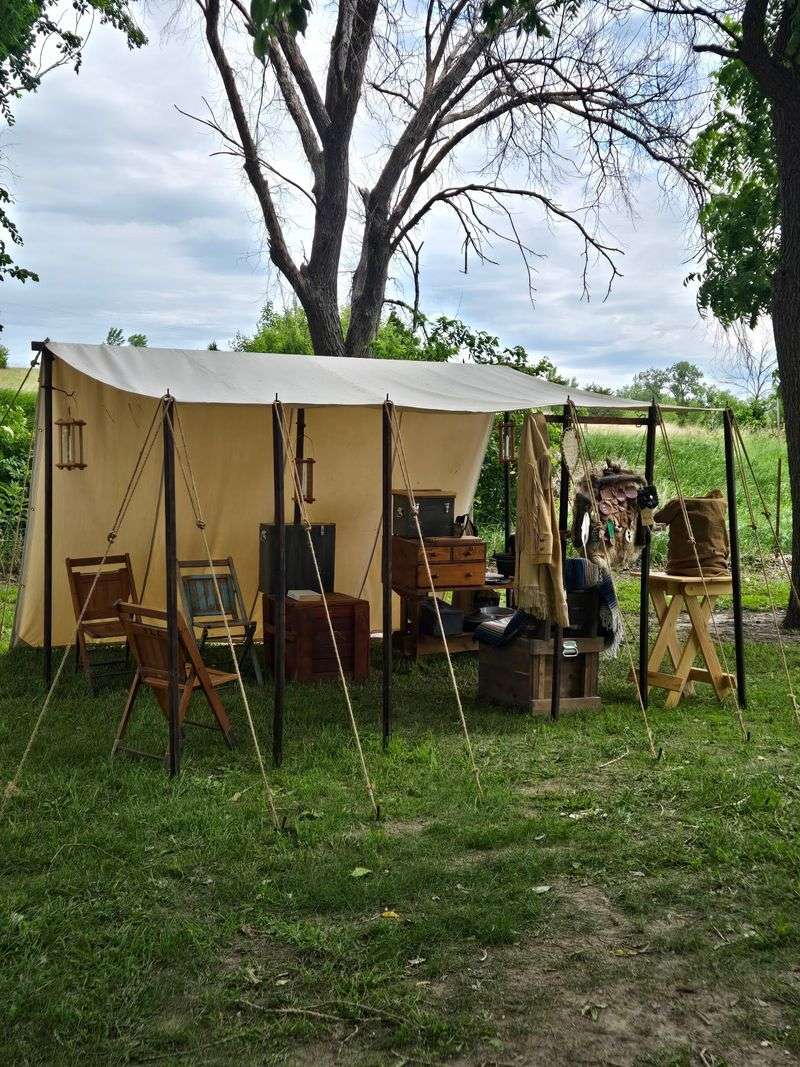
Boom. Few things wake up a history lesson faster than an artillery demonstration on an old parade ground.
Fort Hartsuff hosts living history weekends throughout the year. Reenactors in period dress bring the 1870s post back to life for a day or two.
Events can include presentations, artillery demonstrations and period skills like blacksmithing and soap making. Watching a craft done by hand makes the quiet buildings suddenly feel busy again.
Some special events have even featured cannon firing after dark. Echoes rolling across the Sandhills at night make for a memory that sticks.
Historians and volunteers share plenty of background during these gatherings. It’s the best time to ask questions and hear the little stories signs can’t hold.
Schedules change from year to year, so check the park’s event calendar before you go. Planning a trip around one of these weekends is well worth the effort.
If you can’t make an event, the fort still delivers. Still, seeing uniforms, smoke and tools in action adds a whole extra layer.
Bring ear protection for the little ones on cannon days. Their grins will be loud enough already.
Peaceful Grounds That Work For Grandkids And History Buffs Alike
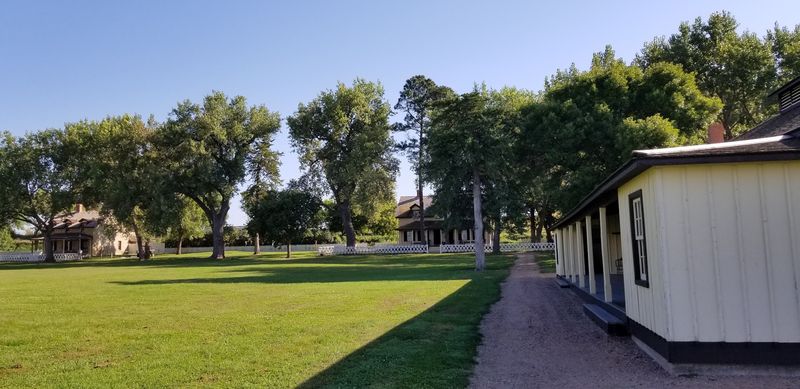
Quiet is a big part of the charm here. The fort sits well off the busy highways, and the setting feels calm and unhurried.
That makes it a great pick for families and retirees looking for an easy, affordable outing. Nobody needs to rush, and nobody needs a fancy itinerary.
Young kids usually find plenty to explore. Wagons, the guardhouse, the barracks and old tools give them something hands-on to talk about.
Grown-ups who love reading every sign can happily linger for hours. Meanwhile, the rest of the crew can stroll the gravel path around the parade ground.
Big shade trees add to the relaxed mood. They’re a welcome sight on a warm summer afternoon in central Nebraska.
Picnic facilities are available, so packing lunch is a smart move. Eating outdoors after a tour feels like the perfect frontier finish.
Modern restrooms and outhouses are on site too. That small detail matters when you’re traveling with kids or grandparents.
You don’t need to be a history buff to enjoy it. A little curiosity and a sunny day will carry you surprisingly far here.
Timing, Tickets And Turning Off The Right Road
A little planning goes a long way at this fort. The grounds and the buildings keep different schedules, and that trips people up.
The park grounds are open year-round from morning until dusk. You’ll need a valid Nebraska park entry permit on your vehicle.
The historic buildings and gift shop open seasonally, from May through September. They run mid-week through the weekend, and visits can be arranged by appointment the rest of the year.
Days have shifted in recent seasons, so check with the park before heading out. Showing up on a closed day still lets you peek through windows, but it’s not the full experience.
Building admission is a small separate fee, with a lower rate for kids. Little ones under three get in free.
The address is 82034 Fort Avenue, Burwell, NE 68823. From Burwell, head about 10 miles southeast on Highway 11, then go 3 miles north on Fort Avenue.
Roads are paved the whole way. Still, trust the signs over your GPS, since phone directions have been known to wander toward farm lanes.
Start at the Post Headquarters. It’s the easiest place to sort out passes and grab a map.
A Sandhills Day Trip Worth Stretching Into A Weekend
Few road trips let you touch walls built in 1874. That’s the real payoff of a drive to this corner of the Sandhills.
Fort Hartsuff State Historical Park makes frontier history feel solid and close. Nine original buildings, a full parade ground and furnished rooms do the talking.
It’s also easy to turn the visit into a bigger outing. Ord, Elyria and Burwell offer spots for meals, fuel, groceries and places to stay.
Calamus Reservoir State Recreation Area sits nearby for anyone craving open water. Camping, fishing, boating and hiking can round out a long weekend nicely.
Pair a morning at the fort with an afternoon by the lake. That’s a pretty great Nebraska combo for families, couples and curious grandparents alike.
Spring and early fall bring mild weather for strolling the grounds. Summer adds the full building season and those lively living history weekends.
For anyone who grew up near Ord or Burwell, this place probably already feels familiar. For everyone else, it’s a fresh reason to point the car toward the Loup valley.
Those grout walls have waited this long. They’ll be ready when you are.