Is It True That Idaho’s Biggest Lake Reaches 1,150 Feet Deep Beneath Its Quiet Shoreline
The U.S. Navy tests scale-model submarines in a lake in northern Idaho.
Not the ocean. A mountain lake with swimming beaches and kayak rentals.
That lake drops roughly 1,150 feet at its deepest point. Some surveys push the number even higher.
It ranks among the five deepest lakes in the entire country.
I like how the surface gives away none of that drama. Families paddle near the shore while trophy trout cruise far below.
Bald eagles and ospreys work the water overhead.
I can’t imagine floating out there without wondering what sits beneath the boat. Glaciers carved this basin, and Ice Age floods roared through it.
So how does a place this deep stay so calm on top?
The Ear-Shaped Giant of the Idaho Panhandle
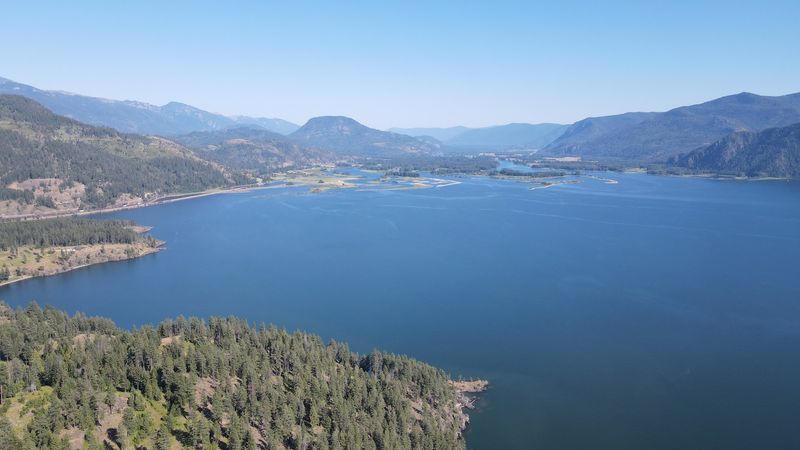
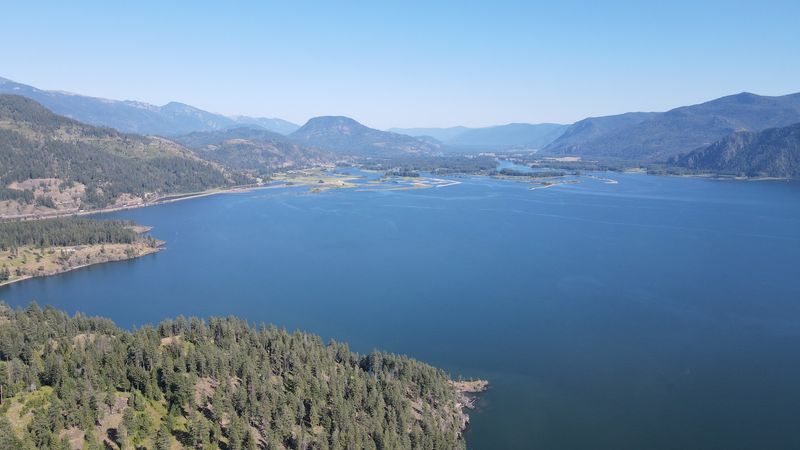
Lake Pend Oreille sits in the northern Idaho Panhandle, framed by the Selkirk, Cabinet, and Bitterroot Mountains. It’s Idaho’s largest lake by surface area, covering roughly 148 square miles.
Stretch that out and you get a lake about 43 miles long. Shoreline estimates run anywhere from 111 to 144 miles, depending on how you count every bay and cove.
So yes, the headline claim holds up. The National Park Service lists a maximum depth of about 1,150 feet.
Other sources put it at 1,152 or 1,158 feet. One even claims some spots plunge past 1,200 feet.
Either way, the lake consistently ranks as the fifth-deepest in the United States. That’s a lot of water hiding under a postcard.
Sandpoint is the largest town on the shore, sitting near the north end. Smaller communities like Hope, Bayview, and Clark Fork fill in the edges.
The name is pronounced POND-uh-RAY, which saves you an awkward moment at the gas station. Say it right once and you’ll sound like you’ve been coming for years.
Fair warning, though. Once you know how deep it goes, every quiet ripple starts looking a little suspicious.
Glaciers, Floods, and a Basin Built for Depth
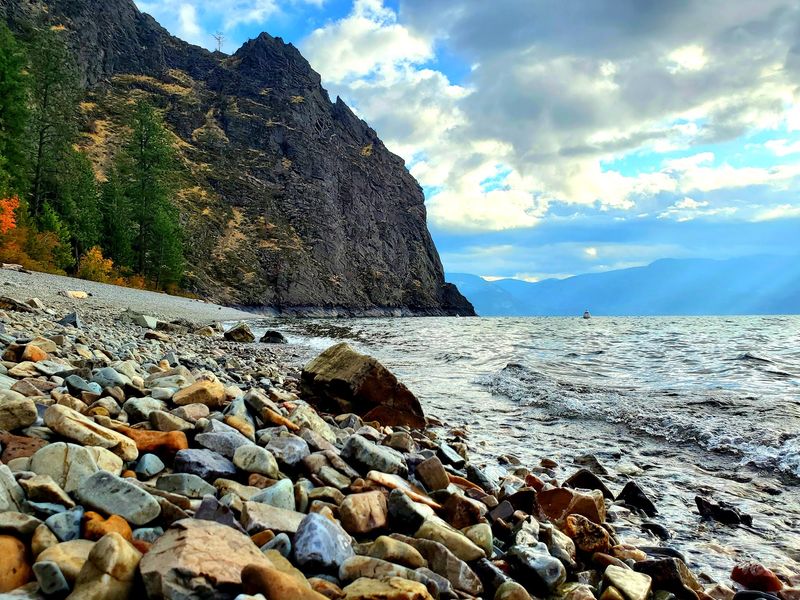
Ice did the heavy lifting here. Massive Ice Age glaciers pushed through the Purcell Trench and scoured out the lake basin.
Then came the Missoula Floods. The lake sat right in the path of those ancient torrents, which reshaped huge parts of the region.
That violent history explains the steep drop-offs. Mountains slide straight into the water in many places, with little shallow shelf to soften the plunge.
It’s a geology lesson you can actually see from the shore. The cliffs and slopes tell the story better than any textbook diagram.
Humans have added their own tweak. The Albeni Falls Dam on the Pend Oreille River, the lake’s outlet, was completed in 1955.
That dam controls the lake’s water levels today. It’s one reason summer beach conditions stay fairly predictable.
I believe knowing all this changes how the lake feels. A calm afternoon swim becomes a float above a canyon carved by ice.
Not bad for a place where most people just want a sandy towel spot. The backstory adds weight to every view.
Geology fans, consider this your Panhandle field trip. Everyone else gets bonus trivia for the drive home.
A Name Borrowed From Kalispel Ear Pendants
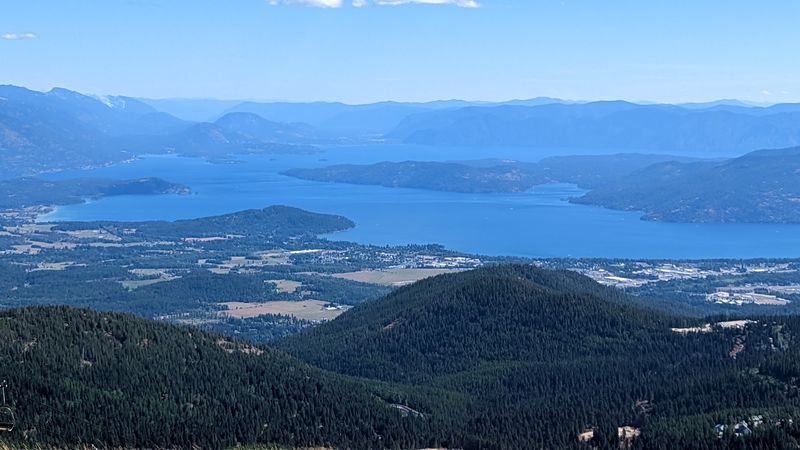
French fur traders gave this lake its name. “Pend Oreille” refers to an ear pendant, a style associated with the Kalispel people who traditionally lived in the area.
There’s a neat bonus detail too. Viewed from above, the lake is said to resemble the shape of a human ear.
Whether you see the ear or not, the name sticks. It’s one of the most mispronounced words in Idaho, and one of the most memorable.
The written history goes back to 1809. That’s when David Thompson established a North West Company trading post on the lake.
That date puts the area among the earliest fur trade sites in the region. Long before marinas, canoes and trade goods moved along these shores.
The Kalispel presence came well before any of that. Their connection to the lake is woven right into the name everyone uses today.
I like that the lake carries its past in plain sight. Every road sign quietly hands you a history lesson.
Next time someone says “pend oh-RAIL,” you’ll know the story. You might even get to correct them gently, which is half the fun.
Submarines in the Mountains, Seriously
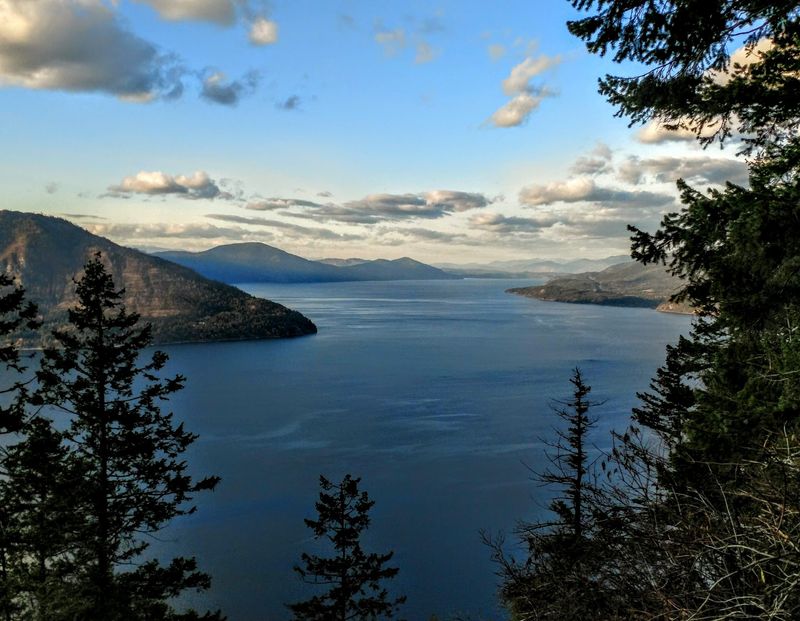
Here’s a fact that wins every trivia night. The U.S.
Navy has tested submarine technology on Lake Pend Oreille for more than 65 years.
The Navy’s Acoustic Research Detachment operates out of Bayview, Idaho, at the south end. The lake’s deep, quiet water makes it ideal for acoustic testing.
Since 1987, the detachment has worked with a large-scale structural model of the SSN-21 Class submarine. That’s the Seawolf class, tested in a lake surrounded by pine trees.
Why here? Deep water far from ocean noise gives researchers a calm, controlled environment.
The Navy’s history in the area runs back further. Farragut State Park, just nearby, was once a Naval Training Station.
That legacy gives this corner of the Panhandle a surprising military flavor. You don’t expect sonar research next to campgrounds and huckleberry country.
Don’t plan a submarine-spotting trip, though. Testing is official business, not a public show.
Still, knowing it happens adds a little mystery to every boat ride. Some locals keep one eye on the water just in case.
Bayview is a small lakeside spot. Its claim to fame happens to be classified-level cool.
Trophy Trout Lurking in the Deep
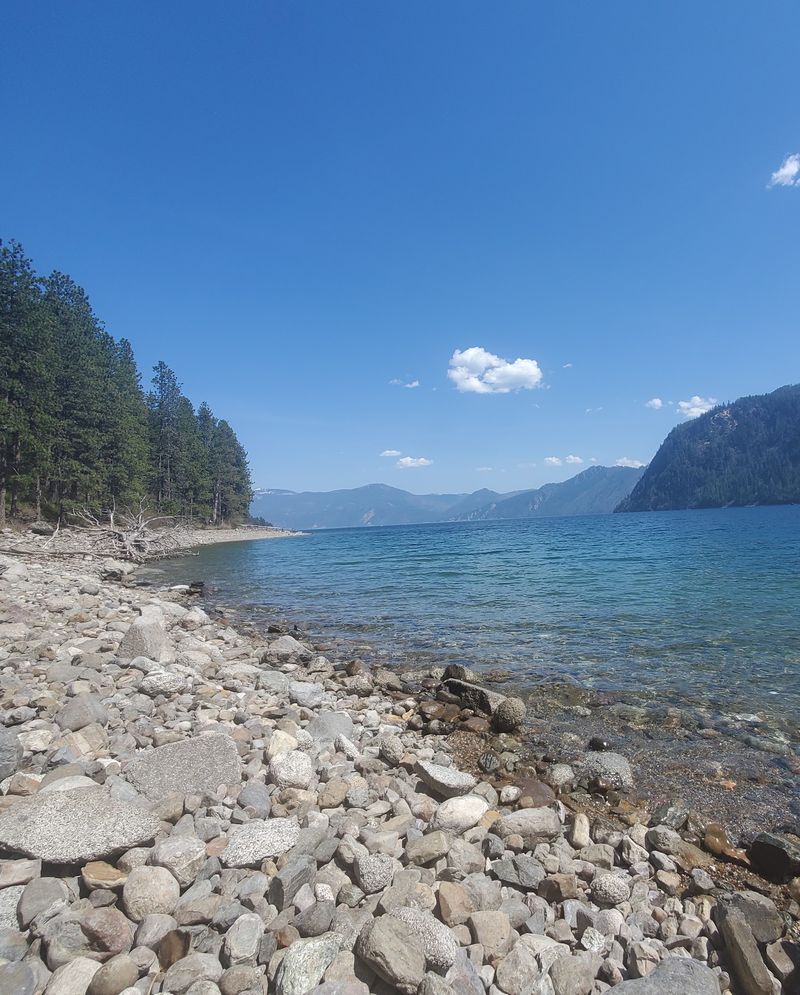
Thirty-seven pounds. That’s the Idaho state record Kamloops rainbow trout, pulled from Lake Pend Oreille.
The lake also holds the world record for bull trout at 32 pounds. Not bad for one body of water in the Panhandle.
Kamloops are giant rainbow trout, and they’re the headline act. Mackinaw, also called lake trout, share the spotlight with them.
Fish over 20 pounds aren’t unusual for either species. That deep, cold water gives big fish plenty of room to grow.
Kokanee salmon add another option. They’re a favorite target, and spawning kokanee draw wildlife watchers too.
Prefer warmer, shallower water? Bass, pike, walleye, perch, crappie, and bluegill all live here as well.
That variety means a beginner with a bobber and a seasoned troller can share the same lake. Nobody has to fight over the same fish.
Check current Idaho Fish and Game rules before you head out. Licenses and regulations apply, and they change.
Bring a bigger cooler than you think you need. Optimism is cheap, and this lake rewards it more than most.
Room to Roam on Open Water
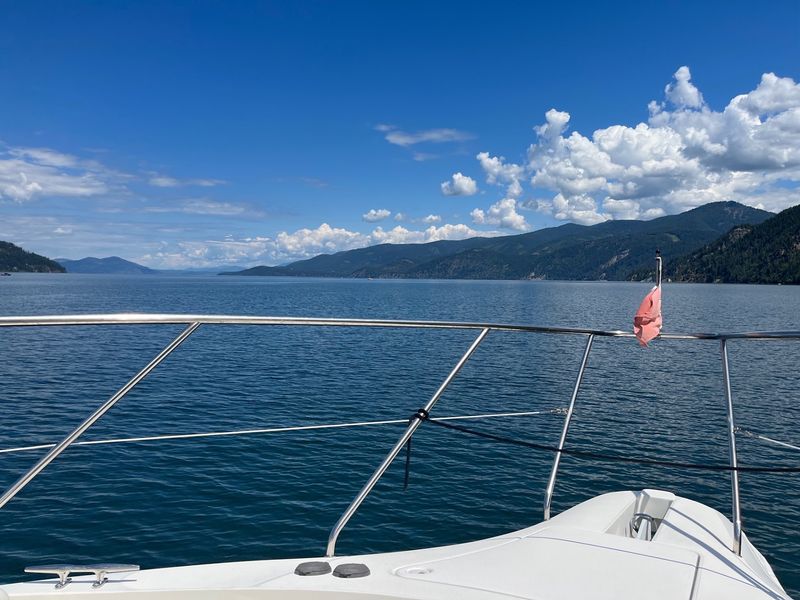
A lake this big means you rarely feel boxed in on a boat. Forty-three miles of water spreads crowds thin.
Marinas and launches ring the shore, especially around Sandpoint, Bayview, and Hope. Dover Bay Marina alone offers 274 slips.
No boat? No problem.
Rental shops offer jet skis, ski boats, pontoon boats, sailboats, and kayaks.
Captained trips are another option. Some outfitters run cruises with a guide at the helm, so nobody has to worry about docking.
Calmer bays suit kayaking, canoeing, and paddleboarding. Families with kids tend to stick to those protected spots.
The clear water is a big part of the appeal. On a bright day, you can see well below the surface near shore.
Remember that deep water can turn choppy when the wind picks up. Keep an eye on the weather and wear a life jacket.
I can’t imagine a better way to grasp the lake’s size than from a deck. The shore shrinks fast once you head out.
Plan a full afternoon. Hopping between bays takes longer than the map suggests.
Swimming Weather Has a Short, Sweet Window
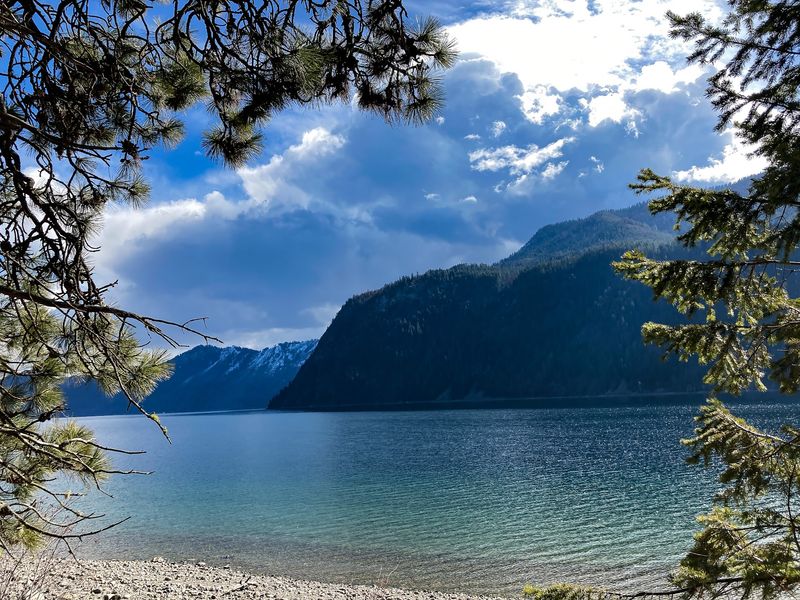
Timing matters if you plan to swim. The best window runs from about mid-July through mid-August.
That’s when protected nearshore water warms to roughly 60 to 75 degrees. Deeper water stays much colder year-round.
Sandpoint City Beach sits right in downtown Sandpoint. It’s an easy pick for a beach day with town nearby for snacks.
Sam Owen Campground and Park, near Hope, offers another inviting beach. It pairs well with an overnight stay.
Other access points include Garfield Bay, Springy Point, Whiskey Rock, and Trestle Creek. Each brings a different slice of shoreline.
Picnic sites and boat launches show up all along the lake. You can build a whole lazy day without straying far from the car.
Start in the shallows and let your body adjust. That first step in can be bracing, even in August.
Bring water shoes for rocky stretches. Some beaches are sandy, while others lean pebbly.
The payoff is clear, clean water and mountain views from your inner tube. Just don’t think too hard about the 1,150 feet waiting farther out.
Eagles, Ospreys, and the Occasional Moose
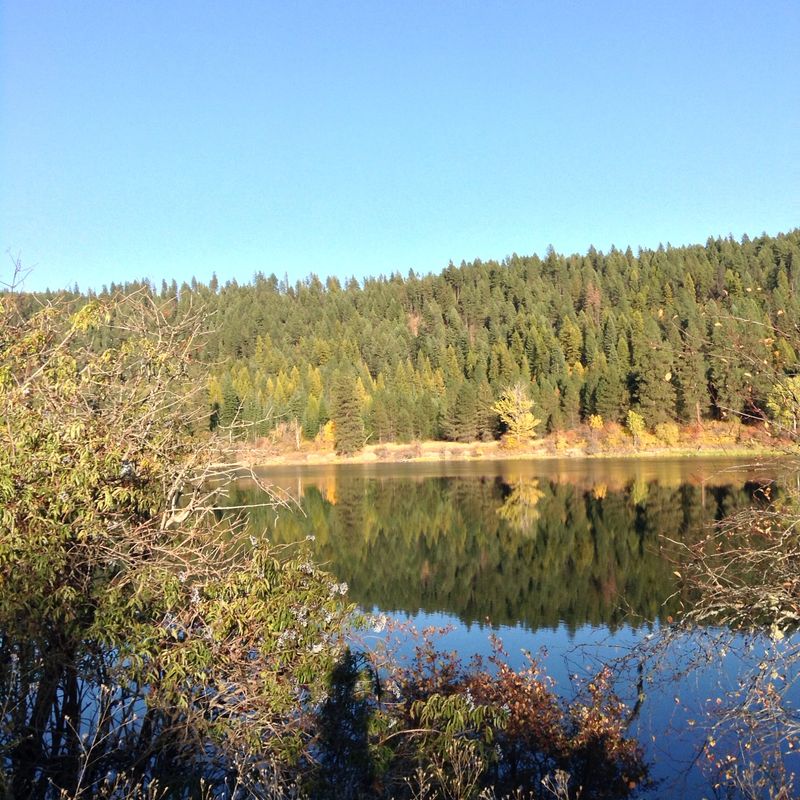
Look up before you look down. Ospreys and bald eagles patrol the lake, often diving for fish.
The shoreline forests hold even more. Moose, deer, and bears live in the surrounding woods.
Fall brings its own show. Spawning kokanee salmon turn certain creeks and shallows into wildlife magnets.
Migrating waterfowl arrive in season too. Swans, geese, and ducks pass through the area in good numbers.
Boat tours along the south end also point out rugged cliffs and wildlife. Mountain goats may appear on the steep slopes if they’re feeling social.
Of course, the animals keep their own schedule. Patience and binoculars help more than luck.
Give bears and moose plenty of space. Idaho wildlife is best admired from a polite distance.
Keep food secured at campsites, especially in bear country. A tidy camp keeps everyone safer, including the wildlife.
I like how the lake doubles as a quiet wildlife refuge. You can spend a morning just watching ospreys work.
Bring a camera with a decent zoom. The best shots rarely happen close to shore.
Farragut State Park and the Trails Around the Shore
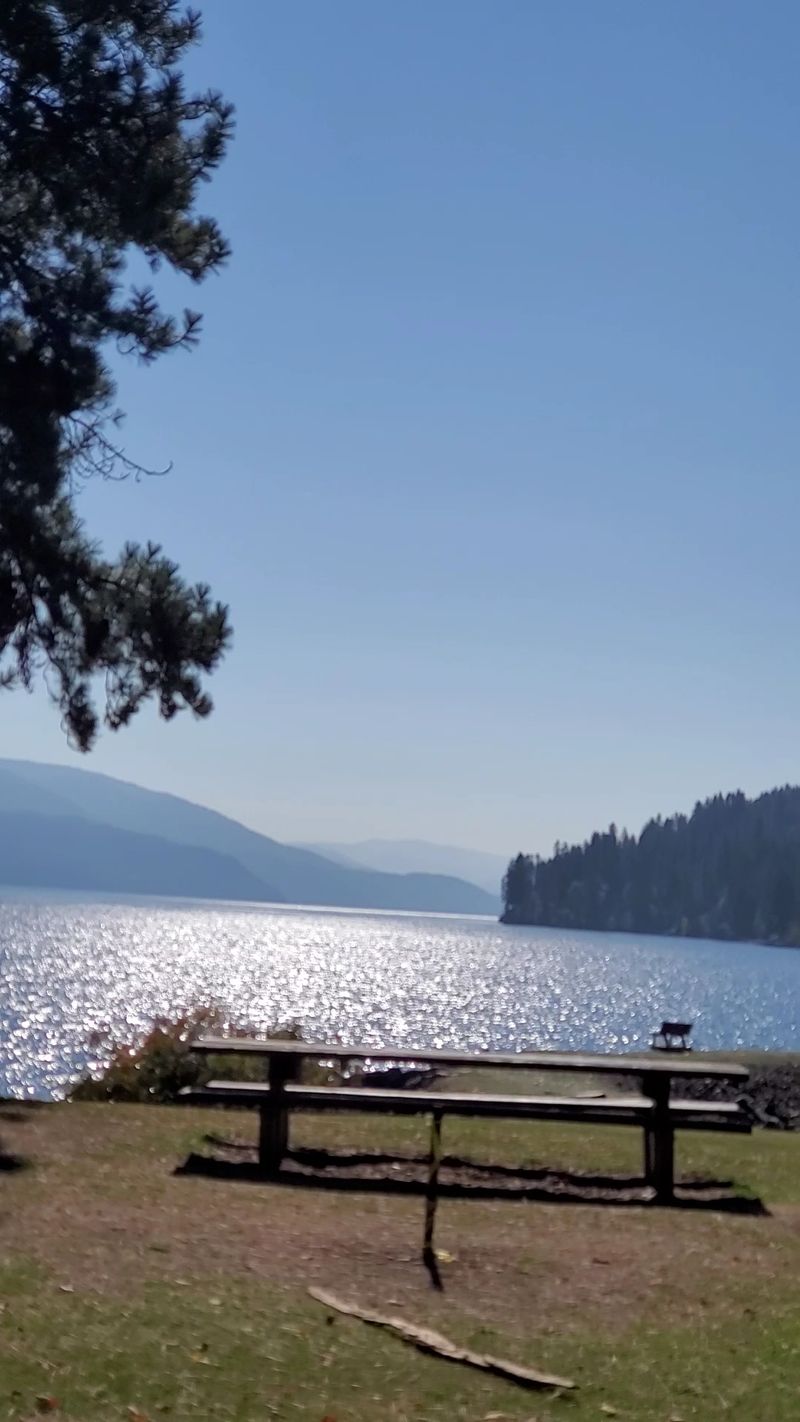
Farragut State Park anchors the lake’s south end near Bayview. It’s a former Naval Training Station turned flagship campground.
The park offers over 200 campsites, plus cabins. More than nine miles of trails wind through the grounds.
Camping options around the lake range widely. You’ll find full-hookup RV loops and even boat-in sites.
Fees apply at state parks and campgrounds. Check current rates and reservations before driving out.
National forests surround the lake, including the Coeur d’Alene and Kaniksu. Trails there stretch for miles in nearly every direction.
Want something easier? The Pend d’Oreille Bay Trail near Sandpoint offers a gentle walk along the water.
Hikers and mountain bikers both get plenty of mileage. Scenic overlooks show off the lake’s sprawling shape.
Rain can turn some trails muddy fast. Sturdy shoes make a big difference in spring and fall.
Families love that Farragut mixes history, camping, and lake access in one stop. It’s a complete weekend without much planning.
Book early for summer. Popular sites go quickly once the swimming window opens.
Worth the Drive North, Depth and All
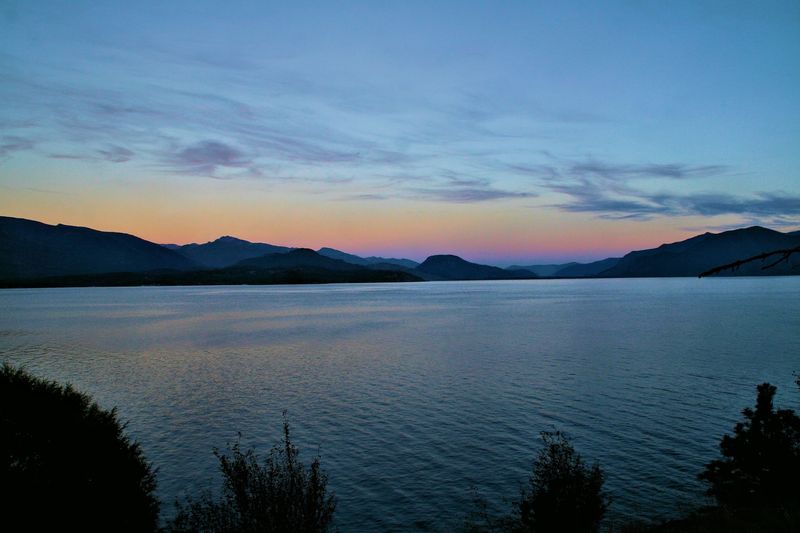
So, is the 1,150-foot claim true? Yes, and some measurements suggest the lake runs even a little deeper.
That depth is the hook, but the shoreline is the reason to stay. Beaches, trails, marinas, and campgrounds give everyone something to do.
Getting there is straightforward. Sandpoint sits on the north end, while Bayview and Farragut State Park sit to the south.
Highway routes connect the shore towns, with lookouts along the way. Plan for a slower drive, because those viewpoints are hard to skip.
There’s no single gate or entry time for the lake itself. Parks, rentals, and campgrounds set their own seasons and fees, so check before you go.
Summer brings the warmest water and the busiest beaches. Shoulder seasons offer quieter trails and wildlife activity.
Anglers, paddlers, campers, and history buffs all find a reason to return. Even the Navy keeps coming back.
I believe Lake Pend Oreille earns its spot as one of Idaho’s great outdoor treasures. Few places mix calm and mystery this well.
Pack a cooler and a camera. The deep end can stay a mystery.