Kentucky’s Oldest Town Has A Pioneer Fort, A Historic Inn And A Charming Main Street
Abraham Lincoln’s parents got married in a little cabin that now sits inside a protective brick building. That cabin is just one stop in a town packed with frontier stories.
A full-size replica fort stands nearby, built to match the one raised here in 1774. Costumed interpreters work at the fort in season, showing off skills like blacksmithing, weaving, and quilting.
I admire how the past feels close enough to touch.
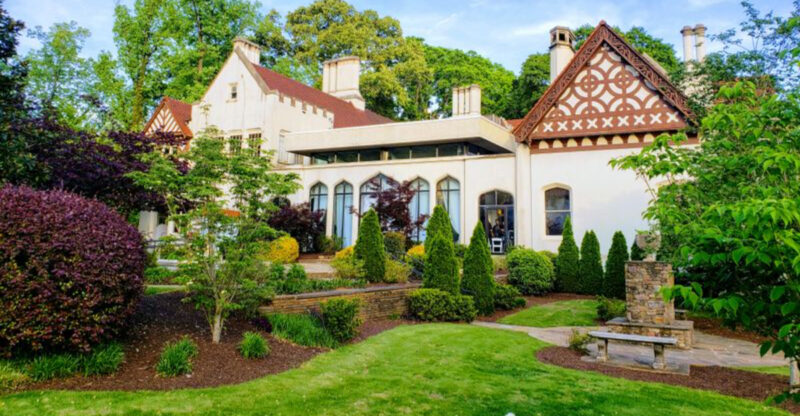
Down the road, an inn has been run by the same family for more than a century. Its main building once housed several colleges for young women.
I can’t imagine many places in Kentucky where you can sleep in that much history.
Then there’s a downtown full of pastel storefronts, an old soda fountain space, and a ghost walk. So where do you start?
You Are Standing Where Kentucky Officially Got Its Start
James Harrod and his group arrived in 1774 and stayed put. That decision made Harrodsburg, Kentucky, the first permanent settlement in the state.
It also marked the first permanent American settlement west of the Allegheny Mountains. That’s a big claim for a town of about 9,000 people today.
Pretty impressive résumé, right?
Harrodsburg is the county seat of Mercer County. It sits in central Kentucky, an easy drive from bigger cities.
Yet the town still feels like a place built around its own story rather than around highways.
The best part is how compact everything feels. A pioneer fort, a historic inn, and a lively downtown all sit within a short distance of each other.
You can stack several eras of history into a single day without much driving.
Planning tip: give yourself at least a full day. Two days lets you slow down, eat well, and catch a guided tour.
Rushing through Kentucky’s oldest town would feel a little like skimming the first chapter of a great book.
Bring comfortable shoes, too. Much of the fun here happens on foot, from fort grounds to downtown sidewalks.
Walk Through The Gates Of A Full-Scale Frontier Fort
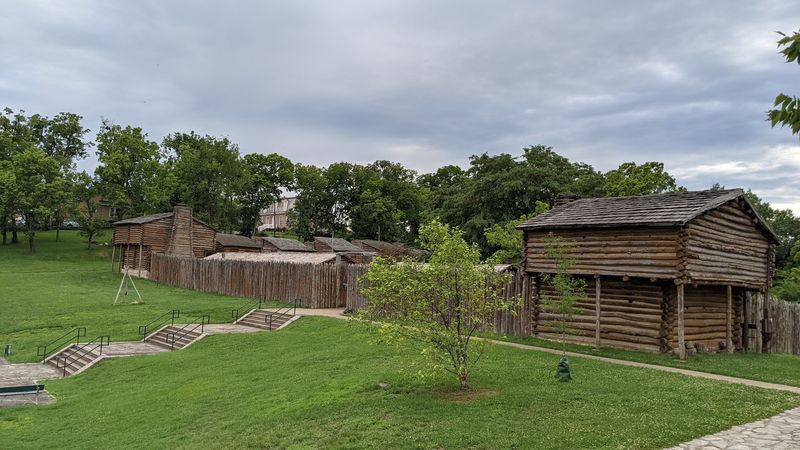
Log walls rise high around a cluster of cabins and blockhouses. Old Fort Harrod State Park centers on a full-scale replica of the fort built here in 1774.
The park covers 15 acres, so there’s room to wander. Inside the fort, you’ll find a militia blockhouse and a family blockhouse.
There are pioneer cabins, a minister’s cabin, and the leader’s cabin as well.
Kids usually get a kick out of the blab school. Early students learned by reciting lessons out loud, which explains the name.
Imagine a classroom where everyone talking at once was the plan.
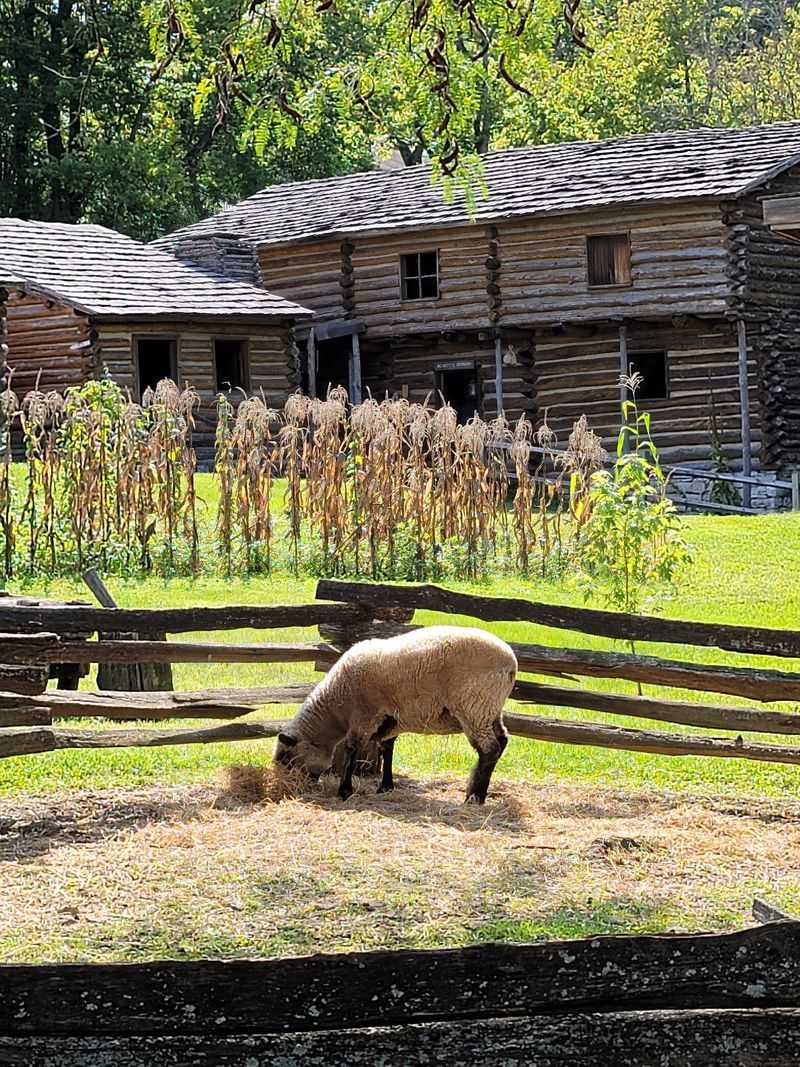
From April to October, costumed interpreters bring the place to life. They demonstrate tinsmithing, weaving, blacksmithing, quilting, and doll making.
Seeing those skills up close beats reading about them in a textbook.
The park started in 1934 as Pioneer Memorial State Park. President Franklin D.
Roosevelt dedicated it, which gives it serious historical credentials.
Visit during the warmer months for the full living history experience. Ask questions, too, since interpreters are there to share what frontier life really demanded.
You may leave grateful for modern kitchens and very grateful for zippers.
A Tiny Cabin Holds A Very Big Presidential Connection
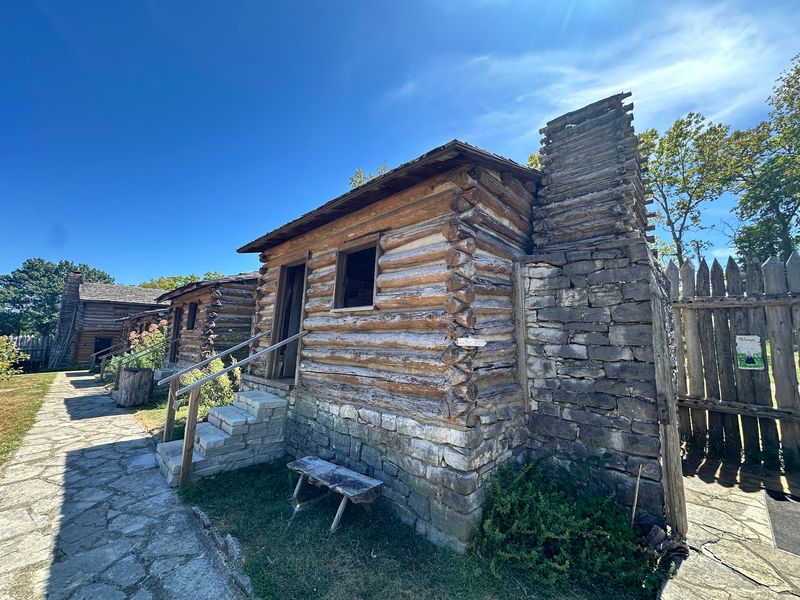
Thomas Lincoln and Nancy Hanks said their vows in 1806. Their son Abraham would later become the sixteenth president.
The cabin where they married now sits inside the Lincoln Marriage Temple at Old Fort Harrod State Park. The brick structure shelters the humble log cabin from the weather.
It’s a neat contrast, like a fancy frame around a simple family photo.
Plenty of states claim Lincoln connections. Kentucky has the strongest ones, since he was born here.
This stop adds a sweet, personal chapter to that story.
Nearby stands the George Rogers Clark Federal Monument. Clark played a major role on the western frontier, and the monument honors that legacy.
The park also holds the oldest cemetery west of the Alleghenies. It’s a quiet, reflective spot that reminds you how early settlers built lives here.
Be respectful and stay on paths as you look around.
Together, these sites make the park more than a single fort. You get a layered look at families, leaders, and early community life.
Budget extra time, because these smaller stops often spark the best questions on the drive home.
Columns, Curiosities, And A Mansion Worth Exploring
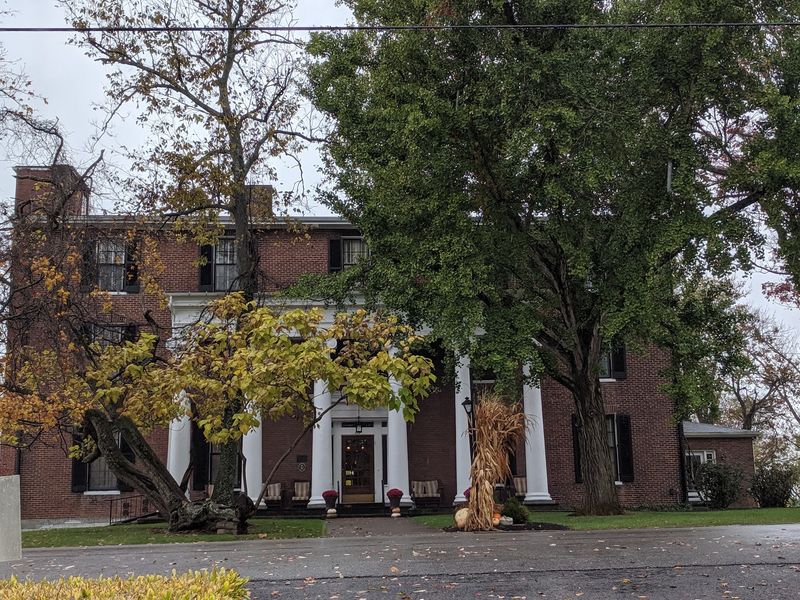
White columns, a stately front, and a building dating back to 1812. The Mansion Museum adds polish to the rustic fort grounds.
Built in the Greek Revival style, the home stands inside Old Fort Harrod State Park. Its look feels a world away from the log cabins just a short walk away.
Going from one to the other is like time traveling a few decades in minutes.
Inside, the museum displays indigenous artifacts. It also features items from the Civil War era.
These collections help fill in parts of the region’s story that the fort alone can’t tell.
I believe this museum works best right after the fort. You’ll see how life in Harrodsburg changed once the frontier settled down.
Cabins gave way to grand homes, and the town grew into something more permanent.
If you’re traveling with kids, turn it into a game. Ask them to spot the biggest differences between the cabins and the mansion.
Windows, furniture, and room sizes make easy starting points.
Check hours before you go, since schedules can shift by season. A little planning keeps your fort day running smoothly.
Sleep Where College Girls Once Studied At Beaumont Inn
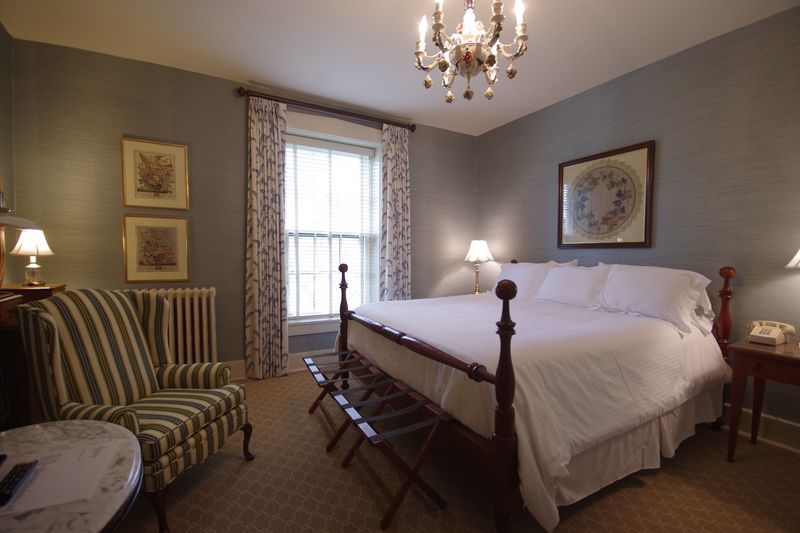
Few inns can say the same family has run them for over a century. Beaumont Inn can, and that’s only the start of its story.
The main building went up around 1845. It served as a campus for several women’s colleges, including Greenville Institute, Daughters College, and Beaumont College.
In 1918, Annie Bell Goddard bought the property and turned it into an inn.
Her descendants have kept it going ever since. That kind of family continuity feels rare in today’s hotel world.
You’re not just booking a room, you’re joining a long guest list.
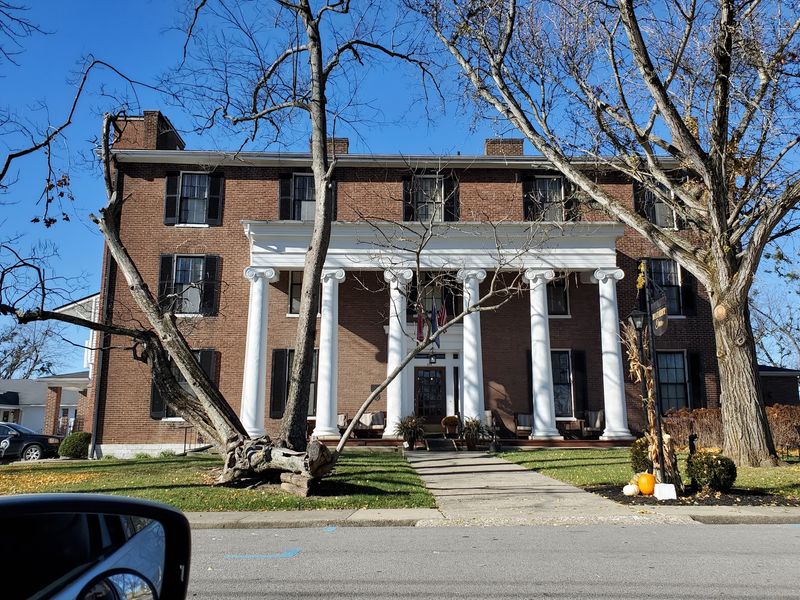
The three-story brick building shows off Federal architecture. Beaumont Inn offers 31 guest rooms, and each one has its own layout and decor.
No cookie-cutter rooms here, which makes picking one half the fun.
The grounds include walking trails for a relaxed morning stroll. There’s also a summer pool, though it has been undergoing renovations, so check before you pack swimsuits.
Complimentary breakfast runs Wednesday through Sunday mornings. On other days, guests receive vouchers for a local restaurant.
Either way, nobody starts the day hungry in this corner of Kentucky.
Save Room For Southern Cooking With A National Award
In 2015, Beaumont Inn earned a James Beard American Classic Award. That honor goes to beloved, long-running restaurants with deep community roots.
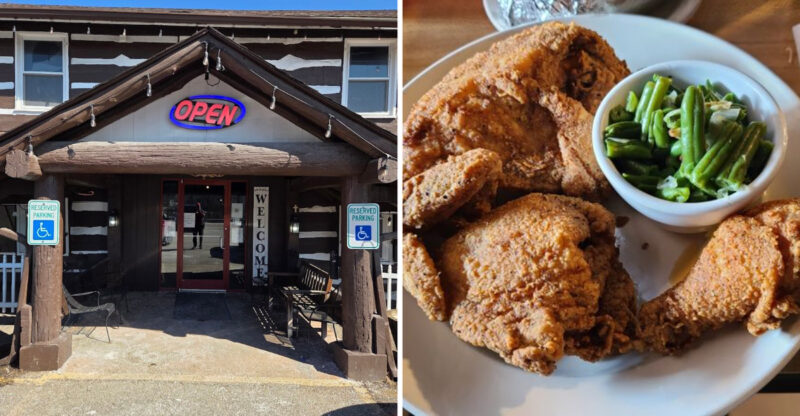
So yes, dinner here carries some serious bragging rights. The inn is known for Southern cooking, with country ham and fried chicken long tied to its reputation.
Those two dishes basically speak Kentucky as a first language.
You have three spaces to choose from. The Main Dining Room, the Old Owl Tavern, and the Owl’s Nest Lounge all share the same award-winning menu.
Pick the mood you want, and the food follows you.
I like that choice. Some nights call for a classic sit-down feel, while others need something more relaxed.
Having options under one historic roof makes planning easy.
Menus can change over time, so check what’s being served before your visit. Reservations are a smart idea, especially on weekends or during busy travel seasons.
Even if you’re not staying overnight, a meal here is worth working into your trip. Eating in a building with this much history adds flavor you can’t get from a recipe.
Just loosen your belt a notch beforehand.
Pastel Storefronts Make Main Street Pop
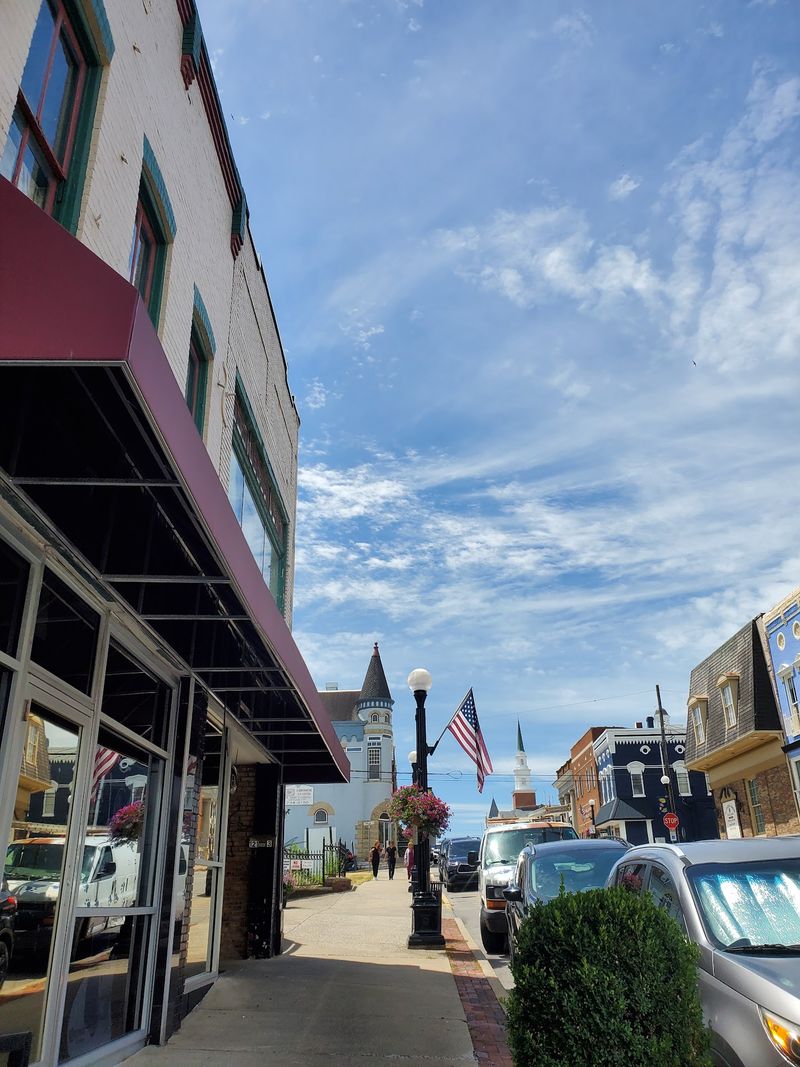
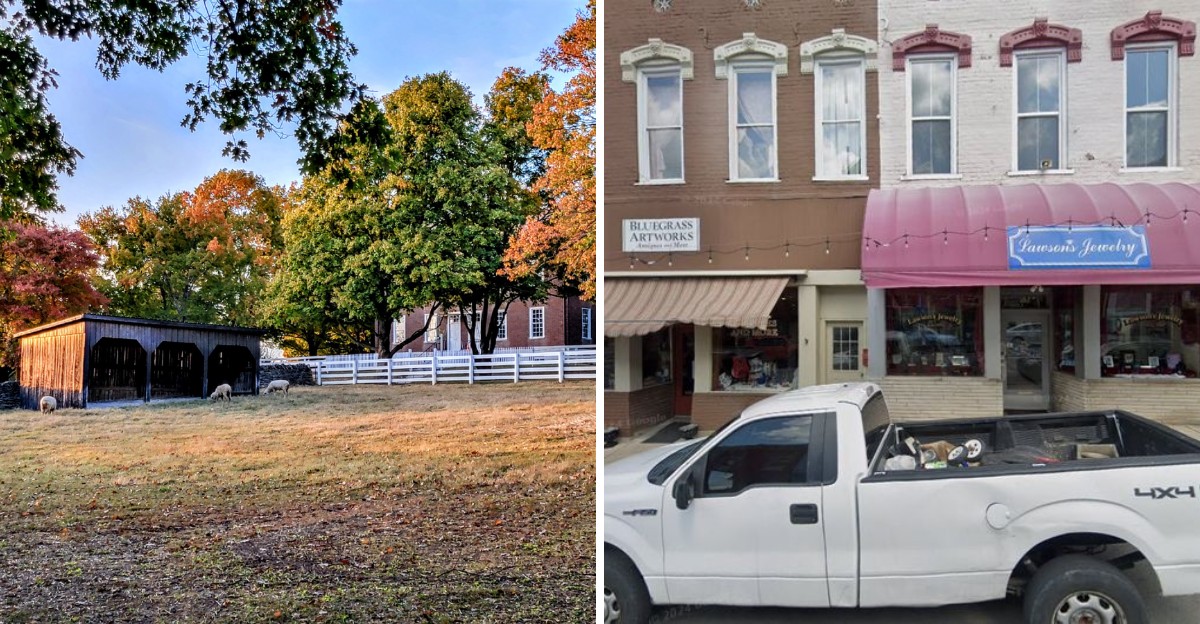
Mint, peach, and soft blue storefronts line the sidewalks. Downtown Harrodsburg looks like someone gave a history book a cheerful paint job.
The district is listed on the National Register of Historic Places. Many buildings date from the 1880s and 1890s, and they’ve kept their old-time character.
Best Choice Reviews even named it one of the 50 Best Small Town Downtowns in America.
Main Street works as the heart of town. You’ll find shops, cafes, galleries, and community gathering spots along the way.
It’s built for strolling, not speeding.
Look closely at the architecture, too. The downtown holds the oldest group of row houses in Kentucky.
Today they house the Harrodsburg Historical Society museum and research library.
That library is a great stop for anyone curious about family roots or local history. Ask about what’s available before you visit.
Walking and driving tours help you explore the area’s architectural heritage. They’re a smart way to learn what you’re looking at instead of just admiring pretty colors.
Of course, admiring the pretty colors is also allowed. Bring a camera, because these facades practically pose for photos.
Treats, Antiques, And A Ghost Walk After Dark
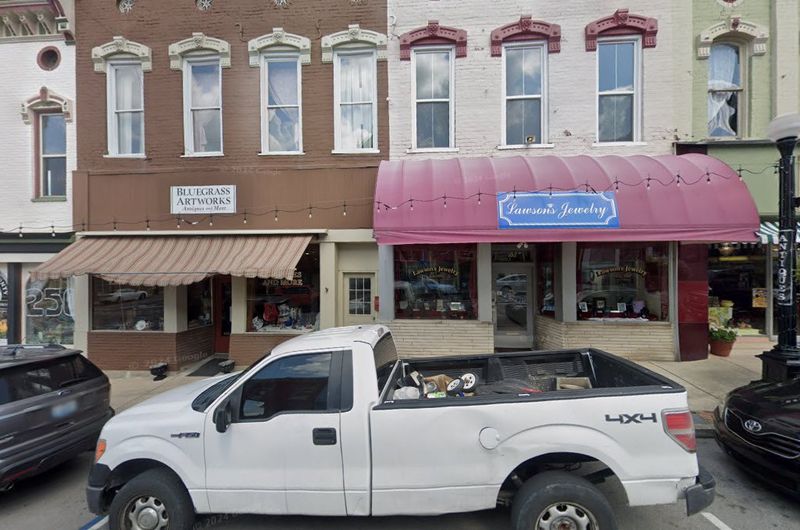
An old-time pharmacy and soda fountain once filled one downtown space. Now the Kentucky Fudge Company serves ice cream and treats there instead.
That’s a delicious kind of history lesson. Grabbing a scoop in a building with soda fountain roots feels wonderfully old school.
Kids and grown-ups tend to agree on this stop.
Love browsing? The Old Country Store offers handcrafted furniture, antiques, and vintage kitchenware.
It’s the kind of place where you go in for a look and leave planning where a new treasure will fit.
Blue Moon Café also calls downtown home. Its historic building facade fits right into the street’s vintage look.
When the sun goes down, things get spooky in a fun way. The Harrodsburg Ghost Walk covers about one mile of the historic downtown.
Guides dress in 1850s attire and share local lore along the route.
A mile goes quickly when the stories are good. Wear comfy shoes and check tour dates ahead of time.
Pairing an afternoon treat with an evening ghost walk makes for a pretty perfect small-town Kentucky day.
Round Out Your Trip At A 3,000-Acre Shaker Village
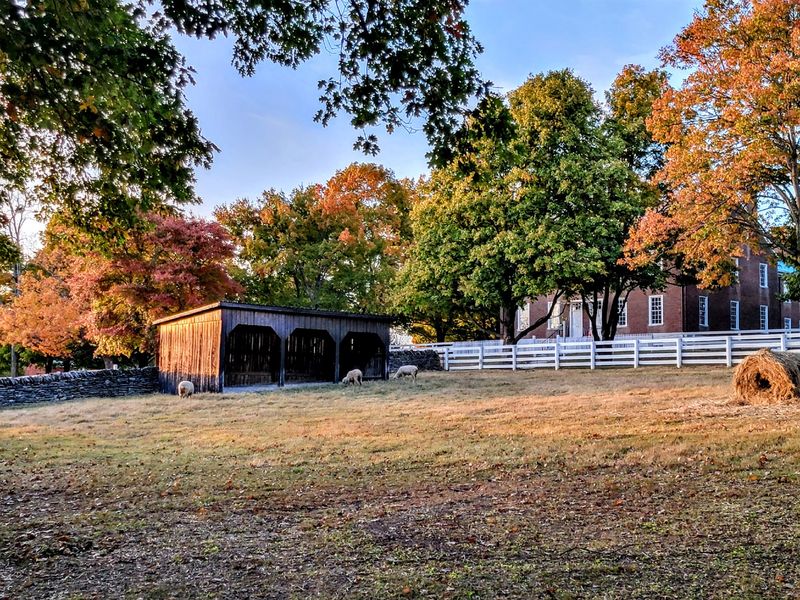
Just outside town, Shaker Village of Pleasant Hill sprawls across about 3,000 acres. It’s America’s largest restored Shaker community and a National Historic Landmark.
The Shakers established their community here by 1805. More than 260 buildings once stood on the property.
Today, 34 original structures remain, and they’re beautifully simple.
There’s plenty to do. Costumed interpreters share living history, while hiking trails wind across the landscape.
Farm activities, hands-on workshops, and music performances add even more variety.
The Dixie Belle riverboat offers rides along the Kentucky River. The route passes under the historic High Bridge, which makes a great photo moment.
Hungry? The Trustees’ Table serves farm-to-fork meals and classic Shaker lemon pie.
That pie alone could justify the short drive from Harrodsburg.
Overnight guests can stay in rooms furnished with Shaker-style pieces. It’s a calm, uncluttered contrast to busier vacations.
Pair the village with the fort, the inn, and Main Street for a well-rounded getaway. Kentucky’s oldest town clearly saved some of its best company for just down the road.
You’ll likely start planning your next visit before this one ends.