Trains Have Crossed This Idaho Trestle 750 Feet Long Since 1920 And Hikers Now Walk Its Length
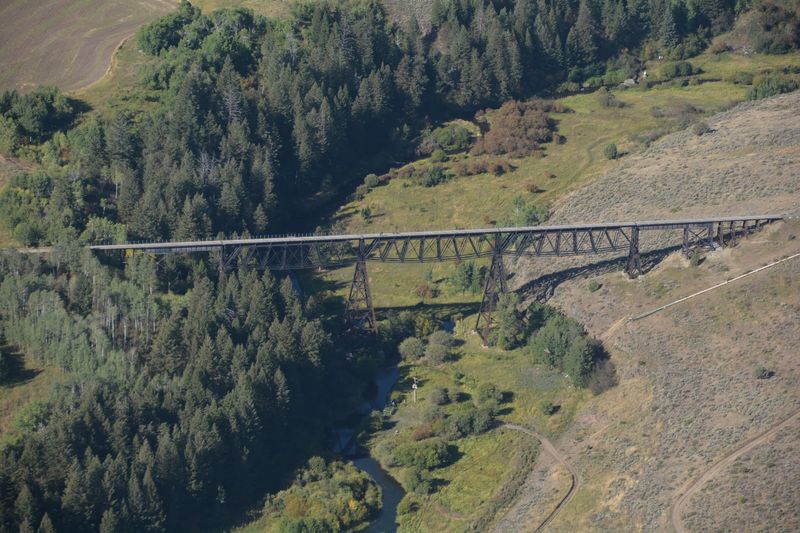
The steel towers under this old railroad bridge rise about 137 feet from base to deck, and the only traffic up there now wears sneakers. Some of its iron trusses even started life spanning the Snake River somewhere else in Idaho.
I love that a bridge got a second career before most of us got our first job. The rails are gone, but the long span still stretches roughly 780 feet across a quiet creek valley.
You can’t drive to it, and I think that’s half the fun. The only way across is to walk or pedal an old rail line that now works as a state trail.
So how does a working railroad giant end up as a weekend stroll for families? The answer involves recycled steel, a few rebuilds, and one very patient creek.
An Old Rail Bridge Now Belongs To People On Foot
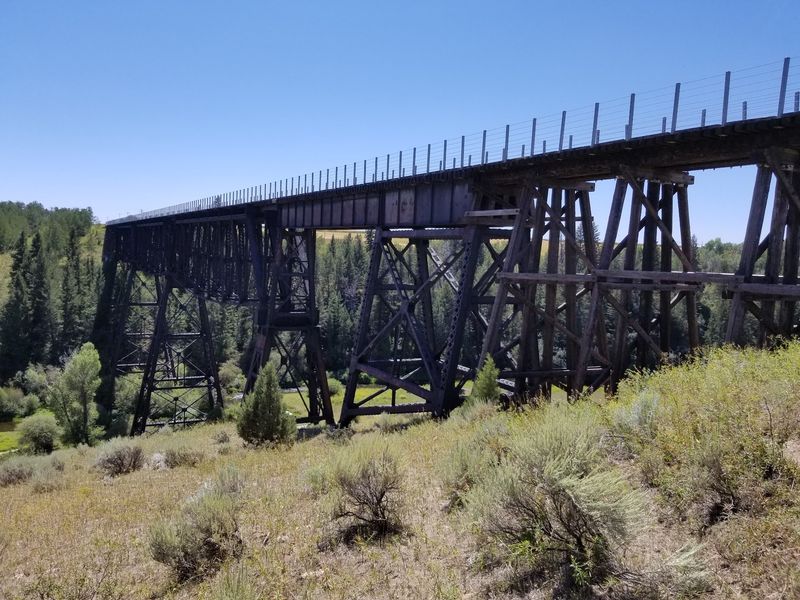
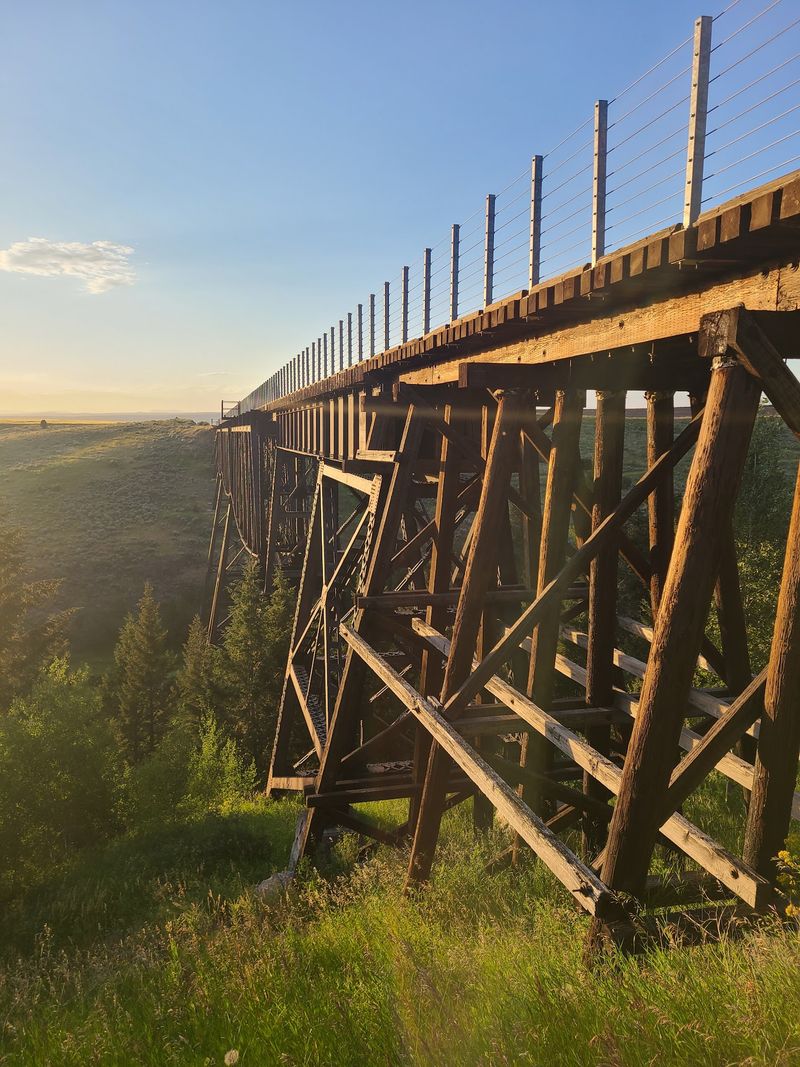
Few bridges in Idaho have changed jobs as gracefully as the Conant Creek Trestle. It once hauled freight trains across a creek valley, and now it carries walkers and cyclists instead.
The trestle sits in Fremont County, near the farm communities of Ashton and Grainville. That puts it in eastern Idaho, where the Snake River Plain starts climbing toward the mountains.
Its official name is a mouthful: the Conant Creek Pegram Truss Railroad Bridge. Most folks stick with the shorter version, and honestly, who could blame them?
Today the bridge is part of the Ashton-Tetonia Trail, an old rail line managed as an Idaho state park trail. Hikers and bikers share the route, and the trestle is the showpiece.
The structure stretches about 780 feet from end to end. That’s longer than two football fields laid nose to tail, and you get to cross every foot of it.
No engines rumble across anymore, and the rails were pulled up years ago. What remains is the steel skeleton, the deck, and a view that rewards anyone willing to walk.
It’s a simple idea with a big payoff. An old workhorse stays standing, and the public gets a front-row seat on top.
These Steel Trusses Had A Whole Life Before Fremont County
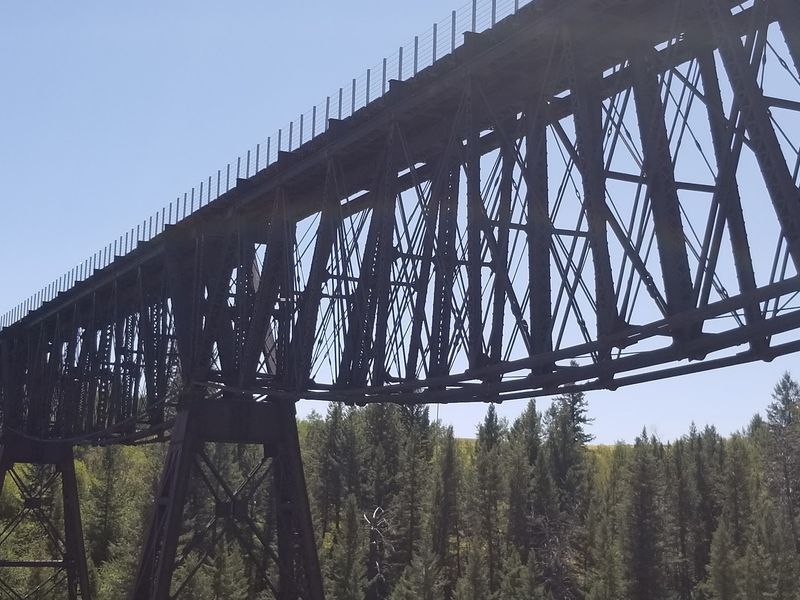
Recycling was cool long before it had a logo. Some of the steel trusses on this bridge first served at a Snake River crossing in American Falls, Idaho.
Those Pegram spans were fabricated by the Union Bridge Company of New York. Later, they were moved east to span Conant Creek, giving the old iron a brand-new address.
The bridge at Conant Creek dates back to 1894. That’s only four years after Idaho became a state, so this steel has watched nearly the whole history of the state unfold.
Moving an entire bridge sounds wild by modern standards. It also shows how much value railroads placed on well-built steel.
So when you stand on the deck, you’re standing on two chapters of Idaho history at once. One began along the Snake River, and the other unfolded here in Fremont County.
Not bad for a pile of metal that was supposedly finished with its first job. The trusses simply packed up and found a second calling.
The spans now rest far from where they started. Few pieces of steel in the state can claim that kind of travel resume.
Decades Of Upgrades Kept This Crossing Rolling
Bridges, like old pickup trucks, tend to collect upgrades. The Conant Creek Trestle picked up several over its working years, and each one made it sturdier.
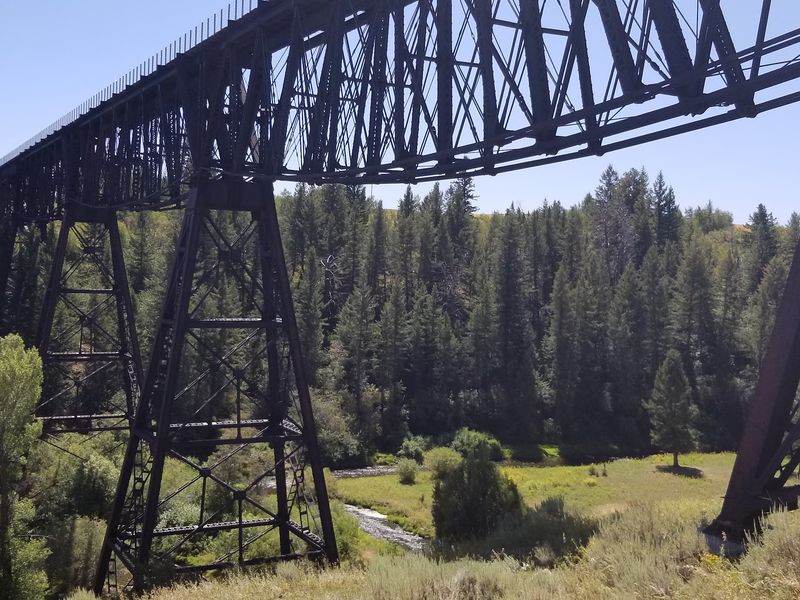
In 1911, four supporting steel towers went in. The American Bridge Company fabricated them, and they still hold the whole structure high above the creek today.
Five years later, in 1916, the trusses were reinforced with an additional, similar span. The bridge kept growing stronger while the trains kept rolling.
Then came 1927. Steel girders replaced the original timber Howe trusses, swapping wood for metal on part of the crossing.
That’s a lot of renovation for one creek crossing. Think of it as a remodel spread over three decades, with no TV crew in sight.
The result is a mix of eras stacked into one long structure. Spans from the 1890s sit on towers from 1911, joined by girders from the 1920s.
History buffs can read the bridge like a timeline. Every piece marks a moment when a crew decided the crossing deserved more years.
Those years of patching paid off in a big way. The trestle outlasted the very trains it was built to serve.
Mr. Pegram’s Clever Design Still Holds Up Here
George H. Pegram was a bridge engineer with a signature idea, and his name stuck to it.
The Pegram truss uses a distinctive pattern of steel members to carry heavy loads.
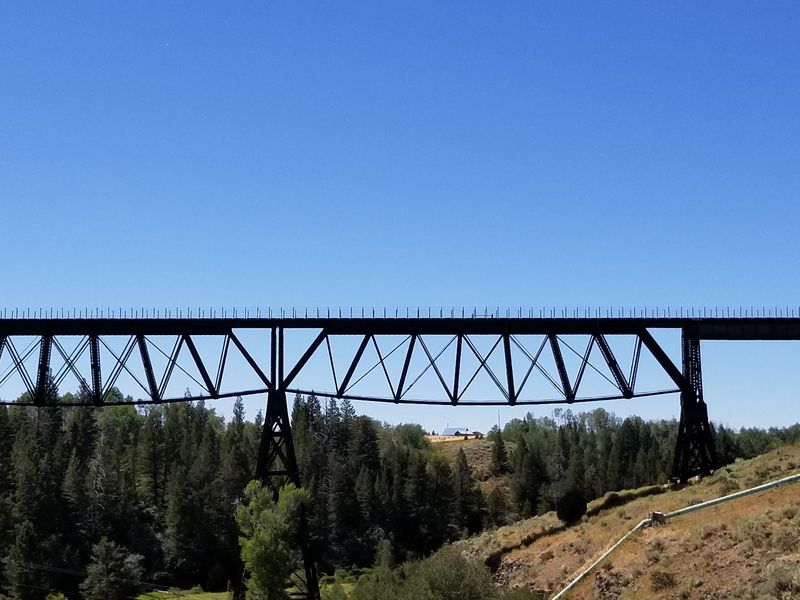
Here at Conant Creek, the three central spans are pin-connected Pegram truss deck spans. Each one runs 164 feet long and about 14 feet wide.
Pin-connected means the steel pieces were joined with large pins instead of rigid riveted joints. It gives the bridge an old-school, almost mechanical personality.
Deck spans put the trusses below the walking surface rather than above it. So instead of a steel cage around you, there’s open sky overhead and structure underneath.
That design matters for the experience. Nothing blocks the view out across the Conant Creek valley while you cross.
Fourteen feet of width was plenty for a single railroad track. For a couple of walkers and a bike, it’s comfortably generous.
Engineering nerds, this is your moment. The bridge carries the Pegram truss name, a design you won’t spot on every Idaho back road.
Even without a technical background, the pattern is fun to study. Look down and trace the steel lines working beneath your feet.
You Will Feel Every One Of Those 137 Feet
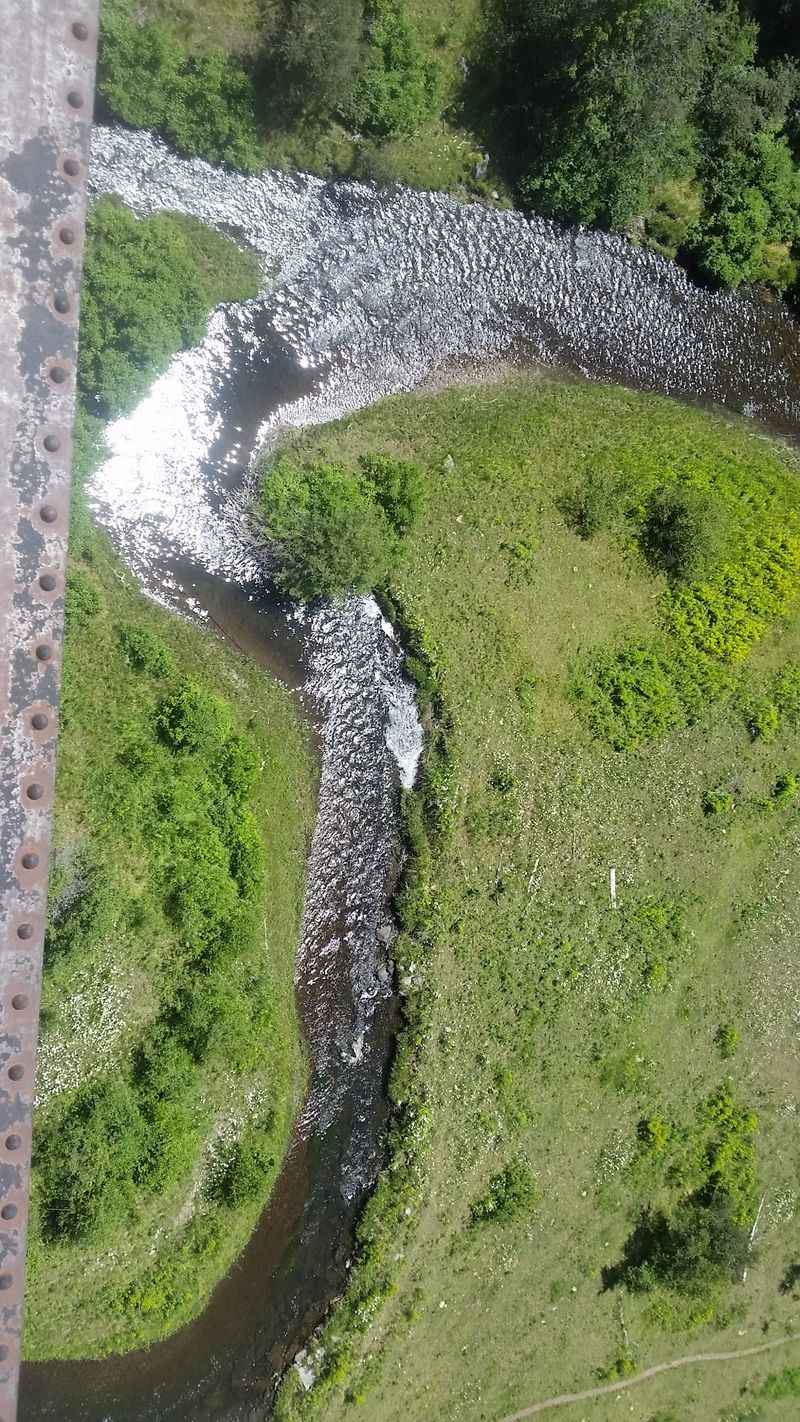
Here’s a number to tuck in your back pocket: 137 feet. That’s the total height from the base of the center towers up to the old railroad bed.
The two center towers stand about 107 feet tall on their own. Add roughly 30 more feet of truss on top, and you get the full climb.
For comparison, that’s around the height of a 12-story building. Except there’s no elevator, no lobby, and the floor is made of trail.
Four steel towers carry the whole length of the bridge. Out on the deck, you’re perched above all of them at once.
Folks who get queasy on ladders might want to take it slow. Anyone who loves a big view, though, will find plenty to look at.
The height turns a pleasant trail walk into a story worth telling at dinner. Plenty of paths cross creeks, but few cross them this far up.
Keep kids close and bikes under control on the span. A little caution goes a long way when the ground sits that far below.
Bring a camera or a fully charged phone. The perspective from up there is hard to capture any other way.
When The Trains Stopped, The Story Kept Going
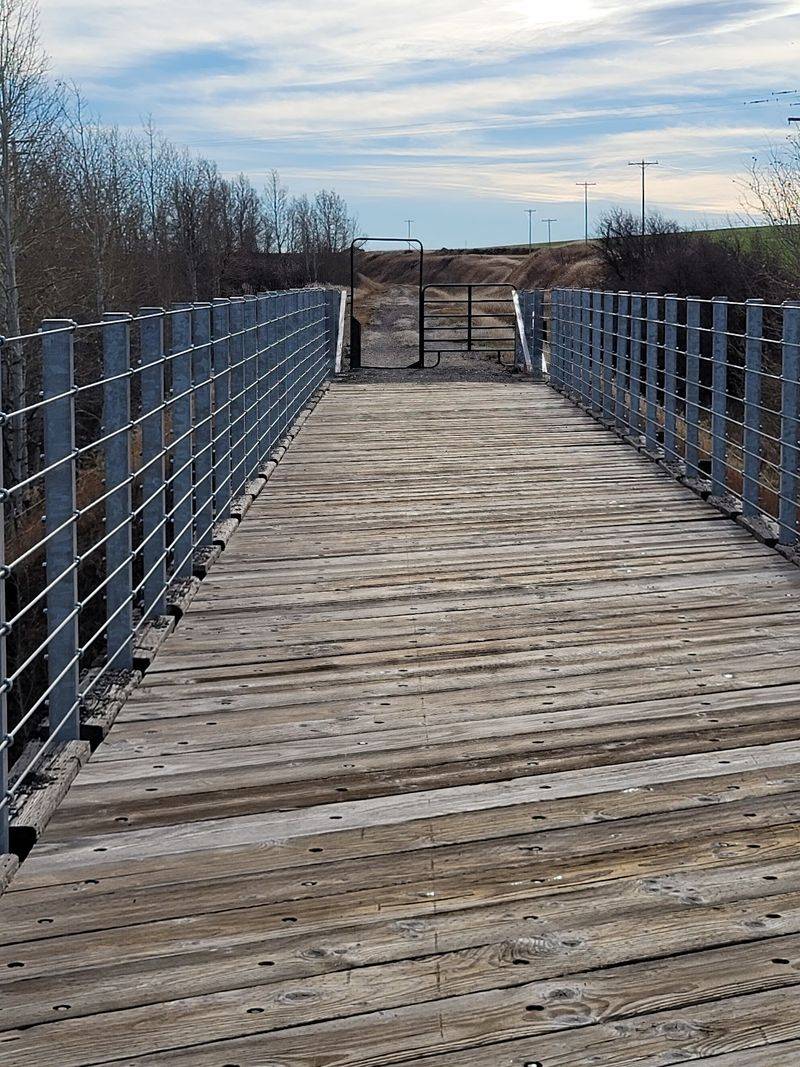
Railroads don’t last forever, even the stubborn ones. The line across Conant Creek was eventually abandoned, and crews removed the rails.
For a lot of old trestles, that would have been the end. Instead, this one got noticed for its history and engineering.
In 1997, the Conant Creek Pegram Truss Railroad Bridge was listed on the National Register of Historic Places. The rails had already been gone for several years by then.
That listing recognized the bridge as something worth keeping. It’s a nice nod for a structure that spent decades doing quiet, heavy work.
Later, the old rail corridor became part of the Ashton-Tetonia Trail. Idaho Parks and Recreation now lists the route among its state park properties.
So the bridge went from freight to footsteps without moving an inch. Its towers stayed put, and only the traffic changed.
It’s a pretty great example of Idaho holding onto its past. The steel still stands, and now anyone with a pair of shoes can enjoy it.
Not every retired railroad bridge gets a second act. This one landed a starring role.
An Easy Gravel Path Leads The Way
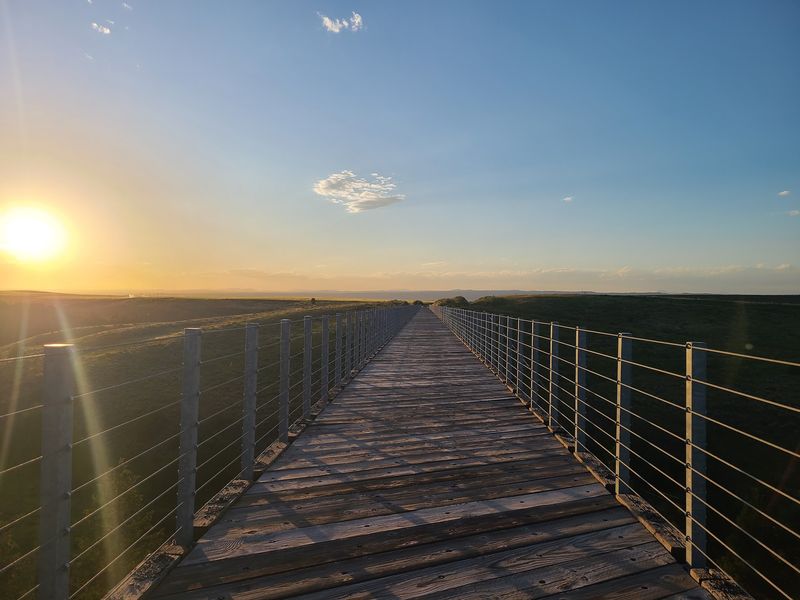
Good news for anyone who isn’t training for a marathon. The trail leading to the trestle is an easy gravel pathway.
That makes it friendly for a wide range of visitors. Families with kids, casual walkers, and cyclists can all share the route.
The Ashton-Tetonia Trail follows the old railroad grade. Railroads favored gentle slopes, which helps explain why the path stays so manageable.
Bikes make the trip to the bridge quicker. Walkers, on the other hand, get more time to take in the open eastern Idaho country along the way.
Gravel does mean skinny road-bike tires aren’t the best pick. Wider tires will roll more comfortably over the loose surface.
Anyone craving a relaxed outing should put this on the list too. It’s mostly about fresh air, a steady pace, and a big payoff at the bridge.
Dogs, strollers, or picnic plans in the mix? Check the state park rules before you go, since trail regulations can change.
Most of all, this is a place for people who like their adventure with a side of history. You don’t need gear beyond good shoes and some water.
Your GPS Might Send You To A Locked Gate
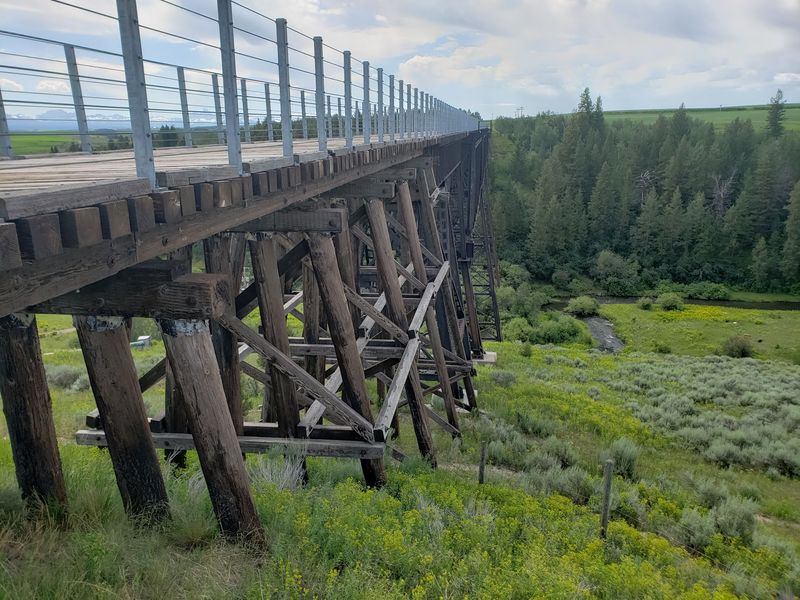
Here’s the twist that trips people up: you can’t drive to the trestle. The bridge is not accessible by vehicle at all.
Its listed address reads Creek, Ashton, ID 83420, which isn’t exactly turn-by-turn friendly. Some mapping apps have routed drivers to private property and a locked gate instead.
Please respect those gates and the landowners behind them. Turning around beats trespassing every single time.
The smart move is to park at a trailhead along the Ashton-Tetonia Trail. Grainville and Drummond both work as starting points for reaching the bridge.
From either spot, you walk or bike along the old rail grade to Conant Creek. The approach becomes part of the adventure rather than a hassle.
For reference, the trestle sits about a mile south of the junction of Squirrel Road and the old Ashton-Victor railroad spur. Handy info for anyone who still loves a paper map.
Ashton is the closest town of any size in this stretch of eastern Idaho farm country. It makes a sensible base before you head out.
Treat the trail as the road in. Once you do, finding the bridge gets a whole lot easier.
Smart Planning Makes The Trip Smoother
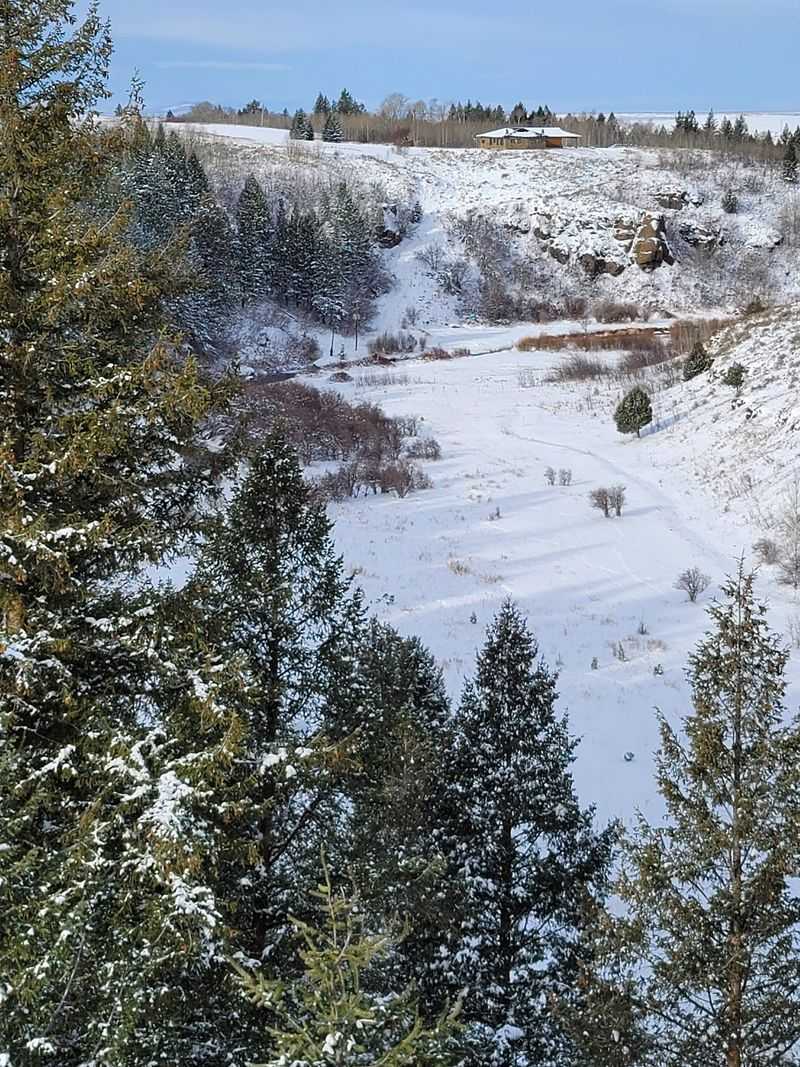
Timing matters in this corner of Idaho. Ashton sits at a higher elevation, and weather can shift quickly with the seasons.
Snow and mud can affect a gravel trail, so conditions vary through the year. Late spring through early fall usually offers the easiest footing.
Before heading out, check the Idaho Parks and Recreation page for the Ashton-Tetonia Trail. It’s the best source for current rules, closures, and any fees.
Trail projects can change things too. There has been talk of paving the route, so the surface may look different on a future visit.
Pack water, snacks, and layers for the day. On a rural trail, plan as if you’ll need everything you carry.
Sturdy shoes make the gravel much friendlier. Sunscreen and a hat are smart additions on bright summer days.
Leave plenty of daylight for the return trip. Nobody wants to rush across a historic trestle while racing the sunset.
Plan ahead, and the logistics fade into the background. What stays front and center is the bridge, the creek, and that long view down.
A Slow Walk That Pays Off Big
Some outings are about the destination, and others are about getting there. The Conant Creek Trestle manages to be both.
You get a mellow trail, a slice of eastern Idaho farm country, and a bridge with more backstory than most museums. Not bad for an afternoon.
The steel traveled from American Falls, survived decades of upgrades, and outlasted its rails. That’s a resume worth respecting.
Standing 137 feet above Conant Creek adds a little thrill to the history lesson. It’s the kind of view that makes people stop mid-sentence.
Day-trippers from Idaho Falls or Rexburg can reach the area in an afternoon. Pair the walk with a slow lunch in Ashton, and you’ve got a full, easy day.
History lovers, cyclists, and families all find something here. Even folks who simply like a good stretch of open sky will leave happy.
Just remember the golden rule: skip the GPS shortcut and start on the trail. The bridge has waited well over a century, so it can wait for you to park properly.
Lace up, roll out, and go say hello to one of Idaho’s hardest-working retirees. It has earned the company.