The Wolf Sanctuary In Colorado Where You Can Meet Arctic Wolves And See Rare Foxes
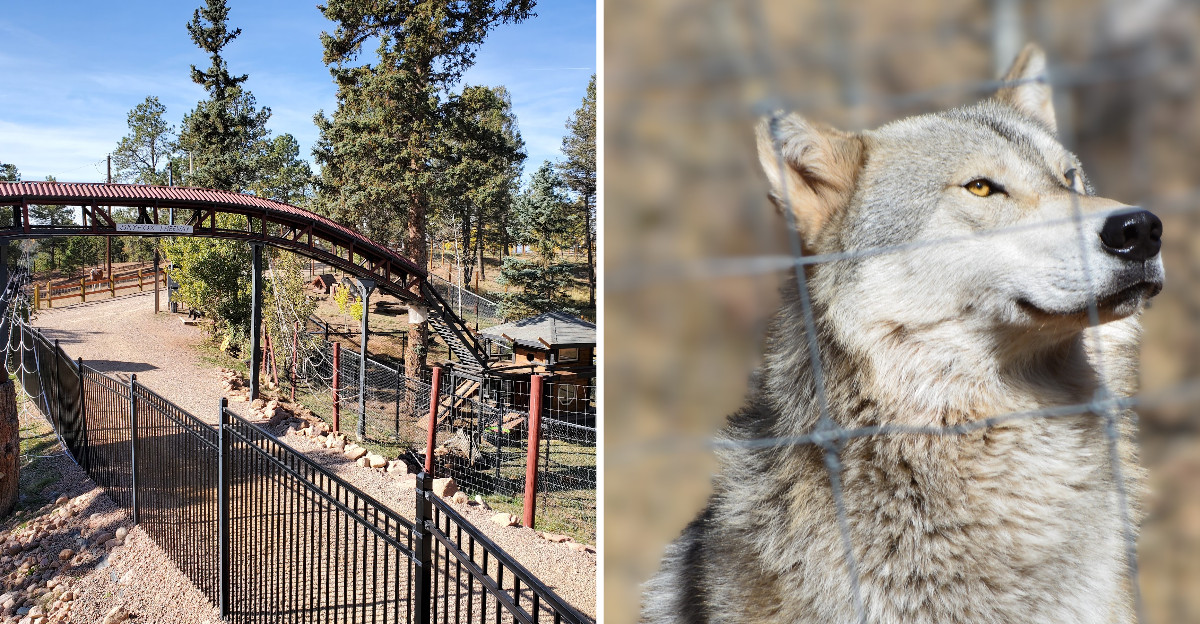
A whole group of people can howl on purpose in the Colorado mountains, and real wolves might howl right back.
Some facts are just enjoyable to know, right?
The place where it happens sits above 9,100 feet. It shelters Arctic wolves, Mexican gray wolves, and American red wolves.
You can’t see red wolves anywhere else in the state. Swift foxes and tiny fennec foxes live there too.
The whole story started with one rescued wolf-dog named Chinook back in 1993.
One animal grew into a sanctuary that now teaches about 40,000 people a year. How does a single rescue turn into all that?
One Wolf-Dog Named Chinook Started This Whole Mountain Story
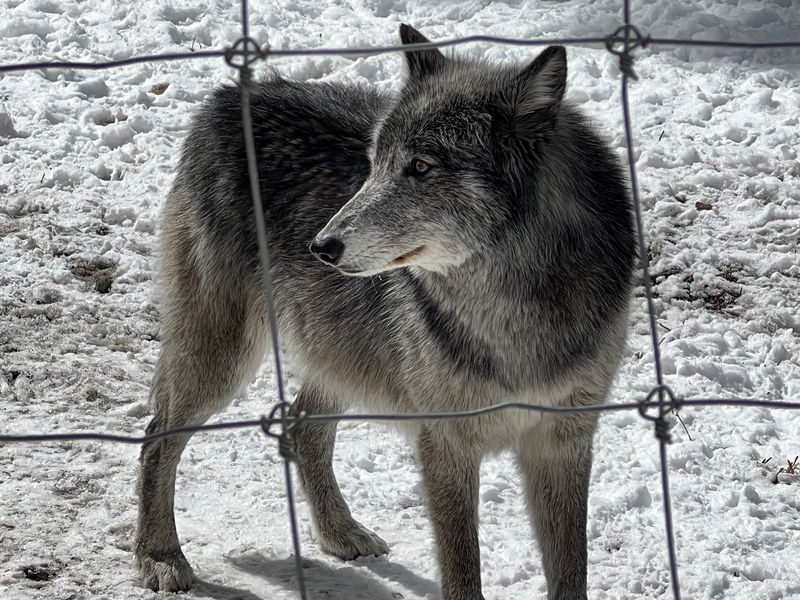
Back in 1993, a two-year-old wolf-dog named Chinook found a new home with a woman who would eventually create the Colorado Wolf and Wildlife Center.
The founder, Darlene Kobobel, had originally been apprehensive about wolves. Caring for Chinook changed her understanding of these animals and inspired her to establish the Wolf Hybrid Rescue Center.
The project initially focused on providing homes for wolf-dogs. Before long, requests for help began arriving from across the country.
After nearly a decade, the organization shifted toward wildlife education, conservation, and preservation.
Then came an unexpected challenge in 2002. The Hayman Fire required the center to evacuate its animals and accelerated plans for a new sanctuary.
Volunteers helped establish spacious enclosures, and the new facility celebrated its grand opening on June 28, 2003.
The organization later moved to its present property, where wooded surroundings provide room for animal habitats, educational facilities, and walking trails.
Today, Chinook’s story remains part of the guided tours. A nature trail also carries her name, connecting visitors with the sanctuary’s beginnings.
Arctic Wolves And Rare Red Wolves Share This Mountain Sanctuary
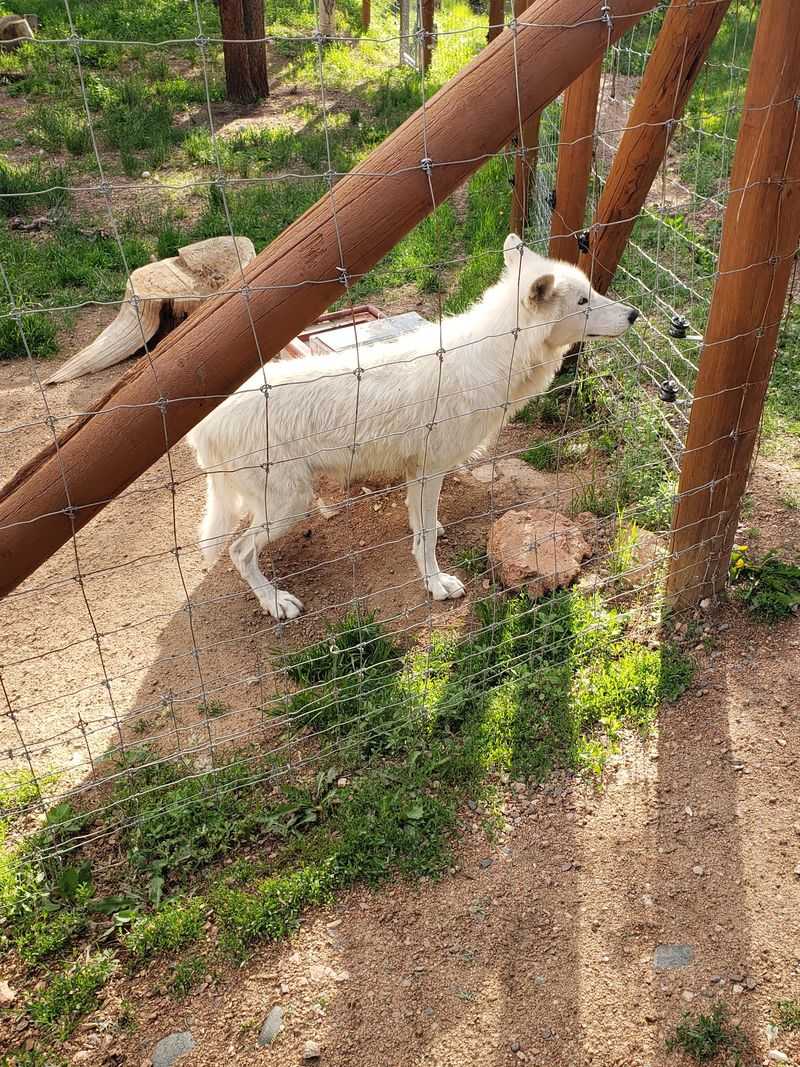
Bright white fur against dark pine trees is a pretty hard combination to ignore.
Arctic wolves bring exactly that look to this mountain sanctuary. They have plenty of company, though.
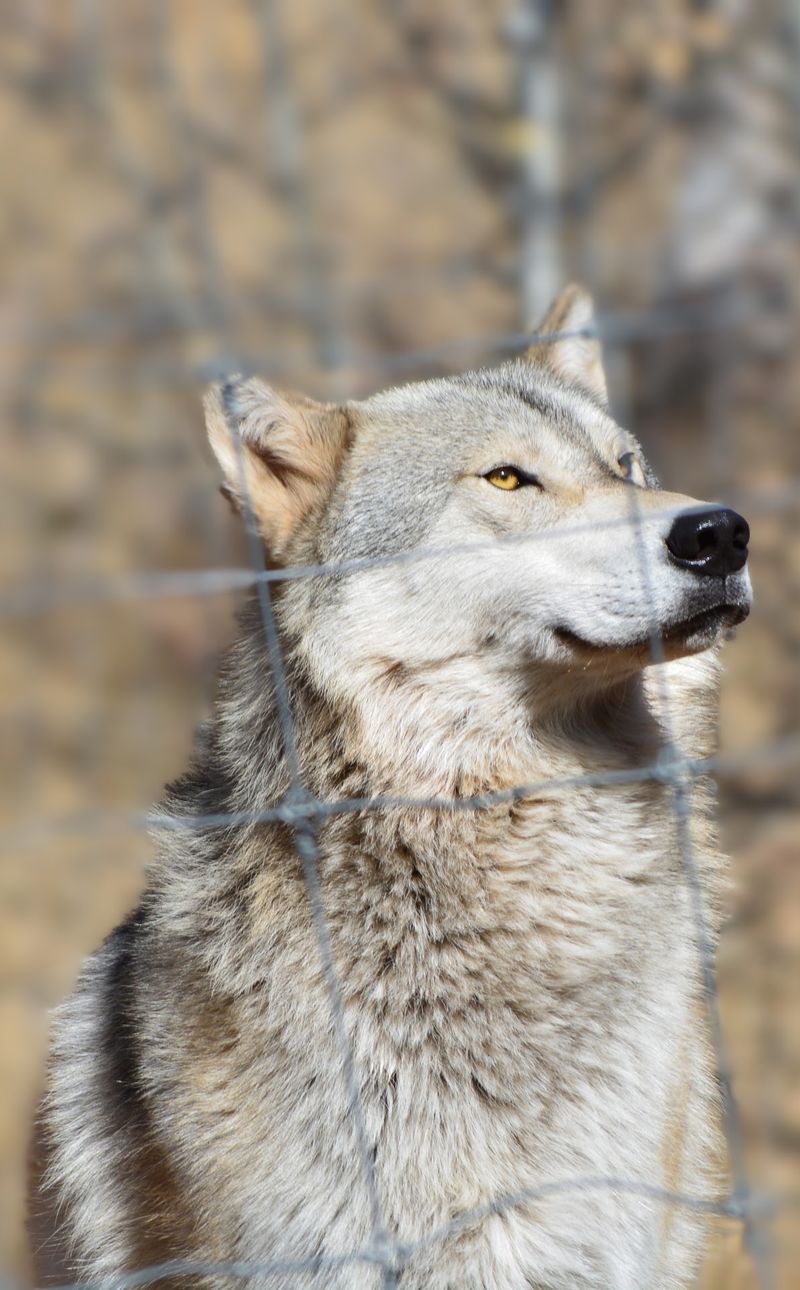
The center cares for several kinds of wolves, including Mexican gray wolves and American red wolves, alongside gray wolves with different coat colors and regional ancestry.
The Mexican gray wolves are part of an important conservation breeding program. Their presence helps support efforts to maintain a healthy population of this rare gray wolf subspecies. Then there’s the American red wolf.
The center is home to the only two American red wolves in Colorado, making them especially significant residents.
Red wolves have a reddish-brown coat, relatively slender build, and distinctive appearance compared with larger gray wolves. Their conservation story is a major part of the educational experience.
Guides explain the differences between the animals, their natural habitats, and the roles wolves play in maintaining healthy ecosystems.
Individual wolves also have recognizable behaviors. Some are curious and outgoing, while others prefer to observe their surroundings from a comfortable distance.
The Foxes Might Be Small, But Their Personalities Are Anything But
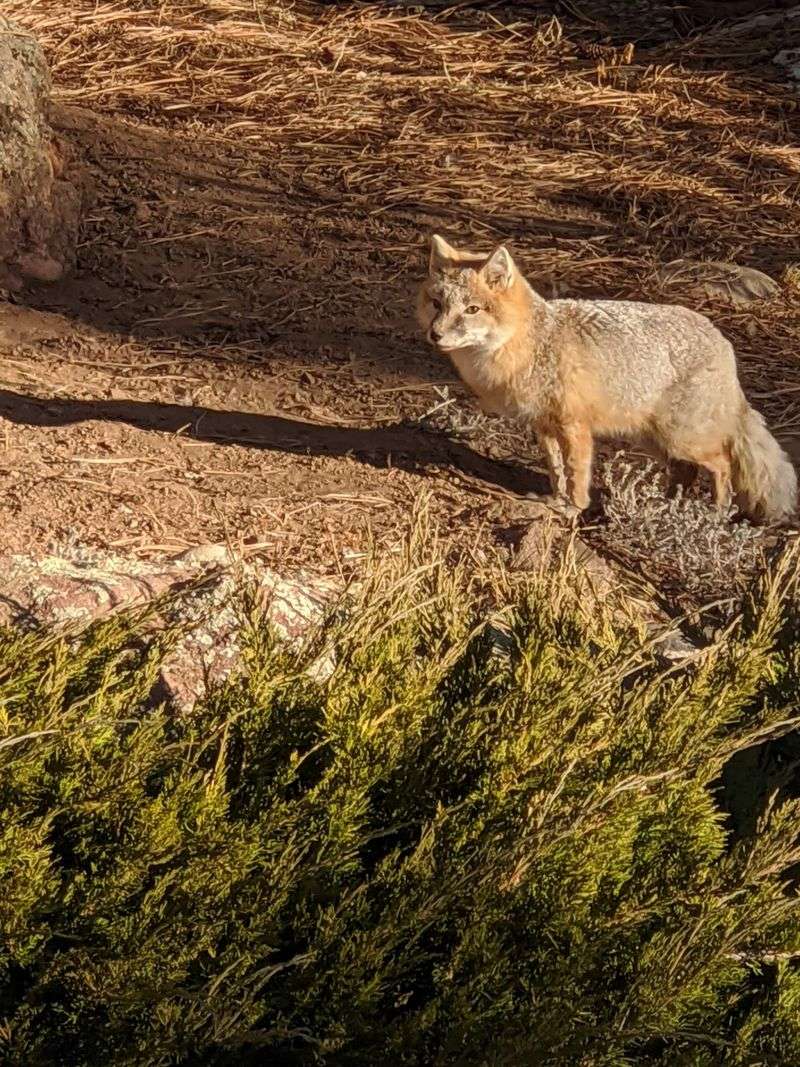
Wolves get top billing in the name, but the foxes quietly win plenty of hearts.
Swift foxes are among the sanctuary’s most important conservation residents.
These small, sandy-colored animals are native to North America’s Great Plains. Their compact bodies and quick movements distinguish them from larger fox species.
The center participates in the Species Survival Plan for swift foxes, supporting coordinated efforts to maintain healthy populations.
Red foxes bring another familiar appearance, with pointed ears, long bushy tails, and coats ranging from reddish orange to darker colors.
Silver foxes are especially striking. Despite their name, they are a dark-colored variation of the red fox, often displaying black fur with silver highlights. Coyotes also live at the sanctuary, rounding out its focus on wild canids.
Each animal contributes to the educational mission, helping explain how different species communicate, find food, and interact with their environments.
Smaller animals sometimes rest among vegetation or inside sheltered areas, so taking your time during the tour makes sense. The contrast is part of the attraction.
Get Ready To Howl Like You Mean It
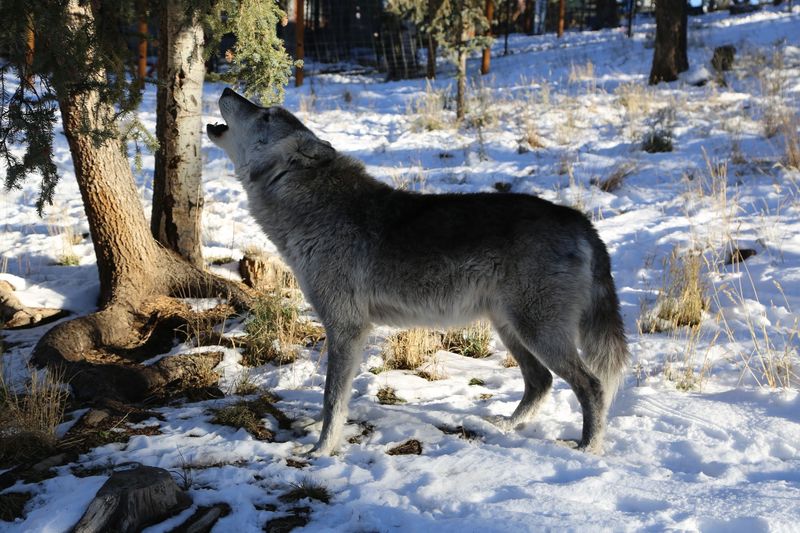
Shy people, consider this your warning. Most tours wrap up with a group wolf howl, and everyone is invited to join.
Your guide starts the howl. Then the group chimes in, and the resident wolves may respond from their enclosures.
It’s a chance, not a promise. Wolves follow their own schedule, which honestly makes it more exciting when they participate.
Why do wolves howl at all? Howling helps pack members communicate over long distances, maintain contact, and coordinate their movements. Different vocalizations can carry information about the animals and their surroundings.
The sanctuary’s group howl gives visitors a playful introduction to this important form of communication.
You might hear a single animal begin before others join in, creating a remarkable chorus across the wooded property. The tradition also closes the standard walking tour and the feeding tour.
During special Full Moon Tours, the group howl becomes an evening experience, with visitors gathering as daylight fades.
Pick A Tour That Fits Your Kind Of Adventure
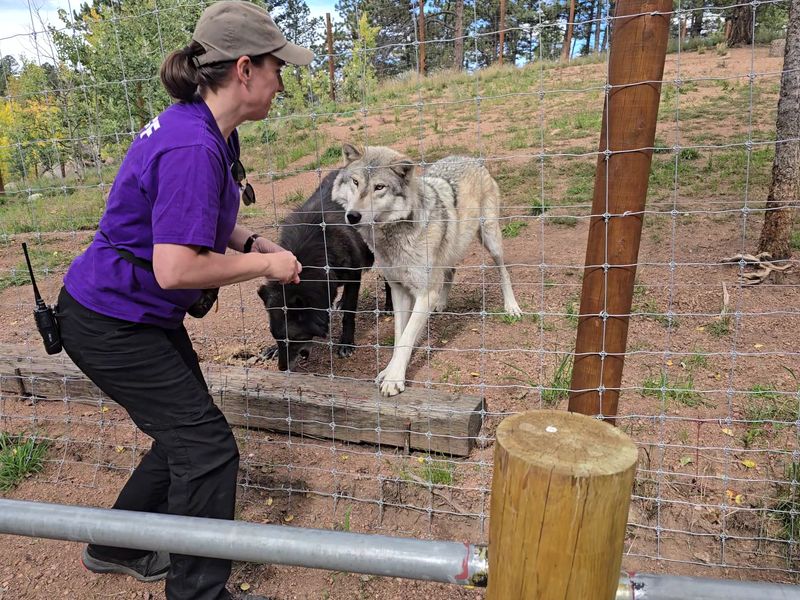
Every visit here happens on a guided tour. Advance reservations are required, and the center offers several experiences with different activities. The Standard Tour lasts approximately one hour.
Guides lead groups along outdoor pathways, introducing wolves, foxes, and coyotes while explaining their biology, behavior, and conservation.
Feeding Tours provide another perspective. These sessions last approximately 60 to 75 minutes and include opportunities to watch guides feed the resident animals.
Visitors learn about natural feeding behaviors, communication, and relationships within wolf groups. Then there’s the Full Moon Tour.
This approximately two-hour evening experience includes seasonal refreshments, a guided visit, and a walk along Chinook’s Nature Trail. As the evening progresses, participants gather for the traditional group howl.
Full Moon Tours are scheduled around selected Saturday evenings each month and are open to children aged eight and older.
Full Moon Feeding Tours are also available on certain dates, combining evening atmosphere with animal feeding demonstrations. Across every program, education remains the priority.
Guides explain why wolves, coyotes, and foxes matter to their ecosystems and how conservation programs support these species.
Yes, Eligible Adults Can Actually Meet A Wolf
Getting close enough to see a wolf’s thick fur and powerful paws is already memorable. Certain interactive experiences make an even closer encounter possible.
These special sessions take place inside designated animal enclosures under direct staff supervision.
The VIP Interactive Encounter allows eligible adults to spend time with socialized wolves while accompanied by a handler and photographer.
Participants must be at least 18 years old and follow detailed clothing and eligibility requirements.
The Ultimate Alpha experience offers a longer session, with time in two wolf enclosures and one fox enclosure.
Photographs are included in selected packages, allowing participants to concentrate on the encounter.
The animals set the pace. Their willingness to approach determines how each experience unfolds, and they are never expected to perform particular actions.
The dress code requires secure, closed-toe shoes, full-length pants, and suitable long-sleeved clothing.
Loose accessories and certain fabrics are restricted, and participants must be able to move safely across uneven ground. The center also applies additional health and mobility eligibility rules for enclosure visits.
Big Rocks, Aspens, And Ponds Give The Animals Room To Explore
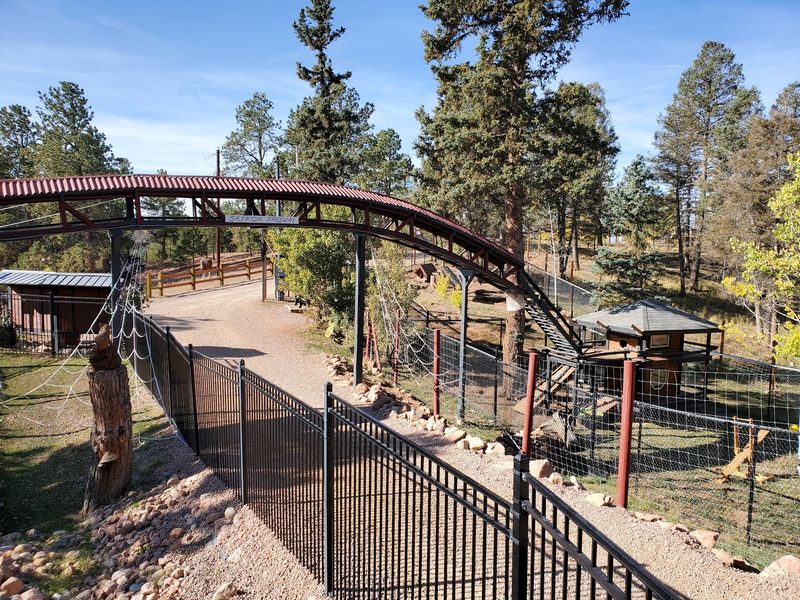
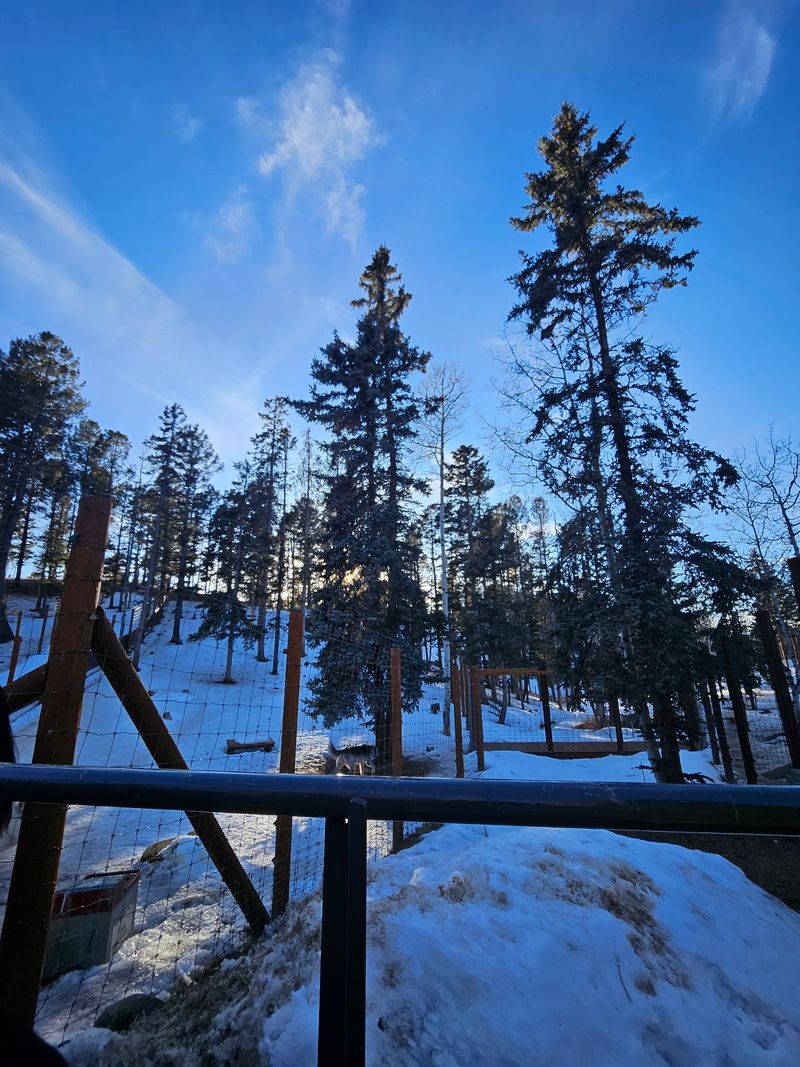
Forget the idea of a row of small cages. The enclosures here resemble sections of mountain woodland, surrounded by protective fencing.
Large rock formations, trees, vegetation, and natural ground cover provide varied surroundings for the animals.
Some enclosures include ponds, sheltered spaces, and areas where wolves can rest away from activity. Those features serve practical purposes.
Wolves need opportunities to explore, investigate scents, socialize, and choose between different places to rest. A varied habitat encourages natural behaviors while providing privacy and mental stimulation.
The center also maintains a strong focus on animal care and conservation. It is accredited by the Association of Zoos and Aquariums as a related facility, with accreditation extending through September 2028.
The sanctuary participates in Species Survival Programs involving Mexican gray wolves and swift foxes. Its work also reaches beyond the property through educational activities and conservation outreach.
The wooded setting offers an especially fitting environment for learning about these animals.
Plan Your Drive Up Twin Rocks Road The Smart Way
About an hour from Colorado Springs, the sanctuary sits high in the Pikes Peak mountain range.
You’ll find it at 4729 Twin Rocks Road in Divide, at an elevation of approximately 9,165 feet.
The drive follows Highway 24 through Woodland Park and Divide before turning onto Twin Rocks Road.
The final approach includes a short dirt section that can become muddy or snowy during changing weather conditions. Parking is limited, so arriving around fifteen minutes before your scheduled tour is a sensible plan.
The sanctuary operates year-round, with regular closures on Mondays and Thursdays. Tour times vary by season and activity. Advance reservations are required, and confirmation from the center completes the booking process.
Bring comfortable walking shoes, layered clothing, and water. Mountain conditions can change quickly, even when the day begins sunny.
There’s a gift shop, and light snacks and drinks are available, but a full restaurant isn’t part of the property.
A standard visit generally lasts around 90 minutes, including the tour and time around the visitor facilities. Book ahead, dress for the mountains, and save your best howl for the finale. The wolves might just answer.