Eight Idaho Places Where Native Tribes Tell The Story Of Their Homeland
A basalt mound beside the Clearwater River is said to be the heart of a monster. The Nez Perce creation story says Coyote cut it out, and people sprang from the pieces.
I love that a highway pull-off can hold a story that old. Across Idaho, tribes and park rangers use trails, museums, and roadside markers to share history in their own words.
Some stops cover origins and daily life. Others mark hard chapters, like an 1877 battle in a steep canyon and a winter attack in 1863 along a river in the far southeast.
I can’t think of a better road trip theme. You get prairies, rivers, old missions, and canyon views, plus stories that started here long before any map called this place Idaho.
So which one would you want to see first, the monster’s heart or the canyon where a war began?
1. Shoshone Bannock Tribal Museum
Plenty of museums talk about a tribe. At Fort Hall, the tribe does the talking, and that shift changes the whole visit.
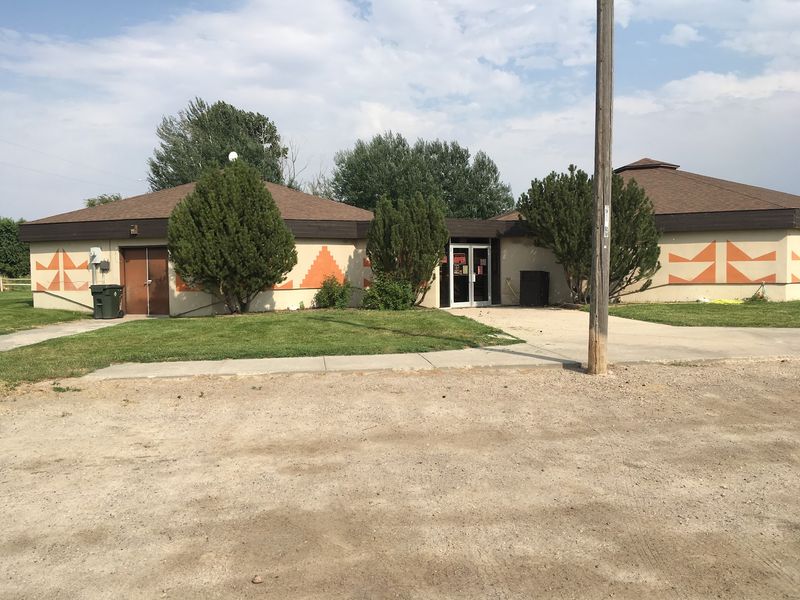
The Shoshone-Bannock Tribes run this museum on the Fort Hall Indian Reservation, along Ross Fork Road. The goal is simple: show how their people lived, settled, and adapted, from their own point of view.
Exhibits cover a wide sweep of tribal life, and they explain it with care. You’ll find historical photographs, artifacts tied to the Old Fort Hall, and detailed beadwork that rewards a slow look.
Photo fans, pay attention here. The Benedicte Wrensted collection holds images taken between 1895 and 1912, and displays also trace the story of Chief Pocatello.
Some context helps before you go. The Fort Hall Reservation was set aside in 1867, then affirmed by the Fort Bridger Treaty of 1868.
There’s a small theater and a gift shop, so you can watch, browse, and shop beadwork. Summer brings a bonus, since a buffalo from the tribal herd sometimes grazes beside the museum.
It runs on a weekday schedule, so check hours before driving. Weekend road trippers in southeast Idaho, plan accordingly.
Address: 30 E Ross Fork Rd #2, Pocatello, ID 83202
2. Nez Perce National Historical Park Visitor Center
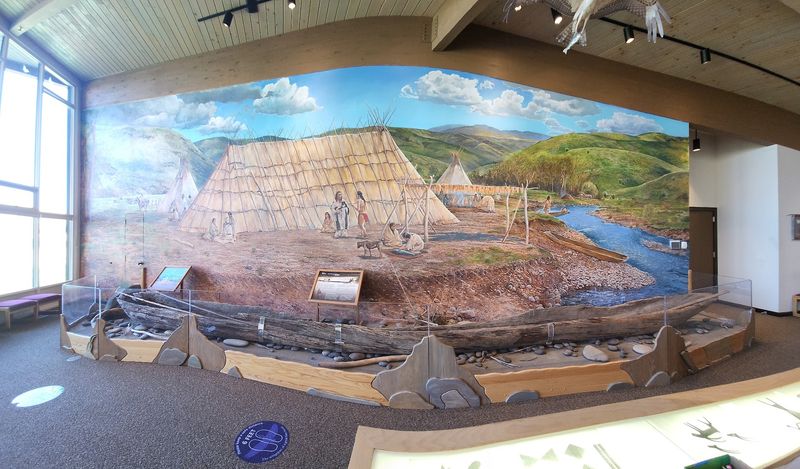
Start a Nez Perce road trip here, and the rest of the map suddenly makes sense. Lapwai serves as the government seat of the Nez Perce Tribe, so the setting fits.
The visitor center sits on US-95 near Spalding and acts as the hub for a park with many scattered sites. Congress created the park in 1965, and the headquarters museum opened in 1983.
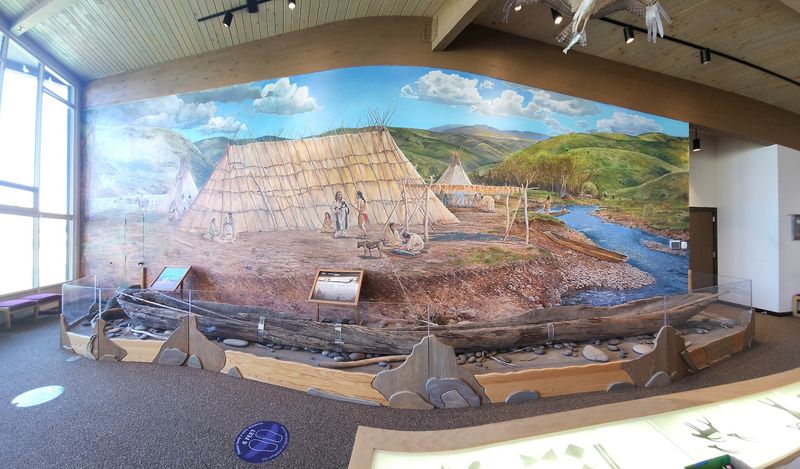
Inside, the exhibits hold an extensive collection of Nimiipuu clothing, tools, and ceremonial objects. You’ll see beadwork and craftsmanship that span generations.
Grab a seat for the film “Of One Heart.” It’s a great primer before you head out to the creation site, the battlefields, and the river camps.
The park tells a long story, not just one chapter. It covers thousands of years of Nez Perce life, meetings with explorers and settlers, and the 1877 war.
In warmer months, rangers lead programs and sometimes show how a tipi goes up. Timing matters, since the center keeps a Tuesday through Saturday schedule.
Bring questions and a full tank. You’ll want both for the drives that follow.
Address: 39063 US-95, Lapwai, ID 83540
3. Old Mission State Park
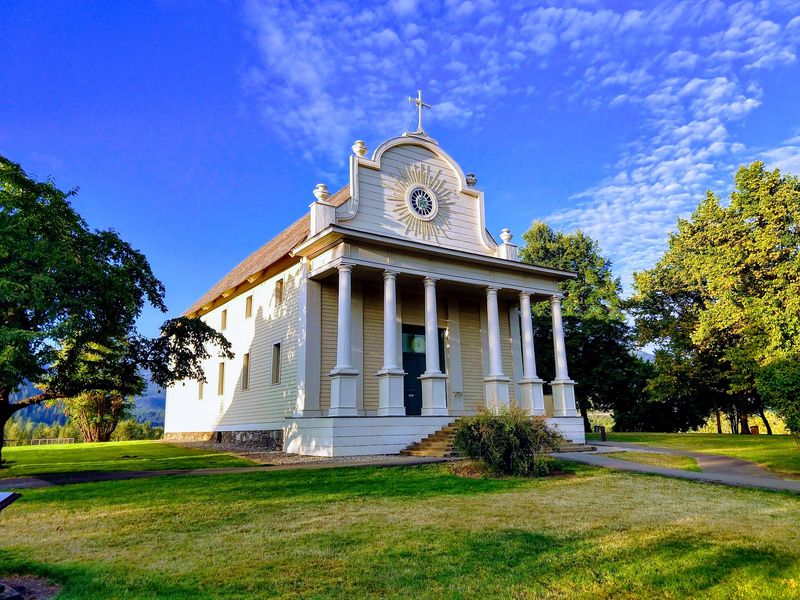
Idaho’s oldest standing building didn’t go up with cranes. Coeur d’Alene people helped Jesuit missionaries raise it, starting in 1850.
Old Mission State Park, known to many as the Cataldo Mission, sits in a riverside valley in the Silver Valley stretch of North Idaho. The church remains the centerpiece, framed by trails and a historic cemetery.
Skip straight to the church and you’ll miss half the story. Visitors are encouraged to watch the free film at the visitor center first.
After that, the museum takes over. Its permanent “Sacred Encounters” exhibit explores how the Coeur d’Alene people and the missionaries met, traded ideas, and shaped each other.
The building itself becomes evidence. Tribal labor and skill made the mission possible, and the park makes sure you know it.
Families get room to roam here. There are picnic tables, kid-friendly hikes, and leashed dogs are welcome, so the outing can stretch past lunch.
The site still holds meaning for the tribe today. An annual pilgrimage brings Coeur d’Alene families back to the mission, linking past and present.
Parking requires a fee. Toss a few dollars in your pocket.
Address: 31732 Mission Rd, Cataldo, ID 83810
4. Nez Perce National Historic Park Heart of The Monster
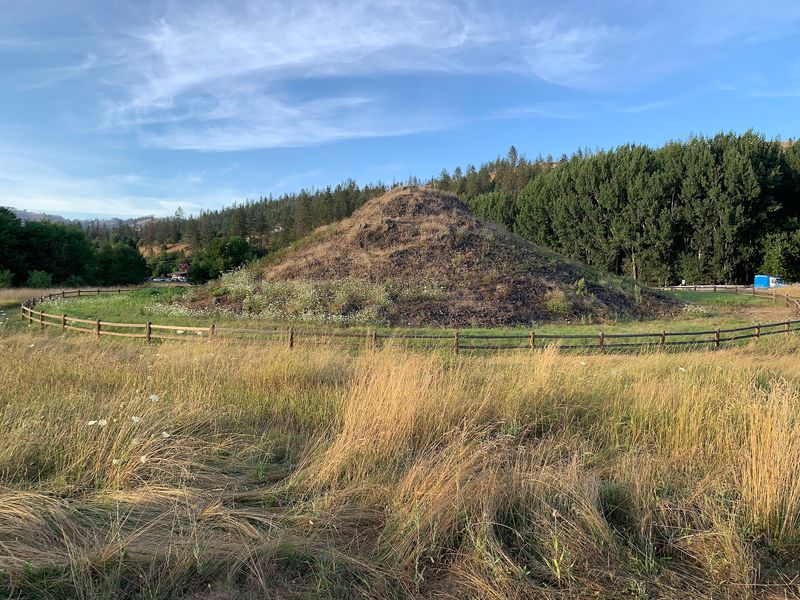
Coyote versus a giant monster sounds like a cartoon pitch. For the Nimiipuu, though, it’s the story of how their people began.
Heart of the Monster sits along US-12 in the Clearwater River valley, near Kamiah. The site is a basalt mound rising from a quiet field.
Here’s the story in short. A monster swallowed the animals, Coyote got inside, and he cut out its heart.
From the pieces, Coyote created different peoples across the land. The Nez Perce came from the final drops of blood, washed with water, right here in this valley.
An easy, level trail leads to the mound and loops along the river. Interpretive stops let you hear the story told in two versions, one in English and one in the Nez Perce language.
You don’t need hiking boots. Little legs can handle the walk, and the payoff is a story older than any written map.
Please treat the site with respect. It remains sacred, not just scenic, for the people whose story it holds.
Pair it with Canoe Camp and Weippe Prairie for a full Highway 12 day.
Address: 4243 US-12, Kooskia, ID 83539
5. White Bird Battlefield Overlook – Nez Perce National Historical Park
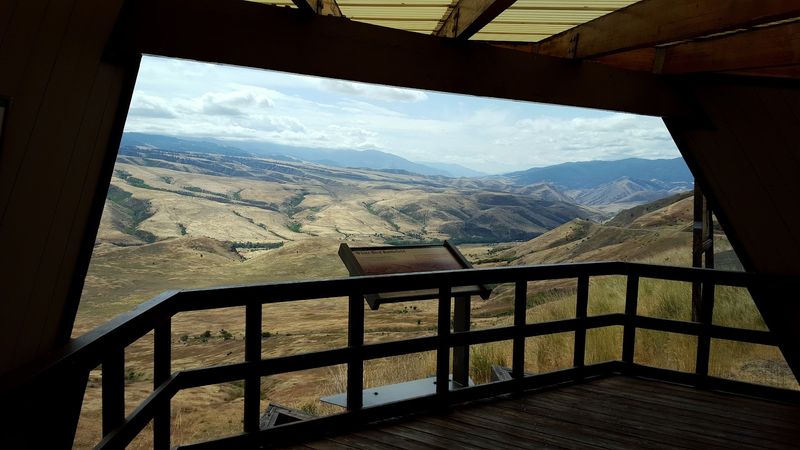
Few roadside pull-offs carry this much weight. On June 17, 1877, the first battle of the Nez Perce War unfolded in the canyon below.
The overlook sits above White Bird, a tiny town in Idaho’s rugged canyon country. From the shelter, the grassy slopes stretch out like a living map.
Interpretive signs walk you through the fight step by step. You can trace how cavalry troops moved into the canyon toward the Nez Perce camp.
The Nez Perce bands held their ground and turned the soldiers back. That outcome launched a long journey toward Montana that still echoes through tribal memory.
Standing above the canyon helps the history click. You see the ridges, the folds of land, and how the terrain shaped those choices.
The overlook stays open around the clock. That makes it an easy stop on US-95 between the Camas Prairie and the Salmon River country.
Bring a jacket on breezy days. Canyon wind doesn’t care about your hairstyle.
Take a quiet moment before driving on. People defended their homeland here, and the land still holds that story.
Address: White Bird, ID 83554
6. Canoe Camp – Nez Perce National Historic Park
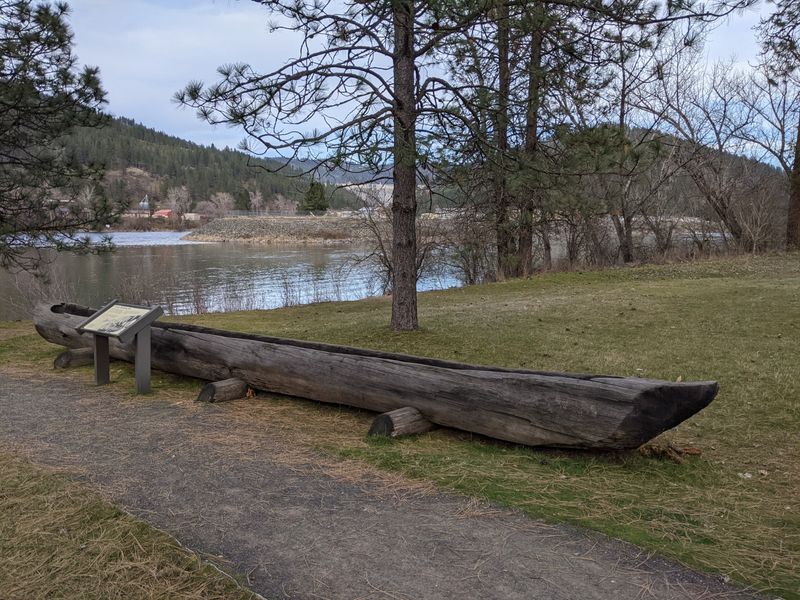
Lewis and Clark arrived worn out and hungry. The Nez Perce people helped them recover, then showed them a better way to build boats.
Canoe Camp sits along the Clearwater River near Orofino, a timber and river town. In 1805, the expedition camped here while making dugout canoes.
Their method used fire to burn and hollow out large trees. It was faster than hacking by hand, and the Nez Perce knew it well.
Sign boards explain how the canoes came together and why this stretch of river mattered. You’ll also find a historic oven on the grounds.
Without that help, the expedition’s push toward the Pacific might have gone very differently. Canoe Camp keeps that moment of generosity front and center.
Admission is free, which makes it a no-brainer for families on a budget. Kids can picture whole trees becoming boats, which beats any textbook diagram.
Bring a sense of the story before you arrive. The site rewards visitors who know the history, so a quick read helps.
It’s an easy add on a Highway 12 drive. Combine it with Weippe Prairie to see two sides of the same meeting.
Address: Orofino, ID 83544
7. Bear River Massacre Site
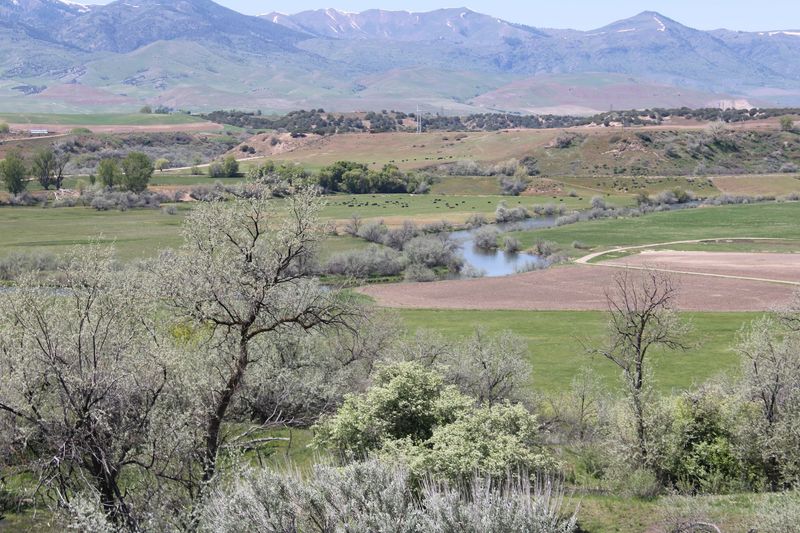
Some history is hard to read, and that’s exactly why it deserves your attention. In January 1863, U.S. troops attacked a Shoshone winter camp along the Bear River.
Hundreds of Shoshone people, including many women and children, lost their lives that morning. For years, markers called it a battle, which hid the truth.
Today the Northwestern Band of the Shoshone Nation helps guide how the story gets told. That shift matters, because the people affected now shape the record.
The site sits in farm country outside Preston, in the southeast corner of Idaho. An interpretive trail with story boards explains the camp, the attack, and what followed.
Newer placards offer a fuller, more honest account than older signs. They help you understand what actually happened here.
Don’t stop at the first pull-off. A short drive down the road leads to the walking trail, with more panels and quieter views of the river bottom.
Come ready to listen rather than sightsee. It’s a place of remembrance, so a calm visit fits best.
Leaving here, you’ll understand Idaho history a little differently.
Address: Preston, ID 83263
8. Weippe Prairie
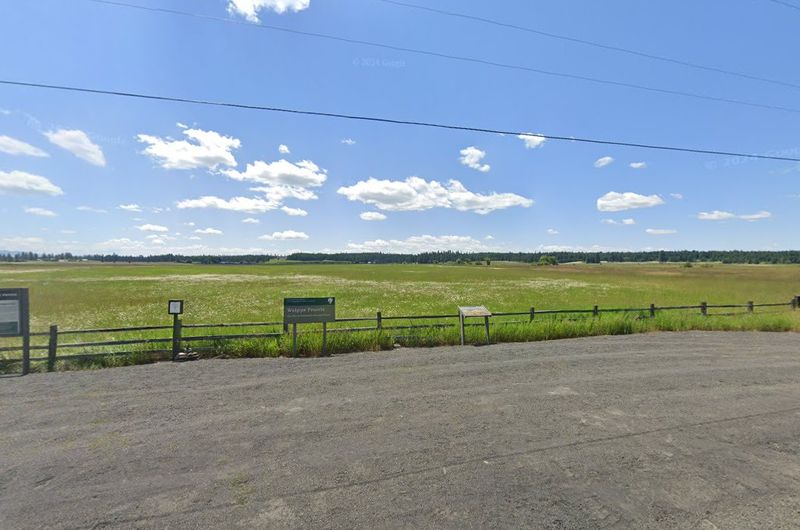
Blue flowers fed a nation long before explorers showed up. On Weippe Prairie, Nez Perce families gathered camas, a bulb that served as a key food source.
The prairie sits on a high plateau near Weippe, a small town in north central Idaho. Wide open meadows stretch toward the forest, and that openness is the point.
In September 1805, Lewis and Clark stumbled out of the Bitterroot Mountains starving. Here, they met the Nez Perce for the first time.
The Nez Perce shared food and helped the weak travelers. That meeting led straight to Canoe Camp and the river route west.
National park markers along the road explain the camas harvest and the encounter. You can take it in from the roadside, then let the view finish the lesson.
Timing changes the picture. In spring, camas blooms can tint the meadow blue, so it pays to check before driving.
The site stays open at all hours. Early mornings or late afternoons make a nice bookend to a Clearwater country day.
Stand still a minute. You’re looking at a pantry, a meeting place, and a homeland all at once.
Address: 443 Camas Rd, Weippe, ID 83553