This 55-Acre Massachusetts Animal Rescue Cares For Animals From Tiny Cats To Full-Grown Cows
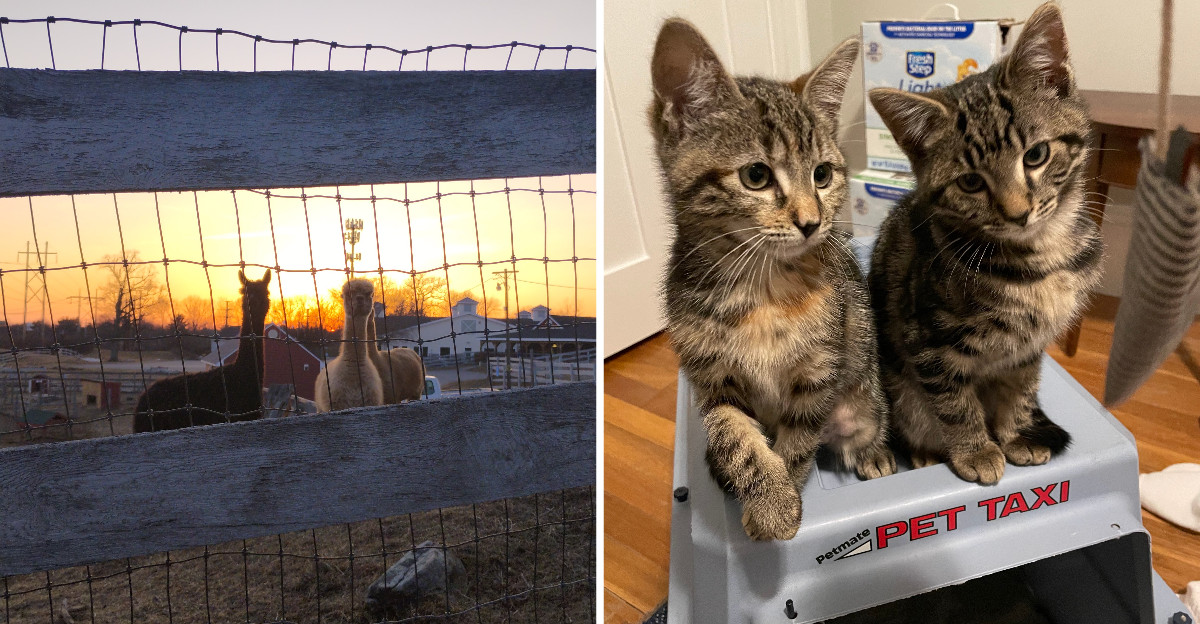
An animal shelter in Massachusetts occasionally takes in zebus. Yes, zebus, the humped cattle most people have only seen in a textbook.
Great, now I have another thing to be interested in.
The same property also handles kittens, guinea pigs, ferrets, goats, pigs, and full-grown horses. It even runs its own horse ambulance program.
As if my curiosity needed a vehicle with flashing lights and room for a pony.
Around 75,000 people visit every year, and the place spans 55 acres of barns, pastures, and adoption rooms. That’s a lot of ground for one rescue to cover.
How does a single farm manage everyone from a parakeet to a cow?
One Farm, Every Kind Of Animal You Can Name
Most shelters pick a lane. MSPCA at Nevins Farm in Methuen, Massachusetts, picked just about every lane and then added a pasture.
The 55-acre property cares for cats, dogs, rabbits, ferrets, guinea pigs, birds, and other small animals. Outside, the roster gets bigger, with chickens, ducks, geese, goats, pigs, sheep, horses, and cows.
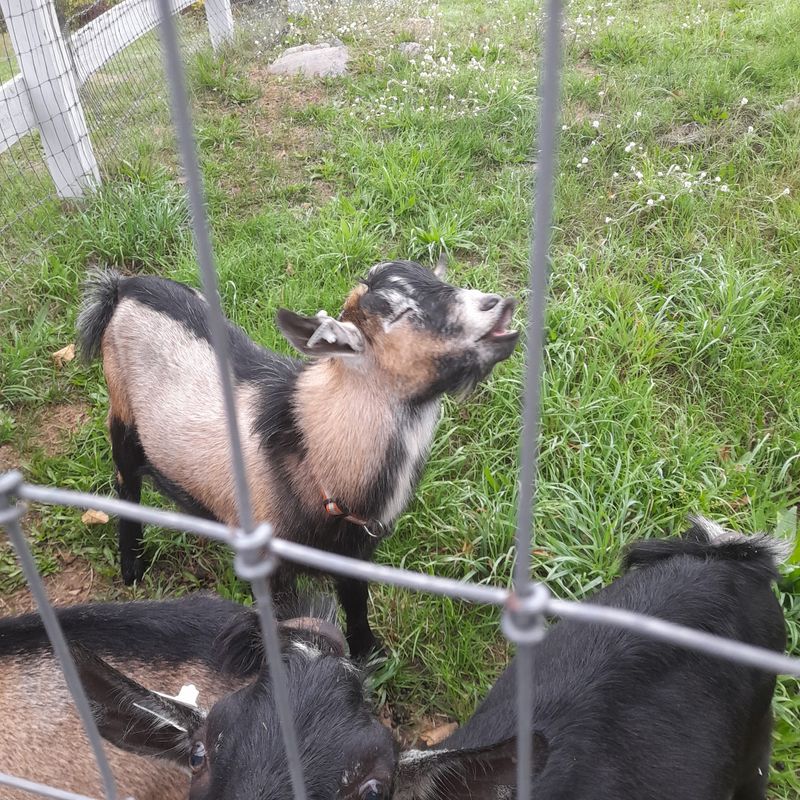
Every so often, the list stretches even further. Miniature horses, alpacas, and Nigerian Dwarf goats have also found care here. Then came the zebus.
In 2026, the farm welcomed its first zebus, a type of cattle recognized by the hump above their shoulders. They joined a large group of farm animals receiving care and preparing for adoption.
The variety makes Nevins Farm unusual. It’s an open-admission center for horses and farm animals, with specialized facilities for species that ordinary companion-animal shelters generally cannot accommodate.
The property includes barns, animal enclosures, pastures, and a dedicated small-animal adoption center.
Its work extends beyond providing temporary shelter. Animals receive appropriate care, behavioral support, and help finding suitable homes.
The setting may resemble a countryside farm, but its daily operations involve everything from caring for kittens to preparing horses for adoption. That’s a remarkable range of responsibilities for one address.
It All Started As A Retirement Plan For Hardworking Horses
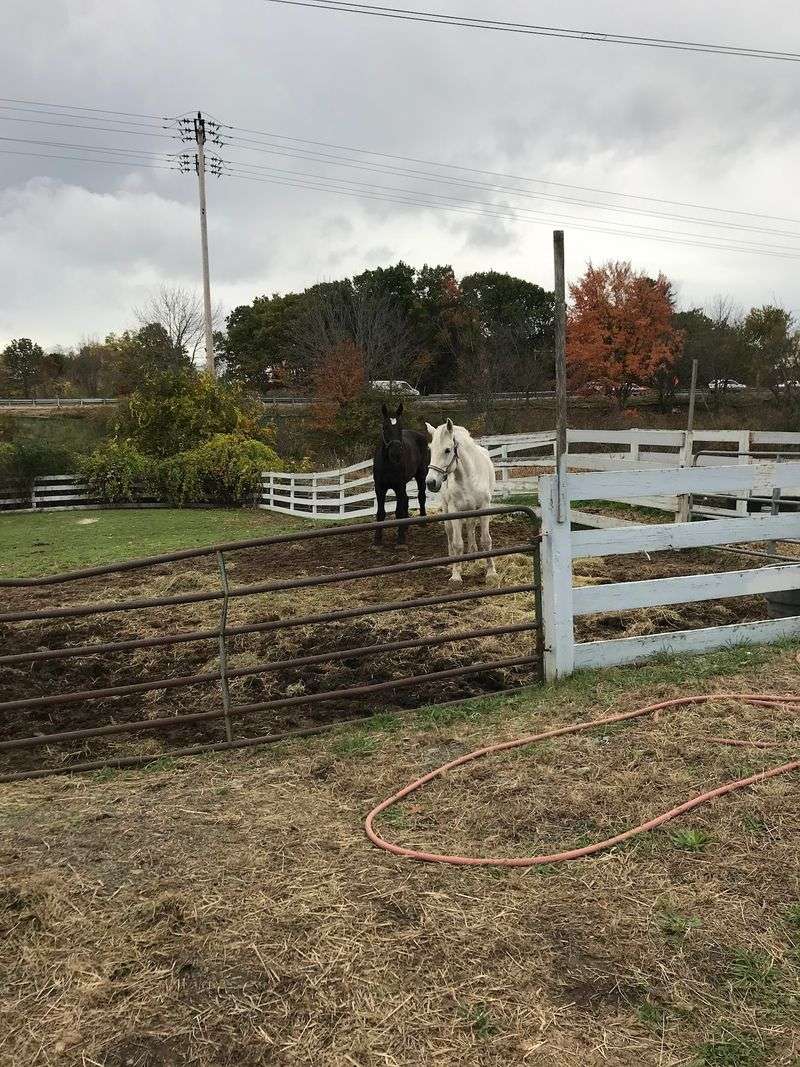
Back in 1917, horses still pulled wagons and carried heavy loads across Massachusetts. Their work required considerable physical effort, and a woman named Harriet Nevins wanted to give them a comfortable place to rest.
She donated her 55-acre farm in Methuen to the Massachusetts Society for the Prevention of Cruelty to Animals.
The property became a rest home for working horses, including animals that had spent years traveling Boston’s streets.
Imagine the change from busy city roads to open pastures and fresh hay. That generous beginning established the MSPCA’s first permanent animal shelter.
The farm gradually expanded its purpose as transportation changed and fewer horses worked in cities.
In 1924, the organization opened its first official small-animal shelter on the property. Cats, dogs, and other companion animals eventually became part of the growing operation.
Over the decades, the farm developed additional facilities for adoption, veterinary care, equine rehabilitation, and educational programs. The name Nevins remains a connection to the original donation more than a century later.
What began as a place for working horses to enjoy peaceful surroundings has become a much broader animal care center. It’s remarkable how one family’s gift continues shaping the lives of so many different animals.
Your Afternoon Plans Can Include Meeting A Very Persuasive Cat
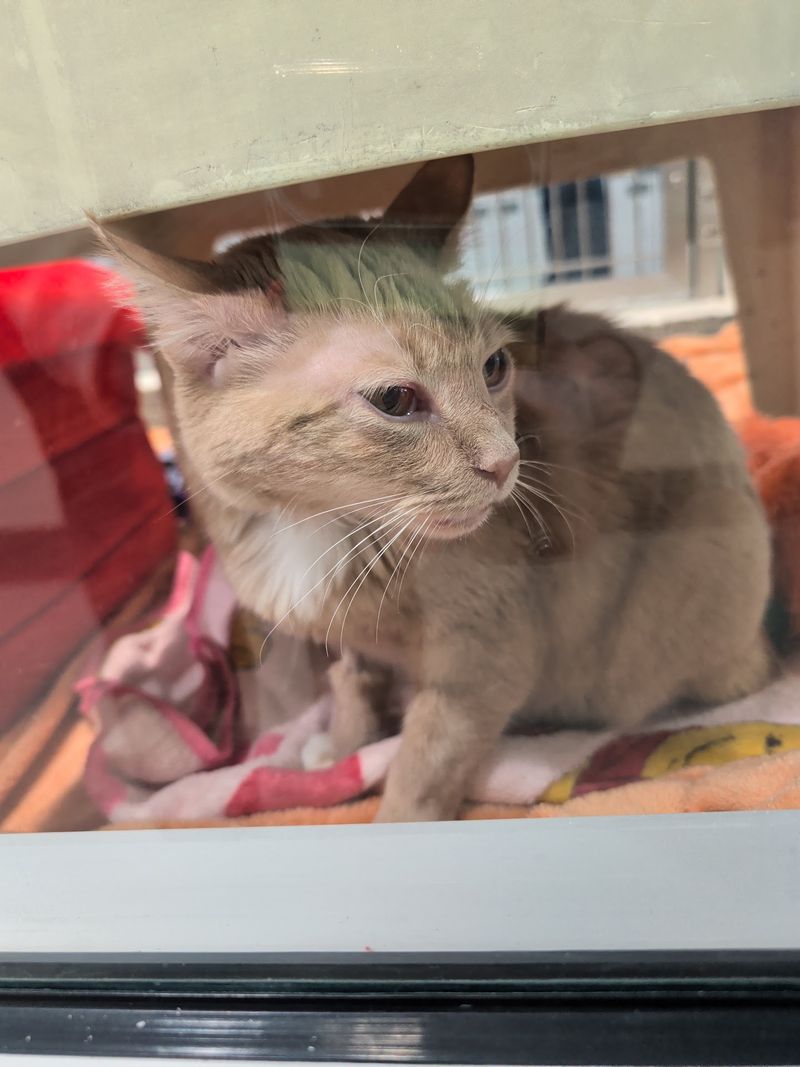
Fair warning about the cat rooms here. You can visit during adoption hours without arranging an appointment first.
That’s convenient, and also rather tempting for anyone who claims they’re just looking.
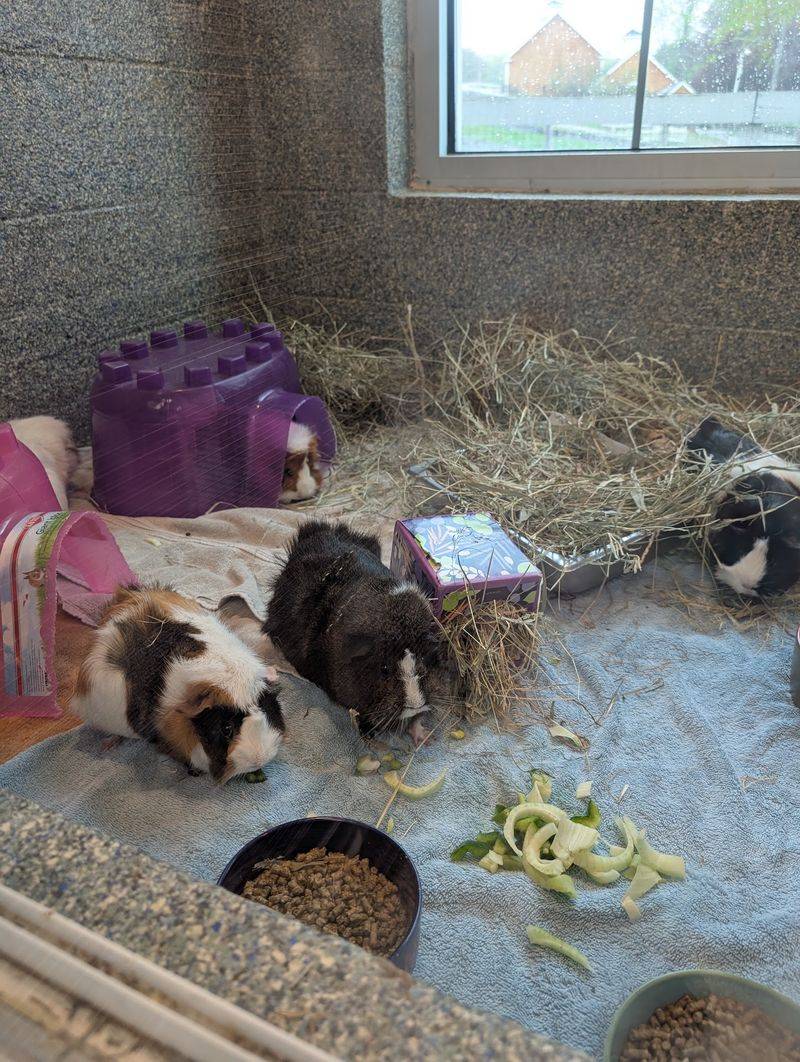
Small-animal adoptions take place in the Noble Family Animal Care and Adoption Center, where cats, dogs, rabbits, guinea pigs, and other companion animals may be available.
The selection changes as animals find homes and new arrivals receive care. Cat rooms and small-animal areas are open for visitors to explore during regular adoption hours.
Dogs have a different arrangement. To provide a calmer environment, their kennel areas aren’t open for casual browsing.
Instead, potential adopters speak with the adoption team about their household, schedule, and preferences before meeting a suitable dog. The goal is to create a thoughtful match for both the animal and its future family.
The process is conversational, with guidance about daily care, activity levels, and the responsibilities involved. Adoption hours run Tuesday through Sunday from noon to 4:30 PM.
A little preparation helps, particularly if you’re interested in a particular animal.
Yes, You Can Actually Adopt A Goat Here
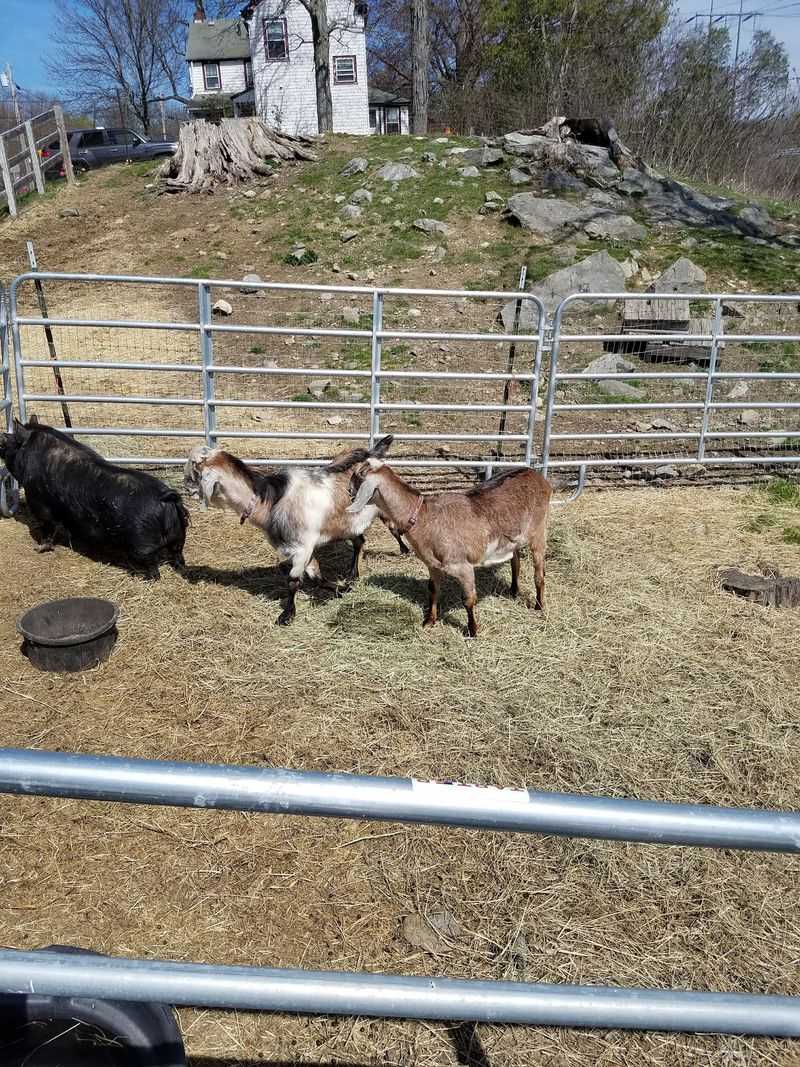
Plenty of people dream about owning a goat. Far fewer know where to find one that needs a home. MSPCA at Nevins Farm happens to have that covered.
Horses, goats, sheep, pigs, cows, chickens, and other farm animals are among the species placed through its adoption program.
Unlike the small-animal center, farm-animal adoptions require advance appointments. That gives staff time to discuss suitable housing, fencing, veterinary care, and the particular animal’s needs.
For goats, companionship is especially important. These social animals generally need another goat nearby or an established herd to join. Sheep have similar requirements, while pigs need room to explore and suitable shelter.
Horses bring another set of responsibilities, including hoof care, feeding plans, and regular veterinary attention.
The farm works with prospective adopters to make sure the arrangements are appropriate. Its staff can also help explain the daily routines involved in caring for livestock.
An Ambulance Built For Horses Operates From This Farm
A regular ambulance isn’t designed to transport a horse weighing more than a thousand pounds.
That challenge helps explain one of the farm’s most remarkable programs.
The MSPCA established its modern Equine Safety and Ambulance Program in 1994, building on the organization’s long history of helping working horses.
The program specializes in emergency response, large-animal rescue, and transportation.
Its equipment includes the Original Rescue Glide, a specially developed device that helps move horses requiring assistance.
The flexible glide can pass through barn doorways and navigate challenging ground, allowing trained handlers to move large animals with greater control. Specialized ambulances provide another important part of the operation.
The program also teaches veterinarians, emergency responders, and animal care professionals how to handle complex equine situations. Training sessions take place at Nevins Farm and at other locations throughout North America.
Teams practice using rescue equipment and learn techniques for approaching and moving large animals safely. The work has influenced the development of additional equine ambulance programs across the country.
Caring For Entire Herds Is Another Part Of The Mission
Sometimes animals arrive in groups large enough to fill several barns.
Nevins Farm has specialized facilities and experienced staff capable of caring for substantial numbers of horses and other farm animals. The scale of that work became particularly clear in 2026.
During the first six months of the year, the center received 398 farm animals through law enforcement activity, including 317 associated with a single property.
The animals included chickens, ducks, goats, pigs, cattle, and other livestock. Each species required appropriate food, shelter, and veterinary attention.
Some animals needed additional time for socialization and rehabilitation before they could move to new homes.
Coordinating that care means arranging separate enclosures, monitoring health, and preparing suitable adoption plans. The facility can also adapt its spaces to accommodate groups with different requirements.
In June 2026, the organization held a special farm-animal adoption open house to introduce prospective adopters to animals preparing for placement.
Events like that help connect the farm’s care work with families and livestock owners who have appropriate facilities.
Kids Get To Muck Stalls And Love Every Minute
Getting kids excited about chores sounds impossible. Add a barn full of animals, and suddenly cleaning stalls becomes the highlight of summer.
The farm’s Summer Camp welcomes children ages six through fourteen, with different sessions designed for specific age groups.
Campers work alongside staff, helping with activities such as mucking horse stalls, cleaning rabbit cages, feeding cats, and walking dogs.
The experience mixes practical responsibilities with crafts, games, and discussions. Younger children have options during the school year, too.
Little Bookworms Story Time introduces preschoolers to animal-themed books, followed by an opportunity to meet an adoptable animal.
Rescue Readers offers another enjoyable activity, allowing children to read aloud to dogs, cats, or rabbits with a parent or guardian nearby.
Older children can participate in selected volunteer programs, while teenagers may qualify for junior counselor opportunities.
These activities offer a different understanding of farm life from simply watching animals through a fence. Cleaning, feeding, and preparing spaces are all part of keeping a shelter running smoothly.
Plan Your Visit And Discover More Than An Ordinary Shelter
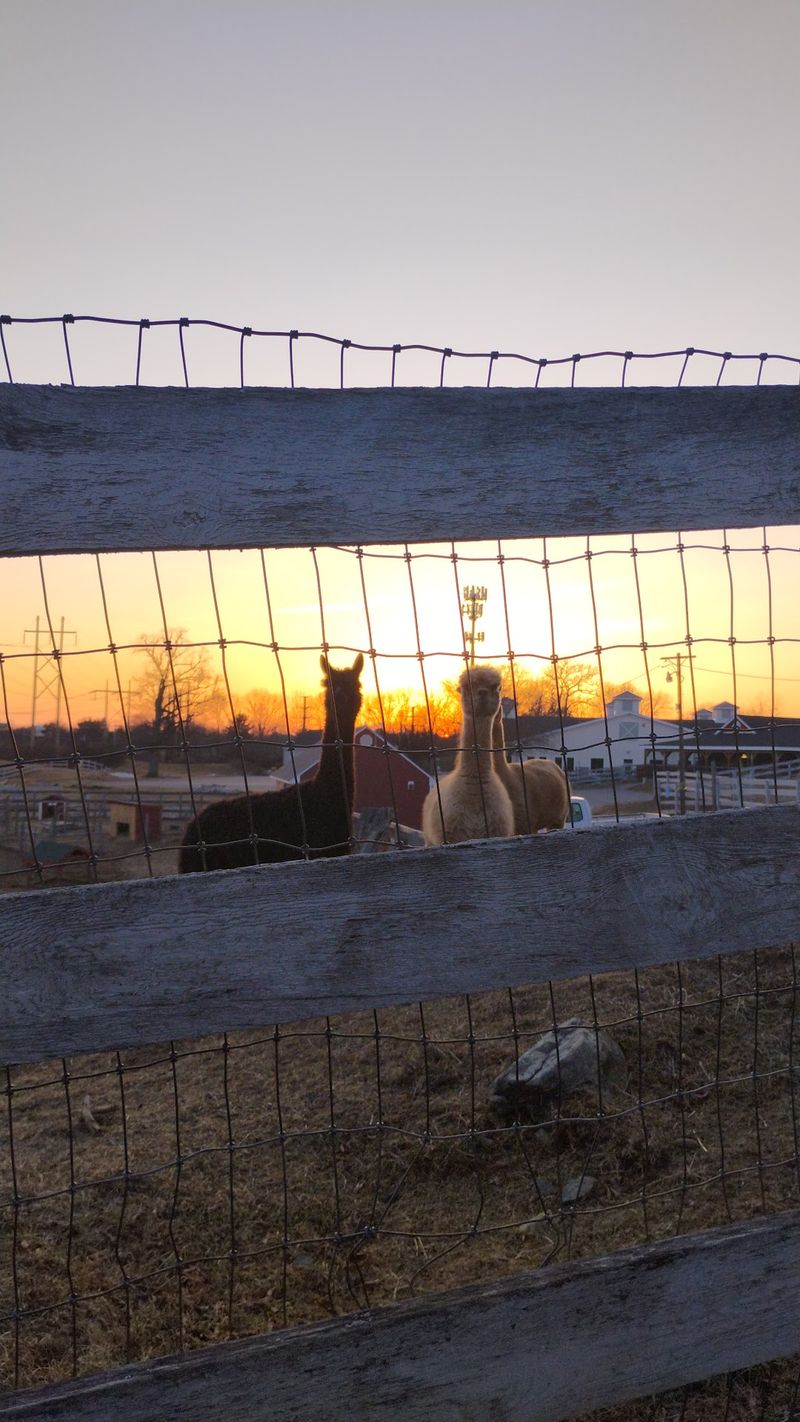
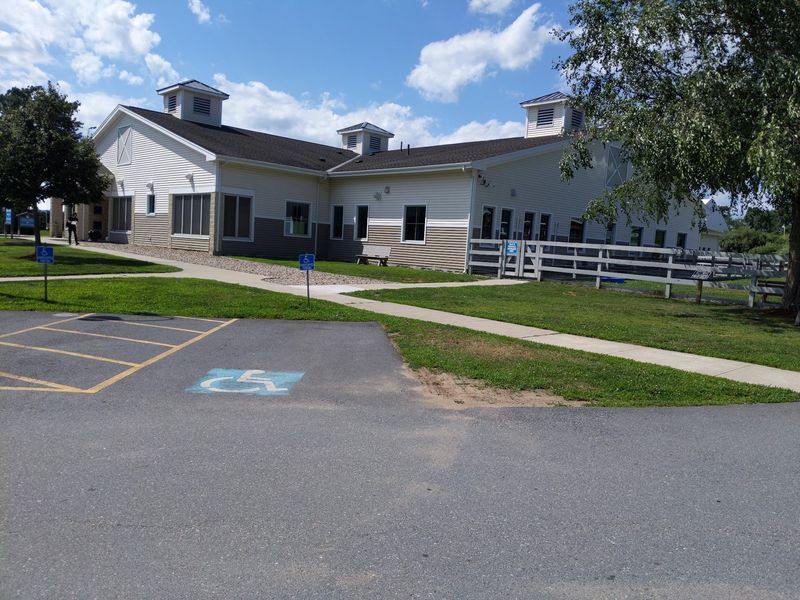
Finding the farm is straightforward. Head to 400 Broadway in Methuen, near the New Hampshire border.
The small-animal adoption center welcomes visitors Tuesday through Sunday from noon to 4:30 PM.
Monday is its regular closing day. If you’re interested in adopting a horse or another farm animal, arrange an appointment beforehand.
The barns and livestock areas are working animal care facilities rather than unrestricted public attractions, so access depends on the activity or program.
Families interested in educational experiences can choose from scheduled reading programs, seasonal activities, and summer camp.
Volunteering offers another opportunity to contribute, with roles involving animal care, cleaning, transportation, and other practical tasks.
The organization is supported by charitable contributions and volunteer assistance. Environmental improvements are also part of its work.
The farm has replaced some traditional heating equipment with electric ground-source heat pumps and purchases electricity from renewable sources.
These improvements support a facility that must care for animals throughout the changing New England seasons. A visit may begin with curiosity about a kitten, an unusual farm animal, or the horse ambulance.