This Abandoned Connecticut Sanatorium Has Eerie Stories And A Haunting History Hidden Behind Its Empty Walls
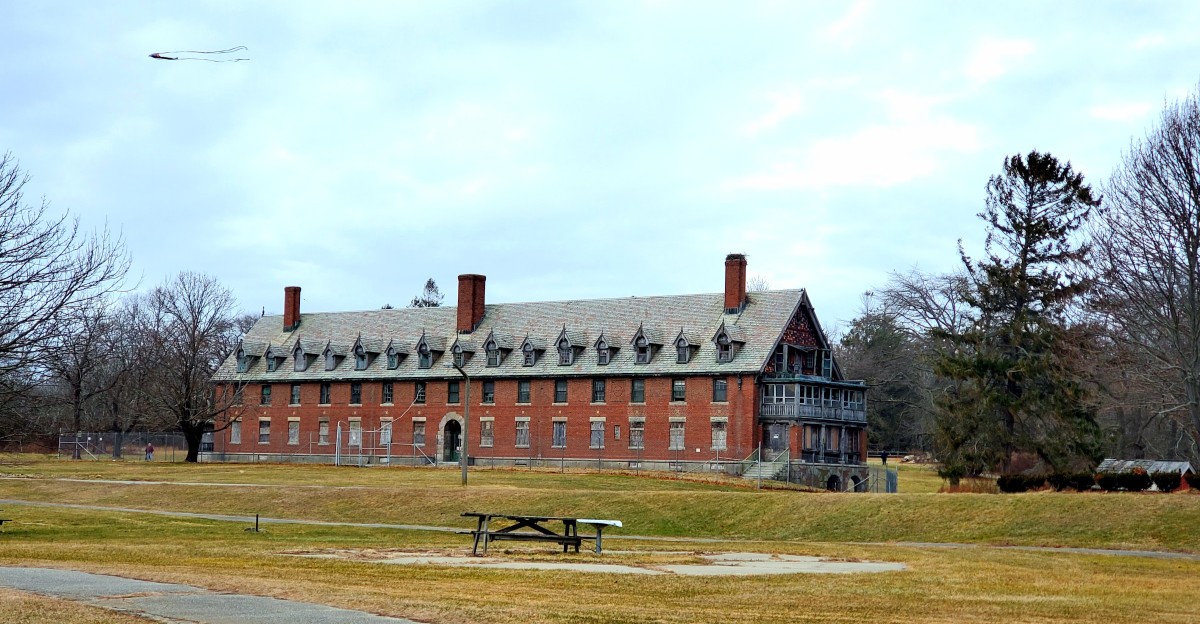
An empty building can feel unsettling even in broad daylight. Add a complicated history and years of abandonment, and suddenly every dark window seems to raise another question.
Who worked there? What was daily life like?
One abandoned Connecticut sanatorium has a haunting past that continues to attract curiosity long after its original purpose ended.
I find places like this fascinating, although not necessarily for the ghost stories.
It’s the real history behind the building that makes me want to know more. Imagine how different the world was when the facility was still operating.
And there’s something eerie about a structure that once played such an important role now standing largely silent.
Of course, abandoned buildings can be dangerous, and this isn’t somewhere to wander through without permission.
But you don’t need to enter a building to become interested in its story.
Sometimes the most haunting part is simply thinking about all the lives connected to a place that time has left behind.
1. Sunshine Was The Medicine, And The Ocean Was The Pharmacy
Sunshine as medicine? That was once a serious medical idea.
Back in the early 1900s, doctors believed fresh ocean air and plenty of sunlight could help children recover from certain forms of tuberculosis. It sounds unusual today, but the approach inspired an entire hospital overlooking the water.
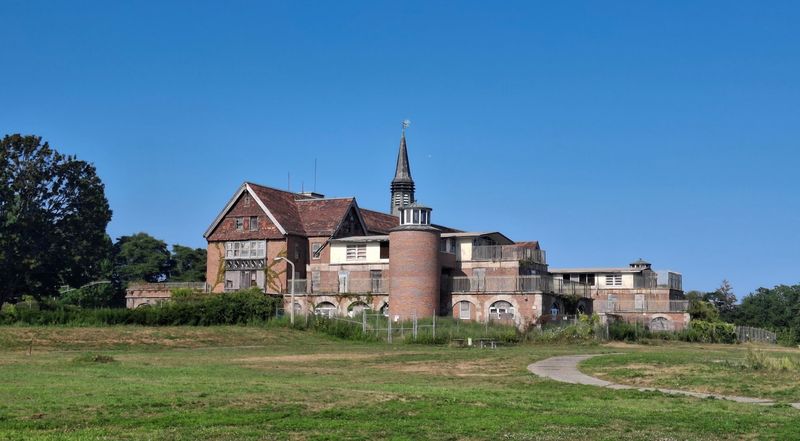
The Seaside Sanatorium in Waterford opened in 1934, specifically designed for children whose illness affected their bones and joints rather than their lungs.
And the story actually began years earlier.
An original Seaside facility had opened in nearby Niantic in 1918. As the need for treatment grew, the state decided a larger campus was necessary and commissioned the Waterford project in 1930.
The new hospital was designed to feel more like a welcoming home than a traditional medical institution.
That mattered, especially for children who might spend months receiving care away from their families.
The treatment approach, known as heliotherapy, relied heavily on exposure to sunlight. Seaside became an important early American example of a hospital designed around this method for children with bone and joint tuberculosis.
By the late 1940s and into the 1950s, effective medications were changing tuberculosis treatment.
The hospital’s original purpose gradually faded, leaving behind a fascinating piece of medical history.
2. A Famous Architect Gave It A Storybook Look
Cass Gilbert is a big name in American architecture. He designed the U.S.
Supreme Court Building and New York’s towering Woolworth Building.
So it’s a bit surprising that he also designed a children’s hospital on the coast. His work on the Seaside Sanatorium shows a softer, more playful side of his talent.
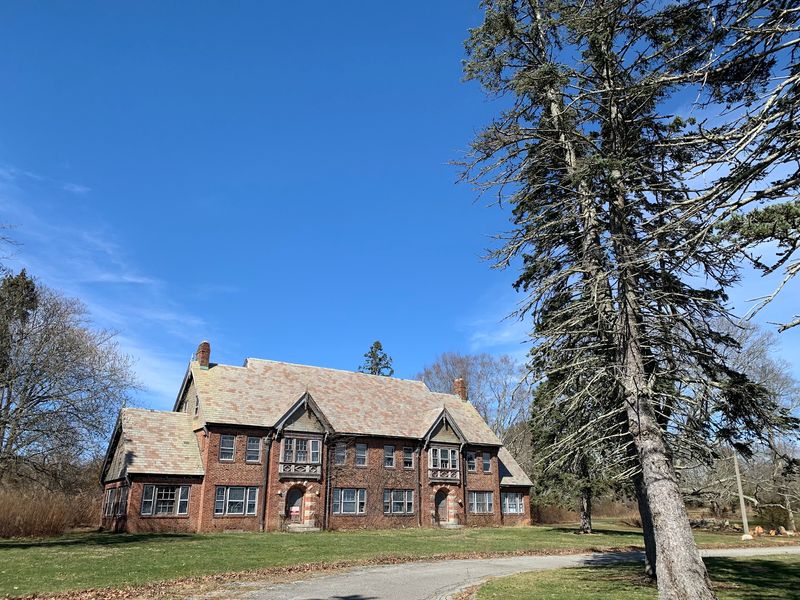
Gilbert chose the Tudor Revival style for the campus. That style usually shows up on charming old English cottages and manor houses, not state hospitals.
The choice was very intentional. The goal was to make the place look less like an institution and more like a welcoming home.
Honestly, it worked a little too well. Even today, the buildings look like something from an old fairy tale, just with more boarded windows.
The main structure is called the Stephen J. Maher Building.
Other Tudor-style buildings include a Nurse’s Residence, Duplex Residences, and a Superintendent’s Residence.
Walking the grounds feels like visiting a tiny abandoned village. Every building matches, which makes the empty campus feel even more mysterious and complete.
Architecture fans should bring a good camera. The rooflines alone deserve a few dozen photos.
3. Look Up, Because The Details Are Where It Gets Good
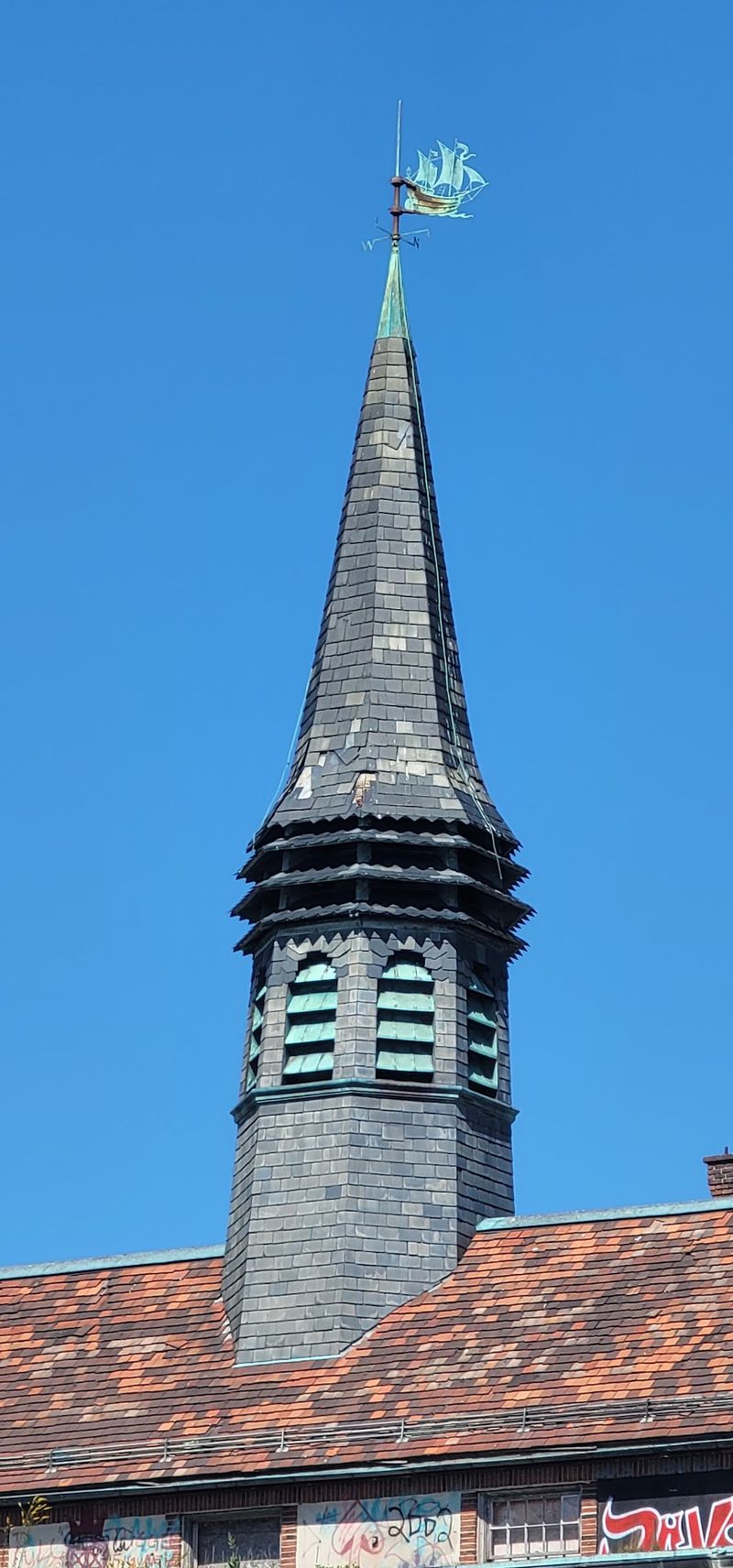
A copper weather vane shaped like a sailing ship sits on top of a tall spire. It’s a perfect little nod to the ocean right next door.
That’s just one of many clever touches across the Seaside Sanatorium campus. The longer you look, the more surprises you’ll notice.
The roofs use polychrome slate, which means the tiles come in several colors. Lots of dormers pop out from those roofs like curious little windows.
Decorative tile and stone arches add even more charm. There’s also a tower that looks a lot like a lighthouse standing guard over the water.
Then there are the terraces on the Maher Building. These huge outdoor spaces face the ocean so young patients could soak up as much sunlight as possible.
It’s wild to think those terraces were basically treatment rooms without walls. Kids spent hours there breathing in that salty Long Island Sound breeze.
Along the shoreline, a granite seawall lines the edge of the property. It quietly holds back the tide while the buildings behind it slowly age.
My advice is simple. Slow down and enjoy every carved and colorful detail.
4. The Building Lived Several Very Different Lives
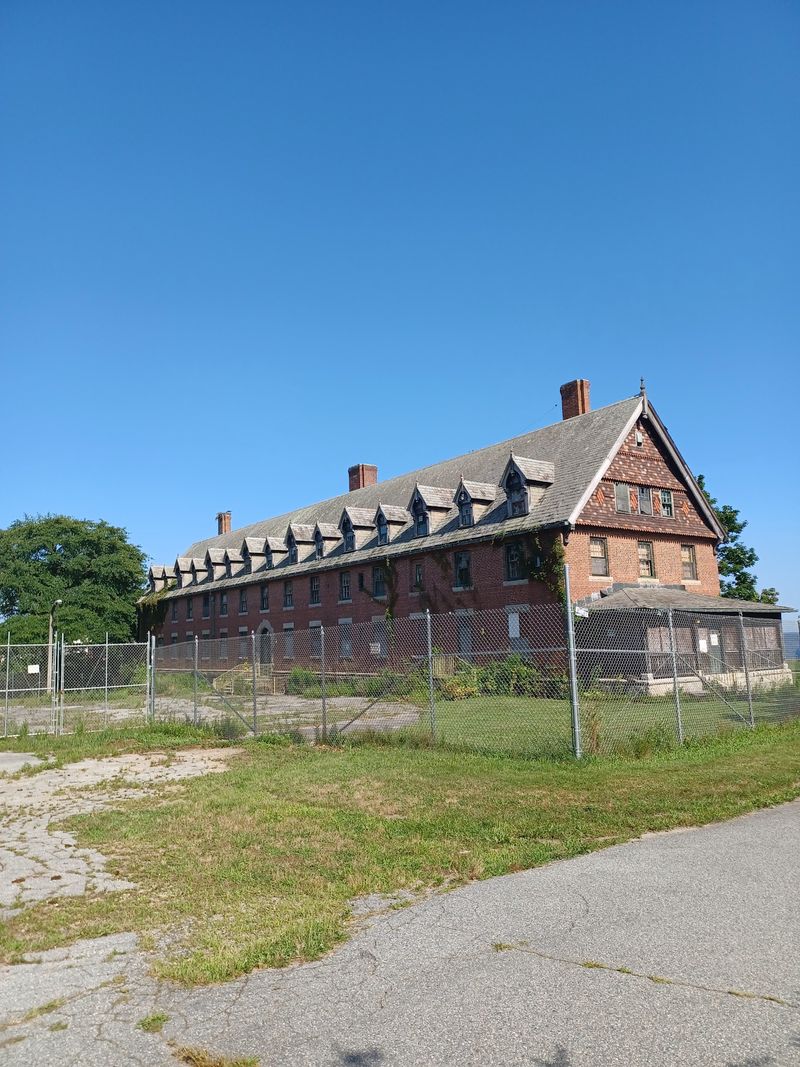
Once the tuberculosis patients were gone, the campus didn’t stay empty for long. Around 1958, it became a hospital and home for elderly residents.
That chapter was short. In 1961, the property changed again and became the Seaside Regional Center for people with developmental disabilities.
This version of the Seaside Sanatorium lasted the longest. It operated for more than three decades before closing for good in 1996.
During those later years, rumors spread about poor treatment and sad outcomes for some residents. Those whispers helped give the campus the dark reputation it still carries.
The full picture is more complicated, though. A well-known photo book called Christmas in Purgatory actually pointed to Seaside as an example of a well-run place with caring staff.
That’s a good reminder to treat spooky stories with a bit of care. Real people lived and worked here, and their stories deserve respect.
Every layer of history adds to the mood of the grounds. Children, seniors, and adults with disabilities all called this seaside campus home at different times.
That mix of lives explains why so many people feel something here. History this deep tends to linger.
5. Shadow Figures Still Seem To Keep A Busy Schedule
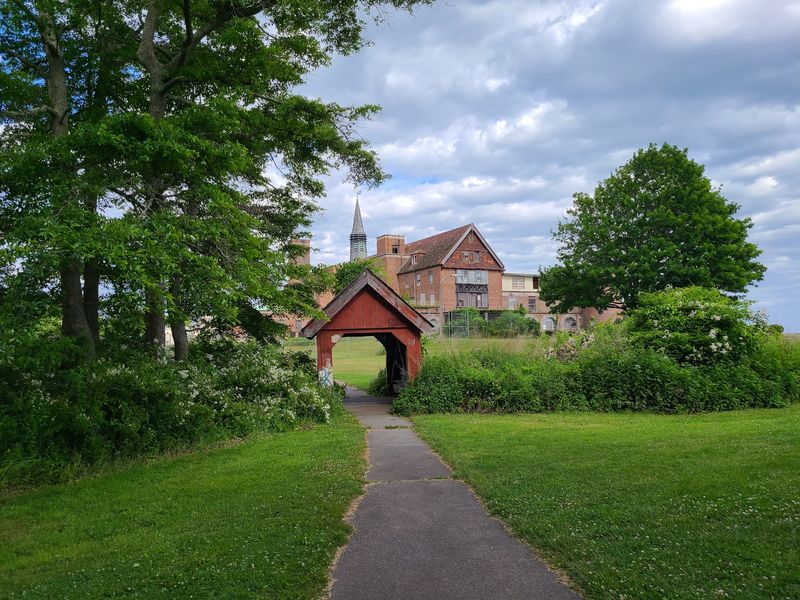
Ghost hunters love to say this place never really clocked out. Many consider it one of the most haunted spots in the state.
The most famous claims involve shadow people. These are misty, dark shapes that some visitors say they’ve seen near the old buildings.
What makes the stories extra creepy is how the figures supposedly move. They seem to travel from building to building, almost like they’re following an old daily routine.
Picture a nurse heading to her shift decades after the hospital shut down. That’s the kind of image these tales put in people’s heads.
Plenty of people also describe strange feelings on the grounds. Some say they feel gently pushed toward certain areas or steered away from others.
Is it ghosts or just the power of an empty building by the sea? That’s for you to decide, and half the fun is debating it.
Either way, the Seaside Sanatorium makes a great story for a campfire. Just maybe don’t tell it while you’re still in the parking lot.
Skeptics and believers can agree on one thing. The place definitely sets a mood.
6. Your Phone Might Catch More Than You Bargained For
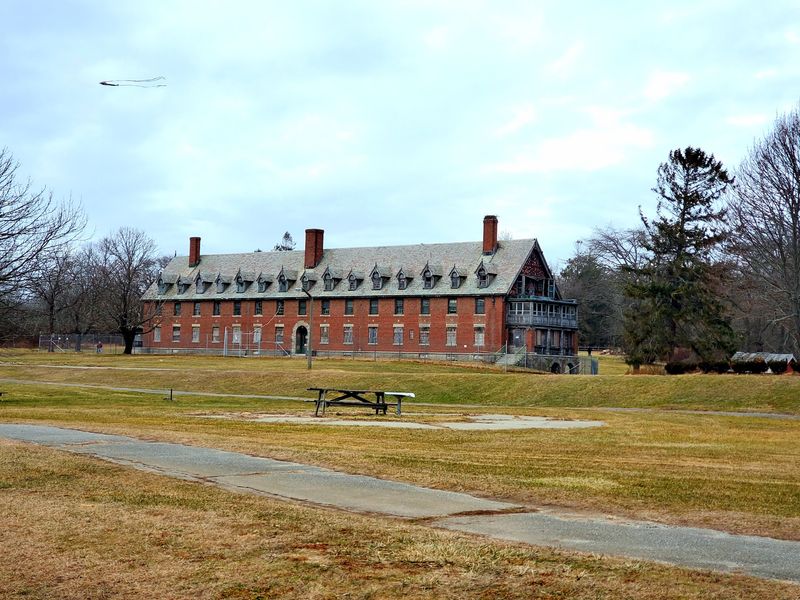
Paranormal researchers bring recorders here for a reason. They claim to have captured EVPs, which are mysterious voices that show up on audio recordings.
Nobody hears these voices in the moment, according to the stories. They only appear later when someone plays the recording back.
Photos are another hot topic at the Seaside Sanatorium. People report orbs, odd lights, and shadowy shapes appearing in pictures taken around the grounds.
Of course, dust, sea spray, and lens glare can create some pretty spooky effects. A foggy shoreline is basically a free special effects studio.
One story stands out among the rest. A visitor once said they left a stuffed animal inside a building, then later asked about it out loud.
According to the tale, a little girl’s voice whispered one word back. That word was simply, Inside.
Whether you believe it or not, that story is hard to shake. It’s the kind that pops into your head at two in the morning.
Want to test it yourself? Snap photos from outside the fences and compare them later, then decide what you actually caught.
7. The Grounds Are Open, Even If The Doors Are Not
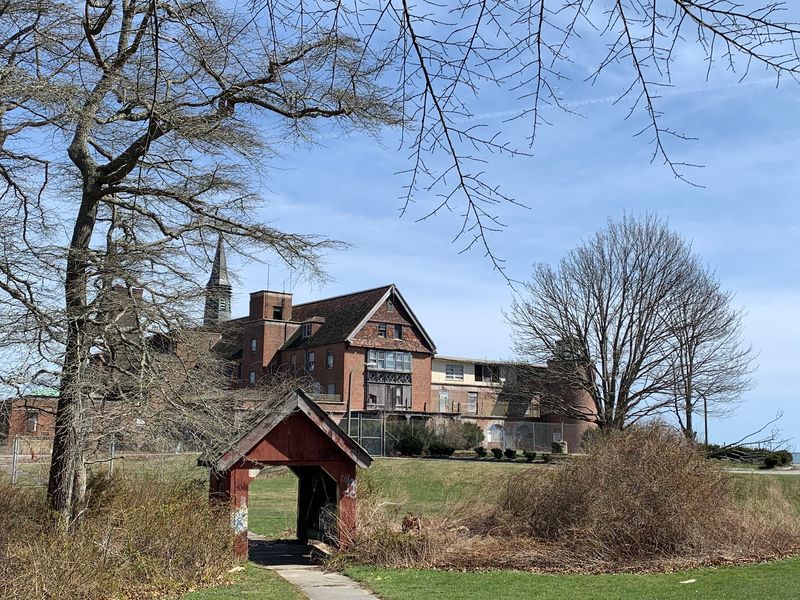
Good news for curious explorers. In 2014, Governor Dannel Malloy made the property part of Seaside State Park, so the grounds welcome the public.
You’ll find the historic site at 36 Shore Road in Waterford. The park covers approximately 30 acres along Long Island Sound, with open grounds and a scenic shoreline.
Now for the important part. The buildings themselves are locked, fenced off, and completely off-limits inside.
Please respect those rules, both for safety and for the history. Old abandoned buildings can be dangerous, and trespassing is never worth the risk.
Luckily, the outdoor experience is plenty rewarding. Open lawns stretch toward the water, and small beach areas line the shore.
The park opens early in the morning on most days. Checking the state park’s posted schedule before you head out is always a smart move.
Swimming isn’t permitted, so leave the floaties at home. Bring walking shoes, a camera, and maybe a snack for a shoreline picnic.
Sunset is an especially lovely time to visit. The light on those slate roofs and the water makes the whole scene glow.
8. Nobody Knows Exactly What Happens Next
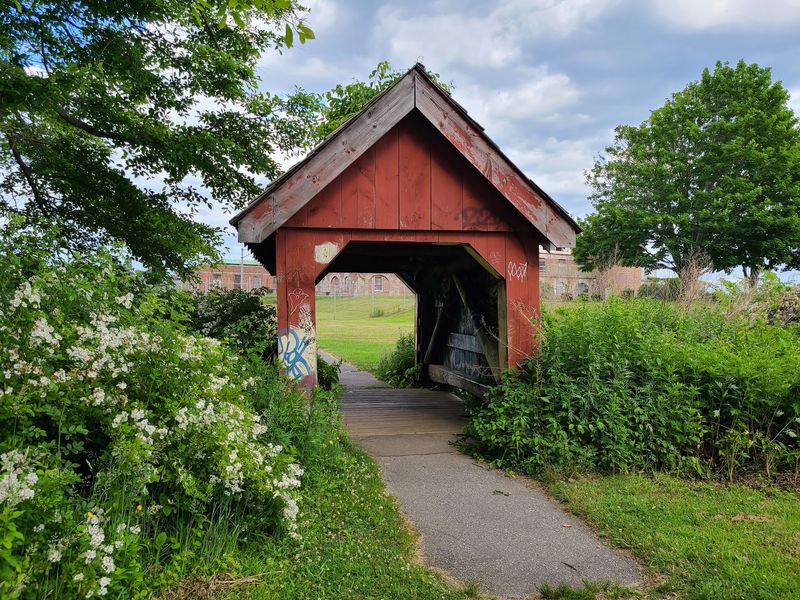
History buffs got a big shock in February 2023. The state announced plans to tear down the old buildings and create a passive park.
The demolition plans faced legal challenges, but a judge dismissed a subsequent lawsuit in December 2024, and the state continued developing its plans for a public park.
The future of the historic buildings remains tied to preservation efforts, legal developments, and state decisions about the property’s long-term use.
It’s a tough situation either way. Restoring huge old buildings costs a lot, but losing them means losing a piece of state history.
The property has serious credentials, too. It was added to the National Register of Historic Places in 1995.
That listing recognizes how important the Seaside Sanatorium is to American history and architecture. Not many children’s hospitals can say they were designed by a Supreme Court architect.
Here’s my honest suggestion. If you’ve ever wanted to see these buildings in person, sooner is better than later.
Things can change quickly once decisions are made. You don’t want to show up someday and find only grass where the towers once stood.
9. Plan A Visit That Honors The Spooky And The Scenic
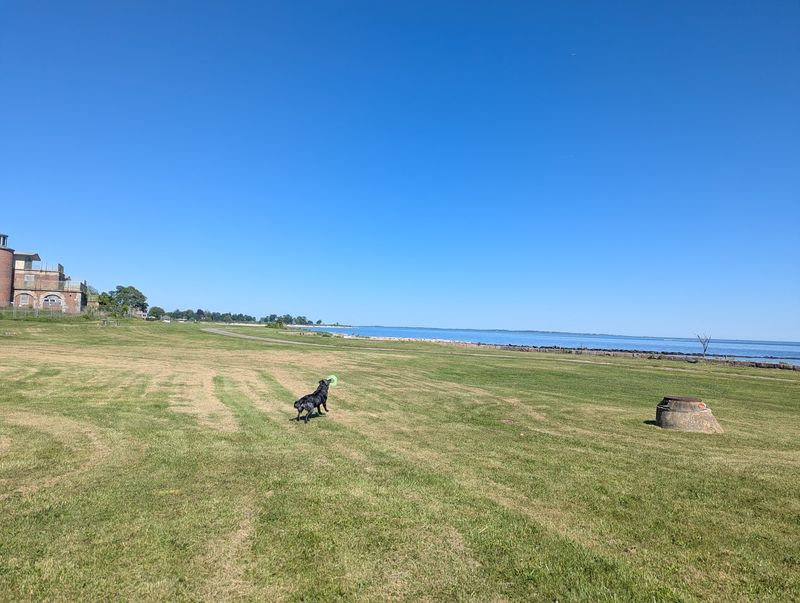
Few places in Connecticut let you enjoy ocean views and ghost stories in the same afternoon. That combo makes this spot a fun day trip for history lovers and thrill seekers alike.
Start with a slow loop around the grounds. Take time to study the rooflines, the tower, and that ship-shaped weather vane.
Next, head toward the granite seawall and look out at Long Island Sound. It’s easy to see why doctors thought this breezy spot could help kids heal.
Bring along a little background knowledge before you go. Knowing the Seaside Sanatorium’s story makes every building feel more meaningful.
Ghost hunting fans should keep it respectful. Stay outside the fences, keep voices kind, and remember that real families are connected to this place.
Photographers will want to check the weather first. Cloudy days add drama, while clear evenings give you glowing sunset shots.
Visiting on a weekday can feel extra peaceful. Fewer people means more time to soak in the quiet and the waves.
Whatever you believe about ghosts, this shoreline delivers. You’ll leave with great photos and maybe a story worth retelling.