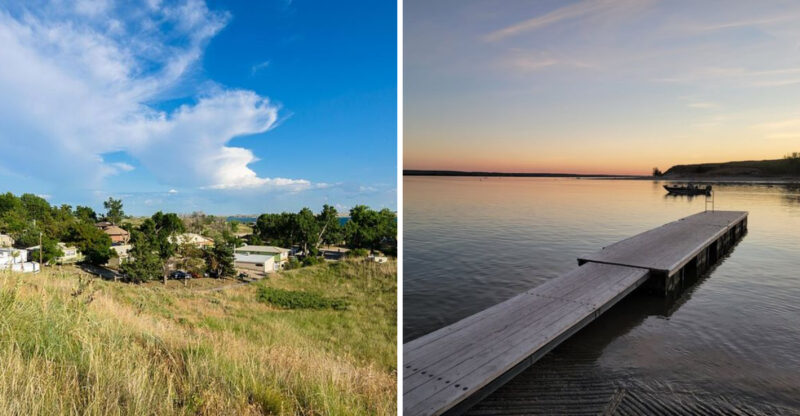
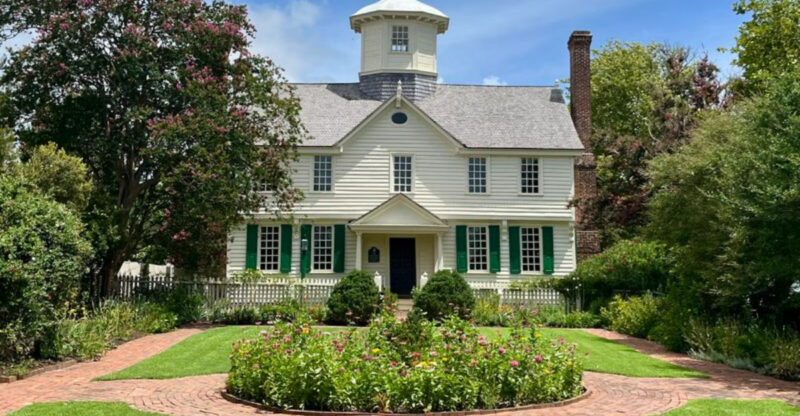
This Tiny North Carolina Town Is The Cultural Heart Of One Of America’s Largest Native American Tribes
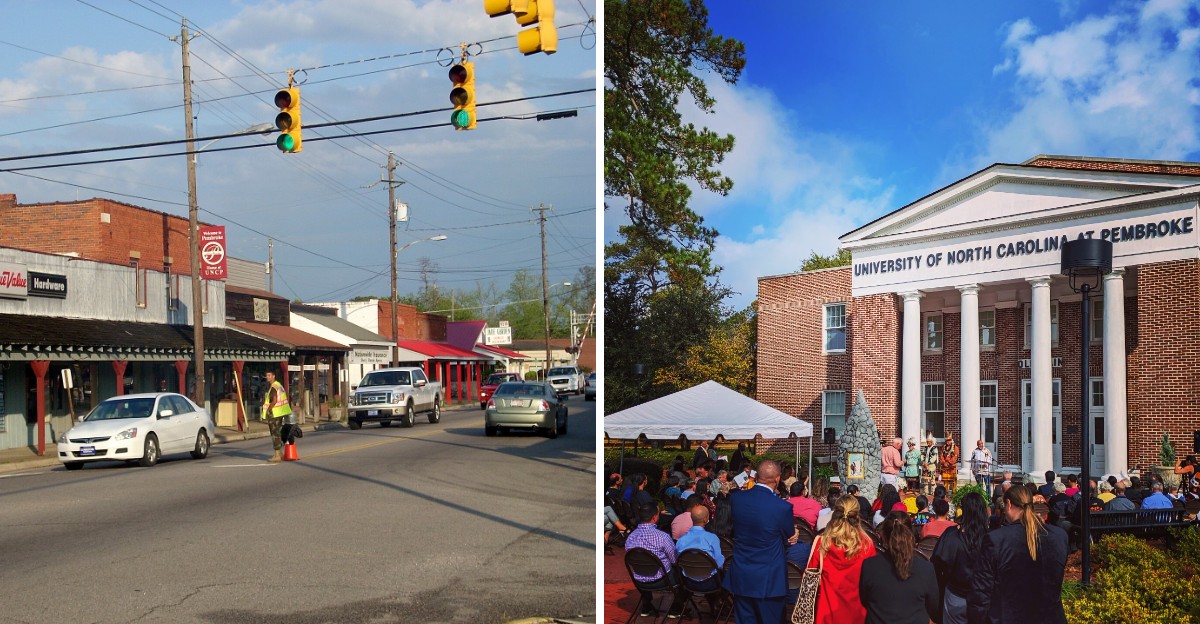
It is hard for me to square the size of this town with the amount of history packed into it.
In southeastern North Carolina, one small community became a center of Lumbee life, with a university founded in 1887 to train Native teachers growing alongside tribal institutions and traditions that still bring thousands of people together.
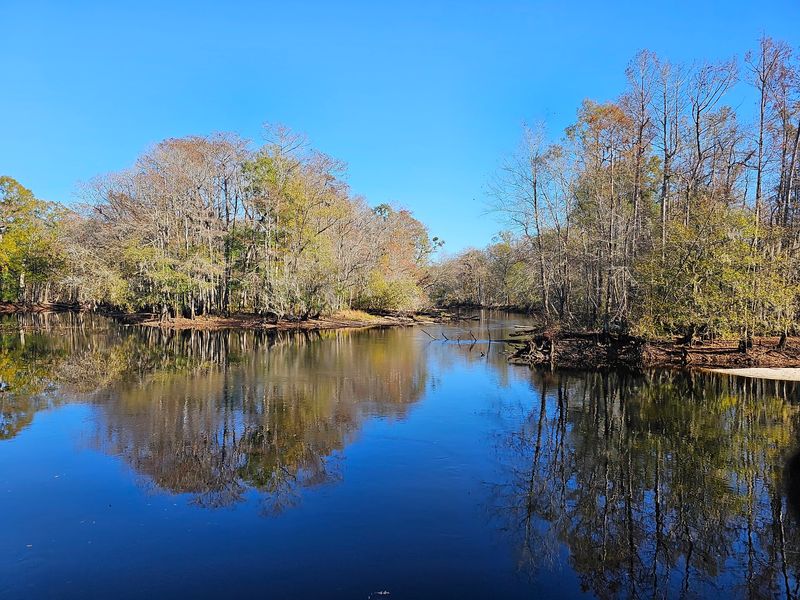
The nearby river gives the Lumbee their name, tying the landscape directly to the story.
I find that connection especially striking because so much here feels rooted in continuity rather than something preserved behind glass.
Education, community, culture, and place all overlap within just a few square miles.
For me, that is what makes this town feel bigger than its population suggests.
You can drive through quickly, but understanding why it matters takes much longer.
A Small Town With A Very Big Job
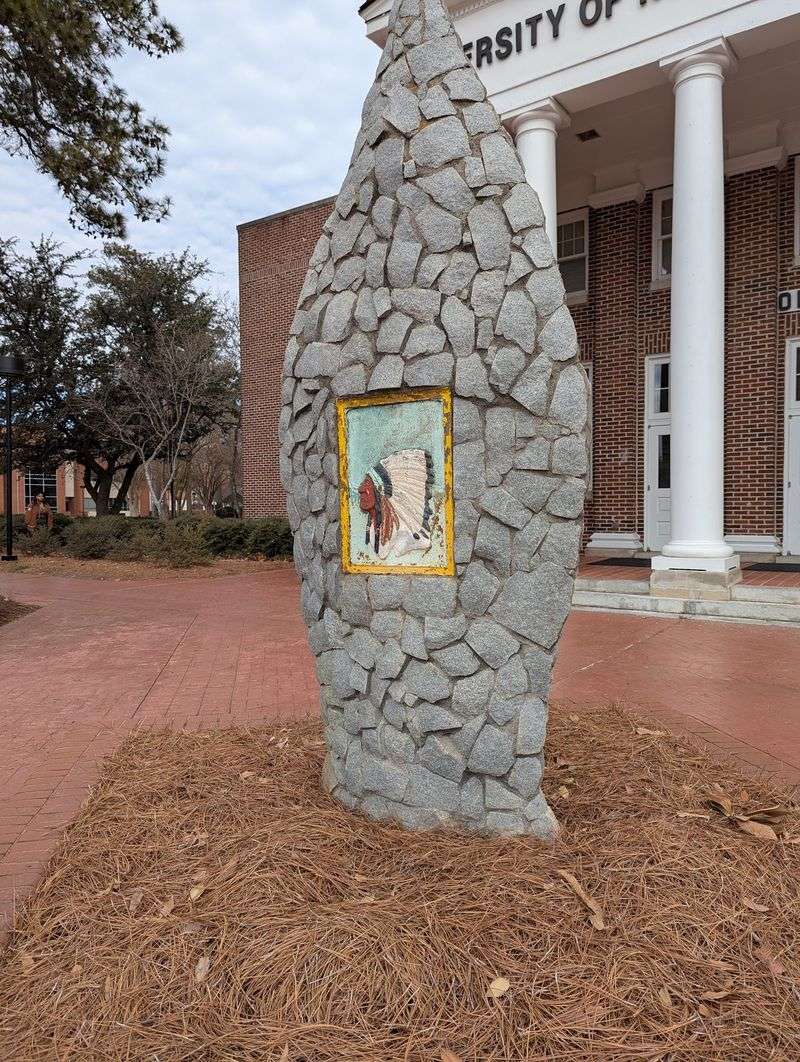
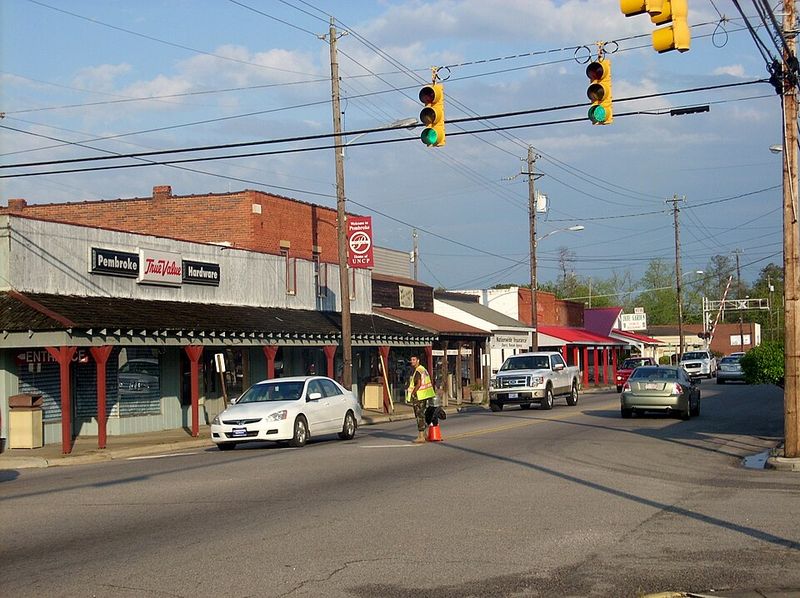
Pembroke, North Carolina, has fewer than 3,000 residents, yet it carries the weight of an entire nation. The town is the economic, cultural, and political center of the Lumbee Tribe of North Carolina.
That is a big deal, because the Lumbee are the largest American Indian tribe east of the Mississippi River. Tens of thousands of tribal members trace their roots to this part of Robeson County.
So why here? The answer flows right past town in the form of the Lumber River, which many people also call the Lumbee River.
The tribe takes its name from that river. It remains a powerful historical, cultural, and spiritual symbol for the Lumbee people.
Their ancestors came from several tribal nations and language families, including Algonquian, Iroquoian, and Siouan groups. Over centuries, they found refuge in these swampy, river-fed lands and grew into one community.
That shared history makes Pembroke feel different from other small Southern towns. You are not just passing through a dot on the map.
You are stepping into the hometown of a people with deep roots and a strong sense of who they are.
The Patience Behind This Victory Is Seriously Impressive
Some fights take years. For the Lumbee, the push for full federal recognition stretched across generations.
North Carolina recognized the tribe back in 1885. That was an important first step, but federal recognition stayed out of reach for a very long time.
Families kept asking, writing, and organizing anyway. Tribal leaders made trip after trip to Washington to explain who the Lumbee are and why recognition mattered.
Then came December 18, 2025. On that date, the Lumbee Tribe finally achieved full federal recognition, a landmark moment after decades of steady advocacy.
Why does this matter to a visitor? Recognition affects access to services, funding, and the ability of the tribe to shape its own future.
It also changes how the story is told. Pembroke is no longer simply the home of a tribe waiting for an answer.
Today, it is the hometown of a federally recognized nation that earned that status through sheer persistence. I think that makes any visit feel a little more meaningful.
When you stroll through town now, you are seeing a community in a fresh chapter. Few places get to celebrate something this hard-won, and that pride is easy to respect.
You Will Want To Know Why Everyone Calls It The Turtle
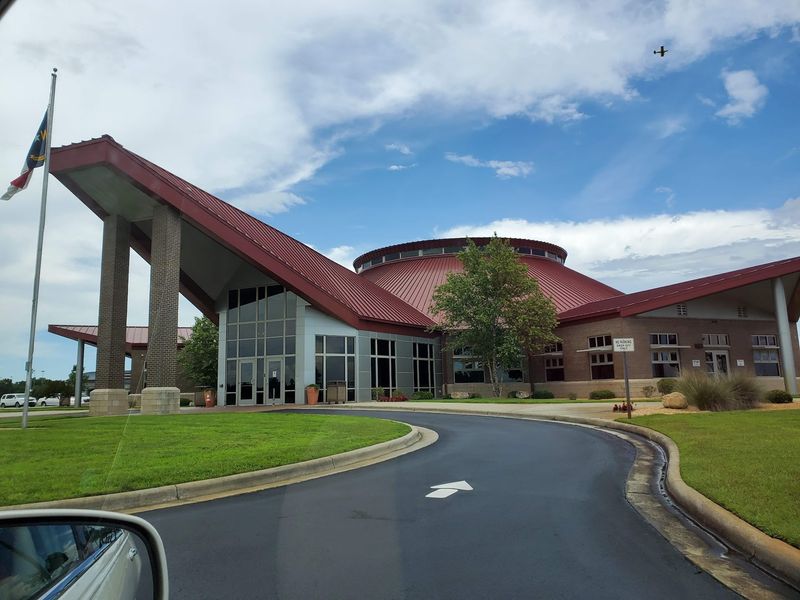
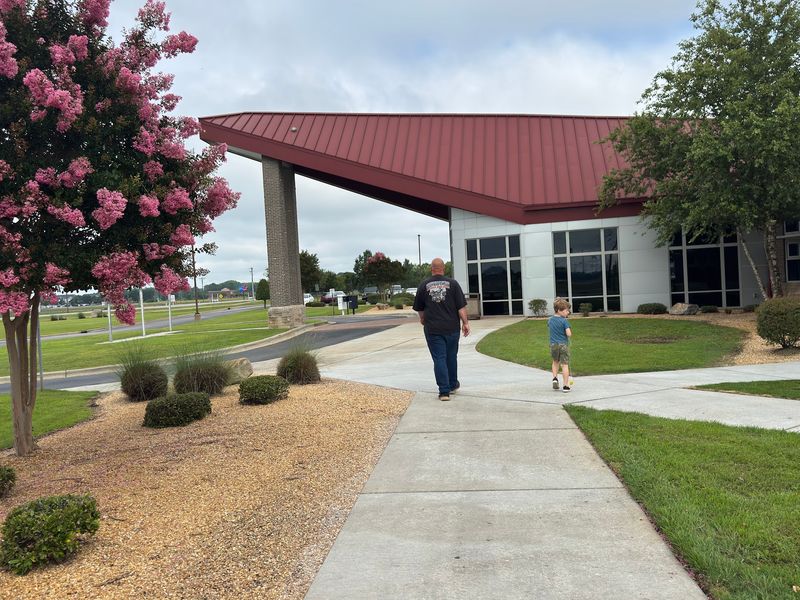
Nicknames tell you a lot about how people feel about a place. The Lumbee Tribal Headquarters goes by a friendly one: The Turtle.
You will find the complex at 6984 NC Highway 711, Pembroke, NC 28372. It houses essential tribal services and acts as a central meeting point for the community.
Think of it as the place where daily tribal life gets organized. Programs for housing, health, education, and families all connect back to this hub.
Yet the building means more than paperwork and offices. It stands as a visible symbol of Lumbee self-government and the right to make decisions for their own people.
Many travelers skip government buildings on vacation, and fair enough. This one is worth a quick drive by, because it shows that Pembroke is not frozen in the past.
Here, culture is not only displayed in glass cases. It is managed, protected, and planned for the next generation right on this campus.
The Lumbee Tribe Cultural Center is another important destination in nearby Maxton. Its grounds include the Adolph Dial Amphitheater, where the tribe presents the outdoor drama Strike at the Wind! during scheduled summer performances.
Respect posted hours and office spaces, since people are working here. A slow drive and a little curiosity go a long way.
A University That Started With One Brave Idea
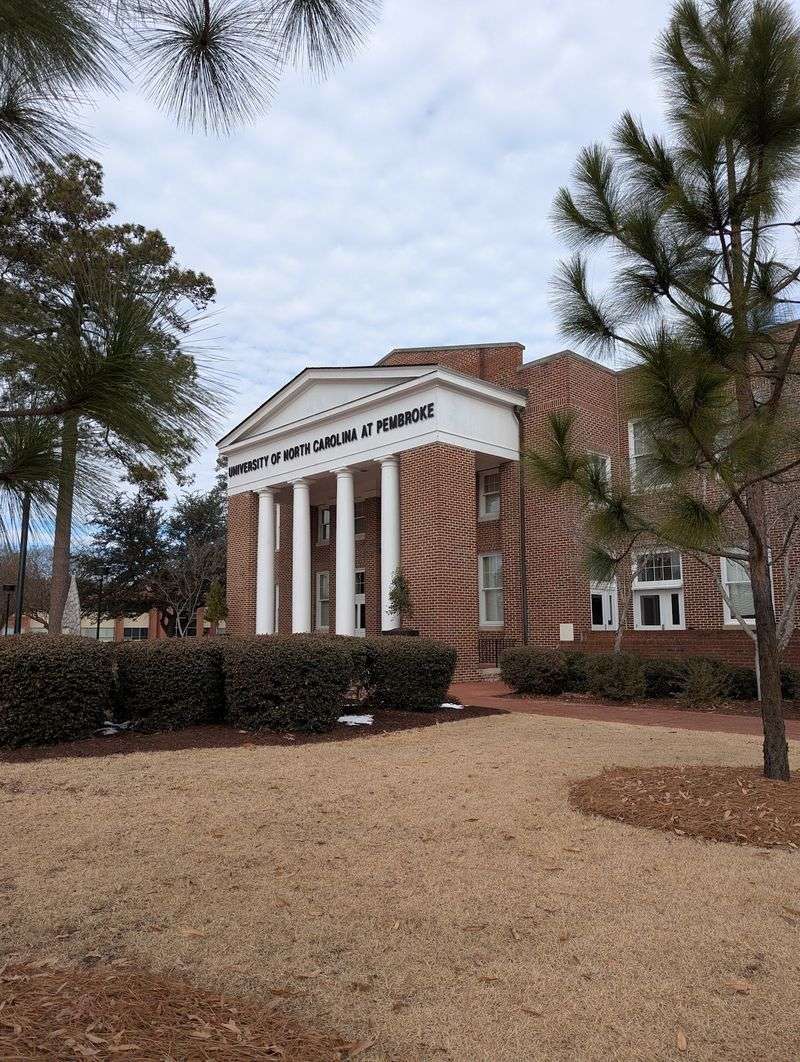
In 1887, Lumbee leaders asked for a school to train their own teachers. The result was the Croatan Normal School, and it changed everything for the community.
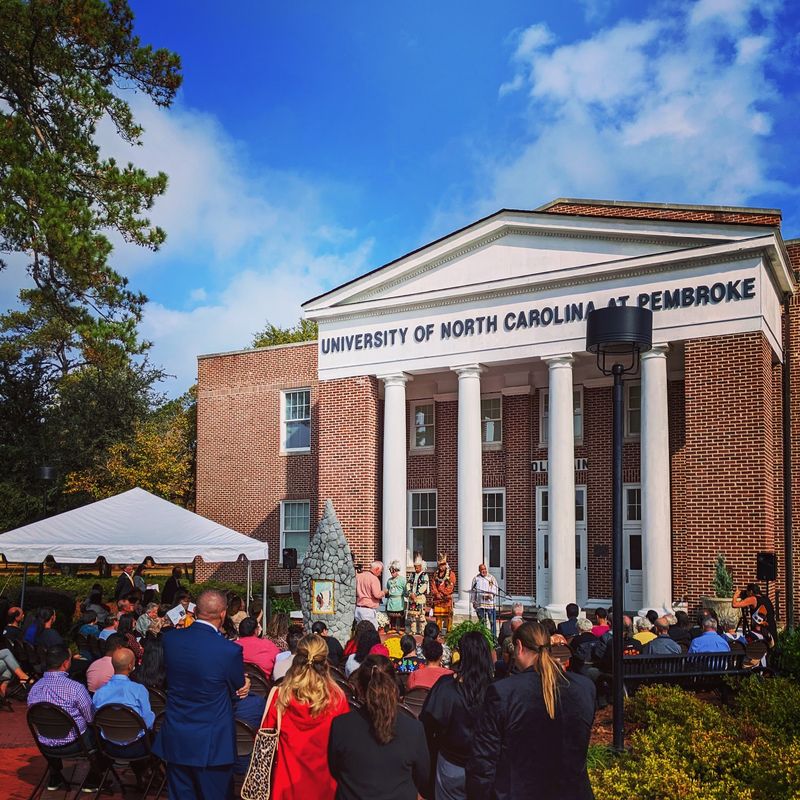
That small school grew into the University of North Carolina at Pembroke, often called UNCP. It holds a special title as the first public university in the United States created by and for American Indians.
Let that sink in for a moment. That first school opened in 1887 just west of present-day Pembroke, welcoming 15 students and one teacher.
It moved to its current location in 1909 and eventually grew into a public university with a nationally distinctive history.
Today, UNCP welcomes students from many backgrounds. Still, its bond with the Lumbee community remains strong and easy to see across campus.
For visitors, the campus is a pleasant place to stroll. Brick buildings, open lawns, and a lively student energy give the town a youthful pulse.
It also helps explain why Pembroke punches above its weight. Teachers trained here went home to classrooms across the region and shaped generations of young minds.
If you enjoy history that still feels alive, this campus delivers. Pair a walk here with a museum stop, which sits right on university grounds and makes a perfect next move.
History Gets Personal Inside This Landmark Building
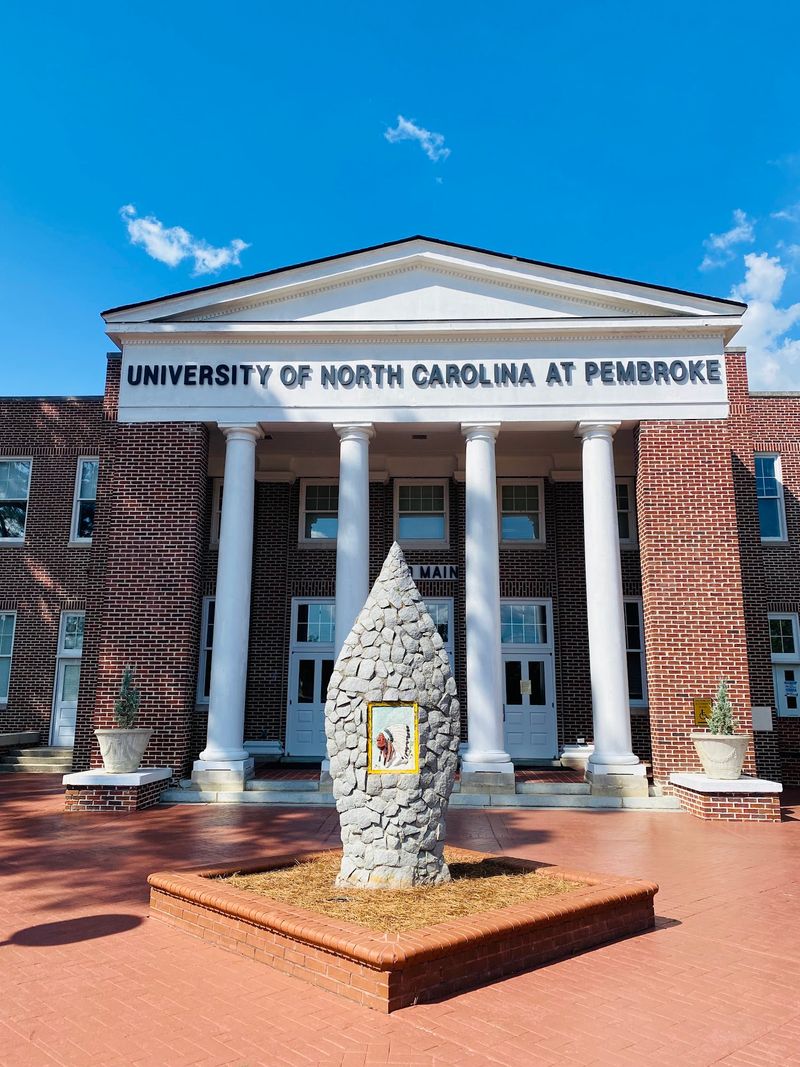
Old Main is one of the most meaningful buildings on the UNCP campus. Inside, you will find the Museum of the Southeast American Indian.
The museum sits at 1 University Drive in Pembroke, North Carolina. It focuses on the cultures and histories of Southeastern Native peoples, with special attention to the Lumbee.
Expect a mix of artifacts, fine art, and rotating exhibits. That combination keeps things interesting, since a return trip may show you something new.
I like that this museum connects old objects to living people. The stories here are not about a distant culture that faded away.
Instead, they describe communities that still gather, create, and celebrate nearby. That makes every display feel closer and more personal.
This stop works well for families, students, and anyone who loves learning. Kids can connect with tools, crafts, and artwork, while adults can soak in the deeper history.
Plan your timing around campus hours and the museum schedule before you go. Then give yourself room to linger, because rushing through this place would be a real shame.
Late June And Early July Bring Pembroke’s Biggest Homecoming
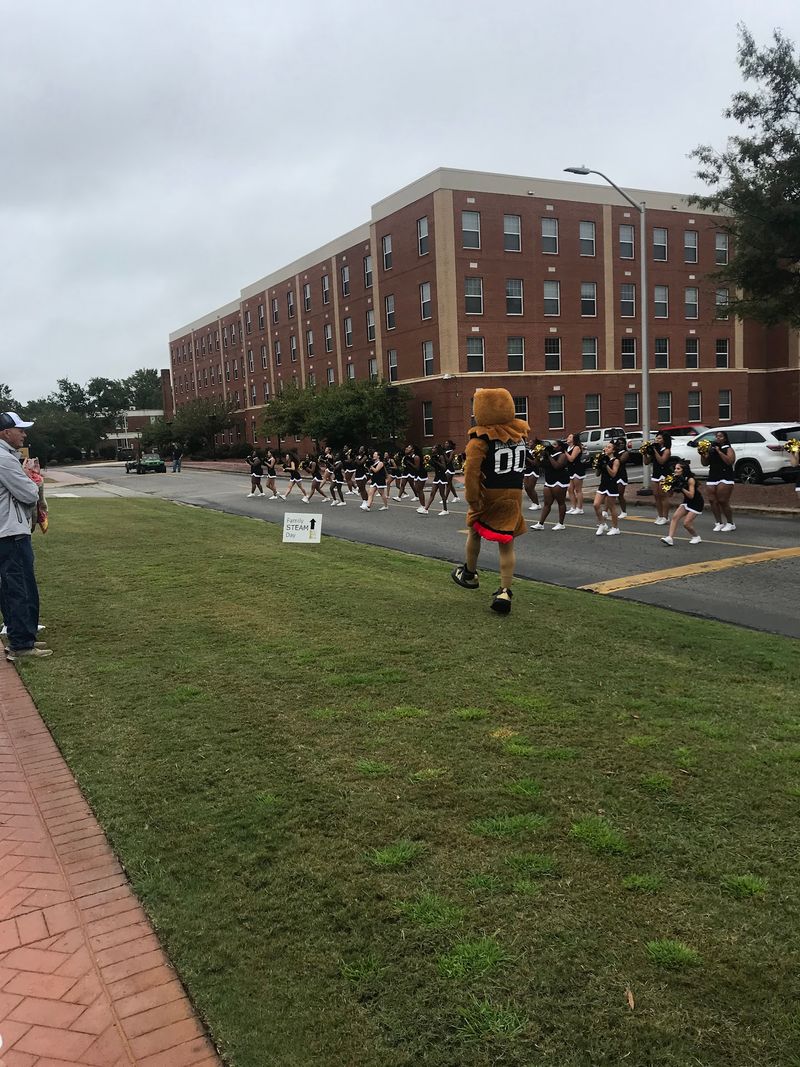
Fireworks are nice, but Pembroke celebrates the Fourth of July season in a much bigger way. The Lumbee Homecoming fills town with energy for about a week each summer.
Thousands of tribal members and visitors show up for this yearly gathering. Families travel home from all over, which gives the whole event the feel of a giant reunion.
The schedule is packed with fun. Highlights include a spirited parade down West Third Street, a powwow, and the crowning of Lumbee ambassadors.
Then there is the food, which deserves its own fan club. Collard sandwiches and grape ice cream are beloved Homecoming favorites with deep local roots.
Yes, a sandwich made with collard greens is a real thing. Trying one might be the most Pembroke moment of your entire trip.
Summer in southeastern North Carolina gets hot, so pack water, sunscreen, and a hat. Comfortable shoes also help, since you will likely do plenty of walking.
Book lodging early, because nearby rooms can fill quickly during Homecoming week. Showing up with patience and an appetite is the smartest plan of all.
The Night A Community Stood Its Ground
January 1958 brought one of the most famous moments in Lumbee history. The Ku Klux Klan planned a rally in Robeson County to frighten the Lumbee people.
It did not go as planned. Hundreds of Lumbee people showed up and drove the Klan away, an event often called the Battle of Hayes Pond.
The story spread far beyond North Carolina. Newspapers and magazines across the country covered how a small community refused to be bullied.
For the Lumbee, this moment became a lasting source of pride. It is still retold with gusto, and for good reason.
What I admire most is the courage behind it. Ordinary folks decided together that intimidation would not win on their home ground.
Knowing this history adds depth to any visit. When you see tribal flags flying or Homecoming crowds cheering, you understand where that confidence comes from.
Ask about this event at local cultural sites if you want to learn more. Hearing how the community remembers it is far richer than any quick summary online.
A Local Hero Takes Center Stage Under The Stars
Henry Berry Lowrie is a legend in Lumbee country. His story of defiance during a harsh era in the 1860s and 1870s still sparks lively conversation.
Many locals view him as a folk hero who stood up against injustice. His tale has been passed down for generations and remains central to Lumbee identity.
The outdoor drama Strike at the Wind! brings that story to life. Performances take place at the historic Adolph Dial Amphitheater, part of the Lumbee Tribe Cultural Center at 628 Terry Sanford Drive in nearby Maxton.
Watching history unfold on an outdoor stage is a special treat. Live actors, open air, and a story rooted in this very soil make it memorable.
It is also a great way to introduce younger travelers to local history. A show feels much more exciting than a textbook, and kids tend to remember it.
Check the current performance schedule before planning your trip around it. Outdoor shows depend on seasons and weather, so a quick look ahead saves disappointment.
Bring bug spray for evening shows in the warm months. Then settle back and let one of North Carolina’s boldest stories play out right in front of you.
Plan Your Visit Like Someone Who Gets It
Pembroke sits about 90 miles inland from the Atlantic Coast in Robeson County. That location makes it an easy detour for travelers driving through southeastern North Carolina.
Robeson County ranks among the most diverse counties in the nation. Lumbee, Black, white, and Latino communities all share this region, giving it a layered and lively character.
A smart day trip could begin at UNC Pembroke and the Museum of the Southeast American Indian. From there, visit the Lumbee Tribal Headquarters in Pembroke, then continue to the Cultural Center in nearby Maxton when public events or performances are scheduled.
Keep an eye out for the Lumbee pinecone patchwork quilt design. This pattern has become a proud symbol of the tribe and appears in art and clothing.
Spotting it around town feels a bit like a friendly scavenger hunt. It also reminds you that tradition here is worn, sewn, and shared every day.
Be respectful, ask before photographing people, and support local businesses when you can. Small towns notice kind guests, and Pembroke is no exception.
Most of all, come curious. A town this small holding a story this big is rare, and Pembroke deserves more than a quick glance from the highway.