River Otters Are Thriving Along This Stretch Of North Carolina’s Coast, And You Might Just Spot One
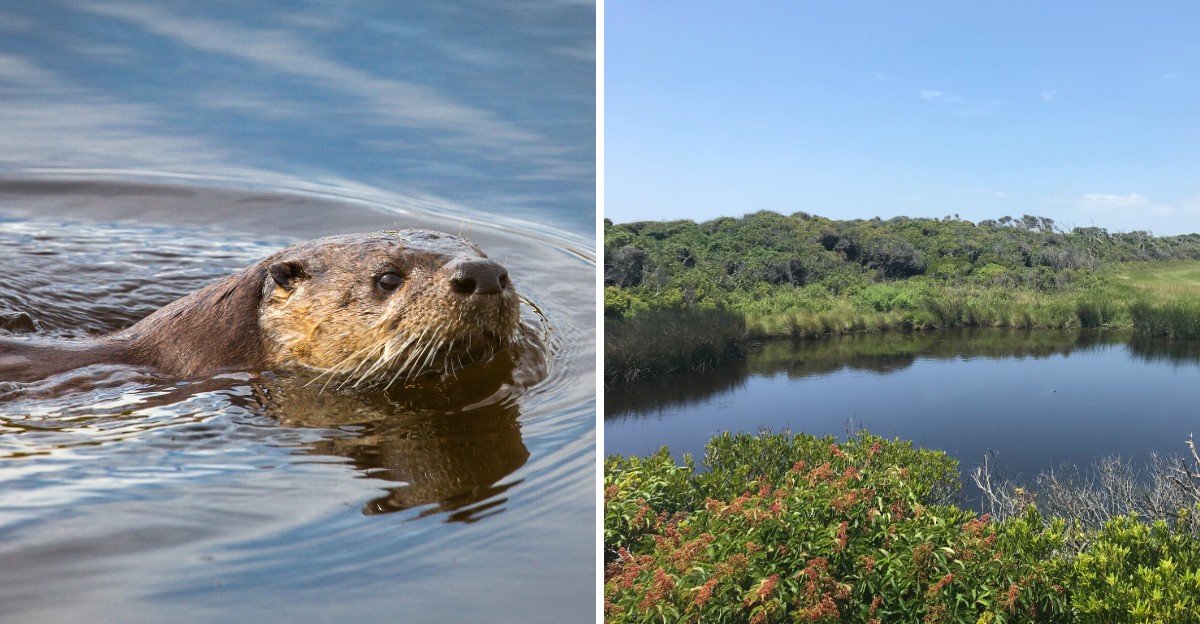
Otters beside ocean dunes were not on my North Carolina wildlife bingo card.
I usually picture them slipping through mountain streams, so learning that they roam the marshes and ponds of a skinny barrier island completely changed the picture for me.
The refuge itself has an unexpectedly charming backstory too, taking its name from the humble dune pea that once helped feed wintering snow geese.
What keeps me curious, though, is the chance of spotting an otter moving through all that coastal habitat.
There is no scheduled appearance and no fence keeping one conveniently in view.
You simply walk the boardwalks, scan the water, and hope something sleek breaks the surface.
For me, that uncertainty makes the whole outing better.
A real wildlife encounter feels much more exciting when nobody can promise it.
Otters Picked A Seriously Good Neighborhood
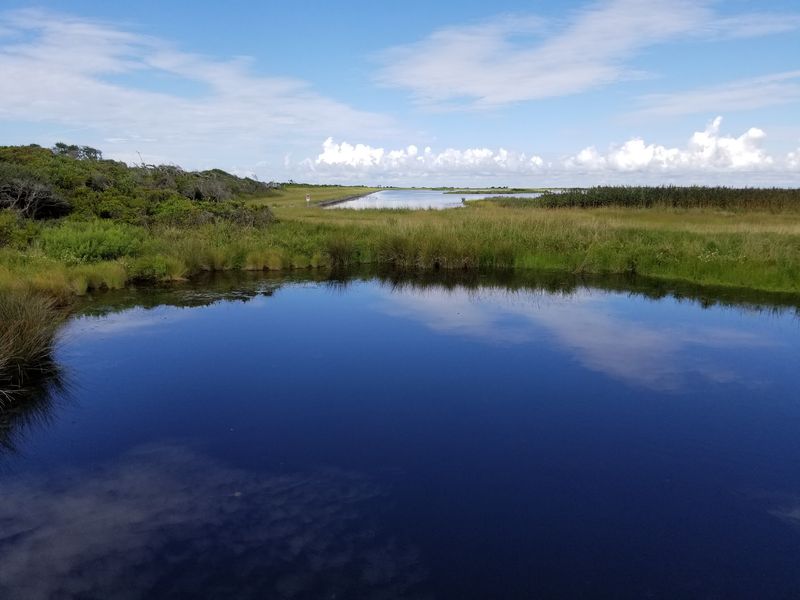
Fish, crabs, and frogs on the menu every single day. That’s the deal river otters get at Pea Island National Wildlife Refuge, and they clearly approve.
The refuge sits on the north end of Hatteras Island in North Carolina’s Outer Banks. Otters have been photographed resting along the marshy shoreline, demonstrating that these coastal wetlands are part of their natural habitat.
Photos from March 2022 captured northern river otters right inside the refuge. Not bad for an animal many people assume only lives in rivers.
Why does this matter? Otters are picky about where they live.
They need clean water and plenty of fish to stay healthy.
So when otters settle in, it signals a healthy watery world. Think of them as furry inspectors giving the ponds a passing grade.
North Carolina’s otters had a rough history from overhunting and lost habitat. Restoration efforts during the late twentieth century helped river otters return to waterways across North Carolina, particularly in the western part of the state.
Today, populations across the state are considered relatively healthy. Pea Island is one coastal spot where that comeback feels real.
Spotting one takes patience and a little luck. Still, knowing they’re out there makes every pond worth a second look.
A Tiny Pea Gave This Wild Place Its Name
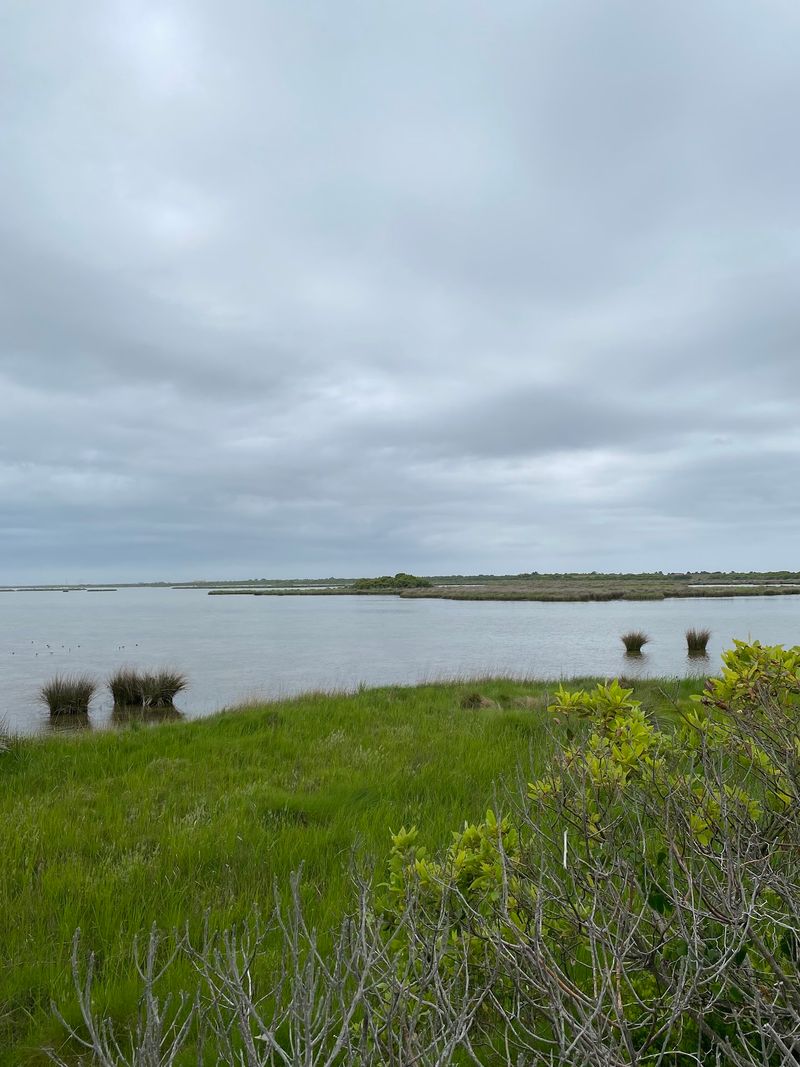
Names can be funny things. This refuge didn’t get its title from a famous explorer or a grand battle.
Instead, it honors the dune pea. The low plant once served as a vital food source for wintering snow geese.
Congress authorized the refuge in 1937, and President Franklin D. Roosevelt formally established it through an executive order on April 8, 1938.
The main goal was giving migratory birds a place to nest, rest, and spend the winter.
Over time, its mission grew to protect endangered and threatened species too. Loggerhead sea turtles are one big example.
That bird-first purpose helps otters as well. Protected marshes and ponds mean fewer disturbances and steady food for everyone.
I like that a refuge built for geese ended up sheltering otters too. Nature loves a good bonus round.
The refuge now covers roughly 6,000 acres of land and about 25,700 acres of water. That’s a lot of room for curious paws.
Next time someone asks where Pea Island got its name, you’ll have a fun answer ready. Just don’t expect a vegetable garden when you arrive.
The real harvest here is wildlife.
Thirteen Miles Of Wild Between Two Bridges Of Civilization
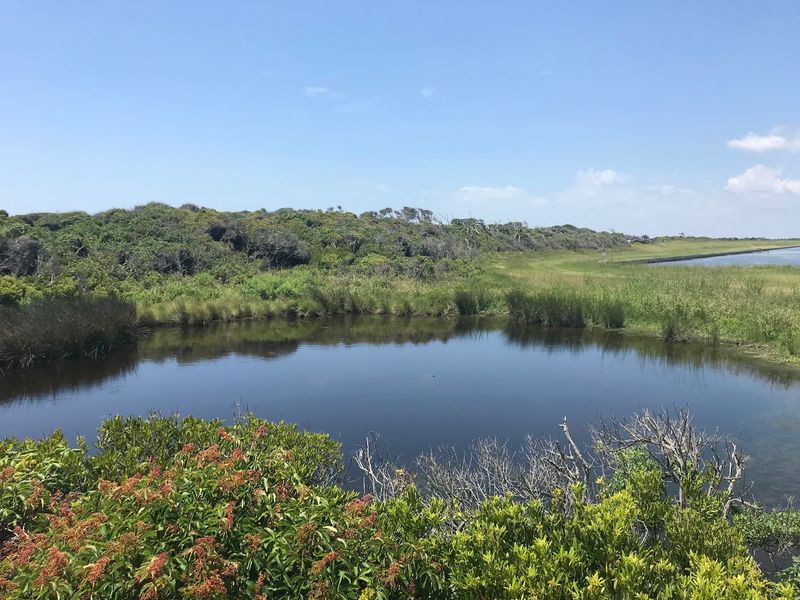
Highway 12 slices right through the middle of it all. The refuge stretches about 13 miles, from Oregon Inlet south to the village of Rodanthe.
On one side, you get ocean beaches and sand dunes. On the other, you’ll find fresh and brackish ponds, salt flats, and salt marshes.
That mix is exactly why otters do so well here. They can move between watery habitats packed with different kinds of food.
The address is 14500 North Carolina Hwy 12, Rodanthe, NC 27968. You can’t really miss it once you’re on the road.
Crossing the Marc Basnight Bridge brings you toward the refuge’s wide-open coastal scenery.
Following storm-related road damage, Highway 12 reopened on October 29, 2026, using a temporary one-lane detour near the visitor center, so travelers should check current road conditions before setting out.
Keep your eyes moving along the marshy edges. Otters sometimes cross land between ponds, so watch the ground as well as the water.
Please drive carefully, though. The road can collect blowing sand, and wildlife doesn’t check traffic before crossing.
Few road trips in North Carolina offer this much untouched scenery. It’s the kind of drive that makes you lower the radio and just look.
Wildlife Watching Continues Beyond The Visitor Center
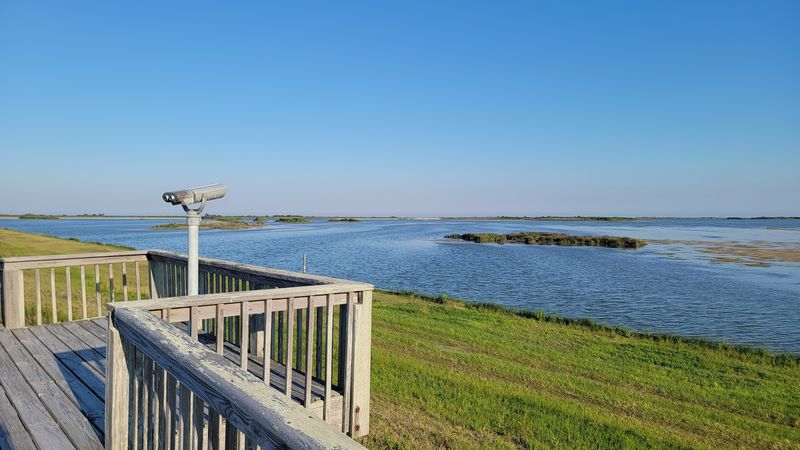
Pea Island’s visitor center normally offers exhibits, wildlife information, and mounted scopes overlooking North Pond.
However, recent coastal storms damaged its parking area, and the refuge continues to report temporary access restrictions around the building.
Other parking areas, including those near Oregon Inlet, the Salt Flats Wildlife Trail, New Inlet, and the Jughandle Bridge, remain available for wildlife watching and exploring accessible sections of the refuge.
Check the latest refuge updates before planning a visit around the visitor center or its facilities.
Parking is available in a paved lot. It’s not huge, so arriving earlier gives you a better shot at a space.
Ask the folks inside about recent wildlife activity. Nobody can promise an otter, but local knowledge beats guessing.
Then step back outside and peek through those telescopes again. You never know what might slip across the water.
The Boardwalk Over Turtle Ponds Is Pure Otter Territory
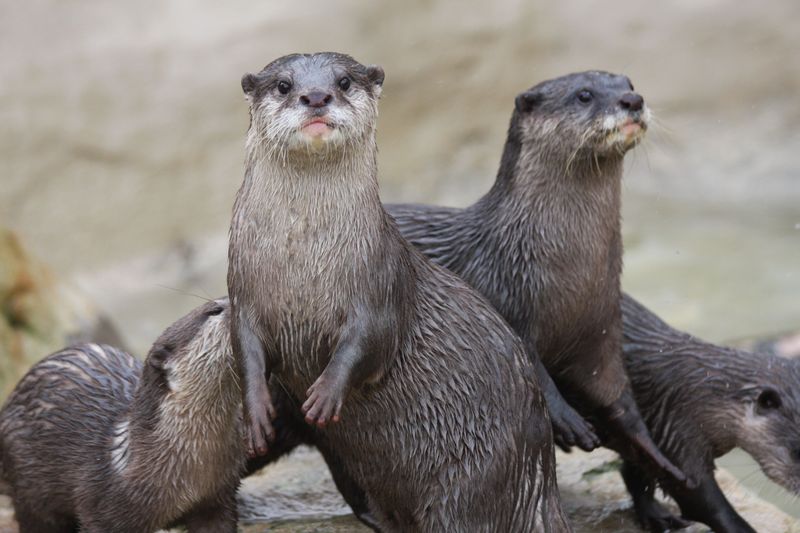
Turtles get top billing on this boardwalk. The North Pond Wildlife Trail begins right behind the visitor center.
It runs about half a mile one way. Along the route, you’ll cross a boardwalk over the so-called turtle ponds.
Three observation platforms give you places to pause and scan. Slow, quiet watching is your best friend when hunting for otters.
At the end waits a two-story observation tower. From the top, the barrier island spreads out in every direction.
Part of the trail is designed to be universally accessible. Blowing sand can affect conditions, so calling ahead is smart.
Watch for ripples that move against the wind. A sleek head popping up could be your lucky moment.
Bring binoculars if you own a pair. Otters are quick, and a closer view makes all the difference.
Bug spray deserves a spot in your bag too. Marsh mosquitoes take their job very seriously.
The whole walk is short enough for most families. Still, I’d budget extra time, because staring at ponds becomes surprisingly addictive.
Rustic Paths Reward The Patient Explorer
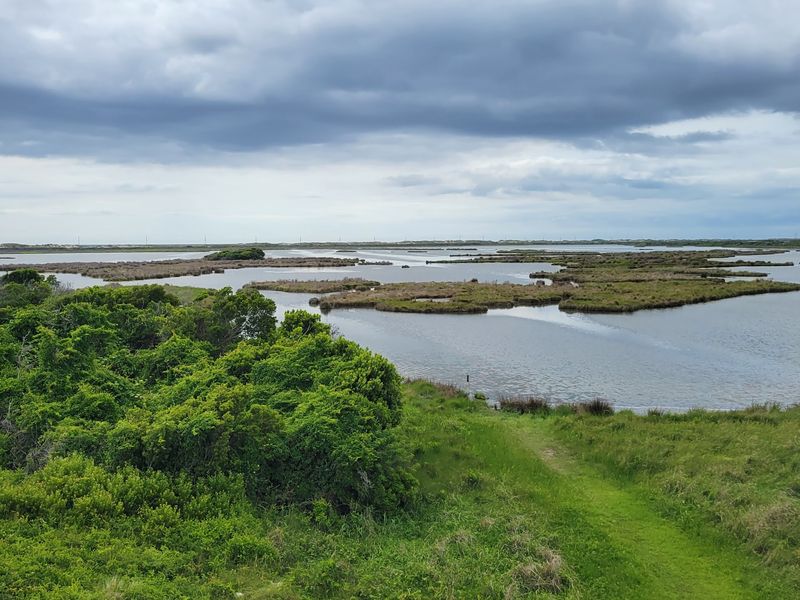
Want fewer boards and more wildness? The Salt Flats Wildlife Trail delivers exactly that.
You’ll find it at the northern end of North Pond. The shorter path follows a dike between North Pond and the Salt Flats.
It leads to an overlook that’s accessible for visitors with disabilities. From there, open views stretch across shallow, shimmering water.
For a bigger adventure, try the North Pond Levee Trail. The natural surface path runs about 2.33 miles.
The 2.33-mile North Pond Levee Trail connects the two wildlife trails along a natural-surface service road. Completing a loop requires additional walking along the beach or Highway 12, making it a longer outing.
Fair warning: insects can be intense along this route. Long sleeves and repellent will make you much happier.
Pets aren’t allowed on the walking trails or overlooks. That rule helps keep wildlife calm and less likely to bolt.
Early mornings often feel quieter on these paths. Fewer footsteps can make shy animals more comfortable showing themselves.
Walk softly and stop often. The otter you’re hoping for might already be watching you from the reeds.
Otters Share The Spotlight With Some Famous Neighbors
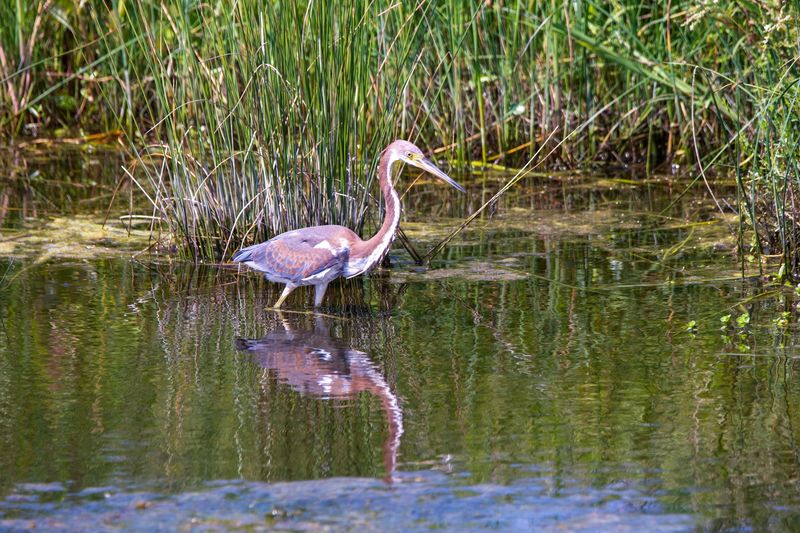
Nearly 400 bird species have been recorded at this refuge. That number alone makes birders a little giddy.
Common sightings include snow geese, tundra swans, and white pelicans. Snowy egrets and peregrine falcons show up too.
Otters are among the 25 mammal species recorded at Pea Island. White-tailed deer and other coastal mammals also inhabit the refuge’s protected wetlands and surrounding habitats.
Loggerhead sea turtles use the beaches as well. Protecting them is one of Pea Island National Wildlife Refuge’s key goals.
Reptiles and amphibians fill in the rest of the cast. Some of those amphibians end up on an otter’s dinner plate.
Winter is the best season for migratory waterfowl. Spring, summer, and fall bring their own beauty and animal activity.
So even if an otter stays hidden, you won’t leave empty-handed. The supporting cast here could headline anywhere else.
Keep a small notebook or phone list going. Tracking what you spot turns a simple walk into a fun scavenger hunt.
Kids especially love racing to add new names. Just remind them that quiet voices help everyone see more.
Twelve Miles Of Beach Wait Just Across The Road
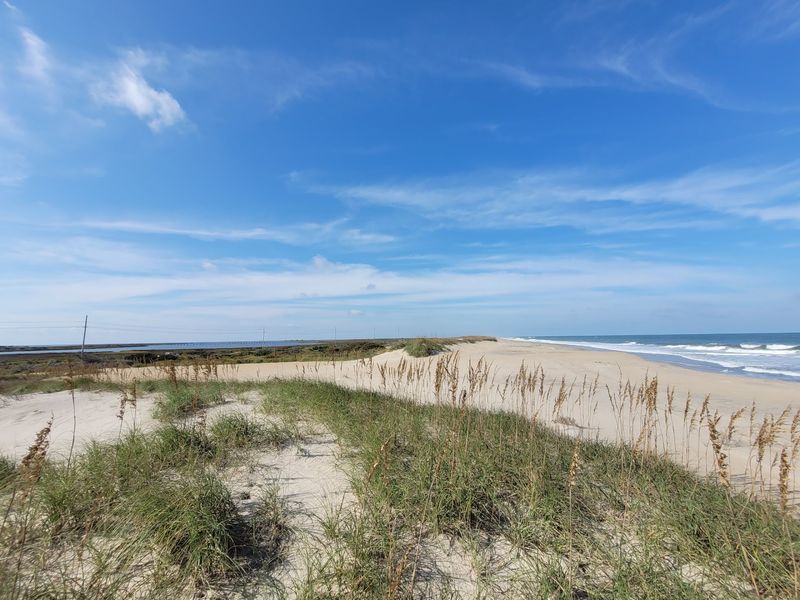
Otter hunting not panning out today? Cross the highway and swap marsh for surf.
The refuge includes about 12 miles of beach. That’s plenty of space to stretch your legs and breathe salty air.
Shell hunting is a popular activity along this shore. Surf fishing is allowed too, along with fishing in the sound.
Leashed pets are welcome on the beach in open areas. They can’t go on the trails or the west side of Highway 12, except for parking.
Parking spots line Highway 12 in various places. Watch out for soft sand, because cars can get stuck faster than you’d think.
Look carefully when crossing the road. Traffic moves quickly, and the dunes can block your view.
Some beach areas may be roped off for nesting sea turtles. Give those spots plenty of room.
A long beach walk makes a great break between pond visits. Your eyes get a rest, and your shell collection gets bigger.
Then head back west when the light softens. Later in the day can feel calmer near the water.
Guided Programs Can Turn Luck Into Know-How
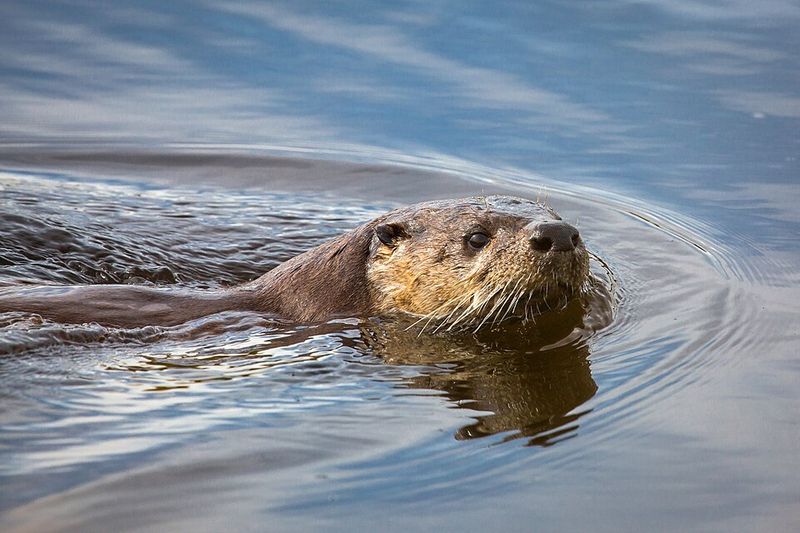
Experts make great company. Pea Island offers seasonal guided programs that teach you how to read the landscape.
Bird walks, canoe tours, and turtle talks have all been part of the lineup. Schedules change with the seasons, so check ahead.
Kayaking and canoeing are allowed in the sound. The refuge’s ponds, however, are off-limits for paddling.
That rule protects the quiet waters where otters and birds feed. Honestly, they deserve some peace at dinnertime.
Photography is another favorite activity here. A zoom lens helps you capture wildlife without crowding it.
Remember that otters are wild animals, not performers. Keep your distance and let them go about their day.
I believe the best visits mix patience with curiosity. Learn a bit, watch a lot, and enjoy whatever shows up.
Few places in North Carolina blend ocean, marsh, and wildlife quite like this. Otters seem to agree, since they’ve made themselves right at home.
Plan a stop on your next Outer Banks trip. That sleek whiskered face might just pop up when you least expect it.