Inside This Idaho Museum, Old Fire Lookout Tools And Smokejumper Gear Tell How Wildfires Were Fought
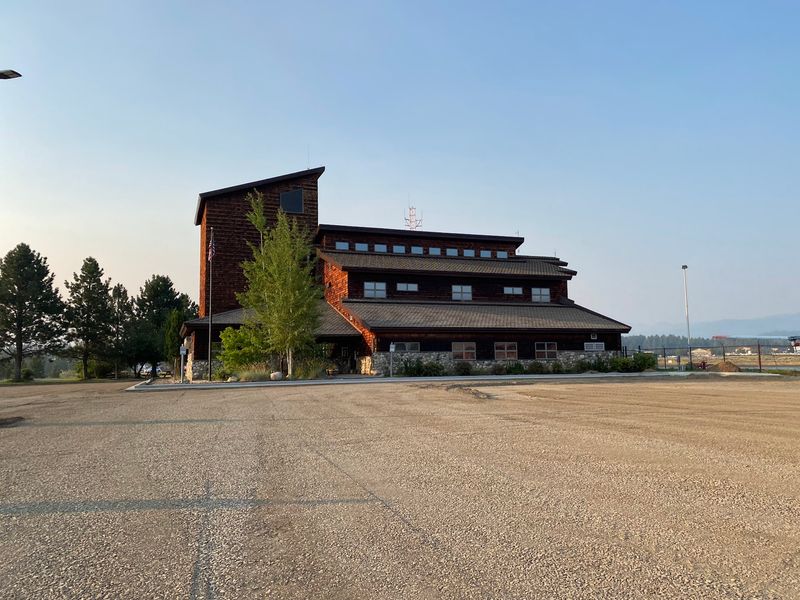
Somewhere in Idaho, people still sew, inspect, and pack the parachutes that firefighters strap on before leaping toward a wildfire. You can see where that work happens on a summer tour.
The first operational fire jump in history happened in Idaho back in 1940. A base in the central mountains picked up the job just three years later and has kept at it ever since.
I like how this place mixes living history with real, working gear. Jumpsuits, packs, and harnesses get built right in the loft, not ordered from some catalog in another state.
Then there’s the old-school side of fire spotting, with lookout towers and a fire warden’s log home just across town. How did one mountain town end up with both chapters of the story a short drive apart?
An Airport Base Where Firefighters Still Drop From The Sky
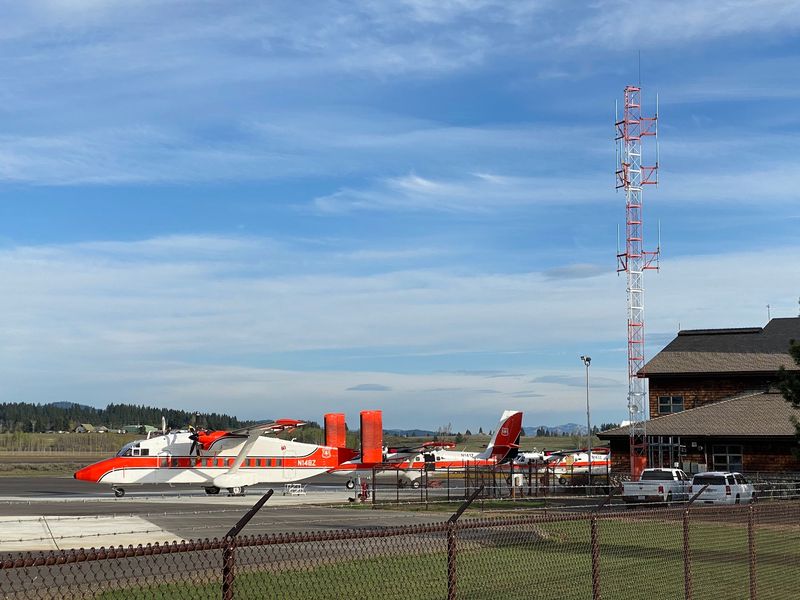
Most airports send travelers off on vacation. At the McCall Smokejumper Base, the planes carry trained firefighters who parachute toward wildfires in remote Idaho country.
The base sits in the McCall Airport area on the south side of town. It’s an active Forest Service operation, so the gear you learn about isn’t retired to a dusty shelf.
That’s the big twist for anyone expecting a sleepy museum. The history here keeps getting written every fire season, sometimes while you’re standing nearby.
McCall runs one of only four Forest Service smokejumper training bases in the country. That makes this mountain town a surprisingly important dot on the national wildfire map.
Visitors get two ways in. An outdoor interpretive site with signs and picnic tables is open to explore, and guided tours run on summer weekdays.
The tours peek behind doors most people never open. Stops can include the parachute loft, the training unit, the dispatch center, the air tanker base, and the helibase.
Pair it with the lookout exhibits across town and you get the whole picture. One stop shows how fires were spotted, and the other shows how crews reached them fast.
How Idaho Wrote The First Chapter Of Smokejumping
Here’s a fact worth bragging about at the next family barbecue. The first operational fire jump in history happened in 1940 in Idaho’s Nez Perce National Forest.
Before that, crews often hiked for hours or days to reach a fire deep in the backcountry. Dropping firefighters from the air turned a long trek into a short flight.
McCall joined the effort in 1943. The program has stayed in town for more than eight decades, which says plenty about how well the idea worked.
The base also holds a quieter milestone. In 1981, Deanne Shulman finished her rookie training in McCall and became the nation’s first female smokejumper.
That kind of story makes the place feel personal rather than dusty. These weren’t faceless crews, they were people who signed up for one of the toughest jobs in the woods.
Four interpretive signs at the site walk through this history and how the work operates. They’re a handy primer before a tour or a solid stand-alone stop if your timing is off.
Standing near the runway helps the dates click. The same mountains those early jumpers studied still roll out past the airport today.
The Parachute Loft Is Where The Real Craftsmanship Lives
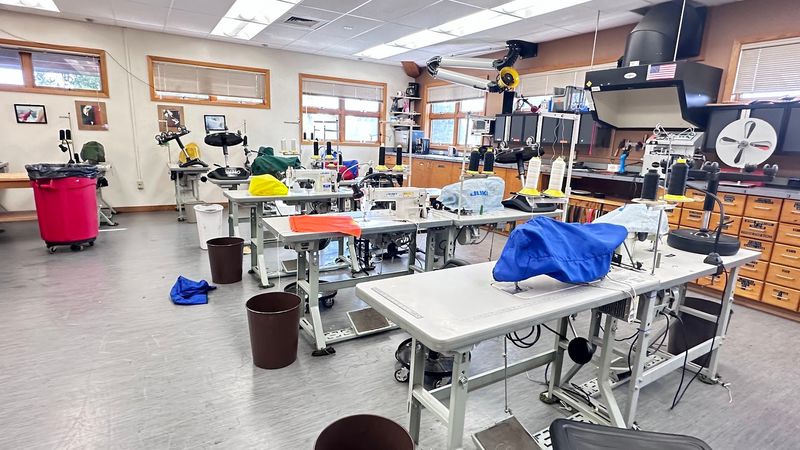
Sewing machines might not be the first thing you link with wildfire fighting. Inside the paraloft at the McCall Smokejumper Base, they’re as important as any airplane.
The loft is where parachutes get sewn, inspected, and packed. Every canopy that leaves the building has passed through careful hands first.
That detail changes how you think about the whole job. A jumper’s safety starts long before the plane takes off, right on a packing table.
The loft also fabricates specialized gear for the crews. Packs, jumpsuits, and harnesses get made right here instead of arriving in a delivery truck.
I love that a high-stakes job still leans on such practical skill. Stitching, measuring, and double-checking are the quiet heroes of every jump.
Tours may stop in this space, though what you see depends on the day’s activity. During a busy fire stretch, the loft can be humming with real work rather than staged demonstrations.
Kids tend to get it fast when they see a parachute laid out full length. Suddenly the story isn’t abstract, it’s fabric, thread, and a lot of responsibility.
Jumpsuits, Harnesses, And A Big Parachute Upgrade
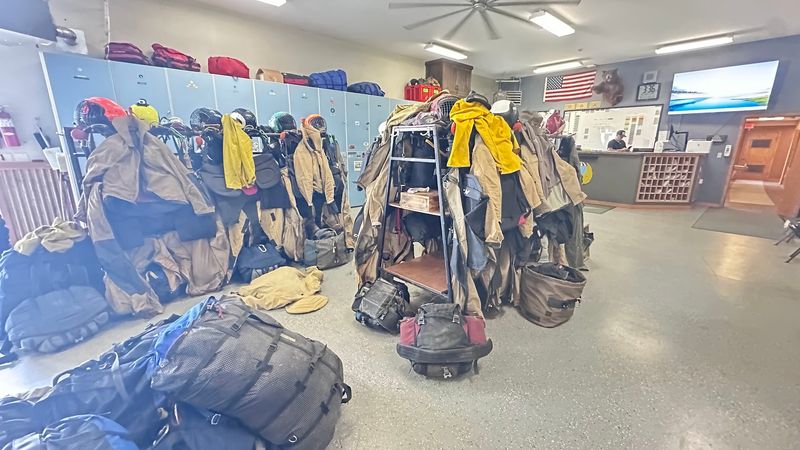
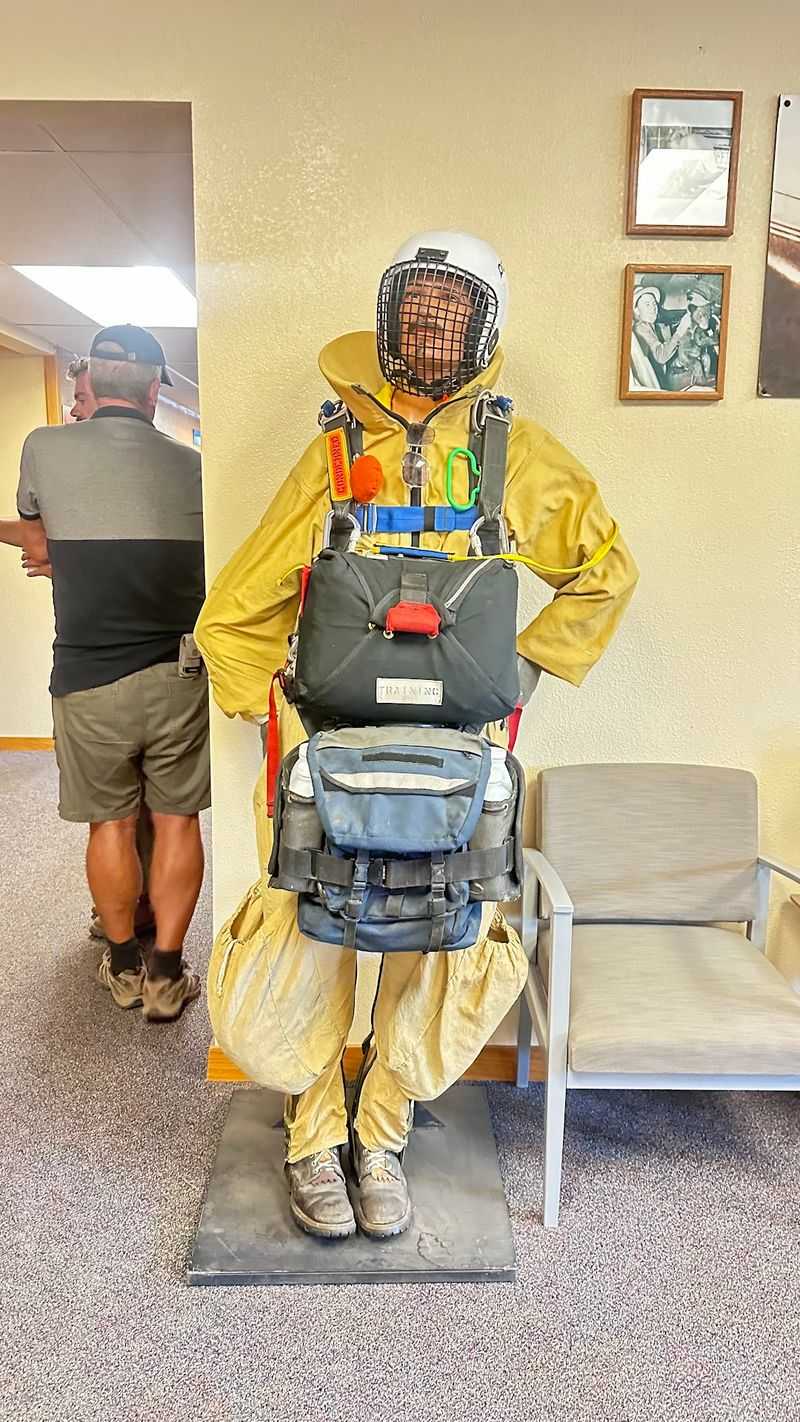
Padded jumpsuits, sturdy harnesses, and packs built for rough country make up the smokejumper wardrobe. None of it is about fashion, and all of it is about landing in one piece.
Smokejumpers often touch down in steep, timbered terrain far from any road. Their gear has to handle trees, rocks, and heavy loads without failing.
Since the loft builds much of this equipment, the gear story and the base story are tangled together. You’re looking at tools designed by people who know exactly where they’ll be used.
Parachutes have changed too. In 2016, the McCall base began moving from traditional round parachutes to modern ram-air canopies.
Ram-air canopies are the rectangular style that can be steered more precisely. That’s a big deal when the landing spot is a small opening surrounded by tall pines.
Seeing the old and new approaches side by side helps the history make sense. Firefighting gear didn’t just appear finished, it evolved jump after jump.
If gear details fascinate you, bring questions for the tour. Guides at an active Idaho base can explain how each piece fits into a real mission.
Training So Tough It Starts On The Ground
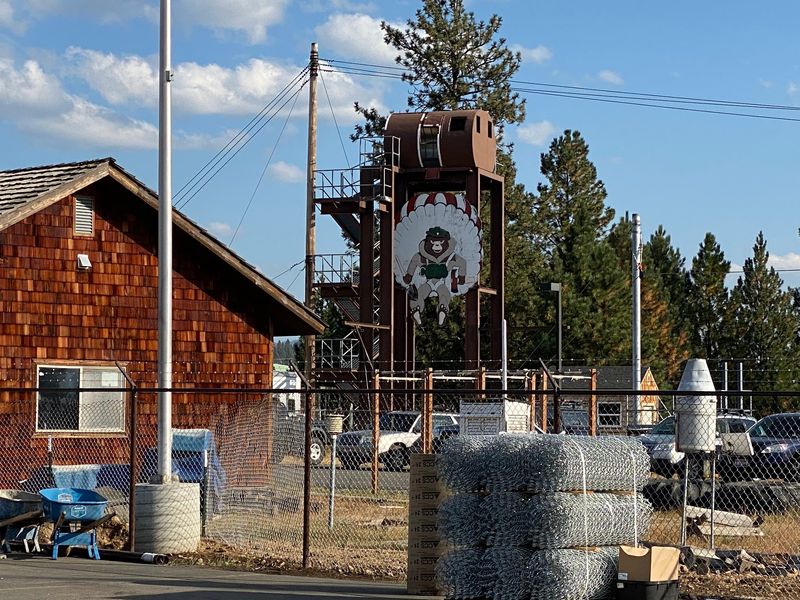
Jumping out of a plane is only half the skill. The other half is knowing how to land without turning a mission into a medical trip.
Smokejumpers train hard to meet strict physical requirements. The job asks them to carry heavy gear over rough ground long after the parachute is packed away.
One core skill is the parachute landing fall, often called a PLF. It teaches jumpers to spread the impact through their body instead of taking it all in their legs.
Canopy manipulation is another big piece of the puzzle. Jumpers learn to steer their parachutes toward safe openings and away from hazards.
The McCall Smokejumper Base includes a training unit, and tours may pass through it. Seeing the setup up close makes the commitment feel very real.
Honestly, it’s humbling. Most of us struggle to land a lawn chair gracefully, and these crews practice landings for terrain that fights back.
Families with sporty kids might find this the most memorable part of the visit. Few things spark a conversation on the drive home like learning how professionals fall on purpose.
Chainsaws And Groceries Arrive By Parachute Too
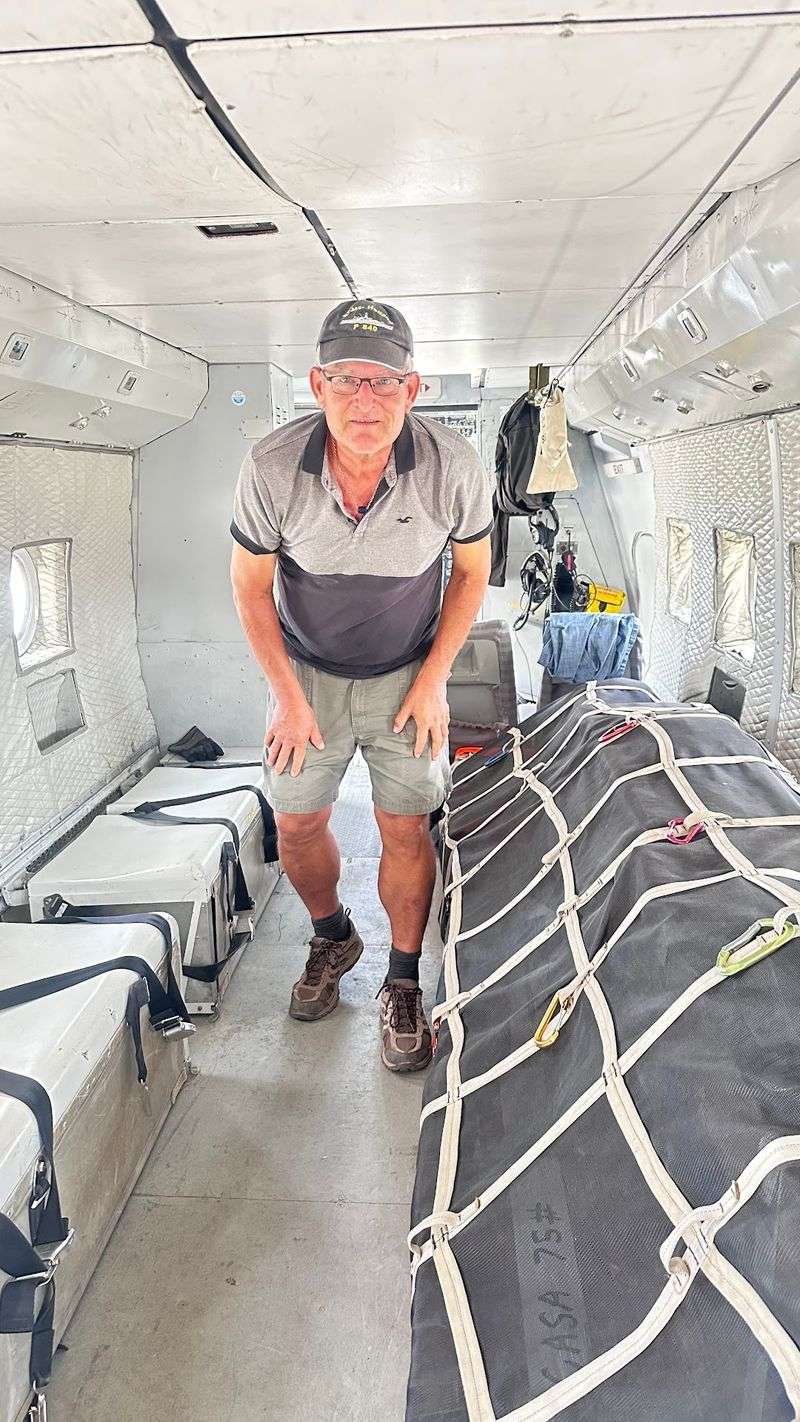
Picture shopping for a firefighting crew, then delivering the order by air. That’s basically paracargo, and it’s one of the cleverest parts of the operation.
Once smokejumpers land, they still need tools and supplies to do their work. Planes drop essentials like chainsaws, pumps, hose, and food under their own parachutes.
Without that system, crews would be stuck with whatever they could carry on the jump. Paracargo lets them stay out longer and fight smarter.
I can’t stop thinking about the packing puzzle involved. Every bundle has to survive the drop and land somewhere useful, not tangled in a treetop.
The interpretive material at the McCall base explains how these deliveries work. It’s one of those topics that sounds simple until you learn the details.
It also shows that wildfire fighting is a team sport. Pilots, packers, dispatchers, and jumpers all rely on each other to make a single mission succeed.
Next time you see smoke over Idaho’s backcountry, you’ll know there may be supply bundles floating down nearby. That’s a mental picture that sticks around.
Planes, Helicopters, And A Dispatch Center Under One Sky
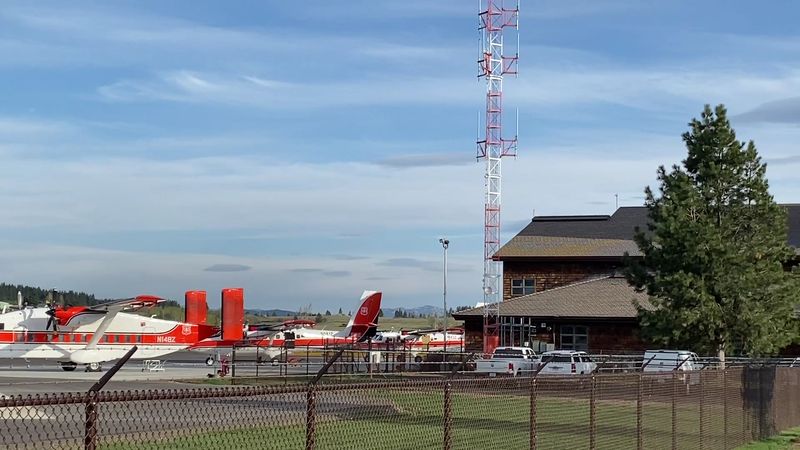
Wildfire response here goes well beyond parachutes. The tour route can include the Payette Interagency Fire Dispatch center, the air tanker base, and the helibase.
Dispatch is where fire calls get coordinated. It’s the nerve center that decides which crews and aircraft head where.
The air tanker base and helibase add more muscle to the picture. Together they show how ground crews, jumpers, and aircraft all fit into one response.
Even outside a tour, the airport setting delivers some action. Picnic tables at the interpretive site give you a place to sit and watch aircraft activity at the base.
During summer, you might spot smokejumper aircraft on the move. If the timing lines up, you could even see jumpers being dispatched to a fire.
Nobody can promise that, of course, since fires don’t follow tour schedules. Still, the chance alone makes a sandwich at those tables more exciting than usual.
Aviation fans will feel right at home here. It’s a working Idaho airfield with a mission, and that energy is hard to fake.
The Lookout Side Of The Story Waits Across Town
Before anyone jumped from planes, someone had to spot the smoke. For that chapter, head to the Central Idaho Historical Museum at 1001 State St. in McCall.
The museum fills four acres with eight historic log structures. The Civilian Conservation Corps built them in 1937, and they’re listed on the National Register of Historic Places.
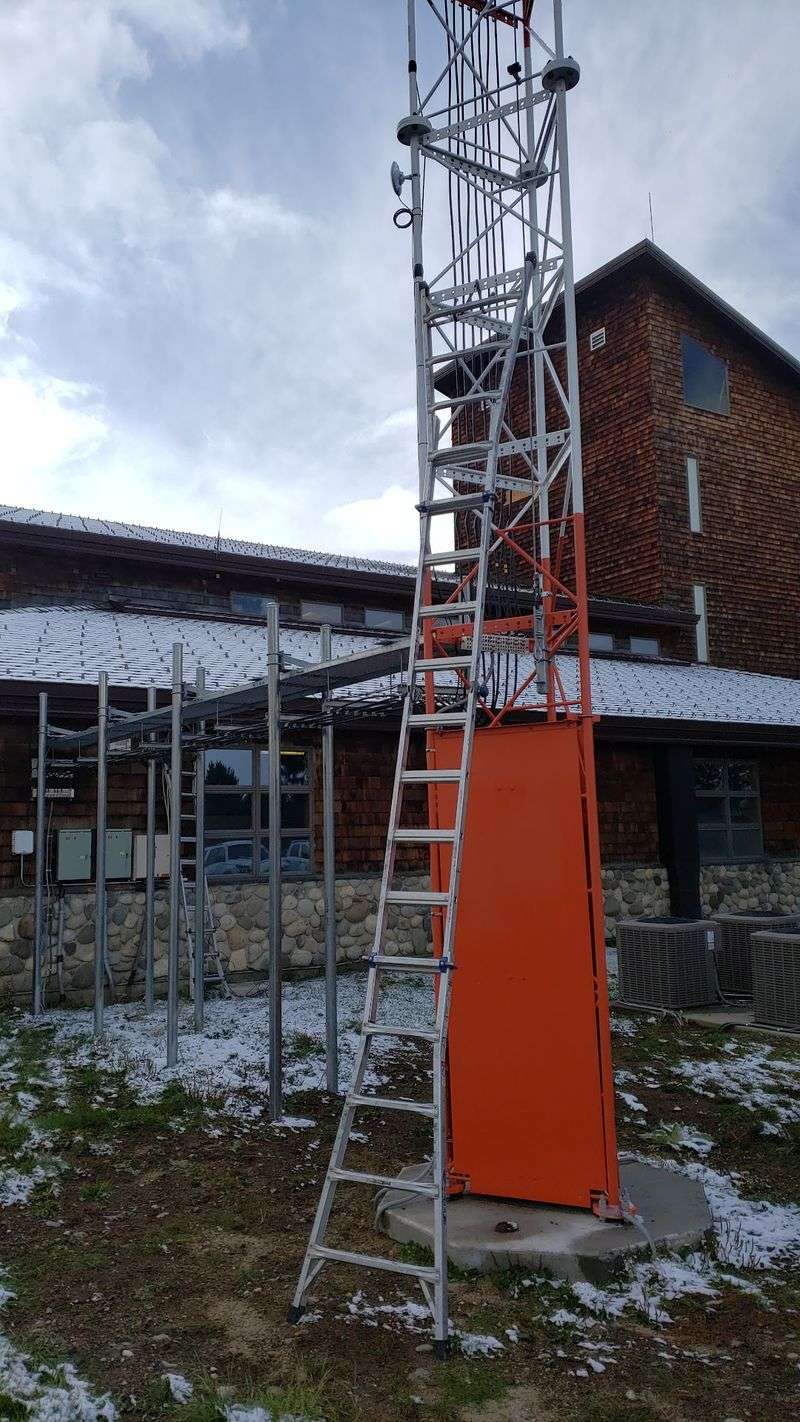
A real fire lookout tower stands on the grounds. Displays explain why lookouts mattered so much to forestry and logging in central Idaho.
The Fire Warden’s House is a three-story log home with original furnishings. It’s a fine glimpse at how fire protection was run from a homey base camp.
Don’t skip the Machine Shop and its Corliss Bullwheel. The wheel from the old McCall sawmill measures 19 feet across and weighs 22 tons.
The museum keeps a short summer season, roughly June through August. Check before driving, since days and tour times are limited.
Pairing both stops makes for a satisfying afternoon. You go from watchtowers and log cabins to parachutes and aircraft in one easy loop.
Timing Your Visit Around Fire Season
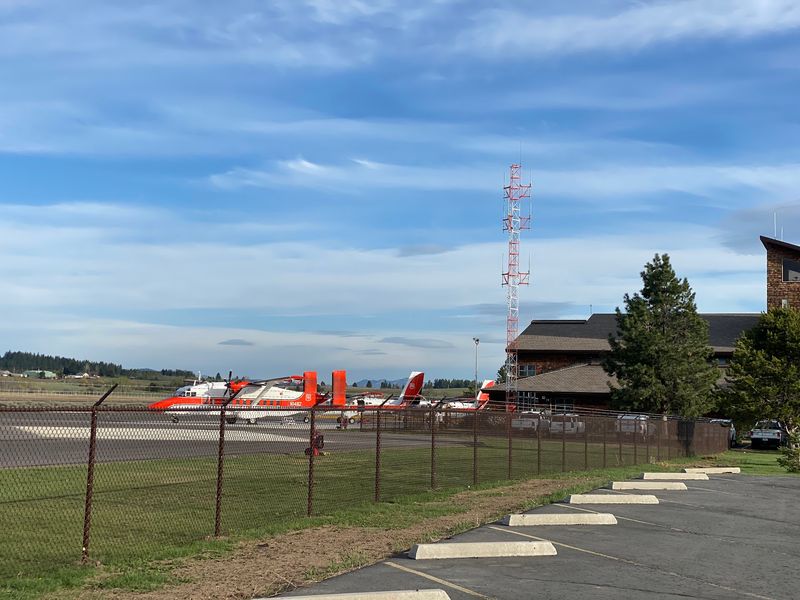
Planning matters with this stop, because it’s a working base first. The McCall Smokejumper Base sits at 605 S Mission St, McCall, ID 83638.
Guided tours usually run on weekday afternoons from mid-June through mid-October. Weekends aren’t part of the regular schedule, so plan a weekday stop.
Fire activity can cancel a tour without much warning. Calling ahead before you drive is the smart move, especially during a busy summer.
Good news if plans shift anyway. The outdoor interpretive site stays accessible, with its four signs and picnic tables near the airfield.
Tour groups can be small, which helps with questions. That makes it a solid pick for curious kids, retirees, and anyone who loves aviation or forest history.
Bring a lunch and give yourself time to linger by the tables. Aircraft activity can turn a quick stop into a longer one.
McCall works well as a weekend base for the rest of the trip. Just slot the smokejumper visit on a Friday afternoon if you’re stretching into Saturday at the lake.
Why This Stop Earns A Spot On Your Idaho List
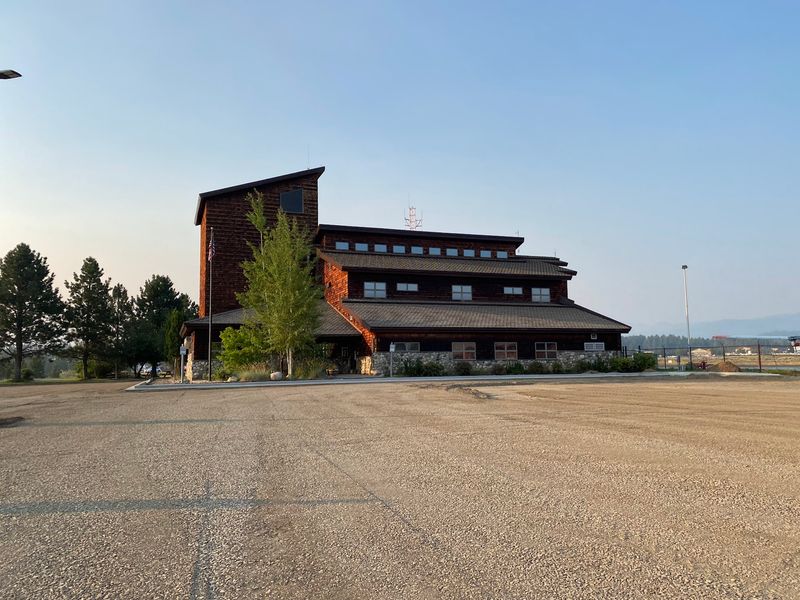
Few places let you meet history that still clocks in for work. The McCall Smokejumper Base does exactly that, and it does it in Idaho’s mountain country.
The story stretches from the first fire jump in 1940 to modern ram-air canopies. In between are parachute riggers, trainees, dispatchers, and pilots all pulling together.
I believe that mix is what makes it stick. You’re not just reading about bravery, you’re seeing the tools and spaces that support it.
Add the Central Idaho Historical Museum and the experience feels complete. Lookout towers explain the watching, and the smokejumper base explains the racing.
It’s an easy outing for families and a low-key treat for history buffs. Nobody needs special gear, just good timing and a little curiosity.
Fire season does call the shots, so stay flexible. A canceled tour still leaves you with signs, picnic tables, and a front-row seat to a busy airfield.
Next time a plane rumbles over the Payette country, you’ll know what might be inside. That’s a pretty great souvenir for one afternoon in Idaho.